Updated July 25, 2026
Contract Review Checklist: How to Review a Contract Like a Pro
Contract Review Checklist: How to Review a Contract Like a Pro
Content
Contracts are the backbone of business operations, defining relationships, setting expectations, and mitigating risks. Inefficiencies in contract management can cost businesses up to 9.2% of annual revenue. This guide will help you review a contract, offering actionable advice and detailed examples to ensure your contracts are solid and beneficial.
Why Reviewing Contracts Annually Is Crucial
Your contracts change and evolve like your business. A business contract review is crucial to ensure they remain relevant and practical. Some of the benefits of yearly reviews include:
Adapting to changes in law
Laws and regulations can change, impacting your contracts. Regular contract check help ensure compliance and avoid legal trouble.
Stay aligned with business goals
Your business evolves, and your contracts should reflect that. Annual reviews ensure that contracts align with your goals and operational needs.
Financial health check
The financial implications of your agreements may change as the market changes. Reviewing contracts can ensure that you are not overpaying or underselling your assets.
Example: Imagine a small retail business signing a lease contract when the market boomed. A few years later, the market has shifted, and rates have dropped, yet the company continues to pay the original high rent due to a lack of contract review.
By using a legal document review process annually, the terms could have been renegotiated to better align with current market rates, saving a significant amount. Loio Sign for e-signature solutions enables businesses to implement updated agreements efficiently.
Key Elements of a Contract
When reviewing a new contract, focus on understanding each key element.
Parties involved. It’s crucial to identify everyone involved in the contract correctly. This might seem basic, but errors in this section can lead to serious legal blunders.
Terms and conditions. Here, you find the who, what, when, and how. Make sure the duties and responsibilities are clear.
Payment details. This section should state precisely what payments are due, under what conditions, and when. Clear payment terms prevent financially-fueled disputes.
Confidentiality clauses. These safeguard sensitive information. Proprietary information must remain protected if you’re sharing it.
Termination clauses. These specify how the agreement can be ended.
Dispute resolution. Establish how disputes will be handled. This is like having a coach mediate disagreements on a sports team. Are issues settled through mutual conversation, arbitration, or court?
Common Mistakes in Contract Reviews
Even seasoned professionals can encounter common pitfalls during legal contract review. Being aware of them can significantly improve the review process.
- Overlooking ambiguity. Vague terms can lead to multiple interpretations.
- Ignoring boilerplate clauses. These standard clauses seem mundane, but they can have substantial implications.
- Failing to track changes. Keep track of all revisions to avoid version control problems.
- Neglecting external context. Understand how external factors, such as market conditions, could impact the contract. For example, international trade contracts might be affected by exchange rate fluctuations.
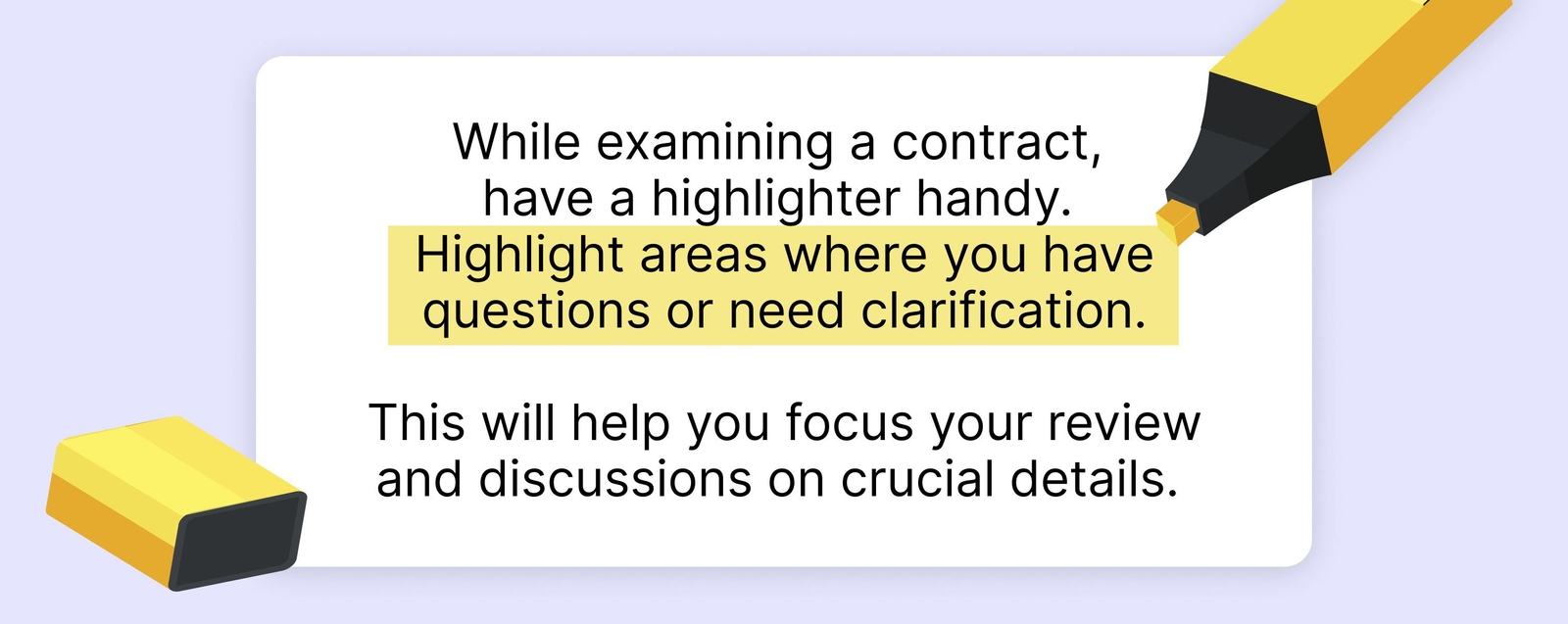
- Skipping the fine print. Often where critical, impactful details hide. It’s tempting to ignore, but you wouldn’t want to misinterpret contractual obligations by missing the finer details.
Tip: Consider creating a new agreement using Loio Templates when reviewing a contract. This tool uses an interview-guided system to help you structure contracts professionally.
Steps for a Comprehensive Contract Review
To undertake a detailed contract review process, follow the steps below:
- 1
Initial read-through. Start with an essential read to grasp the larger picture and purpose of the contract.
- 2
Clause-by-clause analysis. Read each clause in detail, ensuring all terms are understandable and agreeable.
- 3
Check key terms. Verify that all industry-specific terms and jargon are appropriately defined within the contract.
- 4
Consistency examination. Ensure terminology and obligations are consistently applied throughout the document. Consider this guaranteeing that all puzzle parts fit perfectly together without discrepancies.
- 5
Risk and liability assessment. Understand who holds what risks and liabilities.
- 6
Legal review. In areas of uncertainty, don’t hesitate to consult a legal expert.
Additionally:
Schedule reviews. Set an annual reminder to review key contracts. This will ensure that contracts remain current and relevant and adapt to changes in your business and legal landscapes.
Assign responsibility. Designate a dedicated team member or department for contract management tasks to ensure clear accountability and avoid confusion. Given that 40% of organizations admit to unclear task assignments related to contracts, having a straightforward point person is critical in effective contract management.
Your Contract Review Checklist
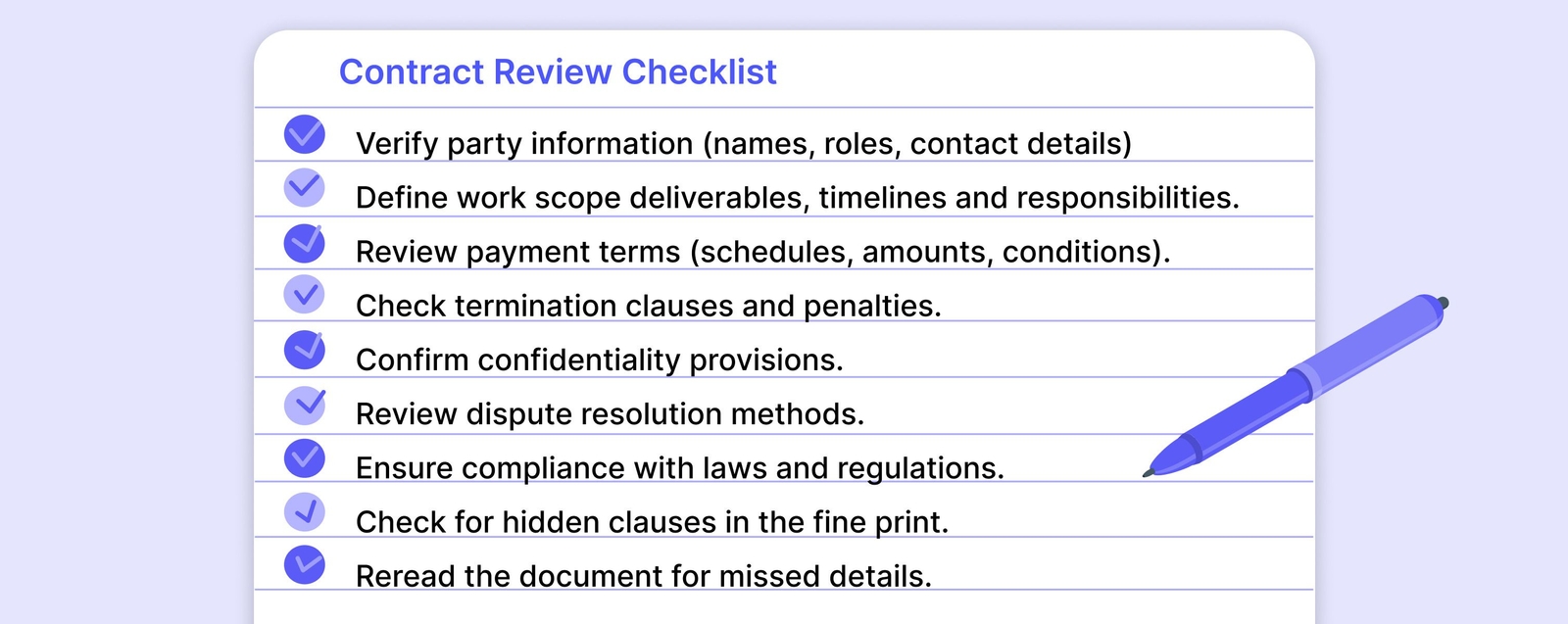
How to review a contract? To make the process smoother and more efficient, keep this checklist handy:
- Verify party information. Double-check all names, roles, and contact details.
- Clarify scope of work. Ensure deliverables, timelines, and responsibilities are clearly defined.
- Review payment terms. Confirm the terms regarding payment schedules, amounts, and conditions.
- Check termination clauses. Understand protocols and fines related to contract termination.
- Confirm confidentiality provisions. Verify clauses managing the handling of sensitive information.
- Dispute resolution clauses. Be aware of how disagreements will be resolved.
- Assess legal compliances. Verify that the contract meets industry laws and regulations.
- Inspect the fine print. Make sure no surprises lurk in the details.
- Final read-through. Reread the entire document before finalizing for any missed details.
Summary
Thorough contract reviews help prevent resource loss and missed opportunities, contributing up to 9.2% of a company’s annual revenue. By taking proactive steps to review, understand, and negotiate contracts, businesses can capture savings of up to 2% in annual costs — an opportunity that is too significant to overlook. Remember, every step in the contract review process is essential, and when in doubt, always seek expert advice or legal counsel. With these strategies, a contract becomes a strategic asset supporting your business’s future.
More guides
September 15
10 min read
Who Can Sign a Contract on Behalf of a Company?
September 15
What Is Contract Redlining?
September 1
7 min read
How to Provide Proof of Employment: Documents and Steps

October 15
How to Start a Staffing Agency: Licensing, Pricing, and Cash Flow

July 20
4 min read
Addendum vs. Amendment: Change Your Purchase Agreement Properly
July 20
What Is an Assignment of Contract? Rights, Duties, and Consent
One home for your
agreements
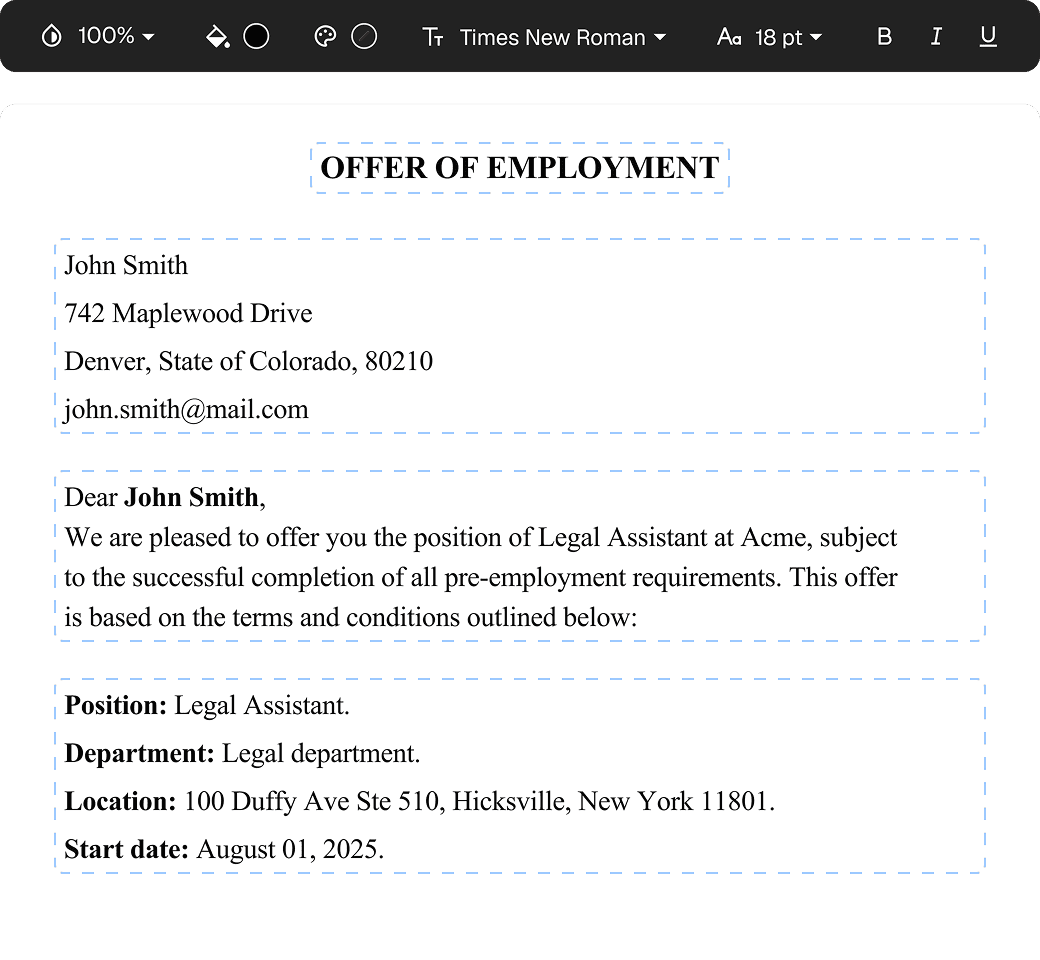
Edit PDFs seamlessly
Tweak agreements before signing or sending for signatures. Update details, add or remove clauses, adjust formatting, and redline changes instantly.
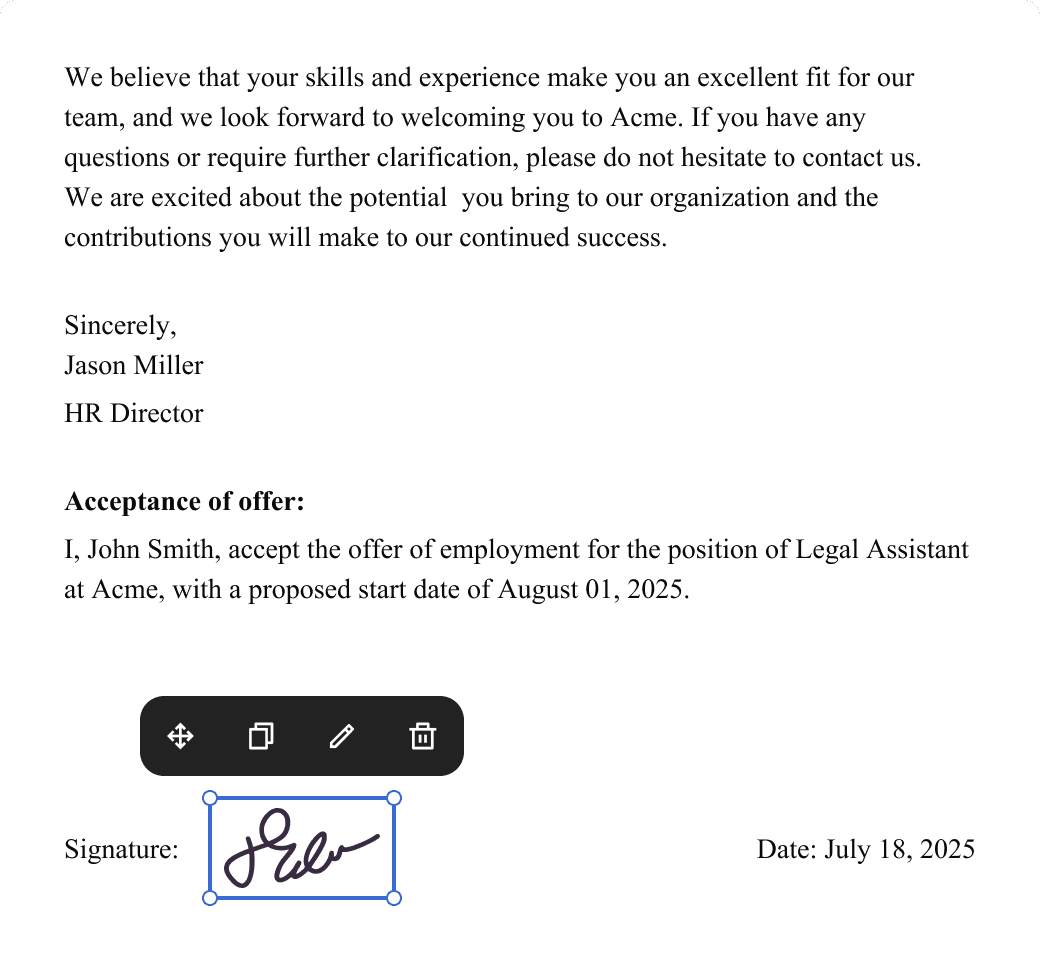
eSign legally and securely
Sign documents and collect legally binding signatures. Invite up to ten people to sign in any order, track the progress, and send reminders.
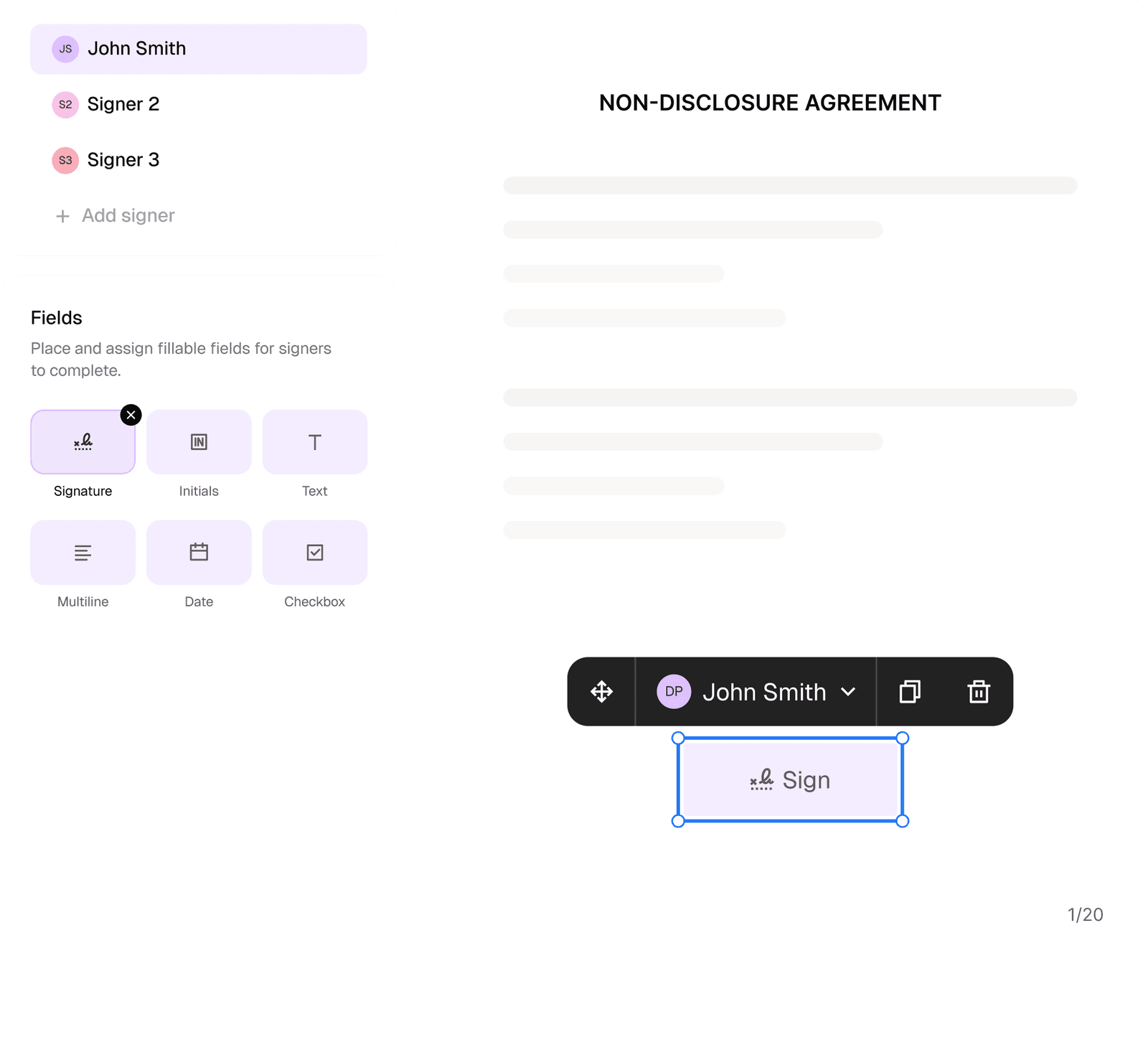
Request legally binding signatures
Invite up to ten people to sign your document in any order. Get a finalized, audit-ready copy without chasing signatures.
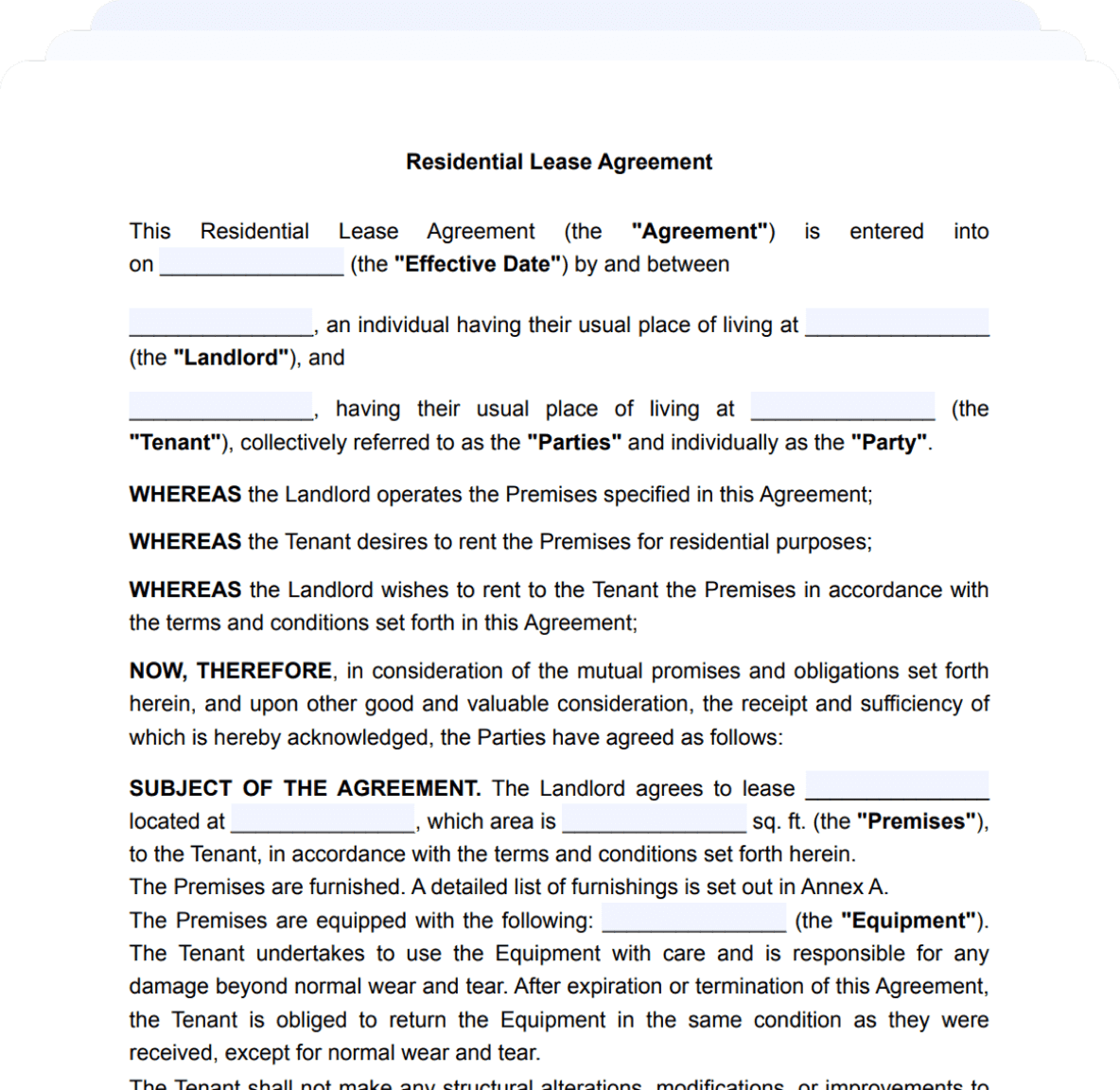
Skip the drafting.
Choose from 2,500+ templates
Browse templatesChoose a template
Fill in details
Sign and download