Updated September 10, 2026
14 min read
How to Protect Your Small Business from Lawsuits
How to Protect Your Small Business from Lawsuits
- Choose the Right Business Structure to Protect Personal Assets
- Use Liability Waivers Before High-Risk Activities
- Use Written Contracts for Every Business Relationship
- Protect Your Business With the Right Insurance Coverage
- Separate Business and Personal Finances Properly
- Follow Employment Laws Before Hiring Your First Worker
- Protect Confidential Information and Trade Secrets
- Register and Protect Your Intellectual Property Early
- Reduce Customer Disputes with Clear Policies
- Keep Your Workplace Safe and Compliant
- Document Everything Important Before Problems Start
Content
Running a business means accepting some legal risk, but many disputes come from problems that are easy to prevent. Owners often face claims because expectations were never written down, workers were classified incorrectly, payments were unclear, or safety rules were ignored, or participants were never informed about activity-related risks.
Learning how to protect your business from lawsuits starts with a few structural decisions. You do not need a legal department to do this well. Clear agreements, the right entity setup, and consistent records already provide quite strong small business lawsuit protection.
These are some of the best ways to avoid business lawsuits before they affect your operations.
Choose the Right Business Structure to Protect Personal Assets
Most owners choose an LLC or corporation because these entities create legal distance between the business and the person running it. This structure protects personal assets when the company faces debts or lawsuits. It also helps when signing contracts with vendors or applying for financing, since partners expect a formal legal entity.
A sole proprietorship does not create separation between the owner and the business. If someone files a claim, savings, vehicles, or property may be exposed.
A properly formed LLC or corporation creates a boundary that limits how far a claim can reach. To put it simply, the business structure separates personal assets from business liability, which is one of the most practical steps owners can take early.
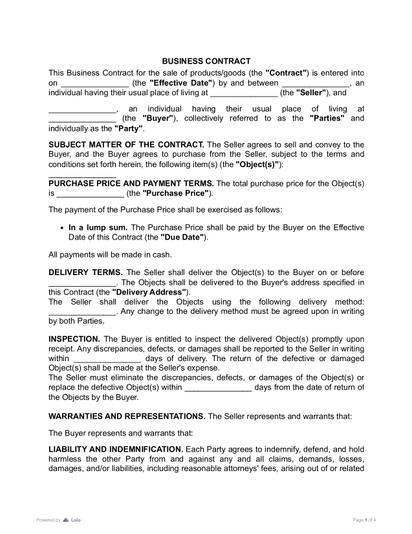
Setting up the right structure also supports your contracts and policies later. For example, when you use a Business Contract Template and sign it in the company’s name, the agreement clearly belongs to the business instead of you personally. Many owners now choose to prepare and edit PDFs online, which makes it simpler to keep documents accurate and consistent across projects.
Mistakes that cancel liability protection
Forming an LLC or corporation helps only if the business actually operates as a separate legal entity. Courts can remove liability protection when owners treat the company like a personal extension.
The most common mistakes are:
Mixing personal and business bank accounts
Signing contracts in your own name instead of the company’s name
Paying personal expenses from business funds without documentation
Failing to keep accounting records or ownership documentation
Operating without required licenses or registrations
Missing annual state filings or compliance deadlines
Treat the company as its own legal structure from the beginning.
Use Liability Waivers Before High-Risk Activities
Not every lawsuit comes from a contract dispute. Many claims arise when customers, participants, or visitors are injured during activities connected to your business. While insurance helps manage financial exposure, businesses should also take preventive steps before an incident occurs.
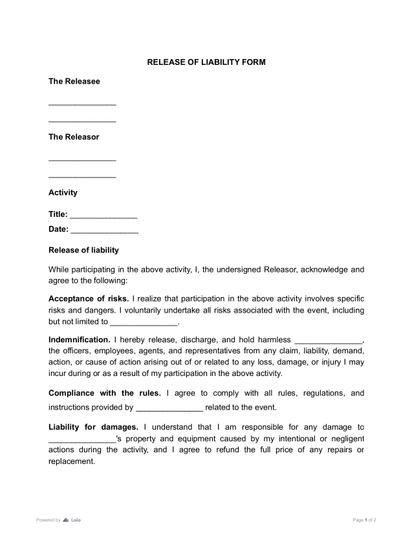
A Release of Liability Form (also called a liability waiver) helps document that a participant understands the risks associated with an activity and voluntarily agrees to assume them. These forms are commonly used by:
Fitness studios and gyms
Sports and recreational businesses
Event organizers
Tour operators
Equipment rental companies
Child activity programs
Businesses offering hands-on training or workshops
Although liability waivers do not eliminate every legal claim, they can strengthen your defense by showing that risks were disclosed clearly before participation. Using a properly drafted Release of Liability Form is one of the most practical ways to reduce lawsuit risk before an accident happens.
Use Written Contracts for Every Business Relationship
Verbal agreements are hard to prove and easy to interpret differently later. Written contracts create a shared record of what both sides agreed to do, when work must be completed, and how payment should happen.
Clear agreements are one of the most practical ways to support legal protection for small business owners. Use enforceable agreements and organized records to document client, vendor, and employee relationships. Contracts and compliance policies reduce small business litigation risk by making responsibilities visible from the start.
Agreements every small business should have
Most businesses rely on a small set of core agreements during daily operations. Missing even one of these often creates confusion later.
Client service agreements describe what work will be delivered, how revisions are handled, and when payment is due. They prevent scope expansion without approval.
Vendor agreements confirm delivery timelines, pricing terms, and responsibility for damaged or late shipments. These details matter when supply issues affect your schedule.
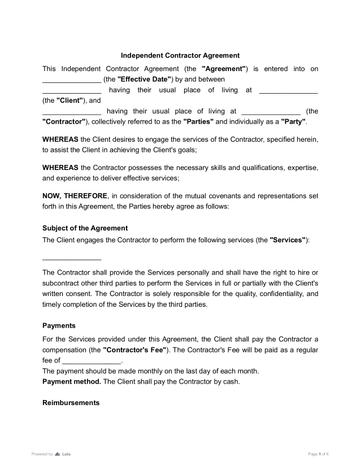
Contractor agreements explain that freelancers are independent workers, not employees. They also clarify who owns the work created during the project.
Partnership agreements define ownership shares, decision authority, profit distribution, and exit procedures between founders.
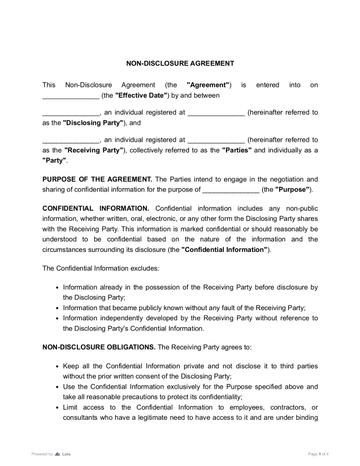
NDAs protect confidential information shared with employees, consultants, or collaborators during projects or negotiations.
Website terms explain acceptable use, payment expectations, and content ownership for online services.
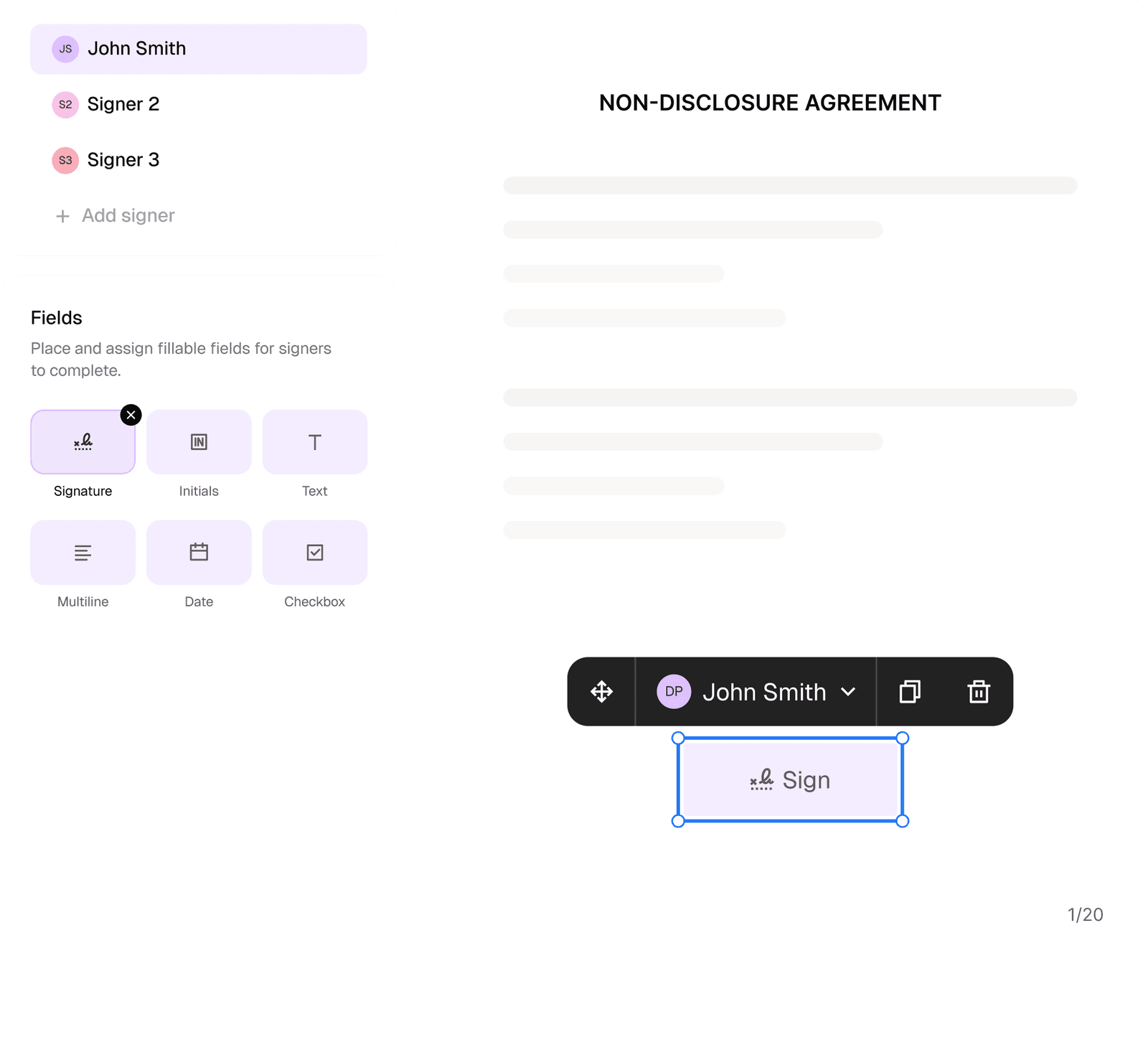
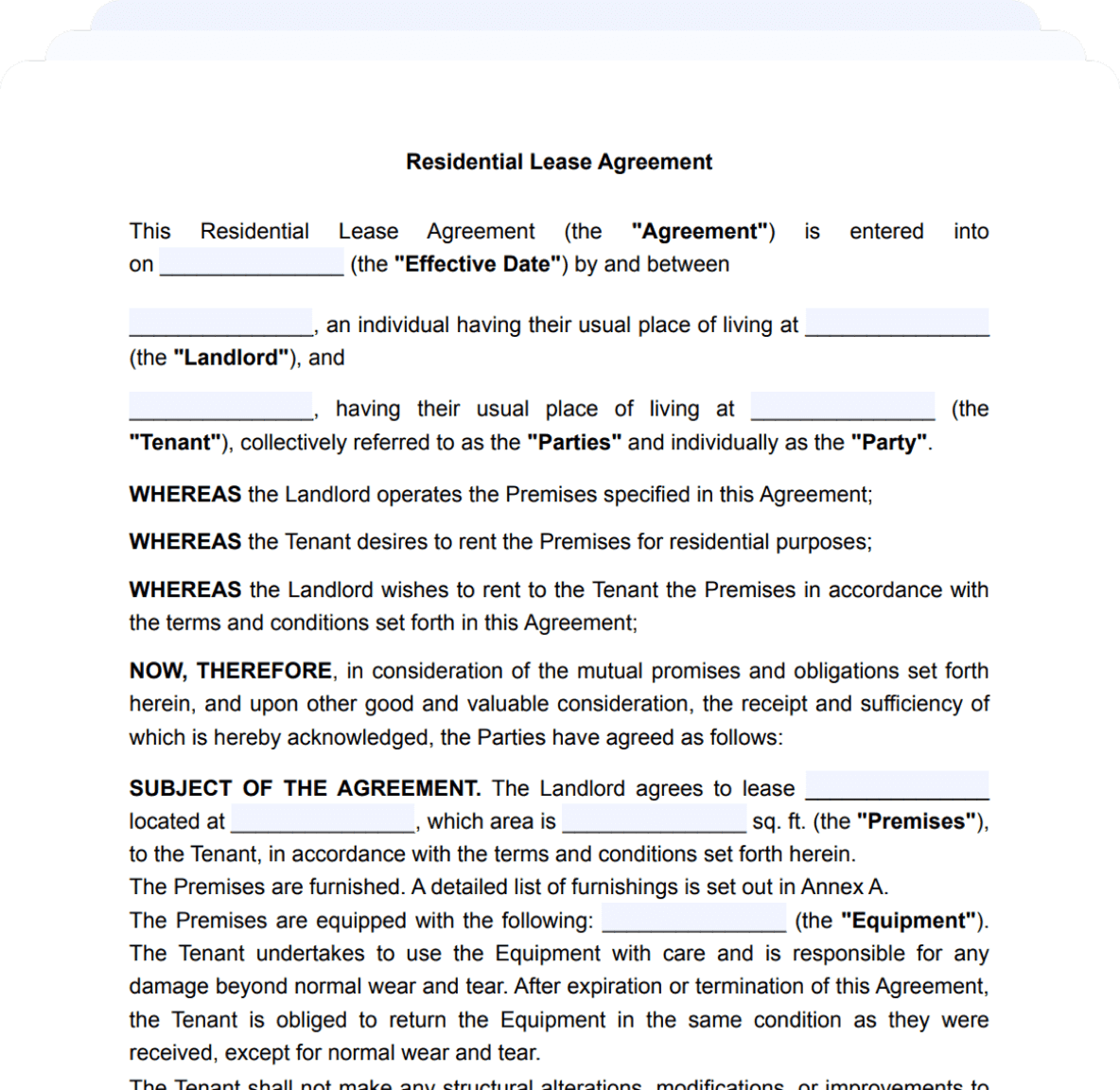
At Loio, we offer a variety of templates that cover all kinds of business needs, like vendor or contractor agreements, among others. With our eSign tool, you can finalize documents quickly and keep a reliable record if questions arise later.
- Independent Contractor Agreement
 7312 downloads
 - Non-Disclosure Agreement (NDA)
 4735 downloads
How to protect your business legally with a strong contract
A contract works only when it answers the questions that usually cause disputes. Missing details can become the reason conflicts escalate.
Scope of work should describe exactly what services or products are included. Clear scope prevents disagreements about extra requests.
Payment terms should explain amounts owed, due dates, accepted payment methods, and late payment consequences.
Deadlines should identify delivery dates or milestones so both sides understand timing expectations.
Ownership of deliverables should confirm who controls finished materials such as designs, reports, or software code.
Termination rights should explain how either party can end the agreement and what happens afterward.
Dispute resolution methods should clarify whether conflicts move to court, mediation, or arbitration.
Liability limits should define how responsibility is handled if something goes wrong during the project.
Strong contracts make expectations visible early, which will help you understand how to legally protect your business before problems develop into claims.
Protect Your Business With the Right Insurance Coverage
Insurance doesn’t stop disputes from happening, but it reduces the financial impact when they do. Legal defense costs alone can affect operations even if the claim is weak.
Different policies protect against different risks. Choosing coverage that matches your business activity is an important part of legal protection for small business owners.
Always carry liability insurance that covers bodily injury, property damage, and employment-related claims.
General liability insurance
General liability insurance covers incidents involving customers or visitors, such as injuries, damaged property, or advertising disputes.
For example, a visitor could slip inside your store or equipment could damage a client’s property during a service visit. This coverage helps manage legal expenses connected to those situations.
Professional liability insurance
Service providers face claims when clients believe work caused financial loss. These disputes may involve delays, incorrect advice, or incomplete deliverables. Professional liability coverage helps address these risks for consultants, designers, accountants, marketers, and IT specialists.
Employment practices liability
Employee disputes are one of the most common legal risks for growing businesses. Such claims may include discrimination, harassment, or termination decisions, among others. Employment practices liability insurance helps cover legal defense costs connected to these workplace claims.
Product liability insurance
Businesses that sell physical goods face risk if a product causes injury or fails unexpectedly. Product liability coverage supports businesses that manufacture, import, distribute, or sell products as they expand into larger markets.
Separate Business and Personal Finances Properly
As mentioned before, courts expect a company to operate as its own legal entity. When business and personal money are mixed, that separation becomes harder to prove if a claim reaches court.
Open a dedicated business bank account as soon as operations begin. Use a separate credit card for company expenses and record owner withdrawals clearly. Some actions that may create risks are:
Paying personal bills from a business account
Depositing business income into a personal account
Signing contracts without naming the business entity
Keeping incomplete accounting records
Keeping finances separate is one of the simplest steps when learning how to protect your business legally. It strengthens liability protection and makes taxes, audits, and contract disputes easier to manage.
Follow Employment Laws Before Hiring Your First Worker
Employment claims are one of the most common legal risks for growing businesses. Many disputes begin because expectations were unclear at the start of the working relationship.
Set policies early to prevent misunderstandings and support consistent decisions later.
Classify workers correctly (employee vs contractor)
Employees and independent contractors follow different legal rules. Contractors usually control how and when they complete their work, while employees typically follow company schedules and internal procedures.
Review job responsibilities before assigning status. Written agreements help confirm expectations and reduce confusion if questions arise later. With this AI Contract Review tool, you can summarize legal documents and make it easier to confirm whether agreements reflect the correct working relationship.
Create basic workplace policies early
Clear workplace policies help employees understand expectations and reporting procedures, as well as show that the business applies rules consistently across the organization.
Most small businesses should prepare:
An employee handbook explaining conduct and attendance expectations
An anti-harassment policy with reporting steps
A leave policy describing time off procedures
A discipline process explaining how violations are handled
Follow wage and overtime rules
Federal and state laws set minimum wage and overtime requirements. Employers must track hours accurately and maintain payroll records that reflect actual time worked.
Late payments, missing overtime, or incomplete records often lead to complaints that could have been avoided with better tracking systems. Reliable payroll documentation will also prevent disputes and support compliance if questions arise later.
Document terminations carefully
Termination decisions sometimes lead to legal claims even when they are justified. Written records will explain what happened and when decisions were made. Always keep copies of performance reviews, written warnings, attendance notes, and termination letters.
Protect Confidential Information and Trade Secrets
Small businesses often rely on information that gives them a competitive advantage. When that information spreads outside the company, it can lead to lost clients, pricing conflicts, or partnership disputes.

Secure these materials as early as possible to reduce the chance that internal information becomes part of a legal conflict later.
Use NDAs with employees, contractors, and partners
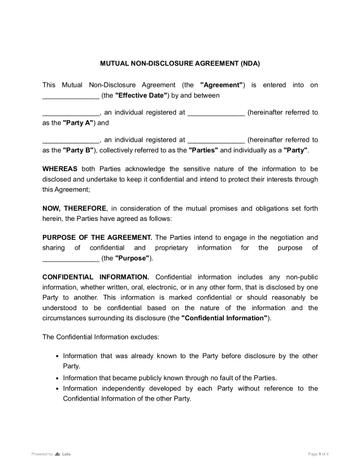
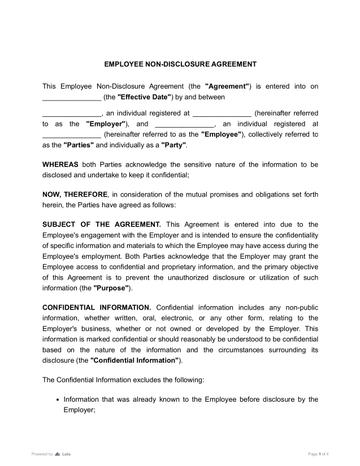
Non disclosure agreements (NDA) explain what information must stay private and how long confidentiality applies. They are especially useful when working with freelancers, developers, consultants, and early-stage collaborators who need access to internal materials. NDAs also help protect ideas shared during partnership discussions or vendor negotiations.
- Mutual Non-Disclosure Agreement (NDA)
 4402 downloads
 - Employee Non-Disclosure Agreement (NDA)
 4345 downloads
Limit access to sensitive information
Not everyone inside a company needs access to every document. You can limit access to control how information moves across teams. To do so, you can set permission settings for shared files, store contracts and financial records securely, and restrict access to staff members who need specific information to do their work.
Build clear policies for conduct, dismissal, and safety to lower staff-related lawsuit risk.
Register and Protect Your Intellectual Property Early
Intellectual property usually becomes more valuable as your business grows. To prevent branding conflicts and ownership disputes later, you need to protect it early.
Trademark your business name and logo
A trademark protects your business name and visual identity from being used by competitors in the same market. You can trademark them through the USPTO (United States Patent and Trademark Office). Without registration, another company may claim similar branding and create confusion for customers.
Check names, logos, and content before use to reduce intellectual property disputes.
Copyright
Copyright protection applies as soon as original content is created. This includes website text, product photos, videos, and training materials. However, registration can make enforcement easier if someone copies your content. It also strengthens your position if disputes reach court.
Patents
Patents apply to new inventions and technical solutions. Many service businesses do not need them, but companies developing products or specialized processes often rely on patent protection.
Reduce Customer Disputes with Clear Policies
Customer disputes begin when expectations are not written down. Clear policies explain what customers can expect before a purchase happens. Most businesses should publish:
A refund policy explaining when returns are allowed
Delivery terms describing shipping timelines and responsibility for delays
Service limitations defining what support includes and excludes
Cancellation terms explaining deadlines and fees
Warranty disclaimers clarifying product guarantees
These policies will help customers understand their rights and responsibilities early and give your business a clear position if a disagreement happens later.
Keep Your Workplace Safe and Compliant
Workplace injuries lead to claims that could have been prevented with basic safety procedures. A safe environment protects employees and reduces legal exposure at the same time. Businesses should:
Follow OSHA safety standards that apply to their industry
Document employee safety training
Maintain incident and inspection logs
Correct hazards as soon as they are identified
Safety expectations differ across offices, warehouses, and job sites. Train employees on proper procedures from the very beginning to reduce accidents and show that your business takes compliance seriously.
Document Everything Important Before Problems Start
Many legal disputes depend on what can be proven and courts rely heavily on written records to understand what happened between parties.
Always keep organized copies of:
Signed agreements and policy acknowledgments
Payment records and invoices
Approval emails related to projects or changes
Safety training documentation
Performance reviews and written warnings
These records show what both sides agreed to at each stage of the relationship. They also help confirm that policies were communicated and followed.
Most business owners don’t plan for lawsuits, but they do control how prepared they are if a dispute appears. The more clearly you document decisions, relationships, and expectations as your business grows, the easier it becomes to prevent problems early.
More guides
September 1
7 min read
How to Provide Proof of Employment: Documents and Steps
September 12
13 min read
Construction Change Order Process: How to Avoid Scope Creep
July 21
8 min read
Statement of Work vs Scope of Work: Differences and How They Work Together
October 15
How to Start a Staffing Agency: Licensing, Pricing, and Cash Flow
July 26
12 min read
How to Read a Profit and Loss Statement
September 15
What Is Contract Redlining?
One home for your
agreements
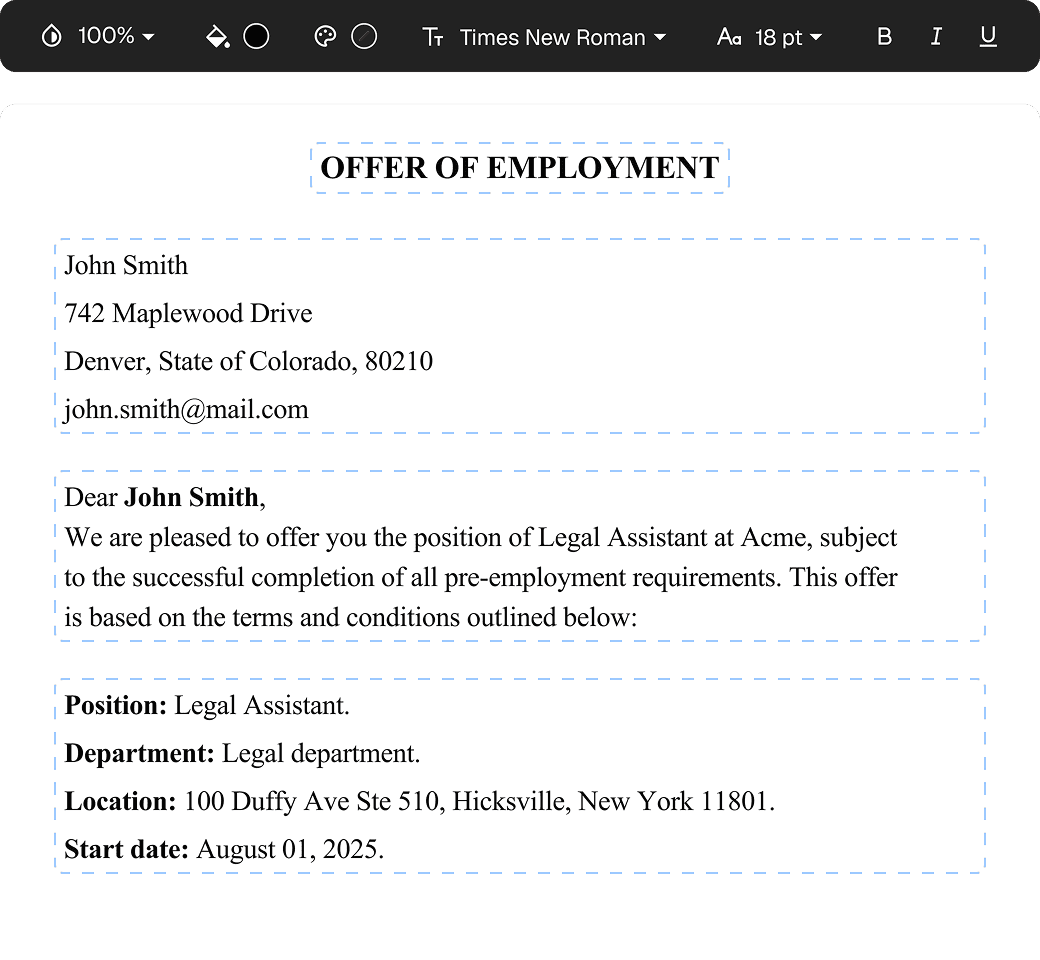
Edit PDFs seamlessly
Tweak agreements before signing or sending for signatures. Update details, add or remove clauses, adjust formatting, and redline changes instantly.
eSign legally and securely
Sign documents and collect legally binding signatures. Invite up to ten people to sign in any order, track the progress, and send reminders.
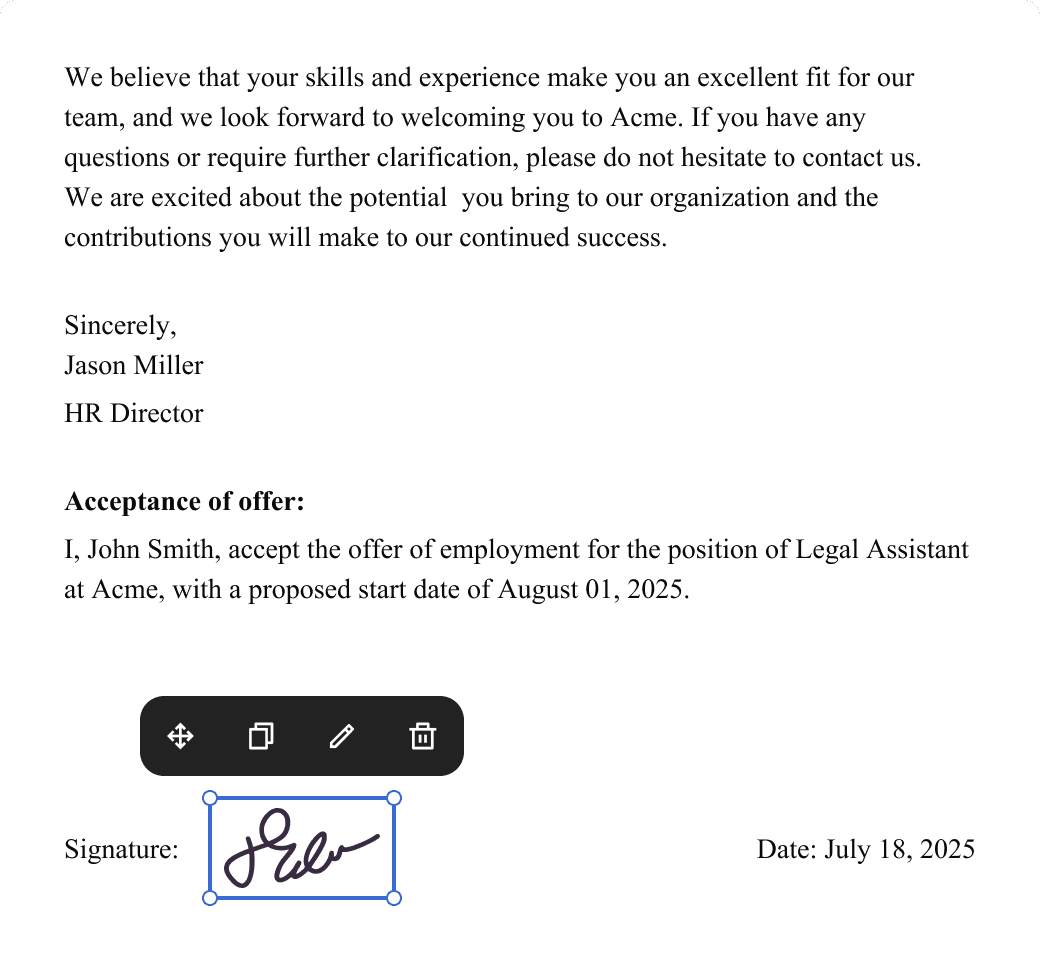
Request legally binding signatures
Invite up to ten people to sign your document in any order. Get a finalized, audit-ready copy without chasing signatures.
Skip the drafting.
Choose from 2,500+ templates
Browse templatesChoose a template
Fill in details
Sign and download