Updated August 5, 2026
8 min read
What to Do When Client Refuses to Pay
What to Do When Client Refuses to Pay
- First, Figure Out Why the Client Hasn't Paid
- Review Your Contract and Payment Terms
- Send a Professional Payment Reminder
- Stop Additional Work Until Payment Is Resolved
- Try Negotiating Before Escalating the Dispute
- Send a Formal Demand Letter
- Legal Options When a Client Refuses to Pay
- Should You Hire a Collection Agency?
- How to Prevent Non-Payment in Future Projects
Content
For freelancers and small businesses, few things are more frustrating than completing a project, sending the invoice, and watching the payment deadline come and go. At first, you assume the client simply forgot but then the reminders start, excuses pile up, or the responses stop altogether.
Unpaid invoices often create serious cash flow problems for freelancers, consultants, contractors, agency owners, or small business owners. In some cases, a single overdue payment can affect payroll, vendor payments, or your ability to take on new projects.
If you're wondering what to do when a client refuses to pay, the good news is that you usually have several options before resorting to court. The best approach is to start with the least confrontational solution and escalate only when necessary.
First, Figure Out Why the Client Hasn't Paid
Before sending legal notices or threatening court action, try to identify the real reason payment hasn't arrived. Not every unpaid invoice involves a dishonest client. In many cases, a client may have:
Forgotten about the invoice
Sent it to the wrong department for approval
Experienced temporary cash flow problems
Questions about the work performed
Concerns about the invoice amount
A dispute regarding the project scope
For example, a marketing consultant may submit a $5,000 invoice expecting payment within 30 days. The client may not be refusing payment at all. The invoice could simply be sitting in an accounting queue waiting for approval.
On the other hand, a client who repeatedly promises payment, avoids calls, and stops responding altogether may be intentionally delaying payment. Uncovering the real reason behind the non-payment can help you determine the next step.
Review Your Contract and Payment Terms
Before contacting the client again, review every document related to the project. Many payment disputes become easier to resolve once you verify exactly what both parties agreed to.
What to look for in your agreement
Start by reviewing your contract, proposal, statement of work, or signed agreement. Pay particular attention to:
Payment due dates
Deposit requirements
Late payment penalties
Milestone payment schedules
Scope of work
Ownership of deliverables
Attorney fee provisions
A well-written service contract often answers many of the questions that arise during payment disputes. For example, if the agreement states payment is due within 15 days of invoice delivery, the client may already be in default. If payment is tied to project completion milestones, you need to confirm those milestones were actually met.
A contract that clearly defines payment terms reduces confusion and gives you stronger leverage if legal action becomes necessary later.
What if you never signed a contract?
Many freelancers and small business owners perform work without a formal contract. Fortunately, that does not automatically mean you have no rights, because courts often consider other evidence, including:
Email exchanges
Text messages
Approved proposals
Purchase orders
Payment history from previous projects
Written acceptance of deliverables
If a client emailed "Looks good, please start the project" and later accepted the completed work, those communications may help establish an enforceable agreement.
Why documentation matters
If payment becomes a legal dispute, you need to come up with reliable evidence. Start gathering contracts and amendments, signed proposals, invoices, emails, text messages, project files, delivery confirmations and meeting notes.
This documentation may become essential if you later need to prove a breach of contract or demonstrate that the work was completed as agreed. If you're reviewing a lengthy agreement, an AI Contract Review tool can be helpful for identifying payment terms, dispute clauses, and other provisions that may affect your options.
Send a Professional Payment Reminder
Once you've reviewed the documentation, send a professional payment reminder. Many overdue invoices are resolved at this stage.
There is no universal rule on when exactly you should reach out, but many businesses use a schedule similar to this:
Due date: Invoice issued
3-7 days overdue: Friendly reminder
14 days overdue: Second reminder
30 days overdue: More formal communication
45-60 days overdue: Demand letter or escalation
Waiting several months before following up usually makes collection more difficult.
What to include in the reminder
Always try to keep the message short and professional to encourage communication and avoid conflict. Include, invoice number, original due date, amount owed, payment instructions, and request for a response.
Example: "Invoice #1045 for $2,500 became due on March 15. Please let me know if payment has already been processed or if there are any issues we should discuss."
Some business owners accidentally make the situation worse by using emotional messages, public complaints on social media, personal attacks, repeated daily emails or threatening legal action immediately. A professional tone increases the likelihood of resolving the issue while preserving the business relationship.
Stop Additional Work Until Payment Is Resolved
One of the most common mistakes freelancers and small businesses make is continuing to work while unpaid invoices accumulate. Pausing work makes sense when:
The client has missed a payment deadline
Multiple invoices remain unpaid
The project is ongoing
The client is avoiding communication
If a consultant is working under a monthly retainer and the client misses two consecutive payments, continuing to provide services may increase financial risk.
How to communicate the pause professionally
Keep your message straightforward and explain that work is temporarily paused until the outstanding balance is resolved. Avoid accusations or emotional language. The objective should be to protect your business and leave the door open for payment and continued cooperation.
Can you withhold deliverables?
Sometimes, but it depends on your agreement and the stage of the project. In many freelance and service-based projects, final delivery is tied to final payment. For example, a designer may provide proofs but hold back editable files until the invoice is paid or a web developer may keep a site on a staging server until receiving the final payment.
Some contracts state that ownership of the work transfers only after payment is received. Including such clauses in your service contracts can give you additional leverage if a dispute arises.
Try Negotiating Before Escalating the Dispute
Not every unpaid invoice requires legal action. Sometimes negotiation produces a faster and less expensive result.
Offer a payment plan
If the client admits the debt but cannot pay immediately, a payment plan may be a reasonable solution. Instead of demanding a single $6,000 payment, you might agree to $2,000 immediately, $2,000 in 30 days, and $2,000 in 60 days.
Payment plans tend to work best when the client is still communicating and the amount owed is large enough that both sides benefit from a flexible solution. They can also help preserve a relationship that may still have value after the dispute is resolved.
Settle for partial payment
Sometimes recovering most of the money is better than spending months trying to collect every dollar. If your client disputes part of a project or only owes $1,500, hiring a lawyer or filing a lawsuit may not make financial sense. Accepting a reduced payment can allow you to close the matter quickly and avoid additional costs.
This option is often worth considering when legal expenses could exceed the unpaid balance or when there is a genuine disagreement about part of the work performed.
Get new terms in writing
If you agree to a payment plan or settlement, document the new arrangement immediately. Many payment disputes get worse because a client promises to pay "next month" or "as soon as business improves," but nothing is put in writing.
Update the original fee agreement or create a separate settlement agreement to avoid future misunderstandings. The document should clearly state the remaining balance, payment deadlines, and what happens if another payment is missed.
Written documentation becomes especially important when the original payment schedule is changing or when payments will be spread over several months. If signatures are needed, an online eSign tool can help both parties finalize the agreement quickly and create a clear record of the new terms.
Send a Formal Demand Letter
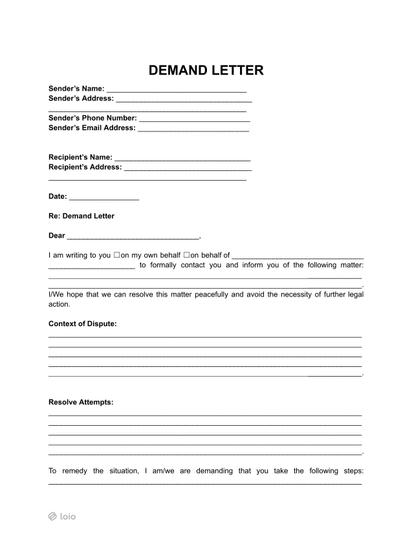
If reminders and negotiations fail, it may be time for a formal demand letter. A demand letter is a written request that formally demands payment and explains what actions may follow if payment is not made.
Unlike a simple reminder, it signals that the dispute is becoming serious. They are commonly used before filing lawsuits or pursuing collections. A strong demand letter usually contains:
Names of both parties
Amount owed
Description of work performed
Relevant contract provisions
Previous payment requests
Payment deadline
Potential next steps
Attach copies of supporting documents whenever possible.
When should you send one?
A demand letter often makes sense when multiple reminders have been ignored, the client has stopped communicating, payment is long overdue (30-60 days), or you are considering legal action. Many businesses see payment shortly after sending a formal demand because it demonstrates they are prepared to escalate the matter.
Legal Options When a Client Refuses to Pay

If reminders, negotiations, and a demand letter haven't worked, you may need to consider legal action. The best option depends on the amount owed, whether the client disputes the work, and what your contract says about resolving disputes. In most situations, businesses can collect unpaid debt through direct collection efforts, agencies, mediation, arbitration, or court proceedings.
Mediation
Mediation is often the least expensive way to resolve a payment dispute. A neutral mediator helps both sides reach an agreement, but does not make a decision for them.
For example, a client may agree that money is owed but dispute part of the invoice. Rather than going to court, both sides can use mediation to negotiate a payment amount or payment schedule.
It is usually most effective when communication is still possible and both parties want to avoid the cost and time involved in litigation.
Arbitration
Arbitration is more formal than mediation. Both sides present evidence to an arbitrator, who reviews the dispute and issues a decision that is often legally binding.
Many business contracts contain arbitration clauses. If yours does, you may be required to go through arbitration before filing a lawsuit. If you're wondering what to do when a client doesn't pay, reviewing the dispute resolution section of your contract should be one of your first steps.
Arbitration can often be faster than court, but filing fees and arbitrator costs may still be significant.
Small claims court
Small claims court is one of the most common solutions for unpaid invoices. It is designed for relatively smaller disputes and usually allows individuals to represent themselves without hiring a lawyer.
State limits vary widely.
For example:
California generally allows individuals to seek up to $12,500 ($6,250 if you’re a business) in many small claims cases.
New York City small claims cases may involve amounts up to $10,000.
Other states may have limits ranging from $2,500 to $25,000.
Before filing, gather your contract, invoices, payment reminders, emails, and proof that the work was completed. If you're asking what can I do if a customer refuses to pay, small claims court is often the first legal option worth considering when the amount falls within your state's limit.
Civil lawsuit
A civil lawsuit may be necessary when the unpaid balance exceeds small claims court limits or when the dispute involves more complex issues. Your client may claim the work was defective, refuse to pay multiple invoices, or argue that the agreement was never properly completed. In these situations, the court may need to determine whether a breach of contract occurred and what damages should be awarded.
Many business owners start looking into lawsuits when trying to figure out what to do if someone doesn't pay you after months of unsuccessful collection efforts. While lawsuits can be effective, they are usually the most expensive and time-consuming option. They are often used only after other remedies have failed or when issues involving non-payment for services rendered laws become central to the dispute.
Should You Hire a Collection Agency?
Collection agencies can pursue debts on your behalf. This option is often considered when:
The debt is older
Communication has completely stopped
The balance does not justify litigation
Collection agencies typically charge a percentage of the amount recovered. Depending on the agency and the age of the debt, fees commonly range from 20% to 50% of collected funds. This means a $5,000 debt could result in recovery of only $2,500 to $4,000 after fees.
For some businesses, that tradeoff is worthwhile because it eliminates the time and effort involved in collection. If you're researching how to collect money from clients who won't pay, a collection agency may be one of several available options.
How to Prevent Non-Payment in Future Projects
The easiest invoice dispute to resolve is the one that never happens. The following practices can significantly reduce problems with non-paying customers and a customer not paying invoice in the future.
Use written contracts every time
Every project should begin with a written agreement. Even simple projects benefit from documentation that explains scope of work, payment terms, deadlines, ownership rights, and dispute procedures.
Request deposits or upfront payments
Many freelancers and service providers require deposits ranging from 25% to 50% before work begins. A deposit helps confirm client commitment, improve cash flow, and reduce financial risk. Large projects often benefit from staged payments rather than a single invoice at completion.
Create clear invoice procedures
Clients should know when invoices will be sent, when payment is due, accepted payment methods and late fee policies.
Set milestone payments for larger projects
Instead of waiting until the end of a six-month project, divide payments into milestones. For example:
30% upfront
30% at midpoint
40% upon completion
This approach limits exposure if the client becomes difficult later.
Keep records of every agreement
Good recordkeeping can make the difference between winning and losing a payment dispute. Always save contracts, emails, change requests, approvals, invoices, payment confirmations, and any other related documents.
If project terms change, document those changes immediately. Many businesses also prefer to edit PDFs online when negotiating revisions or updated payment schedules because it creates a clearer record of what was changed and when.
Learning what to do if your client doesn't pay should start long before a dispute happens. Most clients eventually pay when expectations are documented properly and issues are addressed early. When they do not, knowing your options and keeping clear records gives you the best chance of recovering what you've earned and protect your business at the same time.
More guides
September 1
7 min read
How to Provide Proof of Employment: Documents and Steps
September 10
14 min read
How to Protect Your Small Business from Lawsuits
September 12
13 min read
Construction Change Order Process: How to Avoid Scope Creep
July 21
8 min read
Statement of Work vs Scope of Work: Differences and How They Work Together

August 21
7 min read
Arbitration vs Litigation: The Right Path for Your Business
August 14
11 min read
Right to Work vs. At Will Employment Explained: What's the Difference?

One home for your
agreements
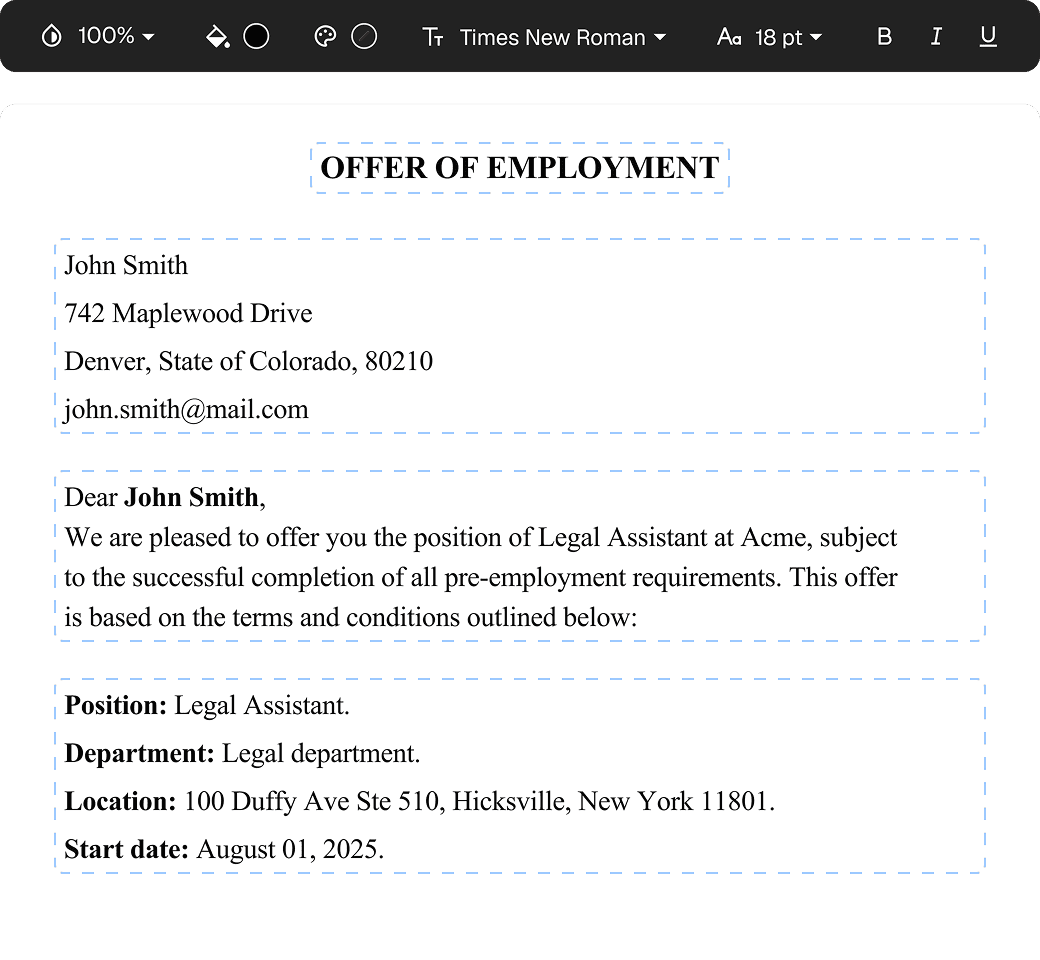
Edit PDFs seamlessly
Tweak agreements before signing or sending for signatures. Update details, add or remove clauses, adjust formatting, and redline changes instantly.
eSign legally and securely
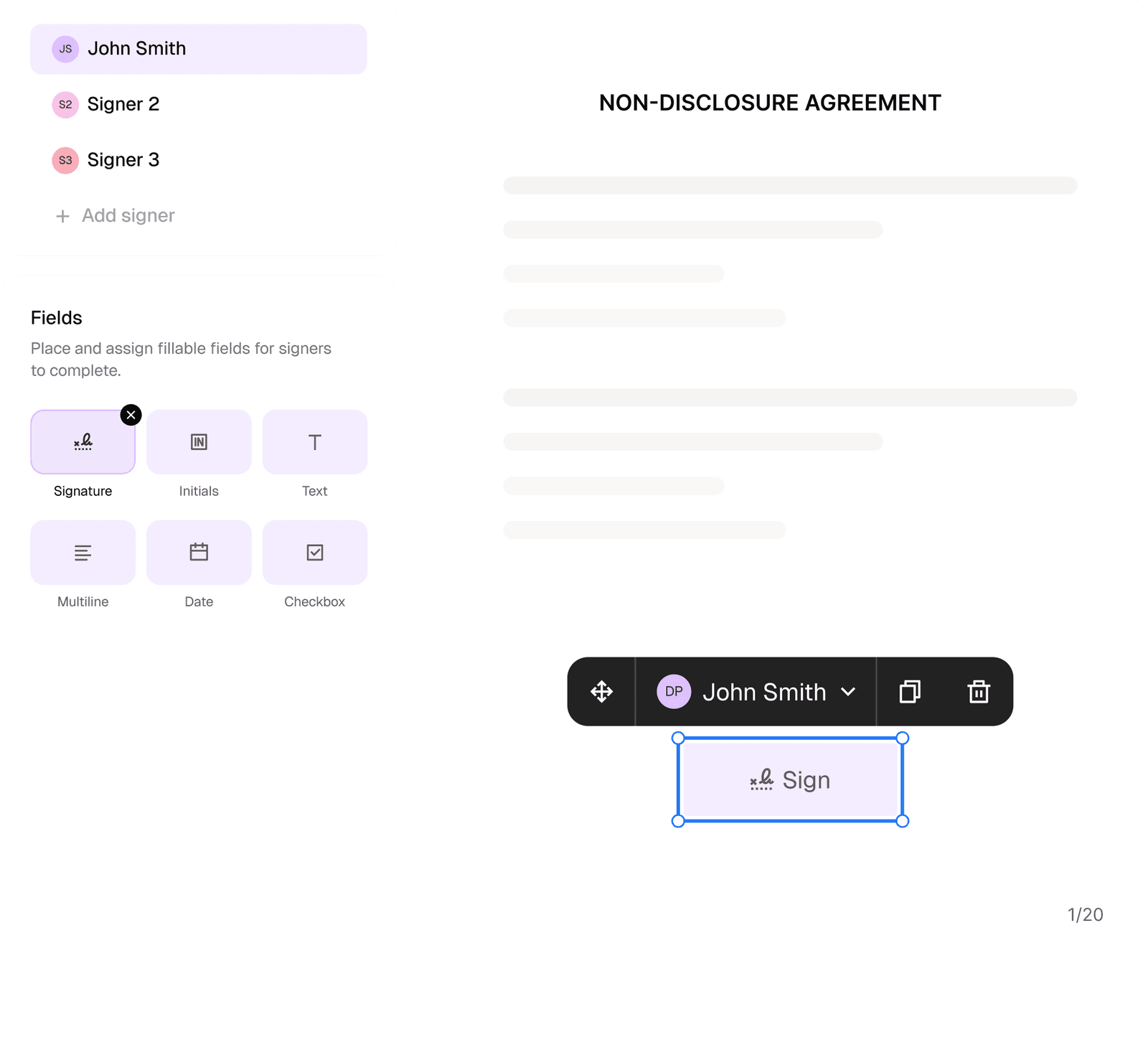
Sign documents and collect legally binding signatures. Invite up to ten people to sign in any order, track the progress, and send reminders.
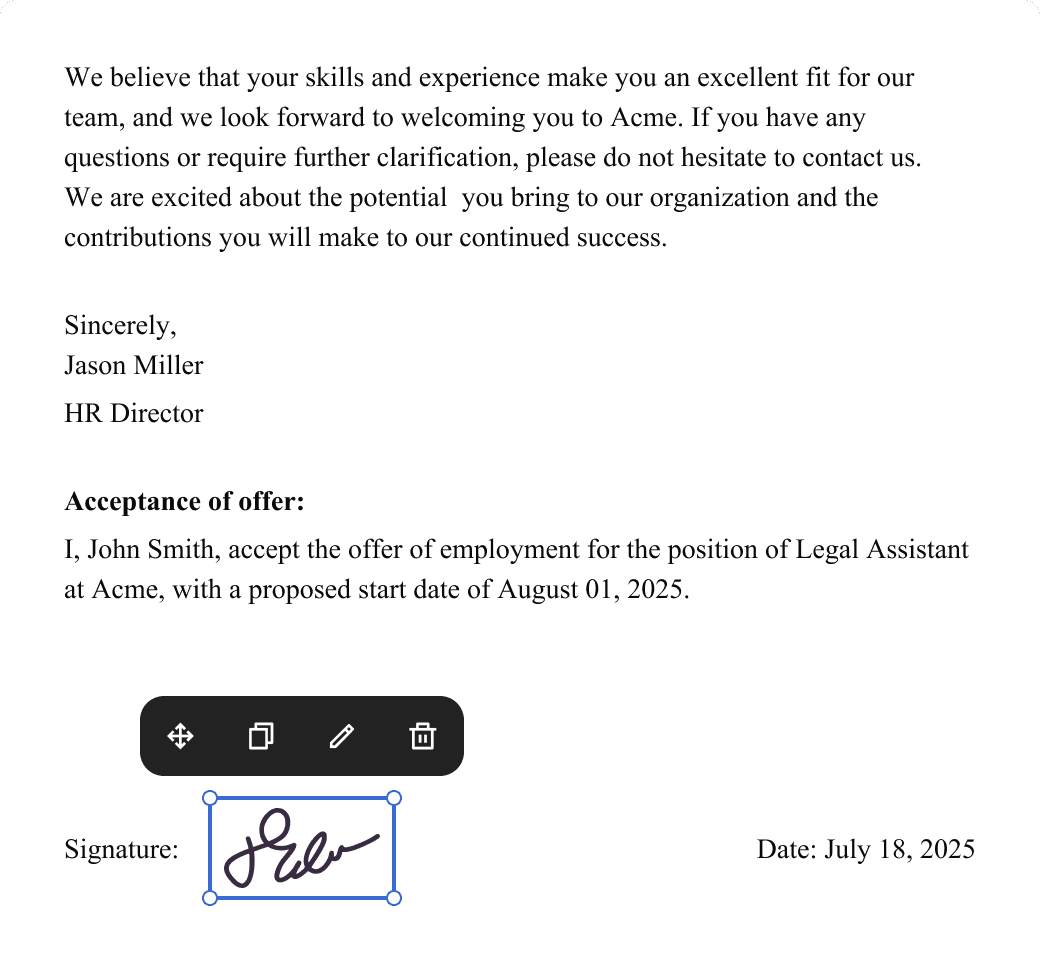
Request legally binding signatures
Invite up to ten people to sign your document in any order. Get a finalized, audit-ready copy without chasing signatures.
Skip the drafting.
Choose from 2,500+ templates
Browse templatesChoose a template
Fill in details
Sign and download