Updated August 21, 2026
7 min read
Arbitration vs Litigation: The Right Path for Your Business

Arbitration vs Litigation: The Right Path for Your Business
- What Is the Difference Between Arbitration and Litigation?
- Why Is the Choice Between Arbitration and Litigation Important for Small Businesses?
- Arbitration vs Litigation: The Biggest Differences Business Owners Should Know
- Arbitration vs Litigation Pros and Cons
- When Should a Business Choose Arbitration Over Litigation?
- When Is Court Litigation the Better Choice?
- Should You Include an Arbitration Clause in Your Business Contracts?
- How to Decide Between Arbitration and Litigation for Your Business
Content
No business is immune to disputes and even a relatively small one can turn into months of legal back-and-forths, money spent on lawyers and fees, and time that could’ve been spent running your business. But before any issue arises, you need to understand that the process used to resolve the dispute can have just as much impact as the dispute itself.
The choice between arbitration vs litigation affects how much money you spend, how long the case lasts, whether the dispute becomes public, and whether you can appeal the decision later. In some cases, choosing the wrong process can cost more than the amount you're trying to recover. Luckily, you don’t need a legal background to figure it out.
What Is the Difference Between Arbitration and Litigation?
In essence, arbitration and litigation both exist to resolve legal disputes. The biggest difference is where the dispute is decided and who makes the final decision.
How arbitration works and what it's for
Arbitration is a private dispute resolution process in which the parties present their case to a neutral third party called an arbitrator. The arbitrator reviews evidence, hears arguments, and issues a decision that is often legally binding.
Many businesses use arbitration because it allows them to avoid traditional court proceedings. It’s one of the most common forms of alternative dispute resolution used in commercial disputes today.
For example, a freelance software developer completed a $30,000 project for a client that later refused payment. If their signed agreement contains an arbitration clause, they may be required to present the dispute before an arbitrator instead of filing a lawsuit.
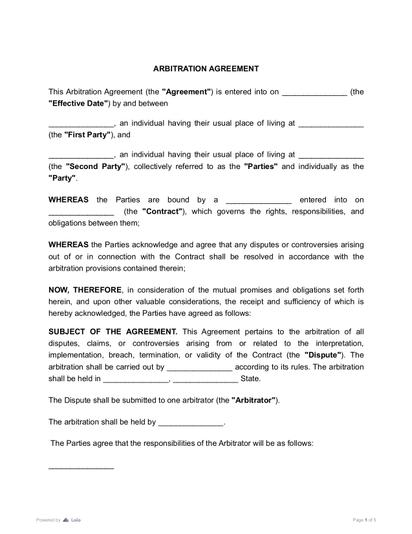
The arbitration process usually involves:
Filing a demand for arbitration
Selecting an arbitrator
Exchanging evidence
Participating in hearings
Receiving a final award
Organizations such as the American Arbitration Association (AAA) or JAMS administer thousands of commercial arbitrations every year. Many disputes involving vendor agreements, partnership disputes, intellectual property licensing, and unpaid invoices are resolved this way.
How litigation works and what it's for
Litigation resolves disputes through the judicial system. One party files a lawsuit, both sides exchange evidence through formal procedures, and the dispute is ultimately decided by a judge or jury.
For example, if a marketing agency believes a former partner stole company assets and concealed financial records, filing a lawsuit may provide access to court procedures that help uncover evidence.
The litigation process typically includes:
Filing a complaint
Serving the opposing party
Discovery and evidence collection
Motions and hearings
Trial
Possible appeals
One important difference between arbitration and litigation is that litigation creates public court record, meaning filings, evidence, and judgments may become accessible to competitors, customers, and the media.
Why Is the Choice Between Arbitration and Litigation Important for Small Businesses?
Large corporations often have in-house legal teams that can handle dispute resolution strategy. Small businesses and freelancers usually don’t have that luxury. That’s why choosing the wrong process can have serious consequences.
The wrong dispute process can cost more than the dispute itself
A business owner trying to recover a $15,000 unpaid invoice may spend more than that amount if the dispute drags on for several years.
Attorney fees for commercial litigation commonly range from $250 to over $700 per hour, depending on the market and complexity of the dispute. Expert witnesses, discovery costs, and court filings can also add thousands of dollars more.
Arbitration, however, may not always be cheaper. Commercial arbitration filing fees through AAA can exceed $2,000 for larger claims, while arbitrator compensation often ranges from $300 to over $600 per hour.
Many business owners unknowingly decide how future disputes will be resolved when they sign a contract. Common agreements that often include dispute resolution provisions include:
Client agreements
Vendor contracts
Employment agreements
Software licenses
Franchise agreements
Service contracts
Before signing major agreements, always review the dispute resolution section carefully. An AI Contract Review tool can help you identify arbitration requirements, venue clauses, and potential legal risks before a dispute arises.
Arbitration vs Litigation: The Biggest Differences Business Owners Should Know
There is no universal winner in the debate over litigation and arbitration. To understand which option is right for you, you first need to learn their key differences.
Privacy
Arbitration proceedings are generally confidential. Things like financial records, pricing information, trade secrets, customer lists, and internal communications usually remain private. A software company protecting source code or a consulting firm protecting client relationships may prefer arbitration simply to avoid public exposure.
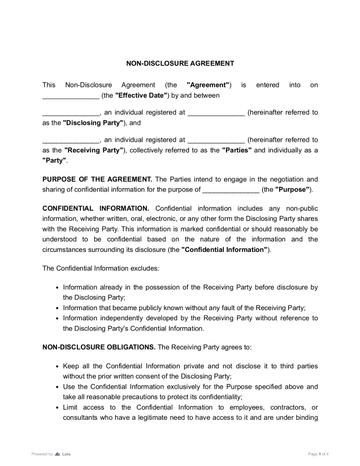
Many businesses also rely on agreements such as an NDA (Non-Disclosure Agreement) to protect confidential information, but arbitration does provide an additional layer of privacy.
Court proceedings, on the other hand, work differently. Lawsuits generally become public records. A lot of sensitive information (in court filings, motions, hearings, and judgments) may become accessible through public databases and court records systems.
- Non-Disclosure Agreement (NDA)
 4699 downloads
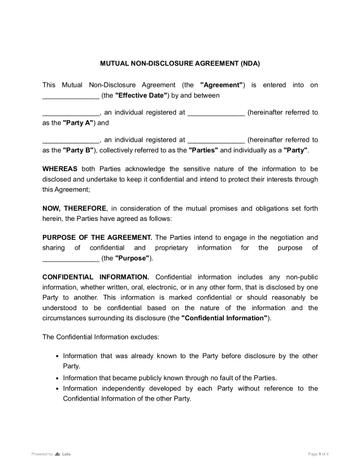
 - Mutual Non-Disclosure Agreement (NDA)
 4383 downloads
Cost
This is one of the most misunderstood aspects of what is the difference between arbitration and litigation.
Court systems are publicly funded, so filing fees are often relatively modest. Federal court filing fees currently total several hundred dollars, although attorney fees and discovery costs can be substantial.
Arbitration adds extra expenses that do not exist in court, including:
Administrative filing fees
Case management fees
Arbitrator compensation
Hearing room expenses
For example, AAA commercial arbitration involving claims around $100,000 can generate administrative fees exceeding $2,500 before arbitrator compensation is even considered.
For smaller disputes under $20,000, arbitration can sometimes cost more than traditional litigation. For larger disputes involving extensive discovery, arbitration may still produce significant savings.
Speed
Commercial arbitration frequently resolves disputes within approximately 11 to 12 months. Federal court cases often take more than 24 months to reach trial, while appeals can extend the process beyond three years.
Arbitration schedules also tend to be more flexible because the parties and arbitrator coordinate hearing dates directly rather than waiting for court calendars.

Discovery and evidence gathering
Discovery refers to the formal process of obtaining evidence from the opposing side. Litigation offers powerful discovery tools, such as depositions, subpoenas, interrogatories, requests for documents, and expert testimony.
If a business partner allegedly concealed financial records or committed fraud, litigation may provide the tools necessary to uncover the truth.
Arbitration generally limits discovery to keep costs and timelines manageable. That can be beneficial when the dispute is simple and straightforward, but problematic when evidence is hard to obtain.
Appeals
One major advantage of litigation is the ability to appeal. If a judge makes a legal error, for example, appellate courts may review and potentially reverse the decision.
Courts usually allow arbitration awards to be challenged only under limited circumstances, such as fraud, corruption, or serious procedural misconduct. It can prevent years of additional litigation. At the same time, it means a mistaken arbitration decision is often difficult to overturn.
This becomes the single biggest factor and the key difference between litigation and arbitration for many business owners.
Arbitration vs Litigation Pros and Cons
Arbitration
Usually faster
More private
Flexible scheduling
Less formal procedures
Limited appeal rights
Arbitrator fees can be expensive
Limited discovery
Results may be difficult to challenge
Litigation
Full discovery rights
Appeal rights available
Strong court enforcement powers
Jury trial is possible
Usually slower
Public proceedings
Higher legal expenses
Rigid procedural rules
When Should a Business Choose Arbitration Over Litigation?
Arbitration is often a good choice when businesses want to resolve disputes quickly, privately, and without spending years in court. It tends to work best when both parties agree that preserving the business relationship is more important than winning a public legal battle.
If you need privacy
Unlike court cases, arbitration proceedings are usually not open to the public. If a dispute involves sensitive financial information, client relationships, pricing strategies, or proprietary business processes, this privacy is very important.
For example, if a consulting agency and its client disagree over a $100,000 project, arbitration can help keep internal communications, financial records, and settlement discussions private.
If you want to preserve the relationship
Some disputes happen between businesses that still want to work together afterward. Vendors, contractors, and long-term clients often prefer arbitration because the process is usually less adversarial than litigation.
A supplier dispute over delivery delays, for example, may be easier to resolve through arbitration than through years of court proceedings that permanently damage the relationship.
For interstate or international disputes
Arbitration is also common when parties operate in different states or countries. Instead of arguing about which state court should hear the case, businesses can agree in advance on where arbitration will take place and which rules will apply.
With international business disputes, arbitration awards are often easier to enforce than court judgments because of international treaties recognized by more than 170 countries.
Arbitration often works best for mid-sized disputes
For many businesses, arbitration works best when the amount in dispute falls somewhere between roughly $25,000 and $500,000.
Smaller disputes may not justify arbitration costs, while larger disputes sometimes require the broader evidence-gathering tools available in court. Straightforward payment disputes, partnership disagreements, and many contract disputes often fit well within arbitration.
When Is Court Litigation the Better Choice?
Although arbitration offers several advantages, some disputes are simply better suited for court.
When you need emergency court orders
When a business needs to prevent the theft of trade secrets, stop intellectual property infringement, freeze assets, or enforce certain contractual restrictions, courts can issue emergency orders to stop those actions immediately. If a former employee takes confidential customer data before joining a competitor, waiting for arbitration is not practical and potentially damaging for the business.
When extensive evidence gathering is necessary
Some disputes depend on obtaining records that one party doesn’t want to provide voluntarily. Litigation gives businesses access to subpoenas, depositions, forensic investigations, and other discovery tools. This applies to cases involving fraud, hidden assets, shareholder disputes, or accounting irregularities.
When establishing legal precedent matters
Most small businesses never need to create legal precedent. However, larger companies sometimes want a court decision that clarifies legal rights or influences future disputes.
Arbitration decisions usually remain private and do not establish precedent.
When the other party is unlikely to cooperate
Courts have stronger enforcement powers than arbitrators. Judges can compel testimony, issue subpoenas, impose sanctions, and hold parties in contempt. If you believe the other side may ignore requests, hide evidence, or delay proceedings, litigation can give stronger protections.
Should You Include an Arbitration Clause in Your Business Contracts?
Many businesses decide how future disputes will be resolved long before any dispute actually happens. An arbitration agreement or arbitration provision determines where disputes will be resolved, who will decide them, and which rules will apply.
A vague arbitration clause can create problems later. For example, a clause that simply says "all disputes will be resolved by arbitration" leaves important questions unanswered, including who pays arbitration costs, where hearings occur, and whether discovery is allowed.
Businesses consider arbitration clauses when:
Confidentiality is very important for business operations
Disputes are likely to involve moderate amounts of money
Parties operate in multiple states
Preserving business relationships matters
Faster resolution is preferred over lengthy appeals
Some companies also preserve access to courts for specific situations, such as intellectual property disputes or emergency injunctions.
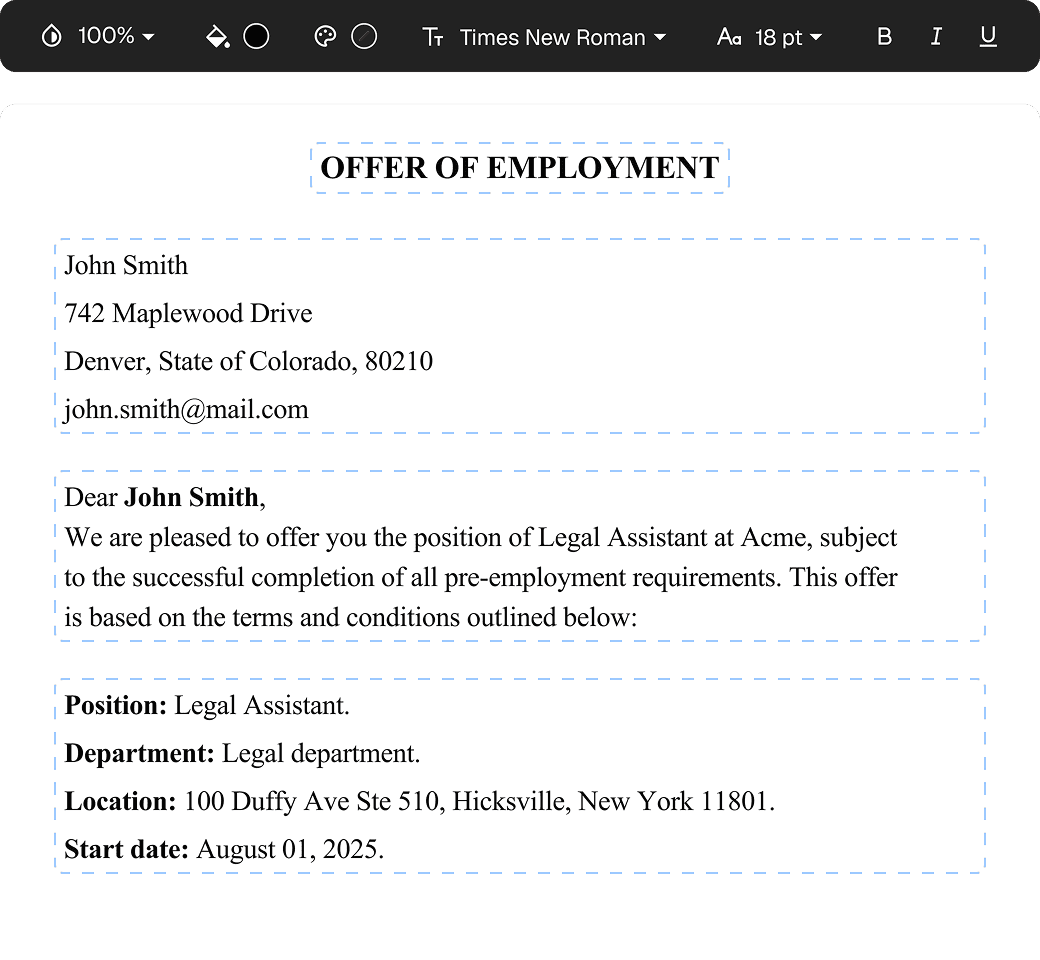
To create and update agreements more efficiently, many owners now edit PDFs online, revise contracts digitally, and finalize documents using an eSign tool, which can also make dispute resolution provisions easier to maintain over time.
How to Decide Between Arbitration and Litigation for Your Business
If privacy, speed, and preserving relationships are your priority, arbitration makes more sense. If you need extensive evidence, emergency court orders, or the ability to appeal, litigation may be the better option. Before choosing either, consider:
How much money is at stake
Whether confidentiality matters
How much evidence you may need
Whether you expect to continue the business relationship
How quickly you need a resolution
Whether your existing agreement already requires arbitration
There is no universal answer to the arbitration versus litigation question because every business, contract, and dispute is different. For any business, knowing how each process works before a conflict arises is what makes a difference in the long run. Take the time to choose the right dispute resolution strategy to protect your business relationships, reduce legal costs, and prevent expensive surprises later.
More guides
September 1
7 min read
How to Provide Proof of Employment: Documents and Steps

September 9
3 min read
Are Verbal Agreements Legally Binding? The Truth About Oral Contracts

September 12
13 min read
Construction Change Order Process: How to Avoid Scope Creep

September 10
14 min read
How to Protect Your Small Business from Lawsuits
September 1
6 min read
Different Types of 1099: Who and When Files Them

August 27
4 min read
Forms W4 vs W2 vs 1099: What’s The Difference?

One home for your
agreements
Edit PDFs seamlessly
Tweak agreements before signing or sending for signatures. Update details, add or remove clauses, adjust formatting, and redline changes instantly.
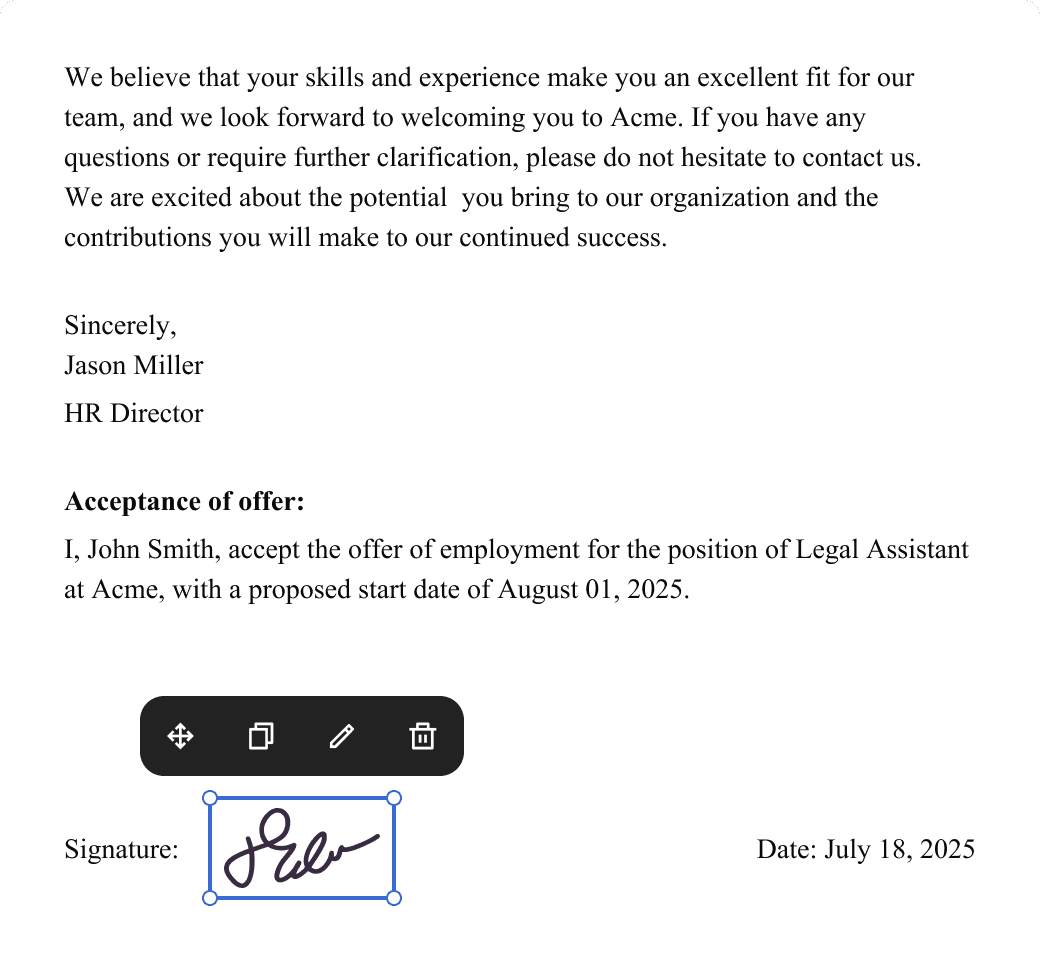
eSign legally and securely
Sign documents and collect legally binding signatures. Invite up to ten people to sign in any order, track the progress, and send reminders.
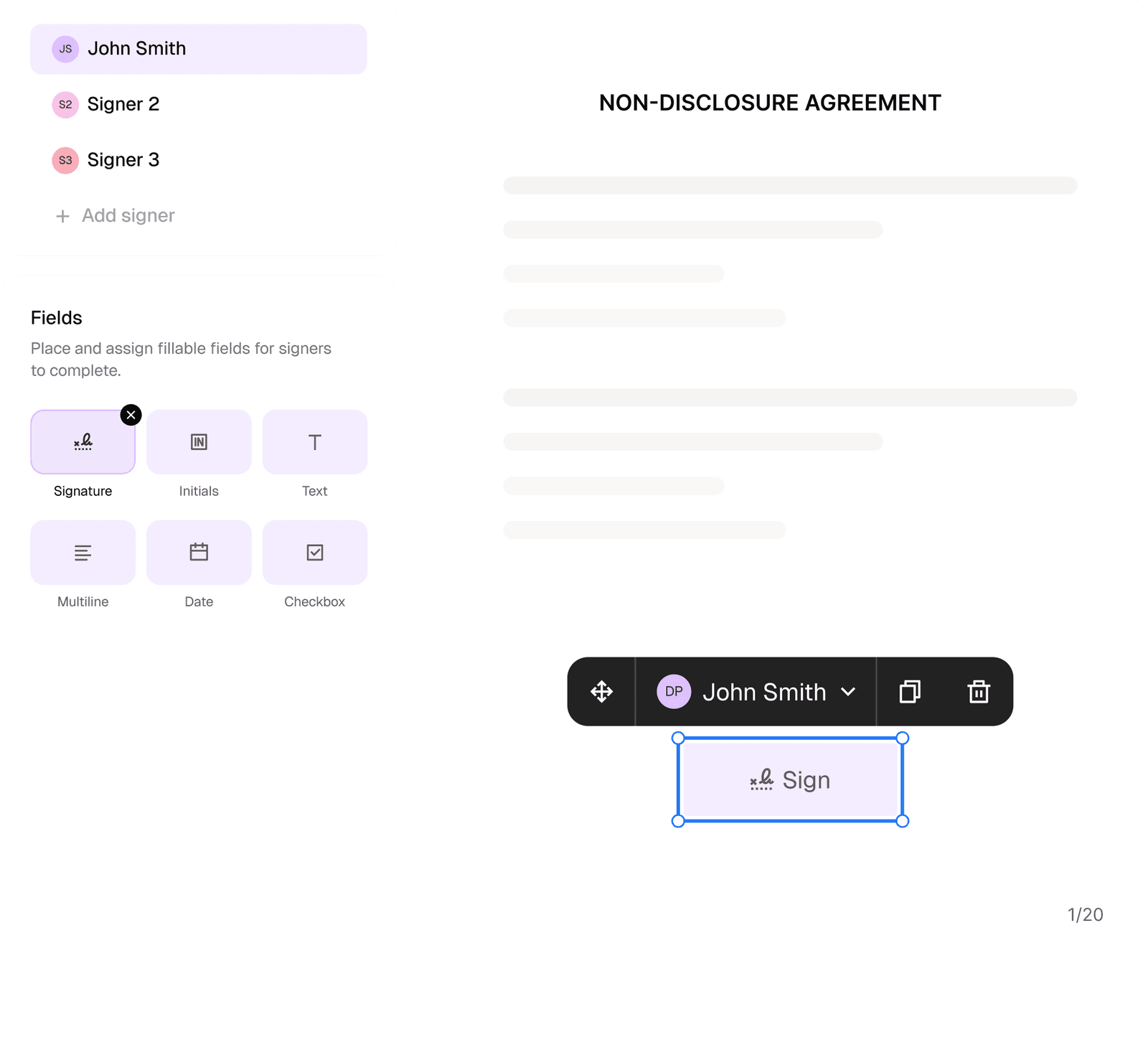
Request legally binding signatures
Invite up to ten people to sign your document in any order. Get a finalized, audit-ready copy without chasing signatures.
Skip the drafting.
Choose from 2,500+ templates
Browse templatesChoose a template
Fill in details

Sign and download