Updated September 2, 2026
12 min read
How to Make a Business Partnership Work: What to Decide First
How to Make a Business Partnership Work: What to Decide First
Content
The rule “two heads are better than one” works in entrepreneurship, too. Starting a business with someone you trust and can rely on can significantly simplify the task and bring broader expertise.
However, before launching a business project with someone, you need to understand how to make a business partnership work. This guide offers all the information you need to do it: from how to choose a reliable partner to how to handle disagreements if they arise.
What Is a Business Partnership?
A business partnership is a legal arrangement in which two or more entrepreneurs or companies agree to own and manage a business together. Each partner contributes money, property, labor, or skills. In return, each receives a share of profits. And losses, of course.
In the U.S., partnerships are primarily governed by state statutes based on the Uniform Partnership Act (UPA) or the Revised Uniform Partnership Act (RUPA). The specific rules vary by state, so you must check the local regulations for the state where you’re registering your partnership.
What Are the Pros and Cons of Entering a Business Partnership?
To understand whether a business partnership is the right choice for you, you should weigh the benefits and risks it can bring:
Advantages of business partnerships
Shared financial responsibility.
The sum you need to start a small business in the U.S. can range from $1,000 to $50,000 and depends on many factors. You can calculate the initial costs for your exact case using a special tool provided by the U.S. Small Business Administration. Whatever this sum is, if there is one more partner to split start-up costs, it will make the financial burden much lighter for you both.
Access to broader expertise.
One partner may be responsible for sales and client acquisition, while the other handles operations, compliance, or finance. Such a division will increase your efficiency and allow faster scaling without the need to hire new people.
More trust from lenders and investors.
Those who give money to your company expansion are more likely to do so if there are two people who guarantee their investments will return.
Lower risks.
If something goes wrong and your business faces losses, they will not fall on one individual.
Friendly taxation rules.
Most partnerships and multi-member LLCs file IRS Form 1065. Profits pass through to partners’ personal tax returns, which allows you to avoid federal corporate income tax.
Microsoft gains 95 percent of its commercial revenue through its partnerships with other companies.
Disadvantages of business partnerships
Risk of personal liability.
In a general partnership, each partner has unlimited personal liability. If the business cannot pay a debt, creditors may pursue your personal assets.
Joint legal responsibility.
No matter which partner makes a poor decision and signs a tricky contract, both small business partners are responsible for the consequences.
Profit division does not equal effort.
Unless your agreement states otherwise, business profits are divided according to ownership percentage, not hours worked or contributions made. So, if you agree on 50/50, each partner will get half, even if one of you does 90% of the work.
Decision deadlock.
A 50/50 ownership has another drawback: each partner has the same power to agree or disagree. So, if one of you wants to expand the business and the other does not, the disputes can be long and costly.
How to Start a Partnership Business?
Before you register the company together, you need to agree on many things: expectations, money, authority, and long-term plans. Many disputes arise in the first few years because partners realize they have different visions for how their business should work. Still, if a partnership is exactly what you need, here is how you can build it:
1. Choose the right partner
Selecting the right person is often more important than selecting the product or service. A strong idea can fail with the wrong partner, while an average idea can succeed with the right one. So, what makes a good business partner?
Financial stability and credit history: Lenders usually require personal guarantees from business owners. If your partner has poor credit or heavy debt, it may affect loan approval or interest rates.
Similar risk tolerance: If you are comfortable taking on a $100,000 SBA loan to grow your company, but your partner prefers zero debt, it can cause a conflict.
Shared goals: Does one of you want to sell the company in three years, while the other plans to pass it to the family? Partnership is not only about the present, but also about the future.
Prior business experience: Has your potential partner managed employees, handled budgets, or signed contracts before? If they have no experience in running a business, you won’t be able to make equal contributions.
Clear work ethic and availability: A full-time founder and a part-time contributor should not automatically receive equal ownership unless it is clearly agreed and documented.
Openness about personal financial needs: If one partner depends on immediate income while the other can reinvest profits for years, you should discuss expectations before you start a business together.
2. Select a partnership structure
Once you know who your partner is, it’s time to decide what kind of partnership you enter. The business structure you choose will determine how your business will operate, what taxes it will file, and what personal liability you will have. There are four common partnership types:

- 1
A general partnership (GP) is the simplest form. In many states, it can be created automatically when two or more people conduct business together for profit — no formal state filing required. However, simplicity comes with risk: each partner has unlimited personal liability for business debts and legal claims. So, if the business is sued or defaults on a loan, your personal assets, such as savings, vehicles, or real estate, may be at risk. For a GP, state partnership laws (like RUPA) apply by default unless the partnership agreement says otherwise.
- 2
A limited partnership (LP) includes at least one general partner (who manages the business and has unlimited liability) and one or more limited partners (who invest capital but have limited liability and minimal control). This structure is common in real estate investments or private investment funds.
- 3
A limited liability partnership (LLP) presupposes that partners have no personal liability for another partner’s misconduct or negligence. Meanwhile, they still enjoy the tax benefits of a partnership. This structure is frequently used by licensed professionals like:
- Law firms;
- Accounting firms;
- Medical practices.
- 4
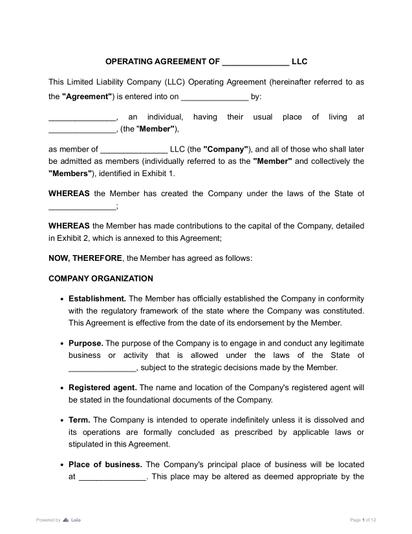
An LLC taxed as a partnership is technically not a partnership; it is a separate legal entity and should be created through an LLC operating agreement. It provides owners with limited personal liability protection not only against negligence but also against all business debts, similar to a corporation. By default, all multi-member LLCs are taxed as partnerships. For most small businesses, this option offers the best balance of security and tax flexibility.
3. Develop a business plan
Before you invest money or sign the partnership agreement, sit down with your partner and create a clear plan. Think of it as a roadmap that shows you where you are going and how you will get there.
Your business plan should include:
- 1
Executive summary: A short explanation of what your business is, what you plan to do, and what you hope to earn.
- 2
Description of your product or service: What are you selling? What problem does it solve? Why would someone choose you instead of another company?
- 3
Target market: Who are your customers? Are they teenagers, parents, small businesses, or homeowners?
- 4
Competition: Who else is offering similar services or products? What will make customers choose you?
- 5
Marketing plan: How will people find out about your business? Social media? Website? Local ads? Word of mouth?
- 6
Operations: Who will handle daily tasks? Who talks to customers? Who manages money? Who orders supplies?
- 7
Money-making: Will customers pay once? Monthly? Yearly? Will you offer packages or subscriptions?
- 8
Financial projections: How much money do you expect to earn and spend?
- 9
Break-even point: When will your business start covering its costs? In other words, when will you stop losing money and start making a profit?
By 2030, partner ecosystems are expected to bring up to $80 trillion in annual revenue.
4. Divide roles and responsibilities
Once all the organizational aspects of your partnerships are settled, it's time for the least pleasant part — talking through the difficult questions. Here’s what you should decide:
- 1
Who owns what?
Ownership should reflect what each of you is contributing: money, time, experience, skills, or connections. It does not have to be a 50/50 split. What matters most is that the arrangement feels fair to both of you and is clear from the beginning.
- 2
How much is each person investing?
Will you both have to invest more if the business needs it? How will profits be divided? Will you reinvest earnings in the early years, or will you pay yourselves? And just as important: if the business loses money, how will those losses be handled?
- 3
How do you share responsibilities?
Even if you are equal partners, you should not both be in charge of everything. That creates confusion. One of you might run daily operations while the other focuses on sales or legal aspects. Each of you should do what you can do best.
If you are dividing ownership equally, you must also agree on how you will end your partnership if that becomes necessary. You can do it through a buyout or mediation.
5. Sign a partnership agreement
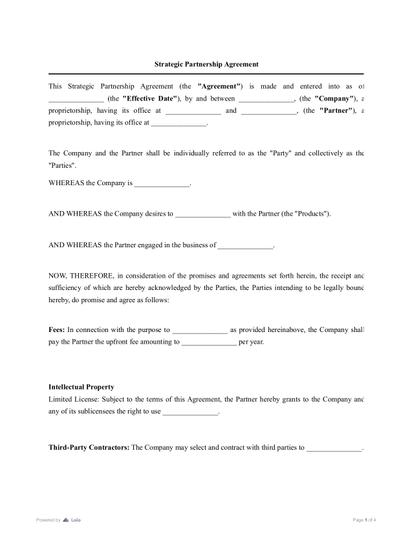
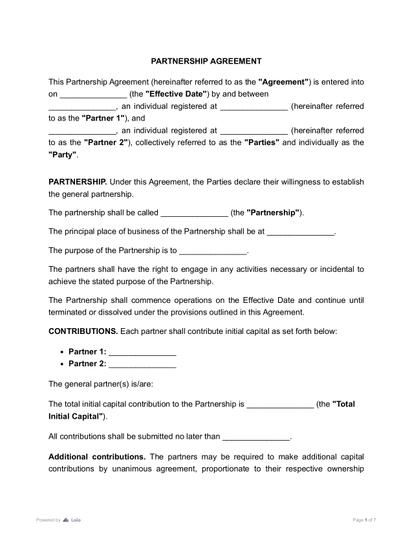
Whatever you agree on, it must be documented. Early enthusiasm can fade, circumstances can change, and memories can differ. Therefore, a detailed partnership agreement — a written contract between business partners that explains how the business will be owned, managed, and operated — is a must.
It typically covers such information:
Each partner’s capital contribution (cash, assets, or services);
Ownership percentages;
How profits and losses are allocated and when distributions occur;
Management roles and authority limits;
Decision-making rules, including matters requiring unanimous consent;
Dispute resolution procedures;
Exit terms and buyout structure;
Valuation method if a partner leaves;
Death or disability provisions;
Confidentiality and non-compete obligations.
Before you sign the document, review it with the AI contract checker and ensure it does not contain any red flags for both partners. Then, each partner should electronically sign their copy of the partnership agreement and keep it till the end of the cooperation and at least 7 years after it officially ends.
6. Register the partnership
Once you and your partner have signed the agreement, it’s time to make your business official. While the exact process depends on your state and the type of entity you choose, the registration process typically includes such steps:
- 1
Choose your business name.
Check your state’s business registry to confirm the name is available and complies with state naming rules. If you plan to operate under a different name than the legal entity name, file a DBA (“Doing Business As”) with the appropriate state or county office.
- 2
File formation documents with the state.
- LLC: Articles of Organization with the Secretary of State.
- LLP: A registration statement.
- GP: Formal filing may not be required, but registering the business name and documenting the partnership is strongly recommended.
- 3
Obtain an Employer Identification Number (EIN): You can apply anytime using the IRS website. You will need this to open a business bank account, hire employees, and file federal tax returns.
- 4
Register for state and local taxes: Sign up with your state tax agency for any applicable income, sales, or employment taxes.
- 5
Apply for required licenses and permits: Depending on your industry and location, this may include local business licenses, zoning approval, health permits, professional licenses, or federal permits.
After registration, open a business bank account and keep your business finances separate from personal funds.
7. Handle regulatory and tax requirements
At the federal level, partnerships of all types must file:
IRS Form 1065 annually. It reports the business’s income, deductions, and overall financial activity.
Schedule K is attached to the IRS Form 1065, and Schedule K-1 provided to each partner so that they can report that information on their Schedule E as part of their personal tax return.
In addition to federal taxes, partners should also be aware of the following obligations:
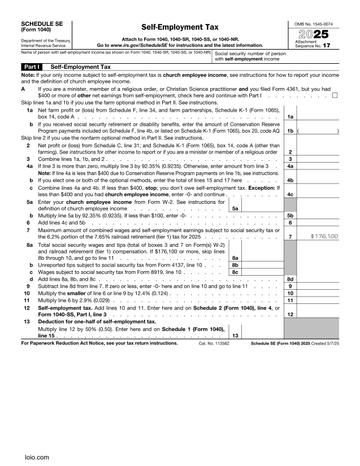
Each partner should file self-employment tax (Schedule SE) on their share of business income.
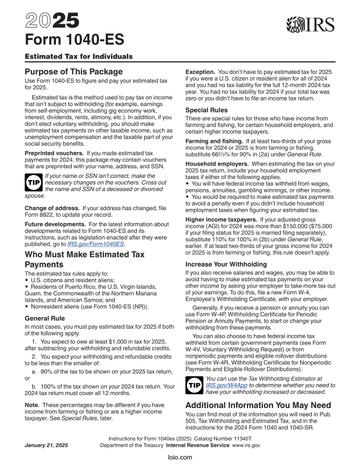
Each partner files quarterly taxes (Form 1040-ES) to pay their estimated tax.
Sales tax is imposed if you sell taxable goods or services.
- Schedule SE
 4991 downloads
 - Form 1040-ES
 5122 downloads
 - Form W-2
 6067 downloads
How to Deal With Disagreements in a Partnership?
Where there are two people involved, conflicts are inevitable. However, your ability to solve them will impact whether you can build a healthy partnership or a failing one. Here are a few practical tips on how to resolve disputes without harm to your shared business:
- 1
Don’t let problems sit. If something feels off, talk about it early. Waiting usually makes it harder and more emotional to fix.
- 2
Focus on the issue, not the person. Disagreements about strategy or money are normal. Personal attacks are not. You’re trying to improve your business, not to offend the person building it with you.
- 3
Reread the original terms of your agreement. At moments when both of you get too emotional, it’s a good thing to have a document that clearly states what you expected at the beginning.
- 4
Put important points in writing. After a tough conversation, send a summary of what was decided. It will save you from “That’s not what I meant” later.
- 5
Bring in a neutral third party if needed. A mediator can help both partners be heard and move toward a solution without damage to the relationship.
- 6
Know when to leave. If you can’t resolve the issue, a calm buyout process is better than escalating conflict.

How to start a business with a friend?
Launching a business project with a friend or relative seems like a brilliant idea from certain perspectives. On the one hand, you do it with a person you know and trust. On the other hand, however, it carries real risk. The business will test your relationships in ways your friendship never has.
If you think about doing business with friends, separate personal relationships from ownership rights. A well-written partnership agreement will not harm you, but it will definitely help you deal with situations when friendship cannot help.
Mistakes to Avoid When Building a Business Partnership
Once you know how to partner with a company or an entrepreneur, it’s important to recognize common pitfalls you may face:
- 1
No written agreement. If it's not in writing, it doesn't exist.
- 2
Undefined ownership percentages. Do not assume "we're 50/50" unless that is intentional and documented.
- 3
Ignoring tax responsibilities. Many partners are surprised that they should file both federal and self-employment taxes.
- 4
Expecting equal effort. Partnership does not automatically mean equal workload.
- 5
No control of finances. Money needs to be counted. If you do not do it, don't be surprised if your company goes bankrupt.
- 6
Avoiding hard conversations. Maintaining good relationships is great, but not at the cost of your business.
Whether you think of entering the world of business or extending the existing company, doing it with someone you can rely on in terms of expertise, skills, and ideas will definitely be easier than doing it alone. Hopefully, the following guide has provided you with all the instructions on how to start a business with a partner, so you can build an effective, fruitful business collaboration. Remember, the most important thing about a partnership is to have all the duties, expectations, and plans clarified from the beginning and in writing.
More guides
July 25
12 min read
How to Register a Company in the US: What No One Tells You in 2026

September 1
7 min read
How to Provide Proof of Employment: Documents and Steps

October 15
How to Start a Staffing Agency: Licensing, Pricing, and Cash Flow
July 25
12 min read
How to Start a Flooring Business and Get Your First Clients in 2026

October 8
8 min read
A Comprehensive Guide to Starting a Child Care Business
July 22
10 min read
How to Start a Storage Unit Business: What You Need to Know
One home for your
agreements
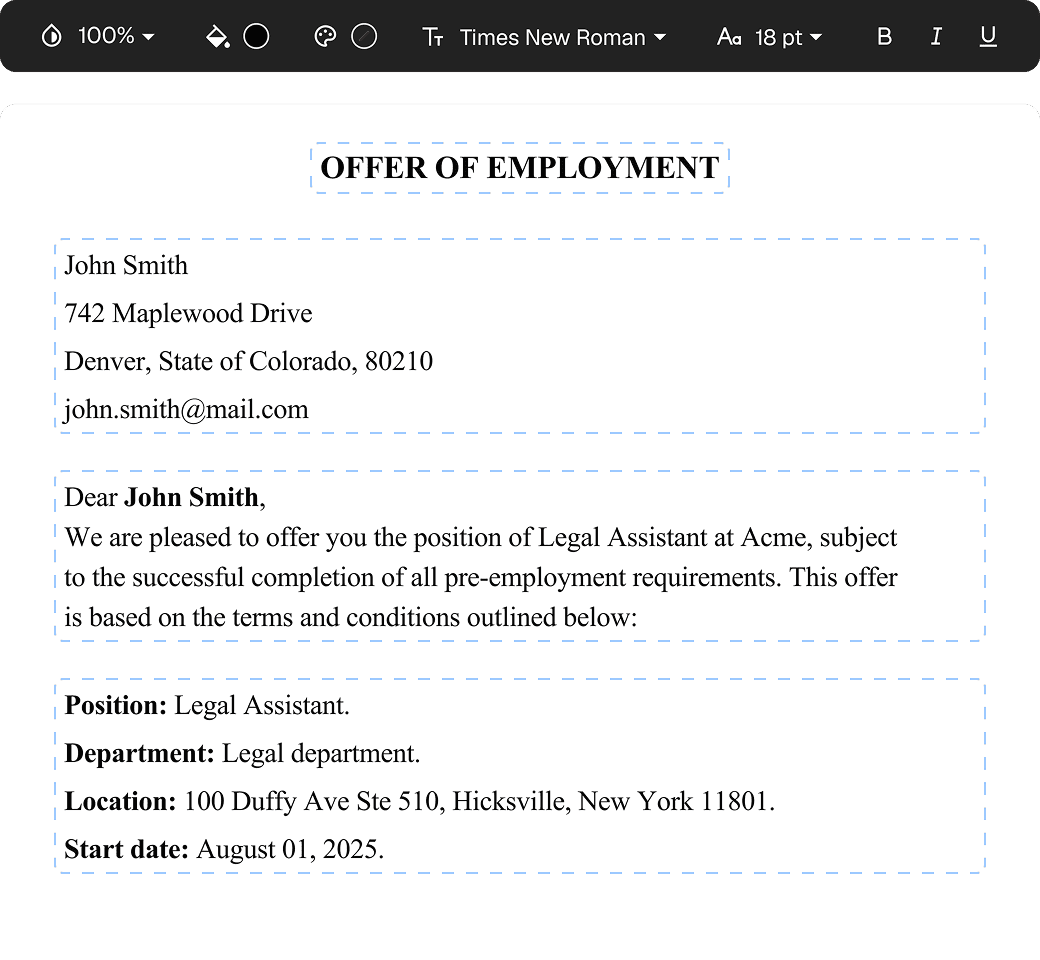
Edit PDFs seamlessly
Tweak agreements before signing or sending for signatures. Update details, add or remove clauses, adjust formatting, and redline changes instantly.
eSign legally and securely
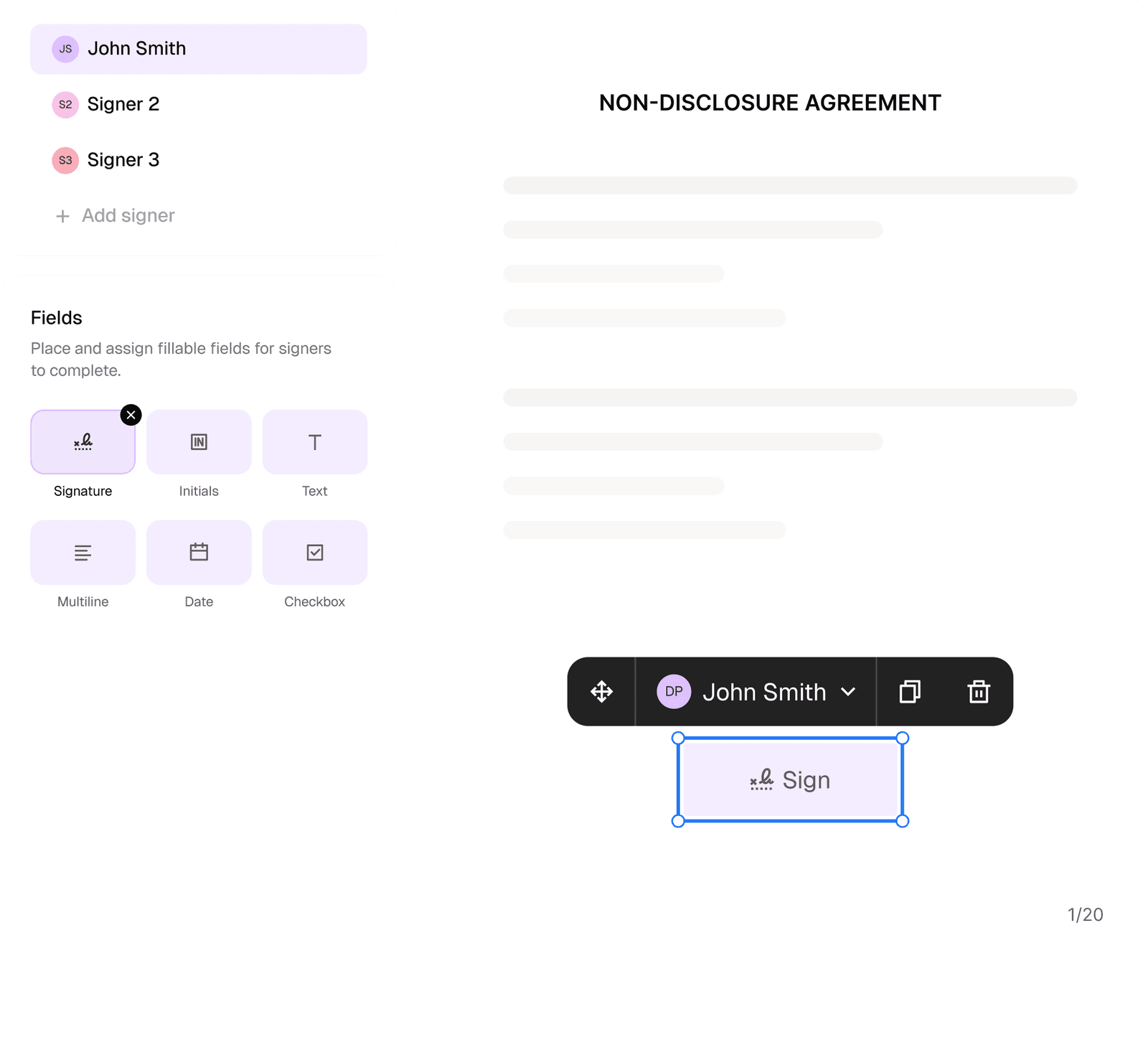
Sign documents and collect legally binding signatures. Invite up to ten people to sign in any order, track the progress, and send reminders.
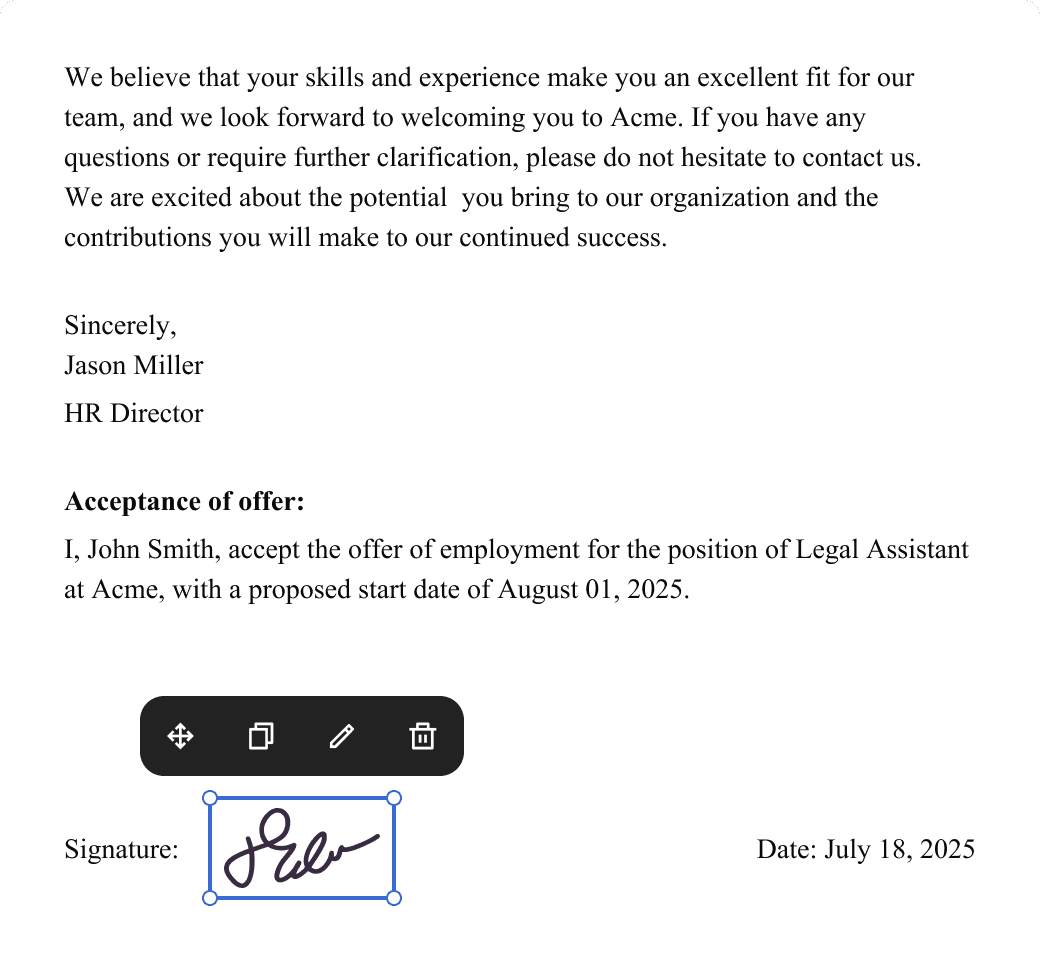
Request legally binding signatures
Invite up to ten people to sign your document in any order. Get a finalized, audit-ready copy without chasing signatures.
Skip the drafting.
Choose from 2,500+ templates
Browse templatesChoose a template
Fill in details
Sign and download