Updated July 21, 2026
11 min read
What Taxes Do Businesses Have to Pay? Federal Tax Checklist
What Taxes Do Businesses Have to Pay? Federal Tax Checklist
- How U.S. Business Taxes Are Structured
- What Taxes Do Businesses Have to Pay at the Federal Level
- Federal Income Tax
- Payroll Taxes
- Self-Employment Tax
- How Business Structure Determines Tax Filing Requirements
- Business Tax Filing Requirements and Timing
- Common Business Tax Filing Mistakes and What Breaks
- Documentation That Supports Tax Compliance
Content
Running a business in the United States means filing specific tax returns based on how you earn income, your structure, and whether you pay workers. This guide explains which federal taxes most businesses face, when they apply, and what usually goes wrong when filings or records don’t match the numbers reported.
How U.S. Business Taxes Are Structured
U.S. business taxes are organized by what the business does, not by its size or longevity. At the federal level, the types of business taxes fall into distinct categories based on three factors:
Whether the business earns a profit.
Whether the business pays workers.
How the business is legally structured.
Understanding this structure first is critical for meeting business tax filing requirements. When businesses skip this step, they often file the wrong forms, miss required filings, or assume that paying one tax satisfies all obligations. Filing requirements depend on activity, not revenue size or business age.

Beneficial ownership reporting is separate from federal tax filing. Under current FinCEN rules, companies created in the United States are exempt from Beneficial Ownership Information (BOI) reporting requirements. Only certain entities formed under foreign law and registered to do business in the United States remain subject to BOI reporting requirements.
Federal taxes for businesses, as administered and enforced by the Internal Revenue Service, arise automatically once a business engages in taxable activity, creating mandatory federal tax compliance obligations. The IRS runs separate systems for income, employment, and self-employment taxes, each with its own forms and deadlines. Many compliance problems occur when businesses treat all federal taxes as a single filing and miss a tax category with a different filing deadline.
What Taxes Do Businesses Have to Pay at the Federal Level
Not all businesses pay the same federal taxes. If you’re wondering what taxes does a small business pay, the answer depends on what the business actually did during the year, not on the “small business” label itself. In practice, three conditions determine which federal taxes apply.
Earning Business Profit
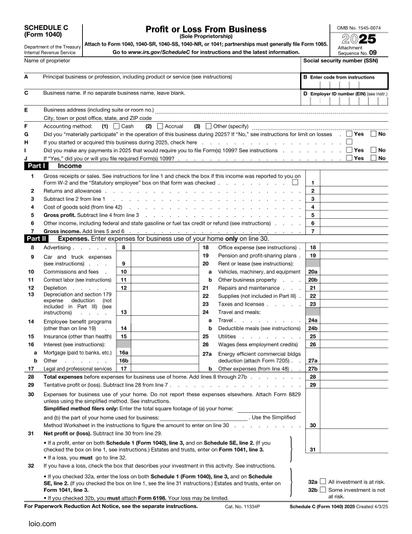
If a business generates taxable profit, it generally triggers a federal income tax obligation, regardless of whether the money is withdrawn or reinvested. Among the types of business taxes, the federal income tax is the primary mechanism for the taxation of business profits. Profit-based taxes are reported at the owner level or entity level, depending on structure, using forms such as Schedule C (Form 1040) for sole proprietors, Form 1065 with Schedule K-1 for partnerships, Form 1120-S for S corporations, or Form 1120 for C corporations. Many new owners assume that leaving money in the business delays taxation, but federal income tax is based on earnings, not distributions.
Paying Employees
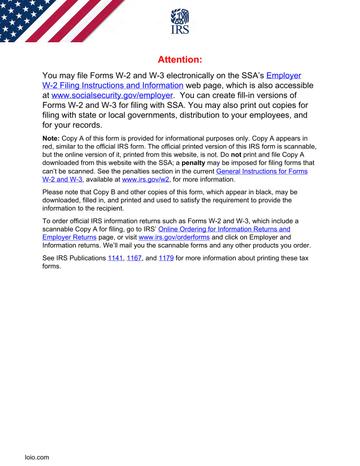
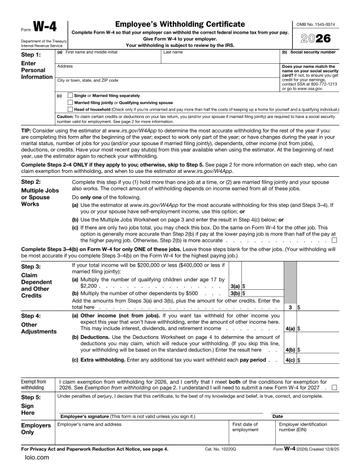
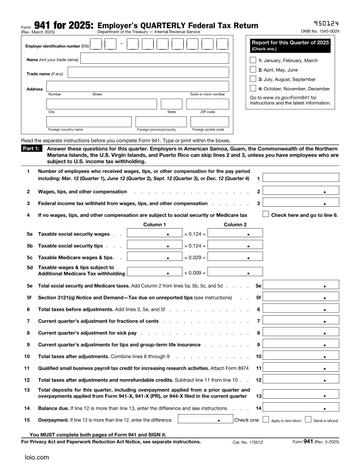
The moment a business pays wages to employees, it creates payroll tax obligations. These obligations exist even if the business operates at a loss. Payroll taxes function independently of income taxes and are tied to wages paid, not profitability. In practice, payroll taxes, through the business’s Employer Identification Number, are tracked and enforced via employment-based tax reporting systems. Employers must withhold, report, and remit employment taxes on a recurring schedule, typically using Form W-4 to set withholding, Form 941 (or Form 944 for some employers) to report payroll taxes, Form 940 for FUTA where applicable, and year-end forms like Form W-2 and Form W-3 to reconcile wages and withholdings.
Operating Under a Taxable Business Structure
Some business structures require separate federal reporting regardless of profitability or payroll. Corporations, for example, must file business tax returns even when no tax is ultimately due, typically on Form 1120 (C corporation) or Form 1120-S (S corporation). Certain partnerships and multi-member entities also have reporting obligations simply because the entity was active during the year, most commonly filed on Form 1065, with owner reporting flowing through on Schedule K-1.
Why This Causes Confusion
Many compliance problems arise because business owners mentally group all taxes into a single category called “business taxes.” In reality, federal taxes for businesses operate in parallel:
A business can:
Be compliant with income tax and noncompliant with payroll tax.
File correctly but misestimated payment requirements.
Owe no income tax yet still face penalties for missed employment filings.
Each tax category has its own rules, deadlines, and enforcement triggers. Paying one tax does not satisfy or offset another.

Because these taxes are enforced separately, problems show up at different times. Payroll issues escalate fast, income tax issues often appear at filing or matching, and structural errors surface when returns are requested. Knowing what taxes businesses must pay allows owners to assign responsibility and prevent gaps before notices and penalties arrive.
Federal Income Tax
Federal income tax is the main way the U.S. taxes business earnings. All businesses deal with income tax, but how it is reported and paid depends on the business structure. For tax purposes, the key figure is not gross income alone, but taxable income after allowable deductions and expenses. That is why income tax can still be due even if you never withdraw money from the business: reinvesting earnings does not remove the tax obligation.
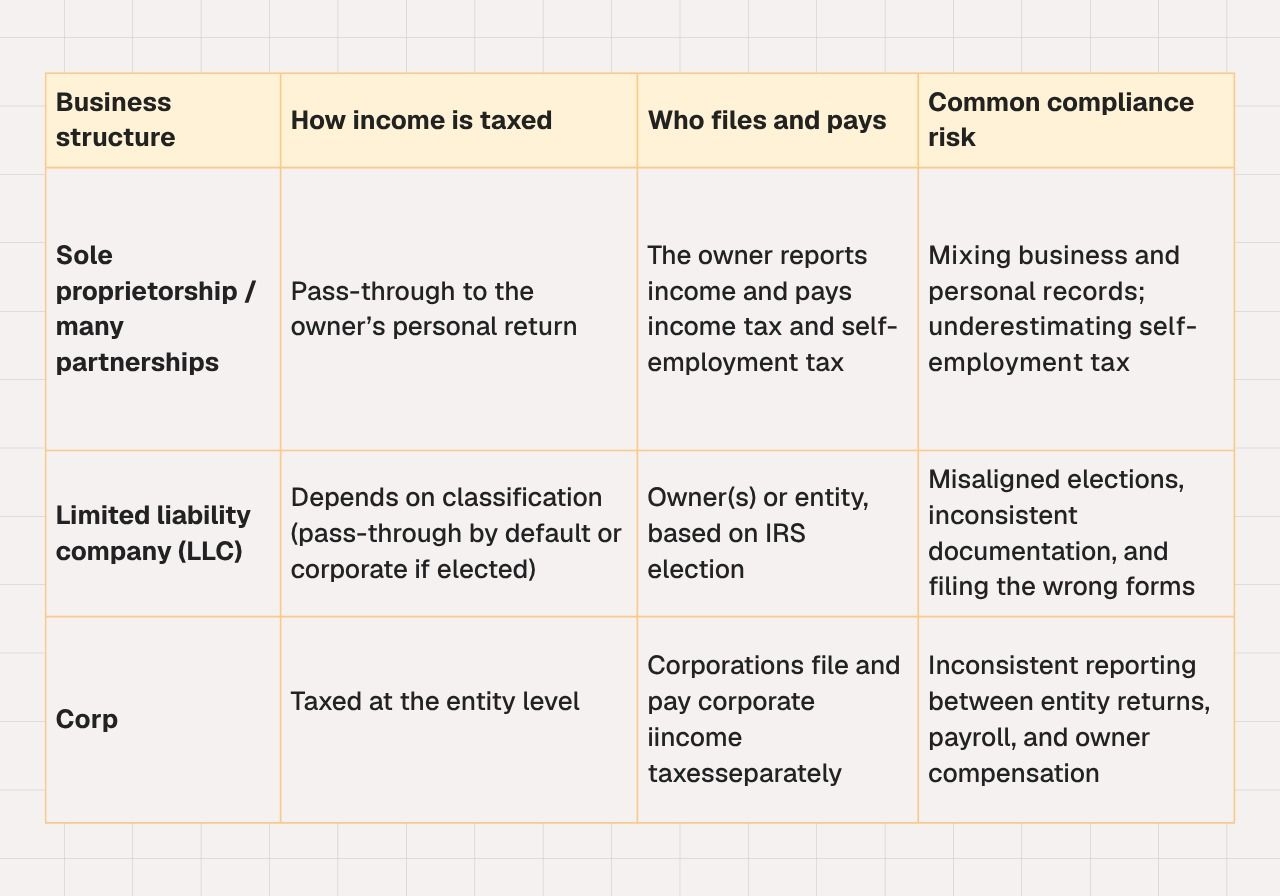
- Sole proprietors and most partnerships: profit “passes through” to the owner’s personal return.
- C corporations: the business files and pays at the entity level.
- LLCs: taxed based on their IRS classification (pass-through by default, or corporate if elected).
A common surprise for independent contractors is that federal income tax is based on business income, not on how much cash you transfer to yourself. Even if you leave the money in the business or use it to cover business expenses, it may still be taxable.
Payroll Taxes
Payroll taxes apply as soon as you pay employees. They include Social Security and Medicare (FICA) plus federal income tax withholding.
A key operational point: payroll compliance runs through one system. Your Employer Identification Number (EIN) links wages, withholdings, deposits, and filings to you as the employer.
Unlike income tax, payroll taxes are ongoing, not annual:
Amounts are withheld each pay period.
Deposits are made on a set schedule.
Filings happen quarterly, with an annual reconciliation.
In practice, you act as a tax collector. Because you’re handling withheld funds, payroll mistakes tend to show up fast and can trigger penalties sooner than most other tax problems.
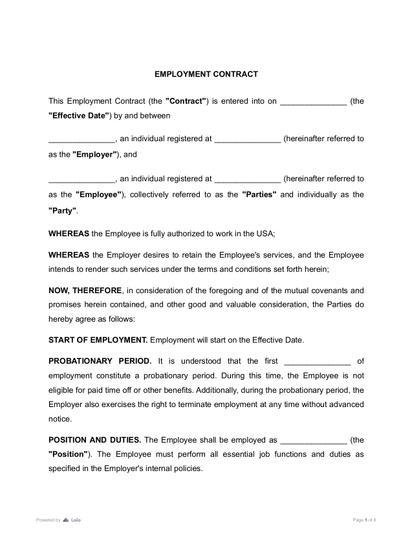
An employment agreement helps document wage terms that must reconcile to payroll records and Form W-2 totals.
Payroll tax mistakes can lead to consequences quickly because employment taxes must be deposited on a monthly or semiweekly schedule, and late deposits can incur penalties within days. TIGTA reported that the IRS assessed an estimated $591 million in penalties and interest on 403,711 employer tax accounts tied to untimely deferred Social Security tax payments, showing how fast payroll-tax errors can become expensive.
Self-Employment Tax
Self-employment tax covers Social Security and Medicare for business owners who do not have an employer withholding taxes on their behalf. It commonly applies to sole proprietors and partners with net business income.
Because taxes generally are not withheld automatically from self-employment income, self-employed individuals may need to make estimated tax payments during the year. In general, self-employment tax applies when net earnings from self-employment are $400 or more, while estimated-tax requirements depend on the amount of tax the individual expects to owe.
This is one of the most error-prone areas of compliance. IRS data consistently shows underpayment tied to weak recordkeeping, not intent. Clean invoices, deposits, and expense records are what keep self-employment tax filings defensible.
How Business Structure Determines Tax Filing Requirements
Business structure is one of the strongest drivers of federal tax obligations. It does more than define how a business is organized legally. It determines how income is taxed, who is responsible for paying that tax, and which federal forms must be filed throughout the year.
At a fundamental level, business structure affects:
- Which tax forms are required? Different structures trigger different filing pathways, even when businesses earn similar income.
- Who is legally responsible for the tax? In some structures, the business itself pays tax; in others, taxes pass directly to owners.
- How income and losses are reported. Profits may be reported at the entity level or flow through to individual returns.
- Whether payroll or self-employment taxes apply, this distinction becomes especially important as businesses add owners or workers.
Common U.S. business structures include sole proprietorships, partnerships, limited liability companies (LLCs), and corporations. While they may appear similar operationally, they differ significantly for tax purposes.
If you’re still in the formation phase, understanding how long it takes to get an LLC can help align entity setup with upcoming tax registration and filing deadlines.
Most U.S. businesses are small and individually owned. There were approximately 36.4 million employer and non-employer businesses in the U.S., with combined receipts of about $50 trillion, highlighting the prevalence of private enterprise
Business Tax Filing Requirements and Timing
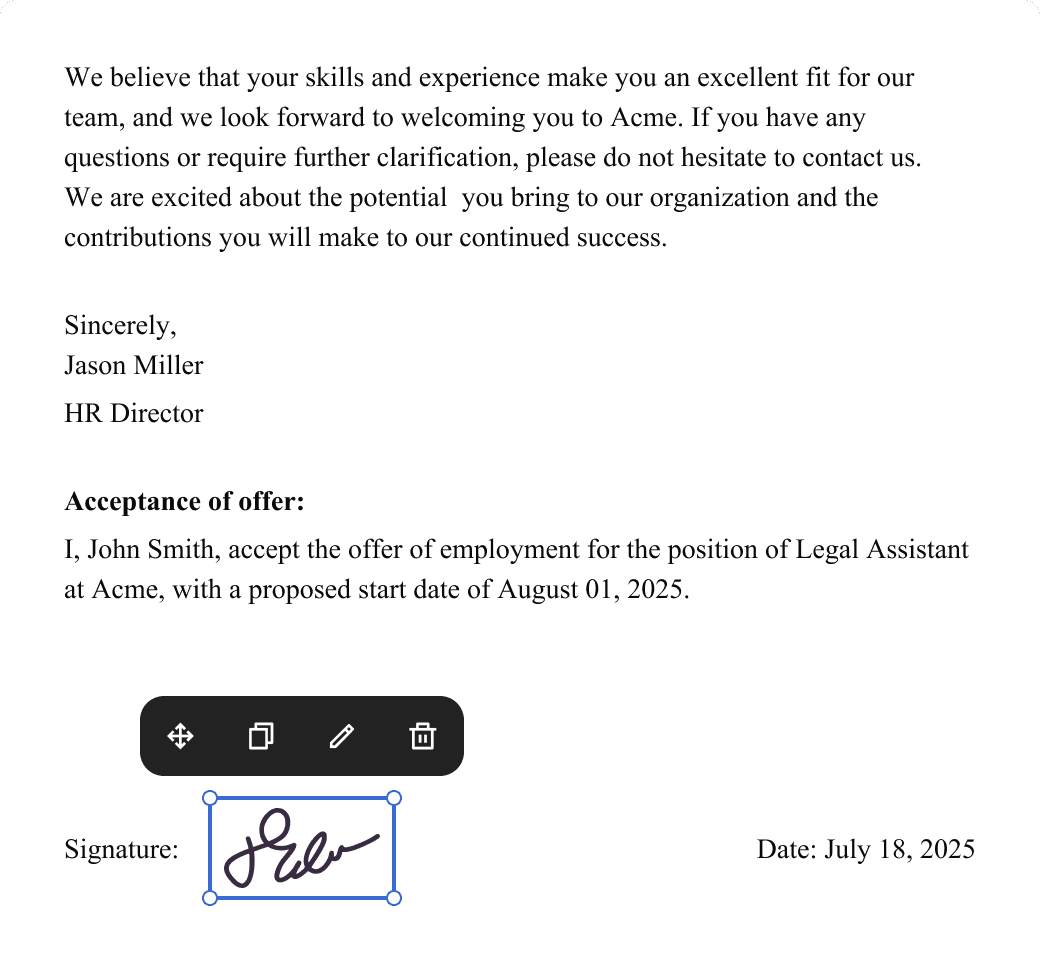
Federal business taxes are not filed on a single, unified schedule. Each tax category follows its own filing rhythm, and compliance depends on matching the correct timeline to the correct obligation. Using eSign to execute and retain time-stamped copies of required filings helps track what was signed, when, and by whom across those different deadlines. Businesses that understand which taxes apply but miss the filing deadline often face penalties despite paying the correct amount.
Filing frequency depends entirely on the type of tax involved and the activity that triggered it.
How Filing Timing Breaks Down
At a high level, federal business tax timing falls into four buckets:
- Annual: income tax returns (pass-through or corporate).
- Quarterly: estimated tax payments when income is not subject to withholding.
- Ongoing payroll: deposits during the year plus quarterly payroll reporting and year-end reconciliation.
- Annual information reporting: forms that summarize wages or nonemployee compensation for IRS matching.
Timing drives penalties. Late filing and late payment penalties are assessed based on when forms and payments are submitted, even if the tax is eventually paid. Many problems stem from missed deadlines, incorrect filing sequences, or incomplete reconciliations, especially because different taxes operate on different calendars. A simple filing calendar and saved confirmations are among the easiest ways to stay compliant as the business grows.
Common Business Tax Filing Mistakes and What Breaks
Most business tax failures are procedural rather than intentional. The most common breakdowns include:
Confusing income tax with payroll or self-employment tax.
Failing to obtain or properly use an EIN.
Misunderstanding when estimated taxes are required.
Filing numbers that are not supported by documentation.
Many enforcement actions result from missing documentation or misclassified payments rather than fraud. Payroll tax issues escalate especially fast because withholding obligations carry heightened enforcement priority.
Once penalties are assessed, correcting the underlying mistake becomes significantly more difficult and costly. For a breakdown of how penalties escalate and what enforcement can look like in practice, see what happens if you don’t file taxes.
Documentation That Supports Tax Compliance
The IRS checks whether your numbers match the records they are based on. For a business owner, the safest approach is simple: put everything in writing and keep records of everything. A clear paper trail: invoices, receipts, contracts, deposit records, and tax forms, makes it much easier to show where the numbers came from and avoid problems if the IRS asks questions.
Start by organizing the documents that explain what happened during the year:

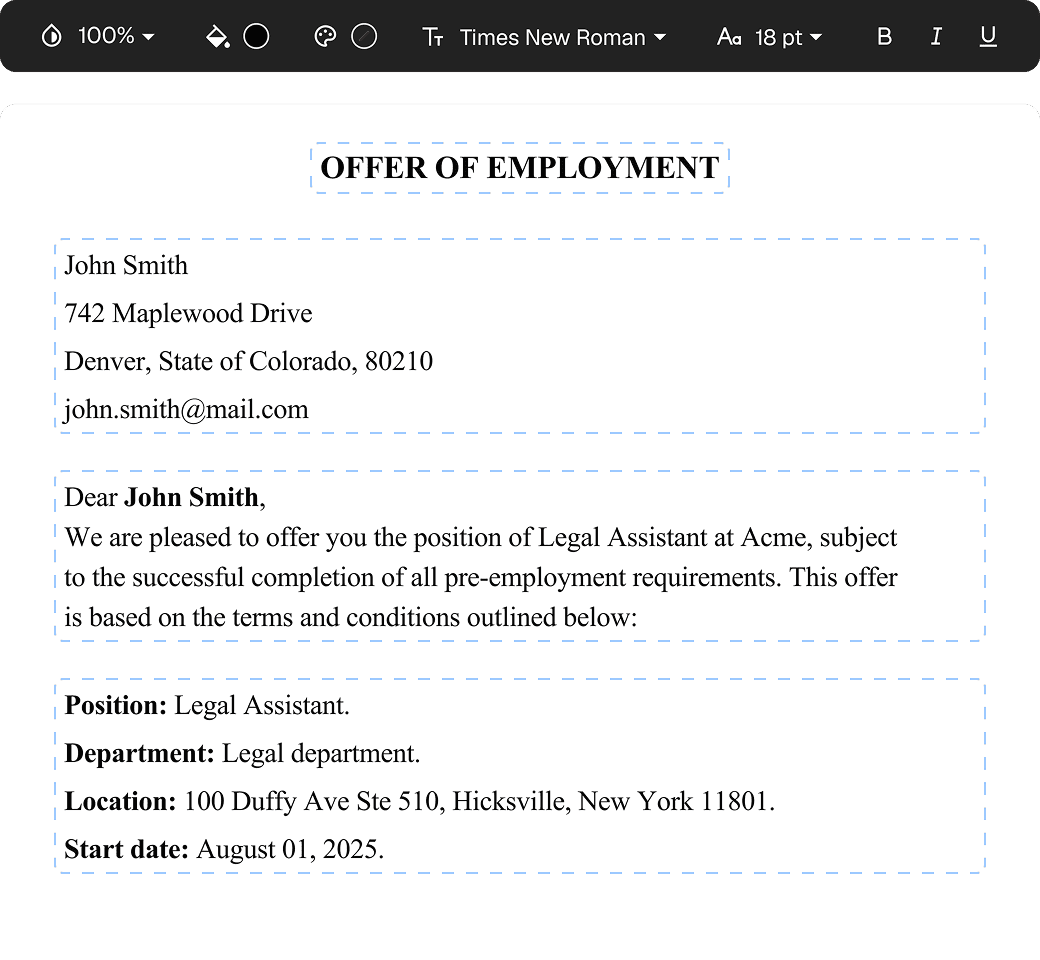
Federal tax compliance is enforced through paperwork. The IRS verifies what a business reports by matching tax returns to payroll filings, information returns, and the records behind each number. A PDF editor can help you combine, organize, and mark up these forms and supporting documents so the record stays consistent. The forms below are the most common federal documents businesses use to report income, wages, contractor payments, and required estimates.
Payroll and Employee Withholding
- Form W-4: Employee tells the employer how much federal income tax to withhold from each paycheck.
- Form 941: Employer’s quarterly payroll tax return reporting federal income tax withheld plus Social Security and Medicare taxes (employee + employer shares).
- Form 944 (only if the IRS assigns you to it): Small employers file and pay certain payroll taxes once a year instead of quarterly.
- Form 940: Employer’s annual FUTA (federal unemployment) tax return.
- Form W-2: Year-end statement showing each employee’s wages and taxes withheld (given to the employee and filed with SSA).
- Form W-3: A summary cover sheet that transmits paper W-2s to the SSA (totals for all W-2s).
Contractors and Information Reporting
- Form W-9: Collected from a contractor/vendor to get their TIN so you can issue the right 1099 when required.
- Form 1099-NEC: Reports nonemployee compensation (common for contractor payments).
- Form 1099-MISC: Reports certain miscellaneous payments (for example, rent, royalties, and some attorney payments), depending on the situation.
- Form 1096 (paper filing only): A transmittal summary used when you mail paper 1099 forms to the IRS.
Income Tax Returns (Depends on Business Structure)
- Schedule C (Form 1040): Used by sole proprietors (and many single-member LLCs) to report business profit or loss.
- Form 1065: Partnership return used to report the partnership’s results (profits/losses flow to partners).
- Form 1120: C corporation income tax return used to report corporate income/deductions and calculate corporate tax.
- Form 1120-S: S corporation return used to report S corporation activity for a year covered by an S election.
- Form 2553: Filed to elect S corporation status (what makes an entity an S corporation for tax purposes).
- Form 1040: The owner’s individual annual income tax return (where pass-through income ultimately lands).
Self-Employment and Estimated Payments (Common for Owners)
- Schedule SE (Form 1040): Calculates self-employment tax on net earnings from self-employment.
- Form 1040-ES: Worksheets and payment vouchers to calculate and pay estimated taxes when income is not subject to withholding.
Business Identity and IRS Account Maintenance
- Form SS-4: Application used to get an EIN (the business tax ID used for many filings).
- Form 8822-B: Used to notify the IRS about changes to your business address/location or responsible party.
Verification and Recordkeeping Support (Not “Must File,” but Useful)
- Form 4506-T: Requests IRS transcripts (return/account/wage & income), often used for verification with lenders or other processes.
- Mileage reimbursement form/mileage log: Internal record used to document business miles and reimbursements; it supports deductions and substantiation rather than being an IRS filing.
More guides
September 1
7 min read
How to Provide Proof of Employment: Documents and Steps
July 25
12 min read
How to Register a Company in the US: What No One Tells You in 2026
July 26
12 min read
How to Read a Profit and Loss Statement
September 10
14 min read
How to Protect Your Small Business from Lawsuits
July 20
9 min read
Financial Documents Checklist for Small Businesses: 2026 Guide
July 25
15 min read
Independent Contractor Management: Compliance and Risk Guide
One home for your
agreements
Edit PDFs seamlessly
Tweak agreements before signing or sending for signatures. Update details, add or remove clauses, adjust formatting, and redline changes instantly.
eSign legally and securely
Sign documents and collect legally binding signatures. Invite up to ten people to sign in any order, track the progress, and send reminders.
Request legally binding signatures
Invite up to ten people to sign your document in any order. Get a finalized, audit-ready copy without chasing signatures.
Skip the drafting.
Choose from 2,500+ templates
Browse templatesChoose a template
Fill in details
Sign and download