Updated September 12, 2026
12 min read
How to Start a Franchise Business in 2026

If you own a successful business, you may think of ways to expand it, and franchising is one of them. Many well-known brands, such as McDonald’s, The UPS Store, and Anytime Fitness, grew through this model. Franchising allows you to grow without huge investments or the need to control every process.
This guide explains how to start a franchise business in the U.S. step by step: from the legal requirements to consider to the mistakes you should avoid.
What Is a Franchise?
A franchise is a business expansion model in which a company owner (the franchisor) grants a franchisee the rights to use its brand name, business system, and products or services in exchange for fees and ongoing royalties.
Franchisees, in their turn, agree to follow the brand’s standards and operating procedures. In return, they receive training, support, and the ability to work under a well-known brand name.
Types of franchises
Before you franchise your business, you need to choose the right model as it determines how you earn money, how much control you keep, and how fast you can grow. There are 5 main types of franchises:
- 1
Product distribution franchise sells your branded products. It can be anything — from beverages and T-shirts to cars. You mainly earn from sales, not royalties. It works well if you’re a manufacturer or the product you trade has strong demand.
- 2
Business format franchise is the most common model in the U.S. You provide the full system: brand, training, rules, and support. Franchisees pay an upfront fee and ongoing royalties (often 5%–9% of sales). Most well-known food, fitness, and retail brands use this structure because it allows strong quality control and steady growth.
- 3
Manufacturing franchise produces your product under your brand and standards. This model is useful when local production reduces shipping costs and requires strict quality control.
- 4
Conversion franchise presupposes that independent businesses join your brand and follow your system. This model allows faster expansion because owners already have experience and customers. It is common in real estate and home services.
- 5
Master franchise is when one large franchisee gets rights to develop a whole state or region and may recruit other franchisees. It helps you expand quickly, but you must choose partners very carefully.
For most small business owners in the U.S., the business format franchise is the safest and most practical option because it gives you more control over your brand and steady royalty income.
4 P’s of franchising
To understand whether you are ready to franchise your business, you can apply the method of 4 P’s. If one of these areas is weak, your franchise will struggle:
- 1
Product
Your product or service must solve a real problem and have steady demand. If customers do not truly need it, opening more locations will not help. For example, fast-food brands succeed because people always need convenient meals. Home cleaning franchises grow because busy families need help.
Ask yourself:
- Do customers return regularly?
- Can this product sell in different cities and states?
- Is it different from competitors in a clear way?
If the answer is yes, you have a solid base.
- 2
Process
A franchise is a repeatable system, which means every operating process must be written and easy to teach:
- How employees greet customers;
- How services are delivered;
- How inventory is ordered;
- How marketing is done.
The goal is simple: a customer in California should have the same experience as a customer in New York.
- 3
People
Franchisees are not employees. They are business owners who invest their own money.
Look for people who:
- Have enough capital;
- Follow rules;
- Communicate well;
- Believe in your brand.
These people should be interested in the success of your brand as much as you are.
- 4
Profit
Franchising must make financial sense for both sides. Franchisees usually pay an initial fee plus ongoing royalties, often 5%–9% of sales. If your business units do not generate healthy margins, franchisees will struggle. If they struggle, you struggle too.
Experts suggest a company should have at least 1–3 years of successful operations before franchising, although the appropriate timeline may vary by industry.
Advantages and Disadvantages of Franchising Your Business
You may ask: can franchising my business help me grow faster?. The answer is yes, but it is not a cure-all for every business. So, before you decide to expand your business this way, you need to understand both pros and cons:
Advantages of franchising
- 1
Faster growth with less of your own money: Franchisees invest their own capital to open new locations. Instead of funding every unit yourself, you let others finance the expansion.
- 2
Motivated local owners: Franchisees are not hired managers — they invest their own savings, which makes them more interested in success.
- 3
Recurring income: Most franchisors earn ongoing royalties (often 5%–9% of gross sales) plus initial franchise fees. Such predictable revenue brings stability to your business.
- 4
Stronger brand presence: More locations increase your brand’s visibility and customer trust. A company with 50 units across several states is more recognizable than a business operating in one location.
- 5
Shared marketing costs: Many systems collect a marketing fund contribution (often 1%–3% of sales). This allows you to boost larger advertising campaigns without huge investments from your pocket.
Consider this franchise statistics:
845,000 franchise establishments are expected to operate in the U.S. by the end of 2026.
8.9 million people are employed by franchise businesses.

Disadvantages of franchising
- 1
Less direct control: You set the rules, but franchisees run daily operations. Not every owner will manage the business exactly as you would.
- 2
Legal and setup costs: Franchising requires legal documents, registration in certain states, and ongoing compliance, which costs a lot.
- 3
Potential conflicts: Sometimes, franchisees will have a vision different from yours. Disagreements may arise over territory, performance, and even brand standards.
- 4
Brand risk: One poorly managed location can damage your reputation, especially in the age of online reviews.
- 5
Time and support demands: You must build training programs, operations manuals, and ongoing support systems. Franchising is a new business in itself — you do not just trade your brand, you support other business owners.
How to Start Your Own Franchise: Step-by-Step Instructions
A franchise is not a business from scratch. To start it, you need to already have a successful operating LLC or corporation and all the necessary managerial skills. Now, you are going to build a system that other people will invest in and operate. So, here are a few tips for starting a franchise business that will help you do it smoothly:
Step 1. Register your trademark
Your brand name and logo are not just design elements; they are valuable assets that should be legally protected. If you don’t register your trademark, another company could use a similar name, and you might even be forced to rebrand after you’ve already expanded.
In the United States, trademarks are registered through the U.S. Patent and Trademark Office (USPTO). Federal registration gives you nationwide protection and stronger legal rights if someone copies your brand.
Here’s how the process works:
- 1
Search the USPTO database to make sure your name or logo is not already taken.
- 2
File your application online through the USPTO website.
- 3
Respond to any questions or requests from the USPTO examiner.
- 4
Maintain your registration by filing required updates and renewals over time.
Imagine you build a successful fitness franchise called “FitCore.” After opening several locations, you discover another company has already registered a similar name. Without a registered trademark, you can face legal action or be forced to change your brand.
Step 2: Prepare documentation
To franchise your business, you need a clear set of documents to provide to potential franchisees and the state:
- 1
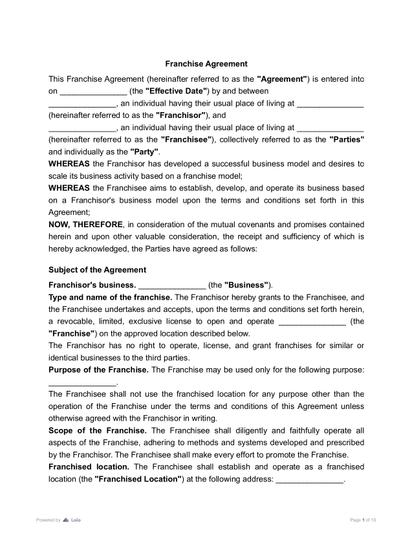
Franchise disclosure document (FDD) is a legal document required by the FTC. It contains 23 sections that explain your company, fees, obligations, risks, and financial information. Edit the document and attach all necessary files to show the franchisee a clear picture of your business. Provide the document to the potential business partner at least 14 calendar days before they sign any agreement or pay any money related to the franchise.
Item 21 of the FDD generally requires financial statements audited by an independent CPA, although qualifying start-up franchisors may phase in audited statements under the FTC Franchise Rule.
- 2
Franchise agreement is the binding contract between you and the franchisee that explains the rules under which the franchise unit will operate:
- Territory rights;
- Fees and royalties;
- Brand standards;
- Length of the agreement;
- Renewal and termination terms.
Although these two documents are the main ones needed to franchise your brand, you may also need:
- 1
A trademark license agreement allows the franchisee to use your brand name and logo while you still own the trademark.
- 2
A non-disclosure agreement protects your confidential information when you share business details with potential franchisees.
- 3
A sublease agreement is used if you own or lease the commercial space where a new franchise unit will open. This document gives the franchisee the legal right to use the location for the business and pays rent.
- Trademark License Agreement
 5404 downloads
 - Non-Disclosure Agreement (NDA)
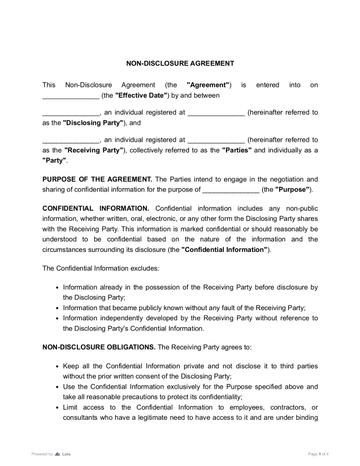 4721 downloads
 - Commercial Sublease Agreement
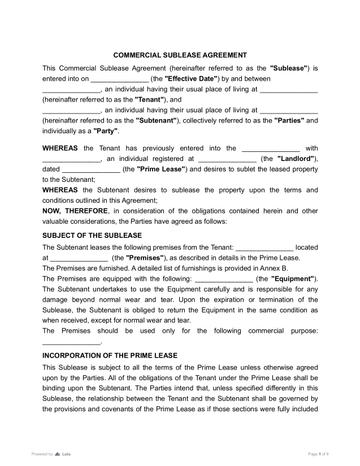 5443 downloads
Step 3: Create your operations manual
Franchisees need a roadmap to follow, and an operations manual will become the one. It is the blueprint for how every franchise location must run that covers:
Brand standards: logo usage, store layout, uniforms, approved signage;
Customer service protocols: greeting scripts, complaint handling steps, service time standards;
Marketing rules: how to use social media, local advertising requirements, grand opening guidelines;
Staffing guidelines: hiring criteria, training process, employee roles and responsibilities;
Equipment requirements: approved machines, software systems, maintenance schedules;
Supplier standards: required vendors, product specifications, ordering procedures;
Financial reporting procedures: POS system requirements, weekly sales reports, royalty payment process.
Step 4: Define your franchise structure
Before you sell franchises, decide how your system will work financially and operationally. Pay special attention to such elements:
- 1
Initial franchise fee: A one-time payment a franchisee pays for the right to join your system. Depending on the franchise, it may cover training, opening support, and brand rights.
- 2
Royalty percentage: An ongoing fee, often based on gross sales, that franchisees pay according to the franchise agreement, usually 5%–9% of gross revenue. Some systems also require separate contributions to advertising or marketing funds.
- 3
Contract length: Most franchise terms range from 5 to 20 years, depending on the investment size, with renewal options defined in the agreement.
- 4
Territory: Define clear geographic boundaries (ZIP codes, radius, or population limits) where your brand can operate. Exclusive territories protect franchisees from internal competition.
- 5
Training program: Many brands offer 1–4 weeks of initial training covering operations, systems, hiring, and management.
- 6
Ongoing support: This may include field visits, marketing support, technology updates, and annual meetings to maintain standards.
Step 5: Check legal registration requirements in your country
In the U.S., franchising is regulated at both the federal and state levels. While the FTC governs disclosure nationwide, some states have additional requirements before you can offer or sell franchises:
State requirements vary. NASAA identifies California, Hawaii, Illinois, Indiana, Maryland, Michigan, Minnesota, New York, North Dakota, Rhode Island, South Dakota, Virginia, Washington, and Wisconsin as states where an FDD may need to be registered or filed, or an exemption must apply. Check the requirements of each state where you plan to offer or sell franchises before proceeding.
Notice filing states, such as Florida and Texas, require a simple filing and fee, but do not review or approve your FDD.
All other states generally require compliance only with the FTC Franchise Rule.

Step 6: Complete the franchise sale.
As a rule, potential franchisees will find you themselves if they are interested in your business: through your website, targeted online marketing, and referrals from existing franchisees. However, if you need new partners, you can check listing platforms, industry trade shows, and franchise brokers.
Once you have selected a qualified franchisee, the next step is to properly document the agreement.
- 1
Provide the FDD at least 14 days before the deal and give the candidate sufficient time to review it.
If you unilaterally make a material change to the franchise agreement or a related agreement attached to the FDD, provide the revised agreement at least 7 calendar days before the franchisee signs it. Changes resulting from negotiations initiated by the prospective franchisee do not trigger this 7-day period.
- 2
Electronically sign all the required documents to make them legally binding.
- 3
Collect the initial franchise fee and document it.
- 4
If you operate in a registration state, make sure all required filings are completed before the deal.
- 5
Keep signed copies of the franchise documents for your records. Under the FTC Franchise Rule, the franchisor must retain a copy of the signed FDD receipt for each completed franchise sale for at least three years.
Step 7. Provide training and control
If you want your franchise to succeed, you must teach your franchisees how to run the business your way and make sure they continue to follow the system. Don’t assume they “already know” how to manage a business. You need to show them exactly how your brand works.
Your training should cover:
How to run daily operations step by step;
Your service or product standards (what “good” looks like);
How to market locally while following brand rules;
How to read financial reports and manage cash flow;
How to use your POS and reporting systems;
How to hire, train, and manage employees.
For example, if you run a food concept, you should teach exact recipes, portion sizes, food safety rules, and service time expectations. If you operate a service business, you should define customer interaction standards and response times.
Once the franchise unit opens, it does not mean your role is over. Now, you should control how well the franchisees represent your business by:
Conducting regular site visits;
Reviewing sales and performance reports;
Monitoring brand compliance;
Providing refresher training;
Updating systems when needed.
You do not manage their daily business; they are independent owners. However, you are responsible for protecting the brand.
How Much Would It Cost to Start a Franchise?
Most small businesses spend between $50,000 and $150,000 to properly develop their franchise system. More complex concepts, especially restaurants or regulated industries, can exceed that range. This sum typically includes:
Legal fees for preparing the FDD and franchise agreement (often $20,000–$60,000 depending on the firm and complexity);
Trademark registration to protect your brand nationally;
Accounting services, including audited financial statements required for your FDD;
Operations manual development, which may require consultants if not created internally;
Marketing and franchise recruitment expenses, such as website development, broker commissions, and advertising;
Internal staff or consultants to manage franchise development and ongoing support.
In addition to these initial setup costs, franchisors must also plan for ongoing operating expenses:
Annual FDD updates and legal compliance ($5,000–$15,000 annually);
Technology and software systems (CRM platforms, franchise management systems, reporting tools) ($5,000–$30,000 annually);
Ongoing training, field support, and system-wide assistance ($20,000–$100,000+ annually).

Mistakes to Avoid When Starting a Franchise
Franchising is a great way to grow your business, but only if you know how it should work. Here are common pitfalls you need to avoid:
- 1
Franchising too early
If your business is not consistently profitable, expanding will only multiply existing problems. Make sure you have stable, profitable operations with processes that can be clearly replicated.
- 2
Weak documentation
Incomplete legal agreements and vague operations manuals lead to confusion, inconsistency, and legal exposure.
- 3
Unrealistic financial projections
Franchising is about growth, but it is not immediate. Estimate your potential earnings based on analysis rather than ambitions. Any financial representations should be based strictly on real, verifiable performance data and properly disclosed in your FDD.
- 4
Poor franchisee selection
The wrong choice of a franchisee can harm your brand and consume significant time and resources. Use interviews, financial verification, and reference checks to choose reliable candidates.
- 5
Insufficient support
If you sell franchises without ongoing training, it will result in failure. Build a system that includes initial training, regular site visits, performance reviews, and continuous communication. Your brand is your responsibility.
- 6
Excessive operational control
If you become too involved in a franchisee’s day-to-day employment decisions, you risk being held legally responsible for their actions. Under vicarious liability or “joint employer” rules, a franchisor may be held responsible for workplace claims if it controls hiring, wages, or staff management. Focus on enforcing brand standards, not managing employees.
Franchising can transform a successful local business into a national brand. However, success requires planning, legal compliance, financial clarity, and strong systems. If you prepare carefully, document your systems, protect your intellectual property, and select the right partners, you can build a business network that truly flourishes. So, if you have ever wondered, How do I franchise my business in the U.S., it's time to move from ideas to actions.
More guides
September 15
10 min read
Who Can Sign a Contract on Behalf of a Company?

September 15
What Is Contract Redlining?
September 1
7 min read
How to Provide Proof of Employment: Documents and Steps

October 15
How to Start a Staffing Agency: Licensing, Pricing, and Cash Flow

July 20
4 min read
Addendum vs. Amendment: Change Your Purchase Agreement Properly

July 22
Vendor vs Supplier: Key Differences and Which Agreement to Use

One home for your
agreements
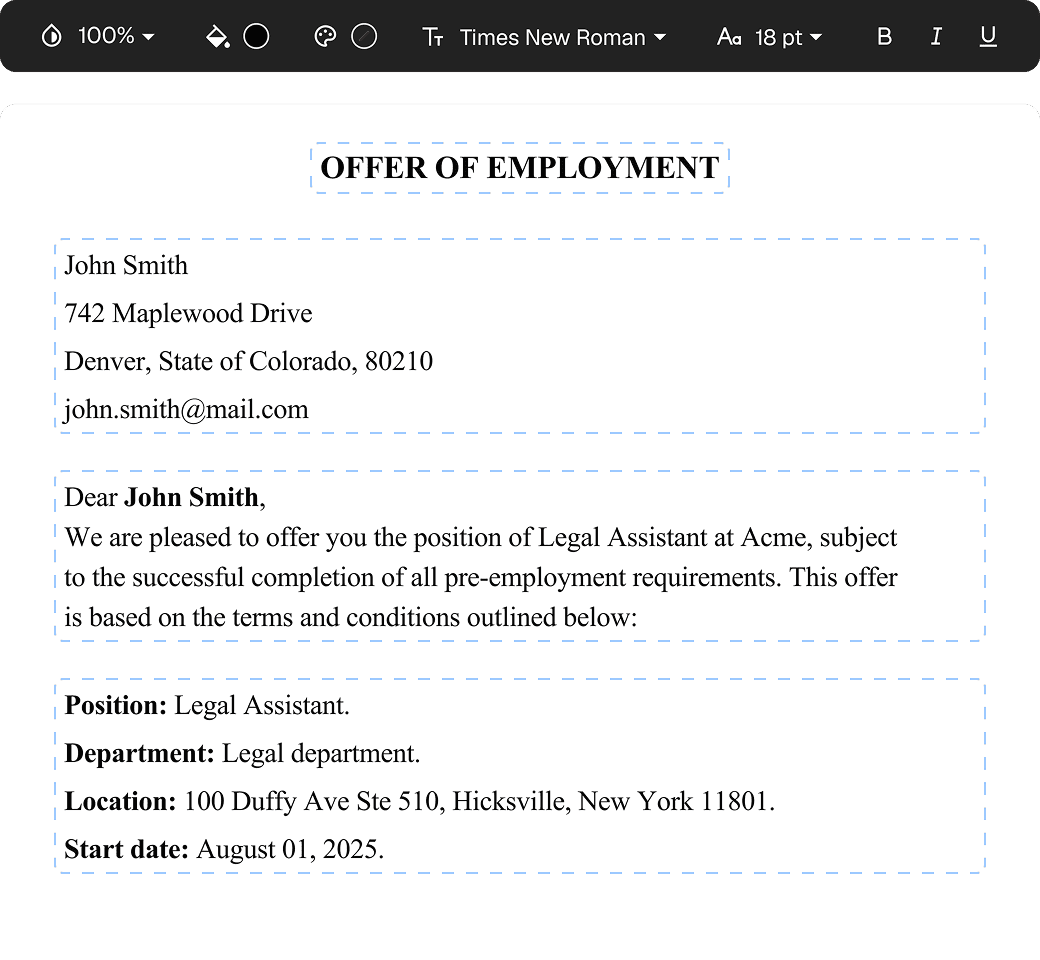
Edit PDFs seamlessly
Tweak agreements before signing or sending for signatures. Update details, add or remove clauses, adjust formatting, and redline changes instantly.
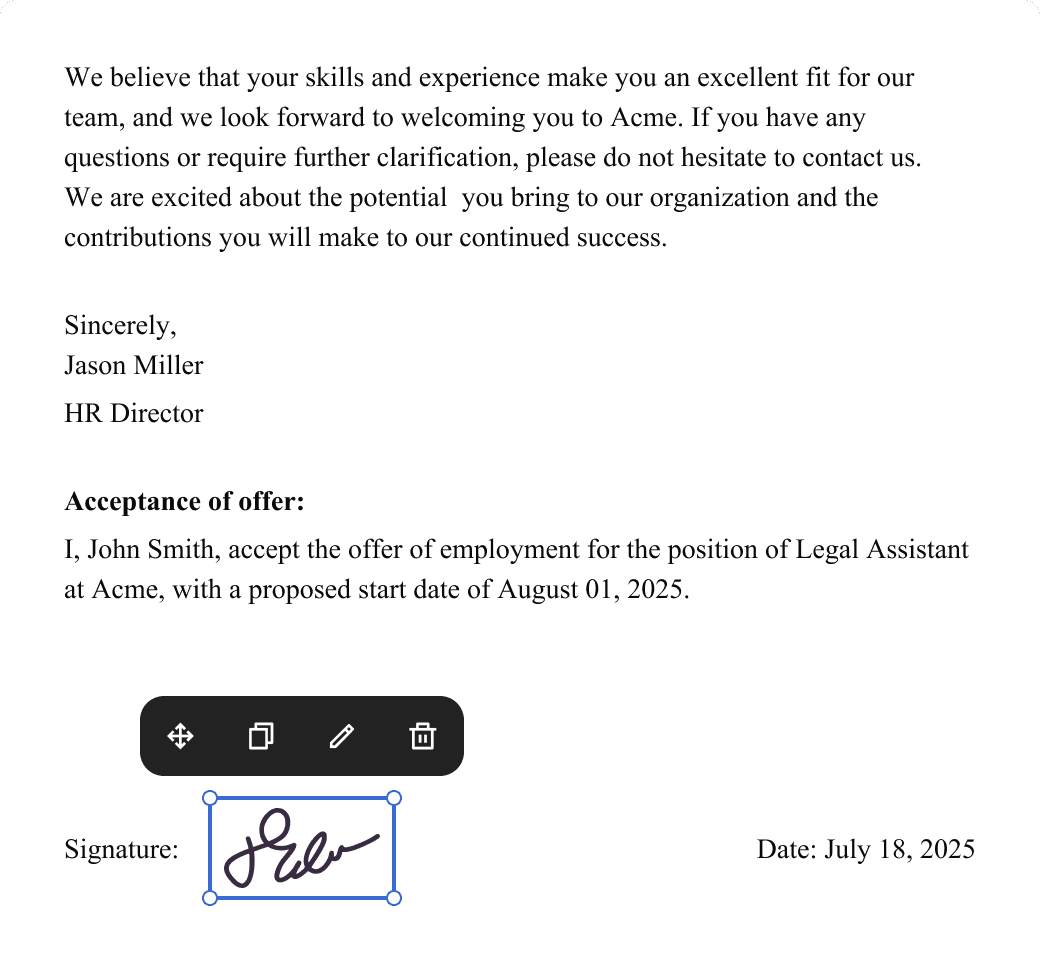
eSign legally and securely
Sign documents and collect legally binding signatures. Invite up to ten people to sign in any order, track the progress, and send reminders.
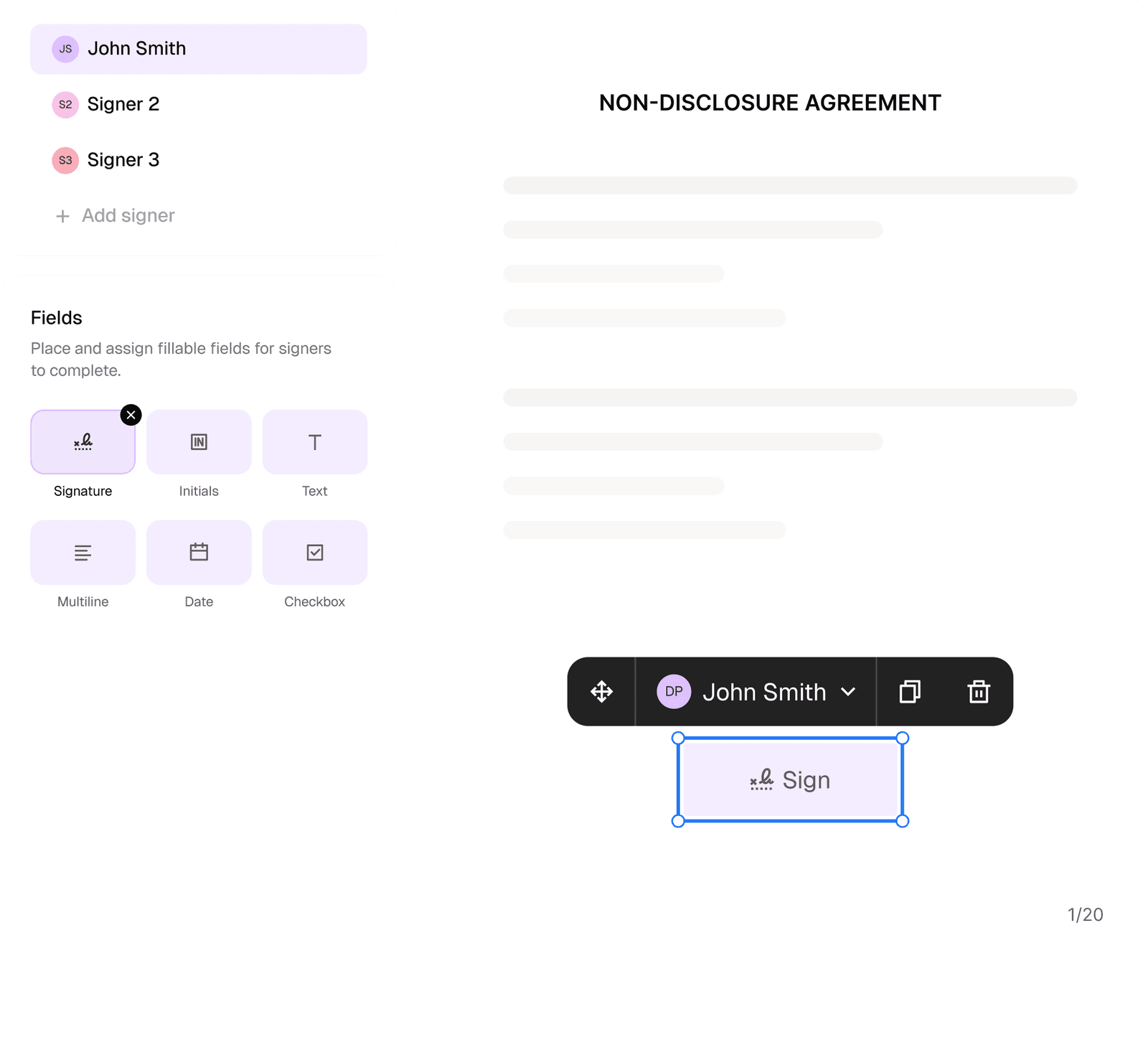
Request legally binding signatures
Invite up to ten people to sign your document in any order. Get a finalized, audit-ready copy without chasing signatures.
Skip the drafting.
Choose from 2,500+ templates
Browse templatesChoose a template
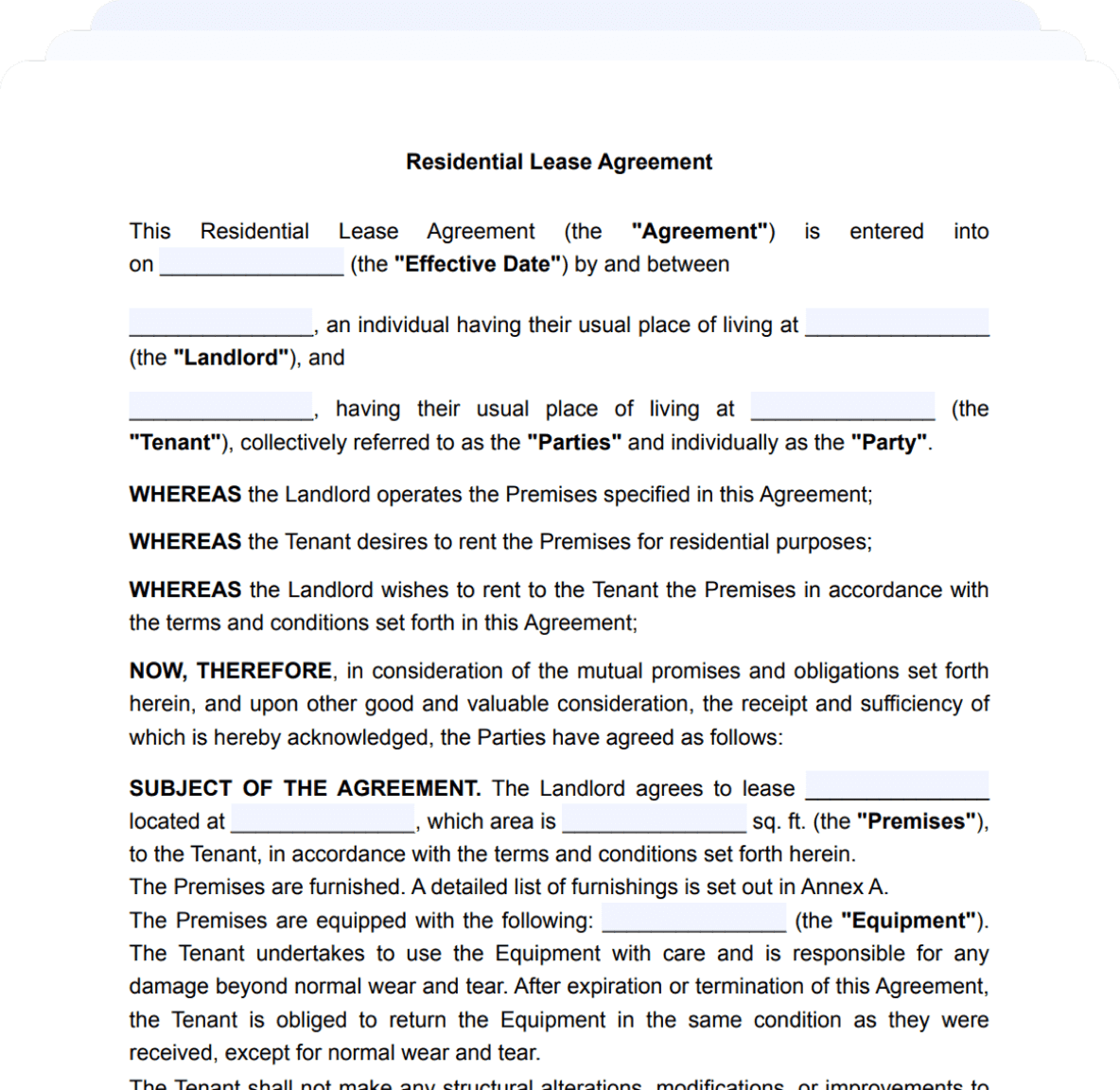
Fill in details
Sign and download