Updated July 21, 2026
15 min read
Starting an LLC in the U.S. in 2026: Complete Guide

Starting an LLC in the U.S. in 2026: Complete Guide
Content
The decision to set up a business comes with many questions, and one of them is “What business structure to choose?” For many new entrepreneurs, a limited liability company (LLC) offers the ideal mix of legal protection, flexibility, and simplicity. This guide provides you with an easy-to-follow roadmap on how to form an LLC in the United States, from the checklist for starting an LLC to the mistakes you should avoid.

What Is an LLC?
A limited liability company (LLC) is a business structure that protects your personal assets, such as your home, car, or savings, if your business faces lawsuits or debts. It separates your personal finances from your business, so you're not personally responsible for the company's liabilities.
Besides, you do not need to pay corporate income taxes. Instead, business profits and losses "pass through" to the owners (called members) who report them on their personal tax returns.
LLC is a great choice for:
Freelancers and independent contractors;
Online store owners and eCommerce sellers;
Local service providers (cleaning, landscaping, catering, etc.);
Real estate investors;
Consultants and small professional firms.
Once registered, your LLC becomes an official legal entity. That means you can hire employees, sign contracts, apply for business licenses, and open a business bank account. However, if you previously operated as a sole proprietorship, there is a special procedure on how to become an LLC.
Do you think LLCs are about small and medium businesses only? Here are just a few examples of limited liability companies that have become real leaders of the global market:

How To Create an LLC Step by Step
The most difficult part of starting an LLC is registering it. The whole process may take from a few days to several weeks, depending on how precisely you take the following steps:
1. Decide on the type of your LLC
The first thing you should do before you register your LLC is to decide how many people will own it. There are two main types of LLCs based on ownership:
- 1
A single-member LLC is run by one person. The owner is legally separate from the company but reports income and expenses on their personal tax return. A single-member LLC is easy to form and manage, which makes it a good choice for freelancers, consultants, or solo entrepreneurs.
- 2
A multi-member LLC is owned by two or more people, often business partners. Each member shares in profits, losses, and responsibilities. The LLC files a separate tax return, but income still passes through to the members’ personal returns.
According to the IRS classification, the first type is an entity separate from its owner, while the multi-member LLC is typically viewed as a partnership (unless the founders decide to tax it as a corporation) and is expected to pay corresponding federal income taxes.
2. Choose a location for your LLC
Just like people need a home, your LLC needs an address to be registered in at least one U.S. state. For most people, that’s the one where they live and run their business, but if your company operates in several states, you may consider other options.
Every state sets its own rules, fees, and tax rates for LLCs, which makes some of them more business-friendly than others. However, registering your LLC in a different state doesn’t always mean lower costs or easier management. You may still need to register in your home state as a foreign LLC, which adds extra paperwork and fees.
Here are the main things to consider when you choose a state for your LLC:
Where your business will operate: If your company has a physical office, storefront, employees, or regular clients in a particular city, you should register there.
Fees and taxes: Registering an LLC in different states may also cost differently. For example, in Massachusetts, you can do it for $500, while Kentucky charges only $40.
Annual reporting and maintenance: Some states require annual filings or franchise taxes. In California, for example, a franchise tax is $800.
Legal climate: Some states have special business courts that handle disputes more efficiently and fairly.

3. Pick a name for your LLC
To be registered, your LLC should have an official legal name that will be used on state filings, contracts, licenses, bank accounts, and public records. It identifies your limited liability company and must meet specific rules set by the state where you register. Using an incorrect or incomplete name on a contract can strip you of your liability protection if a dispute arises.
Your LLC name must be unique and not already in use by another registered business in the same state. It must also include the words “Limited Liability Company” or one of its abbreviations — “LLC” or “L.L.C.”
Avoid names that:
- 1
Contain restricted words like “bank,” “insurance,” or “university” unless you receive special permission.
- 2
Mislead the public or suggest a connection to a government agency (like “State Department Solutions LLC”).
To check if the chosen name does not match with the registered businesses, check your state’s business name database, which is usually found on the Secretary of State’s website. If the name is already taken or too similar to another company’s, your application will be rejected.
If you also plan to create a website or build a brand, make sure the domain name is available and matches your LLC name to keep things consistent.
4. Appoint a registered agent
A registered agent is a person or company that accepts legal documents and government notices, like court papers, tax forms, and official mail from the state, on behalf of your LLC. Every limited liability company is legally required to appoint a registered agent and provide its name and address when it files its Articles of Organization. The agent must be available during standard business hours.
- A company owner;
- An individual at least 18 years old with a physical address (not a P.O. box) in the state where your LLC is registered;
- A professional registered agent service authorized to operate in that state.
5. File the Articles of Organization
The most important point on your LLC startup checklist is the Articles of Organization – an official document you must file online, by mail, or in person with the Secretary of State to legally form your limited liability company. The form provides the basic information about your company:
The name of your LLC and its business address;
Whether the LLC will be managed by its members or appointed managers;
The name and address of your registered agent.
Once the state approves your Articles of Organization, your LLC is legally formed. The filing may cost from $50 to $300, depending on the state.
If any changes take place in your company, you should inform the state by updating the LLC information and filing Articles of Amendment within 30 days after the change takes place.
6. Publish a notice of LLC formation
A notice of LLC formation is a public announcement that your LLC has been legally created. In certain states, like New York, Arizona, and Nebraska, you must publish it in an approved local newspaper shortly after you file your articles of organization. Each state has its own requirements for how and when the notice should be published:

The main function of the notice of LLC formation is to inform the state and local audience that your LLC operates legally and follows all the state rules.
7. Prepare an operating agreement
An operating agreement is a legal document that explains how your LLC will work. It explains how ownership, management, and financial matters are divided between the members. It outlines:
Who owns the LLC and in what proportions;
Who manages the business and what their responsibilities are;
How profits and losses are split;
How to resolve disputes or make major decisions;
What happens if a member joins or leaves the LLC.
An LLC operating agreement is obligatory in only five states:
- California;
- Delaware;
- Maine;
- Missouri;
- New York.
However, even if it’s not required by the local law, this agreement can protect your company and its members from many problems.
Depending on how many owners your LLC has, you should choose between:
- 1
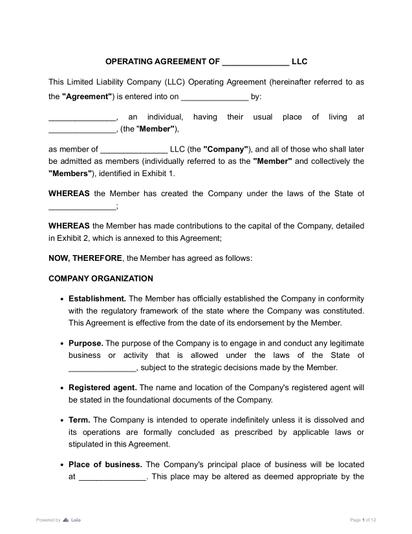
A single-member operating agreement for LLCs with one owner. It outlines how the business is managed and what happens if the company goes bankrupt, faces legal issues, or undergoes changes. Even if you’re the only member, this document helps prove your LLC is a separate legal entity.
- 2
A multi-member operating agreement is used when two or more people own the LLC. It defines each member’s responsibilities, ownership percentage, voting rights, and how profits or losses are distributed. Every member of the LLC is obliged to sign the document electronically or by hand and keep a copy of it.
8. Apply for an EIN
Another important element on the LLC formation checklist is an employer identification number, also known as a Federal Tax ID. It is a unique nine-digit number issued by the IRS. It works like a Social Security number for your business and is used to identify your LLC for federal tax purposes.
Most LLCs need an EIN, even if they don’t have employees. You may be asked to provide it when you:
- 1
Hire employees;
- 2
Open a business bank account;
- 3
Apply for certain business licenses or permits;
- 4
Choose to be taxed as an S corporation or a C corporation.
You can apply for an EIN online, for free, through the IRS website.
9. Obtain special licenses
After you register an LLC, you may need specific licenses or permits to legally run your business. Licenses can be issued at the federal, state, or local level. Not every LLC needs one, but if your company fails to get the right permit, be ready to face fines, delays with money transactions, or even forced closure.
Here are the most common types of licenses an LLC may need:
Health permits required for businesses that prepare or serve food, such as restaurants or catering services.
Professional licenses needed for regulated fields like construction, accounting, legal services, or healthcare.
Sales tax permits required for businesses that sell products to collect and report sales tax.
Local business licenses or zoning permits storefronts or home-based businesses need to operate within a city or county.
10. Register for state taxes
Once your LLC is fully formed and starts functioning, it's time to think of the taxes your business should pay. The most common include:
Sales tax required if you sell physical products or taxable services.
Employer withholding tax if your LLC has employees.
Franchise tax or LLC annual fee can be charged by some states, like California. For this, your business should not necessarily operate as a franchise; you just pay for your company’s right to function in the state.
To meet these obligations, register with your state’s Department of Revenue or a tax agency, and do not forget to file all the necessary taxation documents, namely:
- 1
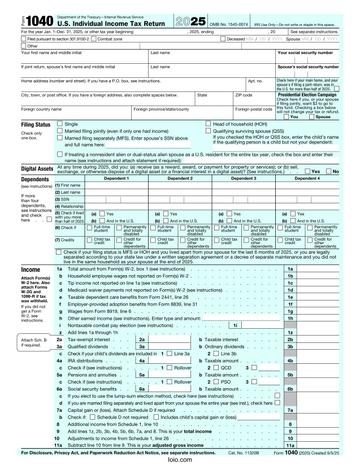
For single-member LLCs: Schedule C reporting your business income and expenses, with the net profit added to your personal taxable income. The LLC owner should attach the document to their personal Form 1040 and file it by April 15 each year.
- 2
For multi-member LLCs: Form 1065 reporting the LLC’s total income, expenses, gains, and losses. Besides, each member receives a Schedule K-1, which shows their portion of the LLC’s profit or loss, and reports this information on their own Form 1040.
- 3
For LLCs taxed as C corporations: Form 1120 reporting the LLC’s total income, deductions, and taxable profits, and Form 8832 filed with the IRS.
- 4
For LLCs taxed as S corporations: Form 1120-S outlining the company's income, deductions, and distributions. Additionally, each member completes their personal Form 1040.
- Form 1040
 5253 downloads
 - Schedule C
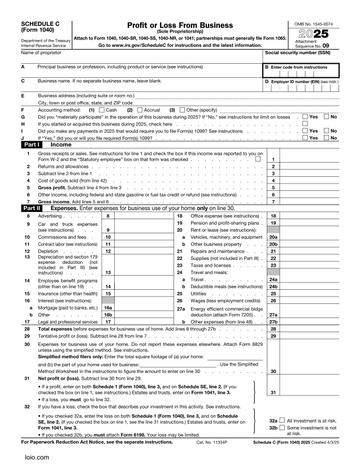 5197 downloads
 - Franchise Agreement
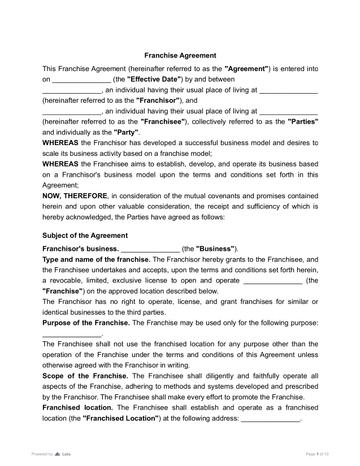 5265 downloads
11. Pay the fees
The process of LLC formation is not free. You may need to pay several fees, depending on the state where you register your business:
- 1
A one-time filing fee for your Articles of Organization.
- 2
Annual report fees or franchise taxes.
- 3
Optional fees, such as name reservation or business licenses, depending on your location and industry.

12. Get a trademark license
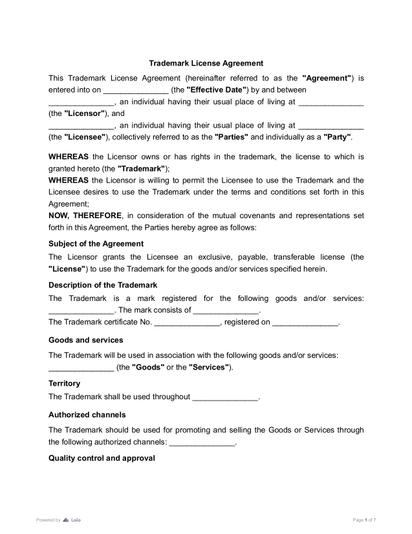
If you plan to use someone else’s trademark in your business branding or products, you need a special permission to do so – a trademark license. This is an agreement between your LLC and a trademark owner that states you have a legal right to use trademarked content under certain terms.
Meanwhile, if you want to protect your own business name or logo, you can register your trademark with the U.S. Patent and Trademark Office (USPTO) and license it to others.
Mistakes to Avoid While Starting an LLC
Now, you know how to start an LLC by yourself. Still, entrepreneurs who only start their way in business may make some common mistakes that you can easily avoid if you know what to pay attention to:
- 1
Choosing a name that is already taken
One of the most frequent reasons LLC filings are rejected is because the business name is already in use. Even small differences, like changing "Solutions" to "Solutons", don’t make a name unique. - 2
Listing a registered agent that doesn't qualify
Every LLC must have a registered agent to receive legal and state documents. Some people forget this entirely, while others list someone who doesn't meet the state’s requirements (for instance, people who do not live in the state of registration). - 3
Using a P.O. box instead of a physical address for your main office or agent
Some states require your registered office and agent to be at a physical location where someone can receive documents during business hours. A mailbox or virtual office cannot do it. - 4
Paying filing fees but forgetting to submit all required forms
It’s possible to pay fees online, but if you forget to file your Articles of Organization or other required documents, the state won’t accept them. Payment alone doesn’t register your business. - 5
Assuming your LLC is approved before you get confirmation
Many entrepreneurs start running their business right after they submit the documents for registration. But your LLC isn’t official until you receive confirmation from the Secretary of State.Otherwise, you risk facing administrative dissolution. If you sign contracts or conduct business before the official approval date, you are operating as a sole proprietor, which means you are personally liable for any debts or lawsuits arising from those early actions.
To ensure you have not missed any important documents, check this LLC formation checklist and mark completed points.

The LLC registration process involves more than just paperwork: it sets the foundation for your business’s legal and financial success. By understanding how to register for a company, what documents to file, and what risks to consider, you ensure your company meets all legal standards and does not have to pay fines right after it starts working. Follow the steps to starting an LLC described in the guide, and do not hesitate to ask for legal help when needed. Proper preparation is the key to success.
More guides
July 25
12 min read
How to Register a Company in the US: What No One Tells You in 2026

September 1
7 min read
How to Provide Proof of Employment: Documents and Steps

October 8
8 min read
How to Start a Videography Business: 8 Essential Steps

October 7
How to Start a Staffing Agency: Licensing, Pricing, and Cash Flow

July 25
12 min read
How to Start a Flooring Business and Get Your First Clients in 2026

October 8
8 min read
A Comprehensive Guide to Starting a Child Care Business

One home for your
agreements
Edit PDFs seamlessly
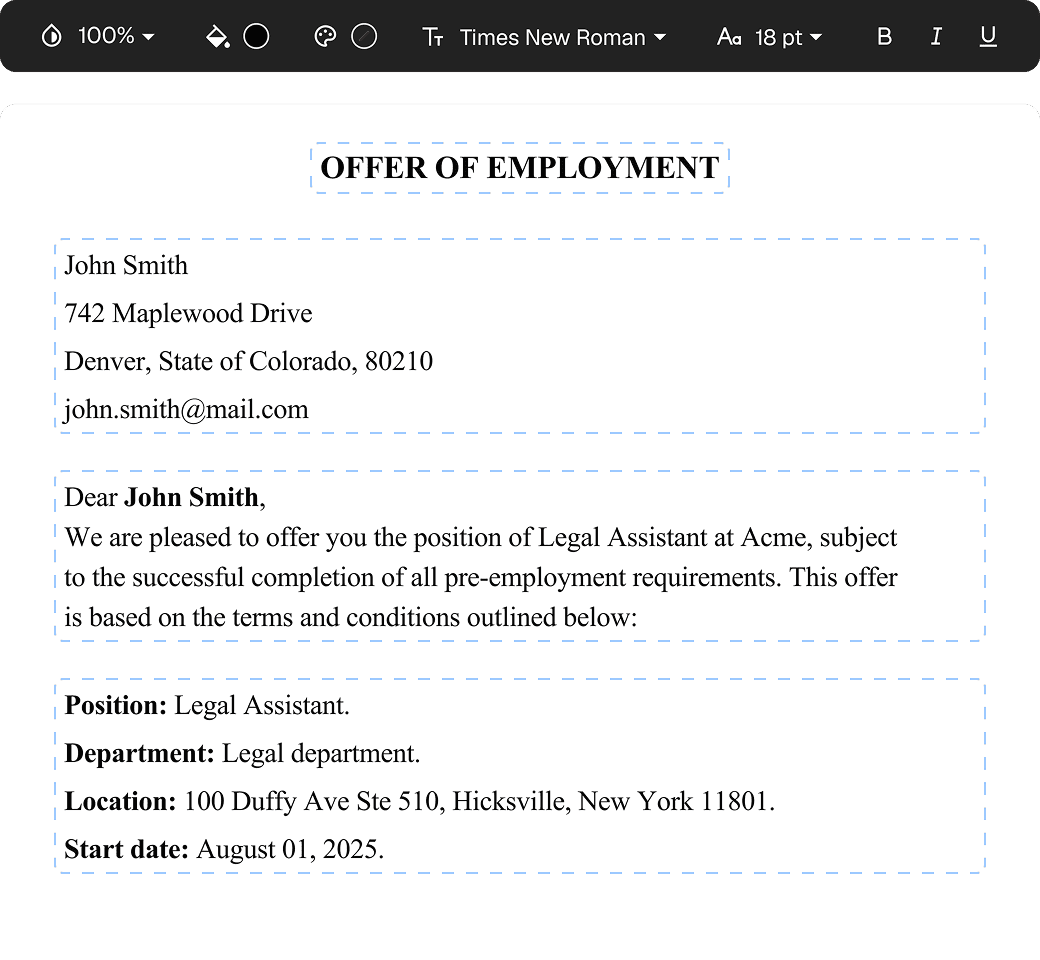
Tweak agreements before signing or sending for signatures. Update details, add or remove clauses, adjust formatting, and redline changes instantly.
eSign legally and securely
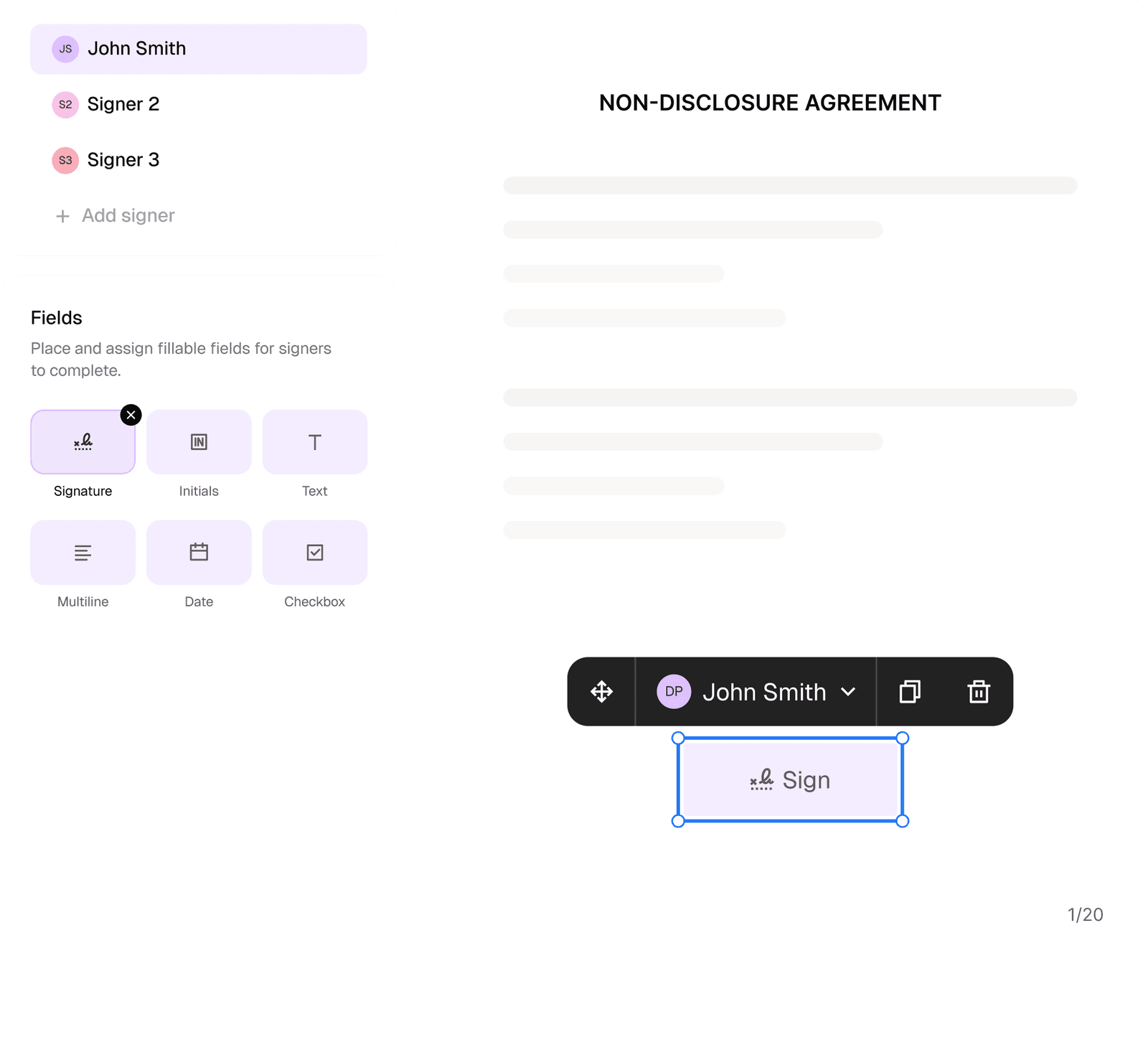
Sign documents and collect legally binding signatures. Invite up to ten people to sign in any order, track the progress, and send reminders.
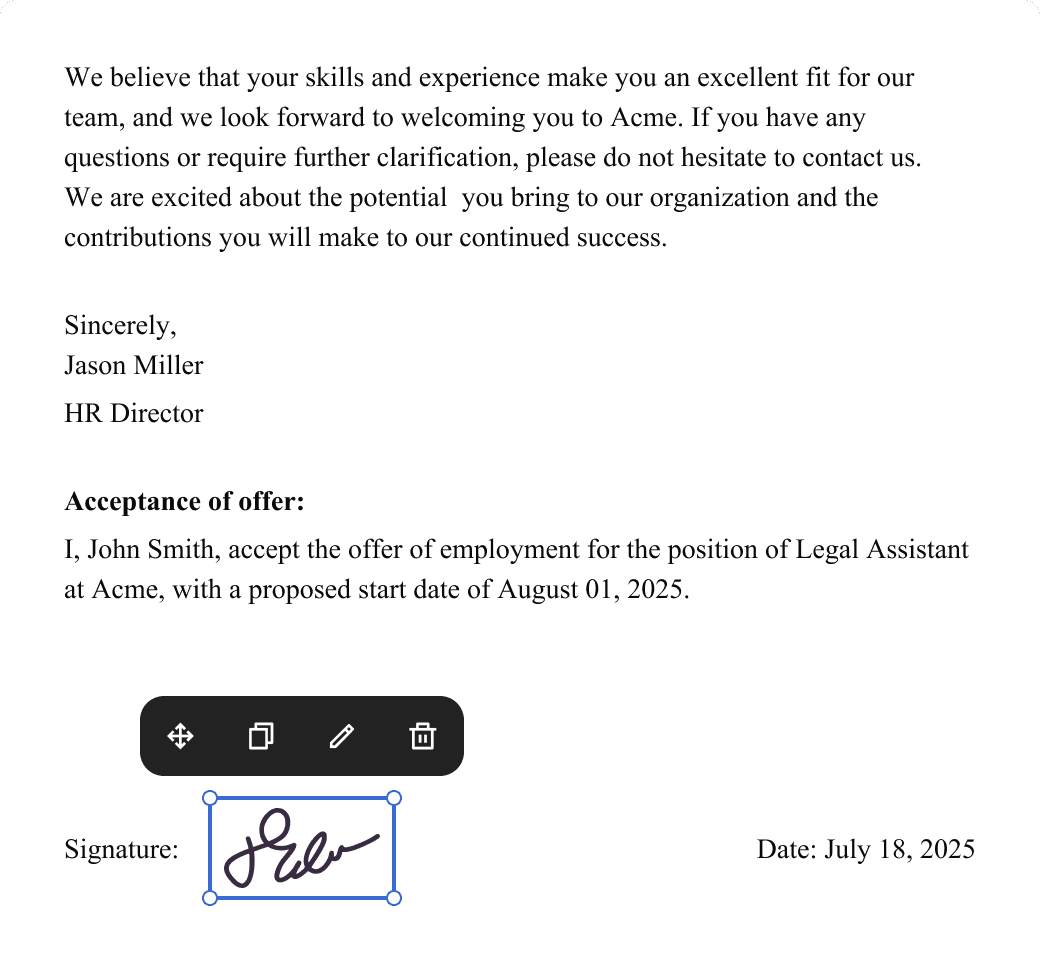
Request legally binding signatures
Invite up to ten people to sign your document in any order. Get a finalized, audit-ready copy without chasing signatures.
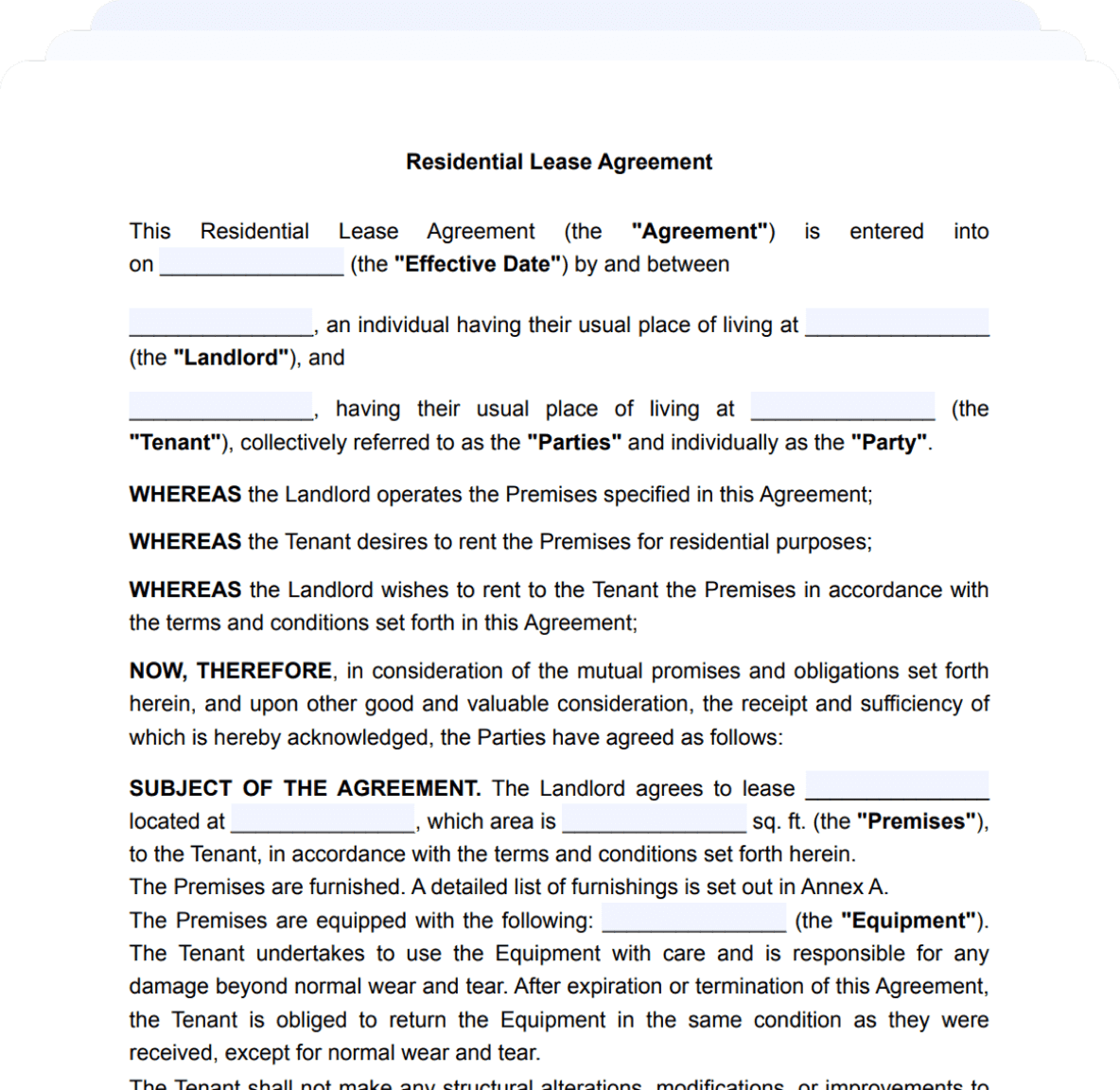
Skip the drafting.
Choose from 2,500+ templates
Browse templatesChoose a template
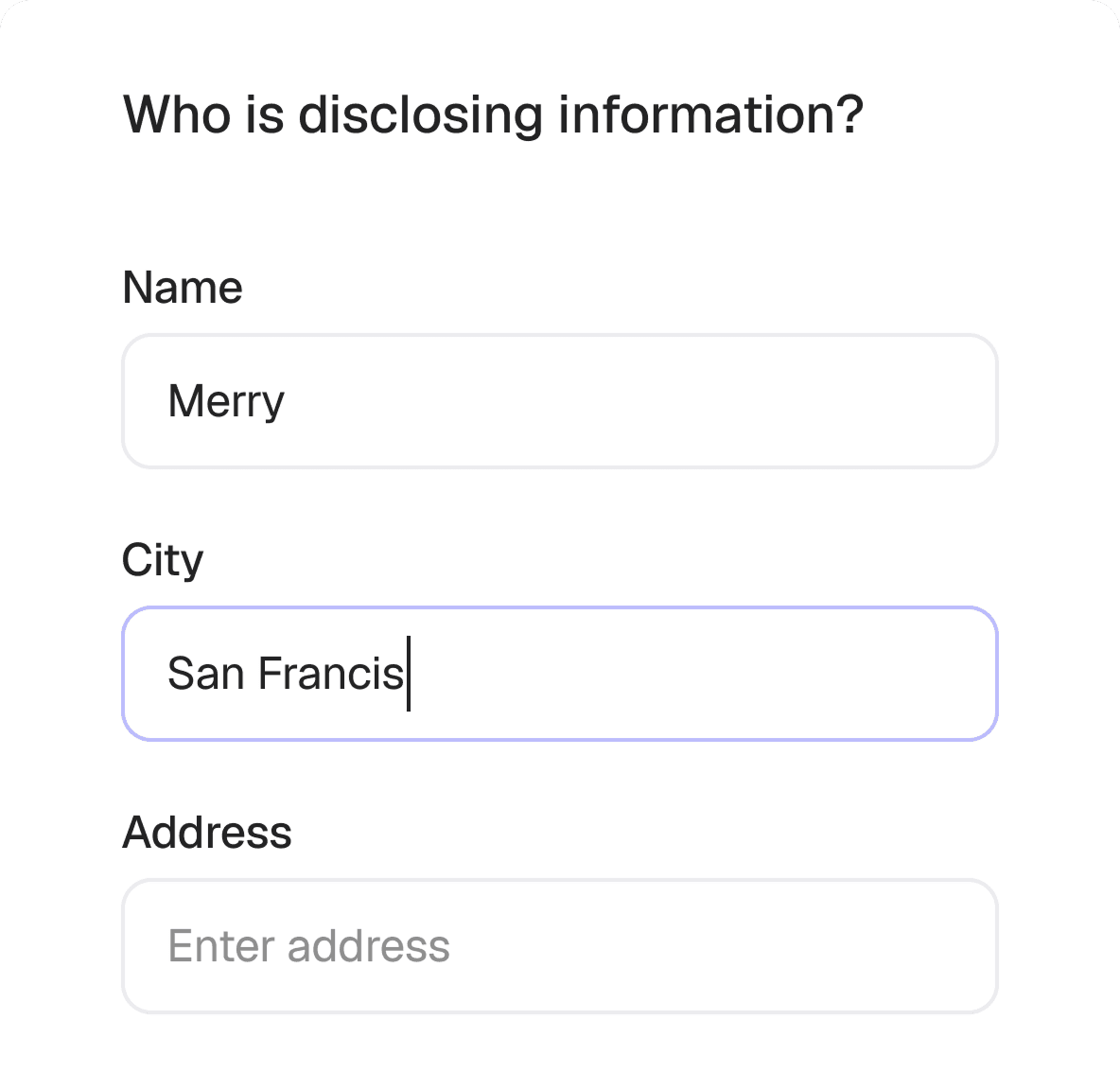
Fill in details
Sign and download