Updated September 7, 2026
9 min read
LLC vs Sole Proprietorship: Taxes, Liability, and Costs

LLC vs Sole Proprietorship: Taxes, Liability, and Costs
Content
Choosing between a limited liability company vs sole proprietorship mainly comes down to liability protection, cost, paperwork, and tax flexibility. A sole proprietorship is usually simpler for a one-person, low-risk business, while an LLC can be a better fit if you want to separate your personal assets from business liabilities or expect the business to grow.
The U.S. Small Business Administration (SBA) describes sole proprietorships as a good option for low-risk businesses or owners testing an idea. LLCs, by comparison, generally protect owners from personal liability and may suit businesses with greater risk or owners with significant personal assets.
LLC vs Sole Proprietorship: Key Differences
A sole proprietorship does not create a separate legal entity from its owner. Business assets and liabilities are therefore tied to the owner, who may be personally responsible for business debts and obligations. An LLC (limited liability company) is formed under state law and generally separates the owner's personal liability from the company's liabilities. LLC protection is not absolute, however, and can depend on the circumstances and state law.
Legal status: Owner and business are not legally separate
Personal liability: Owner can be personally liable for business debts and obligations
Formation: Usually arises automatically when one person conducts business without forming another entity
Cost and paperwork: Generally fewer formation and ongoing requirements
Ownership: One owner
Default federal taxation: Business activity generally reported on the owner's individual return
Self-employment tax: Generally applies to net earnings from self-employment
Tax options: No separate entity-level tax election
EIN: May be required depending on employees and other circumstances
Legal status: Separate entity formed under state law
Personal liability: Owners generally receive limited liability protection
Formation: Requires formation under state law
Cost and paperwork: State filing fees, reports, and other requirements may apply
Ownership: One or more members
Default federal taxation: A single-member LLC is generally disregarded for federal income tax purposes unless it elects corporate treatment
Self-employment tax: Generally applies to an individual owner of a disregarded single-member LLC in the same manner
Tax options: LLC may be eligible to elect corporate tax treatment
EIN: Requirements depend on tax classification, employees, excise taxes, and other circumstances
A sole proprietor may still need a trade name registration, business license, sales tax registration, or other state or local permits. Forming an LLC likewise does not replace licensing or regulatory requirements that apply to the business.
LLC vs Sole Proprietorship Taxes
For many one-owner businesses, the biggest misconception about LLC vs sole proprietorship taxes is that simply forming an LLC automatically changes federal income taxes. It usually does not.
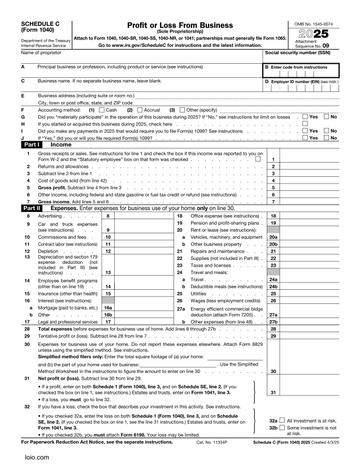
For federal income tax purposes, the IRS generally treats a domestic single-member LLC as a “disregarded entity” unless the LLC elects to be taxed as a corporation. When an individual owns the LLC, its business activity is generally reported on the owner's federal tax return, often using Schedule C — similar to a sole proprietorship.
An individual who operates a trade or business through a disregarded single-member LLC is also generally subject to tax on net earnings from self-employment in the same manner as a sole proprietor. Operating as a sole proprietor is a form of self-employment, so the owner likewise generally pays self-employment tax and reports their business income and expenses through their individual return.
The difference is flexibility. An LLC can, if eligible, elect to be treated as a corporation for federal tax purposes. That can change how income and employment taxes apply, so the tax consequences should be evaluated separately rather than assuming an LLC will automatically reduce taxes.
State taxes, franchise taxes, and filing fees may also differ by state.
Do you need an EIN for an LLC vs. a sole proprietorship?
An Employer Identification Number (EIN) is issued by the Internal Revenue Service (IRS), but neither “LLC” nor “sole proprietor” automatically means that every business needs a new EIN.
A disregarded single-member LLC without employees or certain excise-tax obligations generally does not need a separate EIN for federal tax purposes and may use the owner's taxpayer identification number. However, an EIN may still be required for employees, certain taxes, state requirements, or practical purposes such as opening a business bank account. The IRS also states that a sole proprietor's existing EIN may sometimes continue to be used by a single-member LLC that remains disregarded and has no employees or excise-tax liability.
LLC vs Sole Proprietorship Pros and Cons
For most owners, the trade-off is straightforward: a sole proprietorship prioritizes simplicity, while an LLC prioritizes liability separation and flexibility.
Choose a sole proprietorship when:
- You are the only owner.
- The business has relatively low liability exposure.
- You want minimal formation costs and paperwork.
- You are testing a business idea before creating a formal entity.
The main downside is personal liability: because there is no separate business entity, your personal assets may be exposed to business debts and claims. The SBA specifically identifies sole proprietorships as suitable for low-risk businesses and owners testing an idea.
Choose an LLC when:
- Protecting personal assets from business liabilities is an important priority.
- Your business has greater contractual, debt, customer, or lawsuit exposure.
- You may add another owner later.
- You want greater flexibility in federal tax classification.
- You are comfortable with additional state filings, fees, and ongoing requirements.
An LLC generally protects owners from personal liability for company debts and lawsuits “in most instances,” according to the SBA. That protection does not mean an LLC owner can never be personally liable, so insurance and sound business practices may still be important.
- Schedule C
 5197 downloads
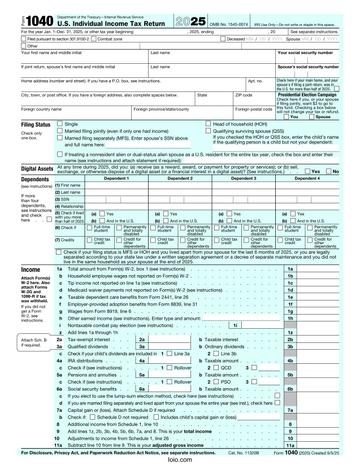
 - Form 1040
 5253 downloads
Single Member LLC vs Sole Proprietorship: Which Is Better?
For a solo business owner, the single-member LLC vs sole proprietorship decision usually depends less on federal income taxes and more on liability and administrative burden.
A sole proprietorship may be enough when you are starting a low-risk activity and want the simplest structure possible. A single-member LLC may make more sense when the potential cost of business debts or claims makes liability separation worth the additional filing requirements and expense.
If taxes are your main reason for considering an LLC, remember that a default single-member LLC generally receives similar federal income-tax and self-employment-tax treatment to a sole proprietorship. Forming an LLC by itself does not automatically create a tax advantage.
Before choosing, check the formation, annual reporting, tax, licensing, and professional-entity rules in your state. For a business with substantial assets, unusual tax circumstances, or significant liability exposure, consider discussing the choice with a qualified attorney or tax professional.
More guides
July 25
12 min read
How to Register a Company in the US: What No One Tells You in 2026

September 1
7 min read
How to Provide Proof of Employment: Documents and Steps

October 7
How to Start a Staffing Agency: Licensing, Pricing, and Cash Flow

July 25
12 min read
How to Start a Flooring Business and Get Your First Clients in 2026

October 8
8 min read
A Comprehensive Guide to Starting a Child Care Business

July 22
10 min read
How to Start a Storage Unit Business: What You Need to Know

One home for your
agreements
Edit PDFs seamlessly
Tweak agreements before signing or sending for signatures. Update details, add or remove clauses, adjust formatting, and redline changes instantly.
eSign legally and securely
Sign documents and collect legally binding signatures. Invite up to ten people to sign in any order, track the progress, and send reminders.
Request legally binding signatures
Invite up to ten people to sign your document in any order. Get a finalized, audit-ready copy without chasing signatures.
Skip the drafting.
Choose from 2,500+ templates
Browse templatesChoose a template
Fill in details

Sign and download