Updated July 20, 2026
8 min read
Mutual vs Unilateral NDA: Key Differences and When to Use Each
Mutual vs Unilateral NDA: Key Differences and When to Use Each
Content
One-way NDA or a mutual NDA? This is where most founders get stuck. You know you need “an NDA,” but you’re not sure which type actually fits your situation. Should you protect only your information, or assume both sides will share sensitive details? And more importantly, what are you agreeing to if you get it wrong?
What actually creates confusion isn’t whether to use an NDA, but how that choice affects control, risk, and responsibility. This guide will answer all your questions about one-way NDA vs. mutual NDA. We’ll walk through how these documents actually work, when to use each, and how to avoid the mistakes that create real business risk. Keep reading to make sure you choose the right one!
What Is the Difference: Mutual vs. Unilateral NDA?
At a basic level, one-way vs. mutual NDA differences seem simple. A one-way NDA protects information flowing in one direction, while a mutual NDA covers both sides. The type of NDA you choose determines:
- Who protects the information: Only the receiving party.
- Who can use the information: The receiving party, usually for a specific, limited purpose.
- Balance of the relationship: One-sided, typically favors the disclosing party.
- Who protects the information: Both parties.
- Who can use the information: Both parties, within agreed-upon purposes.
- Balance of the relationship: More balanced, with shared obligations.
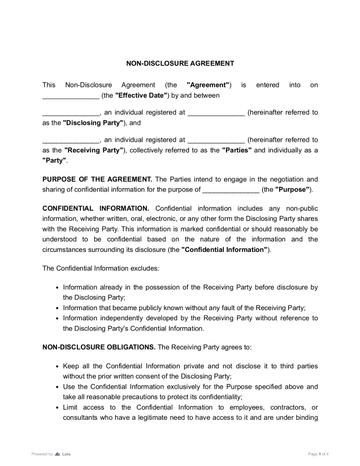
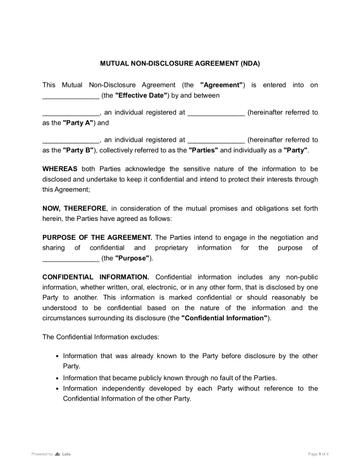
If you want to see how these differences work in real documents, it helps to review a few actual NDA templates in a business document library. Looking at how one-way and mutual NDAs are structured in practice makes it easier to spot what changes.
- Non-Disclosure Agreement (NDA)
 4660 downloads
 - Mutual Non-Disclosure Agreement (NDA)
 4353 downloads
What is a unilateral non-disclosure agreement?
A unilateral (one-way) NDA is used when only one party shares sensitive information. This is common in early business interactions where one side is exposing valuable data, and the other is simply evaluating it.
For example, you might use a one-way NDA when pitching your startup idea, sharing internal processes with a contractor, or providing financial data to a potential buyer. In all these cases, the information flows in one direction.
In this structure, one party acts as the disclosing party, while the other becomes the receiving party with a legal obligation to protect the information. This gives you more control over how your data is handled.
However, the risk appears when you are the one signing as the receiving party. In that case, you may be accepting strict limitations on how you can use information, sometimes broader than expected. Running the document through an AI summary tool can help quickly highlight key clauses and restrictions before you sign, so you clearly understand what you can and cannot do.
What is a mutual NDA?
A mutual NDA applies when both sides exchange confidential information. This typically happens in more advanced discussions where each party needs insight into the other’s business to move forward.
You’ll see mutual NDAs in situations like partnerships, vendor onboarding, joint ventures, or early-stage M&A discussions. Both parties disclose information, and both are equally responsible for protecting it.
This creates a more balanced relationship, but it also introduces shared liability. It’s important to understand that “mutual” does not automatically mean “equal.” One party may still draft the agreement in a way that favors their position.

When to Use Each Type: Mutual NDA vs. Unilateral NDA
The decision becomes clearer when you look at the situation: is information moving in one direction, or between both parties?
You should use a one-way NDA when only your business is sharing sensitive information, and the other party does not need to disclose anything meaningful in return. This approach is more controlled and reduces unnecessary obligations.
Typical use cases include:
Pitching an idea to investors;
Sharing internal workflows, pricing, or client data;
Hiring freelancers or employees.
This approach is widely adopted across many industries. Up to 57% of workers report being bound by an NDA, according to an OECD report, with the highest usage in the professional, scientific, and technical services sector (around 73%).
A mutual NDA, on the other hand, is more appropriate when both sides are exposed to risk. If each party needs access to the other’s confidential information to evaluate a deal or collaboration, a mutual structure is the safer option.
Common scenarios include:
Strategic partnerships;
Vendor or technology integrations;
Negotiations where both sides exchange operational or financial data.
The key idea is simple: match the NDA type to the actual flow of information, not to what “feels standard.”
Unilateral NDA vs. mutual NDA in M&A deals
In mergers and acquisitions transactions, NDAs are almost always mutual because both sides need to share sensitive information. Sellers disclose financials, contracts, and internal operations, while buyers often share strategic plans, valuation logic, or financing structures. However, even in mutual NDAs, the balance is rarely equal. Sellers typically want tighter control over how their data is used, while buyers push for broader rights to evaluate the business.
A one-way NDA may still be used — for example, at a very early stage when only the seller is sharing initial information (such as a teaser or limited financial overview), or when a buyer is simply exploring the opportunity without disclosing anything sensitive in return.
And when dealing with NDAs in M&A, there are a few key points you should pay close attention to:
- 1
Whether the buyer can share your data with advisors or affiliates;
- 2
How long confidentiality obligations last;
- 3
What happens to your data if the deal does not go through.
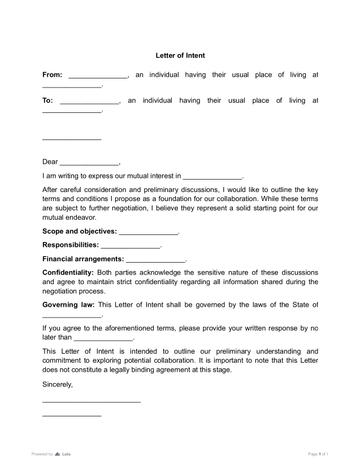
The NDA is only the starting point. As discussions progress, it typically works alongside other documents, such as a Letter of Intent (LOI), due diligence checklists, and eventually the purchase agreement, all of which build on how information is shared and used. All these documents together give you a clearer picture of the full deal structure, not just the confidentiality layer.
- Letter of Intent (LOI)
 4637 downloads
 - Purchase Agreement
 4108 downloads
Which NDA Do You Need for Different IP Types?
Not all intellectual property requires the same level of protection. In fact, only 19.5% of U.S. businesses consider NDAs an important form of IP protection, which shows how often they are used in practice.
At the same time, using the wrong NDA approach can either create unnecessary friction or leave gaps that expose your business.
For trade secrets, strict protection is essential. These include things like algorithms, customer lists, pricing models, or internal processes. Once disclosed publicly, trade secrets lose their legal protection, which makes NDAs critical. In these cases, a one-way NDA with detailed and strict terms is usually the right choice.
For patents, timing matters more than structure. If you disclose an invention before filing, you may lose rights in certain jurisdictions. An NDA can protect confidentiality temporarily, but it is not a substitute for filing. Here, a one-way NDA is typically used as a short-term safeguard.
Copyright is more flexible. It exists automatically once content is created, but misuse is still possible. When deciding on a mutual NDA vs. a one-way NDA, the type depends on the situation: one-way for contractor relationships, mutual for collaborations.
Trademarks are different. Since they are meant to be public and recognizable, NDAs are generally not required. However, if you are sharing branding strategy, launch plans, or positioning, an NDA may still make sense.

Traps in One-Way NDA vs Mutual NDA (and How to Avoid Them)
Most mistakes with NDAs don’t come from choosing between a one-way or mutual structure. They come from the details inside the document; the parts people often skim or assume are “standard.” Here are the key traps to watch for:
- Vague definition of confidential information: when everything is marked as confidential, it becomes harder to enforce. Clearly define what is protected and include standard exclusions (public info, prior knowledge, third-party sources).
- Missing use restrictions: information may be kept confidential, but still used in unintended ways. Specify how the information can be used and limit it to a clear purpose.
- Incorrect duration: too short leaves gaps in protection, too long may be unrealistic. Align the duration with the type of information (e.g., 2–5 years or longer for trade secrets).
- No control over third parties: information can spread to advisors or affiliates without limits. Restrict sharing to a need-to-know basis and ensure the same level of protection applies.
- Unclear role in the agreement: signing without understanding your position can create unexpected obligations. Check whether you are the disclosing or receiving party and what responsibilities apply.
An NDA (whether one-way or mutual) defines how your information is controlled. It shapes who can access your data, how it can be used, and what happens if something goes wrong.
That’s why these details matter. Overlooking them turns the NDA into a formality instead of real protection. But when you review it with a clear understanding of these points, it becomes a practical way to manage risk before it appears.
More guides
September 1
7 min read
How to Provide Proof of Employment: Documents and Steps
September 10
14 min read
How to Protect Your Small Business from Lawsuits
July 20
9 min read
How to Share Sensitive Information with Vendors: 6 Safety Steps
August 18
9 min read
NDA vs Confidentiality Agreement: Key Differences and When to Use Each
July 21
10 min read
Intellectual Property Protection: A Legal & Digital Security Guide for 2026
July 25
12 min read
How to Register a Company in the US: What No One Tells You in 2026
One home for your
agreements
Edit PDFs seamlessly
Tweak agreements before signing or sending for signatures. Update details, add or remove clauses, adjust formatting, and redline changes instantly.
eSign legally and securely
Sign documents and collect legally binding signatures. Invite up to ten people to sign in any order, track the progress, and send reminders.
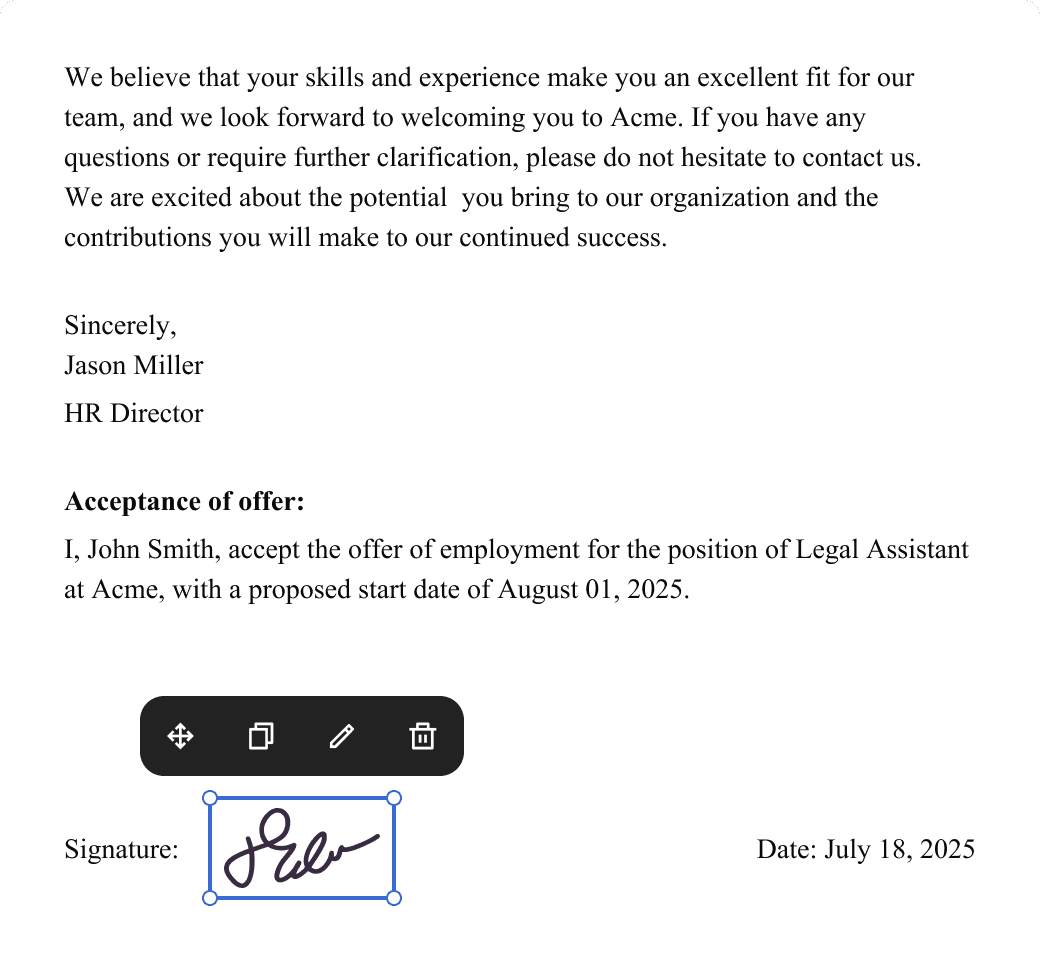
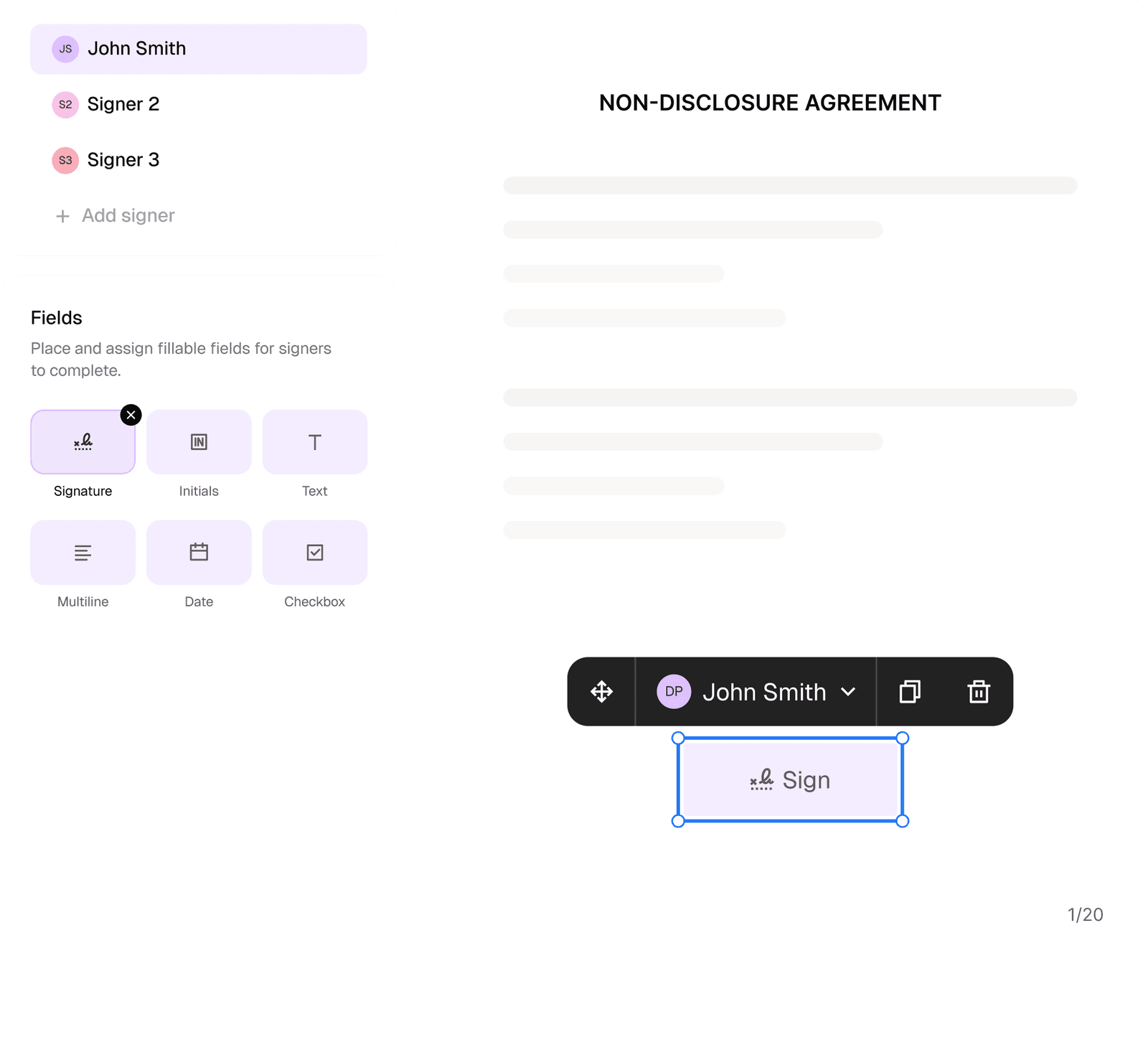
Request legally binding signatures
Invite up to ten people to sign your document in any order. Get a finalized, audit-ready copy without chasing signatures.
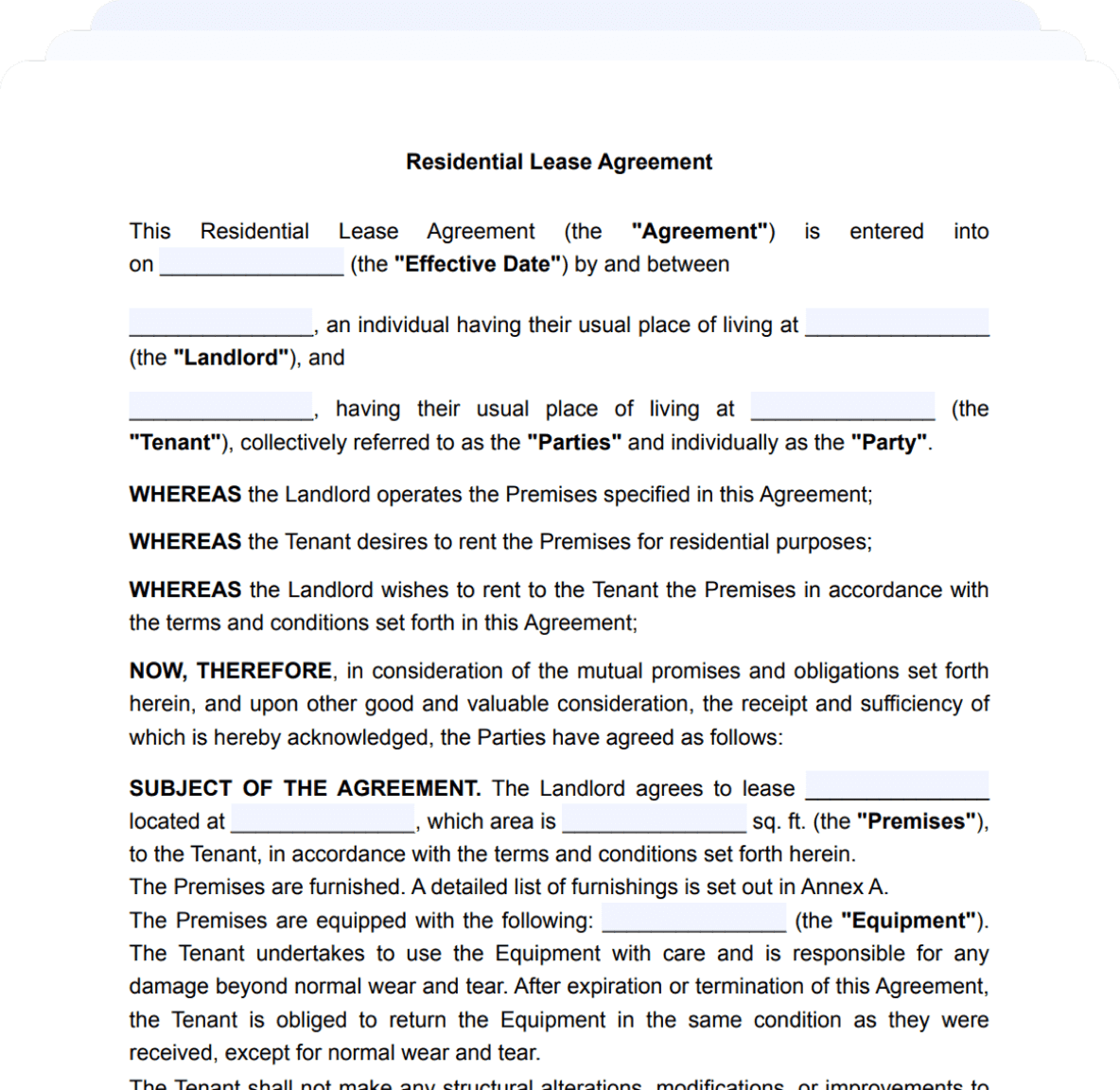
Skip the drafting.
Choose from 2,500+ templates
Browse templatesChoose a template
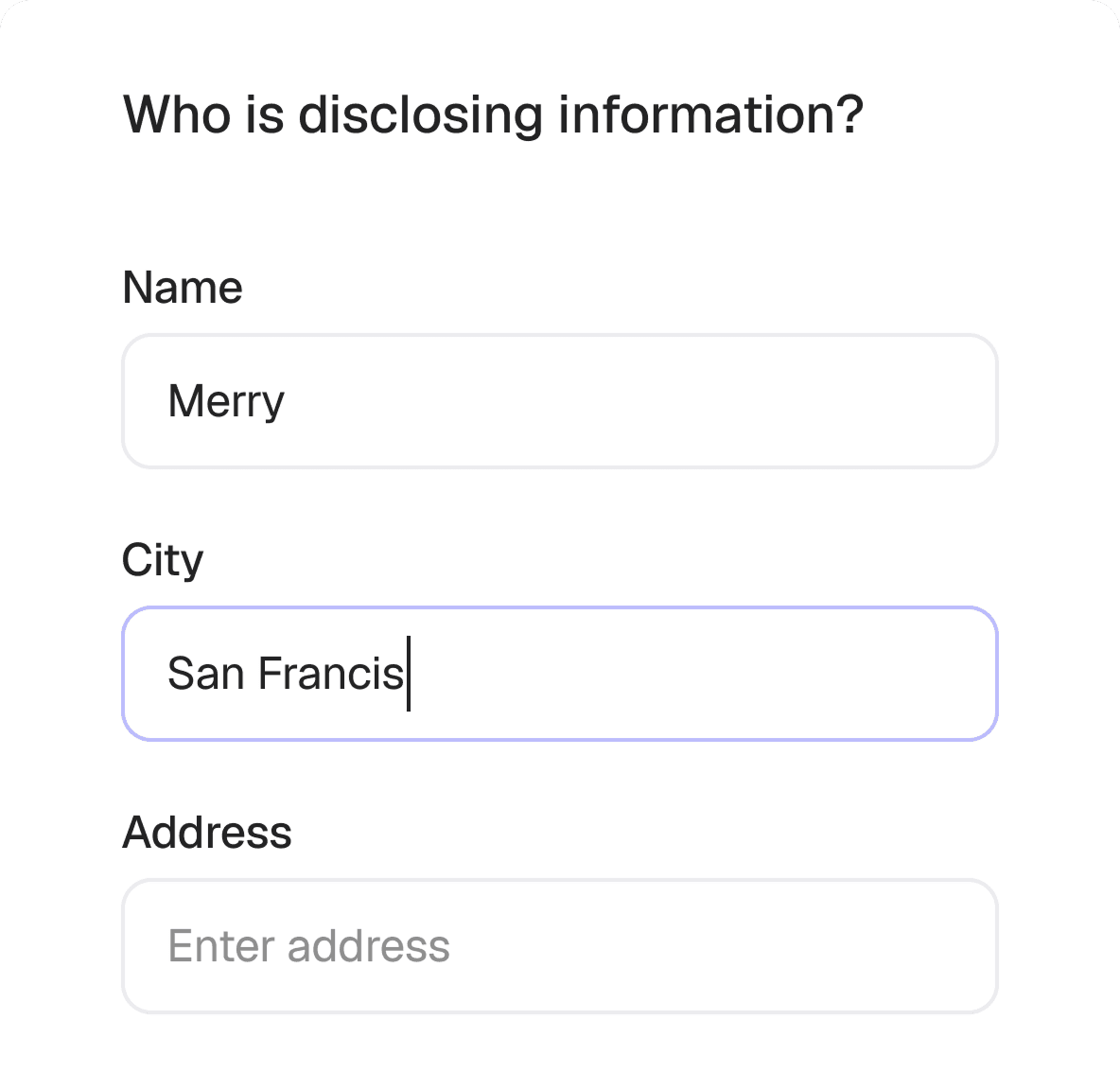
Fill in details
Sign and download