Updated October 19, 2026
9 min read
NDA vs Confidentiality Agreement: Key Differences and When to Use Each
NDA vs Confidentiality Agreement: Key Differences and When to Use Each
- Confidentiality Agreement vs. NDA: What’s the Difference?
- When in the relationship you sign
- What Is an NDA (Non-Disclosure Agreement)?
- Types of NDAs (Explained Simply)
- What Is a Confidentiality Agreement?
- What Is Confidential Information?
- Confidential vs. Sensitive Information: What’s the Difference?
- Common Mistakes Beginners Make — And How to Fix Them
- Can You Use Both an NDA and a Confidentiality Agreement
- Final Thoughts
Content
Most people asking about an NDA vs a confidentiality agreement expect to find two different legal instruments. In U.S. practice, they are usually the same type of contract under two different names — and courts generally look at what the clauses actually say, not what the document is titled. The practical differences come down to three things: who is bound, how broad the protection is, and when in the relationship you sign.
That distinction matters because using the wrong structure leaves gaps. A one-way document signed before a pitch meeting will not cover the years of access an employee or long-term contractor has to your systems. This guide breaks down where the two overlap, where they genuinely diverge, and what actually makes either one hold up.
Confidentiality Agreement vs. NDA: What’s the Difference?
Who is bound
Direction is a choice you make in either document — an NDA can be mutual, and a confidentiality agreement can be one-way. What differs is the default. Documents titled "NDA" are more often drafted one-way; documents titled "confidentiality agreement" are more often drafted mutual. Neither label commits you to anything, so decide the direction first and pick the title second.
If only one side has secrets worth protecting — you are showing an investor your financial model, and they are showing you nothing — a one-way version is the right fit, whichever name goes on it. If both sides will be exchanging pricing, roadmaps, or technical detail, a mutual version avoids the awkward position of asking a partner to accept obligations you have not accepted yourself.
How broad the protection is
An NDA often defines confidential information by reference to a specific transaction or set of disclosures. A confidentiality agreement more commonly covers anything a party learns while the relationship lasts, including information that does not yet exist at signing.
The broader form is not automatically better. Definitions that sweep in "all information of any kind" can be harder to enforce than a definition that identifies real categories, because a court may struggle to see what the recipient was actually on notice about.
When in the relationship you sign
Timing is where the two names diverge most in everyday usage. NDAs cluster at the front of a relationship — before the deal, before the hire, before the diligence. Confidentiality agreements and clauses cluster inside the relationship, governing access that continues for months or years.
This is worth attention because early-stage disclosures are often the least protected. Ideas get shared in a first meeting, before anyone has drafted a services contract, and that gap is exactly what a standalone NDA exists to close.

What Is an NDA (Non-Disclosure Agreement)?
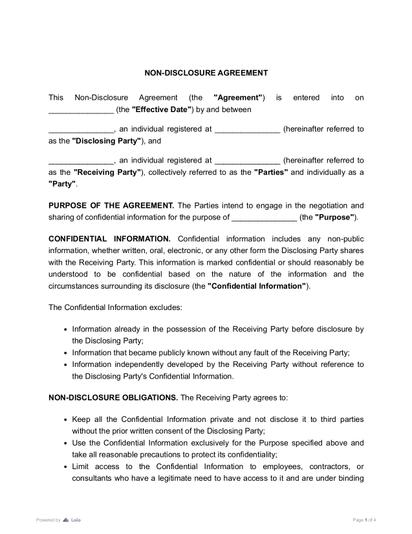
NDAs are commonly used when pitching a startup idea to investors, discussing a potential partnership, negotiating the sale of a business, or sharing early product concepts and prototypes. Anytime you need to reveal sensitive information before a deal is finalized, an NDA helps protect your ideas and business details.
Intellectual property theft costs businesses $600 billion globally each year. Many of those losses happen before a formal contract is ever signed — during early discussions.
Types of NDAs (Explained Simply)
Different types of NDAs exist because not every business situation is the same. Sometimes only one side is sharing sensitive information, and other times both parties are exchanging valuable details. The structure of the NDA should match the situation to ensure fair protection and clear expectations for everyone involved.
A one-way NDA is used when only your business is sharing confidential information, and the other party is simply receiving it. This is common when pitching a startup idea, presenting a product, or discussing plans with investors, contractors, or potential partners who aren’t disclosing anything of their own.
A mutual NDA is used when both your business and the other party will be sharing confidential information. This is common in partnerships, joint ventures, or early-stage collaborations where each side needs to exchange ideas, data, or plans while ensuring that everything shared stays protected.
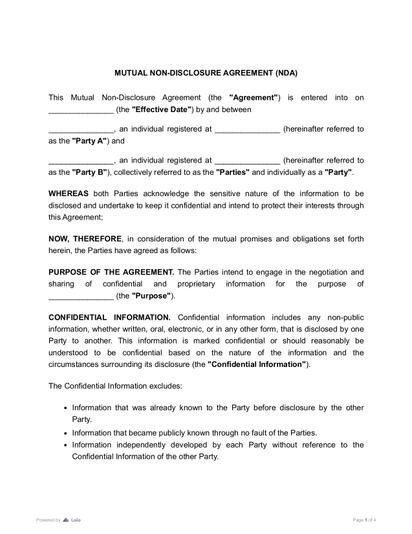
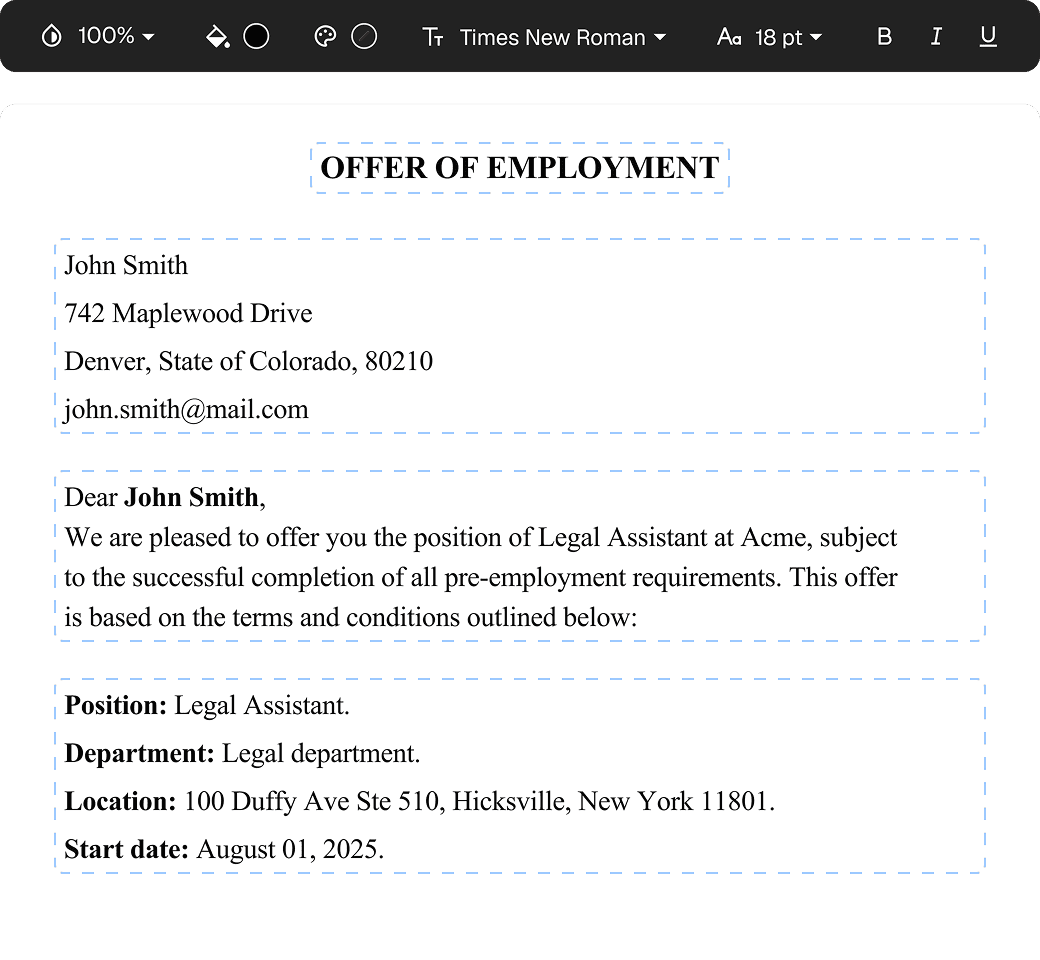
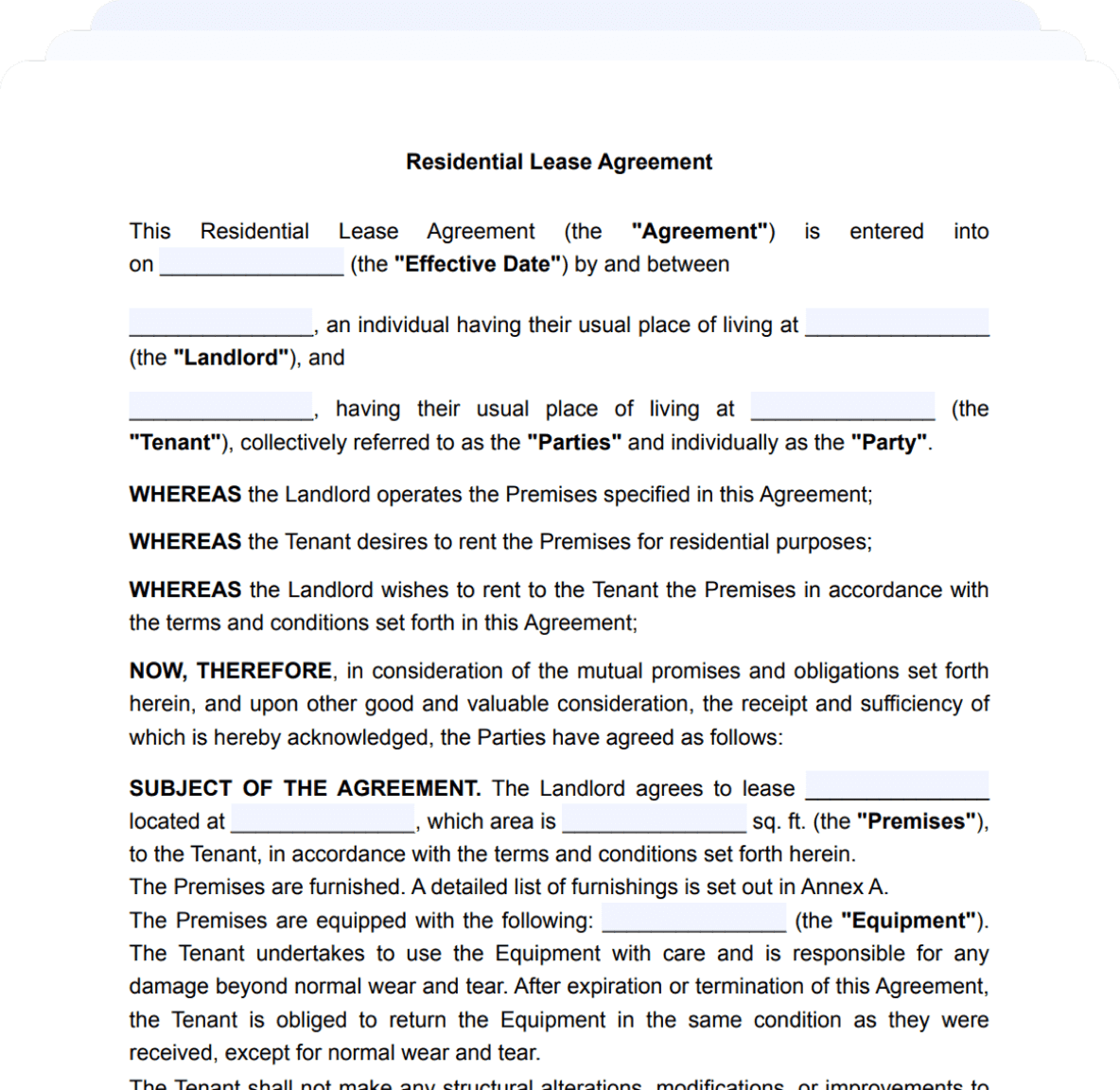
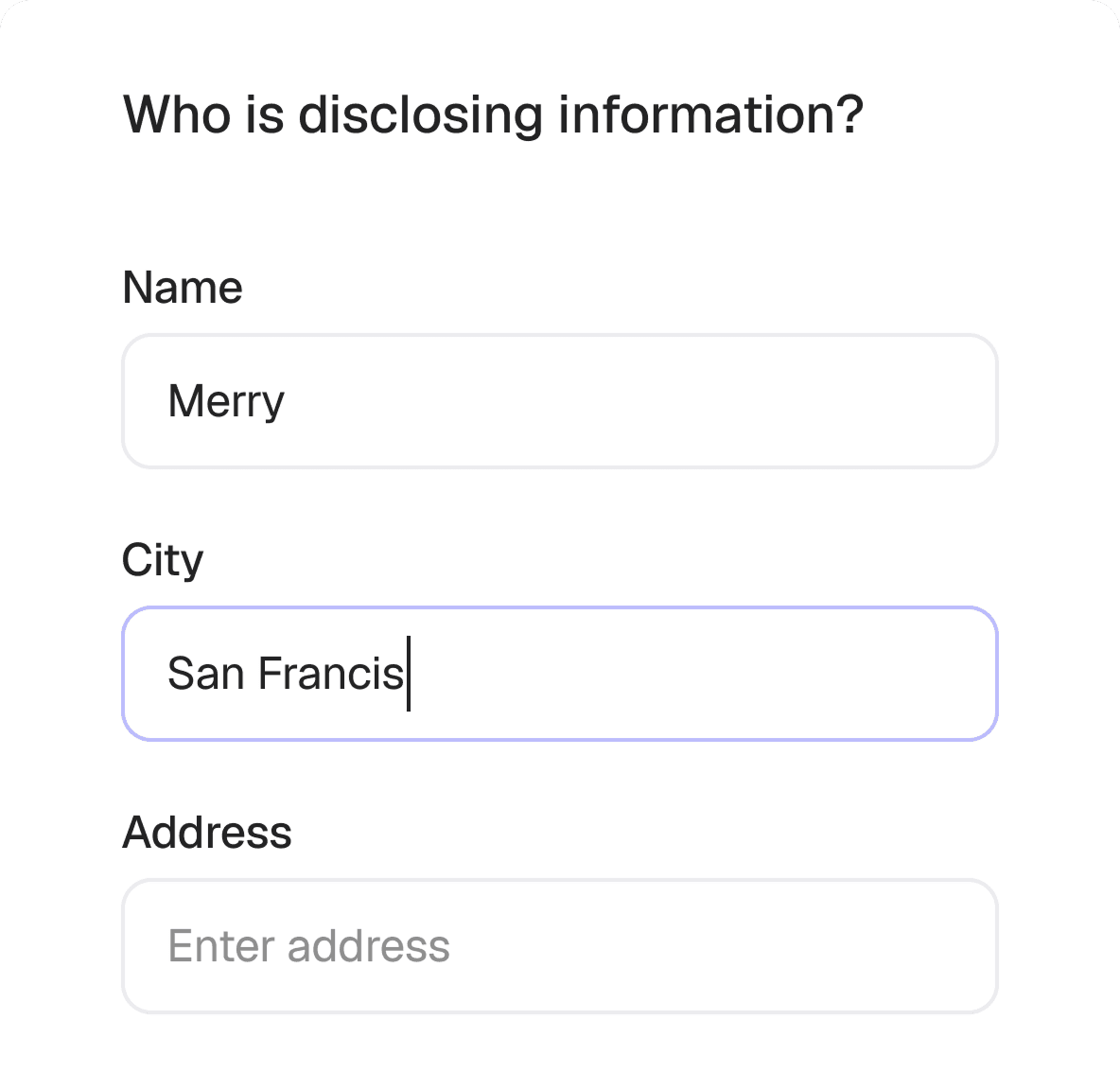
Today, entrepreneurs don’t need to draft one-way or mutual NDAs from scratch. Contract management platforms offer ready-to-use NDA templates that are already reviewed by lawyers and designed for real business situations. With this tool, you can use the interactive interview system that guides you through simple questions and automatically completes the agreement for you, or you can choose the PDF Editor feature to manually adjust and customize the document exactly as you need.
What Is a Confidentiality Agreement?
A confidentiality agreement is more often mutual and broader in scope, covering everything a party accesses over the course of an ongoing relationship rather than a defined set of disclosures.
Most confidentiality agreements spell out what information is protected, how it can be used (usually only for work-related purposes), and how long confidentiality lasts — often years after the work ends. For a business owner, this clarity matters because it sets expectations upfront and leaves less room for misunderstandings. Clear limits reduce disputes, and disputes are expensive: contract-related conflicts regularly cost businesses tens of thousands of dollars, even before any court involvement.
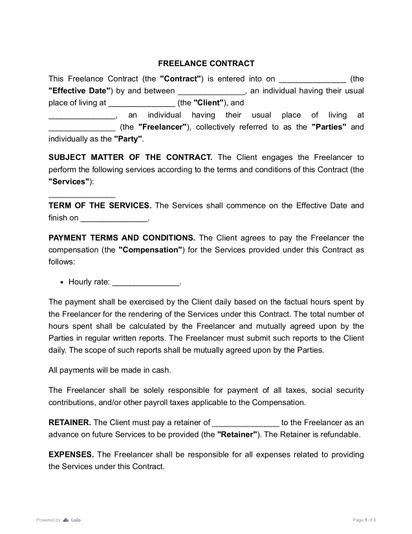
In many cases, confidentiality clauses are already included in the main contract. A common example is a freelance contract. A freelance contract is a written agreement between a business and an independent contractor that defines the scope of work, payment terms, deadlines, intellectual property ownership, and other key responsibilities.
For example, imagine you hire a freelance designer to create branding materials for your startup. The freelance contract outlines what the designer will deliver, how much you’ll pay, and who owns the final designs. At the same time, the confidentiality clause inside the contract ensures the designer cannot share your marketing strategy, pricing model, or upcoming product plans with others. Together, these protections cover both the work itself and the sensitive information behind it.
What Is Confidential Information?
Confidential information is any business-related detail that gives you a competitive advantage, creates value, or affects your reputation. And this detail could harm you financially or strategically if disclosed. It’s the information you would hesitate to post online, email without protection, or share without a written agreement in place. In everyday terms, this includes:
business ideas and plans;
customer or client lists;
software, designs, or technical details;
pricing, costs, and financial data;
marketing strategies;
internal documents and processes.
Much of this information may qualify as a trade secret — meaning it has real economic value specifically because it is not publicly known. But legal protection doesn’t happen automatically. To preserve trade secret status, a business must take reasonable steps to keep the information confidential.
A classic example of a trade secret is the formula of Coca-Cola. It has never been patented and is protected instead through strict confidentiality measures.
Confidential vs. Sensitive Information: What’s the Difference?
Confidential data is information you choose to protect because it gives your business a competitive or operational advantage, such as pricing, strategies, or internal processes.
Sensitive information goes a step further — it includes data that could cause direct harm if exposed, such as login credentials, security configurations, personal data, or system access details.
All sensitive information should be treated as confidential (and strictly managed), but not all confidential data is equally sensitive.
Common Mistakes Beginners Make — And How to Fix Them
Many confidentiality problems don’t come from bad intent, but from avoidable shortcuts. Here’s how to fix the most common ones.
Relying on trust instead of documentation
Trust is important, but it’s not protection. Always put confidentiality terms in writing before sharing sensitive information. A signed agreement sets clear expectations and gives you something to enforce if things go wrong.
Assuming NDAs and confidentiality agreements are interchangeable
While they sound similar, they’re not always used the same way. Use an NDA when you’re sharing information during discussions or negotiations, and a broader confidentiality agreement when confidentiality is part of an ongoing working relationship. Choosing the right document avoids gaps in coverage.
Ignoring how long obligations last
Many business owners focus on access during the project and forget about what happens after it ends. Make sure the agreement clearly states how long confidentiality obligations continue — often several years — so protection doesn’t disappear when the work stops.
Can You Use Both an NDA and a Confidentiality Agreement
Yes, and layering them is common. The typical sequence:
- 1
Sign a standalone NDA before early discussions, when no contract exists yet.
- 2
When the relationship formalizes, include confidentiality terms in the main contract.
- 3
State clearly which document governs, and whether the NDA survives or is superseded.
Step three is where most businesses slip. Two documents covering the same information with different durations and different definitions are a dispute waiting to happen. If your final contract supersedes the NDA, say so. If the NDA continues to govern pre-contract disclosures, say that instead.
If you are working through a stack of agreements and want a faster read on what a confidentiality clause actually commits you to, AI contract review can surface the definitions, terms, and survival language for you as a practical review aid — useful for triage, not a substitute for a lawyer's judgment on anything significant.
Final Thoughts
The title at the top of the page decides almost nothing. What decides whether you are protected is narrower and more boring: how you defined the information, how long the obligation survives, and whether you have the signed copy when you need it. Get those three right, and it matters very little whether you called it an NDA or a confidentiality agreement.
More guides
September 1
7 min read
How to Provide Proof of Employment: Documents and Steps
July 20
8 min read
Mutual vs Unilateral NDA: Key Differences and When to Use Each
September 10
14 min read
How to Protect Your Small Business from Lawsuits
October 19
9 min read
How to Share Sensitive Information with Vendors: 6 Safety Steps
October 19
10 min read
Intellectual Property Protection: A Legal & Digital Security Guide for 2026

July 25
12 min read
How to Register a Company in the US: What No One Tells You in 2026
One home for your
agreements
Edit PDFs seamlessly
Tweak agreements before signing or sending for signatures. Update details, add or remove clauses, adjust formatting, and redline changes instantly.
eSign legally and securely
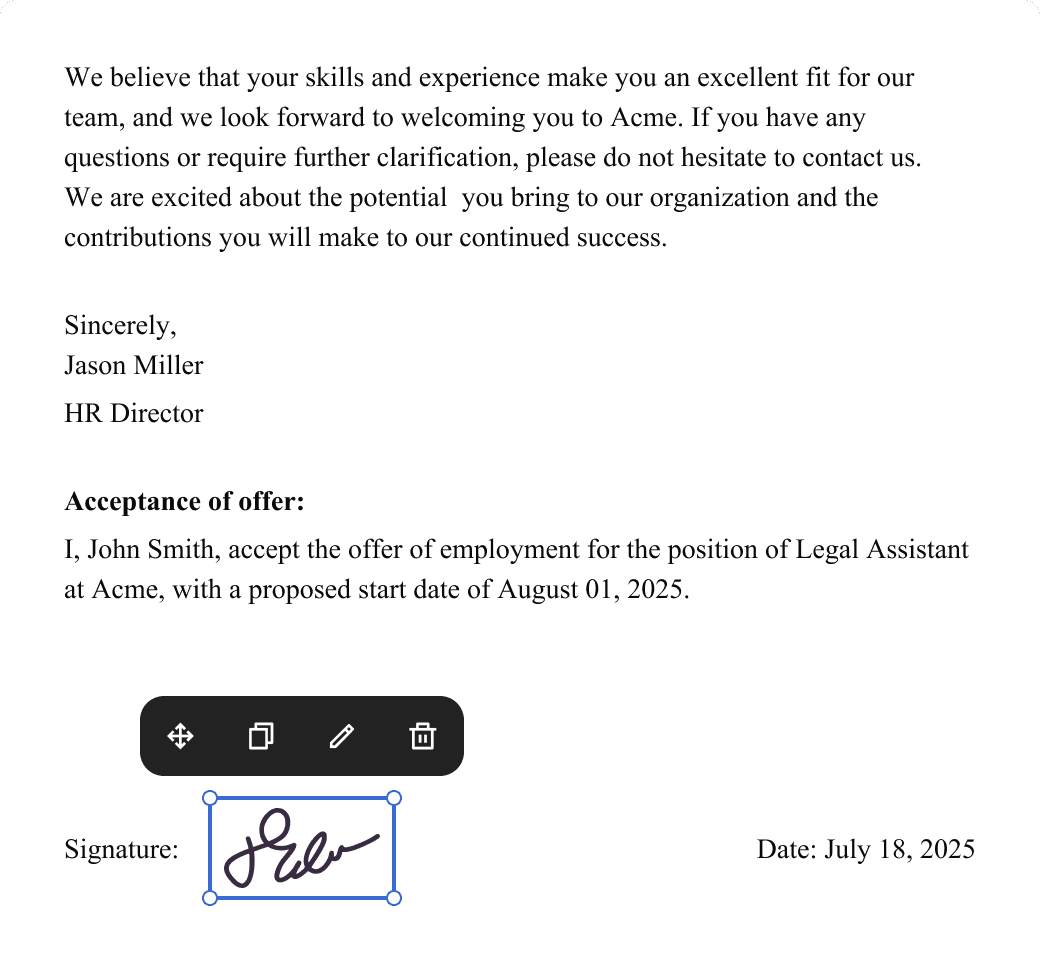
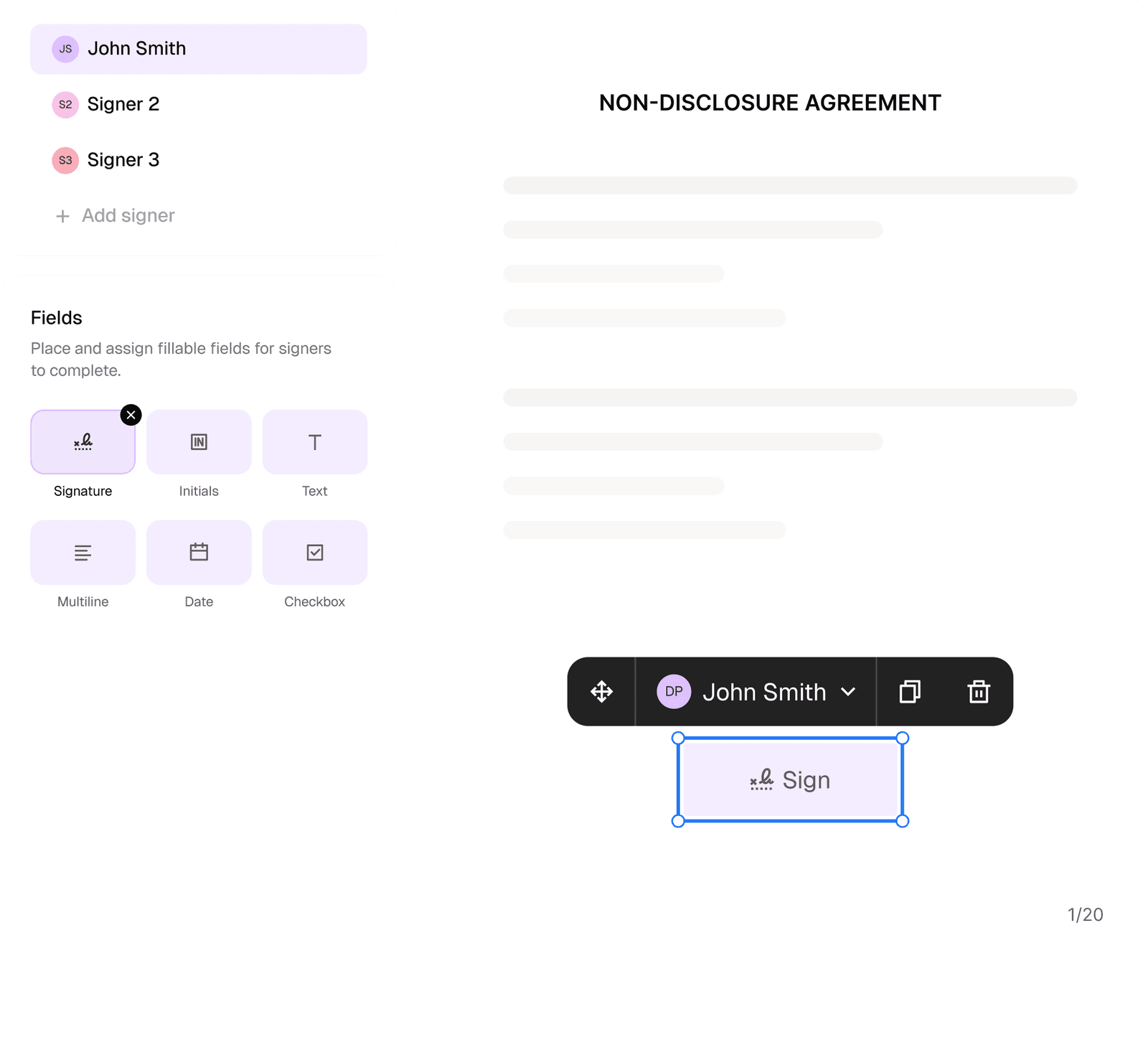
Sign documents and collect legally binding signatures. Invite up to ten people to sign in any order, track the progress, and send reminders.
Request legally binding signatures
Invite up to ten people to sign your document in any order. Get a finalized, audit-ready copy without chasing signatures.
Skip the drafting.
Choose from 2,500+ templates
Browse templatesChoose a template
Fill in details
Sign and download