Updated October 19, 2026
10 min read
Intellectual Property Protection: A Legal & Digital Security Guide for 2026
Intellectual Property Protection: A Legal & Digital Security Guide for 2026
- What Is Intellectual Property (IP)?
- Types of Intellectual Property Businesses Should Know
- What Is an IP Rights Violation?
- Why IP Protection Is So Important for Creative Businesses
- How to Protect Intellectual Property
- What Is Considered Business Confidential Data?
- How Can Businesses Ensure Data Confidentiality?
Content
Do you treat intellectual property protection and data security as a first necessity, or do you wait until something goes wrong? Many businesses don’t think about it until a contractor reuses their work, a competitor copies an idea, or sensitive files leak outside the company. By then, control is already lost. Don’t be the second type of business. This guide shows how to protect your intellectual property and confidential data early and practically — so you know what truly needs protection and understand where the real risks are.
What Is Intellectual Property (IP)?
Intellectual property refers to the creations, ideas, and distinctive elements your business develops or uses that have commercial value and can be legally protected from unauthorized copying, use, or exploitation. That includes assets such as:
- What you invent - products, technologies, or technical solutions.
- How you brand yourself - business names, logos, slogans, and trademarks.
- What you create - content, designs, software, and creative works.
- What you keep secret to stay ahead - formulas, processes, methods, and trade secrets.
For many businesses, IP is more valuable than physical assets because it defines what makes the business unique, drives revenue, and can be scaled or protected in ways physical property cannot. In the U.S., intellectual property is protected by federal law.
Patents are protected under the U.S. Patent Act.
Trademarks are governed by the Lanham Act.
Copyrights are regulated by the U.S. Copyright Act of 1976.
Trade secrets are protected by the Defend Trade Secrets Act (DTSA).
DTSA also allows businesses to pursue misappropriation of trade secrets in federal court.

When sharing these assets with employees, contractors, investors, or partners, businesses often use a non-disclosure agreement (NDA). An NDA is a contract that legally requires the receiving party to keep specified information confidential and not use it for any purpose outside the agreed relationship. It defines what information is protected, how it can be used, how long confidentiality lasts, and what happens if the terms are violated — helping reduce the risk of misuse before problems arise.
Types of Intellectual Property Businesses Should Know
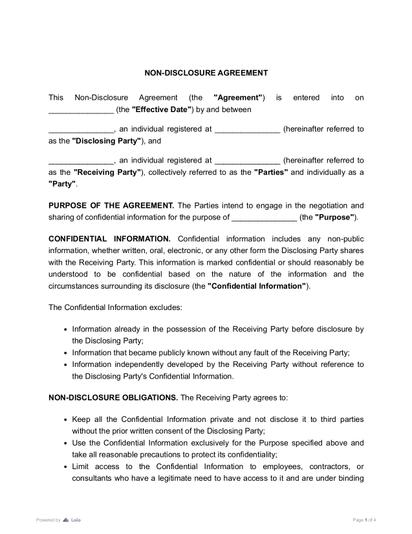
Patents
Protect inventions and technical solutions, such as product innovations, manufacturing methods, or unique technical processes. A patent is filed with the United States Patent and Trademark Office, which grants the business exclusive federal rights to protect its invention.
Trademarks
Protect brand identifiers like business names, logos, slogans, and product names that distinguish you in the market. Trademarks are also registered with the USPTO.
Copyrights
Cover original creative works such as software code, website content, marketing materials, videos, music, and written content. Copyright protection arises automatically when the work is created, but registration with the U.S. Copyright Office strengthens enforcement and legal remedies.
Trade Secrets
Protect confidential business information — formulas, internal processes, pricing strategies, or workflows — that give you a competitive advantage as long as they remain secret. Under U.S. law, a trade secret requires reasonable efforts to maintain secrecy, such as limiting access, using NDAs, and applying basic security controls.
Design Rights
Protect the visual appearance of products, packaging, or digital interfaces (where applicable), such as UI layouts or product shapes.

What Is Not Considered Intellectual Property?
Not everything connected to your business qualifies as IP. Common examples that are not protected include:
General business ideas without fixed expression;
Publicly available information;
Personal skills or experience not tied to a protectable work;
Generic product features or descriptions;
Methods that are widely known in the industry.
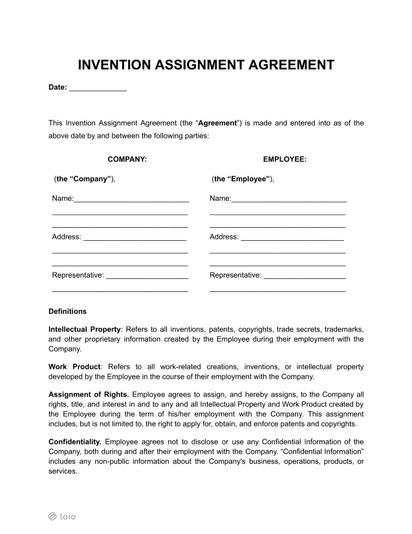
An idea becomes IP only when it is clearly expressed, documented, or legally defined. One practical way businesses do this is through an invention assignment agreement, which formally confirms that inventions, designs, or creative work developed by employees or contractors belong to the business.
What Is an IP Rights Violation?
An IP rights violation occurs when someone uses, copies, distributes, or benefits from your protected intellectual property without permission. This can include:
- 1
Copying a product design or invention.
- 2
Using a confusingly similar brand name or logo.
- 3
Republishing copyrighted content.
- 4
Disclosing or exploiting trade secrets.
Court filings related to intellectual property in the U.S. have increased in recent years, according to recent intellectual property litigation statistics:
- Federal intellectual property filings rose by 9%.
- U.S. courts reported 14,872 cases in one recent year.
These IP theft statistics show that violations aren’t rare edge cases — they’re a growing business risk, which is why understanding how to protect intellectual property rights is becoming essential for businesses of all sizes.
Why IP Protection Is So Important for Creative Businesses
For creative, digital, and knowledge-based businesses, IP often is the business. Designers, developers, consultants, content creators, and product teams rely on: original ideas, brand trust, exclusive rights to use and monetize their work. That’s where clear agreements make a real difference.
Musicians and producers use a music licensing agreement to control how their songs are used. It sets the terms for where, how, and for how long a track can be played, ensuring payment and protecting ownership rights.
- When a specific recording is used in a film, ad, or online video, they also need a master use license agreement, which grants permission to use the original sound recording itself.
Photographers and videographers rely on a photo licensing agreement to define how their images or footage can be used (commercial, editorial, exclusive, etc.) and to prevent unauthorized copying.
- When people appear in those visuals, creators use a photo release form, which gives legal permission to use a person’s image and reduces the risk of privacy claims.
Actors, models, and performers sign a talent release form so their name, voice, and likeness can be used in a project without future legal disputes.
Without intellectual property security, others can reuse or copy creative work much faster than you can build it. IP protection doesn’t stop competition — it simply makes sure your work is used fairly and on your terms.
How to Protect Intellectual Property
IP protection works best when legal, contractual, and technical steps support each other.
Step 1: Register what can be registered
Formal registration creates legal clarity and strengthens enforcement. Depending on your assets, this may include:
- Trademark registration for brand names or logos;
- Patent filings for inventions;
- Copyright registration for key creative works.
How do I protect my product from being copied?
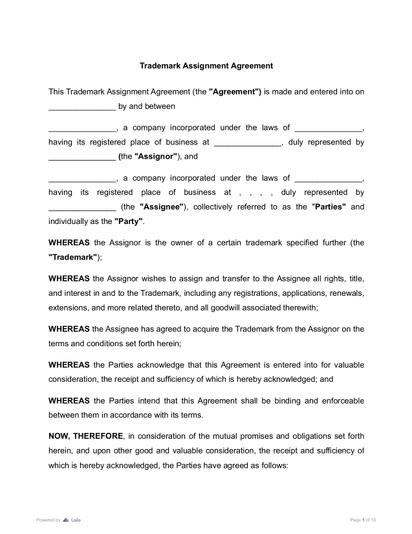
A small product company develops a unique physical item and launches it online. Before investing in marketing, the company files a trademark for the product name and uses a trademark assignment agreement to transfer brand ownership from a designer or early collaborator to the business. When a competitor later releases a nearly identical product, the company has clear proof that the trademark legally belongs to it, making enforcement possible.
Step 2: Protect intellectual property through contracts
Contracts are often the most overlooked and most effective IP protection tools. They define who owns what, even before disputes arise. Key agreements include:
- 1
NDA – businesses use non-disclosure agreements to protect ideas, confidential information, and trade secrets before they are shared with employees, contractors, or partners.
- 2
Invention assignment agreement – this document ensures that inventions, designs, or creative work made by employees or contractors belong to the business.
- 3
Licensing agreements (for example, music, photo, or trademark licenses) – such contracts define how IP can be used, by whom, and under what conditions.
- 4
Work-for-hire or contractor agreements with IP clauses – clarify ownership of work created for the business.
- 5
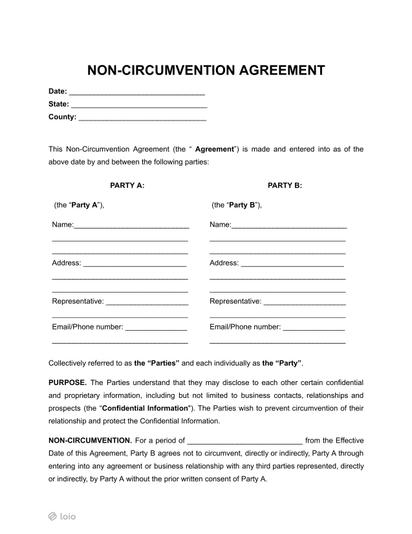
Non-circumvention agreement – prevents partners or intermediaries from bypassing you and exploiting your IP directly.
Even when IP is registered, contracts clarify usage rights, limits, and consequences. Many teams also rely on lawyer-reviewed templates to reduce uncertainty while remaining practical.
Step 3: Implement technical & digital security measures
Legal protection works best when supported by smart internal controls. This means building consistent internal systems that reinforce your legal safeguards and reduce the risk of mistakes, misuse, or unnecessary exposure over time. Practical steps include:
Limiting access to source files and sensitive documents.
Using permission-based storage systems.
Separating public, internal, and restricted data.
Securing document sharing and approvals, often with an electronic signature. E-signatures speed up signing, reduce paperwork, allow remote access, and create a clear digital record of approval.
If employees use AI to create or process company materials, an AI Policy Template can add specific rules for approved tools, confidential-data restrictions, and review of AI-generated work.
These steps don’t require advanced cybersecurity systems — just clear access rules and discipline.
Step 4: Monitor and enforce your rights
Regularly monitor the market, online platforms, and competitors. It helps you spot misuse early and take action before small issues turn into costly disputes. Protection doesn’t end after registration.
What if a competitor is stealing my IP?
Daniel notices a competitor using nearly identical marketing visuals. Because his designs were documented, licensed, and contractually protected, he can send a formal notice and escalate if needed. Without documentation, enforcement would be far more difficult. Monitoring marketplaces, platforms, and competitors helps you catch issues early — before damage spreads.
What Is Considered Business Confidential Data?
Confidential data is non-public business information that must be protected from unauthorized access or disclosure. Unlike IP, confidential data often isn’t registered — but mishandling it can be just as damaging.
Examples of sensitive business data
- 1
Financial data: bank details, pricing models, tax records.
- 2
Employee information: personal data, payroll, contracts.
- 3
Customer data: contact details, payment information.
- 4
Business IP & internal assets: source code, designs, drafts.
- 5
Contracts & partner information: terms, negotiations, vendor data.

When is confidential data considered breached?
In 2024 alone, data breach statistics show that the U.S. recorded 3,158 reported data breaches, triggering about 1.7 billion victim notifications — a nearly 70% increase compared with 2021. A breach occurs when data is accessed or disclosed without authorization, including:
Accidental leaks;
Insider misuse;
External cyberattacks;
Misconfigured systems.
Yahoo (2013–2014, disclosed 2016)
Between 2013 and 2014, Yahoo experienced a massive data breach that wasn’t disclosed until 2016. Attackers gained access to user names, email addresses, hashed passwords, and security questions, ultimately affecting about 3 billion user accounts. Because the breach went undetected for years, the damage spread quietly and widely. When Yahoo was later acquired, the incident significantly reduced the company’s valuation and negotiating power.
Microsoft (2023)
In 2023, a security incident was disclosed after a cloud storage system was set up incorrectly. Because of this mistake, internal documents, source code backups, and employee-related data were accessible online. The issue wasn’t caused by a complex cyberattack, but by a simple configuration error. The situation showed that even large, well-resourced companies can face serious risks when internal data access isn’t properly controlled.
The average cost of a data breach worldwide in 2025 is $4.44 million, factoring in legal fees, remediation, and lost business. And around 60% of breaches involve a human element, not advanced hacking.
How Can Businesses Ensure Data Confidentiality?
Step 1: Use legal protection tools
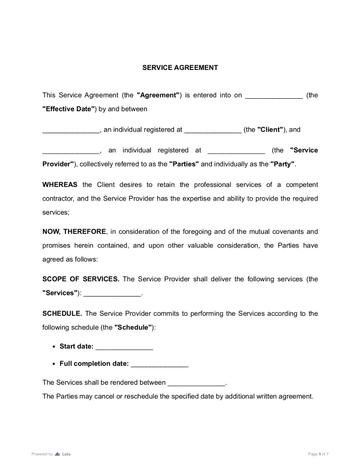
Legal agreements set clear expectations from the start. When employees or contractors sign an NDA, they understand what information must stay confidential. A service agreement is a contract that defines the scope of work, payment terms, responsibilities, and legal protections between a business and a service provider. It should include confidentiality clauses so there’s no confusion about how business data can be used.
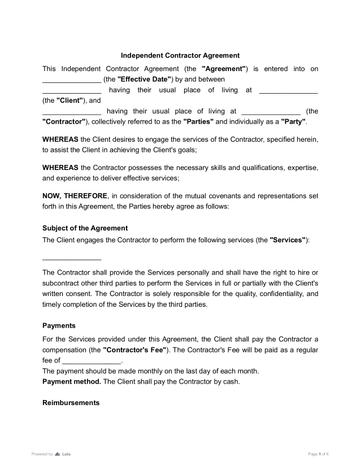
Many businesses also work with independent contractors instead of hiring employees, especially during early growth stages. In these situations, an independent contractor agreement helps establish the legal boundaries of the relationship by defining deliverables, payment terms, confidentiality obligations, and ownership of work created during the engagement. This agreement not only protects business data but also reduces the risk of worker misclassification by clearly documenting that the contractor operates independently.
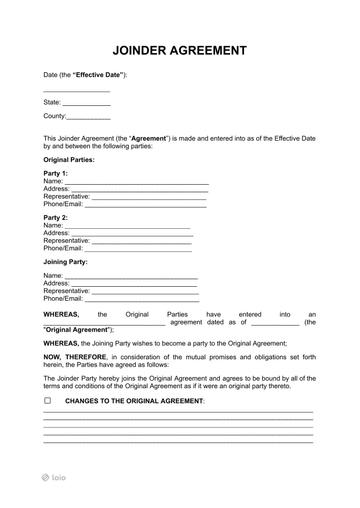
When working with vendors or adding a new partner to an existing arrangement, a joinder agreement can be used. A joinder agreement is a short document that allows a new party to join an existing contract and agree to follow its terms without rewriting the entire agreement. This is especially useful for data protection obligations, ensuring every party handling sensitive information is legally bound by the same rules.
- Service Contract
 4341 downloads
 - Independent Contractor Agreement
 7288 downloads
 - Joinder Agreement Form
 8102 downloads
Step 2: Establish clear data handling rules
The first step is setting clear rules for how data is handled inside the business. Many data leaks happen simply because people aren’t sure what they’re allowed to access or how sensitive information should be used.
Define who can access specific data and limit access to what’s truly necessary — the fewer people involved, the lower the risk. Document how data is stored, shared, and deleted, and update access immediately when roles change or someone leaves. Most data loss comes from unclear or outdated processes, not bad intent.
Step 3: Apply technical safeguards
Legal rules only work when basic technical protections are in place. Simple security steps can greatly reduce the risk of data leaks.

Use secure storage, encrypt sensitive files, and limit access based on each person’s role. Secure document sharing and signing tools help avoid risky practices like sending files by email. As reflected in data breach causes statistics, credential theft is responsible for roughly 22% of breaches, highlighting why access management matters.
Data protection isn’t only digital. Locking paper files, securing office spaces, and protecting devices are still essential for keeping confidential information safe.
More guides
September 1
7 min read
How to Provide Proof of Employment: Documents and Steps
September 10
14 min read
How to Protect Your Small Business from Lawsuits
July 25
12 min read
How to Register a Company in the US: What No One Tells You in 2026
July 20
8 min read
Mutual vs Unilateral NDA: Key Differences and When to Use Each
July 26
12 min read
How to Read a Profit and Loss Statement
October 19
9 min read
How to Share Sensitive Information with Vendors: 6 Safety Steps
One home for your
agreements
Edit PDFs seamlessly
Tweak agreements before signing or sending for signatures. Update details, add or remove clauses, adjust formatting, and redline changes instantly.
eSign legally and securely
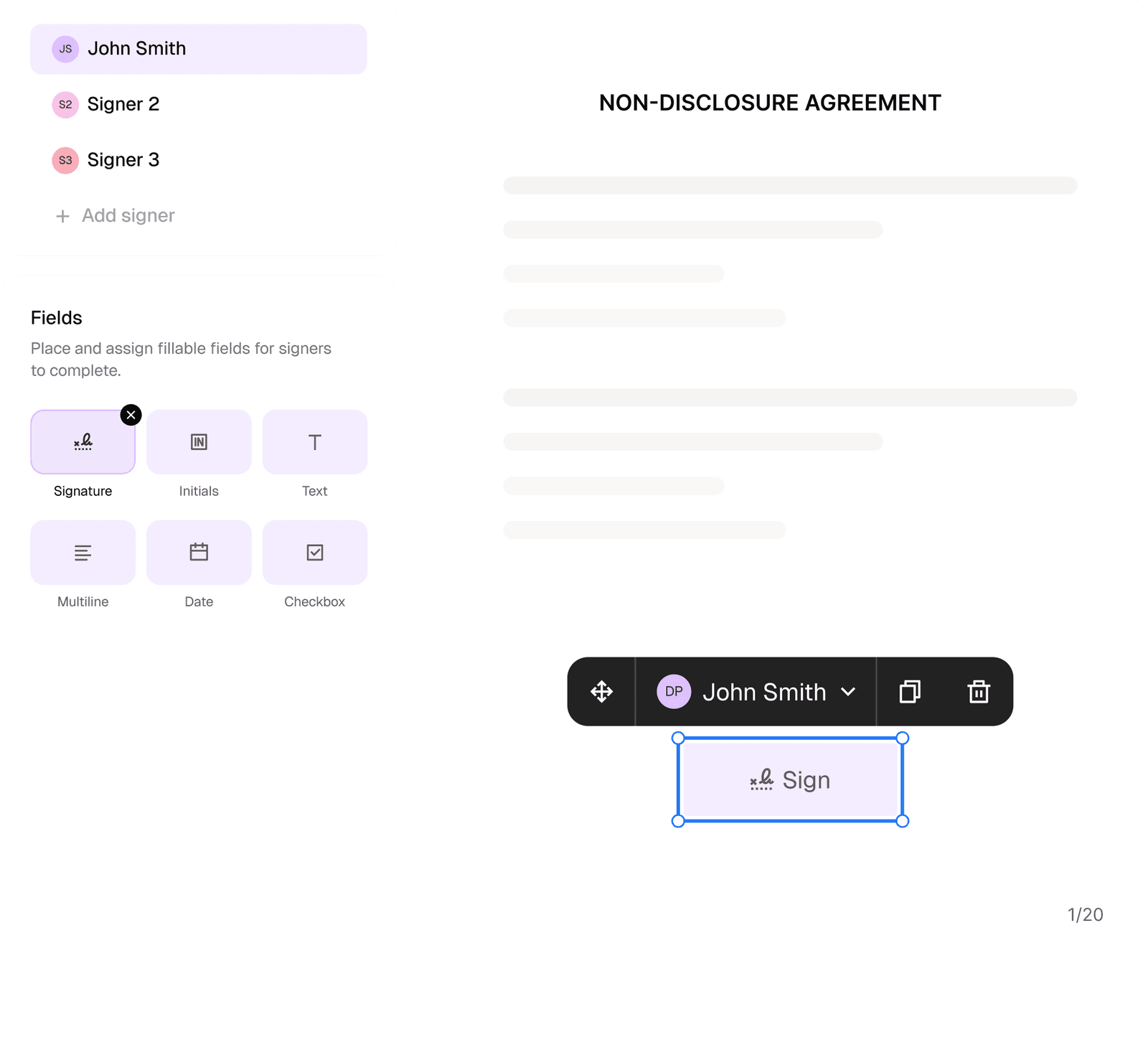
Sign documents and collect legally binding signatures. Invite up to ten people to sign in any order, track the progress, and send reminders.
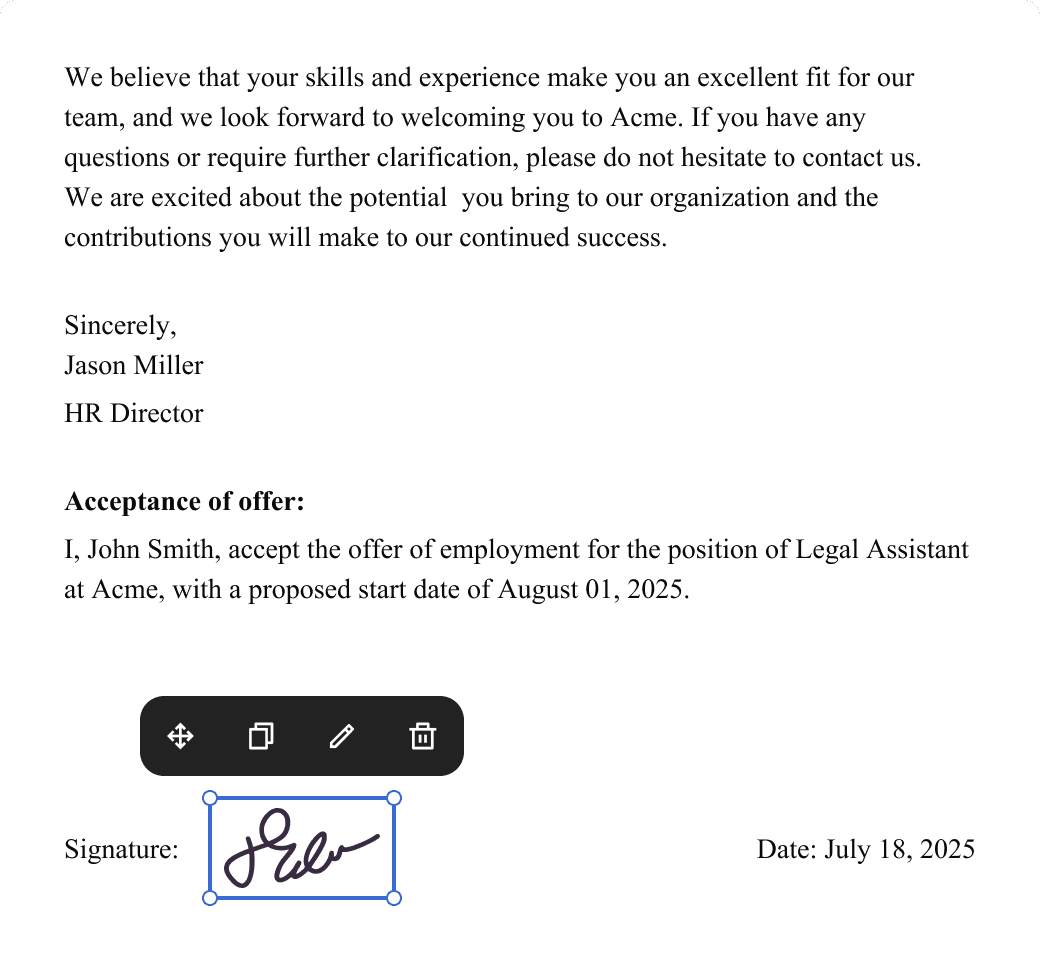
Request legally binding signatures
Invite up to ten people to sign your document in any order. Get a finalized, audit-ready copy without chasing signatures.
Skip the drafting.
Choose from 2,500+ templates
Browse templatesChoose a template
Fill in details
Sign and download