Updated July 20, 2026
4 min read
Addendum vs. Amendment: Change Your Purchase Agreement Properly

Addendum vs. Amendment: Change Your Purchase Agreement Properly
Content
You might assume that once your purchase agreement is signed, the process is complete. But it’s not always the case: sometimes, you need to make changes in your documents without throwing the entire thing out the window. And that’s when trouble begins: contract management statistics highlight that only about 1/10 of all businesses rate their ability to handle contracts as very effective. Fortunately, you can update a signed purchase agreement using either an addendum or an amendment. This guide explains the difference between an amendment and an addendum, and when to use each.
Addendum vs Amendment: Meaning & Differences
Although they sound similar, an addendum and an amendment are quite different in meaning and how they alter the initial agreement.
Contract addendum meaning
In U.S. contract law, a contract addendum is a separate document that supplements an original purchase agreement. An addendum does not change or remove existing terms; it simply adds new information or requirements.
A purchase agreement outlines the terms for buying goods or property. It’s pretty common to use it formally: under the statute of frauds, a contract for the sale of goods for $500 or more must be in writing. An addendum allows the parties to legally expand their agreement without rewriting or re-signing the entire contract.
- Real Estate Purchase Agreement Addendum
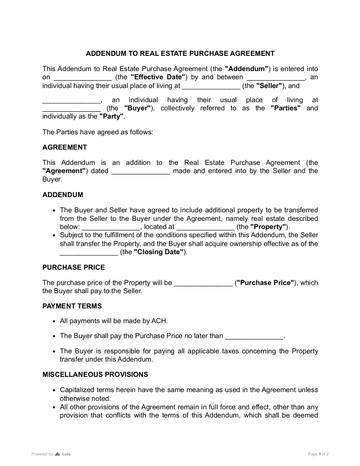 4004 downloads
 - Purchase Agreement
 4152 downloads

Contract amendment meaning
Unlike the addendum, an amendment changes the existing contract terms. If a section of your agreement needs to be updated (such as a deadline or price), an amendment will specify which part is being changed and what the new terms are. The rest of the contract stays the same, but the amended sections take precedence over the originals.

Contracts can be changed numerous times — using eSign to cut corners and avoid lengthy in-person meetings will help you protect your agreement without the extra steps.
Contract Amendment vs. Addendum: When to Use Both
You use either an amendment or an addendum based on the timing of your transaction and the nature of the change you have to make.
When to use the addendum
You should use an addendum in these scenarios:
Mandatory legal disclosures. Federal and state laws often require specific disclosures to accompany a purchase agreement.
The Residential Lead-Based Paint Hazard Reduction Act of 1992 mandates that buyers of housing built before 1978 receive a disclosure of known lead hazards, an informational pamphlet, and ten days to inspect the lead hazard in the house. Today, sellers use an addendum to warn buyers of potential risks and to comply with the Act.
Contingencies. If you need to make the purchase contingent on outside factors (e.g., the buyer successfully selling their current home or obtaining a specific mortgage interest rate), you draft contingency addenda. This doesn’t require you to edit your PDF later — the rules are already there.
Adding specific rules or sets of rules. If separate entities can impact your purchase agreement, their demands can be added in the addendum. For instance, if you bought a house that is governed by a Homeowners Association (HOA), you may find an HOA addendum along with your purchase agreement.
When to use the amendment
Use an amendment in the following cases:
Adjusting financial terms. If the financial scope of a deal changes after negotiations are reopened, an amendment is drafted to explicitly change the original financial clauses.
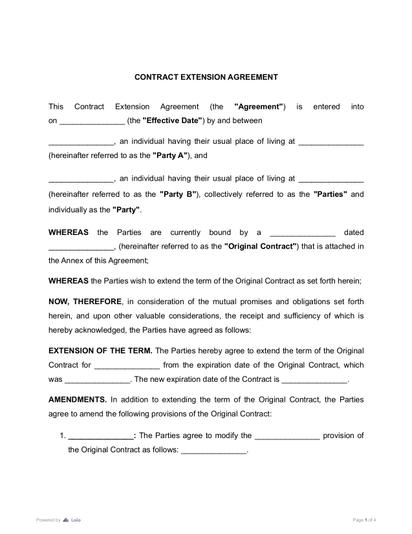
Extending deadlines. Contracts always have strict timelines for both parties to perform their duties. If one or two parties need more time, they draft a contract extension document, which extends the duration of an existing agreement.
Changing the obligations. You can add an amendment if the manner in which both parties have agreed that the method of service/item delivery will be changed.
Can you add an addendum to an amendment?
Yes, you absolutely can. You’re essentially adding new rules on top of the existing changes. However, the addendum supplements that specific amendment with entirely new, additional details or disclosures. It is attached to the amendment, not to the original document.

Amendment Versus Addendum Across Industries
Your use of both an amendment and an addendum has a relatively similar legal purpose regardless of the industry. But the practical application varies across different markets.
Amendment vs. addendum in real estate
Deals in real estate are very fluid: there’s always a possibility of a contract change or failure. Often, the contract in question is a real estate purchase agreement: it covers the main terms of the purchase between the buyer and the seller, and yet, it may require change down the line. According to the latest survey from the National Association of Realtors, 6% of contracts were terminated, 14% had settlement delays, and 8% were delayed due to appraisal issues.
Addendum. Real estate transactions rely heavily on standardized disclosures. Similar to the lead-based paint disclosure mentioned above, these addenda provide crucial guidance that keeps sellers accountable.
Amendment. This can be particularly helpful if, after the contract is signed, additional evaluations show that the seller didn’t disclose something of importance.
Amendment vs. addendum in entertainment
With the explosion of the influencer marketing and entertainment industries, brands and creators are constantly adapting contracts mid-campaign.
Addendum. Production companies and agencies often go for a contract that establishes the general legal framework (payment terms, confidentiality, governing law). As time goes by, an addendum is used to add new deliverables to the contract.
Amendment. An amendment is applied when prior conditions have shifted, as is common in entertainment, such as a change to an exclusivity window or the movie release date. In such cases, the parties modify timeline restrictions.
Addendum vs. amendment in construction
Construction is one of the industries in which contract changes must be strictly documented due to the associated risks. Research shows that at least 14% of construction projects, when implemented, incur cost increases compared to the initial contracts. This already demonstrates how necessary both an addendum and an amendment are.
Addendum. Addenda are almost always used before the contract is officially signed. If a client clarifies particular specifications for a building while contractors are still bidding on the project, they issue a bid addendum.
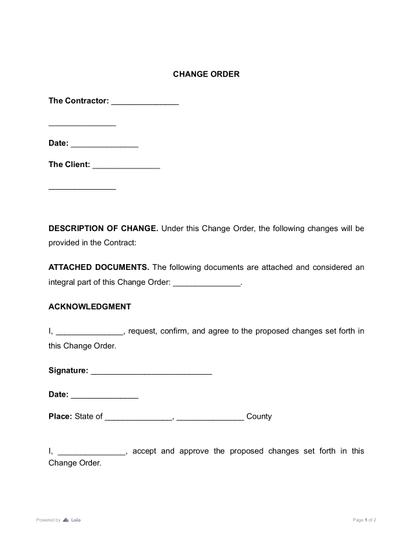
Amendment. When the contract is signed, that’s when the construction contracts may need an amendment. A construction change order is one such document: it records the modifications to the project and rewrites the original price or deadlines.
Amendment vs. addendum in HR
Even when you know how to hire an employee, there’s still a lot of legal paperwork in the HR industry to be completed. In the U.S. alone, the number of employed individuals exceeds 162 million. With the massive shift toward remote work, new data regulation demands, and influx of foreign workers, employers have had to rapidly update their employment frameworks to cover these changes.
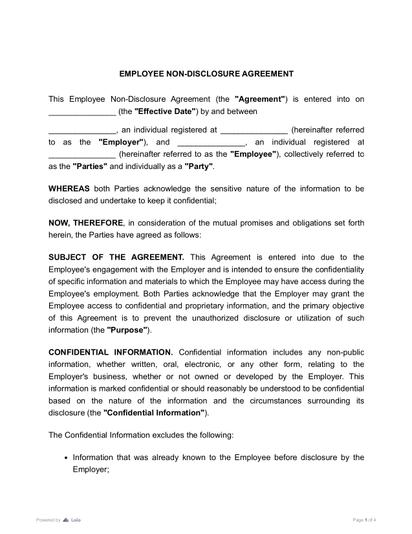
Addendum. Addenda often cover new job responsibilities or expectations not mentioned in the initial contract. A need for it also occurs if, after signing an employee NDA, an employer later realizes a need for a new agreement on top of it.
Amendment. This document can be used if the employee got a raise or a new job title. It essentially overrides previous job conditions.
Contract Addendum vs. Amendment: Practical Factors
When signing an addendum or an amendment, you also have to keep a few nuances in mind.
The consideration and the pre-existing duty
In contract law, consideration means that both parties must exchange something of value for a contract to be binding. In terms of how a contract might be changed, the pre-existing duty doctrine plays a role in how you and the other party will exchange this value.
Simply agreeing to do something you were already legally obligated to do under the original contract does not count as new consideration.
A contractor agrees to finish a commercial build on the original deadline. Then, they demand an extra $5,000 to do it. This change to a contract won’t work because they already had a pre-existing duty to finish on that date. For an amendment to be legally binding, there must be a mutual exchange. If you give the contractor more money, they must give you something new in return (a shorter deadline or upgraded materials).
The integration clause
If you’re drafting your addendum or amendment, look at the very end of your original contract. Most contracts contain an integration clause that explicitly states that the written contract constitutes the final, complete, and exclusive agreement between the parties and that any prior or contemporaneous oral agreements are void. It can look something like, “This Agreement may not be amended, modified, or supplemented except by an instrument in writing signed by all parties hereto.”
This is a strict legal boundary. It suggests that you can’t modify the contract informally. Your addendum or amendment must reference the original agreement and state that it is being incorporated into that specific, integrated contract.
Precise drafting and avoiding ambiguity
When combining several documents — a contract and an addendum/amendment or both — you may accidentally create conflicting terms. If a dispute reaches a judge, they will apply the rules of contract interpretation. They state that if an ambiguity arises from poor drafting, the court will often interpret it against the party who drafted the document.
To avoid this, use an Order of Precedence clause. It helps eliminate the confusion by saying, “In the event of any conflict or inconsistency between the terms of this First Amendment and the terms of the Original Contract, the terms of this First Amendment shall control.” The clause is often used to prevent such confusion. This will tell a court which document wins if you accidentally leave a conflicting clause active in your paperwork.
Moreover, if you sense any ambiguity, use an AI contract summary to pinpoint and rewrite any vagueness.
The Final Verdict
Ultimately, the choice between an addendum and an amendment depends on whether you need to add new information or actually rewrite part of the contract. Once you understand what makes a contract legally binding and how both documents work, it’s all pretty simple: maintain non-ambiguous language and check for contradictions to stay on top of your legal paperwork.
More guides
September 1
7 min read
How to Provide Proof of Employment: Documents and Steps

July 21
8 min read
Statement of Work vs Scope of Work: Differences and How They Work Together

July 26
12 min read
How to Read a Profit and Loss Statement

September 10
14 min read
How to Protect Your Small Business from Lawsuits

September 15
10 min read
Who Can Sign a Contract on Behalf of a Company?

September 15
What Is Contract Redlining?

One home for your
agreements
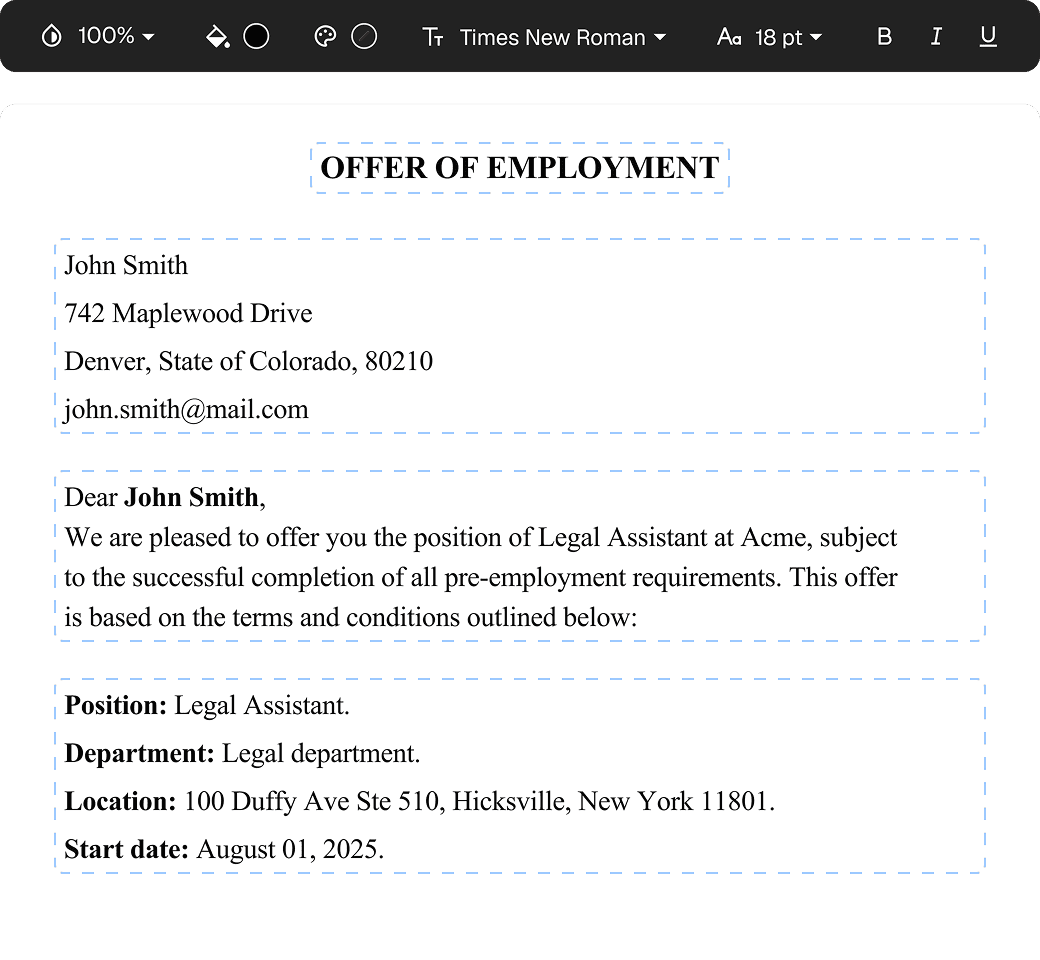
Edit PDFs seamlessly
Tweak agreements before signing or sending for signatures. Update details, add or remove clauses, adjust formatting, and redline changes instantly.
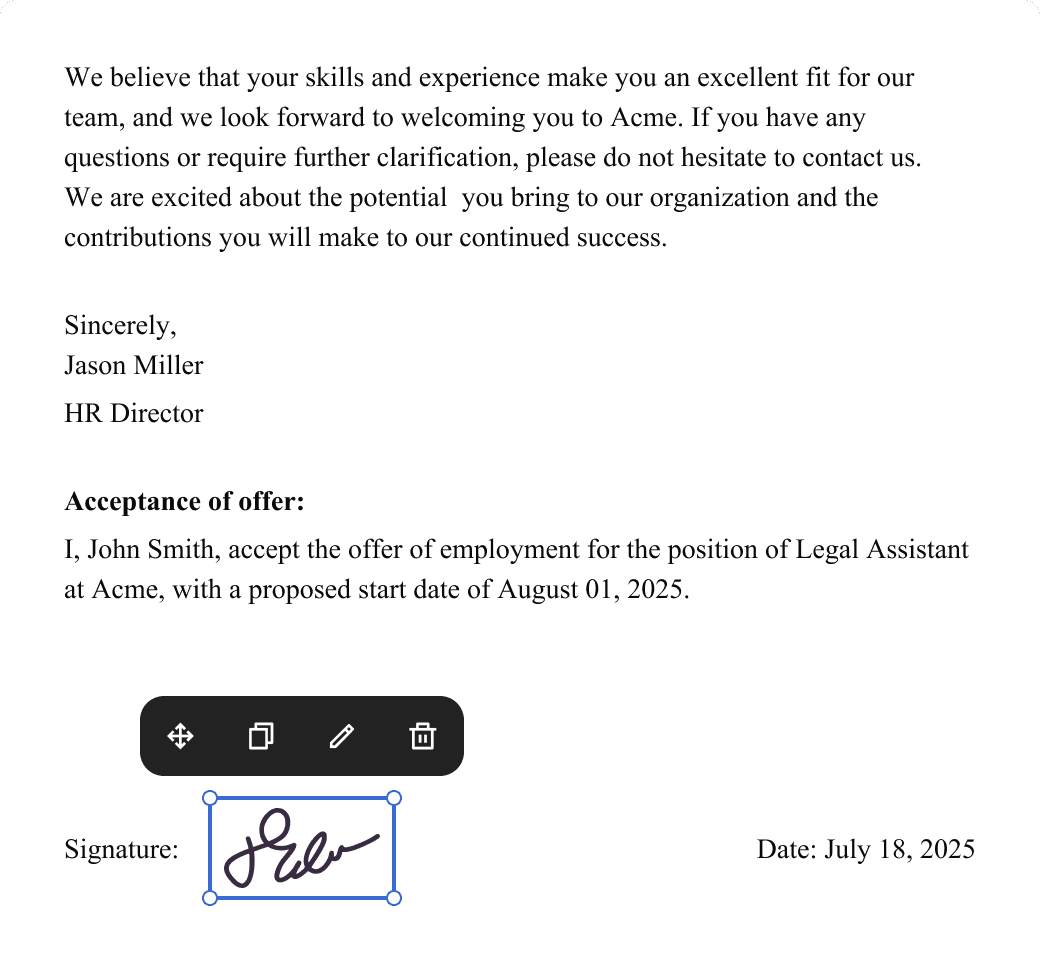
eSign legally and securely
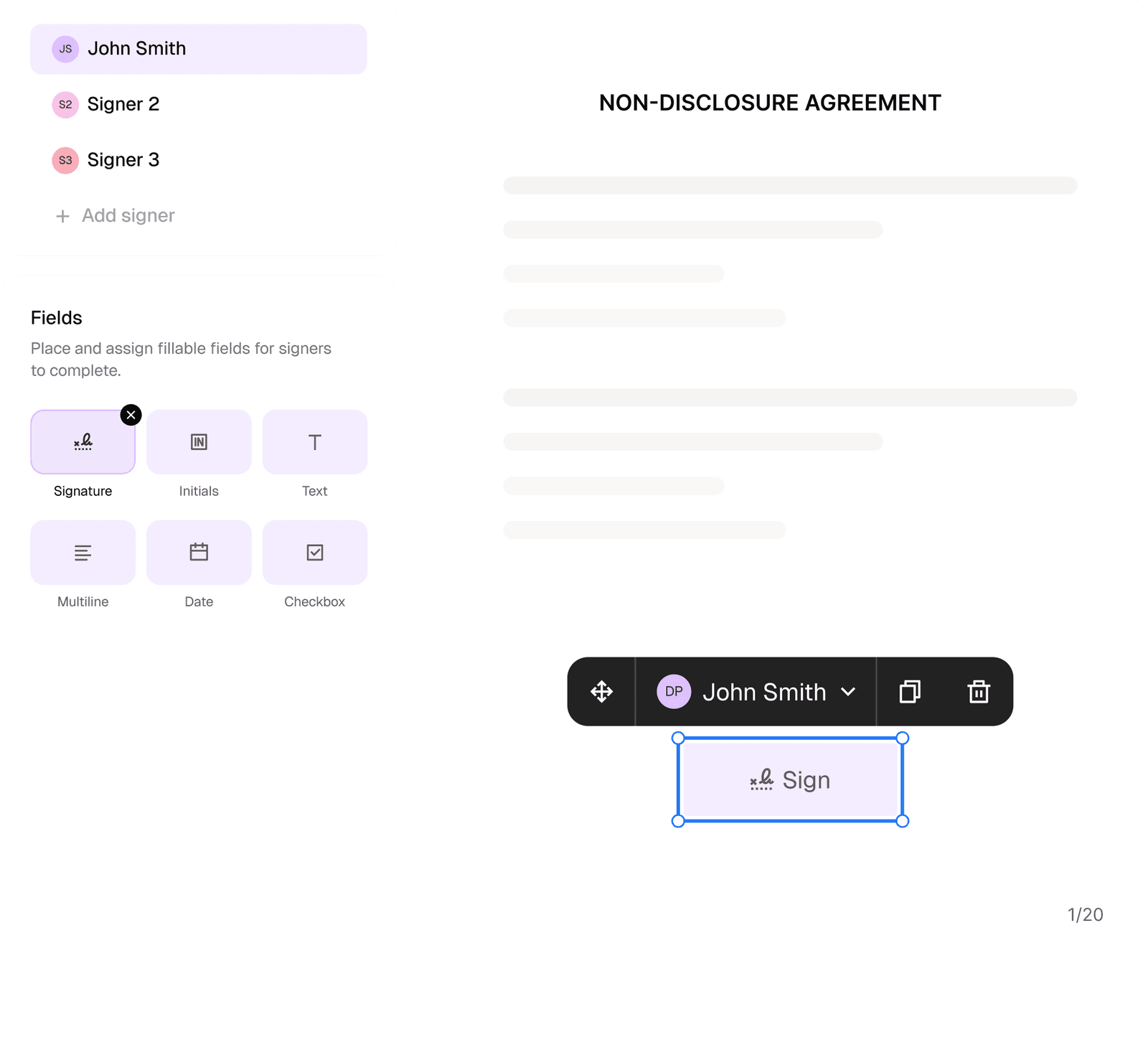
Sign documents and collect legally binding signatures. Invite up to ten people to sign in any order, track the progress, and send reminders.
Request legally binding signatures
Invite up to ten people to sign your document in any order. Get a finalized, audit-ready copy without chasing signatures.
Skip the drafting.
Choose from 2,500+ templates
Browse templatesChoose a template
Fill in details
Sign and download