Updated July 23, 2026
10 min read
How to Hire Employees: Legal Instructions You Can’t Skip

How to Hire Employees: Legal Instructions You Can’t Skip
Content
How to hire someone for your business without creating legal problems later? The first hire often feels uncertain: workload is growing, but the rules aren’t always clear. One wrong step, like misclassifying a worker or skipping required paperwork, can lead to fines, disputes, or costly fixes down the line.
The good news? With the right approach, it becomes a structured process you can manage confidently — from choosing the right employment type to handling contracts, taxes, and compliance requirements. This guide breaks everything down into practical steps so you can build your team the right way from day one.
How to Hire Employees for a Small Business
Small businesses — those with fewer than 500 employees — employ 61.7 million Americans. That means small teams are doing most of the hiring. If you’re figuring out how to hire someone for your business, you’re not just filling a role — you’re shaping your company’s future.
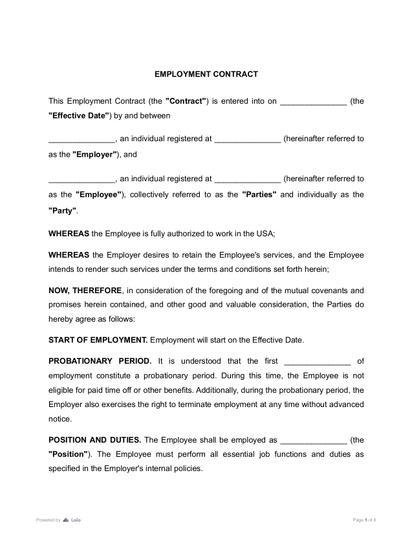
Hiring works best when it’s handled as a clear, step-by-step process rather than a one-time decision. A structured approach helps you stay compliant, control costs, and create a professional experience that attracts strong candidates and protects your business as it grows. One of the key steps in this process is putting everything in writing through a clear employment contract, which defines roles and expectations from the start.
Step 1. Define the role legally and operationally
Before posting a job, take time to clearly define what the role actually requires. This step prevents confusion later and reduces the risk of misclassification, pay disputes, or unrealistic expectations. Start by clarifying:
Job responsibilities — outline the core duties, reporting structure, performance expectations, and decision-making authority.
Salary or hourly structure — define compensation clearly, including base pay, overtime eligibility, bonuses, commission structure, and benefits (if applicable).
Employment classification — determine whether the role will be an in-house employee or an independent contractor, and whether the position qualifies as exempt or non-exempt under overtime rules.
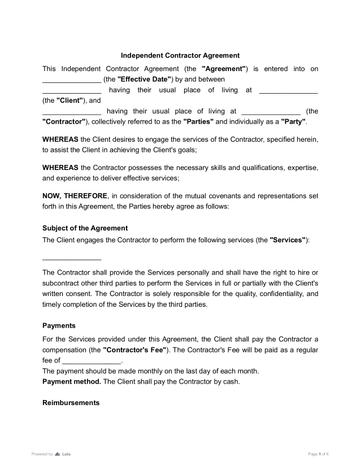
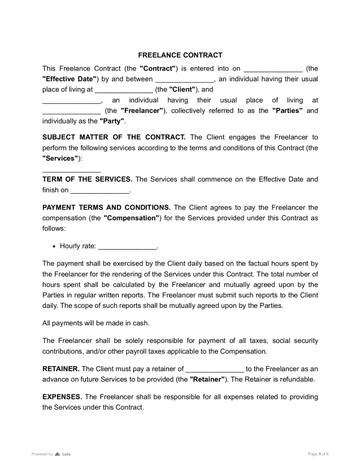
When working with freelancers or independent professionals, businesses should use an independent contractor agreement or a freelance agreement. These contracts define the scope of work, payment terms, deadlines, confidentiality obligations, and ownership of deliverables while confirming that the worker is not an employee.
- Independent Contractor Agreement
 7304 downloads
 - Freelance Contract
 3991 downloads
To attract qualified candidates, employers should also choose the right platforms to post the job opening. Common options include general job boards like Indeed, LinkedIn, and Glassdoor, as well as industry-specific platforms tailored to particular professions (e.g., tech, healthcare, creative roles). Small businesses may also benefit from local job boards, university career centers, professional associations, and referrals through their existing network.
Step 2. Prepare required legal documents
Prepare all required legal documents before the interviews conclude. Drafting documents in advance also allows you to review terms carefully, confirm compliance with state law, and align compensation and role expectations with what was discussed during interviews. When paperwork is prepared early, you avoid last-minute pressure, inconsistent clauses, or situations where a candidate starts work before agreements are signed. A standard hiring package may include:
- 1
Employment agreement to define key conditions of employment;
- 2
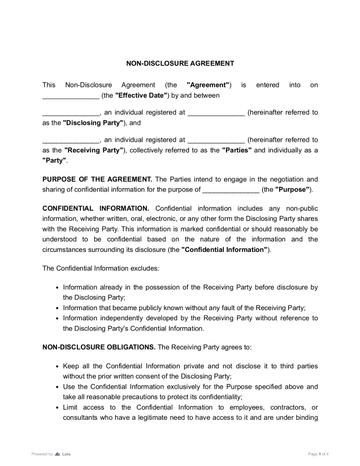
NDA to protect confidential information;
- 3
Employee handbook acknowledgment confirming receipt of workplace policies;
- 4
Non-compete or non-solicitation clauses, where permitted by state law;
- 5
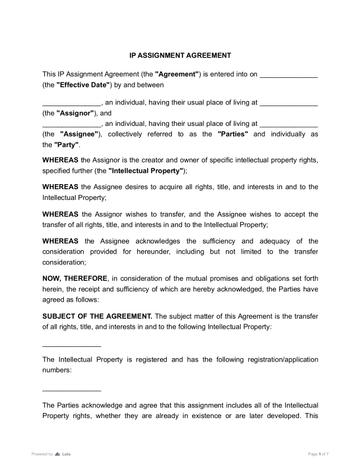
An IP assignment agreement to transfer ownership of work created by the employee during employment to the company.
- Non-Disclosure Agreement (NDA)
 4721 downloads
 - IP Assignment Agreement
 5515 downloads
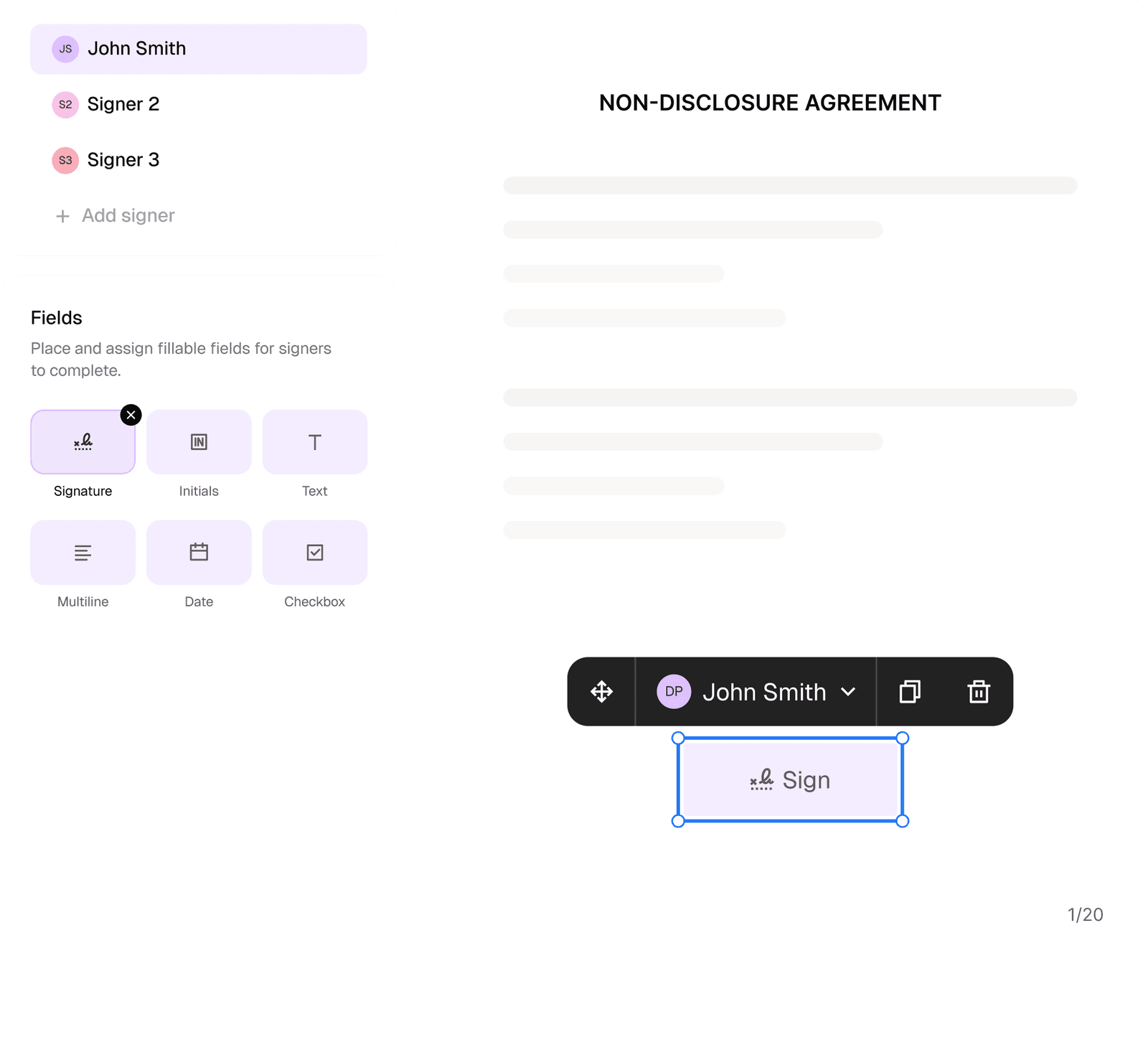
For signing these documents, use reliable e-signature tools that allow you to securely send signature requests and store executed agreements in encrypted systems. Secure signing helps ensure authenticity, protect sensitive information, and create a verifiable record of consent while reducing delays and paperwork errors.
Step 3. Register as an employer (for founders)
If you have not yet formally registered as an employer, this step must be completed before running payroll. Before issuing the first paycheck, your business must obtain an Employer Identification Number (EIN) from the IRS. Without it, you cannot legally process payroll taxes.
As a registered employer, you are responsible for:
Setting up federal tax reporting;
Registering for required state payroll and unemployment accounts;
Preparing a payroll system that correctly withholds federal, state, and local taxes.
Before paying wages:
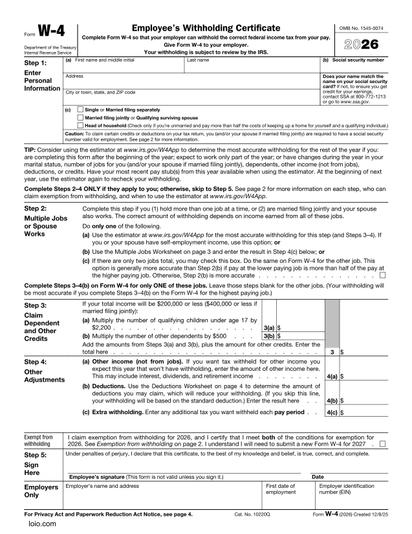
The employer collects Form W-4, which determines how much federal income tax to withhold;
The employer verifies Form I-9, which confirms the employee’s authorization to work in the United States.
Form W-4 controls tax withholding, while Form I-9 ensures legal work authorization compliance. Payroll legality begins before the first paycheck — not after it.
Step 4. Conduct a compliant hiring process
Interviews should balance proper evaluation with legal compliance. Equal opportunity principles apply to employers of all sizes, including small businesses. Even informal conversations can create risk if questions touch on protected characteristics or if decisions are not consistently documented.
Focus on job-related questions, avoid inquiries about age, family status, health, religion, or other protected traits, document candidate evaluations, and apply the same decision criteria to every applicant for the same role. Consistency reduces bias risk and strengthens the defensibility of your hiring decisions.
Step 5. Make a formal job offer
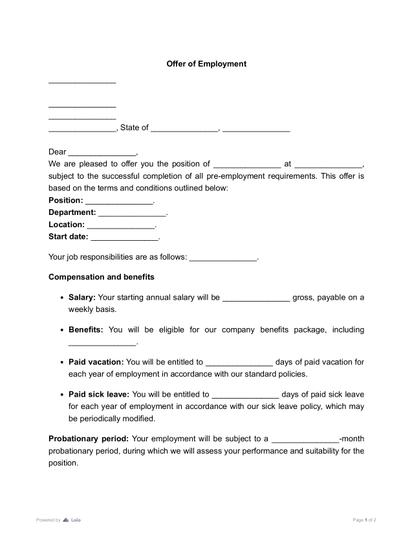
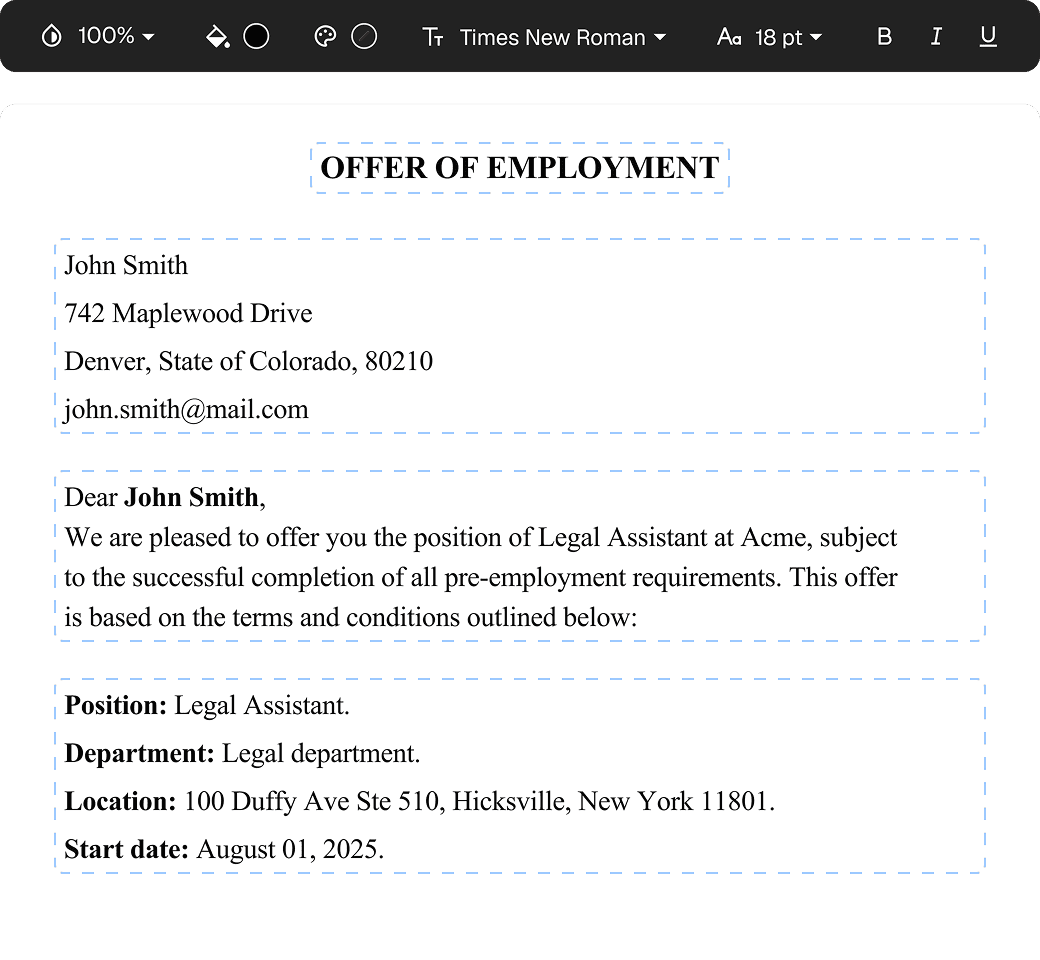
A job offer is a formal written proposal outlining the key terms under which a candidate is invited to join your company. It confirms what was discussed during interviews and sets clear expectations before employment officially begins. While shorter than a full employment agreement, an offer letter creates documented clarity and reduces the risk.
A formal job offer letter should typically include:
Job details (title, start date, responsibilities);
Compensation (salary, payment terms);
Benefits and leave;
Work conditions (schedule, probation period);
Reporting structure;
Key terms and conditions;
Acceptance details (deadline, signing).
If you need to add specific terms or tailor the offer to your situation, you can easily customize the document using a PDF editor, allowing you to edit the text or insert your own clauses to match your business needs.
How to Make Someone an Employee: Avoiding These Mistakes
Before you can strengthen your hiring system, you need to see where it’s most vulnerable. Let’s look at the most common hiring challenges — and how to prevent them before they create legal or operational problems.
Misclassification of workers
Misclassification frequently occurs when businesses transition freelancers into ongoing roles without updating documentation or payroll structure. The most common confusion arises between independent contractors and in-house employees.
An independent contractor (1099) is a self-employed professional who provides services under a contract. They control how the work is performed, often serve multiple clients, and are responsible for their own taxes, insurance, and benefits. Businesses do not withhold income taxes or pay employment taxes for contractors. At year-end, companies typically issue form 1099-NEC, which reports the total amount paid to the contractor during the year so they can calculate and pay their own income and self-employment taxes.
An in-house employee (W-2 employee) works under the company’s direction and control. The employer determines schedules, supervises performance, provides tools or equipment, and integrates the worker into daily operations. The company withholds federal and state taxes, pays Social Security and Medicare contributions, and may provide benefits such as health insurance or paid leave. These workers receive a form W-2, which summarizes their annual wages and the taxes already withheld for reporting on their personal tax return.
- Form 1099-NEC
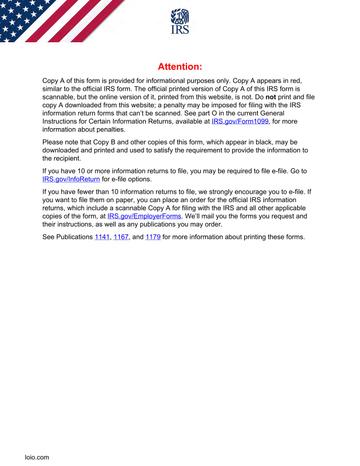 5863 downloads
 - Form W-2
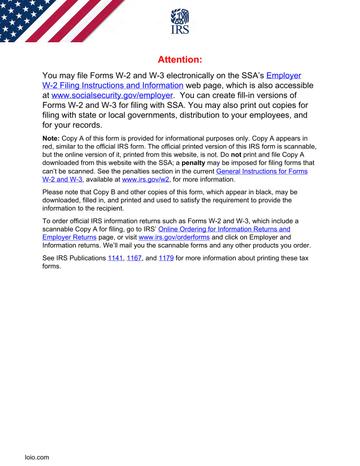 6099 downloads
The IRS evaluates worker classification using behavioral control, financial control, and the nature of the relationship between the parties. If a contractor is treated like an employee — given fixed schedules, ongoing supervision, and operational control — the classification may not hold under review.
If a worker has been misclassified, act quickly. Review the role under IRS criteria and consult an accountant or employment attorney. You may need to reclassify the worker, update payroll, issue corrected tax forms, and pay any back taxes. In some cases, the IRS Voluntary Classification Settlement Program (VCSP) can help reduce penalties.
Incomplete employment documentation
At a minimum, employers should formalize the relationship through written workplace policies, an Employment Agreement, and a Non-Disclosure Agreement (NDA). Workplace policies define internal standards such as conduct rules, remote work expectations, disciplinary procedures, and compliance requirements. An NDA is a legally binding agreement that requires the employee to keep certain business information confidential — including trade secrets, client data, pricing strategies, and proprietary processes.
Compliance with employment laws
In the U.S., the hiring process comes with legal obligations that start the moment someone begins working for you. One of the most important laws is the Fair Labor Standards Act (FLSA), which sets federal rules for minimum wage, overtime pay, and recordkeeping. In simple terms, it determines who must be paid overtime, how hours should be tracked, and what payroll records employers must maintain.
Beyond the FLSA, employers must also understand how federal and state employment laws interact, since state rules may impose stricter standards than federal law. This includes complying with the following anti-discrimination protections enforced by the Equal Employment Opportunity Commission (EEOC), meeting workplace safety requirements set by OSHA, and maintaining accurate records for audits or disputes.
Poor hiring processes
Unstructured interviews create both legal and operational risk. When hiring managers ask different questions, rely on informal impressions, or fail to document decisions, the process can appear inconsistent or even discriminatory, even if that was never the intention.
At the same time, candidates evaluate your company through the hiring experience itself. Communication plays a key role here — 78% of candidates expect regular updates during the hiring process, yet only 37% say employers provide them consistently. The gap becomes even more noticeable when it comes to feedback: while 94% of candidates want it, only about 41% actually receive it.
In other words, hiring is not just about filling a role — it directly affects your reputation. A disorganized process signals disorganization internally. To reduce risk and build credibility, businesses should:
- Develop clear, role-based evaluation criteria before interviews begin, so every candidate is assessed against the same skills and competencies;
- Document each stage of the hiring decision, including interview notes and objective reasons for selection or rejection;
- Train interviewers to avoid prohibited or sensitive questions related to age, family status, health, religion, or other protected characteristics;
- Apply the same process, timeline, and standards to all applicants for the same position;
- Maintain consistent communication, provide status updates, and offer feedback when possible to demonstrate professionalism and respect.
Data and privacy risks during hiring
Hiring requires collecting and processing sensitive personal information — including resumes, identification details, salary history, background checks, and sometimes Social Security numbers. This information is legally protected and must be handled carefully. Treating candidate data casually can lead to privacy violations, identity theft risks, reputational damage, and regulatory penalties under federal and state laws.
To reduce exposure, employers should implement clear data protection practices throughout the hiring process, including the following measures:
- 1
Limit access to applicant information strictly to individuals directly involved in the hiring decision.
- 2
Store resumes, background checks, and identification documents in secure, access-controlled systems.
- 3
Comply with disclosure and written consent requirements before conducting background checks.
- 4
Avoid sharing candidate data through unsecured email or public file-sharing platforms.
- 5
Retain recruitment records only for the legally required period and securely delete them afterward.
- 6
Implement encryption and password protection for sensitive files.
- 7
Train HR staff and hiring managers on proper data-handling procedures.
Hiring creates legal obligations immediately, not gradually. The transition from solo operator to employer changes how your business interacts with tax authorities, regulators, and workers themselves. Understanding how to hire an employee properly is not just about filling a position — it is about building a compliant and sustainable foundation for growth.
Structure protects both sides. Employees gain clarity and security, while employers gain predictability and legal defensibility. The objective is not administrative complexity but sustainable growth supported by clear systems. When hiring is structured correctly, compliance becomes routine rather than reactive. Proper preparation prevents long-term liability — and allows growth to remain an opportunity instead of a risk.
More guides
September 15
What Is Contract Redlining?

September 1
7 min read
How to Provide Proof of Employment: Documents and Steps

August 14
11 min read
Right to Work vs. At Will Employment Explained: What's the Difference?

October 15
How to Start a Staffing Agency: Licensing, Pricing, and Cash Flow

September 10
14 min read
How to Protect Your Small Business from Lawsuits

July 26
Employment Background Checks: What Employers Can and Cannot Review

One home for your
agreements
Edit PDFs seamlessly
Tweak agreements before signing or sending for signatures. Update details, add or remove clauses, adjust formatting, and redline changes instantly.
eSign legally and securely
Sign documents and collect legally binding signatures. Invite up to ten people to sign in any order, track the progress, and send reminders.
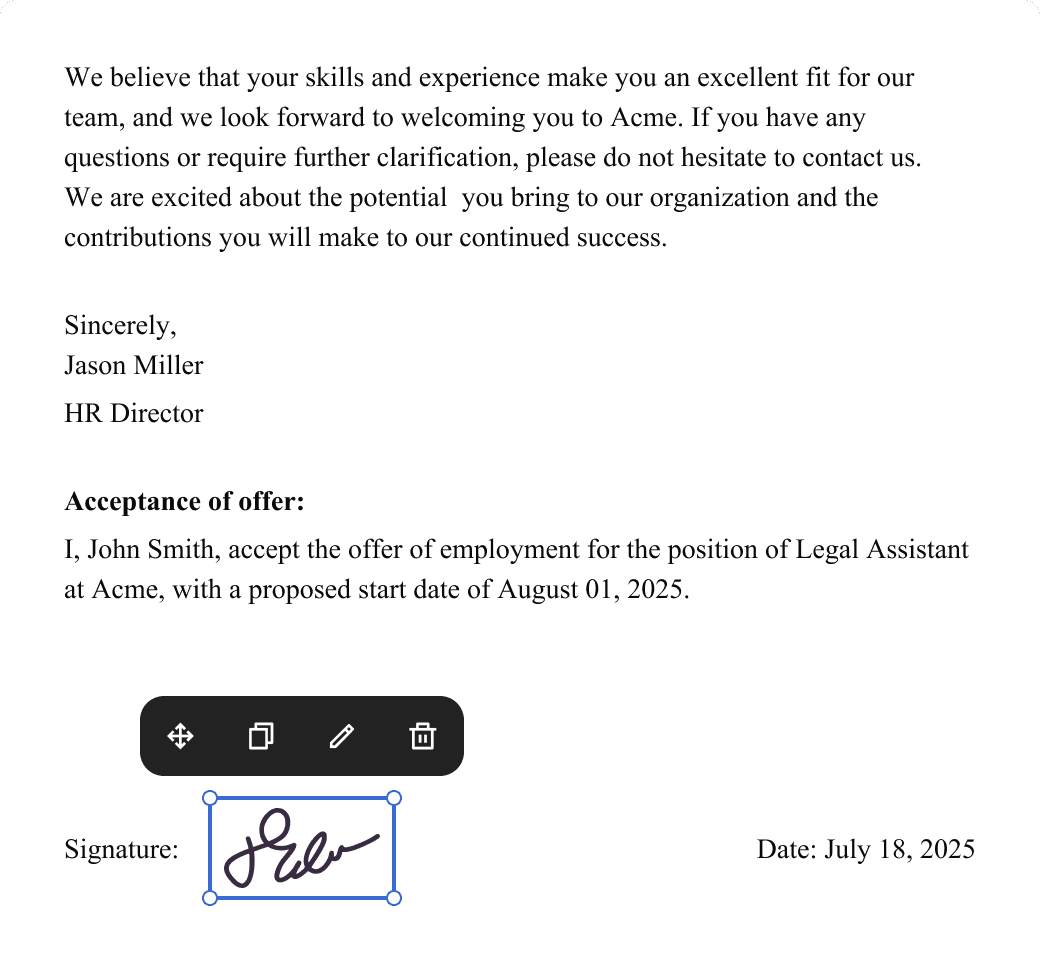
Request legally binding signatures
Invite up to ten people to sign your document in any order. Get a finalized, audit-ready copy without chasing signatures.
Skip the drafting.
Choose from 2,500+ templates
Browse templatesChoose a template
Fill in details
Sign and download