
Updated August 14, 2026
10 min read
Subcontractor vs Independent Contractor: Taxes, Liability, and Control
Subcontractor vs Independent Contractor: Taxes, Liability, and Control
- What Is an Independent Contractor?
- What Is a Subcontractor?
- What Is the Main Difference Between Independent Contractor and Subcontractor?
- How to Work with a 1099 Employee vs. a Subcontractor?
- Benefits of Working With Independent Contractors and Subcontractors
- Mistakes to Avoid When Working with Contractors and Subcontractors
Content
If you hire outside professionals to help your project move faster, you should know how to classify them. Many business owners assume that independent contractors and subcontractors are the same. Actually, they are not — in all aspects — from tax obligations and legal liability to the risks you face when working with them.
This guide explains the key differences in 1099 employee vs. subcontractor cooperation and how they may impact those who hire them, so you always know what to expect.
What Is an Independent Contractor?
An independent contractor, also called a 1099 employee, is a self‑employed individual or business that provides services to a client under a contract. They are usually hired to complete short-time projects or deliver a specific result rather than to fill a long-term role within a single company.
Hiring independent contractors is common in many industries. They are:
IT consultants and software developers;
Cybersecurity specialists;
Marketing strategists and digital marketers;
Graphic designers and copywriters;
Accountants and tax advisors;
Business consultants;
Construction professionals and general contractors.
Independent contractors are called this way for a reason. They operate as a separate entity. It means they determine how the work is performed, manage their own workflow, and are responsible for meeting agreed deadlines. All these details are documented in an independent contractor agreement signed by both the 1099 employee and the client.
What Is a Subcontractor?
A subcontractor is a person or company hired by a contractor to handle part of a larger project. They are not hired directly by the client. Instead, they work under a subcontractor agreement with the main contractor. The document specifies their responsibilities, scope of work, payment, and liability.
Subcontractors are brought in when a project requires specific skills or extra support. Rather than doing everything alone, the main contractor assigns certain tasks to specialists who can complete that portion of the work better and faster.
This structure of business relationships is especially common in industries such as:
- 1
Construction (electricians, plumbers, roofers, HVAC specialists);
- 2
Software development (security testers, UX designers, QA engineers);
- 3
Marketing and creative services (SEO specialists, videographers, copywriters);
- 4
Manufacturing and logistics;
- 5
Engineering and technical services.
Even though subcontractors often run their own businesses, they are responsible to the main contractor, and the latter is expected to deliver the full project to the client.
What Is the Main Difference Between Independent Contractor and Subcontractor?
The main difference comes down to who hires whom. A client hires an independent contractor. The contractor hires a subcontractor to complete part of the work. So, instead of managing many service providers, the client works with a single primary contractor who controls the entire project.
The hierarchy of communication is the same:
- 1
The client sets expectations in the legally binding agreement with the independent contractor.
- 2
The contractor defines the tasks, deadlines, and standards for the subcontractor.
- 3
The subcontractor reports to the contractor, not to the client.

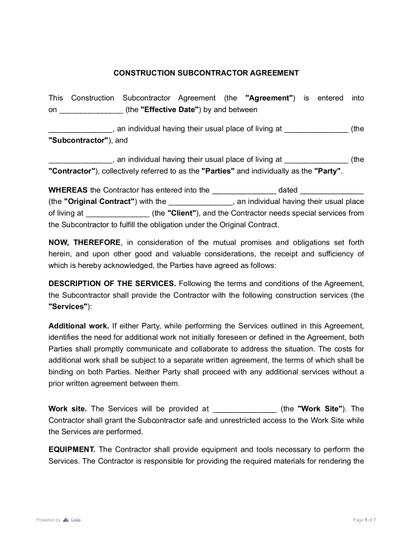
Responsibility, however, can move upward. In construction, for example, general contractors are often responsible for overall site safety, which requires a special type of contract — a construction subcontractor agreement. If a subcontractor fails to follow safety rules, the general contractor may still be held accountable.
How to Work with a 1099 Employee vs. a Subcontractor?
Subcontractor vs. contractor labor may seem similar at first glance, but they differ in many aspects. For clients who hire outside professionals, it is important to understand these distinctions. They affect tax reporting, contractual responsibility, and liability, especially when questions about performance and accountability arise.
Documentation
In the U.S., worker misclassification can lead to significant penalties. Therefore, a business that works with contractors and subcontractors should have these documents ready:
- 1
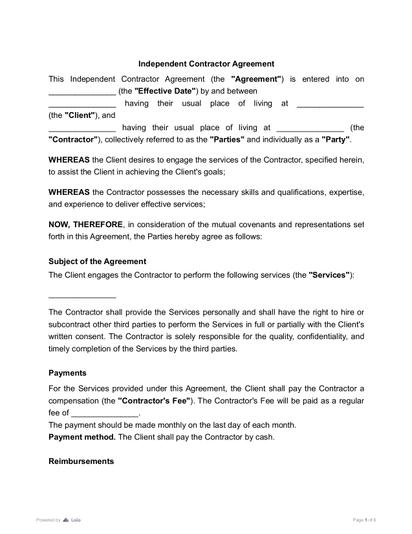
Independent contractor agreement defines the scope of work, payment terms, deadlines, and IP rights. If, in the process of your cooperation with a contractor, any changes take place, you should edit the agreement and sign it again.
- 2
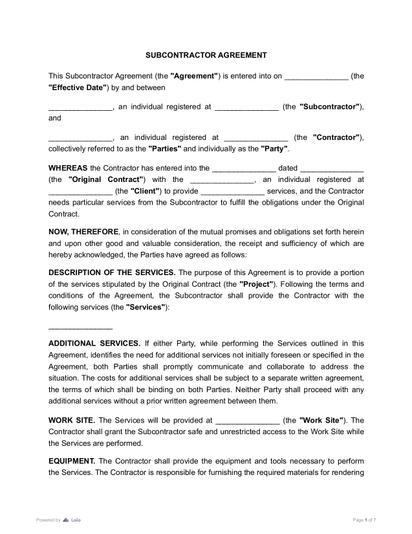
Subcontractor agreement is signed by the subcontractor and the primary contractor. It outlines what portion of the project is assigned, how payments will be made, and when the deadline is. Though the original contracts belong to the signers, the client may request a copy of the document.
- 3
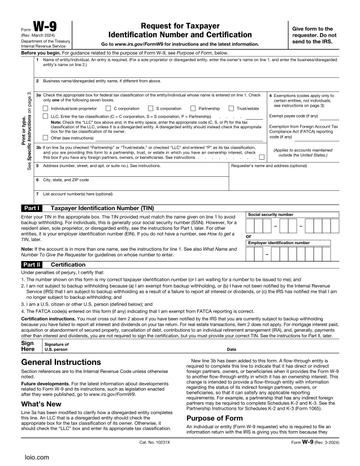
Form W‑9 provides the contractor’s/subcontractor’s taxpayer identification number (TIN) to the client/contractor. It is typically used to report payments.
- 4
Professional licenses or permits prove the contractor/subcontractor has the right to provide certain services in the industry.
- 5
Proof of liability insurance confirms that the contractor is responsible for potential property damage, injury, or claims arising as they work with subcontractors.
- 6
Proof of insurance confirms that a subcontractor has active insurance coverage. The primary contractor can be listed as an additional insured to reduce risk exposure.
- 7
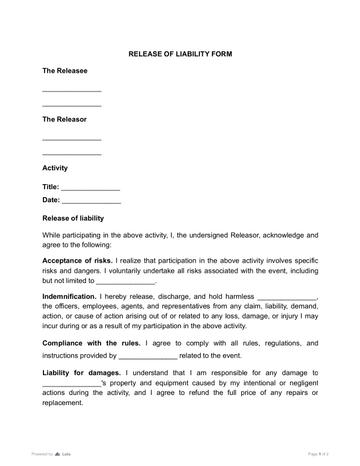
Release of liability states that the client is not responsible for the injuries or damages subcontractors may face during work.
- IRS W9 Form
 16829 downloads
 - Release of Liability Form
 5756 downloads
Taxes
From an IRS perspective, independent contractors and subcontractors are the same. Both are self‑employed individuals or entities, not employees. It means neither receives wage withholding from the hiring party. No federal income tax, Social Security, or Medicare taxes are automatically withheld from their payments.
Instead, both are responsible for paying self‑employment tax (15.3% on net earnings in addition to regular federal income tax) and filing the following forms:
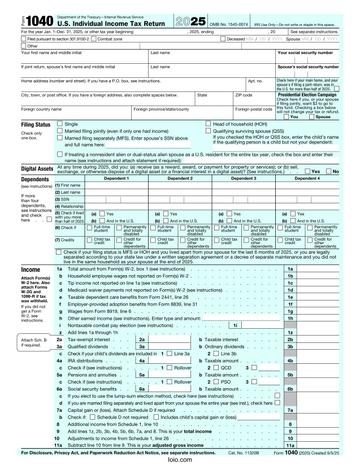
Form 1040 (individual income tax return);
Schedule C (profit or loss from business);
Schedule SE (self‑employment tax);
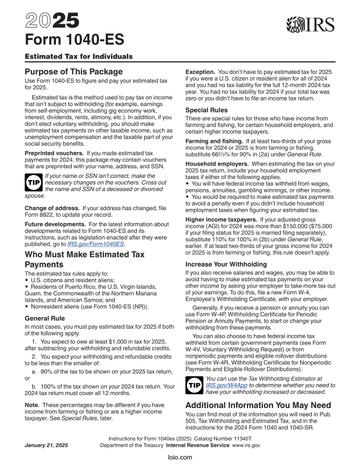
Quarterly estimated tax payments (Form 1040‑ES), if required.
Meanwhile, businesses that hire outside professionals are required to issue Form 1099‑NEC to any independent contractor or subcontractor who is paid $600 or more during the calendar year for the project. If you fail to issue this form, prepare for IRS penalties.
The most important thing here is who makes the payment. If you pay an independent contractor directly, you issue the 1099‑NEC to that contractor. But if your contractor pays a subcontractor, it is the contractor who must issue the form.
- Form 1099-NEC
 5755 downloads
 - Form 1040
 5220 downloads
 - Form 1040-ES
 5050 downloads
Employment status
Employment classification is one of the highest‑risk compliance areas for businesses that rely on contractor labor. Simply calling someone an “independent contractor” or “subcontractor” in a written agreement does not determine their legal status.
The U.S. Department of Labor (DOL) and the IRS look at the actual working relationship, not just the contract terms. They apply the so-called Economic Reality Test that evaluates six key factors, including:
The degree of control over how the work is performed;
The worker’s opportunity for profit or loss;
The worker’s investment in tools or equipment;
The permanence of the relationship;
Whether the services are integral to the company’s core business;
Whether the worker can show initiative within the project.
If a worker is economically dependent on your business, they may legally qualify as an employee — regardless of how the agreement describes them. Therefore, before you start any working relationship with a contractor or subcontractor, make sure they will not be classified as employees.
Insurance
Independent contractors are typically responsible for getting their own insurance coverage. This includes:
General liability insurance (covering property damage or bodily injury claims) or
Professional liability insurance (covering service‑related errors or negligence).
If an independent contractor has employees, most states require them to carry workers’ compensation insurance.
Subcontractors are also expected to maintain their own insurance policies. In construction and other high‑risk industries, contracts commonly require them to:
Carry general liability;
Have workers’ compensation coverage;
List the main contractor as an “additional insured,” which gives the main contractor extra protection if something goes wrong.
If a subcontractor gets injured at work, their workers’ compensation insurance usually covers all the medical costs and part of lost wages. However, if the subcontractor does not have the required coverage, it can be the general contractor who will be held responsible under state law. To avoid such unexpected situations, it is important to verify insurance coverage and define responsibility in the subcontractor agreement.
Liability
Liability depends on who has the contract with the client and who is responsible for the results.
An independent contractor reports to the client. If the work is defective, delayed, or causes damage, they are liable under the terms of their agreement, and the client can make a claim against them.
A subcontractor, on the other hand, usually has no direct contract with the project owner. They are responsible only to the general contractor and only for their specific portion of the work. Even if several subcontractors are involved, the general contractor holds all the liability to the client for the overall project.
In high‑risk industries, liability is often shared across multiple levels:
- 1
The general contractor carries primary project liability coverage;
- 2
The subcontractors maintain their own general liability and workers’ compensation insurance.
- 3
Many contracts also include indemnification clauses, which require a subcontractor to reimburse the general contractor for losses caused by the subcontractor’s negligence.
If something goes wrong, such as defective work, property damage, or injury occurs, responsibility is determined by:
Who was at fault;
What the contract says;
The available insurance coverage;
Applicable state law.
Benefits of Working With Independent Contractors and Subcontractors
Whether one works only with independent contractors or with subcontractors as well affects the whole project: how much it will cost, who controls what, and what liability each party has. Each option has its own advantages:
- Direct communication: You work one‑on‑one with the professional performing the services. No third parties, no misinterpreted instructions, no guessing games.
- Greater control over the project: You discuss the scope, deadlines, pricing, and all your expectations with the person who is responsible for delivering the work.
- Cost transparency: The contractor knows exactly how much money is needed and how it will be used. There is no mysterious “other expenses” part where half of your project budget disappears.
This structure often works best for specialized or smaller‑scale projects.
- Faster completion: Depending on the scope of the project, the primary contractor can hire multiple subcontractors, which means the work will be completed much faster.
- Project coordination and oversight: The general contractor manages scheduling, workflow, and quality control across different trades or specialties.
- Access to broader expertise: Subcontracting structures allow you to benefit from multiple specialists under one coordinated framework.
This model is particularly beneficial for complex, multi‑phase, or construction‑related projects.
Mistakes to Avoid When Working with Contractors and Subcontractors
Working with outside professionals requires business owners to pay special attention to details and constant control. Though contractors usually organize their working process independently, the client is always the one interested in a successful completion of the project. For this, it is important to be aware of the problems that may arise in cooperation with contractors and subcontractors:
- 1
Relying on verbal agreements
Without a written, legally binding agreement, any disputes over payment, scope of work, or ownership of deliverables become difficult to resolve. No matter whether you trust the people you hire or not, you should e-sign a written contract that defines all the terms of your cooperation.
- 2
Giving all the control to contractors
Even though it is the independent contractor who hires subcontractors, the business owner should know who works on their project and how to avoid problems in the future. Ask the contractors to provide the information about the workers they hire and request copies of the subcontractor agreements.
- 3
Failing to verify insurance coverage
Assuming a contractor or subcontractor has insurance is not acceptable. You must know it for sure. Otherwise, be ready to lose a huge sum of money if property damage or injury occurs.
Always request a certificate of insurance before work begins.
- 4
Improper tax documentation and reporting
If you fail to collect Form W‑9 or issue Form 1099‑NEC for the contractors who are paid $600 or more, it can trigger IRS penalties.
- 5
Ignoring payment control
According to the 2025 National Subcontractor Market Report,
- 64% of subcontractors experience payment delays from general contractors.
- 75% of subcontractors pay for materials out of pocket before receiving payment.

Even if contractors get the money from clients on time, they may delay payments to subs, which can negatively impact the work completion and quality. Ask the contractor to provide proof of all payments they make to subcontractors.
When hiring external professionals, employers must understand the subcontractor vs. independent contractor differences. Otherwise, they risk finding themselves in a situation where the work is unfinished or done poorly, and they have no idea whom to hold responsible. Keep the proper operational hierarchy to know the work is done as you expect.
More guides
September 15
10 min read
Who Can Sign a Contract on Behalf of a Company?

September 15
What Is Contract Redlining?

September 1
7 min read
How to Provide Proof of Employment: Documents and Steps

October 7
How to Start a Staffing Agency: Licensing, Pricing, and Cash Flow

July 20
4 min read
Addendum vs. Amendment: Change Your Purchase Agreement Properly

July 22
Vendor vs Supplier: Key Differences and Which Agreement to Use

One home for your
agreements
Edit PDFs seamlessly
Tweak agreements before signing or sending for signatures. Update details, add or remove clauses, adjust formatting, and redline changes instantly.
eSign legally and securely
Sign documents and collect legally binding signatures. Invite up to ten people to sign in any order, track the progress, and send reminders.
Request legally binding signatures
Invite up to ten people to sign your document in any order. Get a finalized, audit-ready copy without chasing signatures.
Skip the drafting.
Choose from 2,500+ templates
Browse templatesChoose a template
Fill in details

Sign and download