Updated July 26, 2026
9 min read
IRS Mileage Reimbursement Rules: Rates, Records, and Tax Treatment

IRS Mileage Reimbursement Rules: Rates, Records, and Tax Treatment
- What Is Mileage Reimbursement and How It Works
- Standard Mileage vs Actual Expense Method
- What Counts as Business Mileage in 2026?
- Mileage Reimbursement Rules for Small Businesses
- Mileage Tracking Requirements the IRS Expects
- How Freelancers and Self-Employed Workers Can Save More Money
- Don’t miss partial business use
- State Mileage Reimbursement Laws to Watch in 2026
- How to Create a Simple Mileage Reimbursement Policy
- Common Mileage Reimbursement Mistakes That Cost Money
Content
Driving for work becomes expensive quickly, especially when fuel, insurance, maintenance, and repairs continue getting more expensive. Many freelancers, employees, and business owners lose money simply because they misunderstand mileage rules or fail to track business trips properly. Figuring out mileage reimbursement in 2026 will help you avoid missed deductions, tax problems, and reimbursement disputes before they become costly.
The rules themselves are fairly manageable once you understand how the system works. The current IRS mileage reimbursement rules directly affect how much of those driving costs you can recover legally, whether you are a freelancer, a small business owner, or a contractor
What Is Mileage Reimbursement and How It Works
Mileage reimbursement allows workers and business owners to recover vehicle costs tied to business use of a personal car, truck, or SUV. Instead of tracking every fuel purchase or repair individually, many people use a standard mileage rate that estimates the overall cost of operating the vehicle for work purposes. That reimbursement is designed to account for:
Fuel
Oil and maintenance
Tire wear
Insurance
Registration costs
Depreciation and vehicle wear
Many people asking what the mileage reimbursement is assume it works like a bonus payment or a flat car allowance. In reality, it is simply a way to repay or deduct legitimate business driving expenses. Employers may reimburse workers directly through payroll or expense systems. Self-employed workers usually claim qualifying mileage as a tax deduction instead.
The Internal Revenue Service allows taxpayers to calculate business vehicle expenses using either the standard mileage method or the actual expense method. The option you choose affects both recordkeeping requirements and the amount you may ultimately deduct or reimburse.

The 2026 business mileage rate
The current federal mileage rate for 2026 for business use is 72.5 cents per mile. This amount is typically referred to as the business mileage reimbursement rate.
This rate applies when someone uses a personally owned vehicle for approved business driving. Every qualifying mile driven for work is multiplied by the IRS rate to calculate the reimbursement or deduction amount.
The standard rate already includes estimated operating expenses, like fuel, maintenance, insurance, depreciation, and registration and general wear. Because those costs are already built into the calculation, taxpayers using the standard mileage method generally can’t separately deduct gas, repairs, or maintenance costs for the same vehicle.
Many companies review reimbursement policies every year to stay aligned with current IRS mileage reimbursement guidelines and avoid underpaying employees or creating payroll tax complications.
Other 2026 IRS mileage rates
The IRS also publishes separate mileage rates for:
Medical-related travel
Qualified moving travel for military members
Charitable driving
Certain government travel reimbursements
These categories follow different reimbursement and deduction rules than standard business mileage.
When the IRS mileage rate changes
Mileage rates are usually updated annually. However, the IRS may issue midyear changes when fuel prices or vehicle costs change significantly. Businesses that reimburse employees should review reimbursement policies every year to avoid using outdated rates.
Standard Mileage vs Actual Expense Method
As mentioned earlier , the IRS allows two different methods for calculating business vehicle expenses. Choosing the right one affects how much you can deduct, what records you need to keep, and how complicated your bookkeeping becomes during the year.
What the standard mileage method includes
The standard mileage method uses the IRS mileage rate multiplied by the number of qualifying business miles driven during the year. This approach is widely used because it keeps recordkeeping relatively simple and avoids tracking every vehicle-related purchase individually.
The standard mileage rate already accounts for fuel, oil and maintenance, repairs, tire wear, insurance, depreciation, and registration fees. Parking fees and tolls tied directly to business trips may still be deducted separately in many situations.
This method usually works well for people who:
Drive frequently for work
Use fuel-efficient vehicles
Want simpler bookkeeping
Prefer predictable deduction calculations
Many small businesses also prefer this method because reimbursement calculations stay consistent across employees and departments.
What counts under the actual expense method
The actual expense method calculates the real cost of operating the vehicle during the year. Instead of using the IRS mileage rate, taxpayers track vehicle expenses directly and deduct the percentage related to business use.
Eligible expenses may include gas, oil changes, repairs, insurance, lease payments, depreciation, car washes, and registration and licensing fees. For example, if 70% of the vehicle’s total annual mileage was business-related, then 70% of qualifying vehicle expenses may potentially be deductible.
Note that this method often requires:
Detailed receipts
Consistent expense tracking
Accurate mileage records
Careful separation of business and personal driving
Drivers sometimes underestimate how much documentation this method creates throughout the year. Missing receipts or incomplete mileage logs can weaken deductions later if questions arise during tax review.
Which method saves more money?
The better option depends on how the vehicle is used, how expensive it is to maintain, and how many business miles are driven each year. Drivers with newer, fuel-efficient vehicles and high annual mileage often lean toward the standard mileage method because calculations stay predictable and recordkeeping remains manageable.
The actual expense method may produce larger deductions when:
Vehicles have expensive repairs
Insurance costs are unusually high
The vehicle is leased
Business mileage is relatively low
The vehicle itself is expensive to operate
Many freelancers asking whether you can write off mileage for work assume the standard method automatically provides the biggest deduction, but comparing both methods carefully can sometimes reveal thousands of dollars in additional deductible expenses.
What Counts as Business Mileage in 2026?
Not every trip qualifies as deductible business mileage and this is where many mistakes happen.

Remote and home office mileage rules
Remote and hybrid work arrangements have created additional confusion around mileage deductions. Many people assume that working from home automatically turns every work-related drive into deductible business mileage, but the rules are narrower than that.
Driving from home to a regular office location is still usually treated as commuting, even when some work is performed remotely during the week. A qualifying home office may change how certain trips are treated. If the home office serves as the primary business location, travel to temporary job sites, client meetings, or secondary work locations may qualify as business mileage.
Can you deduct rideshare or delivery driving?
Yes. Drivers working for Uber, Lyft, DoorDash, Instacart, and similar platforms can usually deduct qualifying business mileage tied to active work activity, such as:
Driving to passenger pickups
Mileage between deliveries
Travel while waiting for ride requests
Driving connected to active delivery periods
Many gig workers rely heavily on mileage tracking apps because manually recording every trip quickly becomes difficult. Automatic tracking helps, but reviewing records regularly is still very important because apps sometimes misclassify personal and business trips.
Mileage Reimbursement Rules for Small Businesses
Small businesses often reimburse employees for personal vehicle use during work travel. Proper reimbursement policies help businesses stay organized and reduce disputes.
Should employers reimburse mileage?
Federal law doesn’t always require mileage reimbursement. However, several states require employers to reimburse necessary business expenses under state labor laws.
Reimbursement problems may also create wage compliance issues under the Fair Labor Standards Act if unreimbursed vehicle expenses effectively reduce employee pay below minimum wage requirements.
Clear corporate mileage reimbursement policies also help businesses maintain consistency across teams and reduce disagreements over travel expenses.
Accountable vs nonaccountable plans
The IRS separates reimbursement arrangements into accountable and nonaccountable plans. The distinction affects payroll taxes, reporting obligations, and how reimbursements are treated for tax purposes.

Businesses using accountable plans generally reduce tax complications because reimbursements stay separate from employee wages.
How businesses usually reimburse employees
Most businesses reimburse mileage using IRS standard mileage rate, flat monthly vehicle allowances, hybrid reimbursement systems, and fixed and variable rate programs.
The best system depends on how frequently employees drive, how predictable travel schedules are, and how detailed the company wants reimbursement records to be. A written reimbursement policy helps clarify:
Which trips qualify
Submission deadlines
Required mileage documentation
Approval procedures
Reimbursement timing
Without clear policies, reimbursement disputes may appear when employees interpret qualifying mileage differently from management. If your business needs standardized reporting documents, you can use our mileage reimbursement form template to organize employee submissions more consistently and reduce incomplete reporting.
Mileage Tracking Requirements the IRS Expects
Mileage logs should include date of trip, starting location, destination, business purpose, and the number of miles driven. The IRS expects records to be created close to the time of travel, not recreated months later from memory.
Paper logs vs mileage tracking apps
Paper mileage logs are still acceptable, and many small businesses continue using them successfully. However, manual tracking creates more opportunities for forgotten trips, math errors, and incomplete entries.
Mileage tracking apps have become more common because they automatically record trips using GPS data. This usually reduces manual entry work and creates more consistent records throughout the year. When you’re still unsure how to submit mileage for reimbursement, digital tracking can really simplify this process.
How long to keep mileage records
Tax records should usually be kept for at least three years after filing. Some businesses keep records longer when audits, disputes, or reimbursement reviews are possible.
Digital storage often makes long-term retention easier. If you're scanning paper logs or old receipts to store digitally, make sure the PDF is OCR'd and searchable — otherwise you're stuck scrolling through images when an audit request comes in. Using our online eSign tool can also help businesses keep signed reimbursement approvals organized in one place.
What happens during an IRS audit
During a mileage audit, the IRS reviews whether the reported business driving matches the records provided. Auditors often compare mileage logs against:
Calendars
Work schedules
Client meetings
Receipts
Vehicle usage patterns
Expense reports
Incomplete logs and rough estimates create some of the most common audit problems. Mileage records recreated long after the trips occurred are generally viewed as less reliable.
Businesses sometimes encounter additional issues when reimbursement agreements or contractor arrangements contain vague expense language. In those situations, with an AI Contract Review tool, you can quickly review documents and contracts to spot red flags and identify unclear reimbursement terms before they create larger disputes later.
How Freelancers and Self-Employed Workers Can Save More Money
Mileage reimbursement is more difficult to track and report for these groups of drivers. Use these tips to keep things nice and proper.
Combine mileage tracking with other vehicle deductions
Certain vehicle-related expenses may still qualify separately even when using the standard mileage method. These may include parking fees, business tolls, some travel-related expenses, and business-related vehicle costs outside normal operation.
Many taxpayers claiming a self-employment mileage deduction miss these smaller expenses because they assume the mileage rate automatically covers everything related to business travel.
Separate business and personal driving early
Trying to reconstruct business mileage at tax time creates unnecessary stress. Separate trips throughout the year to keep records cleaner and reduce audit risk. Dedicated mileage apps or simple weekly logs usually work better than relying on memory.
Don’t miss partial business use
Some people assume occasional business driving doesn’t matter enough to track. However, short trips to networking events, temporary work locations, banks, or supply stores may still qualify.
Know when actual expenses beat mileage
The standard mileage method works well for many freelancers, but it does not always produce the largest deduction. The actual expense method sometimes works better for:
Heavy work trucks
Vehicles with expensive repairs
High insurance costs
Low annual mileage
Specialized business vehicles
State Mileage Reimbursement Laws to Watch in 2026
Mileage reimbursement rules are not entirely controlled at the federal level. Several states impose additional reimbursement requirements that businesses must follow.
California, Illinois, Massachusetts, and some other states require employers to reimburse workers for necessary business expenses in many situations, including qualifying vehicle use.
Businesses operating across multiple states should review local labor laws carefully because state reimbursement requirements may be stricter than federal standards. This becomes more complicated when companies manage:
Remote employees
Traveling workers
Multi-state sales teams
Hybrid work arrangements
Clear written policies help businesses apply reimbursement standards consistently while staying aligned with applicable mileage reimbursement rules across different locations.
How to Create a Simple Mileage Reimbursement Policy
A clear reimbursement policy reduces confusion for both employers and workers. Most policies should explain:
Which trips qualify
Reimbursement rates
Submission deadlines
Required documentation
Approval procedures
Record retention expectations
If you regularly manage reimbursement documents, with our online PDF editing tool, you can update reimbursement forms, adjust policies, and organize records more efficiently.
Employees and self-employed workers handling taxes themselves may also find it helpful to keep organized annual tax records alongside mileage logs. You can download a form 1040 template for free before preparing annual filings and expense summaries.
- Form 1040-C
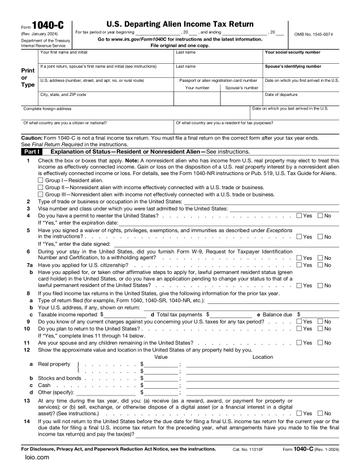 4994 downloads
 - Schedule 3
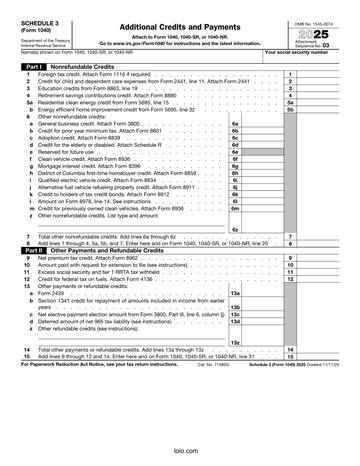 5006 downloads
Common Mileage Reimbursement Mistakes That Cost Money
Several common mistakes repeatedly create reimbursement and deduction problems for both businesses and independent workers. such as:
Claiming regular commuting mileage
Forgetting small business-related trips
Mixing personal and business driving
Using estimates instead of logs
Keeping incomplete mileage records
Failing to update reimbursement rates annually
Losing receipts and supporting documentation
Waiting until tax season to organize records
Most mileage problems become expensive gradually rather than all at once. Small reporting mistakes repeated throughout the year can lead to denied deductions, payroll issues, reimbursement disputes, or weaker audit protection later.
With consistent tracking, organized records, and clear reimbursement policies, workers, business owners and self-employed individuals usually save far more money.
More guides
September 1
7 min read
How to Provide Proof of Employment: Documents and Steps

July 25
11 min read
Charitable Donations Tax Deduction: Eligibility, Limits, and Records

September 1
6 min read
Different Types of 1099: Who and When Files Them

July 22
4 min read
Income Statement vs Profit and Loss Statement: Is There a Difference?

September 11
10 min read
Rules for Renting a Room in Your House: How to Become a Landlord

August 26
8 min read
When to Hire a Bookkeeper as Your Business Grows

One home for your
agreements
Edit PDFs seamlessly
Tweak agreements before signing or sending for signatures. Update details, add or remove clauses, adjust formatting, and redline changes instantly.
eSign legally and securely
Sign documents and collect legally binding signatures. Invite up to ten people to sign in any order, track the progress, and send reminders.
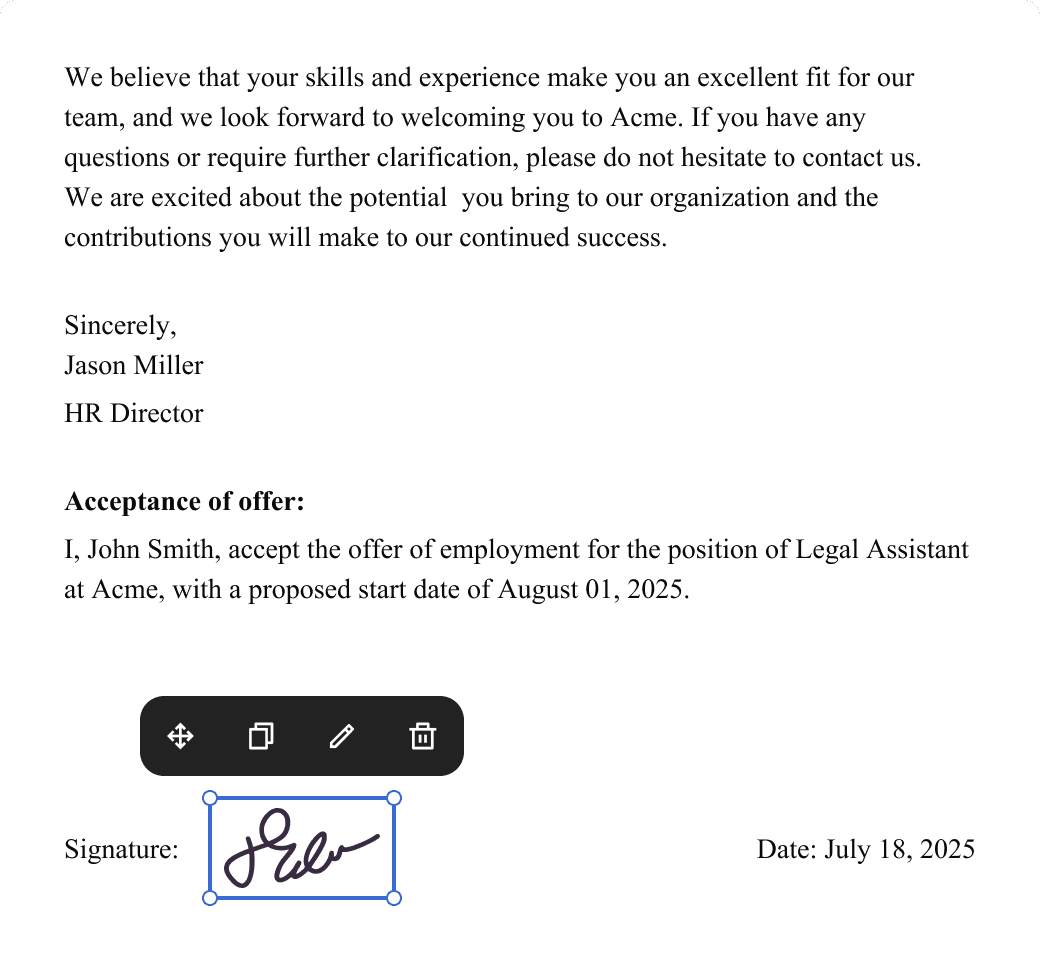
Request legally binding signatures
Invite up to ten people to sign your document in any order. Get a finalized, audit-ready copy without chasing signatures.

Skip the drafting.
Choose from 2,500+ templates
Browse templatesChoose a template
Fill in details

Sign and download