Updated September 8, 2026
4 min read
Packing Slip vs. Bill of Lading: Learn How to Use Both
Packing Slip vs. Bill of Lading: Learn How to Use Both
Content
While both a packing slip and a bill of lading travel with your shipment, mixing them up can lead to costly consequences, disputes, and customs delays. Documents during delivery can cost a lot: research shows that simply digitizing a bill of lading alone could save $6.5 billion globally, and this is just a minor readjustment. Businesses frequently use a bill of lading and a packing slip. In addition to knowing what each of these is, entrepreneurs can minimize delivery risks by learning how to use these documents. This article dives into the packing list vs. the bill of lading divide and provides a few tips to ensure your delivery goes smoothly.
Bill of Lading vs. Packing Slip: What Is a Bill of Lading?
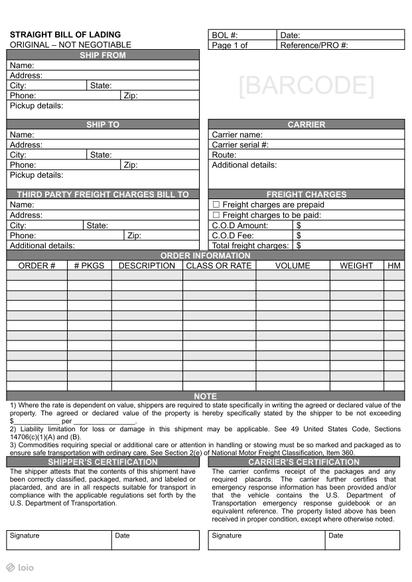
A bill of lading is a document issued by a carrier to a shipper that details the type, quantity, and destination of the cargo being carried. Often used for already onboarded vendors who are in agreement with a company, it is also used to deliver a specific sold item to a buyer. It usually accompanies the freight from the moment it leaves the dock until it’s signed for at its final destination. Under the Uniform Commercial Code (UCC), the bill of lading has three key purposes:
- 1
A bill of lading establishes a contract of carriage. Under a bill of lading, both parties agree on the legal terms, conditions, and liabilities under which the carrier agrees to transport the freight.
- 2
It is a physical proof of goods received. When a carrier receives the bill of lading and signs it, it serves as written proof that they have received cargo in a specific condition.
- 3
It proves ownership of cargo. The person or entity holding the original document has the legal right to the goods, including the right to order their release at a port.
Advantages of the bill of lading
Having a bill of lading and making sure it fits all the right criteria provides you with a set of advantages:
A clear chronological record of goods transfer
Protection from liability on both sides
Prevention of delivery disputes and liability
Packing List vs. Bill of Lading: What Is a Packing Slip?
A packing slip is a document that verifies the contents of a shipment and is attached to the outside of a shipping container. It contains a detailed itemization of everything included in the specific package and is signed only by the recipient. It doesn’t have a legal value, but it is important for inventory management and practical purposes. A packing list also supports international shipment documentation by giving customs inspectors a clear, box-by-box breakdown of the entire cargo.
Advantages of the packing slip
Using this document:
Ensures order fulfillment
Facilitates clarity in internal operations
Supports audits on the receiving end
A packing slip can be a useful addition for goods returns. It proves what items were actually provided, making it possible to issue a return if necessary.
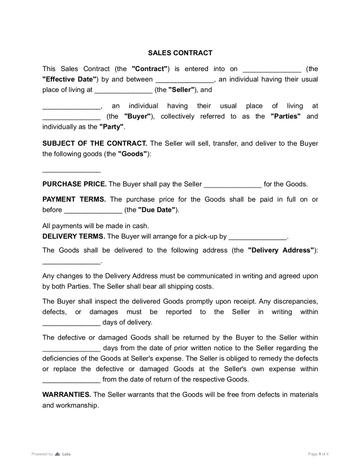
Before you even fill out the packing slip or bill of lading, you may need several other documents to build a sales process and define delivery requirements. Both a sales contract and a purchase agreement detail specific terms for selling goods, and this can also include delivery. Always keep a copy with you when editing your PDF versions of a bill of lading or a packing slip. Because these usually concern high-priority sales, it’s logical to recheck sales contracts or purchase agreements when preparing for delivery.
- Sales Contract Template
 4055 downloads
 - Purchase Agreement
 4142 downloads

Packing List vs. Bill of Lading & When to Use Them
Learn when and how to use both documents to ensure your cargo safety.
When to use a packing list
Use a packing list when you need individual item tracking or customs verification. Although it does not have legal weight, you essentially need it every time you have a physical shipment.
Small parcel and Direct-to-Consumer shipping. When shipping individual boxes directly to consumers via standard parcel carriers (e.g, UPS, FedEx, or USPS), a packing list or slip is all that is required inside the box. Although the exact form varies by the company providing the services, the title will easily direct you to this document.
Custom clearance in international trade. Because customs officials don’t open every pallet to check for the items inside, a packing list saves their time. It provides essential information, such as weight, dimensions, and Harmonized System (HS) codes, for calculating tariffs.
Internal inventory audits. Even when you’re not delivering goods to a client, your company can use packing slips for transferring stock between your own warehouses. This way, you won’t lose anything during the move and have clean internal records.
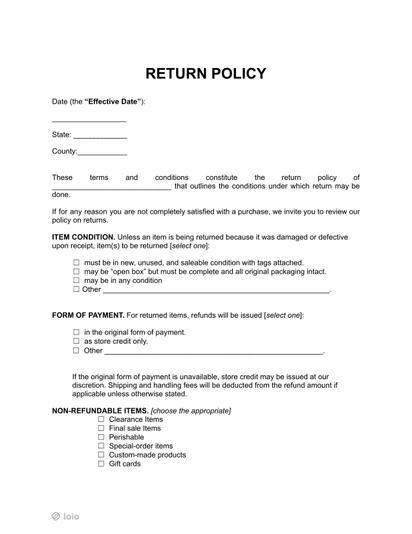
Returns are common for any business. Having a transparent return policy between the seller and the buyer typically relies entirely on the packing slip as the primary paper trail, as it first confirms that the order is complete and that the goods are in the required condition.
When to use a bill of lading
A bill of lading is often critical in any commercial freight network, where you place your goods in the custody of third parties. Use it as a legal guarantee that you’ll have your items delivered as you have packed them.
Less-Than-Truckload (LTL) and Full Truckload (FTL) freight. A bill of lading must be prepared and signed every time you use a commercial vessel (particularly truck) for domestic deliveries.
Protecting legal and financial claims. Any fragile or high-value goods need a bill of lading — it is the only document that will keep your transport company liable if anything goes wrong with your cargo in transit.
An LTL is a shipping method used to deliver goods that are too large for standard parcel services but still too small for a truckload. In contrast, an FTL is when an entire truck carries cargo from a single shipper.
Packing list vs. bill of lading: When to use both
These documents aren’t mutually exclusive. Just as there are cases when you need one more than the other, some scenarios call for both of them in your delivery.
Any commercial freight delivery. Since it’s a matter of your reputation and finances, you need both to verify and to protect yourself legally. Include a packing list inside the container so recipients can verify the contents. At the same time, the bill of lading is in the driver’s possession as the legally binding contract.
Transfer of cargo ownership. When a corporate supply chain is particularly complex, both documents have a specific goal. A bill of lading handles the high-level legal transfer of title, while the packing list deals with the physical reality of what’s inside.
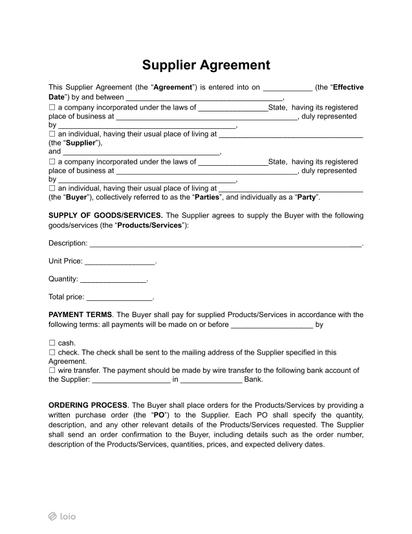
A bill of lading isn’t the only legal document you may need to use when going for long-term commercial collaboration. A supplier agreement addresses gaps that concern not only one-time deliveries but also consistent supply. It usually defines standards for product delivery, including timing, prices, and the expected quality. Combining the two documents protects both sides since neither party can change the initial terms.
Common Bill of Lading Errors
Inappropriate documentation causes severe financial losses for businesses during the delivery. For example, mid-market shippers lose between 3% and 7% annually due to freight billing errors. Your bill of lading is an instrument that can safeguard you against many mistakes, but it needs to be filled out correctly.
Weight and dimension errors. Sometimes, shippers assume the weight and size of the deliveries rather than actually measuring them. To prevent this threat, make sure your team always measures your goods before recording them — if needed, make it easier for them to access scales.
Incorrect National Motor Freight Classification (NMFC) codes. Many shippers choose the wrong code for the commodity. Incorrect classifications can cause a structural re-rating fee, carrier administrative penalties, or even void your cargo entirely. Maintain a live, updated internal NMFC sheet within your warehouse management system. Even if your goods change slightly (for example, the packaging), recheck the code for them just to be safe, since it can affect the NMFC code.
Misstated signatures, dates, and signing-offs. Any individual in the entire delivery chain can accidentally produce an illegible signature or fail to check the box count. These things can happen at any time, but they lead to painful outcomes in both operations and finances. Teach your team to treat the bill of lading as a serious contract, and remind them about this during training. Do the same for bills of lading eSigned with a reliable tool.
Vague or missing notes. A bill of lading may include additional details or handling requirements that can affect whether delivery is made at all. First, make sure your team knows and understands where the comment is on each bill of lading (since they differ and you may be switching between several formats). Second, build a robust client-profile checkout system that flags specific delivery-site constraints and, if needed, adjusts your bill of lading accordingly.
Governing Bodies & Standards
These are the standards and institutions affecting your documents and delivery.
How to Improve Your Organization Before the Delivery
Although your paperwork can help ensure the safe delivery of your goods, much also depends on your self-management and organization.
1. Standardize the placing zones in your warehouse
A lot of things get mixed up during storage and preparation for the delivery. For example, warehouses can accidentally place the newest items near those already ready for shipping. Create a physical distinction for each delivery stage: pre-check, staged for loading, and inbound receiving. If possible, make a barrier between the sections to prevent your workers from picking up the wrong package.
2. Use both documents for verification
Slip-ups happen. If a picker encounters an out-of-stock item and quietly substitutes another without updating the system, the weight calculation on a bill of lading can differ. To prevent this and similar examples, use both a packing slip and a bill of lading. Establish a strict operational rule: don’t give the driver the bill of lading until you’ve actually verified the physical cargo matches the packing slip.
3. Be ready to educate your team
Your team may struggle with determining how to handle different documents. Provide them with proper training so they understand the legal and operational standards that govern their decision-making and actions. To simplify learning, incorporate an AI document summary tool to help your employees understand complex legal language.
4. Build a unified recording system
Inventory control accounts for the biggest warehouse challenge, with more than 62% of respondents considering it a severe problem. Modernizing that inventory control begins by upgrading to a digital recording system. Digitizing means more than saving a photo of the page — if the bill of lading or packing slip is scanned as a flat image, make it searchable so your recording system can actually find shipments by PO number or item description. Ideally, each record for a high-value delivery should include a packing slip, a bill of lading, and the original customer purchase order. While it can be simplified or re-adjusted based on what you’re actually delivering, turn the tide toward modernization.
More guides
September 15
10 min read
Who Can Sign a Contract on Behalf of a Company?
September 15
What Is Contract Redlining?

September 1
7 min read
How to Provide Proof of Employment: Documents and Steps

October 15
How to Start a Staffing Agency: Licensing, Pricing, and Cash Flow

July 20
4 min read
Addendum vs. Amendment: Change Your Purchase Agreement Properly
July 22
4 min read
Income Statement vs Profit and Loss Statement: Is There a Difference?

One home for your
agreements
Edit PDFs seamlessly
Tweak agreements before signing or sending for signatures. Update details, add or remove clauses, adjust formatting, and redline changes instantly.
eSign legally and securely
Sign documents and collect legally binding signatures. Invite up to ten people to sign in any order, track the progress, and send reminders.
Request legally binding signatures
Invite up to ten people to sign your document in any order. Get a finalized, audit-ready copy without chasing signatures.
Skip the drafting.
Choose from 2,500+ templates
Browse templatesChoose a template
Fill in details
Sign and download