Updated July 23, 2026
5 min read
Commercial Lease Negotiation & Mastering the Deal

Commercial Lease Negotiation & Mastering the Deal
- Negotiating Commercial Leases: What’s a Commercial Lease?
- Step 1. Negotiate a Commercial Lease: Conduct Property Due Diligence
- Step 2. How to Negotiate a Lease: Address the Finances
- Step 3. Commercial Lease Negotiation: Review Rights and Obligations
- Step 4. Negotiate a Commercial Lease and Secure Your Exit Options
- Reading Between the Lines
Content
Commercial leasing in the U.S. is rising as the number of small businesses grows. Today, there are about 385k commercial leasing companies in the U.S. The industry’s compound annual growth rate (CAGR) is about 1.6%. Although leasing company owners are in a competitive market, a tenant negotiates commercial lease terms without a specific regulatory statute regulating commercial leasing in the U.S. Before you sign an agreement that binds you legally, make sure you know how to negotiate the best conditions for your business. This article provides lease negotiation tips and explains how to stay on the same page with your landlord.
Negotiating Commercial Leases: What’s a Commercial Lease?
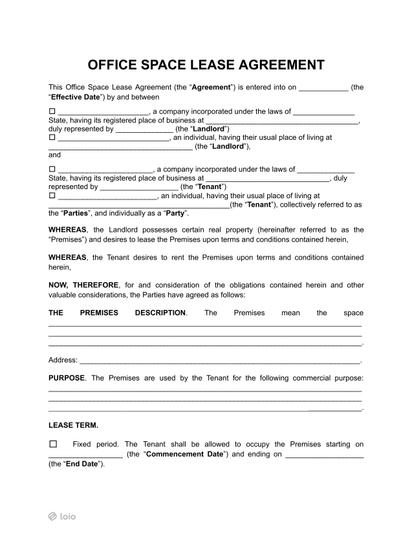
A commercial lease is a legally binding contract between a business owner (the tenant) and a property owner (the landlord) that grants the tenant the right to occupy a space for commercial operations. It defines the terms of the lease, such as rent, lease duration, and responsibilities of both sides.
Benefits of negotiating commercial leases: Landlord’s perspective
By using a commercial lease, a landlord gets the chance to:
Get guaranteed revenue
Mitigate leasing risks
Control their asset management
Thanks to a document that puts mutual obligations in writing, a landowner is assured they will receive rent and that their tenant will respect their property.
Perks of negotiating a commercial lease: Tenant’s view
As the business owner renting space for your operations, you:
Have operational stability
Save money without the need to buy property
Gives you room to grow
Understanding the commercial real estate leasing process helps ensure you don’t lose a good spot or overpay.
Many states use the Residential Landlord and Tenant Act to model their leasing regulations. However, the exact data varies based on your local and state laws.

Step 1. Negotiate a Commercial Lease: Conduct Property Due Diligence
Begin your negotiation by investigating the property and the landlord you intend to rent from. Before you even decide to contact the tenant, investigate a property of interest on your own.
Conduct the initial investigation
When examining the property, look at:
Location and logistics. A quick look at your city map can help you decide whether renting in a specific location is viable. While you won’t find a specific centralized source to check for traffic issues, you can find live cameras or traffic maps in your area. The New York transit map or Georgia Live cameras illustrate how to pinpoint potential traffic problems. Searching for your town’s location and adding “Traffic map” is one of the easiest ways to check this. Many drivers also rely on Waze and similar community-powered resources.
Zoning. A commercial property requires a review of zoning, condition, location, and landlord responsibilities before any financial commitments are formalized. Most municipalities have GIS zoning maps that clarify whether you can use a particular location for your business operations.
Formalize your interest with a Letter of Intent
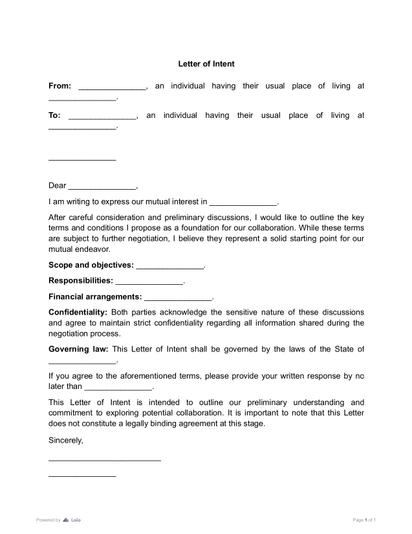
Once the property passes your initial due diligence checks, do not jump straight to the formal lease agreement. Instead, use a non-binding Letter of Intent (LOI) for real estate to pitch your high-level terms.
A Letter of Intent shows that you’re interested in the property and have serious plans for it — it doesn’t oblige you to anything, but immediately places you on a higher level of negotiation compared to other tenants who didn’t express such interest. An LOI acts as a test balloon. It outlines your proposed base rent, lease duration, and target move-in date.
Evaluate your landlord’s reputation
Check your landlord on platforms such as Ratethelandlord or Google Reviews to get honest feedback from other tenants. But since such information on commercial leasing isn’t that common, it’s also a good step to look into the local housing court records.
Once you have contacted the landlord and started to negotiate, request the following:
- A breakdown of historic CAM expenses
- The Certificate of Occupancy
- The building’s HVAC maintenance records
- Utility history logs
Step 2. How to Negotiate a Lease: Address the Finances
As a rule, the base rent is only a part of the overall pricing you may be required to pay for a property. You will need to decide on the best type of lease for your business.

Look into similar businesses and their lease types if you’re not sure which one suits your industry and budget expectations.
What is the most common commercial lease?
NNN vs. Gross lease? Percentage lease or absolute net lease? Although the exact data on commercial lease types doesn’t exist, you should focus on your business niche. Triple Net Lease is the most common commercial lease type for retail and industrial properties. Many tenants prefer it because it offers a lower base rent while giving them full control over their property. However, gross lease is more widespread in office buildings. That is why questions like, “How to negotiate retail space lease or a hospitality lease?” will always have nuanced answers.
Account for Common Area Maintenance (CAM) costs
In net and modified lease structures, CAM charges cover shared amenities, such as lobby cleaning, snow removal, elevator maintenance, or landscaping. This often means your landlord will pass building expenses on to you because these costs fluctuate regularly. But this also means your bills can spiral out of control. To address this, negotiate for:
The CAM cap. This lease clause usually allows you to limit how much your CAM charges may increase year over year. Be firm on fighting for a cumulative cap of 3-5% on controllable expenses.
Uncontrollable expenses. Ensure that uncontrollable costs, such as municipal property taxes or building insurance premiums, are separated from your capped maintenance charges.
Discuss rent growth
Any type of lease is subject to rent escalation due to market changes. You, however, can decide how you allow this rent to grow.
Fixed escalation. Rather than tying your rent growth to volatile metrics such as the Consumer Price Index, ask for a fixed percentage increase (2-3% annually). There might be situations when your landlord won’t budge on it, but many companies don’t agree to this condition due to the much higher risk for price growth.
Audit right. Add an audit clause to your contract. This legally grants you the right to hire an independent accountant to review the landlord’s property receipts once a year. If the audit reveals the landlord overcharged you for CAM expenses by more than 3%, they should be contractually required to refund the difference and cover the cost of your audit.
Step 3. Commercial Lease Negotiation: Review Rights and Obligations
The commercial lease defines rent, renewal, termination, and maintenance obligations for both sides. In the U.S., the rights and obligations of both parties are typically heavily regulated by the lease itself rather than a centralized system of rules.
Tenant’s rights and obligations
As a business occupant, your main goal is objective is to maximize operational flexibility while limiting unexpected financial losses.
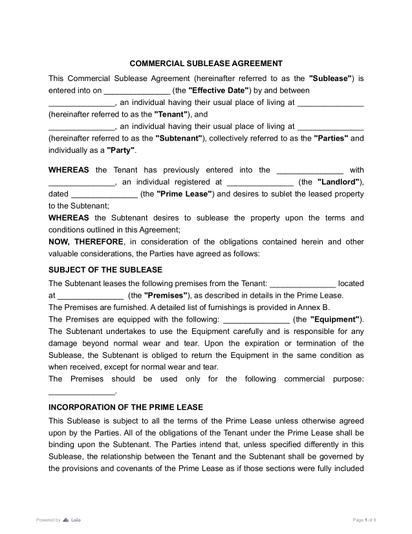
The right to assignment and subletting. You need to have a solution if you want to expand. Include the right to transfer the lease to another tenant. This means requesting a clause stating the landlord cannot unreasonably withhold consent if you choose to sublease. Aside from the clause being added to your commercial lease, you’ll be relying on a commercial sublease agreement in the future to sign a contract with a new tenant. For ease, you can use the eSigning tool with a tenant, even if you’re not physically present for an agreement.
Exclusivity clause. Negotiate a strict exclusivity clause that legally bars the landlord from renting space within the same commercial complex to any direct competitor. For instance, if you have a coffee shop, your landlord won’t lease a free space to your competitor.
Build-out and tenant improvement allowance. Commercial spaces rarely come ready out of the box. You must negotiate who pays for the plumbing, walls, and flooring. Push for a TI allowance, where the landlord provides a set dollar amount per square foot to cover your construction costs.
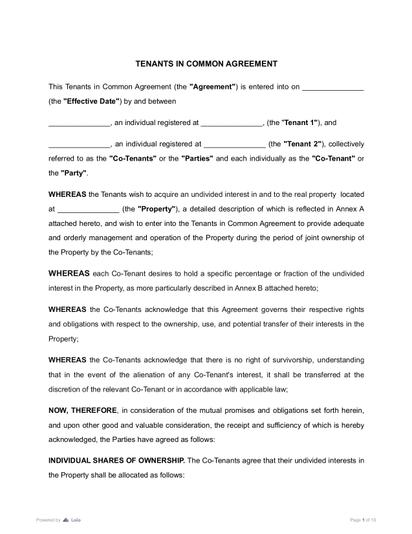
If you are leasing with another tenant, using a Tenants in Common Agreement will help you outline rights and shares. This saves you from conflicts down the line.
Landlord’s rights and obligations
Understanding your landlord’s legal boundaries to prevent unexpected intrusions and ensure the property’s functionality.
Right of entry. Landlords have a right to inspect their property and show it to prospective tenants. What you can do is to obligate them to give at least 24 to 48 hours’ written notice, and demand that entries must happen outside of your primary business operating hours.
Maintenance responsibilities. The general standard you should fight for is that the landlord is entirely responsible for the building’s structural integrity (the roof, foundation, exterior walls, and common areas). The tenant should be only responsible for the interior space.
HVAC problem. Landlords may want to make you responsible for the heating and cooling units on your property, but this can lead to high costs if the HVAC system fails. Obligate the landlord to maintain the unit. Alternatively, negotiate a specific limitation (capital cap) that will define the maximum repair liability for you.
Make sure you check the landlord’s final draft of the contract with an AI contract review tool — just to be safe.
Step 4. Negotiate a Commercial Lease and Secure Your Exit Options
Even if you plan for a long-term lease, it’s wise to prepare for all the options, including terminating the agreement or renewing it.
Performance clause. Negotiate a clause that allows you to break the lease with minimal penalty if your gross sales fail to hit a specific financial milestone within the first 18 to 24 months.
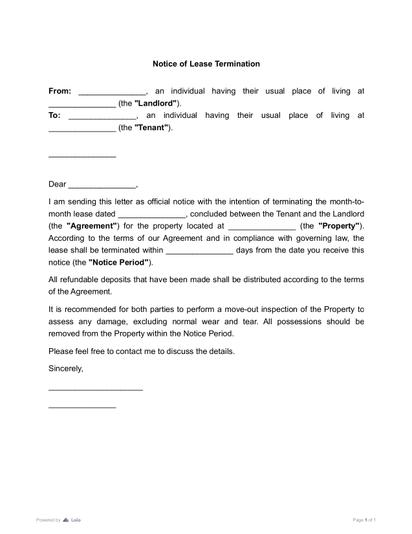
Penalty for termination. Try to minimize the penalty for early commercial lease termination. A fair compromise might be paying for 2-3 months of rent and, possibly, the unamortized balance of the landlord’s initial tenant improvement costs. A landlord may demand that you stay responsible for the entire time of the lease, so finding a middle ground is your best bet. Instead, when editing your PDF lease termination letter that defines the terms for early lease end, you can refer to the initial agreement and this clause.
Renewal opportunity. Ensure your contract includes consecutive 3-year or 5-year renewal options.
Reading Between the Lines
More than half of negotiating a commercial lease is about researching and making sure you know your landlord. Once you understand what the property offers and its average market price, you have a steadier position for negotiation.
Don’t play with the market. You already know the average rental prices. If you want to trick a landlord into an unfair lease, be prepared for a rejection. Even more so, show them that you have researched the average in the area and explain why you want to lower a price or ask for some perks in your agreement.
Define your negotiation zone and walk-away rules. Both parties enter the negotiation table with certain expectations: what they are ready to sacrifice and when they can only walk away from the dialogue. Decide on these two early on — this is especially useful if you attend negotiations with someone else in your team. This way, your partner won’t agree to the terms you don’t want.
Understand your landlord. Different landlords have varied priorities. Private landlords are more likely to favor immediate deals in order to get cash faster. However, institutional investors favor long-term agreements and are willing to invest more in property maintenance if it means they have a longer lease. That’s why you start from different strategic focuses during your negotiation.
Be willing to try anchoring. Anchoring is a technique in which the first offer in the negotiation sets the stage for subsequent offers. So, if you set your price first, you essentially set a precedent for a specific monetary limit for other applicants. If you see a new property and are interested in it, try to make the offer first.
More guides
September 1
7 min read
How to Provide Proof of Employment: Documents and Steps

July 24
4 min read
What Is a Fixed-Term Lease, and How Is It Different From an Automatic Renewal Lease?

September 1
6 min read
Different Types of 1099: Who and When Files Them

August 27
4 min read
Forms W4 vs W2 vs 1099: What’s The Difference?

August 21
7 min read
Arbitration vs Litigation: The Right Path for Your Business

August 14
11 min read
Right to Work vs. At Will Employment Explained: What's the Difference?

One home for your
agreements
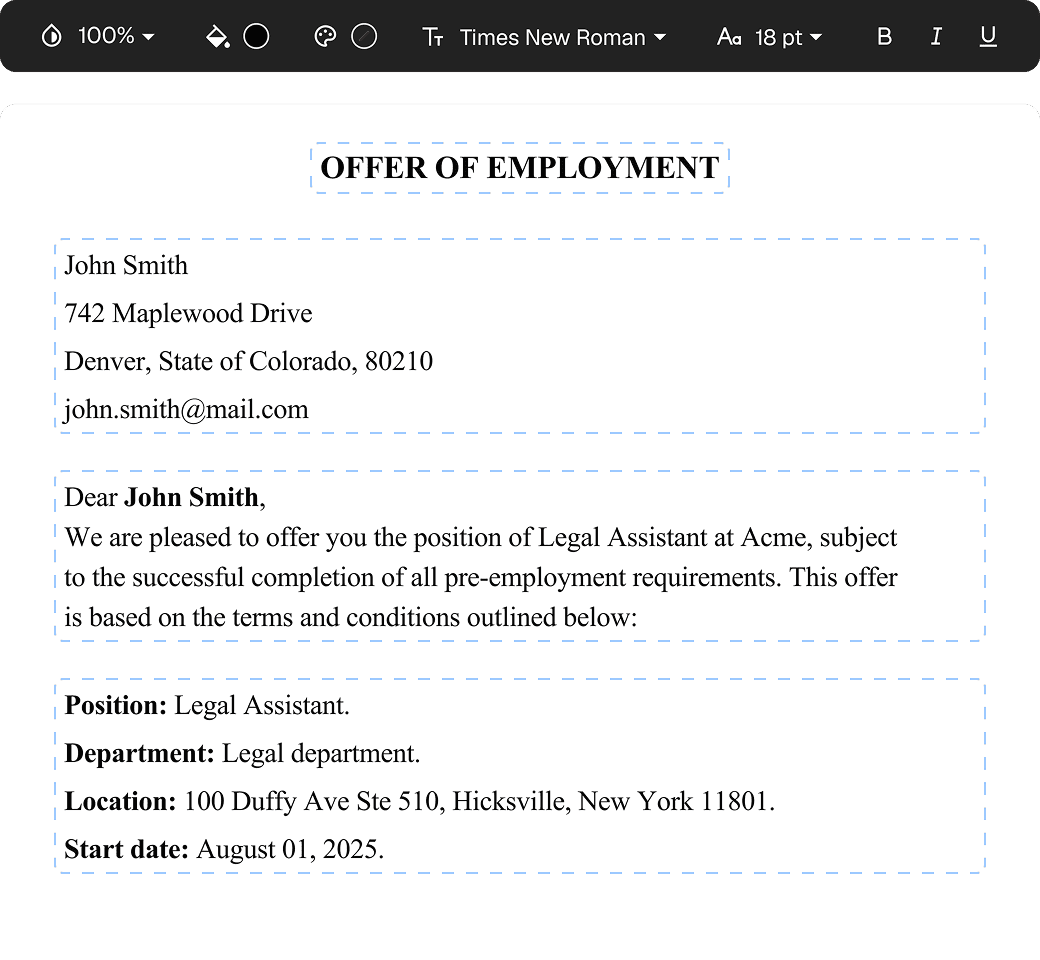
Edit PDFs seamlessly
Tweak agreements before signing or sending for signatures. Update details, add or remove clauses, adjust formatting, and redline changes instantly.
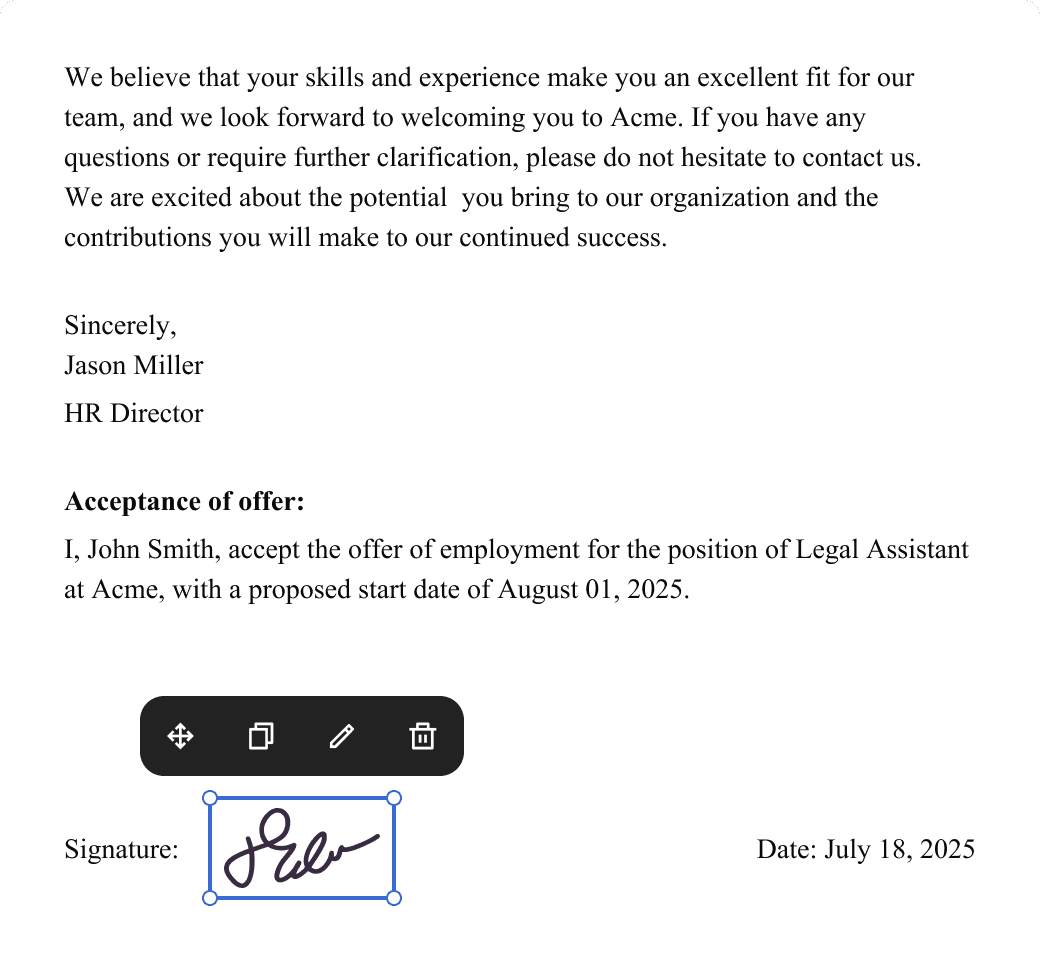
eSign legally and securely
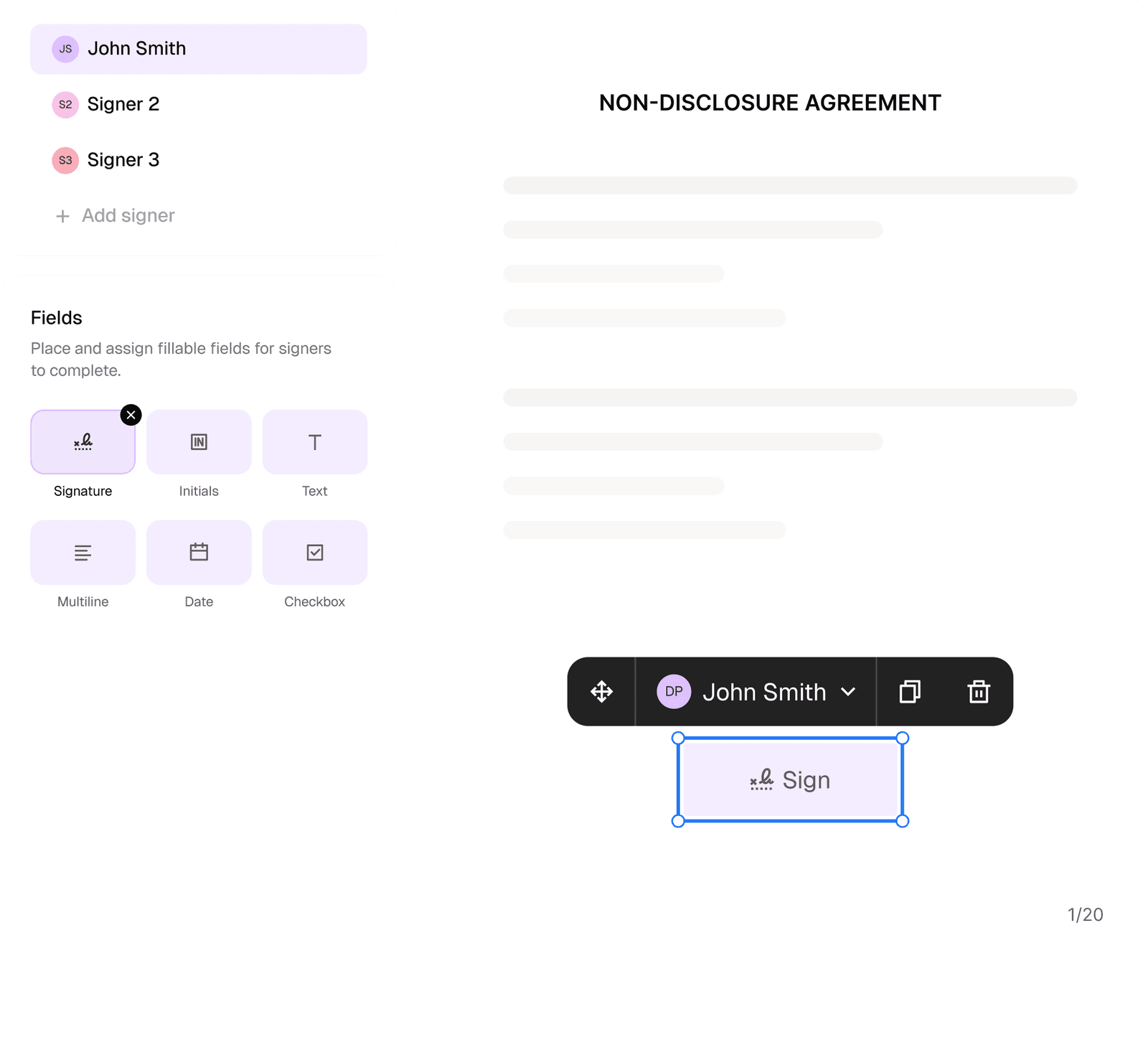
Sign documents and collect legally binding signatures. Invite up to ten people to sign in any order, track the progress, and send reminders.
Request legally binding signatures
Invite up to ten people to sign your document in any order. Get a finalized, audit-ready copy without chasing signatures.
Skip the drafting.
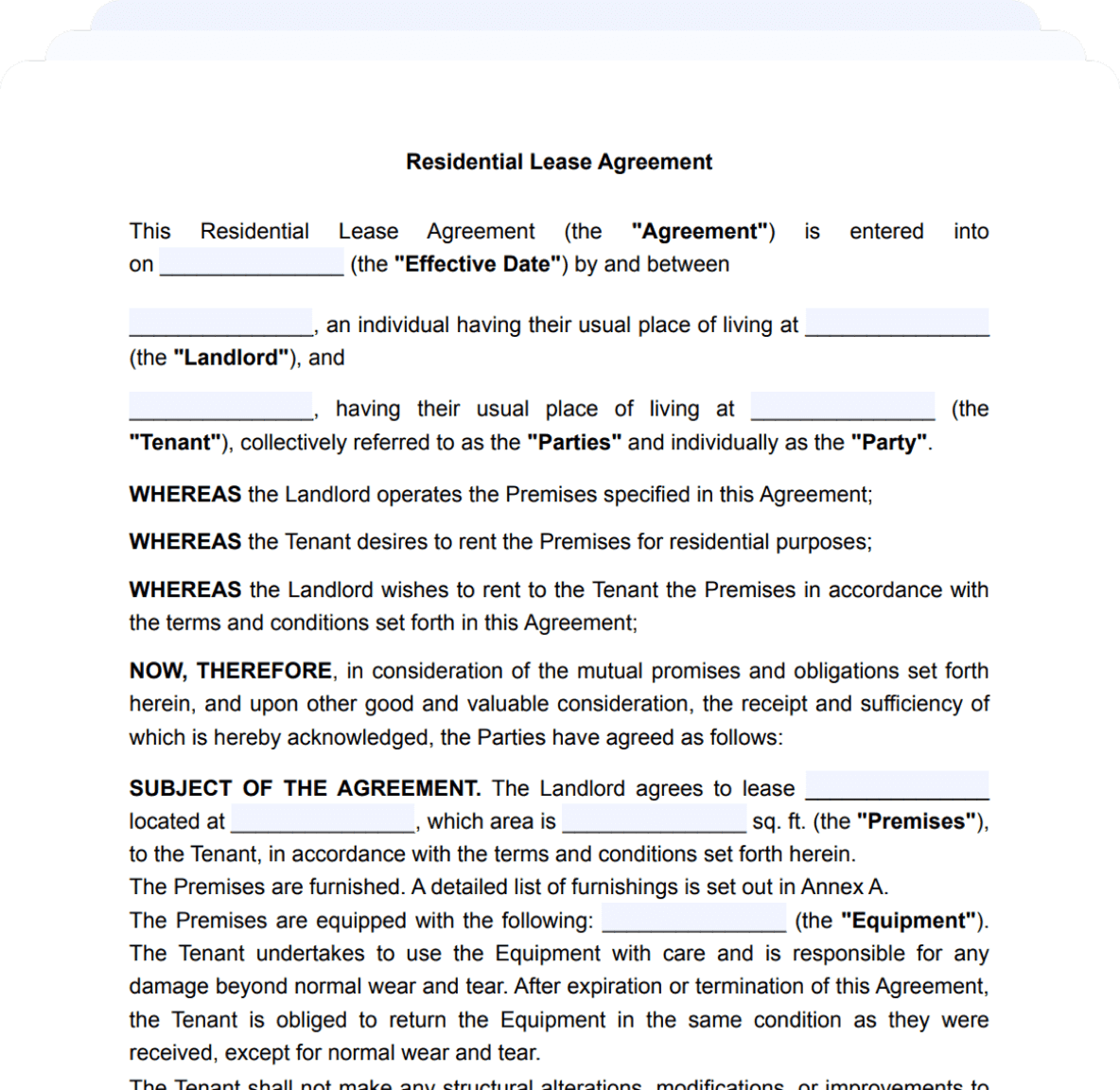
Choose from 2,500+ templates
Browse templatesChoose a template
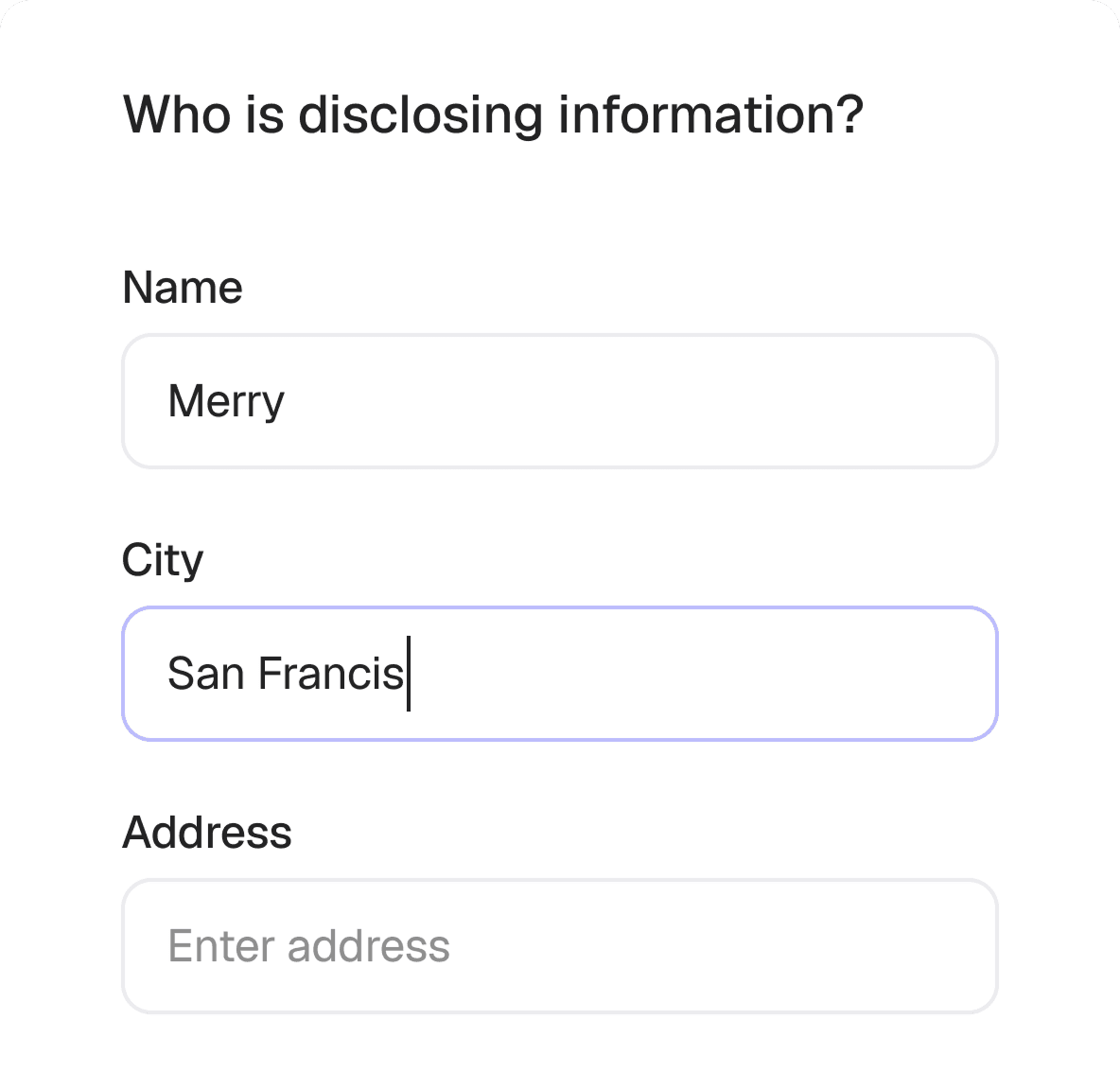
Fill in details
Sign and download