Updated September 9, 2026
8 min read
Triple Net Lease vs Gross Lease: Costs, Risks, and Who Pays What

Triple Net Lease vs Gross Lease: Costs, Risks, and Who Pays What
Content
Before focusing on square footage or location, it’s important to understand how the commercial lease itself works. Two of the most common commercial lease types are NNN (triple net) leases and gross leases. They may look similar on the surface, but the way costs are handled is very different. To put this into perspective, NNN lease transactions reached $51.4 billion in 2025, underscoring the widespread use and impact of this lease structure in the commercial real estate market.
As of early 2026, the choice between these structures has become a critical hedge against fluctuating operating expenses. While gross leases can offer a form of protection against rising utility and maintenance costs, NNN leases provide greater cost transparency. Here, the guide explains the difference between triple net and gross lease options in simple terms so you can make an informed decision.
What Do Triple Net vs. Gross Lease Types Mean?
When comparing a triple net (NNN) lease and a gross lease, you’re really deciding how operating costs are divided between landlord and tenant. But to fully understand the difference, it helps to look at the broader category of commercial net leases. All of this is outlined in the commercial lease agreement, a legally binding contract between a landlord and a business tenant that sets the terms for renting property for commercial use, depending on what the landlord and tenant negotiate and choose.
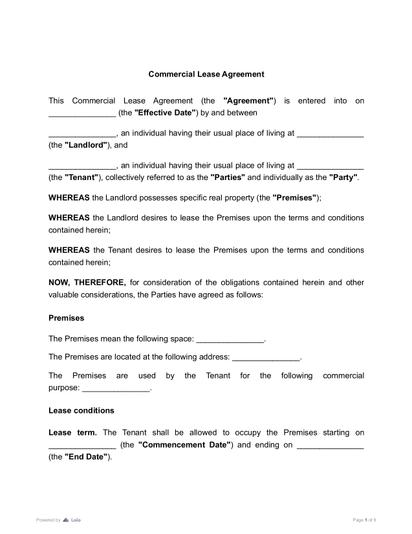
So, what does the term commercial net lease mean? A commercial net lease is a lease structure where the tenant pays base rent plus some portion of the property’s operating expenses. Under the Internal Revenue Code (IRC), lease payments are generally deductible as ordinary and necessary business expenses. These expenses typically include property taxes, insurance, and maintenance. The more costs the tenant takes on, the “deeper” the net lease becomes.
There are three common types:
Single Net (N). Tenant pays base rent plus property taxes.
Double Net (NN). Tenant pays base rent plus property taxes and insurance.
Triple Net (NNN). Tenant pays base rent, property taxes, insurance, and maintenance.

The difference between triple net vs. gross lease is who pays the building's operating costs. In a gross lease you pay one rent figure, and the landlord covers property taxes, building insurance, and common area maintenance out of it. In a triple net lease — NNN — you pay a lower base rent plus your share of those three "nets," billed separately, so your total moves with the building's actual costs. That's why quoted rates aren't comparable: $22 per square foot NNN with $8 in nets costs the same as $30 gross, but only one of the two is predictable.
Which Lease Should You Choose (NNN vs. Gross Lease)?

Triple net (NNN) leases are most commonly used for single-tenant, freestanding commercial properties across the U.S., typically with long lease terms of 10–15 years or more.
In 2025, NNN cap rates stabilized at 6.9%. Although NNN leases place operating expenses on tenants, gross leases — where landlords cover these costs — are less widespread and are usually chosen for smaller spaces that require more flexibility.
If predictability is important
A gross lease is usually the safer choice. You know your costs in advance, which makes budgeting easier and reduces financial surprises. This option is often better for small businesses, startups, and companies with variable revenue.
If you can manage cost changes
An NNN lease may work if your business has steady cash flow and you’re comfortable handling variable expenses, especially when comparing a triple net vs gross lease structure. With proper planning and negotiation, it can be cost-effective over the long term.
Finally, consider how you handle the signing process itself. If the landlord gives you time to review the lease, use it wisely. Go through the agreement carefully, organize comments, and manage revisions through the contract management platform rather than rushing to sign. Digital tools allow you to track changes, store versions, and use e-signature features to finalize the agreement securely and efficiently. This way, both parties have a clear record of the final terms — and you can use your time more productively to focus on running your business instead of chasing paperwork.
Bottom Line
There is no universal “better” option between comparing a gross lease vs. NNN — the right choice depends on how your business operates and how much financial risk you’re prepared to manage.
A gross lease works well if you value predictable monthly payments and simpler budgeting. It reduces administrative work and shields you from sudden increases in property-related expenses, which can be helpful if your margins are tight or your cash flow needs stability. The primary risk in 2026 for NNN tenants is “CAM leakage” – the passing of capital expenditures as routine maintenance. Ensure your lease includes a robust Audit Rights clause to verify landlord transparency and prevent overbilling. It can be cost-effective in stable markets, but it requires attention and financial discipline.
The real question is not just “Which lease is cheaper?” but “Which structure fits my business model, risk tolerance, and long-term plans?” The best lease is one that supports your growth without creating unexpected financial pressure down the road.
More guides
September 1
7 min read
How to Provide Proof of Employment: Documents and Steps

July 22
9 min read
Rent a Space for Business: Commercial Leasing Guide

July 26
10 min read
Commercial Real Estate Leasing Process: 2026 Guide

July 20
12 min read
How to Sublease Your Office Space: 5 Steps to Protect Your Business

July 24
4 min read
What Is a Fixed-Term Lease, and How Is It Different From an Automatic Renewal Lease?

July 20
4 min read
Addendum vs. Amendment: Change Your Purchase Agreement Properly
One home for your
agreements
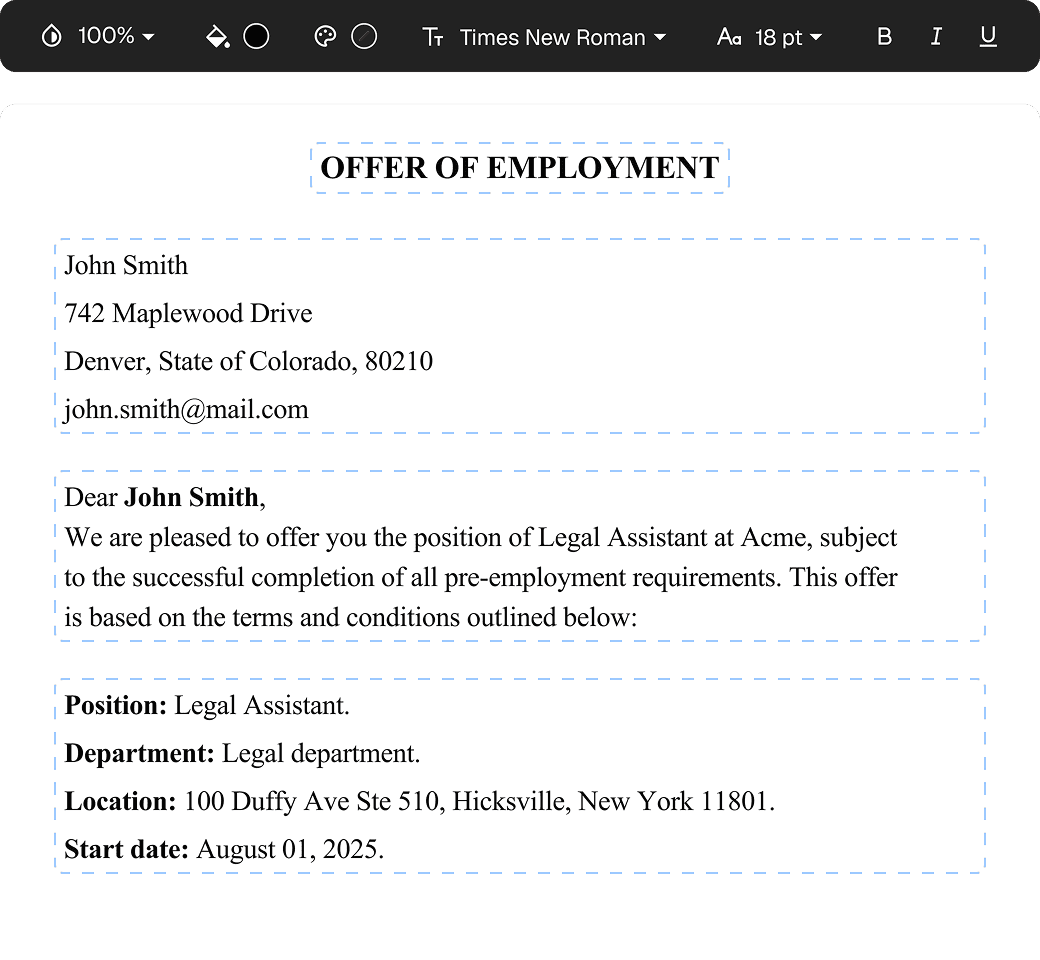
Edit PDFs seamlessly
Tweak agreements before signing or sending for signatures. Update details, add or remove clauses, adjust formatting, and redline changes instantly.
eSign legally and securely
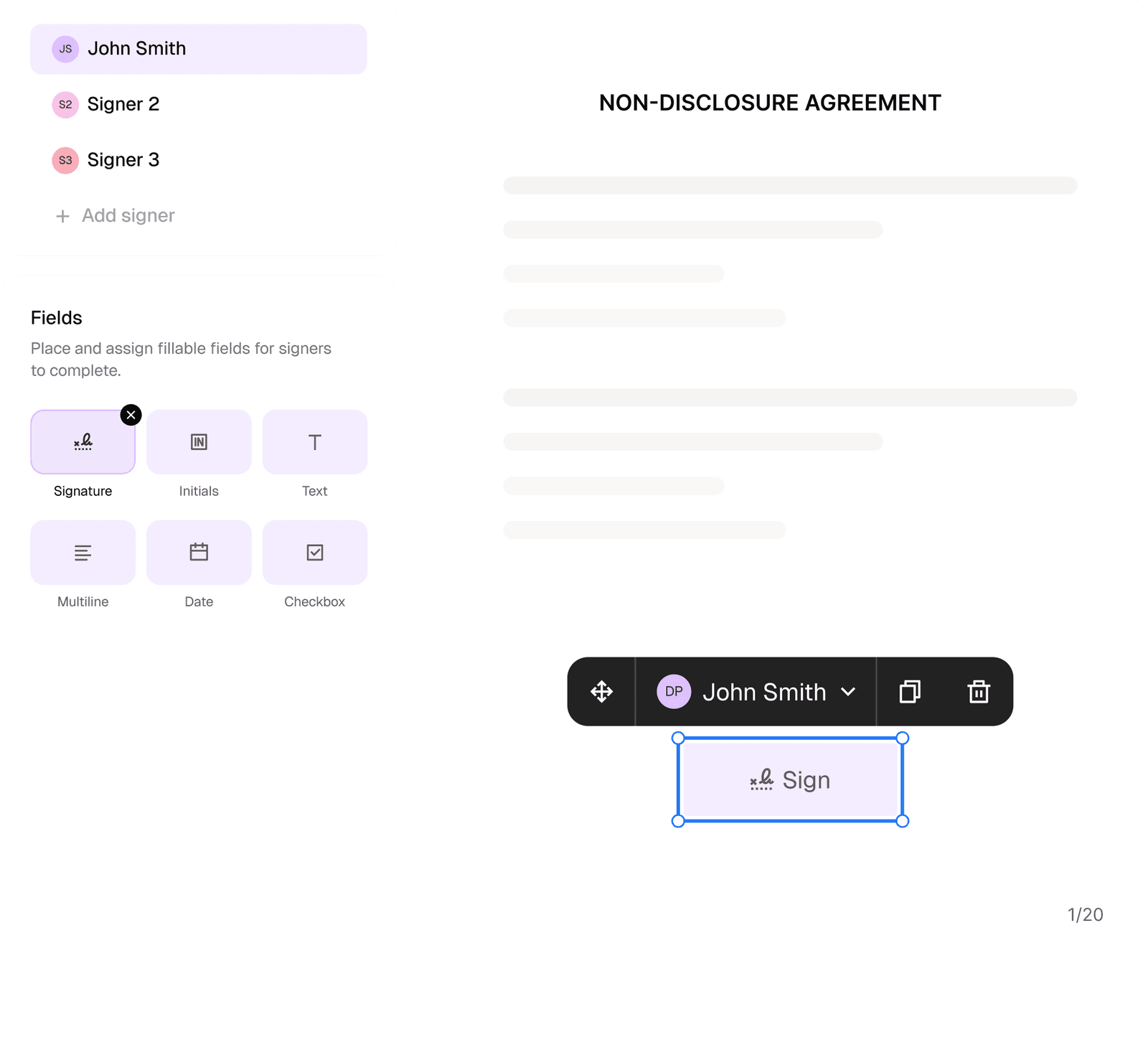
Sign documents and collect legally binding signatures. Invite up to ten people to sign in any order, track the progress, and send reminders.
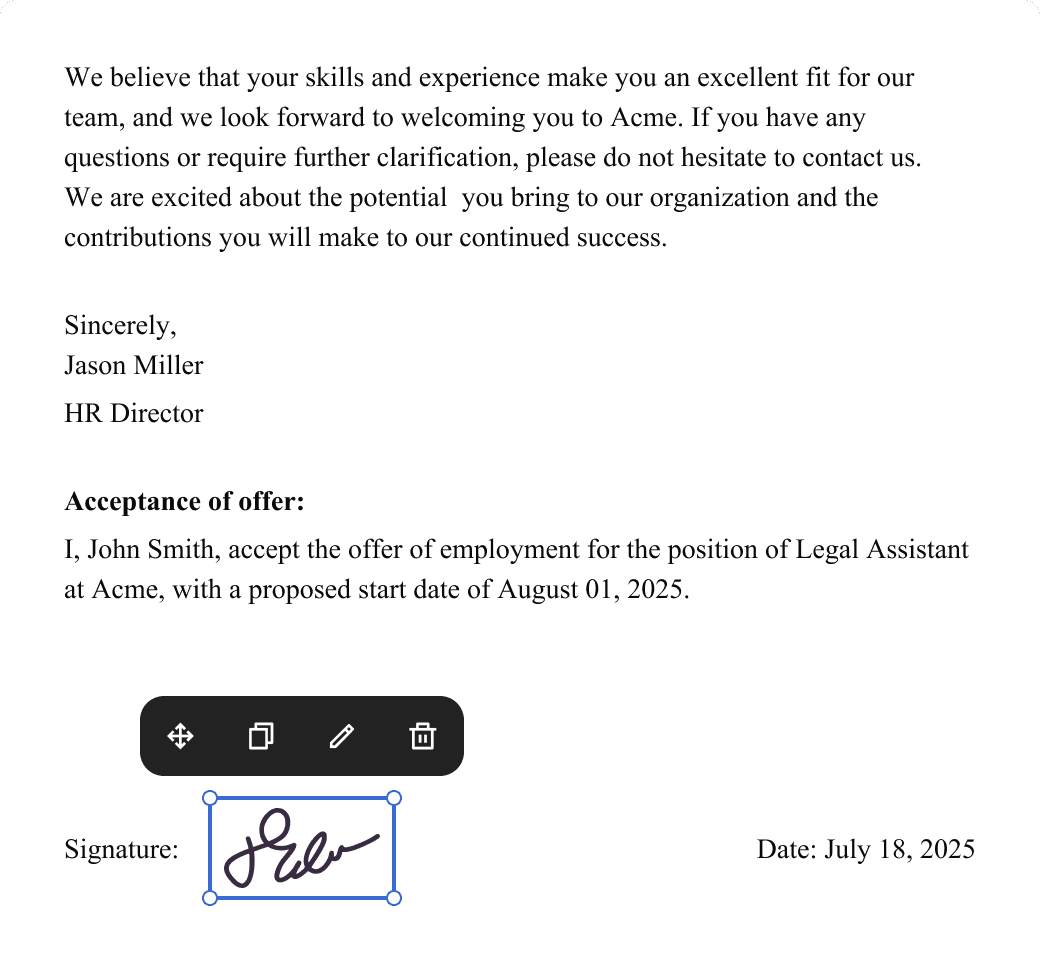
Request legally binding signatures
Invite up to ten people to sign your document in any order. Get a finalized, audit-ready copy without chasing signatures.
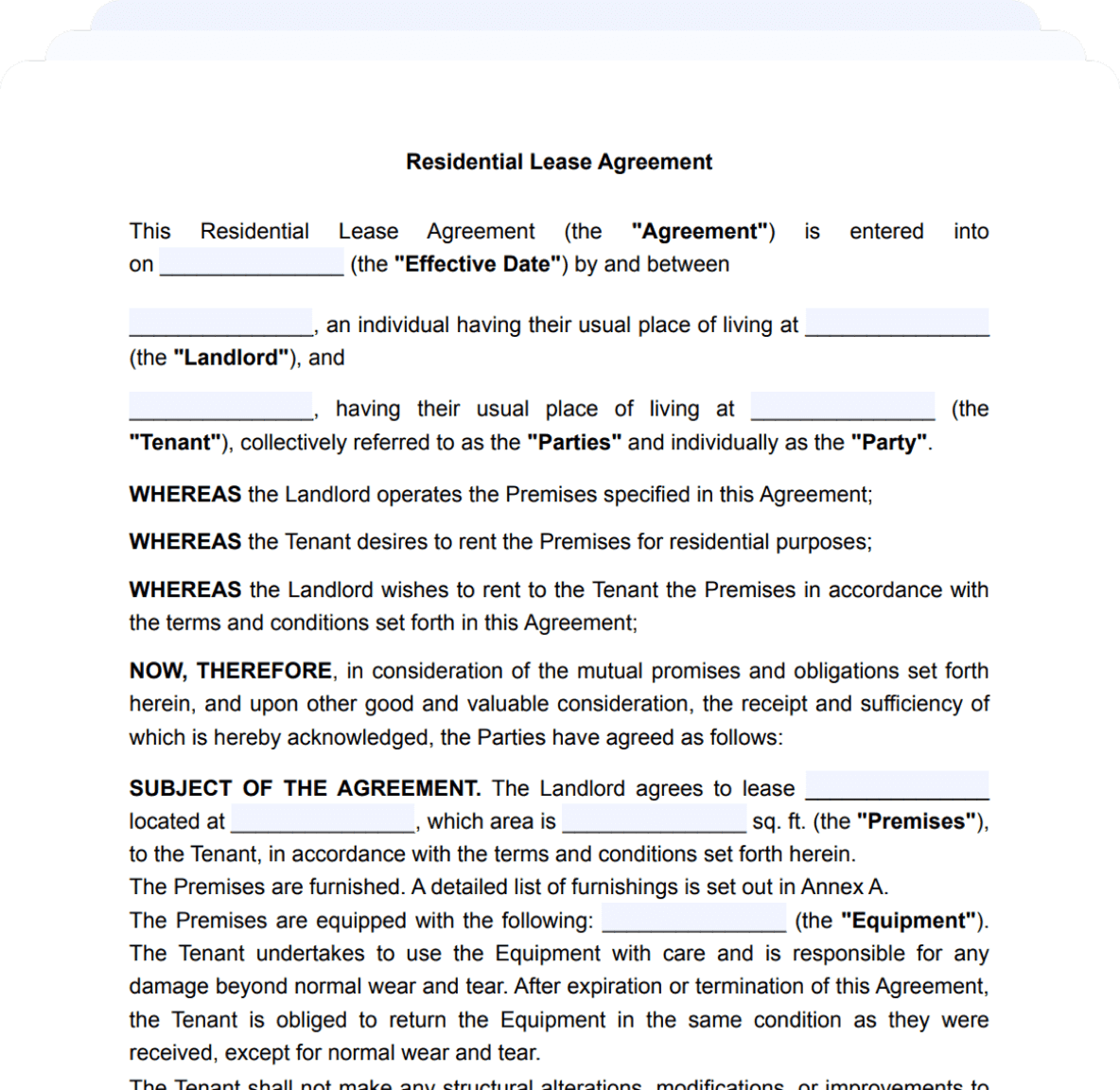
Skip the drafting.
Choose from 2,500+ templates
Browse templatesChoose a template
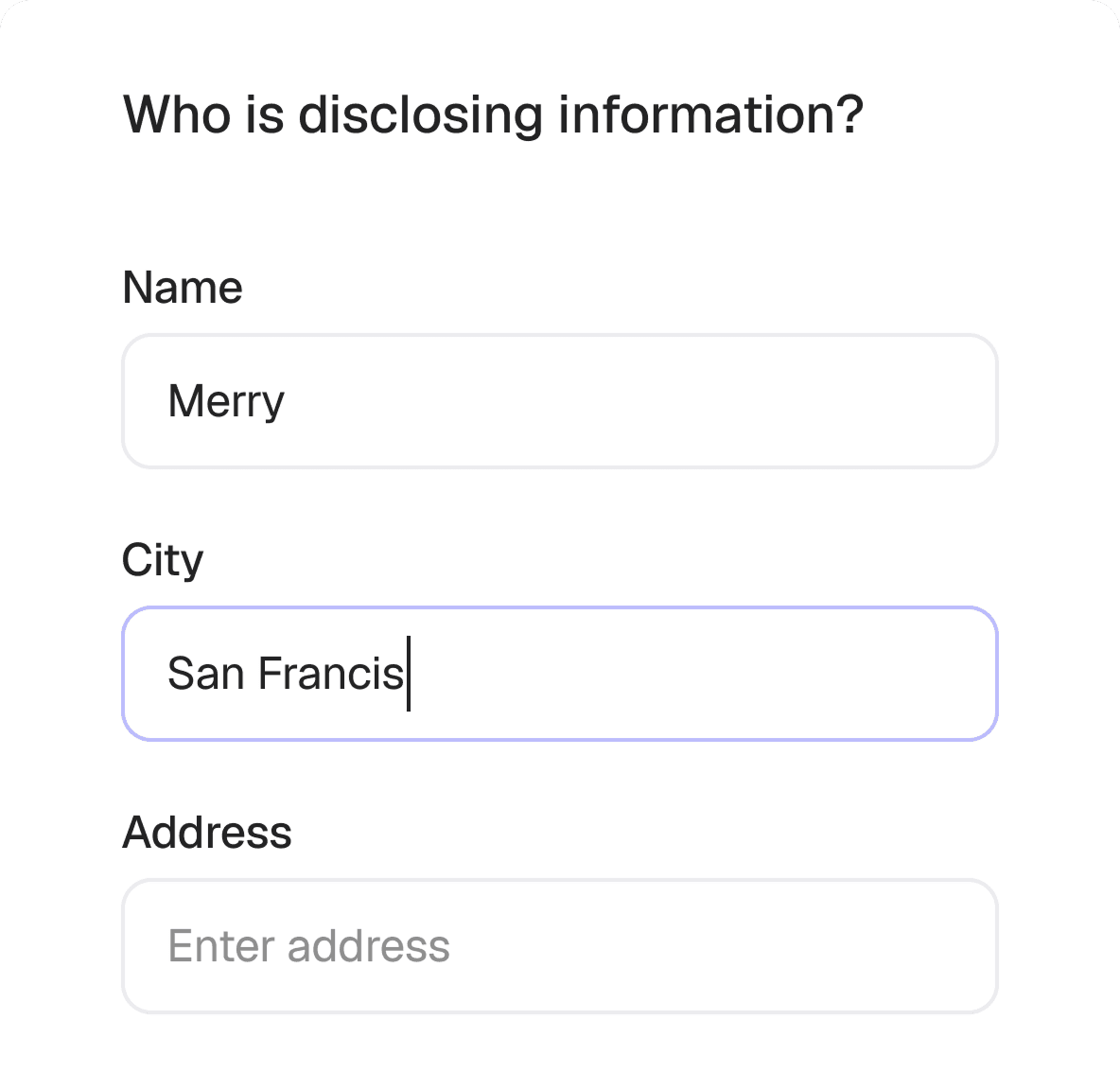
Fill in details
Sign and download