Updated July 20, 2026
13 min read
How to Choose a Business Consultant to Grow Your Business

How to Choose a Business Consultant to Grow Your Business
Content
There often comes a moment when entrepreneurs need external help to grow their businesses. It’s not an issue of unprofessionalism or poor management. Sometimes, you simply need an outside perspective from people with a fresh view. Business consulting is booming: the management consulting market size alone has reached more than $1 trillion today. It’s not surprising, since the average company revenue gained after working with a management consultant is around $197,000.
That is why hiring a business consultant, even for a small- to medium-sized business (SMB), can be important. But because the business consulting industry lacks specific legal guidelines governing service delivery, entrepreneurs may need some guidance. This practical guide explains how to choose a business consultant who can deliver the greatest benefit to your venture.

How to Find a Business Consultant: Internal Assessment
Every company has its own business demands. When businesses choose business consultants without a clear plan, they don’t have a clear direction to move in. Since stumbling in the dark is hardly a smart business solution, begin with a peek inward.
Define your business goals
Begin by evaluating your actual needs. According to the Occupational Safety and Health Administration, business consultants can assist with a range of business needs, from economic and educational to business and agricultural. Some businesses seek to improve their sales, while others seek diversification, digital transformation, or supply chain improvement. This stage is particularly important because many beginner-level business consultants often focus too much on sales or revenue as their primary targets. Business goals determine consultant fit.
How to choose a business consultant with metrics
Establishing strategic planning milestones ensures that both parties are aligned. When drafting your engagement documents, these metrics often transition into Key Performance Indicators (KPIs).
In many jurisdictions, if a consultant guarantees a specific outcome that is written into the agreement, it can shift the legal nature of the contract from a “best efforts” basis to a “result-oriented” obligation. This is why many business consultants often obtain errors and omissions (E&O) insurance. This insurance ensures they are financially covered if sued by their clients for subpar performance.
Prepare your agreement
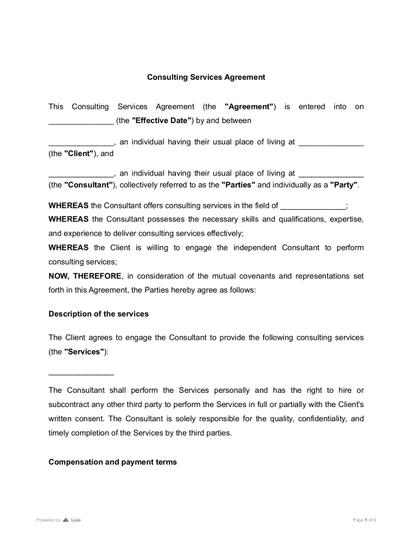
A Consulting Agreement highlights the objectives, deadlines, rates, and confidentiality expectations between you and your future business consultant. It protects the intellectual property of your company so that a business consultant wouldn’t be able to share their findings with third parties. Although you’ll adjust once you are in the finishing stages of your agreement, you can already prepare your rough version.
How much does a business consultant cost?
Every business consultant sets their own fees, and the cost depends on many factors: from their experience to the complexity of your problem. Some sources suggest that an hourly rate for a business consultant can range from $100 to $350+, especially on larger, more established platforms. Rates can be lower on freelance websites such as Fiverr; some consultants might charge as little as $30 per hour. Nonetheless, finding a relevant and trustworthy consultant is more difficult.
What is the McKinsey Rule of Three?
If you have too many criteria or too many options when deciding between the candidates, you and your co-owners can use the McKinsey Rule of Three. This rule is simple: things are most successful if grouped in threes. It simplifies the solution and can help you decide on the best candidate in a more organized manner:
- 1
Identify the top three candidates.
- 2
Compare them across three core pillars: industry expertise, project management approach, and estimated ROI.
- 3
Define the three primary risks you need your contract to mitigate (e.g., confidentiality, liability, and ownership).
How to Hire a Business Consultant With a Perfect Fit
After you’ve identified your primary business needs, it’s time to begin your search from a large and often unregulated pool of candidates. Learning how to hire employees and business consultants is different: you have dissimilar expectations and on-the-job standards for both. And so it means you’ll focus on rather specific criteria.
Check their professional certification
Unlike many other professions, business consultants do not need a specific professional license to practice. However, you can still evaluate their proven skills. Consultants must obtain a general business license or registration required by their local municipality or state to operate legally. If you need a consultation in a narrower field, such as finance or marketing, it might make sense to look for specialists with proven professional certifications or licenses.
Around 67% of business consultants have a Bachelor’s degree.
Expect industry expertise
Expertise and skills depend on the consultant’s niche. The top 3 industry paths for business consultants are Fortune 500, technology, and finance. This gives them an understanding of the unique competitive landscape and the main target audience.
Pay attention to the cultural fit
A cultural fit isn’t just a hypothetical want when you choose a business consultant — because they deal with large-scale questions, they need to suggest solutions that will fit your brand. During the profile-building phase, decide if you need a challenger who will disrupt your current thinking or a collaborator who will work alongside your existing team.
The Sourcing and Vetting Process
Businesses can find consultants fast, but finding a good one takes time. This stage is where your internal assessment will meet market reality.
Where to look
Try several channels to find potential candidates.
Professional websites. Platforms such as LinkedIn make it easier to find business consultants and browse their work history and relevant experience. Nonetheless, they require more rigorous filtering.
Word of mouth. If you’re a smaller business owner operating in a relatively tight-knit community, try local candidates. Look who’s been working with your competitors or who has become known due to their impact on a company.
Specialized platforms. Websites such as Consulport and Toptal feature hundreds of consultants, with reviews and filtering options. Some small business owners share success stories with Upwork or Fiverr, but this is more of a gamble. Going for freelance websites has its risks, so they should be considered if your needs or focus are niche.
The initial screening
The initial screening ensures you protect yourself before spending resources on the interview. Look for proof of work and case studies that demonstrate past successes. While licensing is a good sign, seeing real-world examples of their success is far more foolproof.
Interview
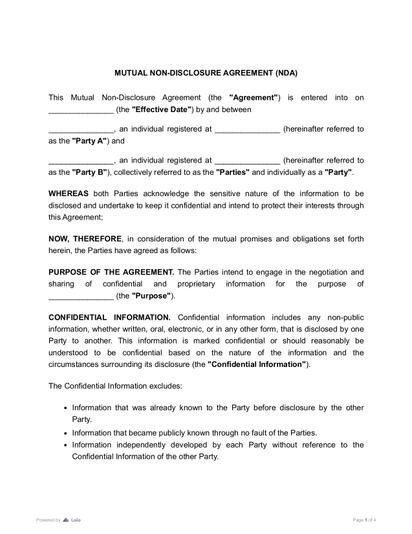
Many business owners wonder how to protect their intellectual property. Before you invite candidates for an interview, eSign a mutual non-disclosure agreement (NDA) with them. This rule is critical for all businesses, regardless of how long they’ve been on the market: an oral confidentiality agreement is rarely sufficient in a commercial dispute.
An interview with your business consultant is only slightly similar to a traditional job interview. When hiring a business consultant, ask them about how they might solve a specific business scenario relevant to your problem. Business goals determine consultant fit, so use this time to see if they naturally speak the language of your industry’s specific legal bindings and compliance rules.
Evaluating the Proposal
After the interviews, the consultants who made the shortlist will provide you with a business proposal. This is essentially a blueprint for how they want your collaboration to move forward. It is the most important document you will review before signing a contract, as it outlines exactly what you are paying for.
A good business consultant offers a clear:
Methodology
Scope
Deliverables
Execution plan
The proposal shouldn’t be vague: you’re testing strategic views, and it means you need specific propositions that make sense. Ensure the work plan explicitly mentions any regulatory or institutional standards they must adhere to (e.g., ISO standards or local labor laws). Sometimes, this proposal gets finalized legally. If the proposal text is too tricky, you can always use AI contract review to check for red flags.
The project management approach
The proposal should explain all the hows of the plan. Will they be working on-site? Do they use specific software? How often will they report to you? This doesn’t necessarily mean they will do everything right — they only have limited information for now. But this will show their overall direction.
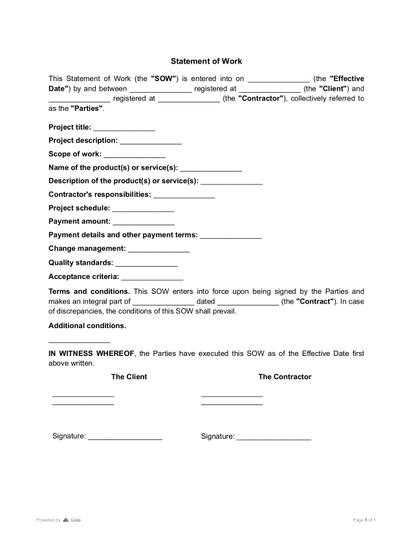
Once you agree on the proposal’s vision, those details (the dates, costs, and specific tasks) need to be locked in a formal document to prevent scope creep, and a Statement of Work is a good option for that.
What are the 5Cs of consulting?
Business owners can use the 5Cs of consulting to evaluate candidates’ proposals.
- 1
Context. The consultant must truly understand your specific business challenges and the legal bindings of your industry.
- 2
Content. Is the actual advice and data provided high-quality?
- 3
Complexity. Does the proposal simplify your problem or make it more confusing? A good consultant breaks down complex issues into manageable phases.
- 4
Communication. Is the project management approach clear? You need to know exactly how and when they will report progress.
- 5
Commitment. Does the proposal outline a clear path to Return on Investment? Consulting fees must justify the return on investment, and the consultant should be committed to your specific success metrics.
How to choose a business consultant with a ROI check
One of the most common mistakes a potential business owner can make is to consider only the cheapest option without accounting for the return on investment (ROI). Consulting fees must justify the return on investment. A strong proposal and a high-profile candidate will demonstrate how their industry experience improves the quality of recommendations.
To calculate your return on investment, subtract the total cost of the consultant’s services from the financial gain or savings they generated. Then, divide that net profit by the initial cost to determine the percentage of wealth created.
ROI Calculation

Sometimes, it’s not entirely clear how to guess a potential financial gain. Look into value drivers, such as:
Hours saved
Reduced risk of non-compliance penalties
New revenue opportunities
These estimates can help you understand if your potential contract is worth it.
Rather than manually calculating ROI for each consultant, use a reliable online calculator to save time.
How to Hire a Business Consultant During Onboarding
After vetting the proposals, you must formalize the relationship to finally jumpstart your professional relationship.
Reference checks
Running reference checks on your consultant gives you a better understanding of how well they performed on previous projects. Ask them about budgeting, successes, failures, and communication. That’s also a moment for you to ask the other business about what they might have done differently in the past to improve the collaboration. This will give you some hints on what to do with your chosen applicant.
The agreement
Signing a contract is the final and most important stage of ensuring you’re on the same page with your new consultant and that both of you are secure in the agreement. That’s when you finally sign your agreement after editing the PDF of your initial draft.
What’s next?
If you’re wondering when you might expect the results, the exact deadline varies. Nonetheless, we can discern specific steps from the success of your business consulting by looking at the phases.
Absorptive Capacity (ACAP) is a business concept that describes a firm’s ability to take consulting insights and apply them to its operations. ACAP has four primary stages of knowledge acquisition.
Stages of Knowledge Acquisition

According to research, the stage of exploitation is when the company finally yields the most results. Once the new changes are fully absorbed by your team, you start to see the main benefits.
Leveraging Intelligence
Hiring a business consultant is a strategic choice. Most SMB owners have limited resources, which might call the opportunity to invest in consulting services into question. Yet, if you are witnessing a dead end or want to expand beyond the visible horizons, this choice is ultimately worth it.
More guides
September 1
7 min read
How to Provide Proof of Employment: Documents and Steps

September 10
14 min read
How to Protect Your Small Business from Lawsuits

September 11
6 min read
Employment Contract Mistakes Small Business Owners Often Make
August 27
4 min read
Forms W4 vs W2 vs 1099: What’s The Difference?

August 14
11 min read
Right to Work vs. At Will Employment Explained: What's the Difference?

October 15
How to Start a Staffing Agency: Licensing, Pricing, and Cash Flow

One home for your
agreements
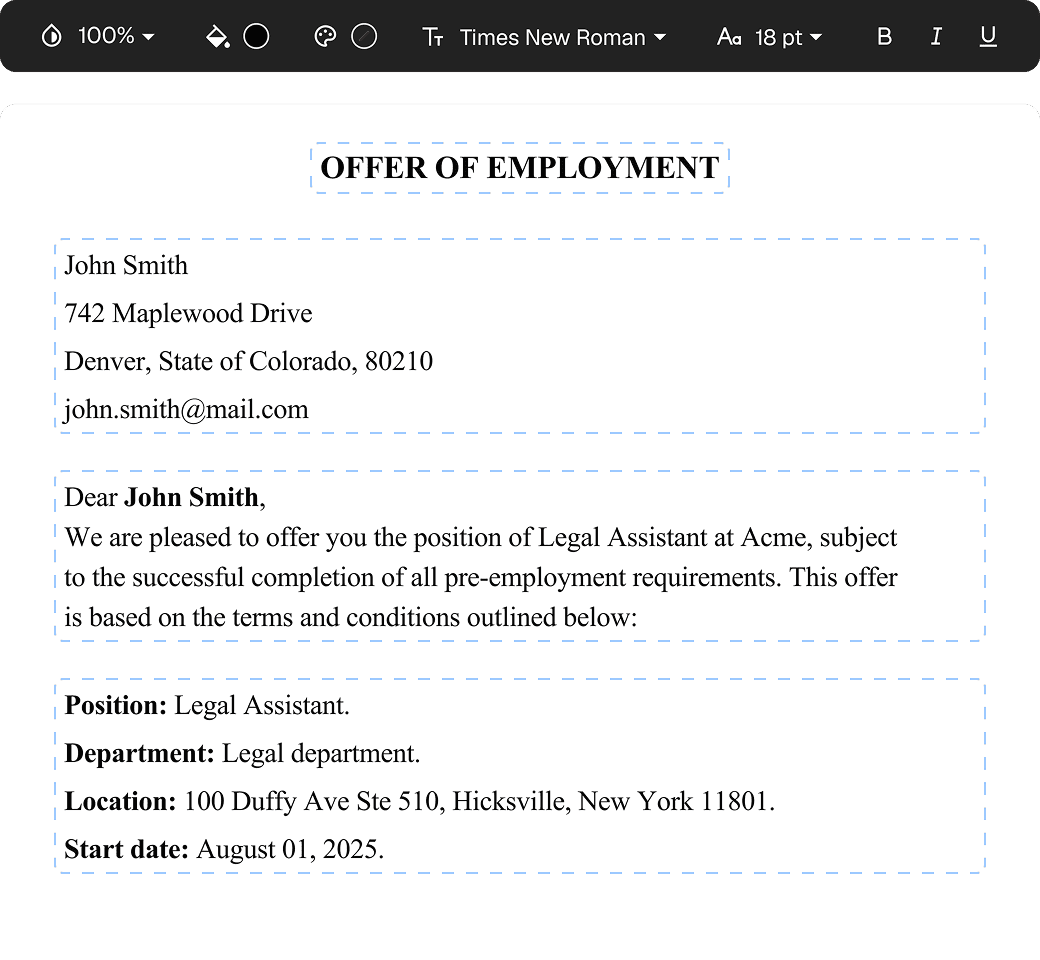
Edit PDFs seamlessly
Tweak agreements before signing or sending for signatures. Update details, add or remove clauses, adjust formatting, and redline changes instantly.
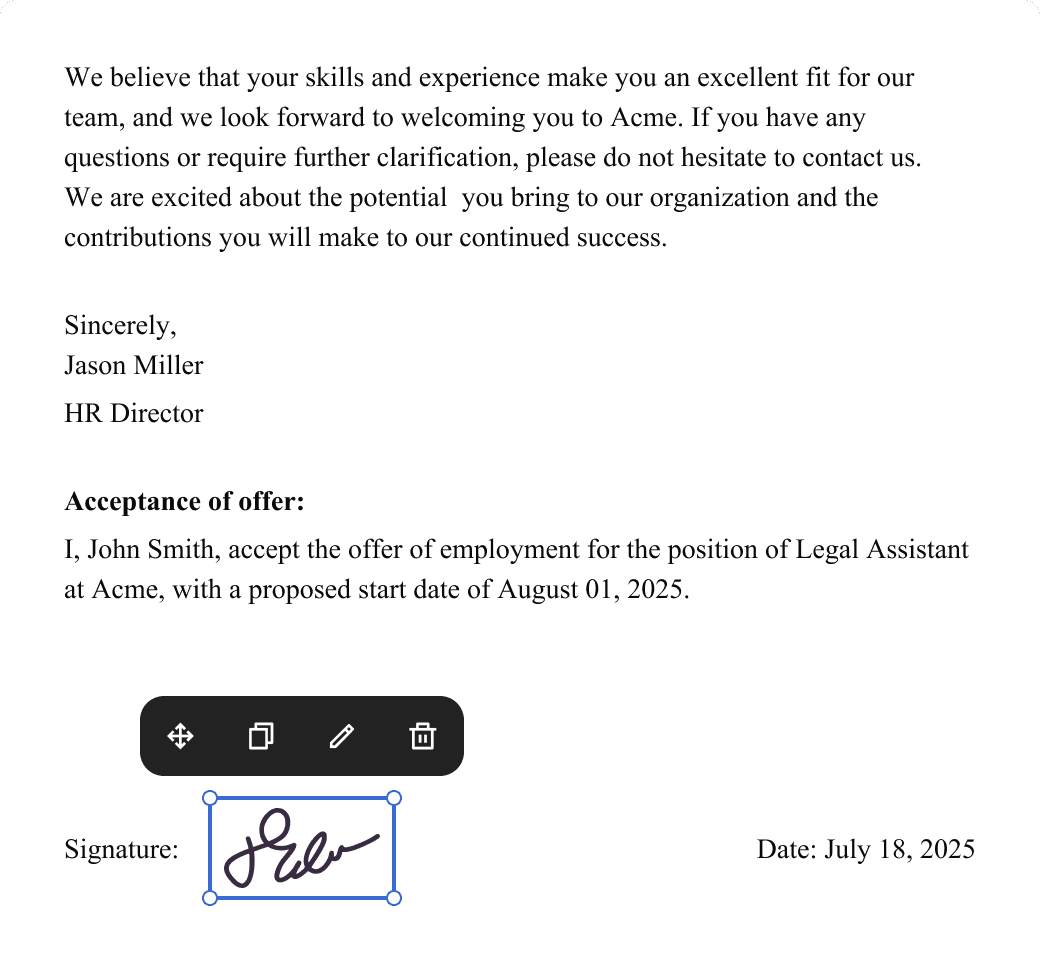
eSign legally and securely
Sign documents and collect legally binding signatures. Invite up to ten people to sign in any order, track the progress, and send reminders.
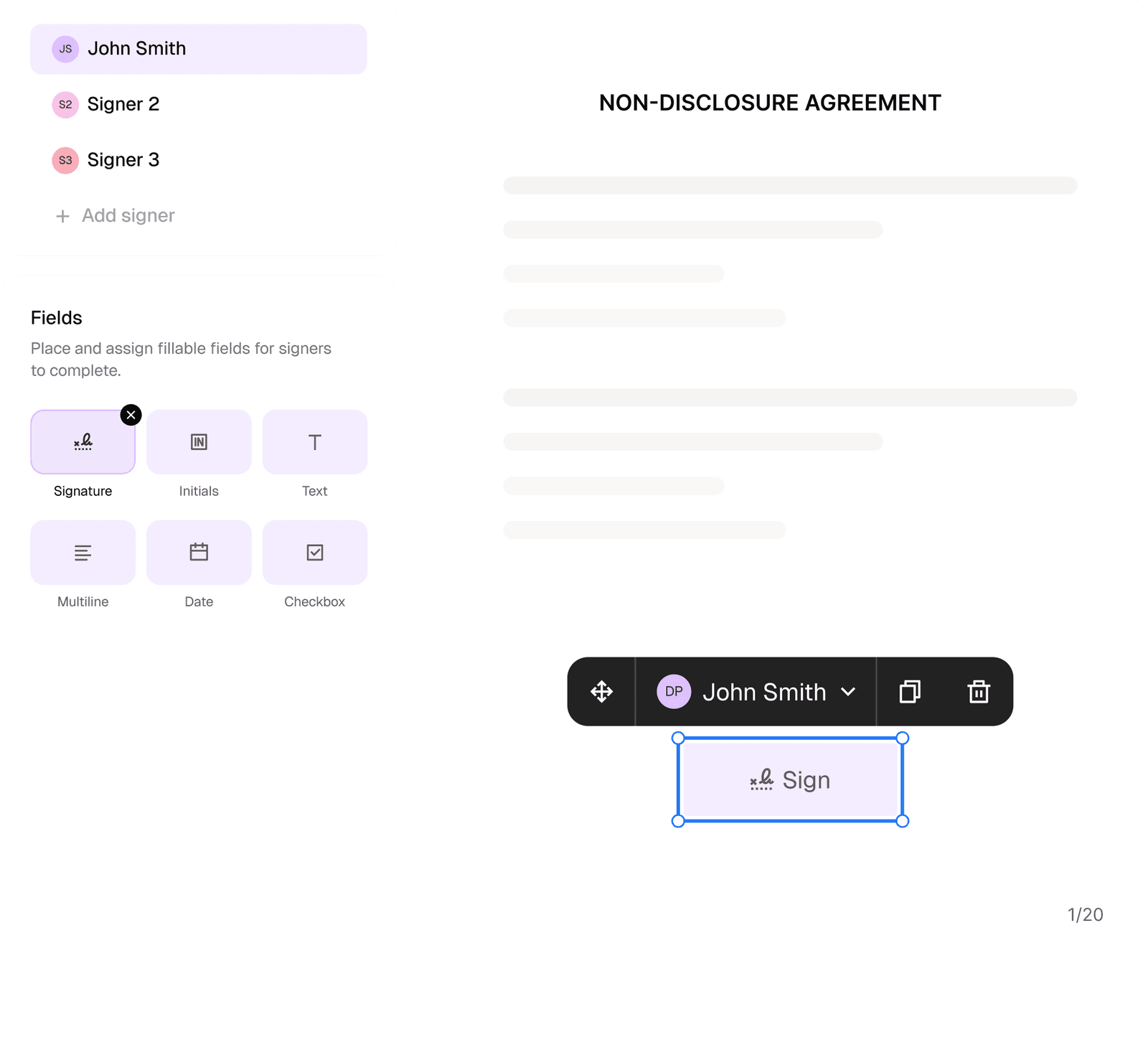
Request legally binding signatures
Invite up to ten people to sign your document in any order. Get a finalized, audit-ready copy without chasing signatures.
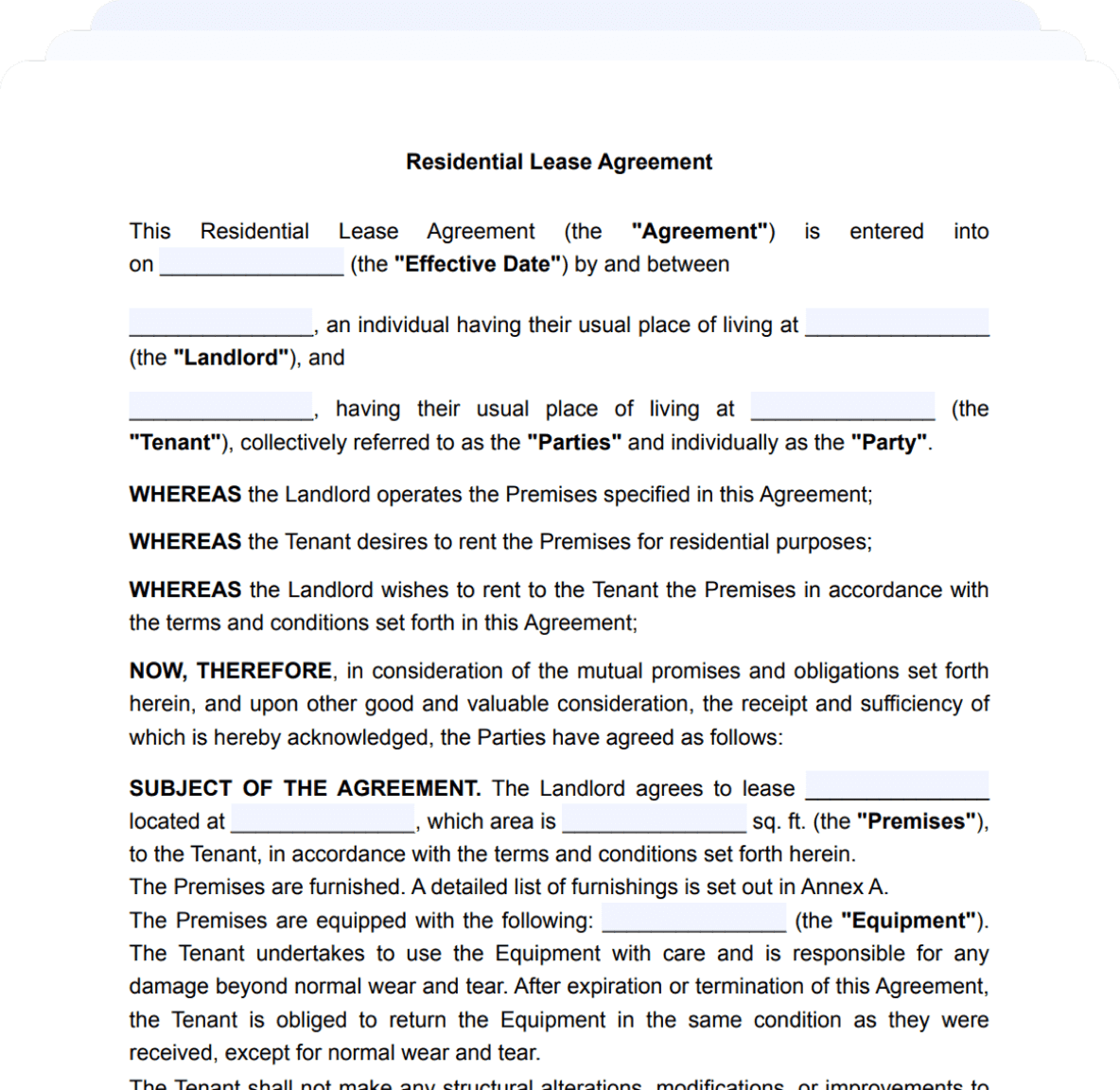
Skip the drafting.
Choose from 2,500+ templates
Browse templatesChoose a template
Fill in details
Sign and download