
Updated August 20, 2026
9 min read
How to Set Up Payroll for Small Business: Employer Guide
How to Set Up Payroll for Small Business: Employer Guide
- Apply for an EIN Before Your First Payroll Run
- Collect W-4 Withholding Details Before Processing the First Paycheck and Tax Calculation
- Set Up Federal and State Payroll Tax Deposits from the Start
- Connect the Payroll Account to a Business Bank Account and Confirm Employee Payment Information
- Configure Benefits, Deductions, and Contribution Settings Before Running Live Payroll
- Step-by-Step Guide: Setting Up Your First Payroll
- Final Thoughts
Content
So, you have decided to become an employer. That’s an exciting milestone that comes with a lot of challenges and responsibilities. No matter if you just decided to hire a nanny or launched a startup, you still will become the leader of a professional operation.
At that time, you start to wonder how to start payroll, and you might think that it will take lots of paperwork. The good news is, it is not so nowadays.
Setting up payroll is a logical process regulated by specific federal and state laws. If you carefully follow the steps of this process, you protect yourself from expensive fines and ensure your employees are paid fairly and legally, which is a win-win for everyone.
This guide will get you acquainted with the essential steps of setting up payroll for small business owners and household employers.
Apply for an EIN Before Your First Payroll Run
When setting up a business, every employer obtains their Employer Identification Number (EIN).
This is a necessary move to make, even if that business is just your household. The EIN serves as a kind of legal identity for your business, a Social Security number for your payroll. Without it, you can’t legally report taxes to the government or issue a Form W-2. So, if you are wondering how to set up payroll for small business operations, this is always step number one.
When you have your EIN, you need to contact your State’s Department of Labor or Revenue to get a state tax ID.
This ID allows you to hold back state taxes from paychecks and pay into unemployment insurance, which is a legal safety net for your staff. This is a requirement from the IRS.
Timing is important, so do not wait until the very last day. The entire registration process has to be completed 15-30 days before your first official pay date. This is necessary to ensure that all systems are synced, your employee gets their money on time, and you avoid any late-filing penalties.
Collect W-4 Withholding Details Before Processing the First Paycheck and Tax Calculation
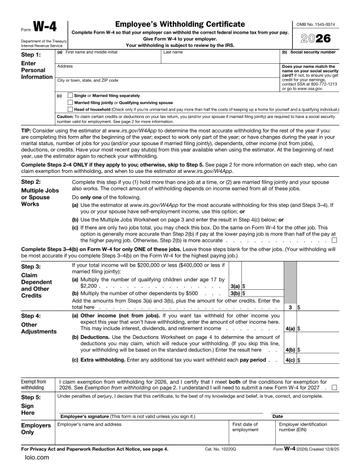
When you are ready to bring on your first hire, you need to gather the necessary data from them. An employee submits tax withholding information by completing Form W-4—this one serves as the legal foundation for your payroll calculations. Keep in mind that from 2026, W-4 now includes worksheets for employees to account for new tax laws, like the “No Tax on Overtime” deduction. So, make sure you are using the most current version. You can search for templates online and use the PDF editing if you need anything changed. If your employee refuses to fill out a W-4, the law requires you to withhold taxes at the highest possible rate.
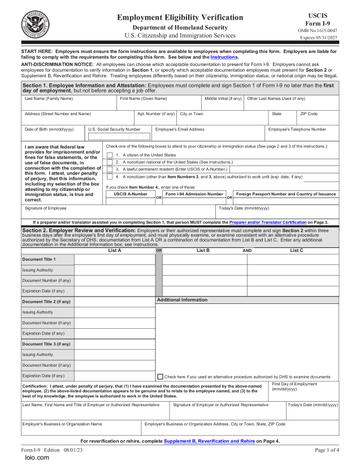
To legally hire an employee, you also have to verify their identity and work authorization,as mandated by the Immigration Reform and Control Act (IRCA). You can collect this info with the Form I-9. Everything can be done online, including the electronic signature, so the process won’t take long.
And while W-4 and I-9 forms are vital for payroll, they are just a few of the Essential HR Documents for US Small Businesses required to keep your company fully compliant with federal labor laws.
Set Up Federal and State Payroll Tax Deposits from the Start
Here comes the time for doing some math.
When you are figuring out how to make payroll yourself, you need to remember that the “gross pay” is not what your worker actually takes home. Yes, it is the total amount they earned, but you need to step into the role of a middleman for the government, meaning you ought to take parts of that pay and send it to the right places.
The Federal Insurance Contributions Act (FICA) requires a total of 15.3% of the employee’s wages to be paid toward Social Security and Medicare. You share this payment with your employee:

Some more of your expense items would be Federal and State Unemployment taxes (FUTA and SUTA). In 2026, the FUTA rate is 6% on the first $7,000 of wages.
Mind the deposit schedules: late payments can trigger penalties of up to 15%, according to the IRS.
Connect the Payroll Account to a Business Bank Account and Confirm Employee Payment Information
When everything is almost done, the worst mistake you can make is paying your staff out of a personal checking account. You need to keep your records safe and clean and follow the Fair Labor Standards Act (FLSA). According to its recordkeeping rules, employers should open a separate bank account just for payroll.
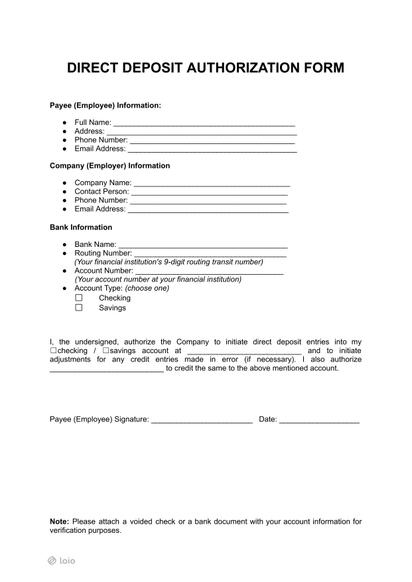
Most employees find direct deposit preferable. And you can set it up quite fast, all you need to do is:
- 1
Get a filled-in Direct Deposit Authorization Form from your employee that would include their routing and account numbers;
- 2
Make sure that you verify your funds: most banks require you to have the money in your account at least 48 hours before payday.
You can record all your expenses in a Financial Documents Checklist for Small Businesses for clarity.
Configure Benefits, Deductions, and Contribution Settings Before Running Live Payroll
If you have made the decision to offer your employee more than just a base salary, you need to carefully categorise pre-tax and post-tax “bonuses” before you run your first “live” payroll. But what is the difference?

Health insurance and employer-sponsored retirement savings plans, known as 401(k), remain among the most popular benefits. And if you consider providing them to your employee, remember the following:
- 1
Ensure your system is updated for the 2026 401(k) limit of $24,500 and the new Health FSA limit of $4,400;
- 2
Get familiar with the Employee Retirement Income Security Act (ERISA) that regulates how you handle retirement plans (you can make a fast and convenient AI summary online);
- 3
Make sure that company contributions to retirement plans are deposited on time; you can set up automatic reminders for that.
Step-by-Step Guide: Setting Up Your First Payroll
If you need a brief and clear guide on how to easily start payroll, follow this simple checklist:
Step 1. Get your numbers
Apply for your Federal EIN. Then, register for a State Withholding ID and Unemployment Insurance (UI) account. Don’t use third party websites; make sure to exploit only official ones, like your state’s tax or labor website.
Step 2. Establish your pay schedule
Decide how often you want to pay your taxes. You can do it weekly, bi-weekly, or twice a month. In most states, you are free to choose when you pay, but make sure to double-check your state laws beforehand. Some states, like California or New York, have very specific rules about how often you must pay your employees, so you need this information in advance.
Step 3. Deal with the paperwork
Have your employee fill out the W-4 and I-9 forms. If you are not planning on hiring many people and only wonder how to set up payroll for 1 employee (a nanny, for example) in a home setting, ensure you have a written contract that lists their duties, hourly rate, and benefits.
Step 4: Calculate your first paycheck
Here, determine your “Gross-to-Net” amount. This includes the following:

This is how you will get the Net Pay sum (also known as the “take-home pay”).
Step 5: File and pay
As the last step, issue the paycheck. If you find it more convenient, you can issue a direct deposit instead, too. Then, log into the Electronic Federal Tax Payment System (EFTPS) and send the withheld taxes and your employer-share taxes to the government. This service allows you to schedule your tax deposits immediately, which is quite handy.
Final Thoughts
Understanding how to set up employee payroll is a vital step when you are starting a business or hiring help. This simple, but meaningful act sets the foundation for trust between people. When your employee knows their taxes are being handled legally and correctly, and their paycheck will arrive on time, they have more focus and energy to do a good job for you.
The key is consistency, whether you use a certain service to set up a payroll account or decide to tackle how to do payroll yourself. And in order for your journey as an employer to be smooth and legal, you will have to follow the FLSA and stay current with IRS Publication 15.
Hiring an employee is a big step, and you have all the chances to make it professional and easy.
More guides
September 1
7 min read
How to Provide Proof of Employment: Documents and Steps

July 22
4 min read
Income Statement vs Profit and Loss Statement: Is There a Difference?

July 25
11 min read
Charitable Donations Tax Deduction: Eligibility, Limits, and Records
July 26
12 min read
How to Read a Profit and Loss Statement

September 10
14 min read
How to Protect Your Small Business from Lawsuits

July 25
12 min read
How to Register a Company in the US: What No One Tells You in 2026

One home for your
agreements
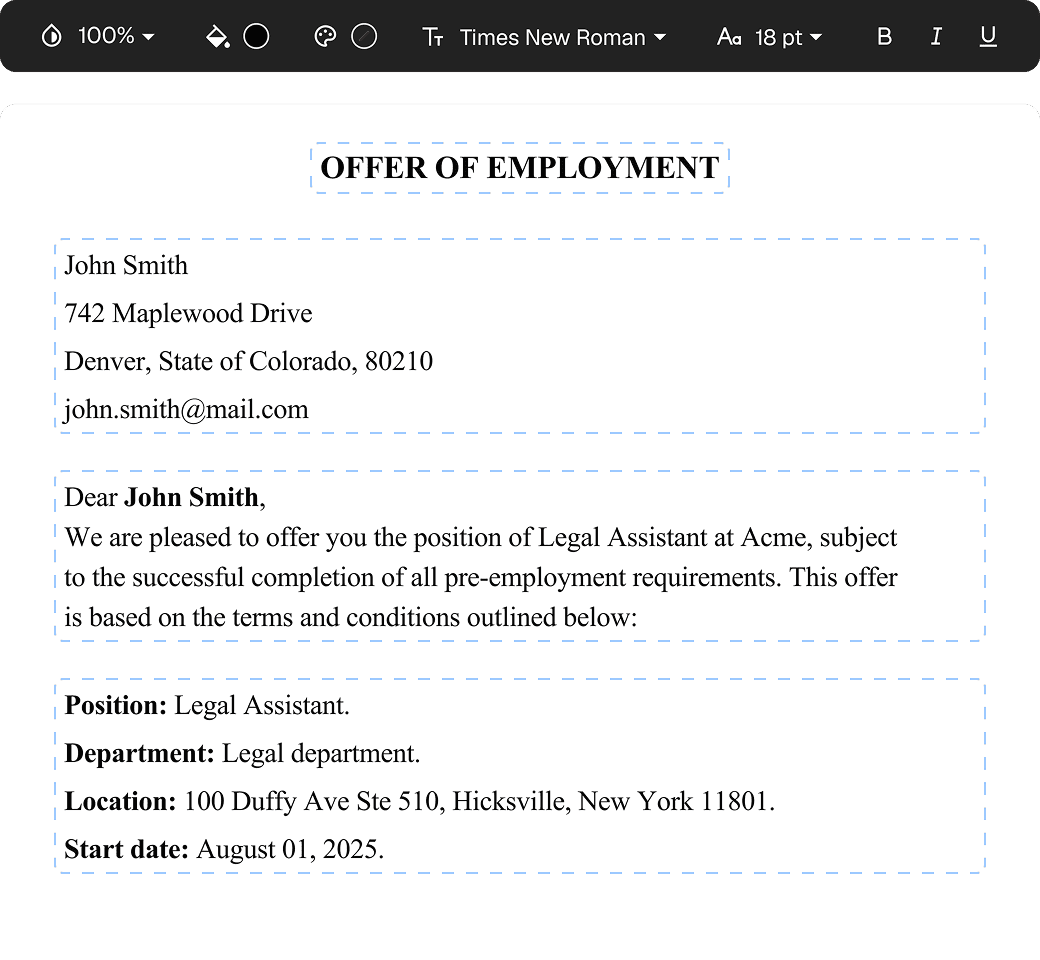
Edit PDFs seamlessly
Tweak agreements before signing or sending for signatures. Update details, add or remove clauses, adjust formatting, and redline changes instantly.
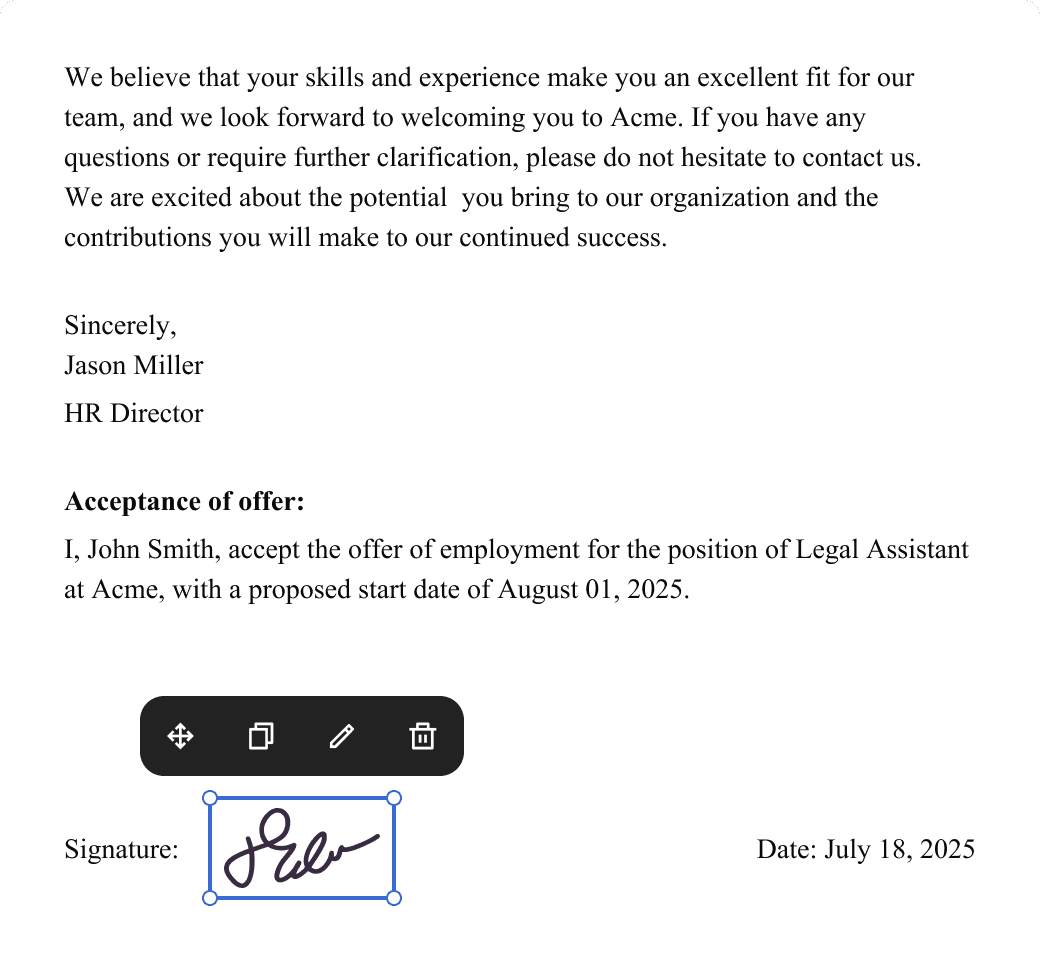
eSign legally and securely
Sign documents and collect legally binding signatures. Invite up to ten people to sign in any order, track the progress, and send reminders.
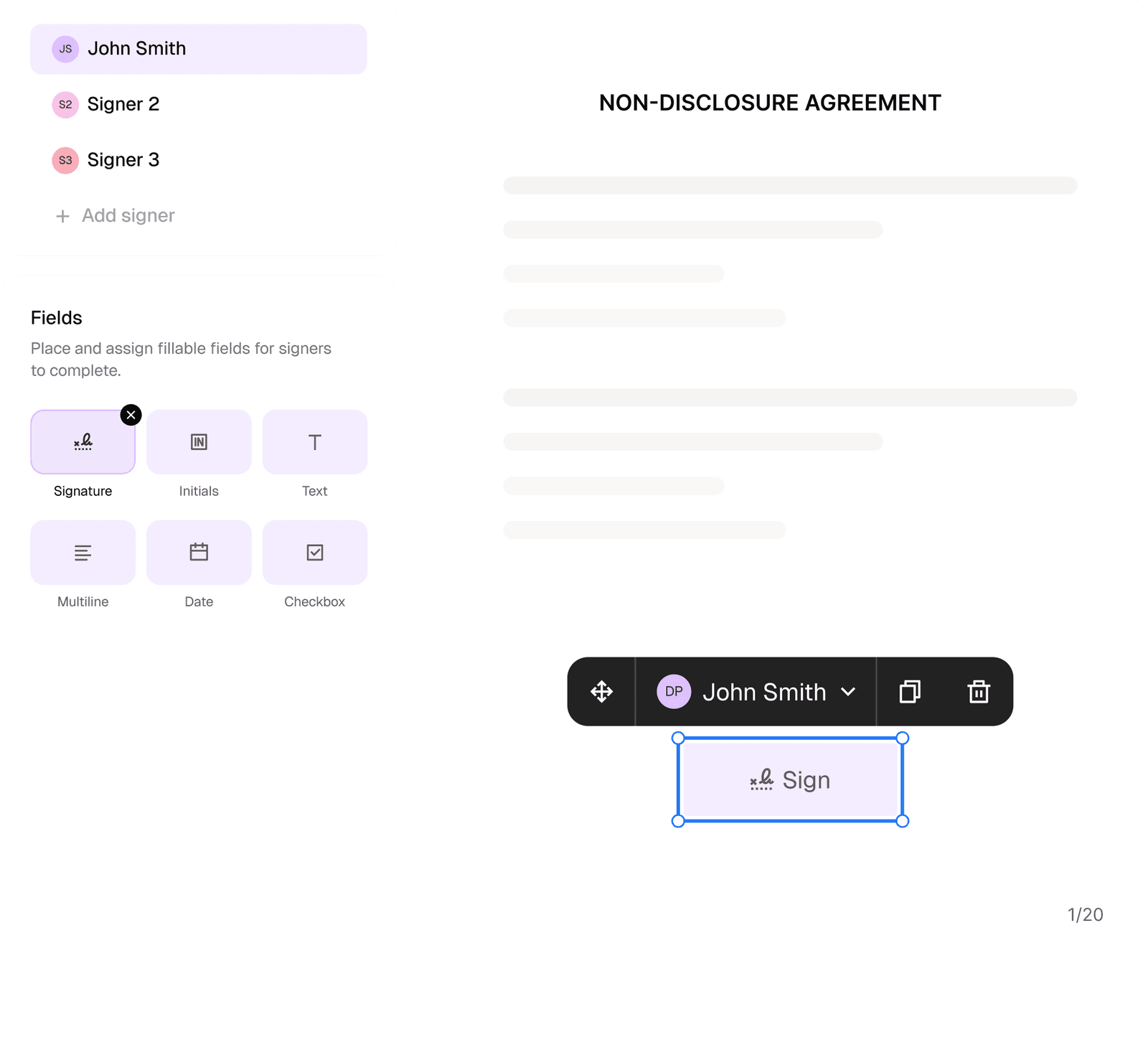
Request legally binding signatures
Invite up to ten people to sign your document in any order. Get a finalized, audit-ready copy without chasing signatures.
Skip the drafting.
Choose from 2,500+ templates
Browse templatesChoose a template
Fill in details
Sign and download