Updated July 20, 2026
10 min read
How to Start a Landscaping Business: Legal and Business Checklist
How to Start a Landscaping Business: Legal and Business Checklist
- Before You Start a Landscaping Business, Decide What Services You Want to Offer
- How to Create a Landscaping Business Plan
- Register Your Landscaping Business Legally
- Buy the Right Landscaping Equipment
- Protect Yourself from Risk When Starting a Landscaping Business
- Manage Landscaping Business Documents and Protect Your Business Legally
Content
Starting a landscaping business can be a great way to turn outdoor work into steady income. That’s where most future business owners first look into how to start a landscaping business. Landscaping is one of the few service industries where you can start relatively small and expand gradually. Many companies begin with basic lawn care and later move into irrigation, hardscaping, drainage work, or larger projects.
At the same time, landscaping businesses deal with constant operational costs and risks. Learning how to create a landscaping business will involve deciding what type of work you actually want to handle long term. A solo mowing route operates very differently from a company managing commercial contracts or larger landscape architecture projects. Your services, equipment, labor needs, and pricing structure will depend heavily on that decision.
Before You Start a Landscaping Business, Decide What Services You Want to Offer
Many new owners try to offer every landscaping service immediately. That usually creates unnecessary expenses early because different services require different tools, vehicles, pricing methods, and skill levels.
If you start with a smaller list of services, scheduling, estimating, and customer management becomes much easier.
Choose between lawn care, landscaping, or both
Lawn care and landscaping are closely connected, but they operate differently as businesses.

These services typically require different pricing strategies and equipment investments. Lawn care businesses often scale through route density and recurring schedules. Landscaping projects usually depend more on estimates, labor planning, and material costs.
Start with services that match your budget and experience
Some landscaping services require expensive machinery, trailers, and specialized experience, while others can be started with relatively basic equipment. Lawn mowing, cleanup, and trimming usually involve lower startup costs. Hardscaping, excavation, and irrigation work often require larger investments and more operational knowledge.
Many first-time owners start with solo-friendly services before moving into larger projects. This approach reduces financial pressure and gives you time to learn:
Scheduling
Estimating
Route planning
Equipment maintenance
Customer communication
Physical workload should also influence your decisions early. Landscaping work involves heat exposure, repetitive lifting, noise, dust, and long outdoor hours during peak season. Seasonal slow periods may also affect income depending on your location and service mix.
A successful landscaping business requires a business plan that accounts for those operational realities instead of focusing only on revenue potential.
Check local demand before investing
Before purchasing expensive equipment, spend time learning what customers in your area are actually paying for.
Strong market research helps identify which services have consistent demand locally and which areas already have heavy competition. In many cases, market research defines landscaping services more accurately than assumptions about what homeowners may want. You can start by researching local competitors carefully. Look at:
Their services
Online reviews
Pricing patterns
Service areas
Social media activity
Some neighborhoods may struggle to find reliable mowing services, or have stronger demand for drainage work and premium landscaping upgrades. Higher-income suburbs often invest more heavily in outdoor upgrades and appearance. At the same time, rental-heavy areas may focus mostly on affordable maintenance and cleanup services.
Pay attention to underserved niches as well. Some landscaping businesses avoid smaller properties, one-time cleanups, snow removal, or HOA maintenance work. Filling those gaps may help newer companies find clients faster without competing directly against larger businesses.
How to Create a Landscaping Business Plan
Many people feel intimidated when preparing their first business plan, but a landscaping business plan doesn’t need to be overly technical. There’s no need to overcomplicate business planning when first learning how to start a landscaping company. Your goal here is to organize your decisions before spending money or taking clients.
Define your business goals
Your long-term goals will affect almost every part of the business, including equipment purchases, pricing, hiring, and marketing.
Start by thinking about:
Whether this will begin as part-time or full-time work
If you want residential or commercial clients
Whether you plan to stay solo or build crews later
If you want recurring maintenance work or larger projects
Many owners adjust their direction later, but setting realistic goals early should help avoid expensive mistakes while starting a landscaping business.
Estimate startup costs
Startup costs depend heavily on the services you plan to offer. Most landscaping businesses need:
Lawn equipment
Hand tools
Fuel
Trailer or truck
Safety equipment
Insurance
Marketing materials
Registration fees
Equipment costs often rise faster than expected, especially when buying commercial-grade tools. Some owners begin with used equipment to reduce debt and preserve cash flow during slower months.
It’s also quite easy to underestimate fuel, transportation, and maintenance costs. Landscaping businesses spend heavily on travel because crews move constantly between properties throughout the day.
Calculate your pricing strategy
Many new owners underprice services because they compare themselves only to competitors. That often creates problems later when equipment breaks down or operating costs increase. Pricing should usually account for:
Labor time
Fuel
Equipment wear
Travel time
Insurance
Taxes
Profit margin
Recurring lawn care services are often priced differently from landscaping projects. Weekly maintenance may use flat monthly pricing, while installations usually require project-based estimates tied to labor and materials.
Figuring out the proper pricing structure is one of the most important parts of learning how to run a successful landscaping business because underpriced jobs can create constant cash flow problems even when demand is strong.
Clear estimates matter just as much as pricing itself. A written service contract helps define what work is included before the project begins and reduces misunderstandings later about cleanup, materials, or extra labor.
Plan for seasonal income fluctuations
Landscaping income changes significantly throughout the year in many states. Spring and summer are usually the busiest seasons, while colder months may slow down considerably. Some companies balance seasonal gaps by offering:
Snow removal
Holiday lighting
Leaf cleanup
Firewood delivery
Winter equipment services
Saving part of peak-season revenue can also help cover slower periods. Many owners struggle financially because they assume busy months will continue year-round when they first start landscaping business operations.
Register Your Landscaping Business Legally
Proper registration helps separate personal and business responsibilities. It also makes taxes, insurance, banking, and contracts much easier to manage as the company grows.
Choose a business structure
Many landscaping owners begin as sole proprietors because setup is simple and inexpensive. Others choose a limited liability company (LLC) for additional legal protection.
In many cases, a landscaping company registers as a limited liability company to separate personal assets from business liabilities. That’s important because landscaping crews work directly on customer property where accidents, injuries, or damage claims may happen. Business structure decisions may also affect taxes, hiring, and future financing options.
Register your business name
Your business name should be available legally and easy for customers to remember. Before registering the name:
Check state business databases
Search domain availability
Review local competitors
Look for matching social media handles
Get required licenses and permits
Licensing requirements vary depending on your state, city, and services offered. Some landscaping businesses only need a standard business license. Others may require contractor licenses, pesticide certifications, irrigation permits, or commercial vehicle registrations
Local governments may also regulate chemical applications, water use, and equipment noise hours. Review those rules early to prevent fines or project delays later.
Many businesses also apply for an Employer Identification Number early, especially if they plan to hire workers, open business bank accounts, or separate business taxes from personal finances.
Open a business bank account
A dedicated business account will help:
Track expenses more accurately
Simplify taxes
Improve bookkeeping
Strengthen liability protection
Create cleaner financial records
Many small businesses run into accounting problems later because fuel purchases, client payments, and personal spending become mixed together over time.
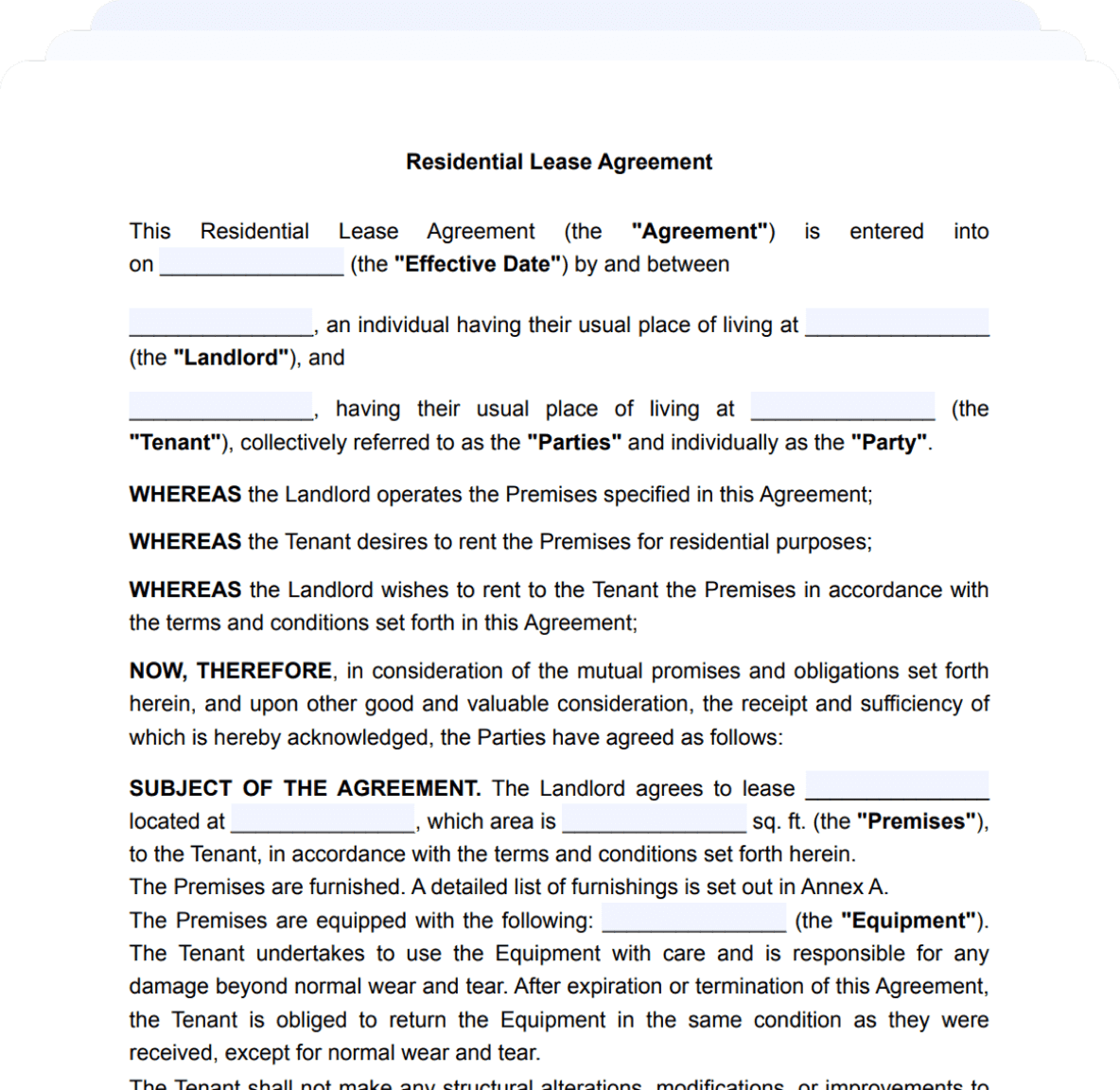
Use written contracts from day one
Verbal agreements often create confusion when projects change or payment disputes appear.
Every landscaping business should use written agreements that explain:
Scope of work
Pricing
Payment deadlines
Property access
Weather delays
Cancellation terms
Buy the Right Landscaping Equipment
Equipment directly affects how efficiently your jobs get completed and how reliable your business appears to clients. Buying too much equipment too early can create unnecessary debt, but low-quality tools often lead to breakdowns, delays, and higher repair costs later. Most landscaping businesses start with:
Commercial mower
String trimmer
Leaf blower
Hand tools
Trailer
Safety equipment
Commercial-grade equipment usually lasts longer under daily use than residential tools. Landscaping equipment often operates for hours every day during peak season. Transportation is equally important, because reliable trailers, ramps, tie-downs, and secure storage prevent theft and equipment damage while crews move between properties.
Many new owners focus heavily on purchasing equipment but overlook operational costs tied to maintenance, fuel, transportation, and downtime.
Knowing how to open a landscaping business is not enough if daily operations become too expensive to manage consistently.
Prepare for maintenance costs
Landscaping equipment breaks down regularly under heavy use. Downtime during busy seasons can delay jobs and frustrate clients quickly.
Routine maintenance should include:
Blade sharpening
Oil changes
Filter replacement
Tire checks
Fuel system cleaning
Landscaping crews regularly work around sharp tools, loud machinery, traffic, chemicals, and uneven ground. OSHA landscaping safety guidance also emphasizes hearing protection, machine guarding, heat illness prevention, and safe chemical handling.
Ignoring maintenance becomes more expensive than preventing problems early. Reliable equipment will help you stay productive and reduce delays that frustrate customers.
Protect Yourself from Risk When Starting a Landscaping Business
Landscaping businesses face operational risks that many service companies do not. Proper risk management is a major part of learning how to run a landscaping business successfully over the long term.
Landscaping business insurance
Insurance helps reduce financial damage when accidents happen. Many landscaping businesses carry:
Commercial auto insurance
Workers’ compensation
Equipment coverage
Employee and contractor rules
Hiring workers creates additional legal and tax responsibilities. Some businesses hire employees, while others use independent contractors. These classifications follow different labor and payroll rules. Misclassifying workers may cause penalties later if payroll or tax practices are reviewed by state or federal agencies.
Written agreements help clarify expectations, payment terms, and responsibilities for both sides. As businesses grow, proper documentation becomes increasingly important when running a landscaping business with multiple workers or crews.
Clear client expectations
Many landscaping disputes begin because project details were never explained clearly. Customers may assume:
Debris removal is included
Damaged plants will automatically be replaced
Weather delays will not affect schedules
Extra work is covered under the original estimate
Clear estimates and written approvals help prevent confusion before work begins. If disagreements later turn into a breach of contract, organized records often become extremely important for resolving the issue properly.
Manage Landscaping Business Documents and Protect Your Business Legally
Paperwork may not be the most exciting part of running a business, but organized records help businesses operate more smoothly as they grow.
Keep client agreements organized
Every landscaping project creates documents that should be stored carefully:
Estimates
Invoices
Contracts
Change approvals
Payment confirmations
Customer communication
Lost records can create serious confusion later if customers question pricing, timelines, or approved work. Digital storage makes it easier to organize agreements by property address or customer name.
Use written estimates and change orders
Clients may request additional planting, cleanup, irrigation work, or material upgrades during the project itself. Without written approvals, those additions can later become payment disputes.
Every estimate should clearly explain:
Included services
Material costs
Labor charges
Estimated timelines
Excluded work
Change orders help separate additional work before crews continue the project. Updating documents quickly becomes important when revisions happen frequently.
Create service contracts for recurring clients
Recurring maintenance clients usually create more stable income than one-time jobs. However, ongoing services should still follow written agreements. A recurring landscaping agreement may include:
Visit frequency
Seasonal services
Payment schedules
Weather policies
Property access instructions
Cancellation terms
Store business records securely
Landscaping businesses generate large amounts of paperwork over time. Organized records support taxes, payroll, insurance claims, and legal protection.
Important records may include receipts, payroll documentation, insurance policies, equipment purchases, contracts and safety training records.
As the business grows, you may eventually review larger expansion opportunities involving vehicles, equipment, or acquisitions. Some companies even evaluate purchasing existing operations through a letter of intent to purchase a business, for example, before entering formal negotiations.
Understand liability before problems happen
Small operational issues can become much larger legal disputes when documentation is incomplete or expectations were unclear from the start. Landscaping businesses commonly face problems involving:
Property damage
Injury claims
Contract disputes
Vehicle accidents
Late payments
Worker classification issues
Ending customer relationships should also be handled carefully, especially for recurring maintenance agreements. In some situations, a formal contract termination letter helps document when services officially end and whether any remaining obligations still apply.
Reliable operations depend on much more than physical labor and equipment. Long-term success comes from organization, realistic pricing, consistent communication, and clear documentation systems that keep the business running smoothly as it grows.
More guides
September 1
7 min read
How to Provide Proof of Employment: Documents and Steps
October 15
How to Start a Staffing Agency: Licensing, Pricing, and Cash Flow
September 12
13 min read
Construction Change Order Process: How to Avoid Scope Creep

July 21
8 min read
Statement of Work vs Scope of Work: Differences and How They Work Together

September 10
14 min read
How to Protect Your Small Business from Lawsuits
September 1
5 min read
How to Start a Tutoring Business and Succeed

One home for your
agreements
Edit PDFs seamlessly
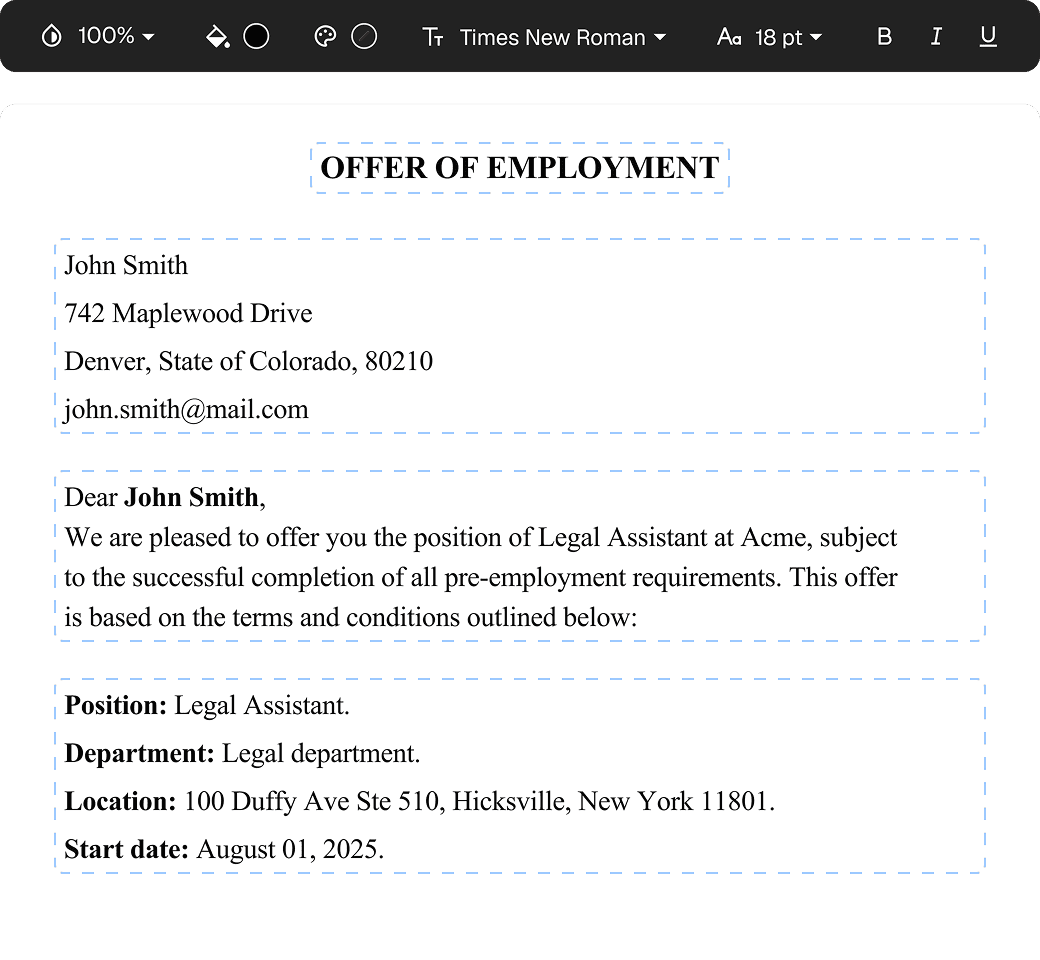
Tweak agreements before signing or sending for signatures. Update details, add or remove clauses, adjust formatting, and redline changes instantly.
eSign legally and securely
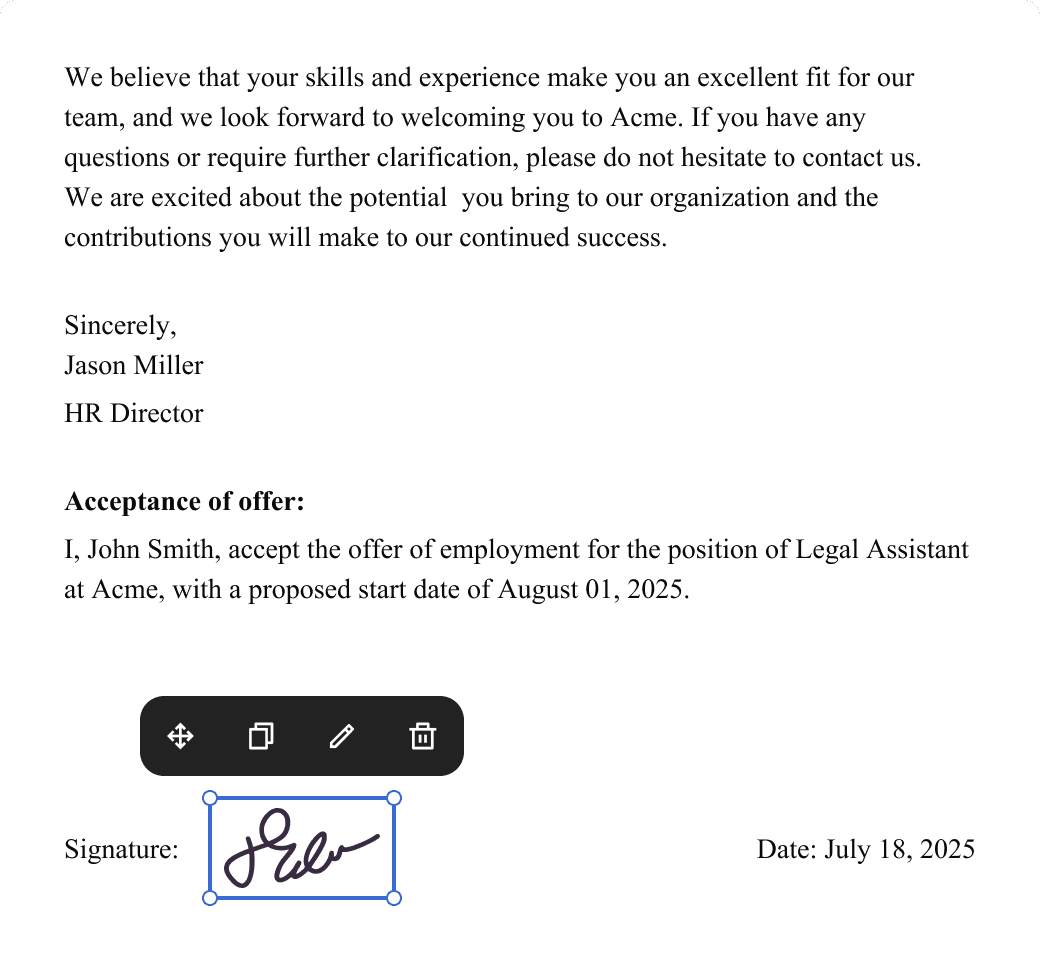
Sign documents and collect legally binding signatures. Invite up to ten people to sign in any order, track the progress, and send reminders.
Request legally binding signatures
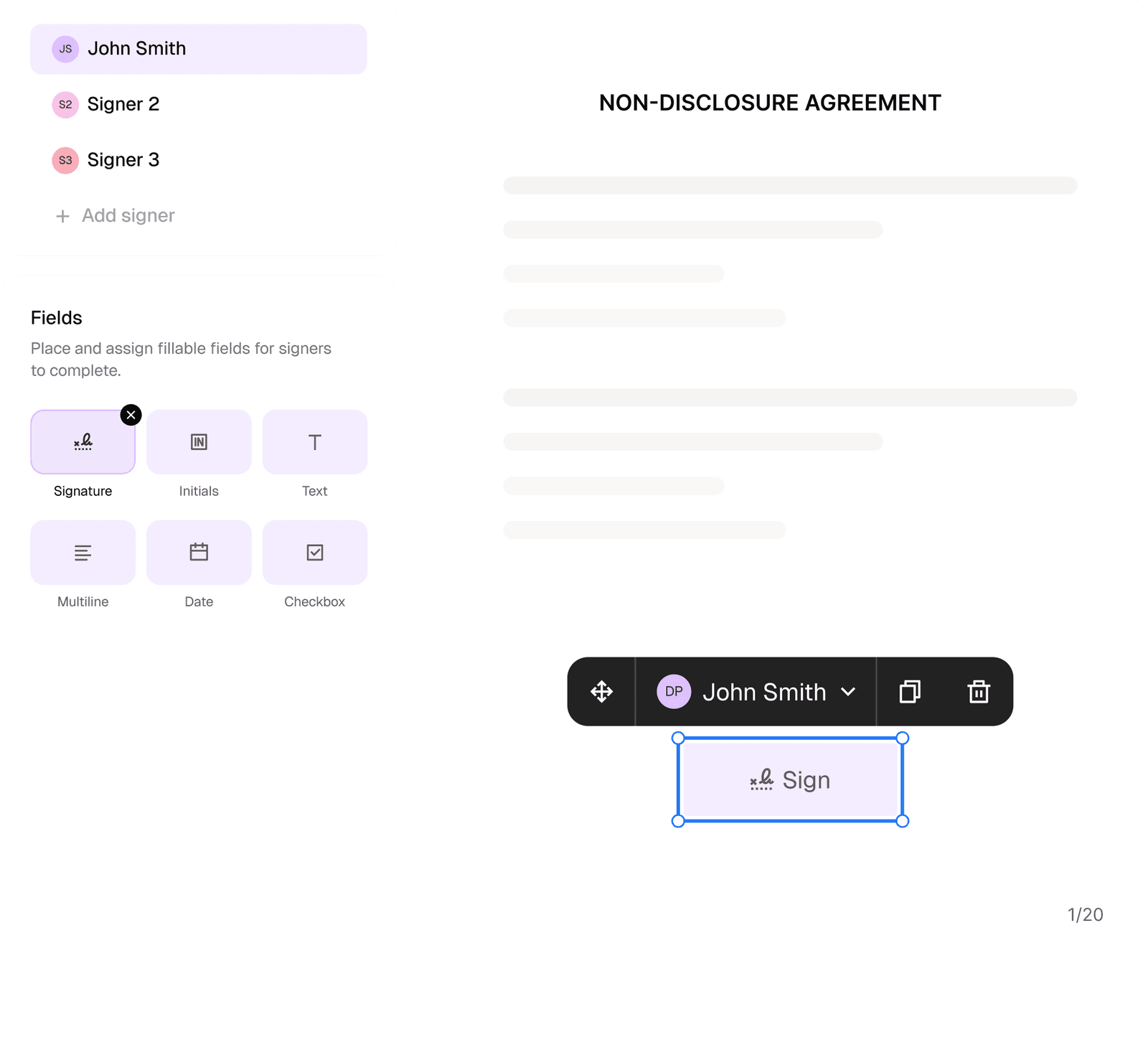
Invite up to ten people to sign your document in any order. Get a finalized, audit-ready copy without chasing signatures.
Skip the drafting.
Choose from 2,500+ templates
Browse templatesChoose a template
Fill in details
Sign and download