Updated September 11, 2026
6 min read
How to Start a Moving Company

How to Start a Moving Company
- Decide What Type of Business You Want to Run
- Starting a Moving Business Legally in the US
- Insurance and Liability Protection for a Moving Company
- Build a Simple Moving Company Business Plan Before You Buy Equipment
- Hiring Employees for Your Moving Business
- Common Mistakes People Make When They Start a Moving Company
Content
Moving services remain in demand across the United States as people relocate for work, family, housing, and business needs. Entrepreneurs looking for a service-based business with room to grow often see moving as an attractive option. Many companies can begin with one truck and a small crew, then expand into larger operations over time.
At the same time, moving businesses face challenges that many new owners underestimate, such as vehicle costs, labor expenses, insurance requirements, and regulatory compliance among others.
If you're researching how to start a moving company in 2026, your goal should be building a business that can operate profitably while protecting itself from risks. In this guide , we explain the most important decisions to make before taking your first job.
Decide What Type of Business You Want to Run
Those interested in how to start your own moving company may assume all moving businesses operate the same way. However, there are different service models that require different equipment, licensing, staffing, and pricing strategies.
Choose between local and interstate moving
Local movers typically operate within a single state, while interstate movers transport household goods across state lines and face additional federal regulations. Many new owners choose to begin with local moves because compliance requirements are usually simpler. Interstate moving often involves additional registration, insurance obligations, and oversight from federal agencies.
Before accepting long-distance jobs, make sure you understand how operating across state lines affects licensing, vehicle registration, and safety requirements.
Pick a service model that matches your budget
A moving company can provide many different services. Some require substantial investment while others can be started with relatively limited resources. Common options include residential moving, commercial and office relocation, labor-only moving service, apartment moving, or long-distance moving.
Many entrepreneurs looking into how to start a small moving company begin with residential local moves. This allows you to build experience, develop customer relationships, and control startup costs before expanding into more specialized services.
Trying to offer every type of move immediately is likely to create unnecessary expenses. Different services may require larger trucks, additional insurance coverage, specialized equipment, and more experienced employees.
Starting a Moving Business Legally in the US
Legal setup may not be the most exciting part of starting a moving business, but it creates the foundation that protects the company as it grows. Ignoring legal requirements early can lead to fines, licensing problems, insurance issues, and customer disputes.
Register your business entity
Most small moving companies choose a limited liability company because it separates personal assets from business liabilities. Moving crews work inside customers' homes, handle valuable belongings, and operate vehicles daily. This means property damage, injuries, and contract disputes can happen even when employees act carefully.
Depending on your goals, you may choose sole proprietorship, LLC, or corporation. A sole proprietorship may be simpler to establish, but it does not provide the same level of protection.
Business structure can also affect taxes, banking, financing, and future expansion opportunities.
Open separate business finances early
Many new business owners mix personal and business expenses and it’s usually a big mistake. Open a dedicated business bank account as soon as possible and use it for customer payments, fuel expenses, equipment purchases, payroll, and insurance premiums. Separate finances will help you:
Simplify bookkeeping
Improve tax reporting
Support liability protection
Create cleaner financial records
Good financial organization becomes increasingly important as your business grows.
Moving company requirements you must meet before taking jobs
Specific moving company requirements vary by state, but most operators need more than a truck and a website before accepting customers. These requirements may include:
Business registration
A valid business license
Vehicle registration
Commercial insurance
State transportation permits
Tax registrations
Some states regulate household goods movers separately and may require additional permits or filings. Always verify state and local requirements before advertising any services.
Do you need a USDOT number?
Many future owners researching how to start a moving company business eventually encounter USDOT registration requirements. A USDOT number is issued by the United States Department of Transportation and is used to monitor safety, compliance, and operational information for certain carriers. Whether you need one depends on factors like interstate operations, vehicle size, cargo transported, and state-specific rules.
Many interstate movers require USDOT registration. Some states also require USDOT numbers for certain intrastate carriers. Because regulations can vary, you need to confirm requirements before purchasing vehicles or scheduling interstate jobs.
Learn the rules that regulate moving companies
Moving companies operate in an industry that receives significant regulatory attention because customers trust movers with valuable personal property. Rules typically address:
Estimates
Consumer disclosures
Claims handling
Delivery obligations
Vehicle safety
Driver qualifications
Customer complaints often involve pricing disputes, damaged items, delayed deliveries, and unexpected fees.
Insurance and Liability Protection for a Moving Company
Many moving businesses survive their first year because they find customers. But long-term success often depends on how effectively they manage risk. A single accident or claim can create major financial problems without proper protection.
Types of insurance most moving companies need
Insurance requirements vary depending on location and services offered. Here are most common policies:
General liability insurance
Commercial auto insurance
Cargo insurance
Workers' compensation insurance
Umbrella liability coverage
Every commercial vehicle used for business operations should be properly insured. Cargo insurance is particularly important because movers handle customer belongings every day. Even careful crews can encounter accidents, weather-related damage, or theft.
Insurance costs may seem high at first, but they are far less expensive than paying claims out of pocket.
Damage claims that can destroy small moving businesses
Many customer disputes begin when expectations and documentation are unclear. Most commonly, customers complain about scratched furniture, broken electronics, damaged flooring, lost boxes, delivery delays, and missing inventory.
A single claim can become much harder to resolve when there is no written inventory or condition report. Before every move, document valuable items carefully and train crews to report damage immediately. Organized records will be very helpful in reducing disagreements and supporting insurance claims if problems occur.
Use written contracts for every job
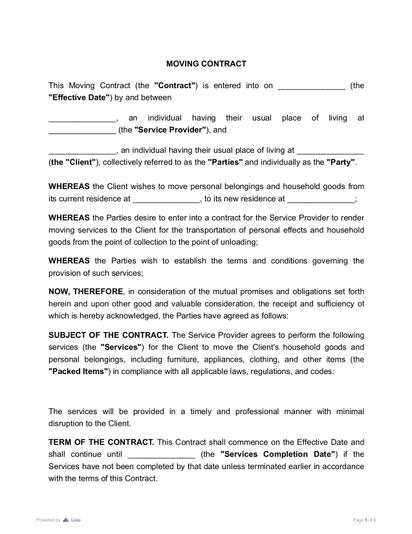
Verbal agreements often create confusion when pricing, timelines, or responsibilities are disputed later. Every move should be supported by a written moving service contract that explains:
Services provided
Pricing terms
Payment deadlines
Cancellation policies
Liability limitations
Claims procedures
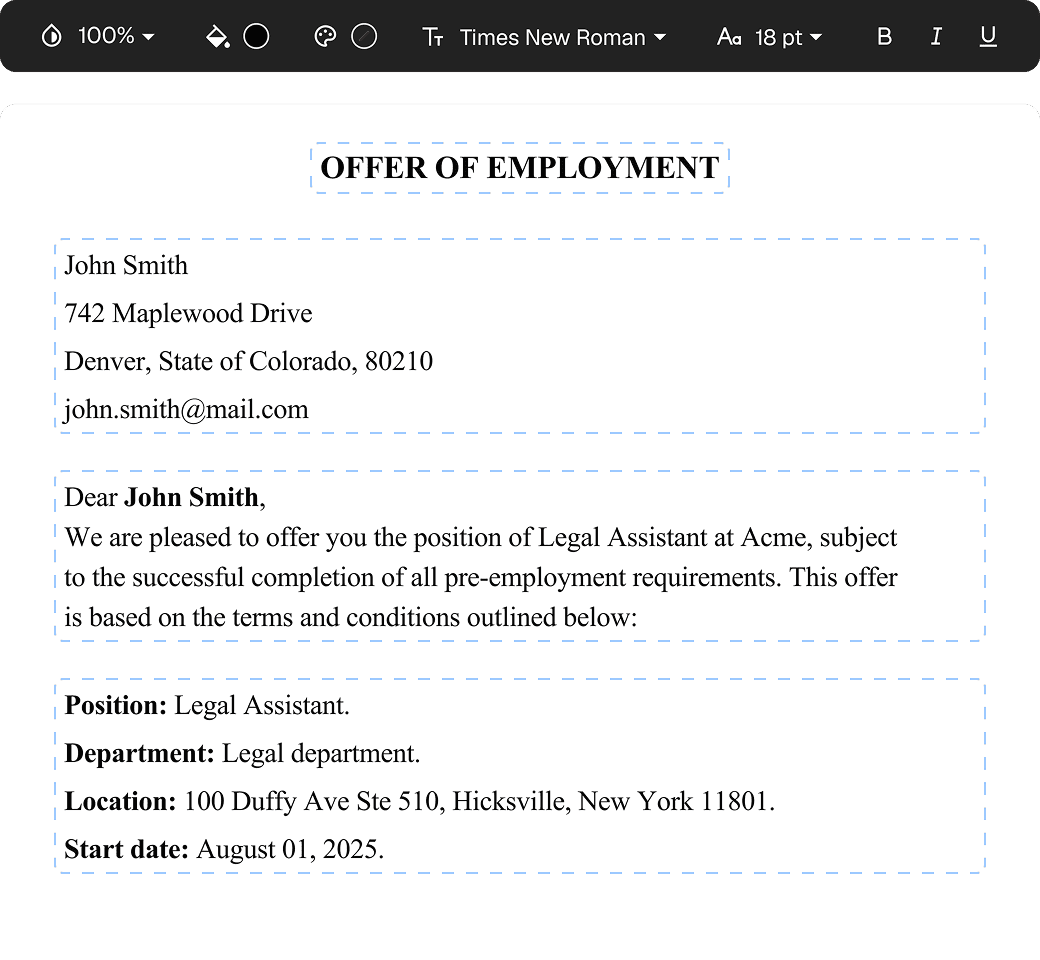
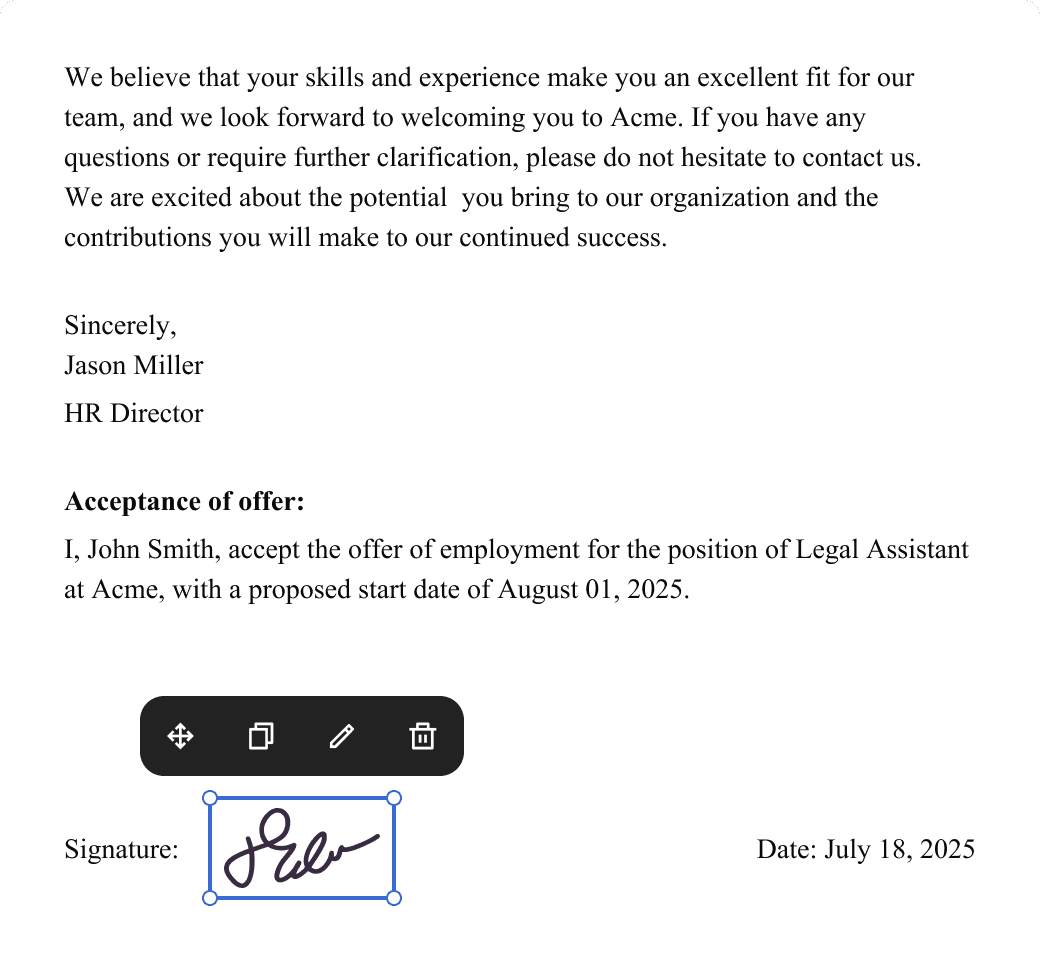
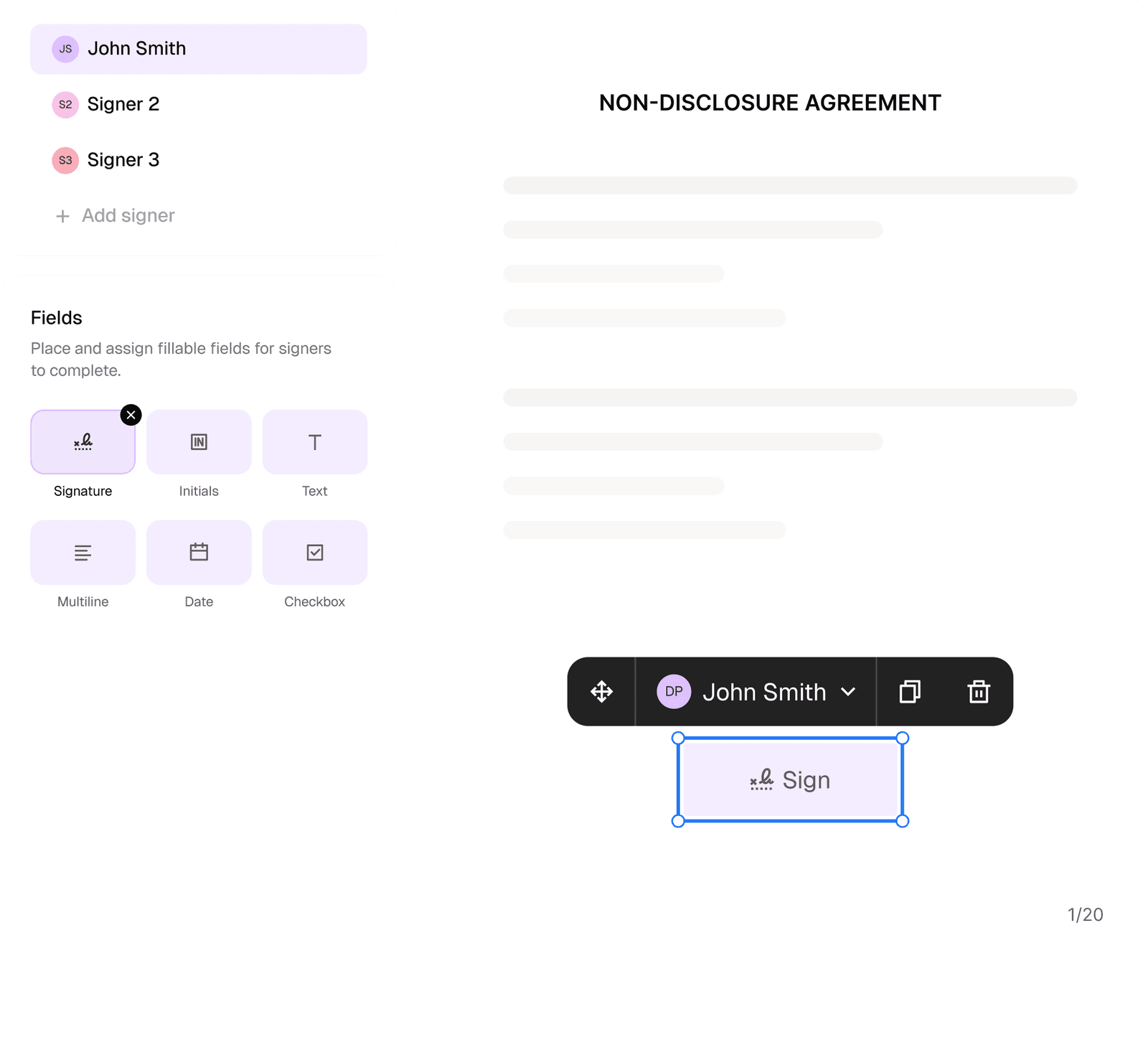
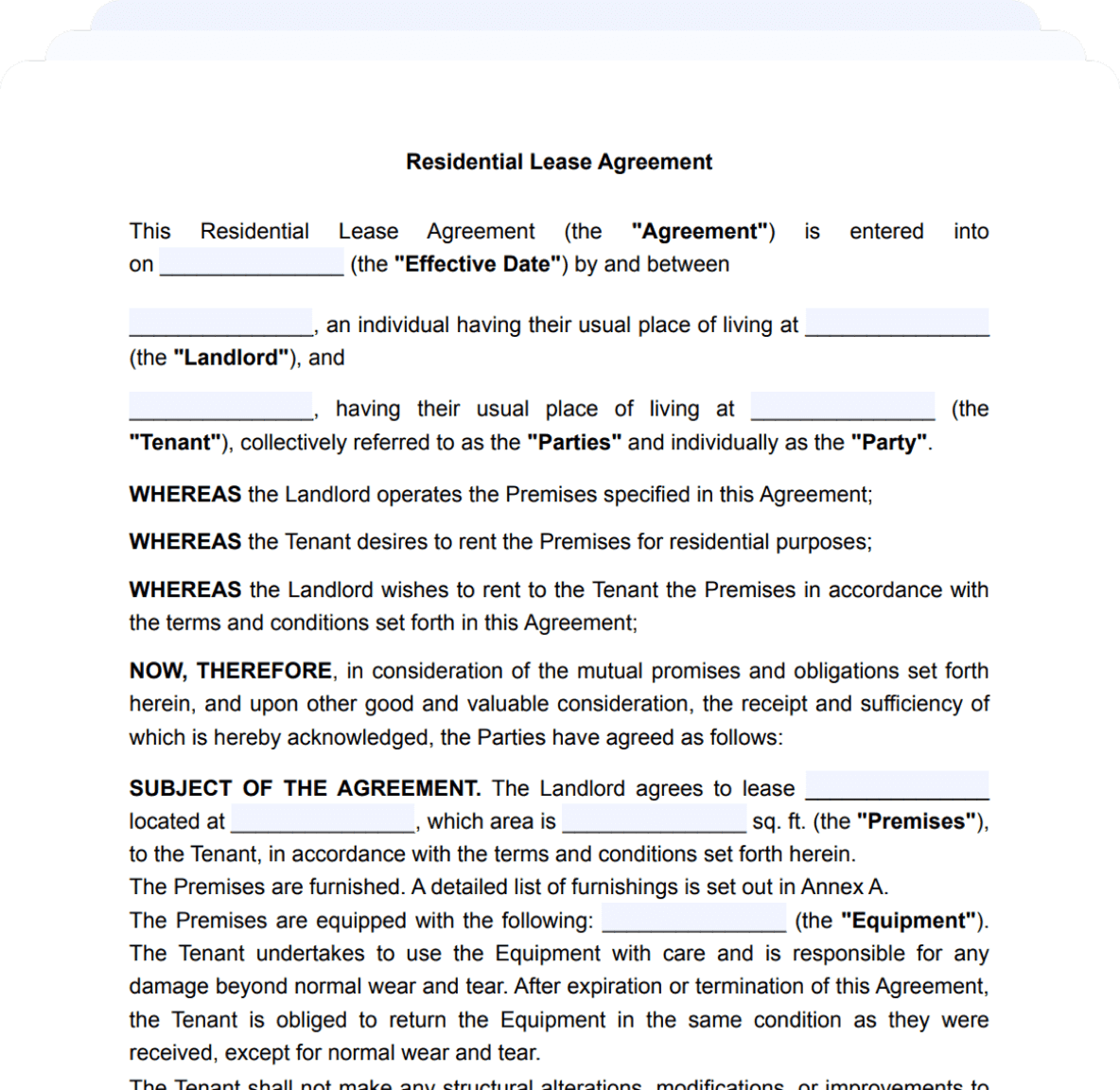
Many companies also use digital tools to streamline paperwork. For example, an online eSign tool could make customer approvals faster while creating a clear signing record. If agreements require updates, with our PDF editor businesses can modify estimates and documents without rebuilding them from scratch.
As contracts become more complex, a reliable AI contract reviewer can help you spot potential issues and identify unclear language before disputes develop.
Build a Simple Moving Company Business Plan Before You Buy Equipment
Many people searching for how to start a moving company focus heavily on trucks and equipment. But before spending money, you first need to understand how the business will actually generate profit.
Estimate how much revenue you need per month
Moving businesses have ongoing expenses even when trucks are not actively generating revenue. Common monthly costs are:
Vehicle payments
Fuel
Insurance
Equipment maintenance
Marketing
Software
Storage or parking
Calculate how many jobs must be completed each month to cover expenses and generate profit. This often reveals that underpricing jobs can quickly create financial pressure.
Decide whether to buy or lease moving trucks
Vehicles are usually the largest startup expense. Buying offers long-term ownership and potential cost savings over time. Leasing often reduces upfront costs and may provide newer equipment with predictable monthly payments. You should evaluate available capital, maintenance responsibilities, growth plans, vehicle availability, and cash flow.
Many new operators begin with a single truck and expand only after demand becomes consistent.
Calculate your pricing structure
Pricing mistakes are one of the most common reasons moving companies struggle financially. Many owners compare their prices only to competitors and forget to include their own operating costs. Pricing should account for:
Labor
Fuel
Insurance
Vehicle maintenance
Travel time
Equipment wear
Administrative expenses
Profit margin
Some companies charge hourly rates while others use flat-rate estimates. Whichever model you choose, consistency and transparency matter. Customers often care as much about predictable pricing as they do about finding the lowest quote.
A successful moving company depends on pricing, insurance, and local customer acquisition far more than aggressive discounting.
Prepare for seasonal demand changes
Moving demand is not really consistent throughout the year. Spring and summer are often the busiest periods. Winter months can bring slower schedules in many markets. Seasonal fluctuations affect staffing, revenue, vehicle utilization, and marketing budgets a lot.
Build financial reserves during busy periods whenever possible. Businesses that prepare for slower seasons generally face fewer cash flow problems.

Hiring Employees for Your Moving Business
Reliable employees can become one of your strongest competitive advantages. Customers often judge the company based on the professionalism of the crew arriving at their home.
What to look for in movers and drivers
Physical strength definitely matters, but it should not be the only hiring consideration. Look for people who demonstrate:
Reliability
Professional communication
Attention to detail
Customer service skills
Safe driving habits
Problem-solving abilities
Employees regularly interact with customers during stressful situations. Professional behavior can influence reviews and referrals as much as the move itself.
Employee vs independent contractor risks
Some companies use employees while others rely on independent contractors. Each classification follows different labor, tax, and insurance rules. Misclassifying workers can create legal and financial problems if state or federal agencies determine that workers were treated incorrectly.
Before hiring, review worker classification rules carefully and use written agreements that clearly define responsibilities. Documentation will gradually become increasingly important as the business expands beyond a single crew.
Train employees to protect your reputation
Training should begin before employees handle customer property independently. Focus on:
Proper lifting techniques
Furniture protection
Loading procedures
Customer communication
Damage reporting
Safety protocols
Customers expect movers to protect their belongings throughout the entire process. Even skilled workers benefit from standardized procedures because consistency reduces mistakes and improves customer satisfaction.
Anyone researching how to run a successful moving company should remember that reputation often grows faster than advertising budgets. Positive reviews, referrals, and repeat customers usually come from reliable service rather than marketing alone.
Common Mistakes People Make When They Start a Moving Company
Most expensive mistakes happen because owners focus on booking jobs before building systems. These are some common issues:
Expanding too quickly. Purchasing additional trucks before establishing consistent demand can create unnecessary debt and maintenance costs.
Underpricing services. Winning jobs with low estimates may seem helpful initially, but poor margins eventually create cash flow problems.
Ignoring compliance requirements until problems appear. Missing permits, incomplete registrations, or insufficient insurance coverage can disrupt operations unexpectedly.
Allowing documentation inconsistencies. Verbal agreements, missing inventory records, and inconsistent estimates often lead to customer disputes that could have been prevented.
Underestimating the importance of reputation management. Late arrivals, poor communication, damaged property, and surprise charges can generate negative reviews that are difficult to overcome.
Learning how to start a moving company and eventually growing it successfully requires far more than purchasing trucks and finding customers. To create the foundation for sustainable growth, you need strong systems, clear contracts, reliable employees, and proper compliance practices.
The companies that last are usually the ones that stay organized, communicate clearly, and treat every move as an opportunity to build trust with their next customer.
More guides
September 1
7 min read
How to Provide Proof of Employment: Documents and Steps

October 15
How to Start a Staffing Agency: Licensing, Pricing, and Cash Flow

September 1
5 min read
How to Start a Tutoring Business and Succeed

July 25
12 min read
How to Start a Flooring Business and Get Your First Clients in 2026

July 20
10 min read
How to Start a Landscaping Business: Legal and Business Checklist

August 20
8 min read
How to Start an HVAC Business in 10 Steps

One home for your
agreements
Edit PDFs seamlessly
Tweak agreements before signing or sending for signatures. Update details, add or remove clauses, adjust formatting, and redline changes instantly.
eSign legally and securely
Sign documents and collect legally binding signatures. Invite up to ten people to sign in any order, track the progress, and send reminders.
Request legally binding signatures
Invite up to ten people to sign your document in any order. Get a finalized, audit-ready copy without chasing signatures.
Skip the drafting.
Choose from 2,500+ templates
Browse templatesChoose a template
Fill in details

Sign and download