
Updated September 1, 2026
5 min read
How to Start a Tutoring Business and Succeed

Becoming a tutor is one of the most exciting but unpaved paths for someone who’s only beginning. Since so much of this career is about self-management and knowing how to put yourself out there, you need a map to know where to jump in first. Tutoring comes with paperwork and a marketing plan (even if in your Notes app), and, while it’s no walk in the park, it takes time to get your stuff together. This guide covers the key steps to start your tutoring business and how to use your skills to start earning money.
Essential documents checklist for new tutors
These documents will simplify your tutoring routines and help you keep the legal side of your business well organized.
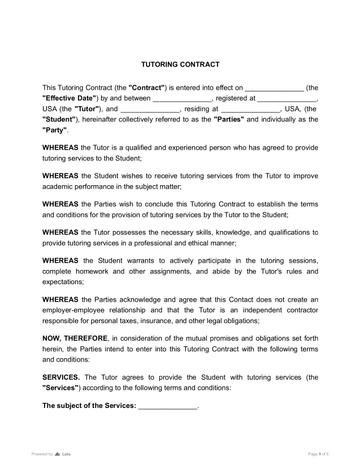
Tutoring contract. A tutoring contract is the most common document you’ll be using. It describes mutual obligations regarding schedule, payments, and services provided. Whether you sign it in person or use an eSign tool, it will hold the same value.
Single-member LLC operating agreement. If you have your own business, this document proves its existence and outlines ownership and management specifics.
IRS W9 Form. Essential for tax documentation, it is required if you partner with local schools, corporate clients, or learning marketplaces that pay you more than $600 per year.
Profit and loss statement. This simple doc helps you track your monthly tuition revenue against your business expenses.
- Tutoring Contract
 5591 downloads
 - Single-Member LLC Operating Agreement
 3958 downloads
Starting Tutoring Business: Choose a Profitable Tutoring Niche
It can feel tempting to choose many paths at once because it seems safe. However, working with too many directions or subjects at once leads to exhaustion, vague marketing, and competition in far more paths than one. By defining your niche, you have a narrower target audience and have a higher earning potential.
High-value niches to consider
Those who are educated and can teach specialized academic skills or provide technical training can enter some of the highest-paying segments.
Standardized test preparation (including SAT, ACT, AP, IB). This market was valued at $596 million in 2025, and it is only growing. Parents are ready to pay more for a higher chance of their child achieving the desired results.
Advanced STEM specs. While you can teach more general subjects, your knowledge of a narrower and more complicated sphere allows you to set far higher rates.
Tech competencies. From programming to specialized IT training, choose the most rapidly developing fields in which you have skills and experience.
Special education coaching. Tutors in this field work with neurodivergent students (e.g., those with ADHD or dyslexia) to help them develop useful habits related to education and time management. 59% of school parents who already have tutoring belong to a special education group.
However, these niches are also highly demanding and have their hidden challenges. Many clients might be far more critical of results — even if they don’t always depend on your ability to tutor.
Ideas to look into
Consider some of these ideas to leverage your strengths:
Consider your non-academic strengths. Look into gaming engineering, digital art, critical thinking, financial literacy, or public speaking.
Check local needs. Look at your local school district’s public data or parent forums. Perhaps students are struggling heavily with a newly adopted curriculum, or maybe there’s a localized shortage of foreign language teachers.
Consider soft and social skills. More than 40% of students in the U.S. don’t receive the emotional support they need. And although it often calls for mental health support rather than tutoring, many younger students need to learn social skills that school doesn’t always provide.
Essay writing. If you have strong writing and editing skills, you can target high school seniors specifically during the fall semester to help your clients write strong admission essays.
While these are only some examples, learning to tap into local needs and match them with your abilities is what helps you find a good niche.
Setting up a Tutoring Business: Build Your Profile
As a tutor, you must make sure that you have all your documents and “public face” in order before you begin.
Do you need a license?
Depending on local zoning laws, a tutoring company may need a local business license or home-based operating permit even if you teach entirely over Zoom from a desk in your bedroom. For example, check out Dublin, CA Home Occupations Regulations, Los Angeles City Home-Based Business Rules, or Ventura County Home Occupation regulations. No U.S. federal or state agency requires tutors to have a license, but your local municipal government regulates any economic activity that occurs within residential areas. Do a quick search online before launching your tutoring activity.
What educational proof do you need?
How to create a tutoring business if you don’t have a teaching degree? Although you aren’t legally required to provide any specific educational proof just to start tutoring, it’s a good marketing choice that helps many people grow their business and find well-paying clients.
Academic proof. If you teach a specific subject, having formal transcripts, a diploma, or standardized test score reports (if you do test prep) on hand builds immediate trust.
Voluntary professional certifications. You can get certifications from organizations such as the National Tutoring Association (NTA) or the Association for the Coaching & Tutoring Profession (ACTP). They aren’t required, but such an addition to your portfolio can help you set higher prices.
Background check. If you plan to work with minors, parents will appreciate it if you pass a background check and have a copy of the report with you. It will help you stand out from other tutors and show that you’re safe.
Organize Your Finances & Taxes
Many tutors aren’t employed by any organizations, which means they have to manage their own finances and know the key tax rules as independent contractors.
What expenses should you account for?
Tracking your expenses isn’t just useful for financial management — business expenses are tax-deductible. To find your actual taxable income, you subtract your ordinary and necessary business expenses from your gross income. Account for these common, fully deductible tutoring expenses:
Teaching materials and supplies
Technology and software subscriptions
Platform commissions
Business mileage
Home office deductions
Professional fees
What taxes do you need to file?
When you are self-employed, filing all the taxes becomes your responsibility.
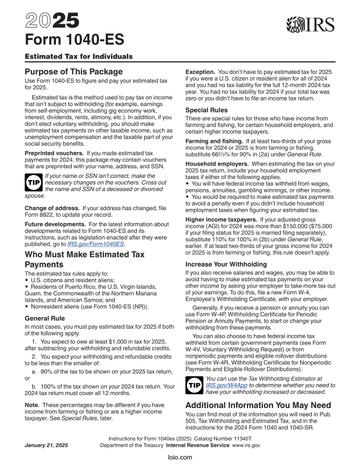
Form 1040-ES. If your net earnings from tutoring are $400 or more for the year, you are subject to a 15.3% self-employment tax. It is calculated in addition to your standard federal and state income tax rates.
1040 Schedule C. This form is used to report your total tutoring income and your losses. The net profit you have will be used on Form 1040-ES.
Quarterly estimated tax payment. If you expect to owe $1,000 or more in taxes for the year, you must make quarterly estimated tax payments four times a year.
- Form 1040-ES
 5138 downloads
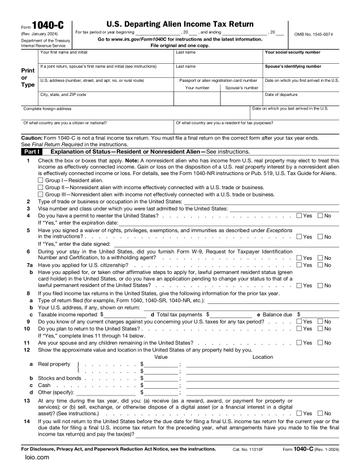
 - Form 1040-C
 5066 downloads
How to Set up a Tutoring Business: Draft Your Business Plan
A tutoring business requires a business plan, even if you’re the only person owning and handling your business. The knowledge and skills themselves are a good starting point, but a business plan provides a strong foundation for making your tutoring business financially successful.
The business plan we suggest below isn’t meant for formal sharing — if you’re self-employed, use it as guidance and edit it as a PDF when your strategy changes. It exists solely to answer hard operational questions for you, ensuring you don't waste time, burn cash, or undervalue your teaching expertise.
Begin with market research
Analyze your market thoroughly. Use this section in your business plan to analyze:
Target audience. Imagine your ideal customer: their pain points, spending potential, how often they want to meet, and preferred schedule.
Outline your services
Once you know your niche, be as specific as you can when outlining your services. In this section, write down:
The subject you intend to teach
The format you will provide
Online vs. Offline focus
Decide on your marketing
A marketing strategy that attracts tutoring clients is slightly different from that of many other businesses, since it relies on your presence in your local community.
Word of mouth. Telling others and asking them to share that you are opening slots for students is a good starting point, particularly if you already have some students you support. Moreover, you can offer a free session to those clients who invite stable students to you.
Local schools. Reach out to guidance counselors, learning specialists, and subject-area teachers at nearby schools. Let them know your qualifications and availability. Teachers often notice students who need extra help, and they can redirect them to you for more one-on-one attention.
Google Business Profile. Many tutors use this opportunity to stay visible: it boosts their presence in Google Search and Google Maps (if relevant).
Local Facebook parent groups. Join town-specific parenting groups and neighborhood hubs. Rather than advertising yourself as a tutor immediately, offer specific tips or demystify upcoming exam changes. Parents will see your expertise, and it will attract more of them.
Homeschooled cooperatives. Homeschooling families often seek specialized tutors for advanced subjects like high-level math, sciences, or foreign languages. When you reach out to such tight-knit spaces, you can get referrals far more easily.
Libraries. Try hosting free workshops at your library — these are useful hubs for learning, and they’ll be glad to host you as an educator. Offer to run a free 45-minute workshop on topics you’re familiar with. You offer immediate value to the community and show that you’re a reliable professional others can reach out to.
Community centers. Bulletin boards at local rec centers, YMCA branches, and youth organizations do work, even if they’re not as prevalent as during the pre-internet era. Aside from giving out flyers, introduce yourself to the program directors who have a far larger pool of potential clients than you do.
Draft your organization
Decide on the hours you intend to work and what boundaries you plan to enforce. Do you plan to work on weekends? What hours aren’t suitable for you? As a tutor, you can have a far more flexible schedule.
Handling chronic cancellations. Imagine a parent canceling three lessons in a row right before the start time. Cases like this waste your time and money because you prepare for lessons that never come. Address this by formulating a specific cancellation policy, such as requiring 24-hour notice or charging a full fee for last-minute cancellations.
Protecting your intellectual property. If you spend hours crafting custom worksheets or specialized prep materials for an online student, you might later discover they are sharing or selling your resources online. Include a clause regarding intellectual property in your tutoring agreement and state that all custom materials are for the individual student’s personal use only and cannot be redistributed.
Securing on-time payments. If you keep chasing your students for late payments, you’ll drain all your energy. Agree on a specific payment schedule and a pre-payment with your students (e.g., paying monthly in advance or buying lesson packages) to protect your peace and financial stability.
Writing these into your internal business plan gives you the confidence to enforce them when you first onboard your clients.
Make financial projections
Even though your prices might change, that’s when you want to begin with:
Your hourly rate and package prices. Decide whether you will charge per hour or sell monthly packages at a slightly lower rate (which secures predictable revenue).
Expense tracking. List your monthly overhead costs (e.g., curriculum materials, software subscriptions, and travel expenses) and subtract them from your planned revenue to find your true profit margin.
Choose Your Business Structure
One of your earliest decisions is how to structure your business legally.
When should you consider registering as a business?
There’s a line between registering as a business immediately and delaying it for months. If you’re just trying tutoring and don’t intend to dedicate much time to it, there’s no need to register as a business yet. The moment it stops being a side gig and becomes a consistent source of income, make it official, as it’s one of the first steps in protecting your business from lawsuits.
Should you choose an LLC or sole proprietorship?
A sole proprietorship is often the first choice for many tutors due to the minimal paperwork required. However, it doesn’t separate your money from your business’s. This can present severe risks for you — that’s what makes an LLC a far more reliable and stable choice.
A Limited Liability Company (LLC) functions as a distinct legal entity that separates your money from your business’s. If you ever get sued and lose, your personal budget doesn’t suffer because of consequences for your business. Most people don’t find documentation related to an LLC overly complicated, but you can always use an AI summary tool to help you check any contracts or documents.
Once you register your business, apply for an Employer Identification Number (EIN) directly through the IRS website. Although many sole proprietors still simply use their Social Security Number (SSN), having an EIN protects your personal information, even if you don’t plan to hire any employees.

More guides
September 1
7 min read
How to Provide Proof of Employment: Documents and Steps

October 15
How to Start a Staffing Agency: Licensing, Pricing, and Cash Flow

September 11
6 min read
How to Start a Moving Company

October 8
8 min read
A Comprehensive Guide to Starting a Child Care Business

July 20
10 min read
How to Start a Landscaping Business: Legal and Business Checklist

July 25
12 min read
How to Register a Company in the US: What No One Tells You in 2026

One home for your
agreements
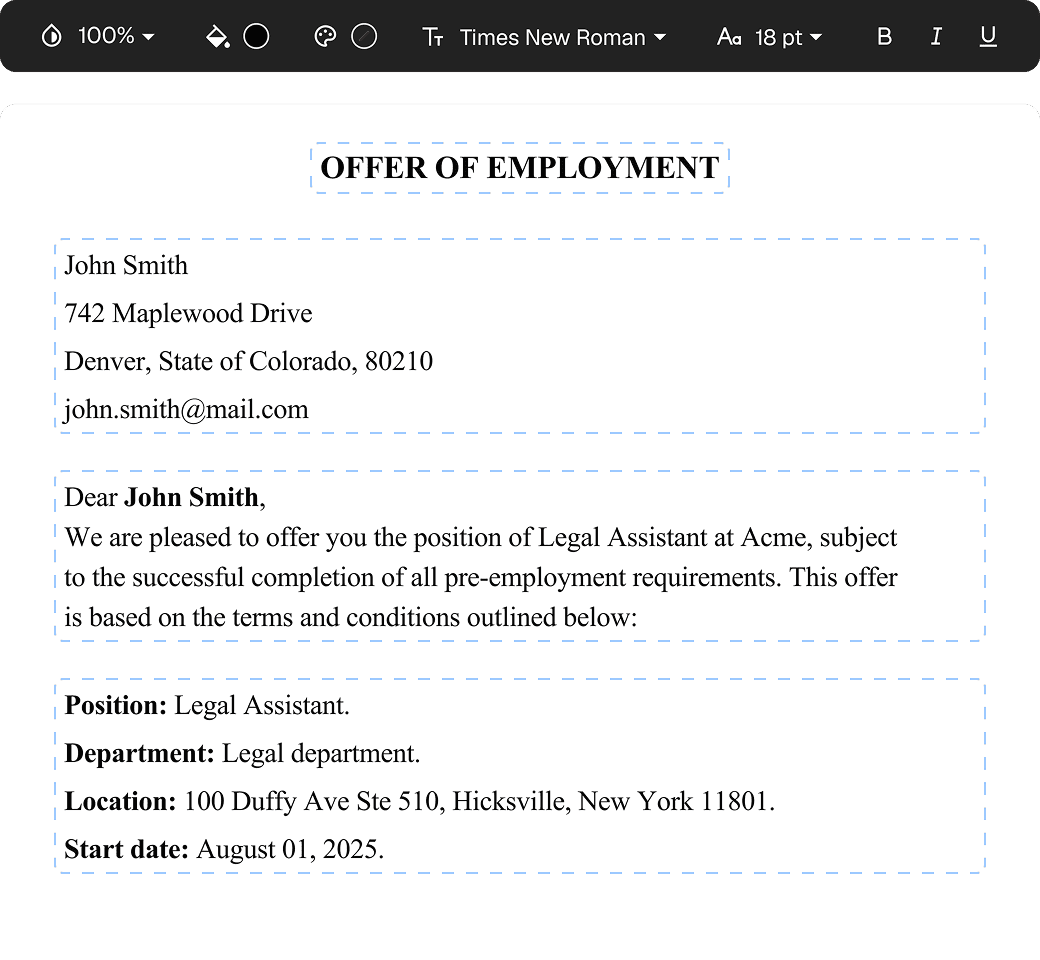
Edit PDFs seamlessly
Tweak agreements before signing or sending for signatures. Update details, add or remove clauses, adjust formatting, and redline changes instantly.
eSign legally and securely
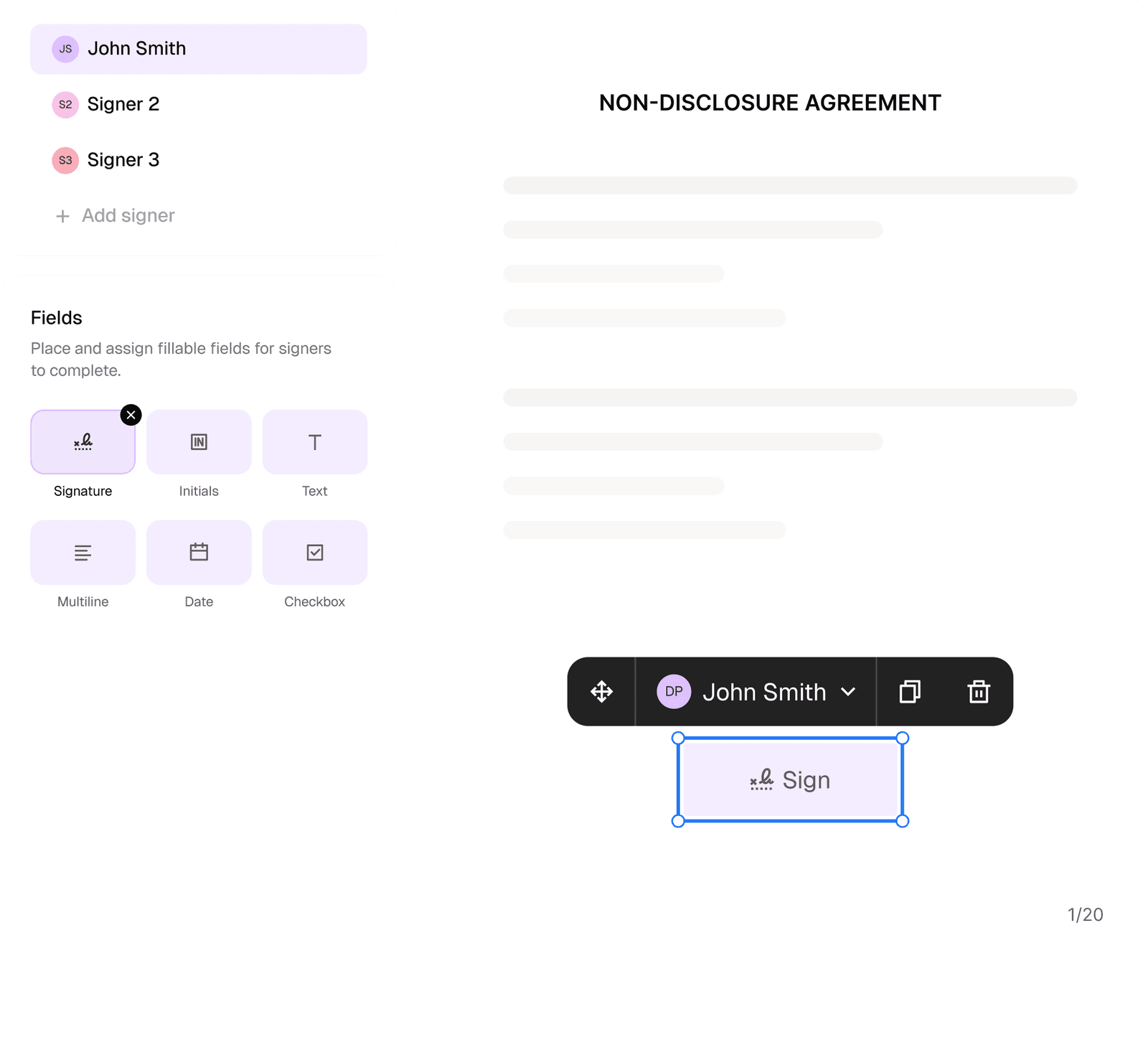
Sign documents and collect legally binding signatures. Invite up to ten people to sign in any order, track the progress, and send reminders.
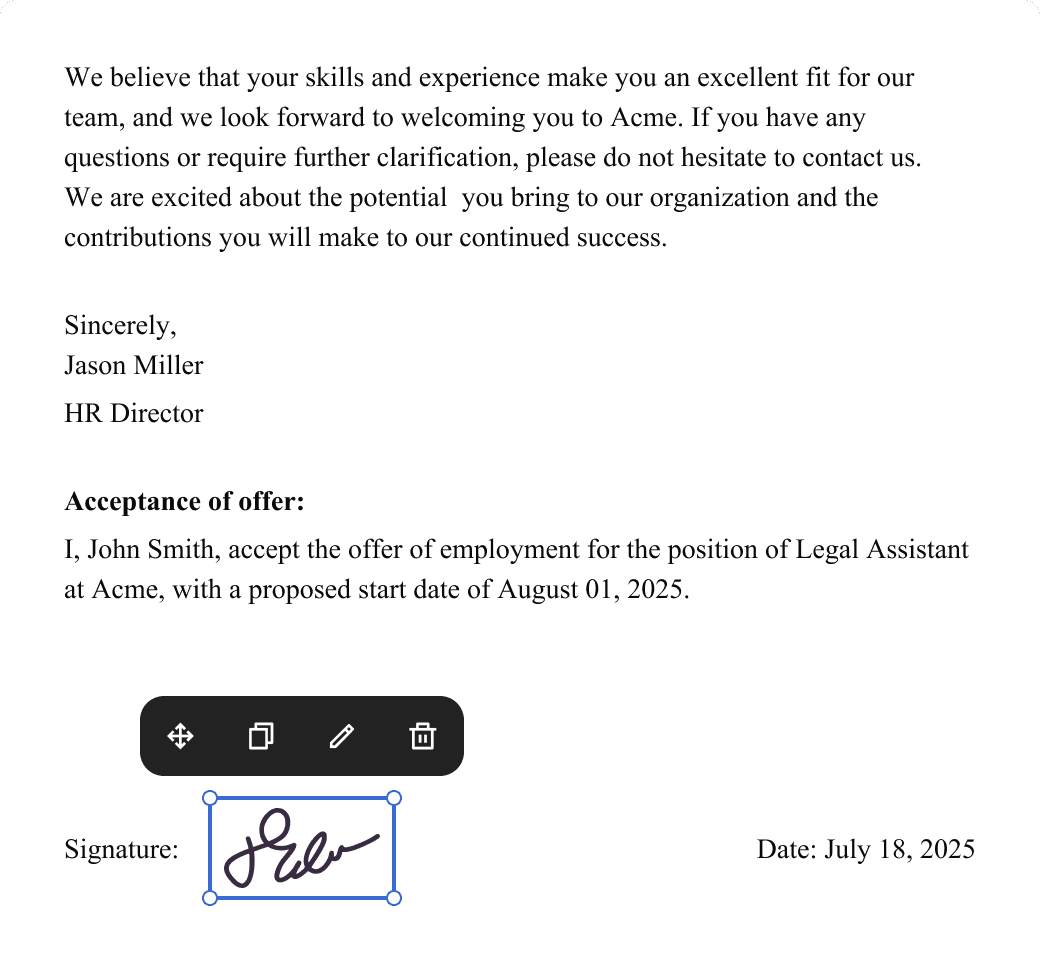
Request legally binding signatures
Invite up to ten people to sign your document in any order. Get a finalized, audit-ready copy without chasing signatures.
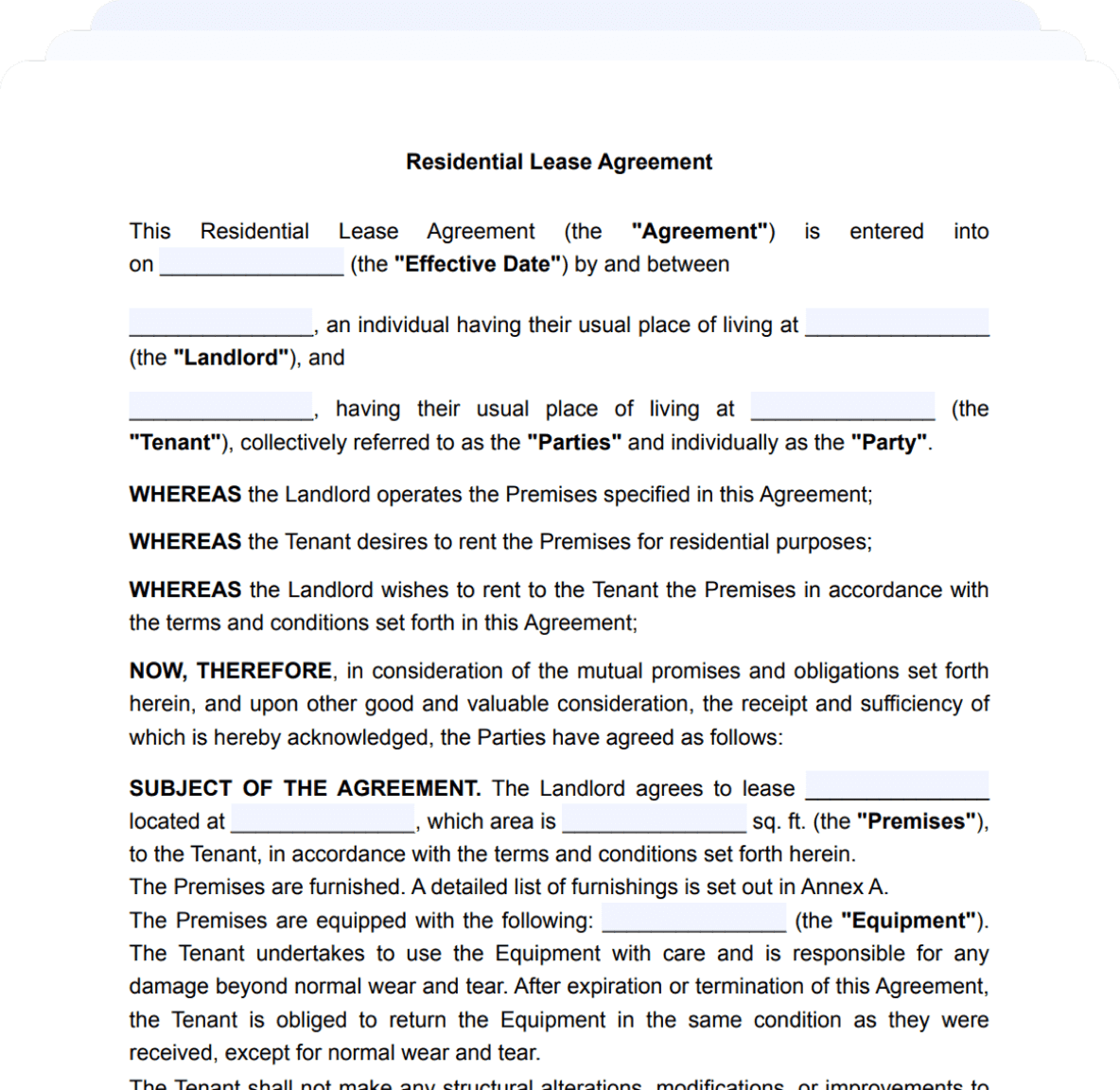
Skip the drafting.
Choose from 2,500+ templates
Browse templatesChoose a template
Fill in details
Sign and download