Updated July 25, 2026
12 min read
How to Start a Flooring Business and Get Your First Clients in 2026

How to Start a Flooring Business and Get Your First Clients in 2026
- How to Start a Flooring Installation Business
- Decide What Type of Flooring Business You Want to Start
- Choosing a Flooring Niche
- Research the Local Flooring Market
- Create a Flooring Business Plan
- Estimate Startup Costs
- Register Your Flooring Business Legally
- Get Flooring Business Insurance
- Buy Flooring Tools, Equipment, and Supplies
- Build a Strong Flooring Brand
- Market Your Flooring Business
- Hire and Manage Flooring Installers
- Is Starting a Flooring Business Worth It?
Content
Starting a flooring business is one of the most accessible ways to enter the construction and home improvement industry. The demand is consistent — homeowners renovate, landlords replace worn floors, and commercial spaces need regular upgrades. If you have the skills and the drive, here's exactly how to get started.
How to Start a Flooring Installation Business
The U.S. flooring market was valued at approximately $35.8 billion in 2025 and is expected to reach $68.1 billion by 2035, fueled by ongoing growth in residential renovation and remodeling projects. As more homeowners invest in upgrading their properties, demand for flooring installation and replacement services continues to increase.
For entrepreneurs, this creates a strong opportunity to enter the industry. However, before taking on clients, you need to decide what type of flooring services you will offer, understand licensing requirements in your state, estimate startup costs, and build a plan for attracting customers consistently.

In addition to these operational steps, flooring business owners should prepare the legal documents needed to work with customers professionally. One of the most important is a flooring contract, which outlines the scope of work, pricing, payment schedule, project timeline, material responsibilities, and warranty terms.

Many contractors use ready-made templates that can be customized for each project. For example, a flooring contract can be edited using a PDF editor to reflect the specific services, materials, and terms agreed upon with the customer. Once finalized, the document can be signed electronically, making it easier to approve projects, collect signatures, and keep records organized without relying on paper documents.
Decide What Type of Flooring Business You Want to Start
One of the first decisions involves determining exactly what type of flooring company you want to build. Flooring businesses vary significantly depending on customer type, project size, labor requirements, and installation specialization.
Your business model influences everything from startup costs and insurance requirements to equipment purchases and marketing strategies.
Residential vs. commercial flooring services
Residential flooring companies primarily work with homeowners, landlords, apartment renters, and small residential remodelers. These projects usually involve:
Hardwood replacement;
Vinyl plank installation;
Carpet removal and installation;
Bathroom or kitchen tile projects;
Basement flooring upgrades.
Residential projects often move faster and require strong customer communication skills because homeowners are directly involved throughout the process.
Commercial flooring businesses typically handle:
Office renovations;
Retail spaces;
Medical facilities;
Hotels;
Warehouses;
Multi-unit developments.
Commercial jobs are usually larger and more profitable but often involve stricter timelines, permit coordination, subcontractor management, and more complex bidding processes. Many flooring contractors start in residential services before gradually moving into commercial work.
Installation business vs. retail flooring store
Some flooring businesses focus exclusively on installation services, while others combine installation with the sale of flooring materials. An installation-only business is often easier to launch because it typically requires lower startup costs, minimal inventory, less storage space, and simpler day-to-day operations.
Starting a retail flooring business can create additional revenue opportunities by allowing you to profit from both product sales and installation services. However, it also comes with greater operational demands, including managing a showroom, maintaining inventory, coordinating deliveries, working with suppliers, and hiring sales staff. Insurance costs and overhead expenses are usually higher as well.
For this reason, many flooring entrepreneurs start with an installation-focused business and expand into retail sales later, once they have built a customer base and established more predictable cash flow.
Choosing a Flooring Niche
Specialization can help a flooring business stand out in a competitive market. Rather than offering every type of flooring service from day one, many contractors focus on a specific niche, develop expertise, and build a reputation before expanding. Choosing a niche can also help you target the right customers, invest in the appropriate tools, and streamline your marketing efforts.
Hardwood flooring — Installation and refinishing services with strong profit potential, but requiring specialized sanding, staining, leveling, and finishing skills.
Vinyl plank flooring (LVP) — A fast-growing segment popular among homeowners, rental property owners, house flippers, and property managers because of its affordability, durability, and water resistance.
Tile and stone flooring — Precision-focused work commonly used in bathrooms, kitchens, showers, commercial entryways, and outdoor spaces.
Carpet installation — Frequently used in residential bedrooms, rental properties, offices, and multi-family housing projects where cost efficiency is a priority.
Epoxy and concrete coatings — Specialized services for garages, warehouses, retail locations, industrial facilities, and commercial kitchens.
The right niche often depends on local demand, your experience, and the level of competition in your area. While some flooring businesses eventually offer multiple services, starting with a clear specialization can make it easier to build expertise, attract clients, and establish a strong position in the market.
Should you start solo or build a team?
Many flooring businesses start with just one person doing the work. As the owner, you handle installations, customer calls, estimates, scheduling, and project management yourself. This keeps costs low, gives you full control over the quality of your work, and reduces the risk of taking on payroll expenses too early.
The downside is that there are only so many jobs one person can complete. As your business grows, bringing on employees or subcontractors can help you finish projects faster, take on larger jobs, and serve more customers at the same time. While managing a team requires more coordination and higher expenses, it can also make it much easier to grow your flooring business and increase revenue.
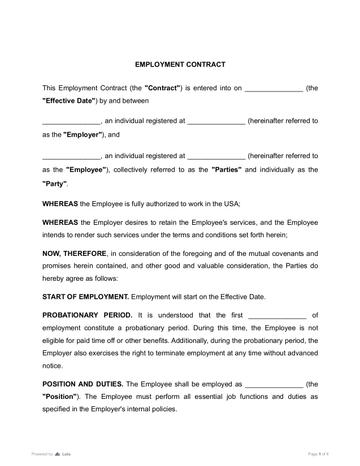
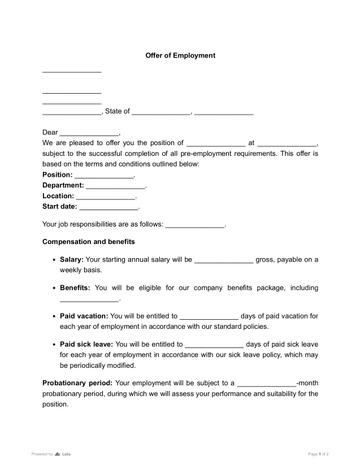
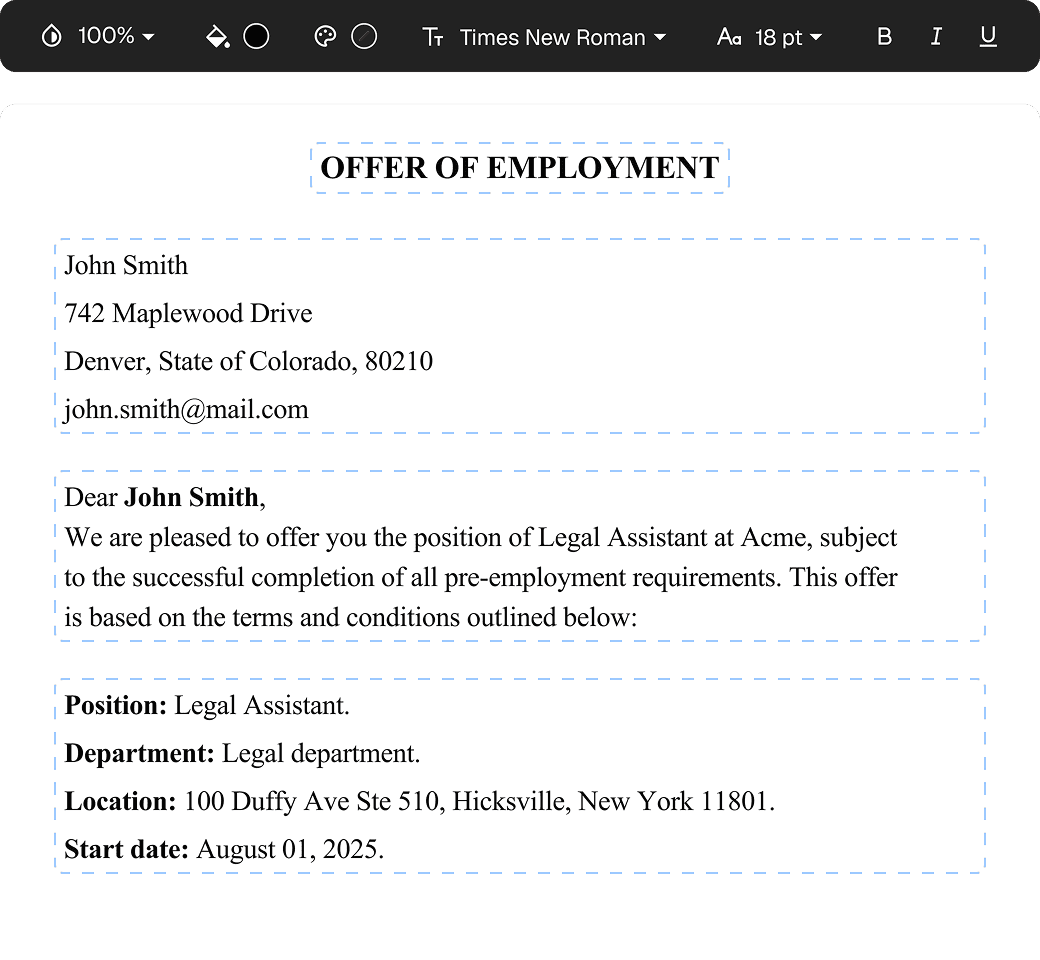
If you decide to hire employees, make sure the working relationship is properly documented from the start. An employment agreement can help clarify job responsibilities, compensation, work schedules, confidentiality obligations, and other important terms. You may also need additional business documents, depending on how your company operates. Many of these lawyer-approved forms and agreements can be found in online template libraries, making it easier to establish professional and legally compliant business processes as your flooring company grows.
- Employment Contract
 4412 downloads
 - Offer of Employment
 4325 downloads
Research the Local Flooring Market
Before launching your company, research the local flooring market carefully. Flooring demand, pricing expectations, competition levels, and customer preferences vary significantly between regions.
Start by analyzing:
Local competitors: Review their services, pricing, online reviews, and project portfolios to see what they do well and where customers are dissatisfied.
Average installation pricing: Request quotes, check local listings, and compare rates to understand what customers expect to pay.
Popular flooring materials: Visit flooring retailers, browse local contractor websites, and identify whether homeowners are choosing hardwood, vinyl plank, tile, carpet, or other options.
Residential construction trends: Look for new housing developments and renovation activity, as both can generate steady flooring work.
Commercial development activity: Monitor new office buildings, retail centers, warehouses, and other commercial projects that may require flooring contractors.
Population growth: Growing communities often create higher demand for both new construction and home improvement services.
Real estate turnover rates: Areas with frequent home sales often see increased demand for flooring replacement and upgrades before properties are listed or after they are purchased.
Review competitor websites and customer reviews to identify gaps in the market. For example, some areas may lack contractors specializing in hardwood refinishing, while others may have a strong demand for commercial epoxy coatings. Pay close attention to recurring customer complaints, such as poor communication, scheduling delays, or limited service options — these can become opportunities to differentiate your business.
You should also evaluate supplier availability because reliable access to materials directly affects scheduling and project timelines. Building relationships with local flooring distributors early can help you secure better pricing, faster deliveries, and more predictable project schedules as your business grows.
Create a Flooring Business Plan
A flooring business plan helps organize startup decisions, estimate financial risk, and create a realistic growth strategy. Even small owner-operated flooring companies benefit from documenting operational plans before accepting projects.
Define your services and pricing structure
Start by deciding exactly which flooring services your business will provide. Some contractors focus on installation only, while others also offer repairs, refinishing, floor removal, or specialty services such as epoxy coatings. Having a clear service list helps you estimate projects accurately and avoid taking on work that requires equipment or skills you do not yet have.
Your pricing should cover every cost associated with completing a project while still generating a profit. Most flooring businesses charge by square footage, use flat project pricing, or combine labor rates with material markups. When setting your rates, factor in:
Labor — Estimate how many hours the job will realistically take, including preparation, installation, cleanup, and travel time.
Materials and material waste — Include not only the flooring itself but also underlayment, adhesives, trim, transition strips, and extra material needed to cover waste and cutting errors.
Transportation and fuel — Account for travel to job sites, material pickups, and vehicle operating costs.
Equipment maintenance — Tools such as saws, sanders, nail guns, and tile cutters require maintenance, repairs, and eventual replacement.
Insurance — Factor in the cost of general liability insurance, workers' compensation (if applicable), and other business coverage.
Taxes — Set aside money for federal, state, and local taxes so they do not reduce your profit unexpectedly.
Potential delays or unexpected repairs — Flooring projects often uncover issues such as uneven subfloors, moisture damage, or old flooring that is more difficult to remove than expected. Building a buffer into your pricing can help protect your margins.
If you are new to the flooring industry, build your prices from your actual costs rather than simply matching competitors. Winning a project at the wrong price can be more damaging than losing a bid. Creating a simple estimating spreadsheet can help you calculate costs consistently and avoid underpricing your work.
Estimate Startup Costs
Startup costs depend on whether you are starting as a solo flooring installer or opening a larger operation with employees, vehicles, and a showroom. Many small flooring businesses can start with an initial investment of $10,000–$30,000, while businesses that open a retail showroom may need $50,000–$100,000+, depending on location and inventory needs.
Common startup expenses include:
- Contractor licensing and business registration — approximately $200–$2,000+, depending on your state and local requirements.
- Business insurance — often $1,500–$5,000+ per year for general liability, commercial auto coverage, and other policies.
- Flooring tools and equipment — around $3,000–$15,000+ for saws, sanders, nail guns, tile cutters, grinders, vacuums, and other installation tools.
- Truck, van, or trailer — typically $5,000–$25,000+, depending on whether you buy used or new equipment.
- Website and marketing — approximately $500–$5,000 for a website, business branding, vehicle graphics, business cards, and local advertising.
- Initial material purchases and safety equipment — often $1,000–$5,000+, depending on the services you plan to offer.
Many first-time flooring business owners reduce startup costs by purchasing used equipment, starting a flooring installation business services only, and operating without a showroom during the early stages. This allows the business to generate revenue before taking on larger expenses such as retail inventory, warehouse space, or additional employees.
Create revenue and profit projections
Revenue projections help you understand whether your flooring business can generate enough income to cover expenses and remain profitable. Start by estimating how many projects you can realistically complete each month and the average revenue each project will generate. Then subtract your expected labor, material, transportation, and operating costs to calculate your potential profit.
For example, if you complete four flooring projects per month at an average value of $4,000 each, your monthly revenue would be $16,000. From there, you can estimate how much will go toward labor, materials, fuel, insurance, and other expenses. This exercise can help you identify whether your pricing is sustainable and how many projects you need to secure each month to meet your financial goals.
Register Your Flooring Business Legally
Once your business structure and services are defined, the next step is registering the company legally. Most flooring businesses operate as:
Sole proprietorships;
LLCs;
Corporations.
An LLC is commonly chosen because it can help separate personal and business liabilities. You will also typically need:
An EIN from the IRS;
State business registration;
Local permits;
Sales tax registration in some states.
You can read more in this guide about registering a business in the U.S.
Understand the contractor license requirements by state
Contractor licensing requirements vary significantly across the United States. Some states require flooring contractors to obtain a state license once a project exceeds a certain dollar amount, while others regulate flooring work under broader home improvement or general contractor laws.
Depending on your location, you may need to pass exams, complete background checks, show proof of insurance, provide work experience documentation, or obtain a surety bond before legally accepting projects. Operating without the required license can lead to fines, payment disputes, project shutdowns, or legal liability.
Examples of state licensing
California Contractors State License Board (CSLB) requires contractors to hold a license for construction projects valued at more than $500 in combined labor and materials. Applicants must generally demonstrate four years of experience, pass business and trade exams, complete fingerprinting, and obtain a contractor bond. Flooring contractors often fall under the C-15 Flooring and Floor Covering Contractor classification.
In the Florida Department of Business and Professional Regulation (DBPR) Construction Industry Licensing Board, contractors may need to pass licensing examinations, prove financial responsibility, provide insurance documentation, and verify construction experience before receiving certain contractor licenses.
By contrast, states such as Texas do not issue a statewide general contractor license, although cities and local jurisdictions may impose their own registration, permit, insurance, or licensing requirements.
OSHA safety requirements for flooring businesses
Flooring contractors should also be familiar with Occupational Safety and Health Administration requirements. Flooring work often involves power tools, dust-producing equipment, heavy lifting, adhesives, and other workplace hazards. As your business grows and you hire employees, OSHA compliance becomes increasingly important. Maintaining proper safety procedures, providing protective equipment, and training workers on safe job-site practices can help prevent injuries and reduce legal and financial risks.
Get Flooring Business Insurance
Flooring contractors face risks ranging from accidental property damage to workplace injuries and vehicle accidents. The right insurance coverage can help protect your business from costly claims and may be required by state law, clients, or licensing boards.
- General Liability Insurance — Covers claims related to property damage, customer injuries, accidental installation damage, and legal defense costs. Many commercial property owners, general contractors, and government projects require proof of liability insurance before awarding contracts.
- Workers' Compensation Insurance — Required in most states when you hire employees. Flooring work involves lifting heavy materials, operating power tools, kneeling for long periods, and working with adhesives and equipment, all of which increase the risk of workplace injuries. Workers' compensation requirements are regulated at the state level through workers' compensation agencies and labor departments. Information is available through the U.S. Department of Labor Workers' Compensation Programs.
- Commercial Vehicle Insurance — Covers trucks, vans, and trailers used for transporting flooring materials, tools, and equipment. Personal auto insurance policies typically exclude business-related activities, making commercial coverage essential for flooring contractors.
- Contractor Bonding — Some states require contractors to obtain a surety bond as part of the licensing process. Bonding may also be required for government projects and commercial contracts. For example, contractors licensed through the California Contractors State License Board (CSLB) must maintain a contractor license bond. A bond helps protect customers if the contractor fails to comply with licensing laws or contractual obligations.
Before purchasing coverage, review both your state's contractor licensing requirements and your clients' contract requirements. Many commercial projects specify minimum insurance limits and bonding requirements that contractors must meet before work can begin.
Buy Flooring Tools, Equipment, and Supplies
The tools you need will depend on the types of flooring you plan to install. For example, a contractor specializing in hardwood flooring will need different equipment than one focused on tile, carpet, or epoxy coatings. Buying the right tools from the beginning can improve installation quality, reduce mistakes, and help you complete projects more efficiently.
Common flooring tools and equipment include:
Floor cutters;
Tile saws;
Sanders;
Nail guns;
Moisture meters;
Knee kickers;
Trowels;
Grinders;
Dust collection systems;
Safety equipment.
One of the first decisions new flooring business owners face is whether to buy or lease equipment.
Purchasing tools outright can save money over time and gives you complete ownership, but it requires a larger upfront investment.
Leasing can reduce startup costs and provide access to newer equipment, although monthly payments may cost more in the long run.
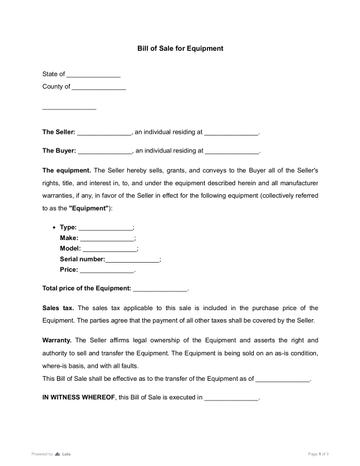
- Bill of Sale for Equipment
 4233 downloads
 - Equipment Rental Agreement
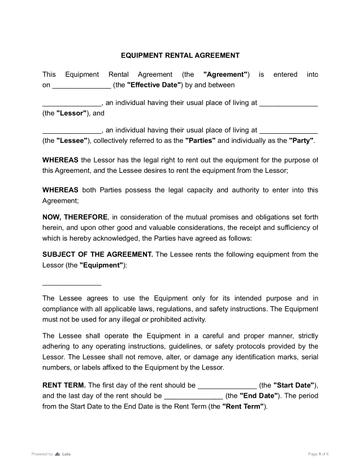 5387 downloads
Build a Strong Flooring Brand
A strong brand helps your flooring business stand out from competitors and makes potential customers more comfortable hiring you. In most cases, homeowners compare several contractors before making a decision, so your business needs to look professional both online and offline. Your business name should be easy to remember, simple to search online, and relevant to the flooring industry. Consistent branding across your website, vehicles, uniforms, invoices, and social media profiles can help build recognition and trust.
To build a professional flooring brand:
- 1
Choose a business name that is easy to spell, pronounce, and remember.
- 2
Create a simple logo that looks professional on vehicles, business cards, uniforms, and your website.
- 3
Build a website that clearly explains your services, service area, licensing information, and contact details.
- 4
Add before-and-after photos from every completed project to showcase your workmanship.
- 5
Include a quote request form so potential customers can easily contact you.
- 6
Ask satisfied customers for reviews after each project and respond professionally to all feedback.
- 7
Create and optimize your business profiles on Google, Yelp, Facebook, Houzz, and Angi.
- 8
Use the same business name, logo, phone number, and branding across all platforms.
Your website and online reviews are often the first things customers see. A portfolio of completed projects can demonstrate the quality of your work, while positive reviews help build credibility and improve local search visibility. Together, these elements can make a major difference in attracting leads and turning them into paying customers.
Market Your Flooring Business
Marketing determines whether your flooring company generates consistent leads or struggles with unpredictable project volume.
Most successful flooring companies rely on multiple marketing channels simultaneously.
Key marketing strategies include:
- Local SEO optimization;
- Google Business Profile management;
- Social media marketing;
- Before-and-after video content;
- Referral programs;
- Partnerships with real estate agents and contractors;
- Customer review campaigns;
- Paid Google Ads;
- Facebook and Instagram advertising.
Referral relationships can become especially valuable in flooring because contractors, property managers, real estate investors, and interior designers often recommend installers repeatedly.
Hire and Manage Flooring Installers
As your flooring business grows, you may need additional help to handle more projects. Demand for skilled installers is expected to remain strong, with overall employment of flooring installers and tile and stone setters projected to grow 6% from 2024 to 2034, which is faster than the average for all occupations. This growth is driven by ongoing construction activity, remodeling projects, and the need to replace aging flooring materials.

Most flooring companies expand by hiring employees, working with independent contractors, or partnering with subcontractor crews. Employees typically provide the most control because you can set work schedules, assign projects, provide training, and supervise daily activities. Employees generally receive a W-2 form for tax purposes, and employers are responsible for payroll taxes, workers' compensation coverage, and other employment-related obligations.
Independent contractors usually operate their own businesses and work more independently. They are commonly paid as non-employees and receive a 1099-NEC form if they meet IRS reporting thresholds. However, simply calling someone a contractor does not make them one. The IRS worker classification guidelines require businesses to evaluate factors such as behavioral control, financial control, and the overall relationship between the parties. Misclassifying workers can lead to tax penalties, back wages, and other legal issues.
Many flooring companies also work with subcontractor crews, particularly when taking on larger residential or commercial projects. This can make it easier to scale quickly, but it also requires strong quality control and clear expectations.
No matter which structure you choose, put everything in writing. Employment agreements, independent contractor agreements, and subcontractor agreements can help define responsibilities, payment terms, project standards, and liability obligations. As your team grows, clear contracts, scheduling processes, safety procedures, and installation standards become essential for maintaining consistent service quality and protecting your business.
- Independent Contractor Agreement
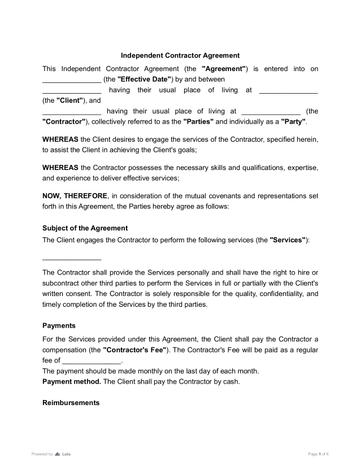 7257 downloads
 - Subcontractor Agreement
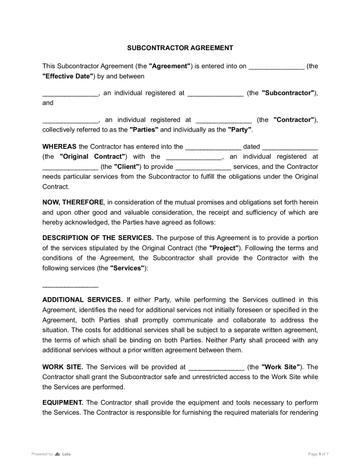 4111 downloads
Is Starting a Flooring Business Worth It?
Anyone researching how to start flooring business should evaluate the industry's opportunities, startup requirements, and long-term challenges. Starting a flooring installation business can become highly profitable for contractors who combine technical installation skills with strong business management.
The industry offers relatively low barriers to entry compared to many construction trades, but long-term success requires far more than installation experience alone.
Flooring companies that succeed consistently tend to focus on:
Professional reputation;
Reliable scheduling;
Accurate estimating;
Strong customer communication;
Quality workmanship;
Financial discipline;
Consistent marketing.
The physical demands, labor challenges, and competitive pressure are real. However, for contractors willing to build efficient operations and maintain high-quality work, flooring can become a scalable and sustainable business with long-term growth potential.
More guides
July 25
12 min read
How to Register a Company in the US: What No One Tells You in 2026
September 1
7 min read
How to Provide Proof of Employment: Documents and Steps

October 7
How to Start a Staffing Agency: Licensing, Pricing, and Cash Flow
September 11
6 min read
How to Start a Moving Company
October 8
8 min read
A Comprehensive Guide to Starting a Child Care Business

July 22
10 min read
How to Start a Storage Unit Business: What You Need to Know
One home for your
agreements
Edit PDFs seamlessly
Tweak agreements before signing or sending for signatures. Update details, add or remove clauses, adjust formatting, and redline changes instantly.
eSign legally and securely
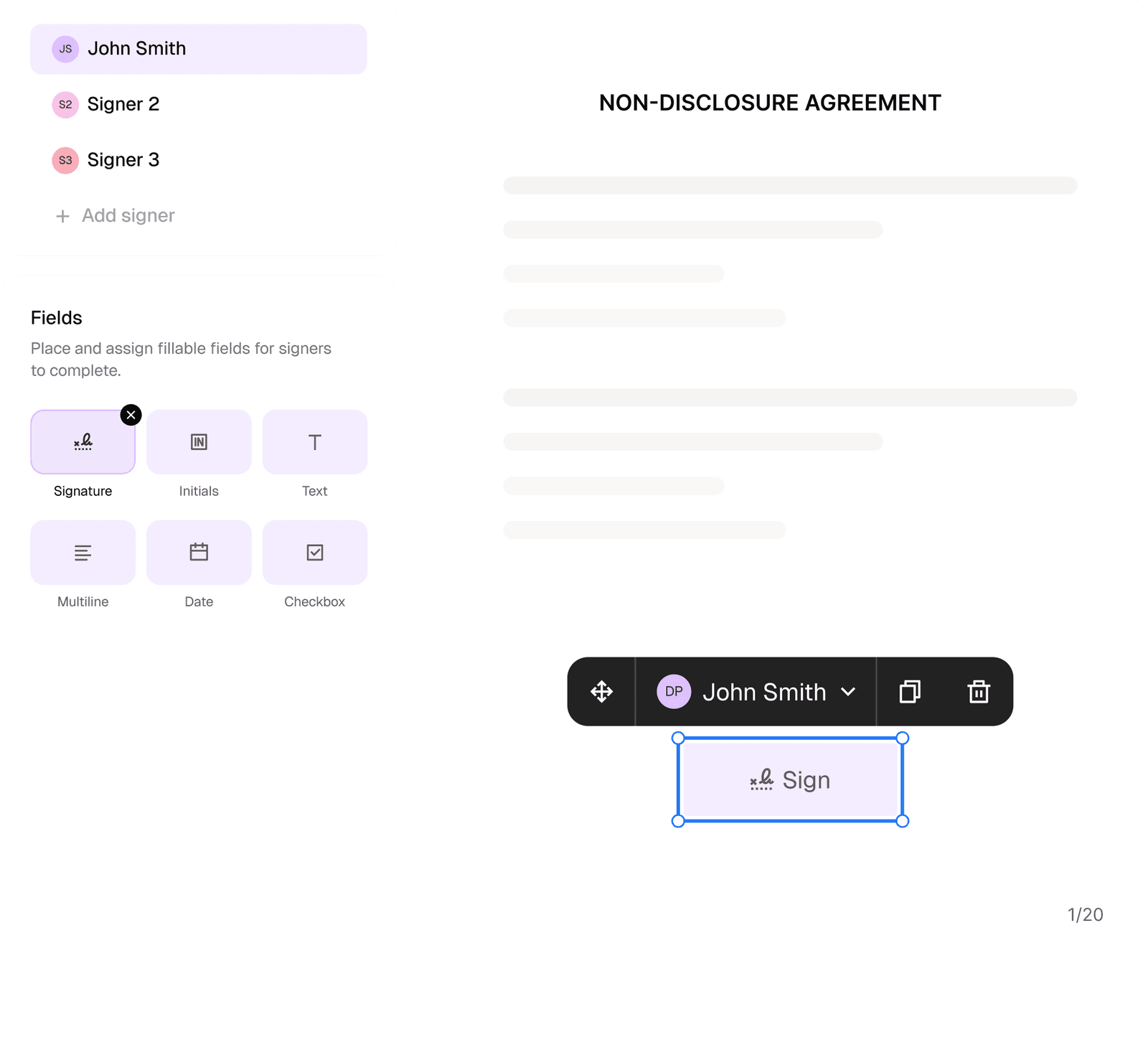
Sign documents and collect legally binding signatures. Invite up to ten people to sign in any order, track the progress, and send reminders.
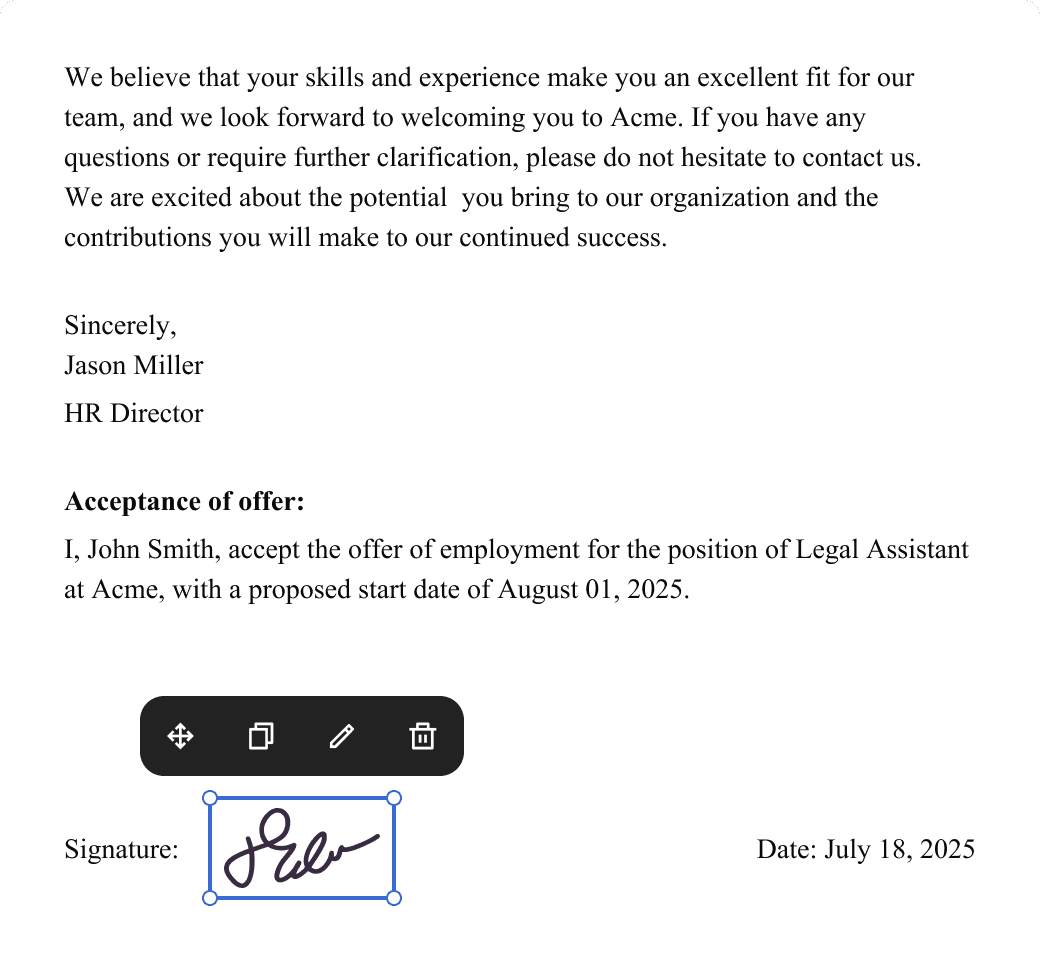
Request legally binding signatures
Invite up to ten people to sign your document in any order. Get a finalized, audit-ready copy without chasing signatures.
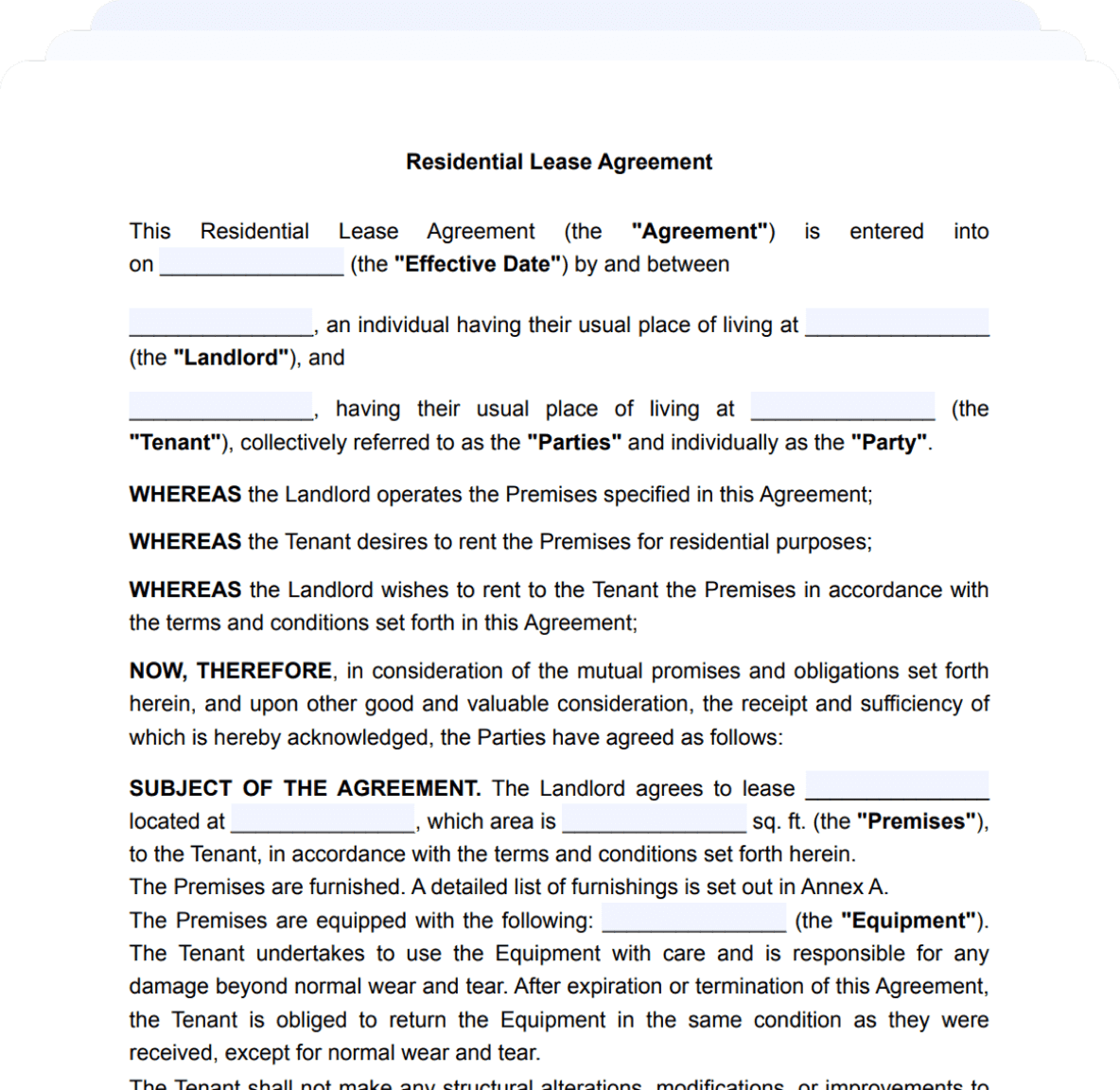
Skip the drafting.
Choose from 2,500+ templates
Browse templatesChoose a template
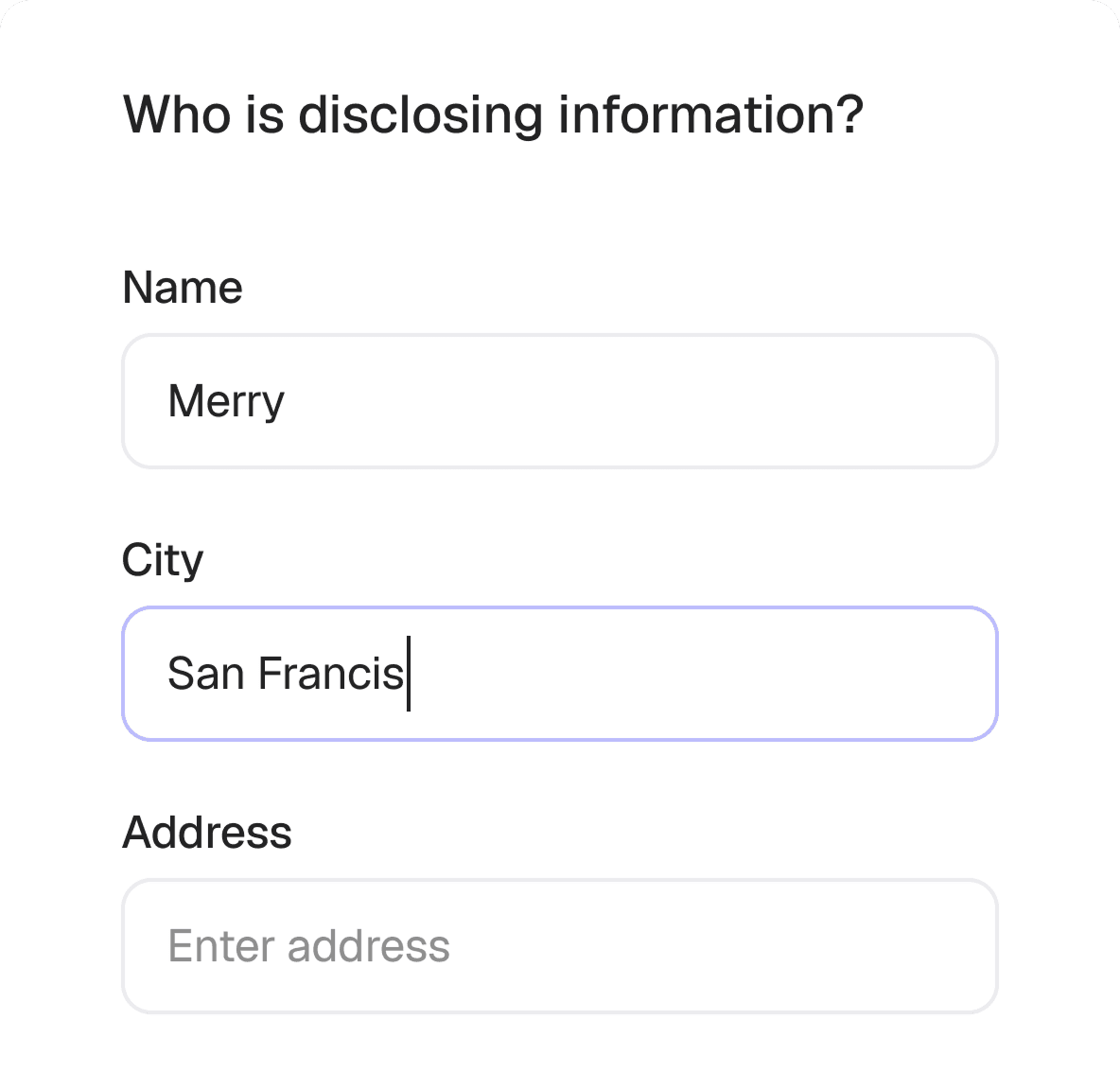
Fill in details
Sign and download