Updated October 19, 2026
8 min read
How Do You Protect an Idea When Pitching Your Business?
How Do You Protect an Idea When Pitching Your Business?
Content
Pitching your startup means putting your idea in front of investors, partners, or the market. And yes — you do need to protect it. But that doesn’t mean keeping everything secret.
If you’re thinking about how to protect an idea, the key is knowing what actually needs protection. What really matters is that the term “idea” includes your strategy, pricing, customer acquisition, and day-to-day operations. That’s the part you should be careful with. When you pitch, share enough to explain the opportunity and get people interested, but avoid revealing sensitive details too early.
What Needs Protection Before You Pitch
Before any significant pitch meeting, founders should pause and categorize their information. Not everything in your presentation carries the same strategic weight. High-level descriptions of market opportunity and customer pain points are generally safe. What creates risk are the replicable elements — the pieces that shorten another company’s path to execution.
Technical architecture, proprietary algorithms, supplier pricing, unit economics logic, detailed product roadmaps, and named customer contracts are examples of information that can accelerate a competitor’s learning curve.
These are the parts of your business that may qualify as trade secrets if they derive value from being confidential and if you treat them accordingly.
A trade secret is confidential business information that provides a competitive advantage because it is not publicly known and is actively protected. Notably, research shows that 48% of companies have experienced trade secret theft, which means this risk is far more common than many founders expect.
Trade secret protection in the United States depends on two core elements: the information must have economic value because it is not publicly known, and you must take reasonable measures to maintain its secrecy. That second requirement is often overlooked. If you disclose valuable details informally and without controls, you may weaken your ability to claim protection later.
How to Protect a Product Idea When Pitching It
Different types of intellectual property protect different parts of your business, from your brand to your technology to your creative materials. If you do not clearly understand how each type of protection works and where it applies, you risk relying on the wrong legal safeguard or assuming you are protected when you are not.
Trade secrets
Trade secrets save valuable business information that derives economic value from remaining confidential. Unlike patents, trade secrets are not registered with any government authority. Protection depends entirely on secrecy and reasonable safeguards. Trade secrets may include:
Proprietary algorithms;
Source code;
Customer lists;
Pricing formulas;
Internal processes;
Supplier terms;
Product roadmaps;
Strategic plans.
To qualify as a trade secret under U.S. law, information must have independent economic value because it is not generally known or easily discoverable, and the owner must take reasonable steps to keep it confidential.
Reasonable protective measures typically include signing non-disclosure agreements (NDAs) — legally binding contracts that require the receiving party to keep specified information confidential and not use it without permission — limiting internal access to sensitive data, applying password protection and encryption, adopting formal confidentiality policies, and clearly marking materials as confidential. An NDA is often one of the first practical answers to the question of how to legally protect an idea, especially during early discussions with investors, partners, or contractors. If you disclose trade secret information without protective measures (and without an NDA), you may lose legal protection permanently.
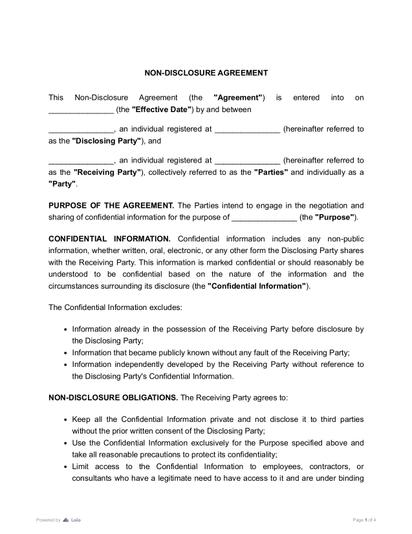
There are many situations where investors may refuse to sign an NDA — this is completely standard. Many investors review similar ideas regularly and avoid NDAs to limit legal risk. In such situations, focus on managing what information you choose to share.
Copyright protection
Copyright protects original works of authorship once they are fixed in a tangible form. In practical terms, it prevents someone from copying your slides or reusing your content. Copyright protects:
Pitch deck;
Written materials;
Graphics;
Software code.
With the growing use of AI-assisted development approaches such as vibe coding, startups can create software prototypes and other code more quickly, but they should still consider who owns the resulting code and how it is protected.
However, copyright does not protect the underlying business model. A competitor can build a similar company without infringing your copyright, as long as they do not directly copy your expressive materials. In the United States, registration is generally required before filing an infringement lawsuit, which makes formal registration worth considering for core materials.
Provisional patents
If your startup relies on genuine technical innovation, a provisional patent application may be appropriate. A provisional filing secures a priority date and allows you to use “patent pending” status for 12 months while evaluating whether to pursue a full patent. If you want to file for a patent in the United States, you must submit your application to the United States Patent and Trademark Office (USPTO).
Typically, you must prepare:
A detailed description of the invention;
Claims (what exactly you are protecting);
Technical drawings (if required);
Filing fees;
Oath or declaration.
A patent is a legal right granted by the government that gives an inventor the exclusive ability to make, use, sell, or license an invention for a limited period of time — usually 20 years from the filing date in the United States.
This approach can strengthen your negotiating position and deter casual copying. However, patents are also expensive and time-consuming. In many cases, speed to market and effective execution provide stronger protection than early patent filings.
Not every idea qualifies for patent protection, especially in software and business-method contexts. For example, abstract business models (like a generic subscription platform), basic financial processes, or simply moving an existing manual system online usually do not meet patent eligibility requirements.
Trademark protection
A trademark protects names, logos, slogans, and other identifiers that distinguish your brand in the marketplace. It prevents others from using confusingly similar branding that could mislead customers. A trademark can last indefinitely, as long as it remains in use and renewal requirements are met. Trademark protection can apply to:
Business name;
Product name;
Logo or symbol;
Tagline or slogan;
Distinctive packaging or design elements (in some cases).
Unlike patents, trademarks do not protect how your product works. They protect how your brand is recognized.
In the United States, trademark rights can arise from actual use in commerce. However, federal registration with the USPTO provides stronger nationwide protection, public notice of ownership, and enhanced enforcement rights.
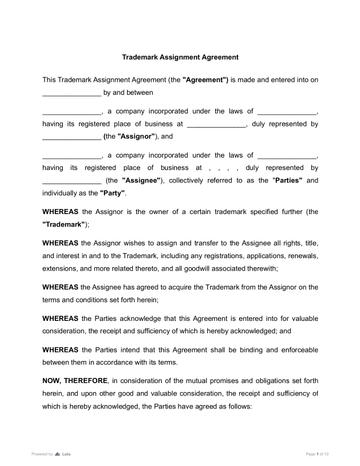
As your business grows, you may also need additional agreements. A trademark assignment agreement is used when ownership of a trademark is transferred to another party (for example, during a company sale or restructuring). A trademark license agreement allows another party to use your trademark under defined conditions while you retain ownership — common in partnerships, distribution deals, or franchise models.
- Trademark Assignment Agreement
 5364 downloads
 - Trademark License Agreement
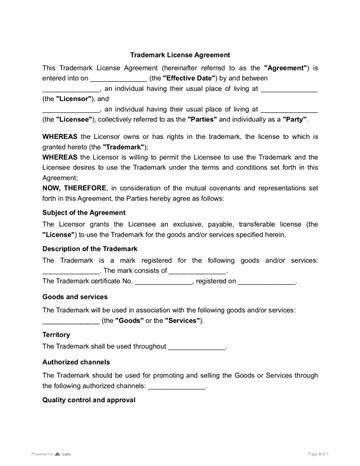 5404 downloads
How to Structure Your Pitch While Protecting a Business Idea
Pitching should follow a staged approach. Information depth should increase only as trust and seriousness increase. Early conversations are about potential and alignment. Later stages are about verification.
1. The “need-to-know” disclosure approach
Before revealing sensitive information, ask whether it is necessary for the current stage of discussion. If a detail is not required to evaluate the opportunity, it likely does not need to be shared yet. This approach reduces unnecessary exposure while maintaining transparency where it matters.
2. How much detail is too much
Oversharing often occurs when founders feel pressure to prove sophistication. Including detailed architecture diagrams, supplier pricing structures, or complete customer lists in an early pitch rarely strengthens credibility. Instead, it may expose valuable information prematurely. Investors are evaluating opportunity and execution capability, not auditing your operations in the first meeting. Detailed operational disclosures typically belong at a later stage — usually after serious negotiations begin and an investment agreement is being discussed.
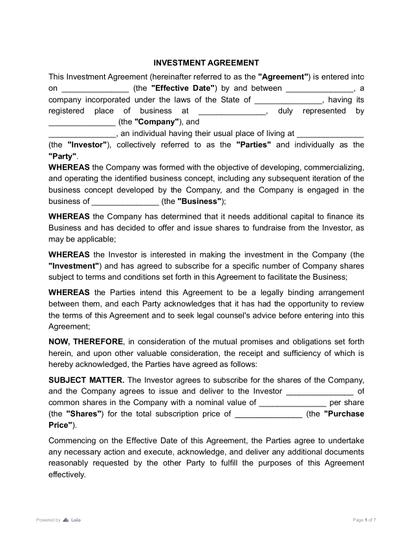
An investment agreement is the formal contract that sets out the terms under which an investor provides capital in exchange for equity, including valuation, ownership structure, investor rights, governance provisions, and the obligations of both parties. At this stage, founders should review the document carefully. You can use AI-powered summary tools to quickly understand key clauses and risk areas, and PDF editing tools to comment, suggest revisions, and track changes online before signing. However, technology should support — not replace — proper legal review when material rights and ownership are at stake.
How to Evaluate Potential Investors, Partners, and Vendors
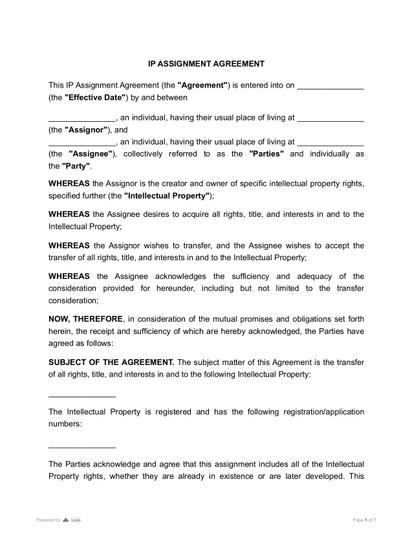
Before evaluating external parties, make sure your own legal structure is secure. You need to confirm that intellectual property assignment agreements are in place so that any work created for your business is legally owned by your company. This reduces the risk of disputes and strengthens your position if relationships change.
With that covered, let’s continue with how to evaluate potential investors, partners, and vendors.
The risk during a pitch depends on who you’re speaking to. Investors often spend just a few minutes reviewing a pitch deck — but even in that time, you may share sensitive information. No NDA or patent can fully protect you if you’re dealing with the wrong people, and that’s why due diligence matters. Before sharing details, make sure the other party is credible, relevant to your stage, and acting in good faith.
Focus on these five core checks:
- 1
Legitimacy and registration: Verify that the entity is legally registered and active through official state business registries (for U.S. entities, check the Secretary of State database). If they claim to manage a fund, confirm regulatory registration where applicable.
- 2
Track record, portfolio, and public presence: Review their website, media mentions, and independent platforms (such as Crunchbase or LinkedIn) to confirm actual investments or partnerships. Look for consistent activity, credible press coverage, and alignment with your industry, stage, and geography.
- 3
Conflict of interest review: Check whether they have invested in or partnered with direct competitors. If overlap exists, ask how they manage internal information barriers and conflicts.
- 4
Decision-making authority and process clarity: Confirm who makes final decisions, how the evaluation process works, and the expected timeline. Avoid sharing detailed materials with individuals who lack the authority to proceed.
- 5
Reputation and reference feedback: Speak with founders or companies that have previously worked with them. Direct feedback about negotiation fairness, confidentiality handling, and post-investment behavior provides valuable insight.
If communication feels inconsistent, overly aggressive, or evasive, slow the process. In many cases, walking away from a questionable interaction protects your company more than securing a rushed opportunity.
Facebook and the Winklevoss Twins
One of the most cited startup disputes involved Facebook and the Winklevoss twins. The twins claimed that Mark Zuckerberg agreed to help develop their social networking project, HarvardConnection, but instead used access to their concept and delayed progress while building Facebook. The dispute centered on whether confidential information and development ideas were misused after being shared in trust. The case ended in a substantial settlement.
Pitching your business inevitably involves a certain level of exposure, but if you’re asking how to protect your business idea, the answer lies in choosing the right legal tools for the right purpose. If investors decline to sign an NDA — which is common in venture capital — a properly filed patent offers the strongest enforceable protection for genuine technical innovation because it does not depend on secrecy. Copyright helps prevent others from copying your pitch deck and creative materials, while trade secret protection safeguards valuable business information only if you actively keep it confidential through reasonable security measures.
The goal is not to hide your idea, but to disclose it strategically — with real legal protection supporting what truly gives your company its advantage.
More guides
July 25
12 min read
How to Register a Company in the US: What No One Tells You in 2026
September 14
10 min read
Trade Name vs Legal Name: What Business Owners Need to Know
September 1
7 min read
How to Provide Proof of Employment: Documents and Steps
October 15
How to Start a Staffing Agency: Licensing, Pricing, and Cash Flow
July 25
12 min read
How to Start a Flooring Business and Get Your First Clients in 2026
October 8
8 min read
A Comprehensive Guide to Starting a Child Care Business
One home for your
agreements
Edit PDFs seamlessly
Tweak agreements before signing or sending for signatures. Update details, add or remove clauses, adjust formatting, and redline changes instantly.
eSign legally and securely
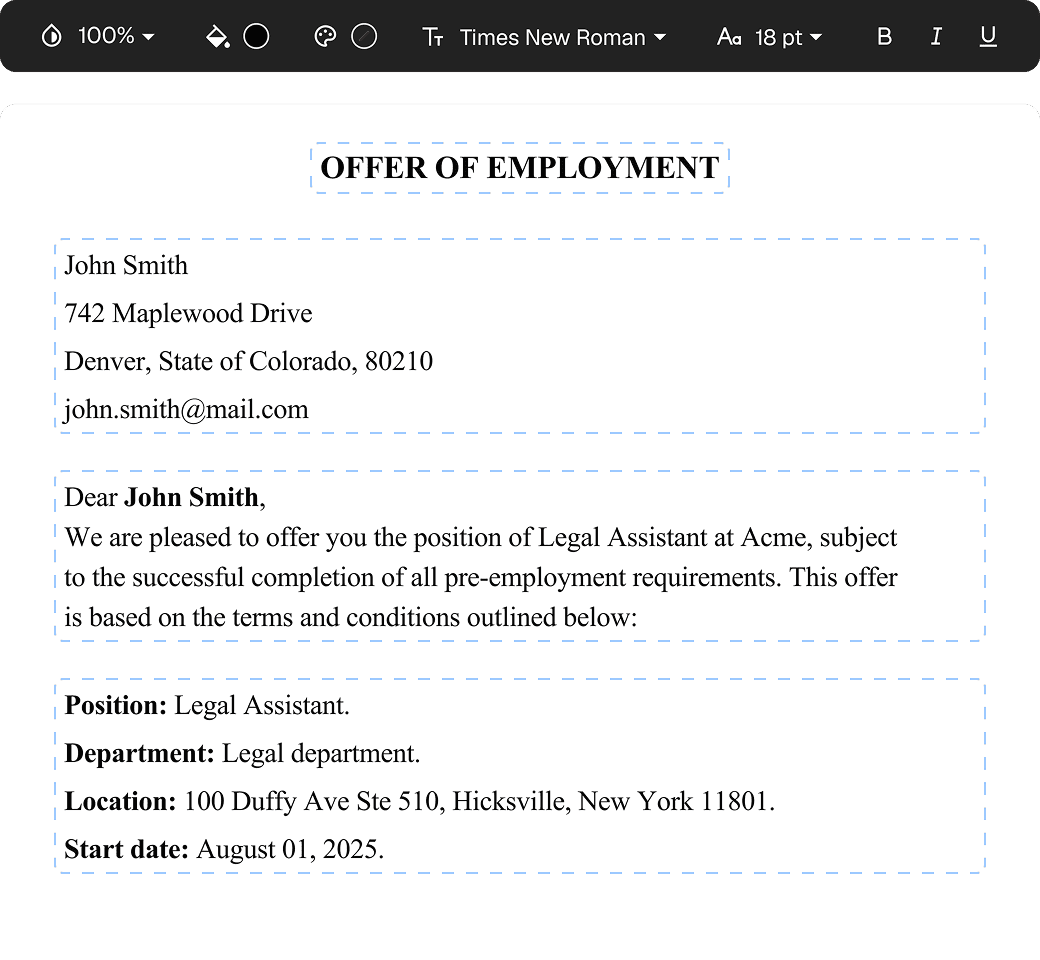
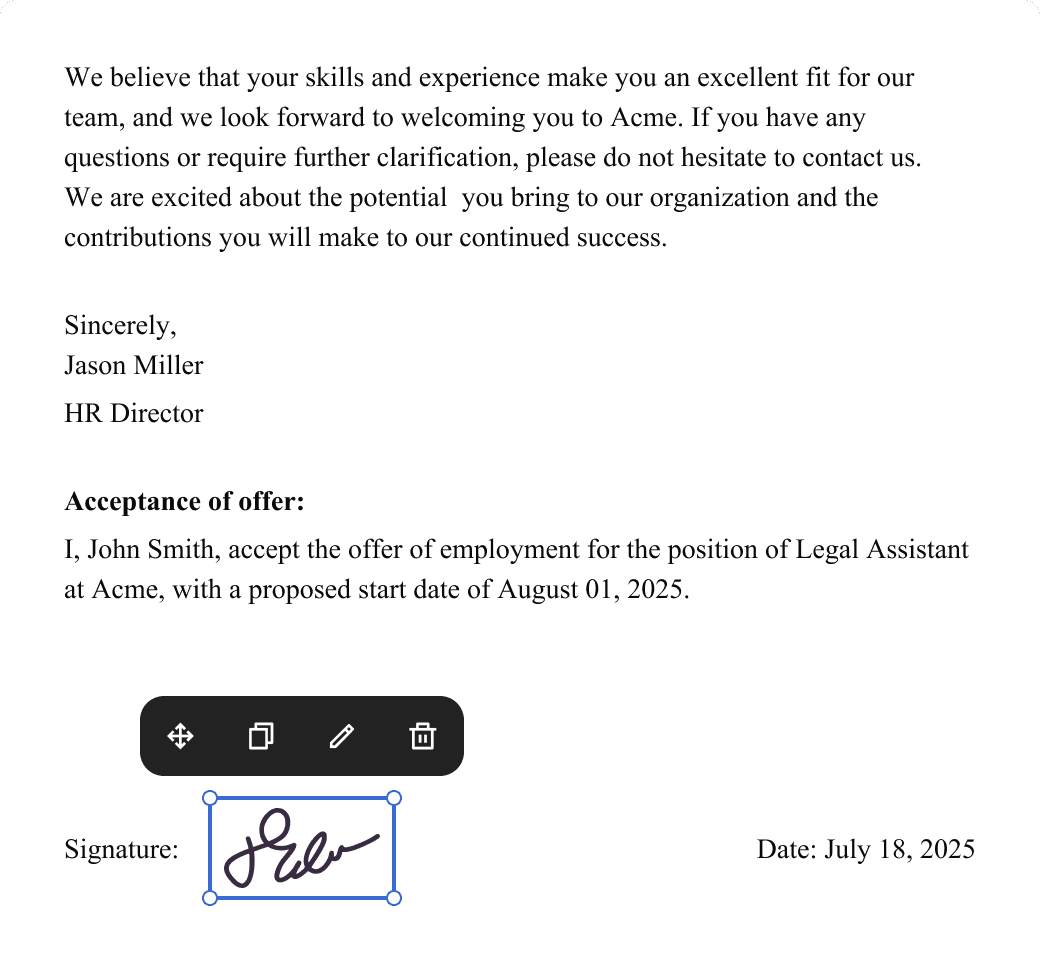
Sign documents and collect legally binding signatures. Invite up to ten people to sign in any order, track the progress, and send reminders.
Request legally binding signatures
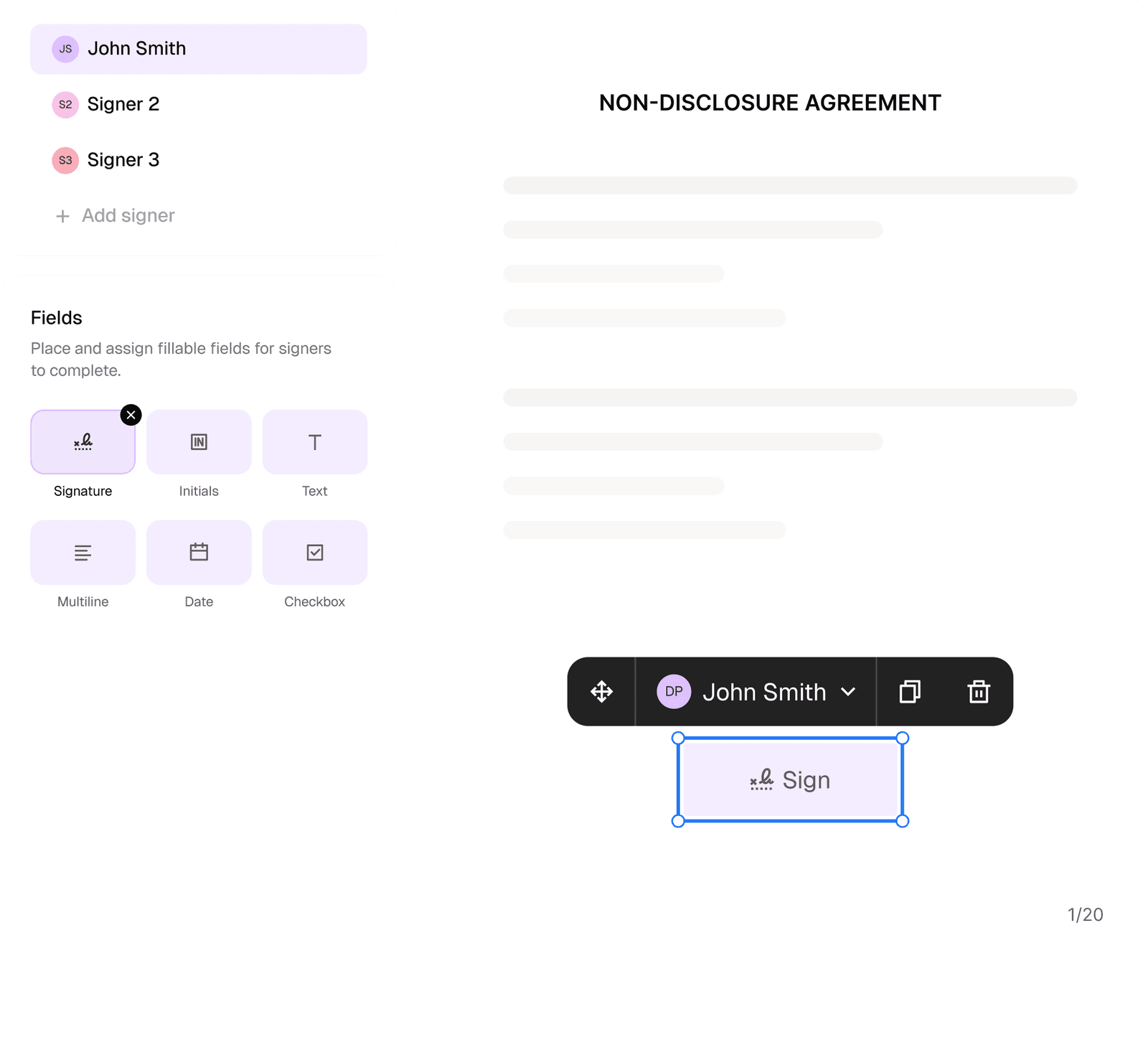
Invite up to ten people to sign your document in any order. Get a finalized, audit-ready copy without chasing signatures.
Skip the drafting.
Choose from 2,500+ templates
Browse templatesChoose a template
Fill in details
Sign and download