Updated July 21, 2026
How to Start a Roofing Company: Complete Guide
How to Start a Roofing Company: Complete Guide
- Starting a Roofing Company With a Business Plan
- How to Start a Roofing Business: Get a License
- How to Be a Roofing Contractor: Register a Company
- How to Start Your Own Roofing Company: Finances and Taxes
- Business Funding Options
- How to Become a Roofer Contractor: Get Insurance
- How to Start a Roofing Company: Read the OSH Act
Content
The demand for a reliable roofing service has never been higher. In the face of a challenging economic and climate environment hitting many other industries, roofing remains strong despite (and sometimes because of) these trends. By the end of 2026, this industry is projected to reach nearly $93 billion, showing a 5% CAGR. Roofing contractors support this claim: 89% of them expect their sales to increase over the next three years. However, starting your own roofing business involves nuances you, as a business owner, need to understand to make a profit and ensure it functions responsibly. This guide explains the key steps for starting a roofing company and how to ensure your documents and practices meet industry standards.
The Roofer’s Starter Kit
Before you climb your first ladder or register your business, it helps to set a paper trail that can protect your assets and reputation.
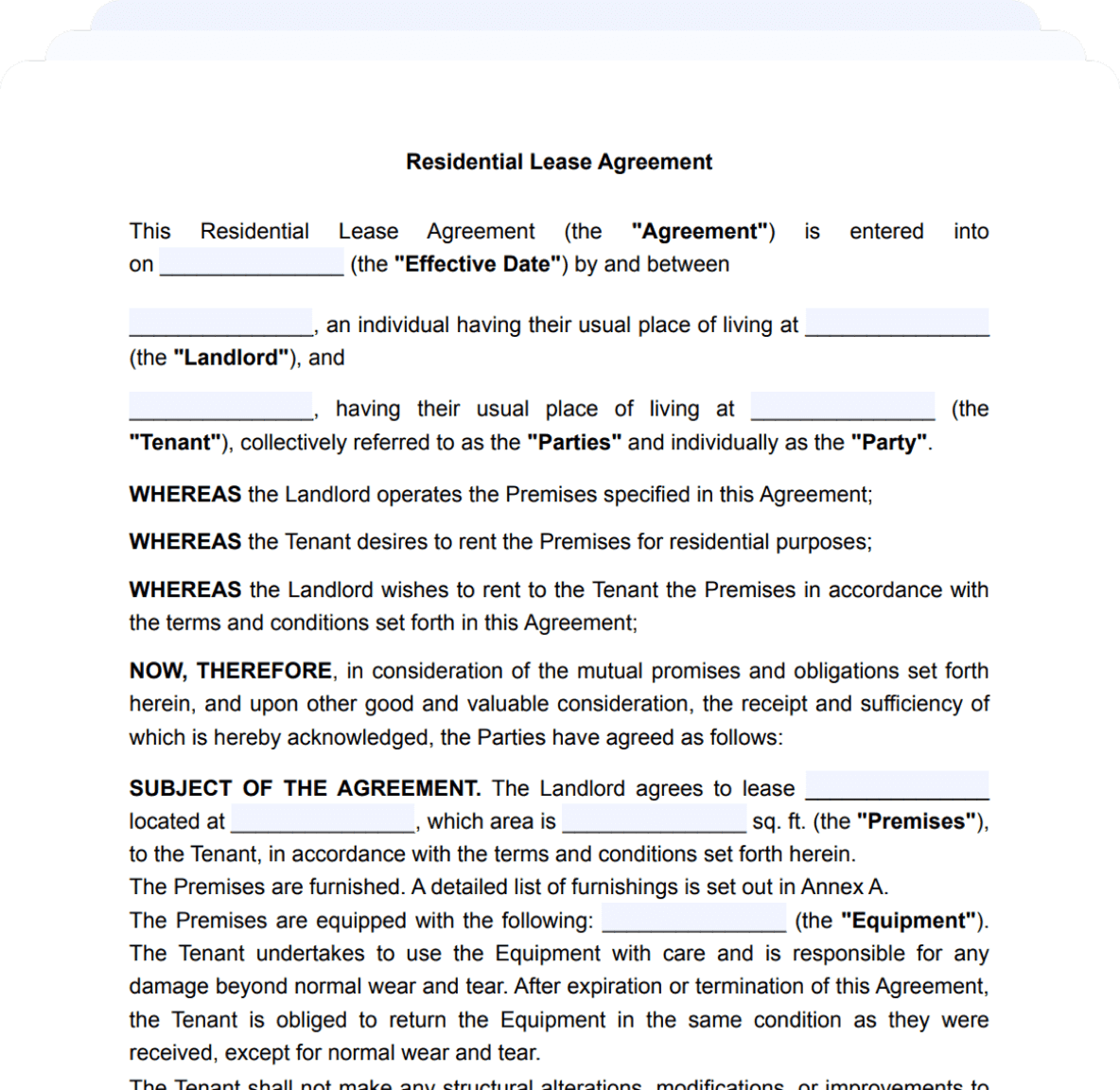
Roofing contract. A roofing contract defines the materials and costs for the specific project, as well as its timeline. When you have this contract ready, you show your prospective clients that you are accountable and ready to offer guarantees for the service. It also protects you from scope creep when a client requests more than was initially agreed upon or if you didn’t discuss it in advance.
Construction subcontractor agreement. Subcontractors are a significant part of your future workforce. Having a contract that allows you to hire them faster and cut corners on paperwork can save you time and help you move forward with the project. This document clarifies payment arrangements, duties, and workflow.
Construction contract. You don’t need a construction contract if you’re only replacing the roof. But it’s rarely the case that your team won’t have to touch other parts of the building, such as chimneys, gutters, or siding. In this case, you need a construction contract to make sure you operate within the permissible boundaries.
Starting a Roofing Company With a Business Plan
A common pitfall for skilled tradesmen is focusing solely on the craftsmanship while neglecting the corporate infrastructure. A roofing company requires a business plan to secure financing, obtain bonding, and establish a clear trajectory for growth. As a rule, a comprehensive business plan defines startup costs and target market, which sets your business on a certain direction. A business plan shows to your potential investors (if you plan to seek any) and business partners that your business has a strategy. A business plan doesn’t have a strict structure. However, a traditional business plan includes:
Executive summary
Startup cost analysis
Market overview
Legal structure
Products or services description
Marketing and sales strategy
Financial projections.
You might skip a few steps if you’re not sure about them yet — your legal structure, for instance — but having a clear plan in hand summarizes your business vision.
How to Start a Roofing Business: Get a License
In most jurisdictions, the path to becoming a contractor involves more than just a registration fee. A roofing contractor obtains a license and insurance to operate legally.
Obtain the necessary experience
Get the experience you need. Many municipalities won’t issue a license until you have years of experience and can show completed jobs. Before you do so, check your local and state requirements for a roofing license. Most roofers start with an apprenticeship under a more experienced professional, who can also verify that they worked and learned from them.
Pass the exams
You must pass a trade-specific exam that often depends on your location. Usually, the exam covers local building codes and standards at a minimum.
Obtain a bond
Before your license is issued, you will often need to purchase a license bond. This provides the state with a financial guarantee that you will operate in accordance with the law.
How to Be a Roofing Contractor: Register a Company
Knowing how to register a company saves you from fines and strengthens your company’s reputation with potential clients.
LLC vs. Sole Proprietorship
Many small roofing companies are one-person businesses, so it’s logical that individuals decide between sole proprietorship and a limited liability company (LLC). But when it comes to industries such as roofing, choosing an LLC is far more than a preference.
Sole proprietorship is a legal identity that’s easier to manage, but it doesn’t protect your assets. Because roofing involves high-altitude work and potential structural damage to a client’s most valuable asset, the risk of litigation is statistically significant. If your company faces a lawsuit or debt it cannot pay, your personal property is generally shielded from creditors.
File your articles of organization
Articles of organization are documents that you file with your Secretary of State to register your LLC. Check your Secretary of State website to start the process. The time to process an application varies from several business days to weeks. At the end of the fiscal and calendar years, people file more often, so it might take more time.
Draft an operating agreement
Having an operating agreement is a vital step in establishing your legal identity. An LLC operating agreement is more suitable if your company will have a co-owner. This document is an agreement between the LLC members that establishes rules for how the company is governed and how the earnings are distributed.
If you are the only company owner, focus on the single-member LLC operating agreement instead. It defines the ownership details and how the company is managed. This document is what secures the division between your personal and business assets.

How to Start Your Own Roofing Company: Finances and Taxes
Once your LLC is registered, you must treat the business as a distinct financial entity to maintain your legal protection.
Get your EIN
When you’ve registered your LLC, you can apply for an employee identification number (EIN) from the IRS. You’ll need this to open a business bank account, file taxes, and maintain your business’s legitimacy.
Open your business bank account
LLCs need a business account to separate an owner’s personal assets from the business’s assets. When you open a business checking and savings account, you create a designated place for all your revenue from your business operations.
File your taxes
As a roofing business owner, you are no longer a W-2 employee; you are a self-employed taxpayer. This means that you must stay ahead of the following requirements:
IRS W9 Form. This is the most important document for your vendor onboarding process. You must collect a signed W-9 from every subcontractor or supplier you pay more than $600. It captures their Taxpayer Identification Number (TIN), which you will later need to issue their year-end tax statements.
1040 Schedule C. Sole proprietors and single-member LLCs use this form to report their income or loss to the IRS. It allows you to deduct business-focused expenses (e.g., fuel for your trucks or specialized safety equipment) directly from your gross income to arrive at your taxable net profit.
Schedule SE. Since you are your own employer, you will be responsible for your own Social Security and Medicare taxes. Schedule SE calculates that obligation based on the net earnings reported on your Schedule C.
It helps to use a tax checklist for your business until you learn all the tax forms you need.
How much do top roofers make?
Roofers’ salaries vary significantly depending on the state, their experience, and job complexity. The median wage for a roofer in the U.S., according to the Bureau of Labor Statistics, is $50,970 per year — that is $25.51 per hour. The numbers can vary across platforms, but they aren’t significant. However, the industry offers more opportunities: Indeed reports that roofers can earn as much as $41.72 per hour. Plus, top roofers can earn up to $200,000 per year at some companies, but these figures aren’t common.
Where do roofers make the most money?
According to Indeed, the highest-paying cities in the U.S. are:
- Reno, NV
- Athens, GA
- Charlotte, NC
- Riverside, CA
- Tucson, AZ
- Mount Joy, PA
- Cleveland, OH
- Phoenix, AZ
- Jacksonville, FL.

Business Funding Options
Employees vs. subcontractors
Unlike many other industries, the roofing business often relies more on subcontractors than on regular employees. This stems from the seasonal nature of many roofing activities and the changing working schedule. Most roofing employers rely on subcontractors as a significant share of their workforce: at least 29% of those performing roofing work are subcontractors.
How to Become a Roofer Contractor: Get Insurance
Insurance is one of the core priorities for a roofing company. Because roofing is classified as a high-hazard trade, the legal and financial stakes of an accident are high. A roofing contractor obtains a license and insurance to protect their business against claims and to meet state regulatory requirements.
Essential coverage
Before you start working as a roofer or send others instead, you need to have your insurance in order.
General Liability. General liability is a necessity for any business. It covers bodily injury to non-employees and property damage. If, for example, a sudden rainstorm occurs during a tear-off and causes interior water damage, your GL policy is what keeps you from having to pay out of pocket for a total renovation.
Workers’ compensation, unemployment, and disability. These insurances are mandatory for any business with employees.
Inland Marine. Standard commercial auto policies often don’t cover the specialized tools or materials in the back of your truck. In turn, Inland Marine protects your saws, nail guns, and shingles during transit or at the job site.
How to Start a Roofing Company: Read the OSH Act
The Occupational Safety and Health Administration (OSHA) maintains strict oversight of roofing activities. It protects workers from accidents by setting standards under the Occupational Safety and Health Act.
Each roofing company owner must regularly read and keep up to date on any potential changes. Most of the existing standards deal with:
- Workers education about safety rules
- Fall protection
- Safe debris disposal
- Personal protective equipment
- Weather-related precautions
- Working with hazardous substances
- Emergency action plan.
Homeowners are increasingly aware of the liability they face if an uninsured or unsafe worker is injured on their property. Use your safety standards as a competitive advantage.
More guides
July 25
12 min read
How to Register a Company in the US: What No One Tells You in 2026

September 1
7 min read
How to Provide Proof of Employment: Documents and Steps

October 15
How to Start a Staffing Agency: Licensing, Pricing, and Cash Flow
September 15
10 min read
Who Can Sign a Contract on Behalf of a Company?
September 15
What Is Contract Redlining?
August 14
11 min read
Right to Work vs. At Will Employment Explained: What's the Difference?

One home for your
agreements
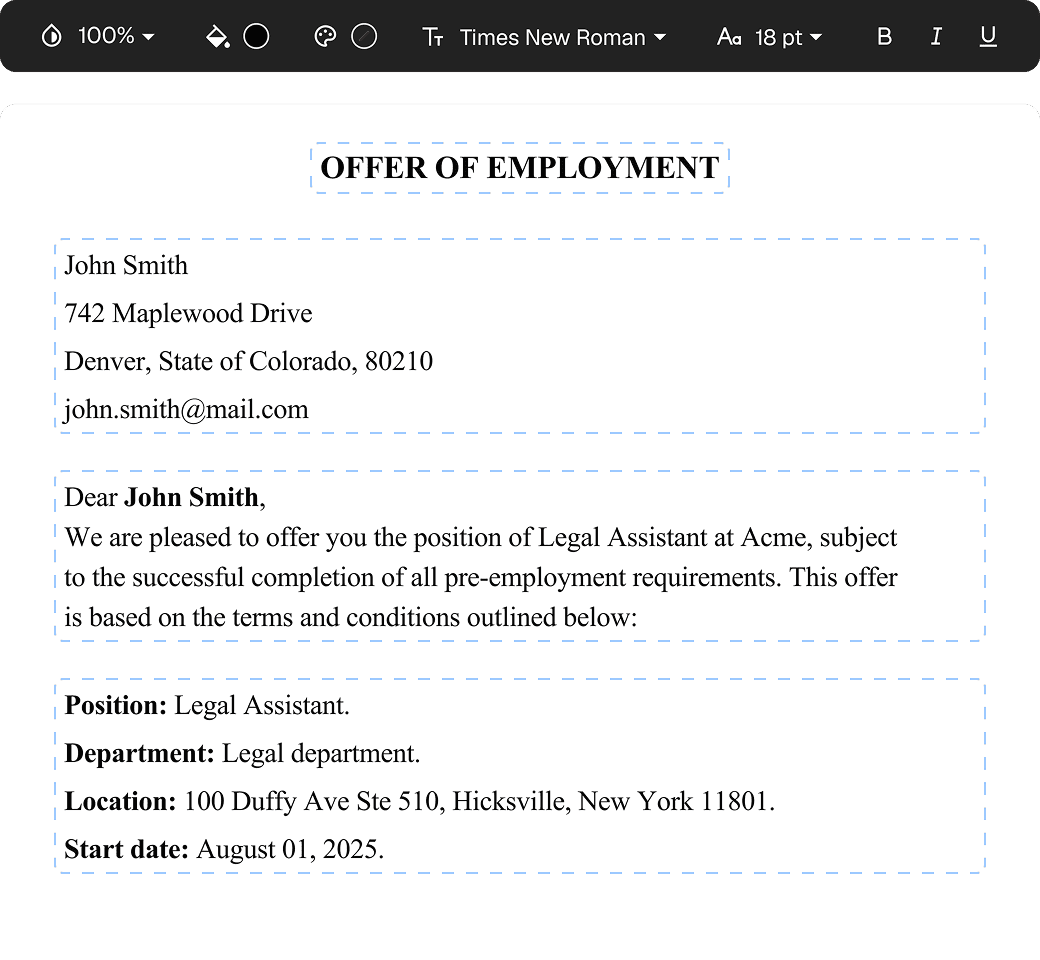
Edit PDFs seamlessly
Tweak agreements before signing or sending for signatures. Update details, add or remove clauses, adjust formatting, and redline changes instantly.
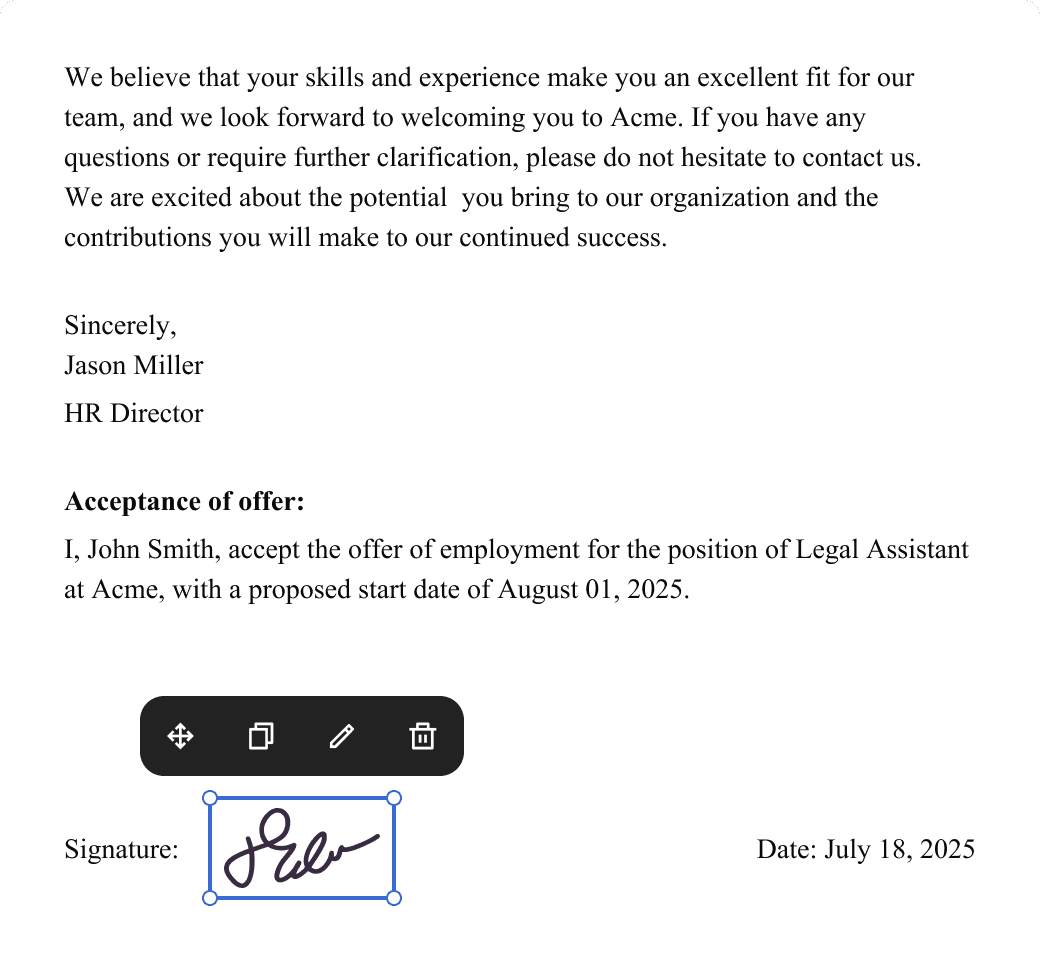
eSign legally and securely
Sign documents and collect legally binding signatures. Invite up to ten people to sign in any order, track the progress, and send reminders.
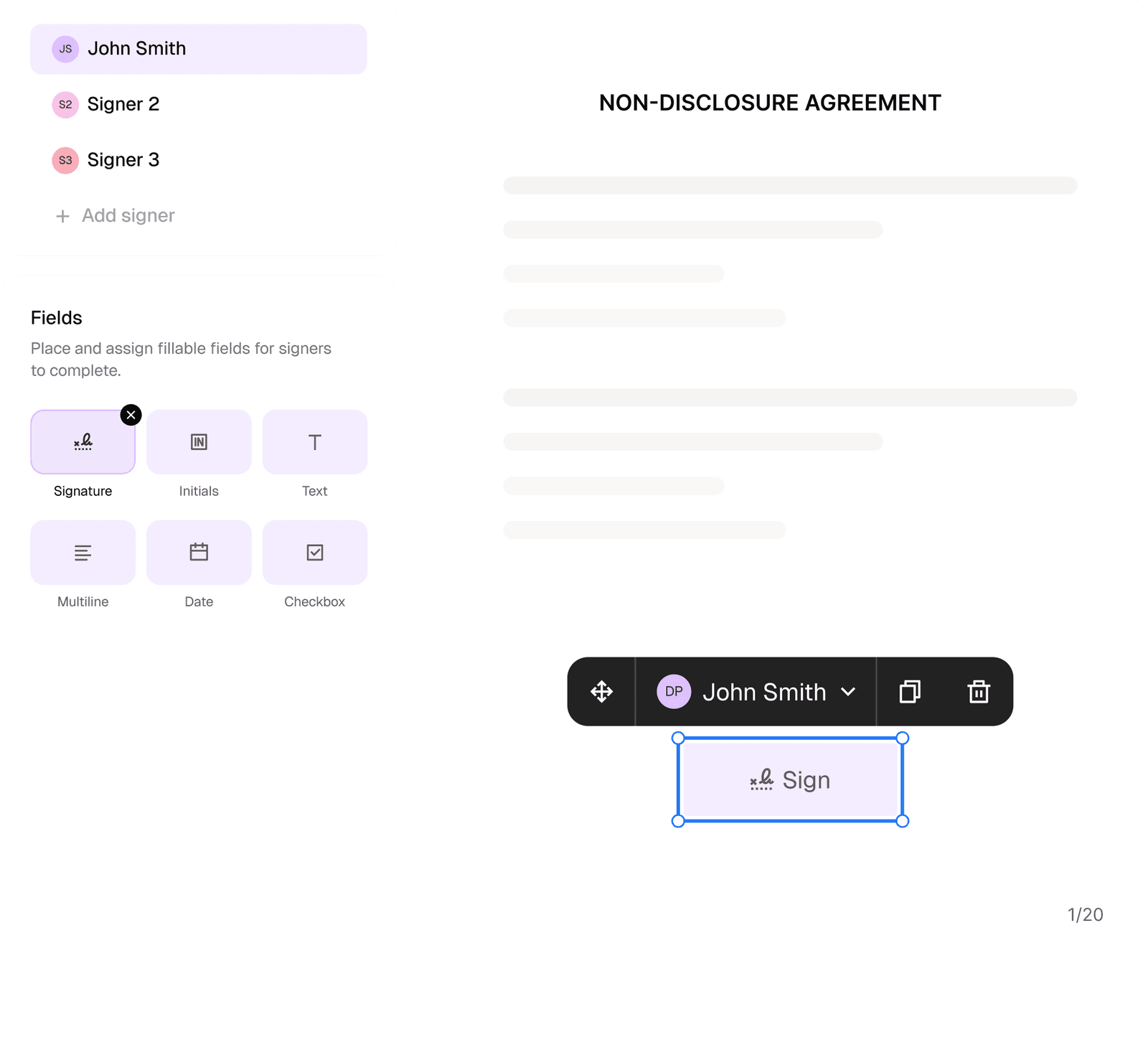
Request legally binding signatures
Invite up to ten people to sign your document in any order. Get a finalized, audit-ready copy without chasing signatures.
Skip the drafting.
Choose from 2,500+ templates
Browse templatesChoose a template
Fill in details

Sign and download