Updated July 22, 2026
9 min read
How to Sell Livestock Online: Legal Steps and Practical Process
How to Sell Livestock Online: Legal Steps and Practical Process
- How to Sell My Livestock: Step-by-Step
- Step 1. Confirm You Can Legally Sell Livestock Online
- Step 2. Prepare Health and Identification Documentation
- Step 3. Choose the Right Platform: Where to Sell Cattle
- Step 4. Create a Listing That Reduces Disputes
- Step 5. Set Clear Pricing and Payment Terms
- Step 6. Use a Written Agreement to Formalize the Sale
Content
From nomadic herders to the cowboys of the American West, people have been buying and selling livestock for profit for generations.
This process has carried into modern times, but today, it has shifted online.
However, even if it seems simple, selling livestock still means transferring ownership of a regulated asset. And that’s where most of the complexity sits — everything behind the transaction. We’re here to help you handle that part properly.
This guide brings together all the essential information you need on how to sell livestock online, structured step by step so you don’t miss any important details.
How to Sell My Livestock: Step-by-Step
Today, livestock, dairy, and poultry bring in over $268 billion in U.S. farm cash receipts — more than half of all agricultural revenue. So even a small sale is part of a much bigger, highly regulated system. And once the process moves online, the way people buy and sell changes with it.

Now, transactions often happen across states, and buyers don’t get to see the animals in person. Instead, they rely on what’s written down — the listing details on online platforms, animal certifications, and, most importantly, the livestock bill of sale. It confirms who owns the animal, what exactly is being sold, its condition and identification, the price, and any agreed-upon terms. If you’re preparing to grow sales, it’s worth reviewing a comprehensive document to ensure nothing important is missed.
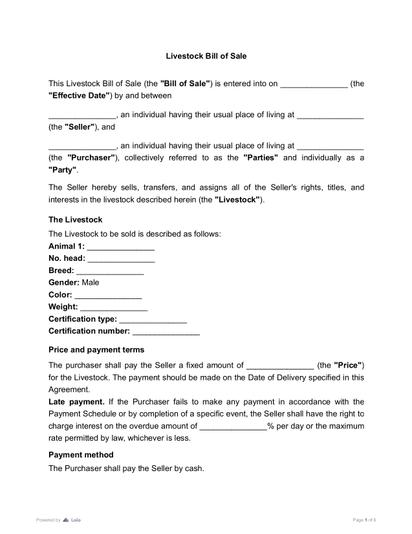
From there, the process becomes more structured. You need to think through how you list the animals, what information you include, how you handle buyer communication, and what happens after the deal is agreed. The next steps break down how the selling process actually works — and what to put in place at each stage to avoid problems later.
Step 1. Confirm You Can Legally Sell Livestock Online
Before creating a listing, confirm that you have the legal right to sell the animal and that the transaction itself is allowed.
What to check:
- 1
Ownership rights
Make sure the animal is legally yours to sell. Check your purchase records or registration papers (for example, breed association certificates). If the animal was financed or bought with a loan, contact your lender to confirm there’s no lien. - 2
Local and state rules
Requirements vary depending on where you live and where the animal is going. Go to your state’s Department of Agriculture website (just search: “your state livestock regulations”). Look for sections on animal sales, movement, or health requirements. - 3
Licensing (if you sell regularly)
If you’re selling often or at scale, you may need to register as a dealer. Check with your state Department of Agriculture or local county office. For auctions or larger operations, rules can be stricter. - 4
Platform rules
Each website has its own requirements for listings. Read the platform’s seller guidelines before posting (some require specific animal details, health info, or proof of ownership).
If ownership is unclear or regulations are ignored, the transaction can be challenged or reversed. In some cases, animals can be seized, or sales voided.
Step 2. Prepare Health and Identification Documentation
Online buyers cannot check the animal in person, so they rely on animal husbandry documents instead. If you want to sell livestock across state lines, having the right paperwork is not optional — it is part of the sale process.
In most cases, you will need:
A veterinary health certificate, also called a Certificate of Veterinary Inspection (CVI);
Vaccination records;
Official animal identification, such as ear tags, RFID tags, or branding;
Breed registration papers, if the animal is registered.
If the animal is being moved to another state, the rules become stricter. Most states require a CVI issued by an accredited veterinarian within 10 to 30 days before transport. Many animals also need official identification under Animal Disease Traceability (ADT) rules.
Some requirements depend on the species. For example:
Cattle may need negative tests for diseases such as trichomoniasis or brucellosis, depending on the destination state.
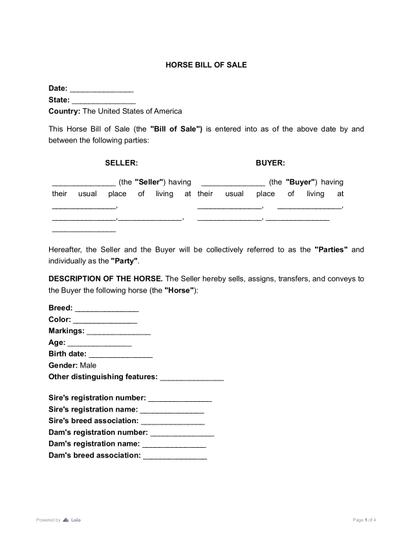
Horses usually need a negative Coggins test within the last 6 to 12 months. You can also include that information in the bill of sale for a horse and update the document as needed with a PDF editing tool, so the buyer has the sale terms and key health details in one place.
Because state rules vary, sellers often check current requirements through tools such as AnimalRegs.com or GlobalVetLink before arranging transport.
Why does this matter? Because the buyer is not the only one who may ask for documents. Transport companies, veterinarians, and state authorities may also require them. If something is missing, the animal may be refused transport, denied entry into the destination state, or delayed until the issue is fixed.
Step 3. Choose the Right Platform: Where to Sell Cattle
Where you choose to list your livestock affects both who sees the sale and how protected the transaction is. In practice, the platform does more than publish your listing — it shapes the sale itself through its fees, buyer verification rules, communication tools, and dispute procedures. That is why it is worth looking beyond audience size and checking how the platform handles identity verification, payments, commissions, and buyer quality.
In the U.S., online livestock sales generally fall into three main categories, helping sellers decide where to sell cows, sheep, horses, and other livestock based on the type of animal and the buyers they want to reach.
- 1
Video auctions;
- 2
Classified listings;
- 3
Industry-specific exchanges.
Each one works differently. Some are built for broad exposure, while others are designed to attract more serious or verified buyers. A larger audience may bring more views, but it does not always bring a better buyer. In many cases, a more specialized platform reduces the risk of fraud, non-payment, and misunderstandings more effectively than broad exposure alone.

Step 4. Create a Listing That Reduces Disputes
Your listing is not just there to attract buyers. It also helps protect you if questions come up later. The more clearly you describe the animal, the easier it is to show that the buyer received what was offered.
A strong listing should include:
- 1
Clear, recent photos from several angles;
- 2
Accurate details such as age, breed, weight, and current health status;
- 3
Temperament and handling notes;
- 4
Feeding routine and general care conditions.
Try to make the listing as specific as possible. Words like “healthy” or “good condition” sound positive, but they do not tell the buyer much. A better description explains what that actually means.
For example, instead of writing:
Healthy young bull in good condition.
Write something like:
18-month-old Angus bull, approximately 1,150 lbs, vaccinated with 7-way, BVD-PI negative, handled regularly, calm in chute, currently on hay and grain mix, no known injuries or mobility issues.
That kind of description gives the buyer something concrete to evaluate. It also gives you a clearer record of what was represented in the sale.
Photos and videos matter too. Use natural daylight, keep the background simple, and show the animal clearly. A side profile, front view, and feet or legs are usually helpful. If a buyer asks for additional video, sending a short, unedited clip can build trust faster than repeating the same written claims.
Step 5. Set Clear Pricing and Payment Terms
Before you post the animal for sale, decide exactly how payment will work. Set the price in advance or make it clear that the sale will go through an auction. If you want a deposit, say how much it is, when it must be paid, and whether it is refundable. Also, decide which payment methods you will accept and how long the buyer has to pay the full amount.
Use the Basis Formula (Cash Market - Futures Market = Basis) to set realistic expectations.
Vague payment terms are where deals start to fall apart. A buyer may ask for more time, try to change the price at the last minute, or stop responding after agreeing to buy. To avoid that, put the payment terms in writing from the start and connect them to a clear sales agreement so the price, deposit, deadlines, and payment method are all documented in one place.
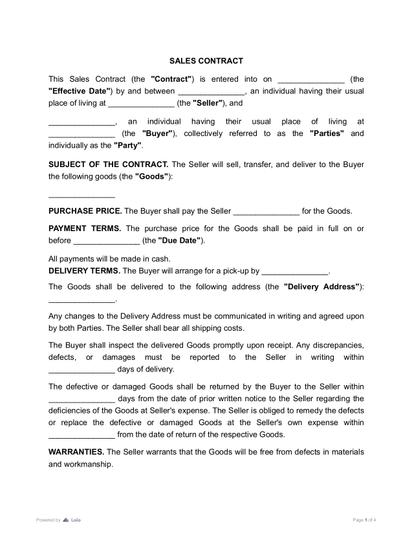
Step 6. Use a Written Agreement to Formalize the Sale
Once money, pickup, or transport is involved, do not rely only on messages or phone calls. Put the sale terms into a written document so both sides know exactly what was agreed. Keep it simple. The agreement should include:
the buyer’s and seller’s names and contact details;
a clear description of the animal;
the sale price and payment terms;
when ownership transfers;
when responsibility shifts from seller to buyer;
whether returns or refunds are allowed.
This matters because if something goes wrong — for example, a transport delay, a disagreement about the animal’s condition, or a payment issue — the written agreement is what helps show who is responsible.
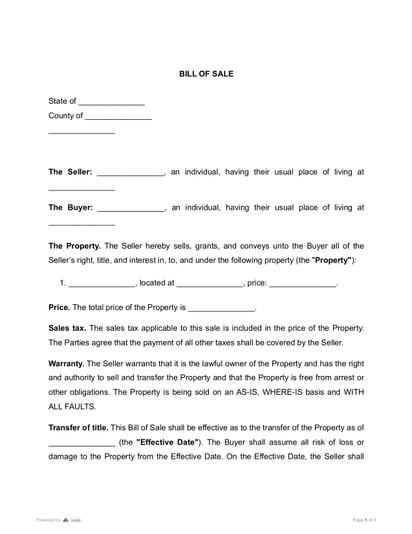
A good place to start is a ready-made bill of sale from a template library. If the buyer is far away, you can send the document electronically and sign it with an eSign, so the sale can be completed without meeting in person.
One of the biggest advantages of online auctions is simple: they put your cattle in front of more buyers. A recent video auction in Alabama showed exactly why that matters. Instead of being limited to whoever showed up at the local barn, sellers were able to reach buyers from far beyond the region. And when more serious buyers are competing for the same cattle, the sale usually has a better chance of ending at a stronger price.
FAQ
More guides
July 20
10 min read
How to Start a Landscaping Business: Legal and Business Checklist

September 15
7 min read
Contract Risk Management: How to Do It Properly

September 15
10 min read
Who Can Sign a Contract on Behalf of a Company?

September 15
What Is Contract Redlining?

September 1
7 min read
How to Provide Proof of Employment: Documents and Steps

September 9
Booth Rent vs. Commission: Earn More and Worry Less

One home for your
agreements
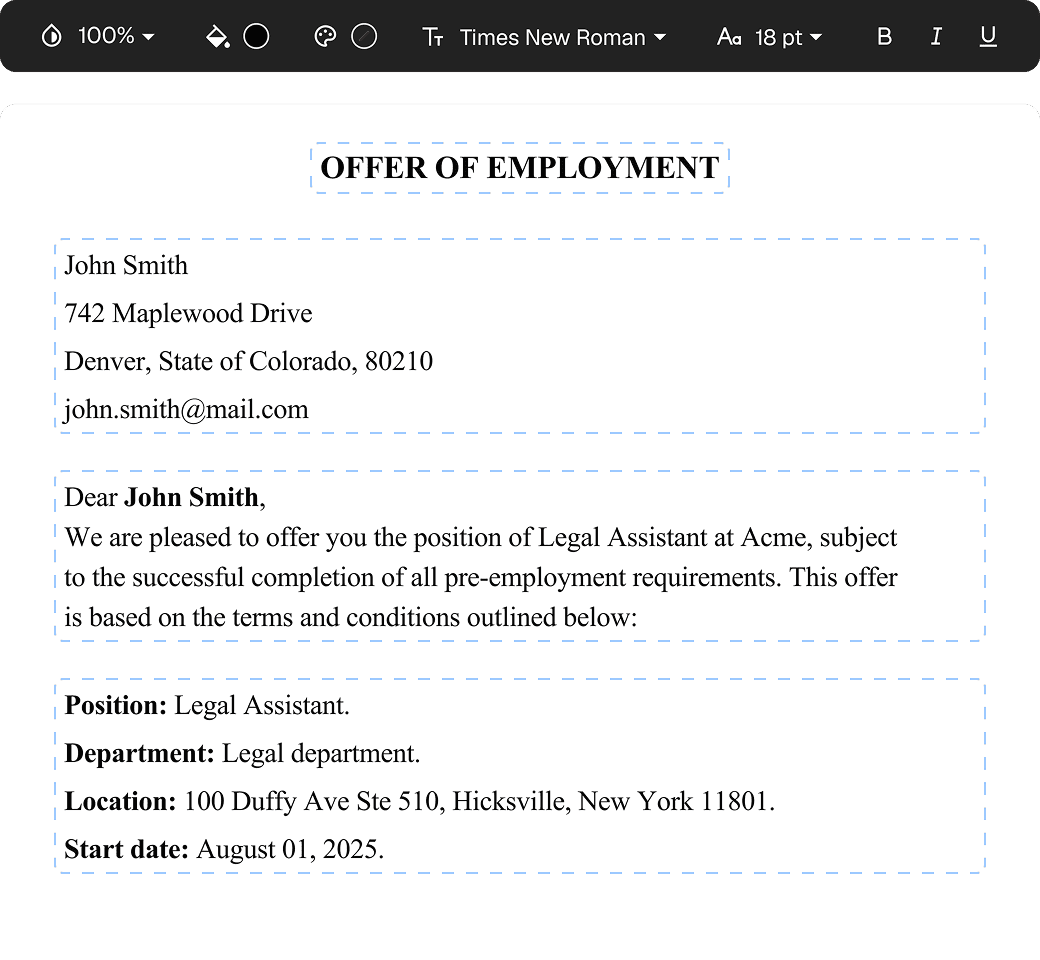
Edit PDFs seamlessly
Tweak agreements before signing or sending for signatures. Update details, add or remove clauses, adjust formatting, and redline changes instantly.
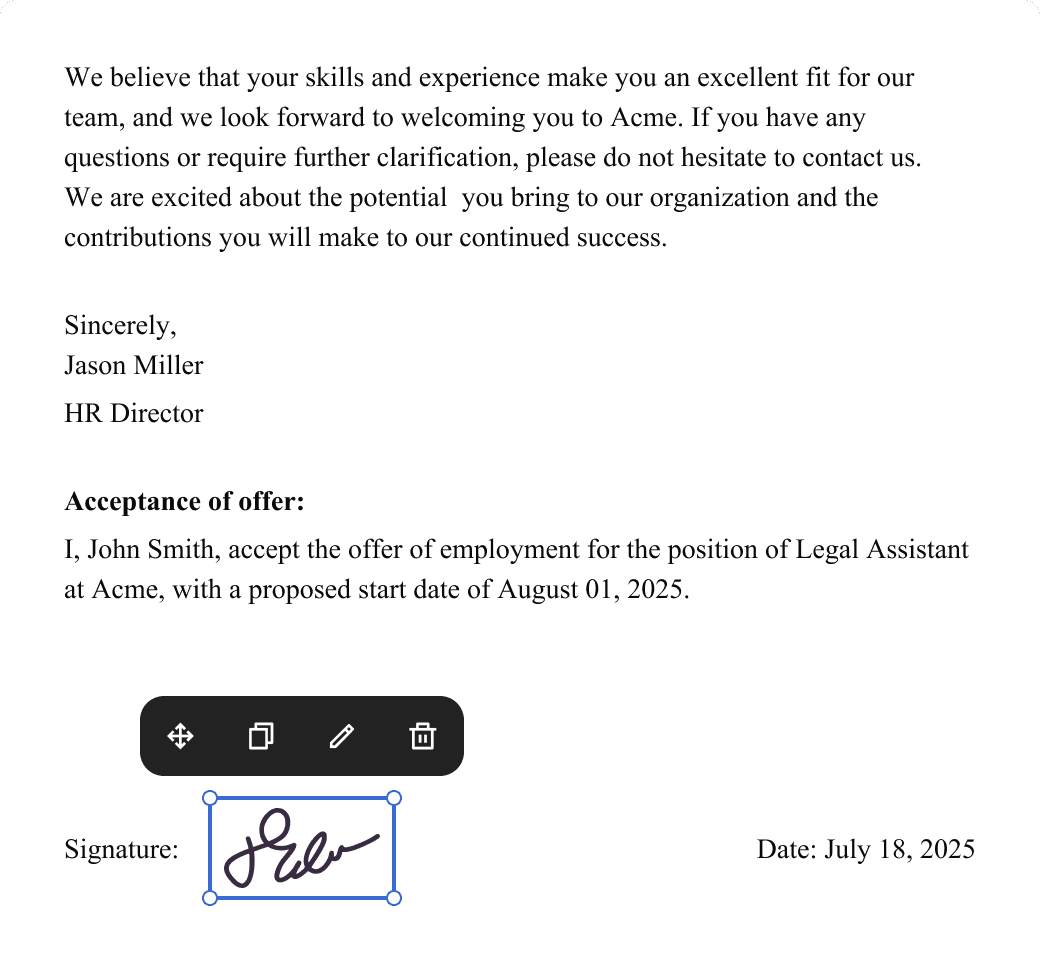
eSign legally and securely
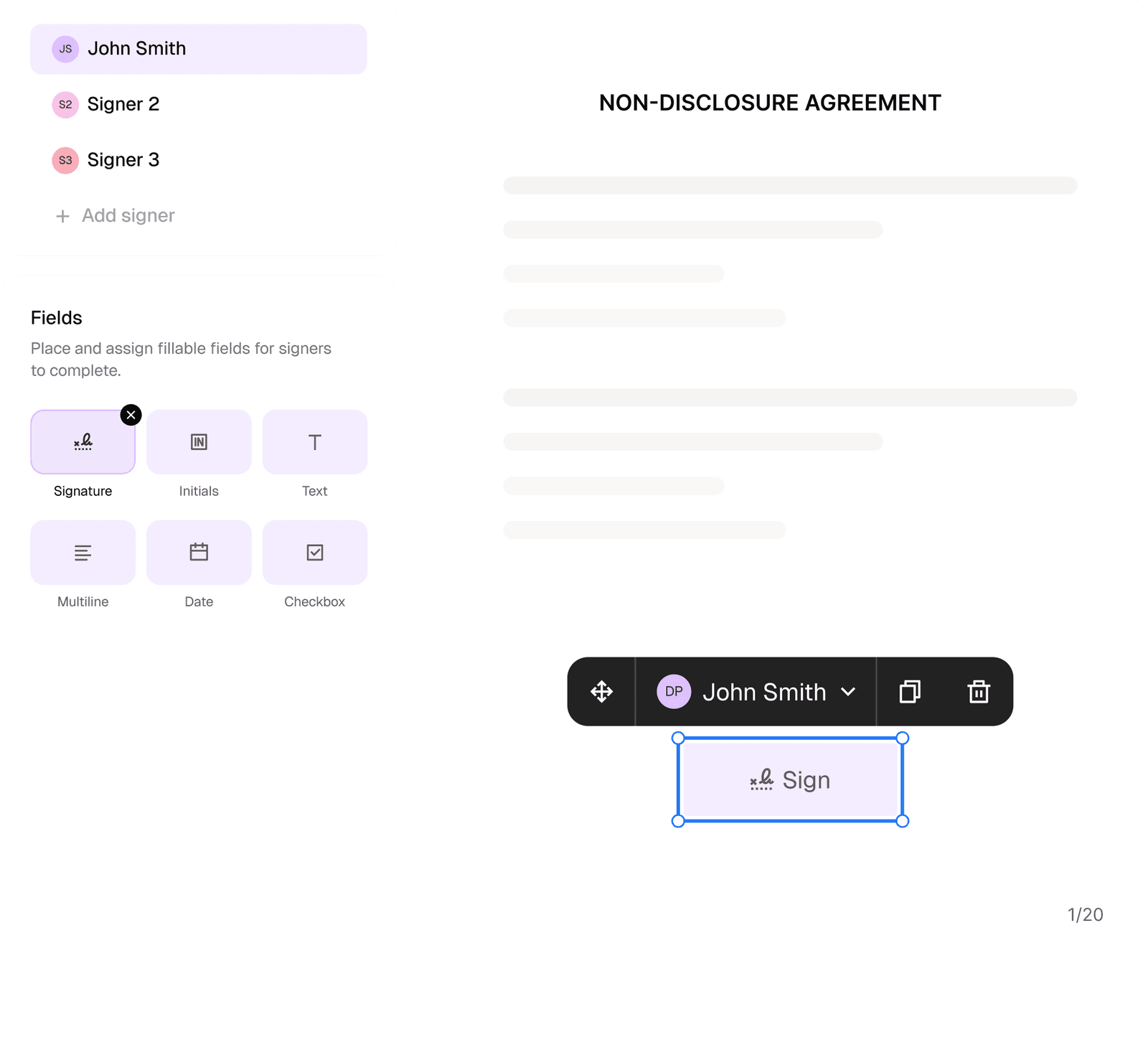
Sign documents and collect legally binding signatures. Invite up to ten people to sign in any order, track the progress, and send reminders.
Request legally binding signatures
Invite up to ten people to sign your document in any order. Get a finalized, audit-ready copy without chasing signatures.
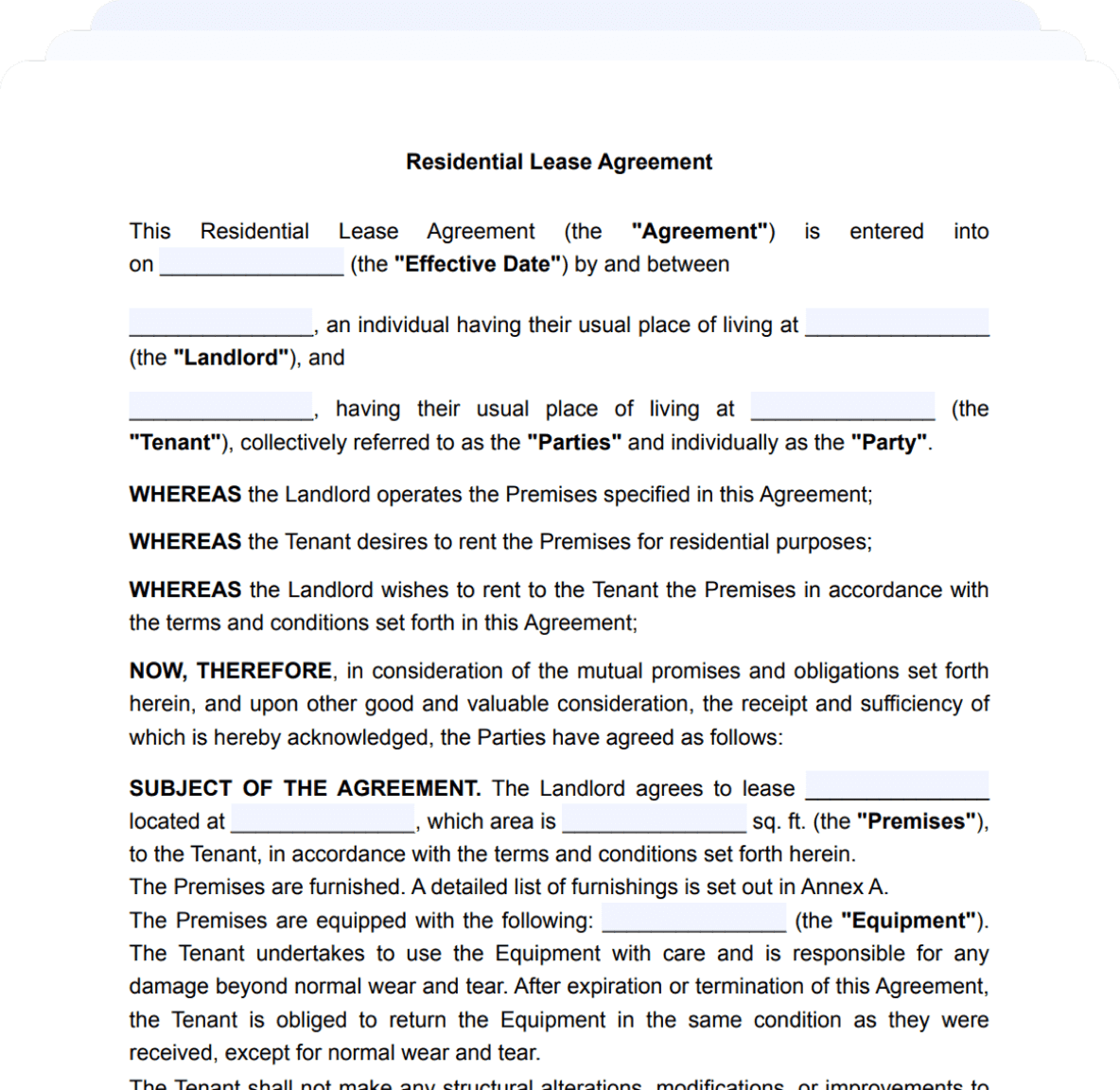
Skip the drafting.
Choose from 2,500+ templates
Browse templatesChoose a template
Fill in details
Sign and download