Updated September 13, 2026
9 min read
How to Get Out of a Franchise Agreement

How to Get Out of a Franchise Agreement
Content
At first, franchising can feel like a safer way to start a business. You’re operating under an established brand, following a system that supposedly works, and benefiting from existing customer recognition. But when revenue drops, costs rise, or conflicts with the franchisor grow, the same structure that once felt supportive can quickly become restrictive. Many franchise owners reach a point where the business no longer feels sustainable — yet leaving isn’t as simple as closing the doors.
Before making any move, take time to understand the legal structure and exit options, because in franchising, the hardest part is often not starting the business, but leaving it.
Situations That Cause Owners to Exit Franchise
Franchisees rarely enter the system intending to leave early. Most exits occur because the original expectations no longer match business reality. And the common triggers include:
- 1
Financial underperformance. Even within established systems, profitability varies widely between locations.
- 2
Market shifts or competition. Local demand can change quickly, particularly in food service, retail, and hospitality franchises.
- 3
Operational restrictions. Franchise systems impose strict brand standards that limit managerial flexibility.
- 4
Conflict with the franchisor. Disputes may arise over territory rights, required renovations, or marketing contributions.
- 5
Personal circumstances. Health issues, relocation, retirement, or strategic changes can also lead owners to consider exiting.
Business survival data shows how challenging the early years can be. According to the SBA Office of Advocacy’s 2026 data, 49.2% of new employer establishments survive at least five years.
Can I Get Out of My Franchise Agreement?
Technically, yes, but rarely without consequences. Franchise agreements do not allow franchisees to terminate the relationship freely before the end of the contract term. Instead, exits typically occur through specific mechanisms such as:
Expiration of the agreement term;
Mutual termination;
Sale or transfer of the franchise;
Franchisor termination due to breach;
Negotiated buyouts or settlement agreements.
Check State Franchise Laws and Your FDD
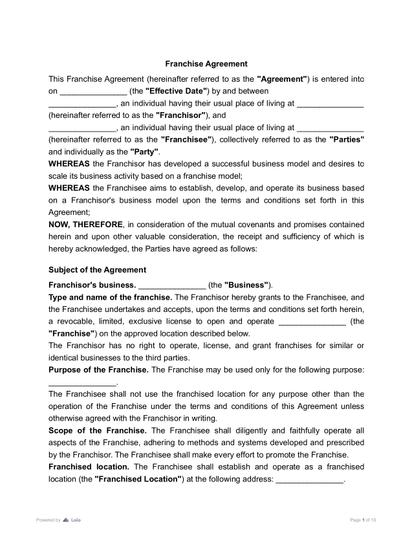
Before choosing an exit route, review Item 17 of your Franchise Disclosure Document (FDD), which covers termination, renewal, transfer, dispute resolution, and post-termination obligations. Also check applicable state franchise laws. For example, Minnesota generally requires good cause for franchise termination, while California restricts a franchisor from preventing a sale or transfer when the proposed buyer meets the franchisor’s then-existing standards and the applicable transfer conditions are satisfied.
How Do I Terminate a Franchise Contract?
When ending a franchise relationship, follow both the franchise agreement and any applicable state franchise law carefully. Missing notice, cure, transfer, or post-termination requirements may create additional legal or financial exposure.
Step 1: Provide written notice to the franchisor
Most franchise agreements require formal written notice before the relationship can end. The contract may specify how much notice must be given and how it must be delivered, such as by certified mail or another documented method. A proper termination notice usually includes:
The full legal names of the franchisor and franchisee;
The date of the notice;
Identification of the franchise agreement (title and signing date);
A clear statement of intent to terminate the agreement;
The proposed termination date;
The reason for termination, if required by the contract;
The franchisee’s contact information and signature.
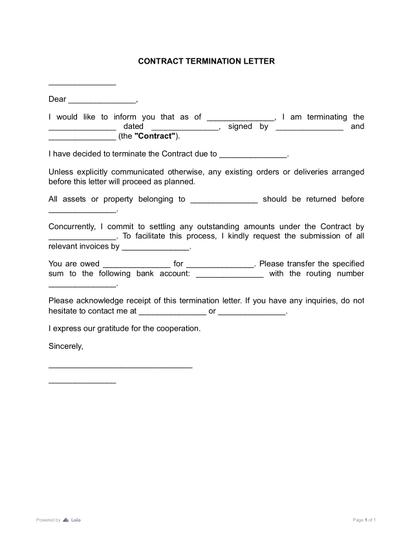
If you are unsure how to structure the notice, you can use a contract termination letter, which is often available on document management or legal template platforms. These tools allow you to quickly draft a formal letter and adjust it to your specific situation, ensuring that all essential details are included.
Step 2: Resolve any outstanding obligations
A franchise agreement may include a cure period, but applicable state law can require a longer minimum period. For example, California generally requires at least 60 days’ advance notice of termination and at least 60 days from the notice of noncompliance to cure the failure, subject to statutory exceptions. Check the law governing the franchise before relying on a shorter contractual deadline.
Step 3: Complete post-termination obligations
Once the franchise agreement ends, the franchisee must fully separate the business from the franchisor’s brand and operating system. This process is often called de-identification, and most agreements describe it in detail. The goal is to ensure that customers no longer associate the location with the former franchise brand. This usually requires several actions:
- Remove all branded signage and logos.
Take down exterior and interior signs, menu boards, uniforms, packaging, and any materials displaying the franchisor’s trademarks. Many agreements require this to be done within a short period, sometimes within a few days of termination. - Stop using the franchisor’s trademarks and systems.
This includes discontinuing branded marketing, website references, domain names, social media pages, and access to internal software or operational platforms provided by the franchisor. - Return confidential materials.
Franchisees must typically return training manuals, operational guides, proprietary recipes or processes, and any internal documents that belong to the franchisor. - Update business registrations and public listings.
If the franchise name was used in business registrations, directories, or online listings, these should be updated or removed to prevent the public from believing the business is still affiliated with the franchise. - Allow verification if required.
Some franchise agreements allow the franchisor to confirm that branding and proprietary materials have been removed. This may involve submitting proof, such as photographs or written confirmation.
Step 4: Understand any non-compete restrictions
Some franchise agreements include post-termination non-compete restrictions, but their enforceability depends on applicable state law. Item 17 of the FDD should identify relevant post-termination restrictions. For example, California generally treats contracts restraining a person from engaging in a lawful profession, trade, or business as void, subject to statutory exceptions. Review both the agreement and state law before assuming a non-compete restriction is enforceable.
A franchise termination has gone well when there is clear documentation that the agreement has ended and no unresolved liabilities remain. Without this confirmation, the former franchisee may still face claims related to unpaid obligations or brand misuse.
Risks of Abandoning a Franchise Agreement
Abandonment refers to the situation where a franchisee closes the business, stops operating, and leaves the location without completing the formal termination process described in the franchise agreement. This approach is strongly discouraged because it does not eliminate the legal responsibilities created by the contract.
Even after operations stop, financial and legal obligations may continue. The franchisor may still pursue claims for unpaid fees, while landlords or suppliers may enforce their own agreements. In many cases, personal guarantees attached to the franchise agreement or the lease can still be triggered. Because of these risks, abandonment is extremely uncommon and typically occurs only when negotiations with the franchisor break down completely or when the franchisee cannot afford the required exit costs.
What Are the Exit Fees for a Franchise?
Franchise exit costs can vary widely depending on the franchise system and how much time remains in the contract term. Most franchise agreements specify financial obligations that may apply if the relationship ends early. These provisions are designed to compensate the franchisor for potential losses and to cover administrative and operational costs associated with terminating the agreement.
In some cases, exit fees are based on the projected future income the franchisor expects to receive. For example, the agreement may estimate the royalties that would likely have been paid during the remaining contract period and require the franchisee to pay part of that amount as liquidated damages. The exact calculation method differs by system and may rely on factors such as the franchise’s historical revenue, the average performance of similar locations, or a fixed number of months of royalty payments.
In addition to these projected damages, a franchise exit may involve several other financial obligations. Common costs may include:
Liquidated damages
Some agreements require franchisees to compensate the franchisor for projected future royalties. These payments are intended to cover the income the franchisor expected to receive if the franchise had continued operating.Transfer fees
When selling the franchise to another operator, the franchisor may charge approval or administrative fees for reviewing and approving the new franchisee.De-identification costs
Franchisees must remove all brand elements from the business location, including signage, packaging, uniforms, and marketing materials.Outstanding royalties or fees
Any unpaid royalties, marketing contributions, or system fees usually must be settled before termination can be finalized.Lease-related costs
If the lease cannot be transferred to another operator, the franchisee may remain responsible for rent or early termination charges.
Importantly, these amounts are not always fixed. During termination discussions, franchisors and franchisees sometimes negotiate the total exit cost, especially if the franchisee cooperates with the transition, helps identify a replacement operator, or settles outstanding obligations quickly.
What Happens to the Lease When a Franchise Agreement Expires?
In many franchise systems, the business location is closely tied to the franchise agreement. Sometimes the lease is signed directly by the franchisee. This document gives you the right to use a property (like a retail space or office) for a set period of time in exchange for rent and other obligations.
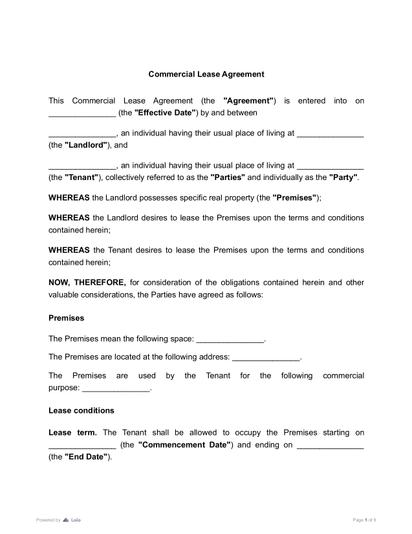
In other cases, the franchisor holds the master lease and subleases the location to the franchisee.
Master lease and sublease structure:
The franchisor rents the property from the landlord (master lease) and then rents it to the franchisee (sublease). This allows the franchisor to keep control of the location and replace the operator if needed.
The structure of the lease determines what happens when the franchise agreement ends.
If the franchisee holds the lease independently, the franchise agreement may end while the lease continues. This can leave the operator responsible for rent even if the business is no longer operating under the brand.
If the franchisor controls the lease, termination of the franchise agreement may automatically end the right to occupy the premises.
Before exiting a franchise, it is essential to review how the lease and franchise agreement interact. In many cases, ongoing lease obligations represent the largest financial exposure after termination. If something feels unclear, it helps to go through both documents carefully — or use an AI summary tool to quickly highlight key obligations, timelines, and risks, so you don’t miss anything that could affect your exit.
More guides
September 15
10 min read
Who Can Sign a Contract on Behalf of a Company?

September 15
What Is Contract Redlining?

September 1
7 min read
How to Provide Proof of Employment: Documents and Steps

October 15
How to Start a Staffing Agency: Licensing, Pricing, and Cash Flow

July 20
4 min read
Addendum vs. Amendment: Change Your Purchase Agreement Properly

July 21
Commission vs Bonus in Sales: Pay Rules, Taxes, and When to Use Each

One home for your
agreements
Edit PDFs seamlessly
Tweak agreements before signing or sending for signatures. Update details, add or remove clauses, adjust formatting, and redline changes instantly.
eSign legally and securely
Sign documents and collect legally binding signatures. Invite up to ten people to sign in any order, track the progress, and send reminders.
Request legally binding signatures
Invite up to ten people to sign your document in any order. Get a finalized, audit-ready copy without chasing signatures.
Skip the drafting.
Choose from 2,500+ templates
Browse templatesChoose a template
Fill in details
Sign and download