Updated July 25, 2026
9 min read
How to Buy Commercial Property in 2026: A Practical Guide
How to Buy Commercial Property in 2026: A Practical Guide
- How Do I Buy a Commercial Property?
- Choose the Right Type of Property
- How Much Capital Do You Actually Need
- Choose the Right Financing Structure
- Searching for Property
- Make an Offer
- Conduct Due Diligence When Buying Commercial Property
- Underwrite the Deal
- Getting Final Loan Approval
- Closing the Deal: What It Actually Means
Content
Do you want to buy commercial space in San Francisco, hoping to attract high-value tenants? Or industrial property in Atlanta, where distribution and e-commerce demand keep occupancy high? When people first look at commercial property, they often think they’re just buying a building. But you’re not just buying a building. You’re buying a physical space, a legal right to use that space, and a long-term financial obligation that can shape your business for the next 10–25 years.
If you’re planning to buy commercial property, take a step back. The deal might look simple on the surface, but the cost of getting it wrong is rarely visible at the beginning. This guide shows how to choose the right property, structure financing, evaluate risks, and handle due diligence so you can make informed decisions at every stage — from the first step to closing the deal. It breaks down the key decisions behind each step, helping you avoid costly mistakes and approach the purchase with clarity and control.
How Do I Buy a Commercial Property?
Before you look at properties, you need to answer one question clearly: why are you buying?
If you are buying for your own business, the property becomes part of your operations. Your goal is stability, predictable costs, and long-term usability.
If you are buying as an investment, your focus shifts to income generation, tenant quality, and return on capital.
This distinction matters more than most buyers expect. Lenders treat these two scenarios differently. Government-backed programs are generally more accessible when you plan to occupy the property yourself, while pure investment deals are evaluated more strictly and often require stronger financials and higher equity.
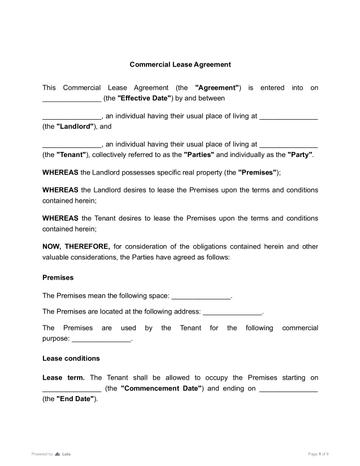
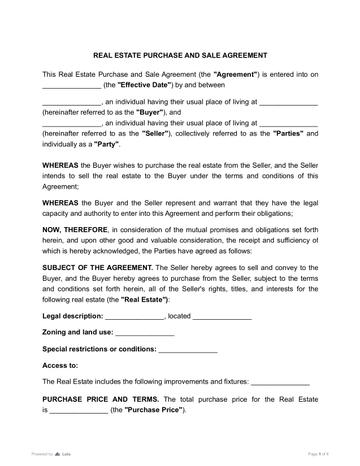
You should also think about renting instead of buying. Leasing is usually easier: lower upfront costs, faster approvals, and fewer long-term obligations under a commercial lease agreement. Buying business property means entering a real estate purchase contract, securing financing, and taking on full ownership risk and responsibility.
- Commercial Lease Agreement
 5479 downloads
 - Real Estate Purchase & Sale Agreement
 5568 downloads
After all, if you decide to buy, the following steps will help you structure the deal correctly.
Choose the Right Type of Property
Once your objective is clear, you can start filtering properties that actually fit it — this is a core step in how to buy commercial property. Commercial real estate is not one category, and choosing the wrong type can create ongoing operational or financial pressure. The broader market context reinforces this: in 2025 alone, over 176,000 commercial properties were transacted in the U.S., marking the first increase in activity in several years — which means more options, but also more room for mistakes if your criteria are not clearly defined.

Retail
Works if your business depends on people walking in. You’ll rely heavily on location, and if foot traffic drops, your income usually drops too. When buying retail property, this dependence becomes the main risk factor. Tenants also change more often, so you’ll deal with higher turnover. It can pay off — but only if the location consistently works.Office
Makes sense if you need a professional space for a team or clients. It’s more stable than retail, but not as predictable as it used to be. If a tenant leaves, filling the space can take time. You’ll also need to keep the space in good condition to stay competitive.Industrial
A good fit if your business is about storage, logistics, or operations. You don’t depend on location as much, and tenants usually stay longer. There’s less day-to-day involvement and fewer surprises. This is often the most stable and easiest to manage.Mixed-use
If you want to combine different income sources, like retail and residential. If one side slows down, the other can still bring in money. But you’ll be managing different types of tenants with different needs. It’s more flexible and more complex at the same time.
How Much Capital Do You Actually Need
Financing is one of the main barriers for first-time buyers. The U.S. Small Business Administration highlights access to capital as a critical challenge for small businesses, directly affecting their ability to grow or expand. That’s why focusing only on the purchase price often leads to underestimating the real cost of the deal.
Beyond the down payment, you need to budget for transaction and due diligence costs, many of which vary depending on the property:
- 1
Appraisal: Typically around $2,000–$5,000+, depending on property complexity and lease review.
- 2
Environmental (Phase I ESA): About $1,500–$4,500+, higher if prior industrial use or risk factors exist.
- 3
Survey (ALTA/NSPS): A detailed commercial land survey that verifies property boundaries, easements, and access, and identifies any legal or physical issues affecting ownership. Costs typically range from $2,500 to $10,000+, depending on property size, complexity, and location.
- 4
Title insurance and closing services: Highly state-specific, often tied to the purchase price and coverage level.
- 5
Recording fees: Usually smaller, but vary by county and document volume.
- 6
Transfer taxes: Can range from minimal to significant, depending on the state and deal structure.
- 7
Legal fees: Variable based on negotiation complexity, lease review, and deal structure.
- 8
Lender fees: Include origination, legal, filing, and sometimes SBA-related costs.
These costs are not optional. They are part of verifying the property, securing financing, and making the deal legally valid.
A more practical approach is to model the deal based on the total cost of ownership, not just acquisition. That includes closing costs, ongoing expenses, and reserves needed to operate the property without immediate financial pressure after closing.
Choose the Right Financing Structure
Commercial property financing is more complex than residential. The terms vary, the requirements are stricter, and the structure depends heavily on how the property will be used. The structure you choose will define your monthly obligations, how much cash you need upfront, and how much flexibility you’ll have later if you want to refinance or sell.
In 2026 alone, about $875 billion in commercial mortgages — around 17% of the total market — is scheduled to mature, which shows how often buyers are forced to refinance under changing conditions.

Commercial mortgages
Traditional commercial mortgages are the most common financing option for commercial deals, especially for investment properties. Lenders evaluate both your financial profile and the property itself, with a strong focus on its ability to generate stable income. This structure works best for buyers acquiring income-producing assets with predictable cash flow.
Expect a higher upfront commitment. Down payments typically range from 20–30%, and loan structures often include a 5–10 year term with a 20–25 year amortization. This means you may need to refinance or repay a large balance at the end of the term. Interest rates are generally higher than residential loans and can be fixed or variable, depending on the lender and market conditions.
To apply for a commercial mortgage loan, the process usually looks like this:
- Prepare your financials: business tax return (Form 1120 for C corporations, Form 1120-S for S corporations, or Form 1065 for partnerships), personal tax returns (Form 1040), profit and loss statements, and balance sheets.
- Choose a lender: banks, credit unions, or commercial lenders with experience in your property type.
- Submit a loan application: include details about the property, purchase price, and your business plan.
- Provide property information: lease agreements (if any), projected income, and operating expenses.
- Undergo underwriting: the lender reviews your finances, credit, and the property’s value and income potential.
- Order appraisal and due diligence: third-party valuation, inspections, and sometimes environmental reports.
SBA Loans (7(a) and 504)
For business owners who plan to use the property themselves, SBA-backed loans can significantly reduce the upfront burden. These programs are designed for operating businesses, not passive investors, and can make ownership more accessible compared to traditional financing.
Using SBA-backed financing for an owner-occupied commercial property purchase means your business must actively use the space. You typically need to occupy at least 51% of the property (or 60% for new construction). Down payments can be as low as 10–15%, and repayment periods often extend to 20–25 years, which helps keep monthly payments manageable. SBA 504 loans are usually structured as a combination of a bank loan and an SBA-backed portion, improving overall terms.
To apply and prepare for an SBA loan, focus on the following:
- Prepare personal and business financials, including tax returns and cash flow statements.
- Build a clear business plan showing how the property supports your operations.
- Choose an SBA-approved lender with experience in commercial property financing.
- Submit a complete application with property details, purchase terms, and ownership structure. You apply directly through the lender, not the SBA.
- Be ready for a detailed review by both the lender and SBA.
- Maintain a good credit profile and demonstrate stable or growing business performance.
- Have capital available for the down payment and closing costs.
- Keep documents organized to avoid delays during underwriting and approval.
SBA financing works best when your business is already operating, and you can clearly show how the property will support long-term growth.
Alternative Financing (Seller Financing, Mezzanine Debt)
When bank or SBA financing is not available (or not enough), alternative structures can help close the gap.
Seller financing allows the seller to act as the lender, so you can pay part of the purchase price over time. This can reduce upfront cash and make approval easier, but terms are usually shorter and interest rates higher.
Mezzanine debt works as a second layer of financing on top of your main loan, helping cover the gap between your equity and the senior loan, but it is typically more expensive and often unsecured.
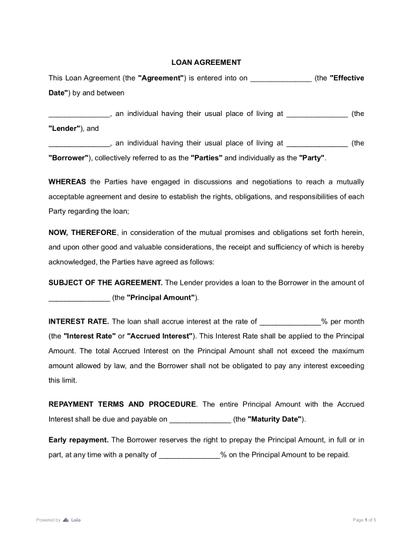
These structures are formalized through a loan agreement, which defines repayment terms, interest, security, default conditions, and each party’s rights. This document is critical because it determines how the financing operates in practice and what happens if obligations are not met. Standard versions of such business contracts are often available in document template libraries, which can help structure the deal correctly before final review.
The options of seller financing and mezzanine debt increase your total cost of capital and add more risk if cash flow becomes tight. The structure can also become complex, especially when multiple lenders are involved. They are generally best suited for experienced buyers, more complicated deals, or situations where traditional financing is not enough to complete the purchase.
Searching for Property
When searching for commercial property, don’t focus only on price or appearance. Focus on whether the property actually works as an asset.
Check how it performs. If it’s leased, review tenants, lease terms, and how stable the income is. If it’s vacant, assess how realistic it is to fill the space, how long it may take, and what it will cost.
For better search, use multiple sources to avoid missing better deals:
Commercial brokers:
Brokers often have access to off-market deals and can filter options based on your criteria.Local networks:
Other business owners, investors, and property managers can surface opportunities before they are listed publicly.Direct outreach:
Contact property owners in target areas. Some deals never reach listing platforms.
Don’t just browse listings. Build a pipeline: combine platforms, brokers, and direct outreach to see the full market — not just what’s publicly available.
Make an Offer
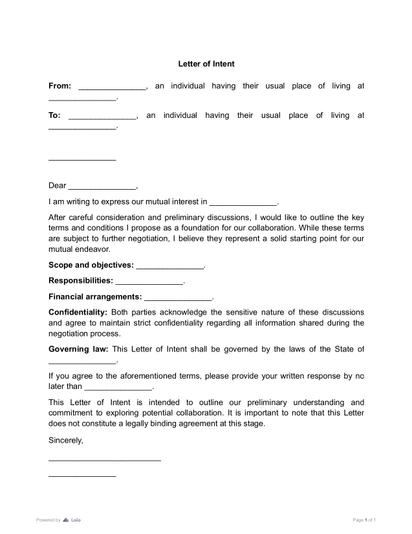
After you’re comfortable with buying a commercial building, you make an offer, usually through a letter of intent (LOI). This document outlines the key terms of the deal, including price, timeline, and major conditions. While it is not always legally binding, it sets the structure for the final agreement and frames the negotiation process.
Conduct Due Diligence When Buying Commercial Property
Due diligence is where assumptions turn into facts. The goal is not just to “check everything,” but to identify what can break the deal before your money is at risk. A practical shift for first-time buyers: don’t ask “Can I close?” — ask “What must be verified before my deposit becomes non-refundable?”
Due diligence is about converting uncertainty into measurable risk across a few key areas:
- Title and legal: Review the title commitment, recorded exceptions, and ownership history. Owner’s title insurance protects you from past defects, while lender’s insurance protects the bank. A detailed ALTA/NSPS survey helps confirm boundaries, easements, access rights, and encroachments.
- Environmental: Even if the property looks clean, verify it. The U.S. Environmental Protection Agency requires All Appropriate Inquiries (AAI), typically done through a Phase I Environmental Site Assessment (ASTM E1527-21). If risks are found, a Phase II may be required.
- Physical condition: Inspect the building beyond surface appearance: roof, structure, HVAC, plumbing, electrical, fire safety, and accessibility. Request maintenance records, warranties, and repair history. “Recently renovated” is not a substitute for documentation.
- Leases and income (if occupied): Verify rent roll, lease terms, tenant payment history, deposits, and arrears. Use tenant estoppel certificates to confirm lease terms directly with tenants — these are often required by lenders because they validate the actual income.
- Zoning and use: Confirm the property’s zoning through the local city or county planning department, where you can access official zoning maps, codes, and permitted uses. You can also check permits and violations through the building or permitting office.
- Flood, insurance, and taxes: Check flood zone status. The Federal Emergency Management Agency requires flood insurance for many properties in high-risk areas, and standard coverage may not be enough. Also model post-purchase taxes, not just historical ones — reassessment can significantly increase costs.
- Utilities and access: Verify the capacity and reliability of electricity, water, sewer, and access roads. Confirm easements and shared-use agreements if applicable.
A practical piece of advice for first-time buyers is simple: do not move from a preliminary agreement to a binding contract until your team can clearly explain what could break the deal. This team typically includes your lender, lawyer, CPA, insurance broker, and inspection professionals. Each of them looks at the property from a different angle, and together they build a complete picture of risk.
Underwrite the Deal
Underwriting is where you test whether the deal actually makes sense financially. At this stage, you move away from assumptions and focus on numbers that reflect how the property performs in reality.
The goal is not to prove that the deal works, but to understand where it can fail. A property may look attractive on the surface, but small gaps in income, higher expenses, or financing pressure can quickly change the outcome.
At a minimum, underwrite four numbers:
NOI = effective gross income minus operating expenses.
DSCR = NOI ÷ annual debt service. OCC guidance defines DSCR precisely this way.
Cap rate = NOI ÷ value or purchase price. This is the standard one-year yield measure used in commercial underwriting and appraisal.
Cash-on-cash return = annual pre-tax cash flow ÷ cash invested. This helps an entrepreneur compare ownership returns to alternative uses of capital.
A strong first-time-buyer underwriting model should show a base case, an upside case, and at least three downside stresses: higher vacancy, lower achievable rents, and higher operating expense or insurance burden. Bank guidance specifically expects feasibility studies and sensitivity analyses around interest rates, vacancy, and operating expenses.
Getting Final Loan Approval
After the offer is accepted, the financing process moves into final underwriting — a critical stage in commercial property purchase. The lender reviews your financials, ownership structure, and the property to confirm that the deal meets their risk and lending criteria.
If approved, you typically receive a loan commitment letter outlining the final terms (loan amount, rate, conditions) and a closing checklist with required documents. You may also see updated disclosures and final loan documents for review.
What to do next:
- 1
Review the commitment letter carefully and confirm all terms; you can also use an AI summary tool to quickly identify key conditions, risks, and obligations before discussing them with your lender or lawyer.
- 2
Complete any remaining conditions (e.g., insurance, entity setup, additional documents);
- 3
Coordinate with your lender and lawyer to prepare for closing.
This stage confirms whether the deal moves forward as planned — or needs adjustments before closing.
Closing the Deal: What It Actually Means
Closing the deal often seen as the starting point of ownership. This is when legal documents are executed, funds are transferred, and the title is officially recorded. From this moment, the property becomes your responsibility.
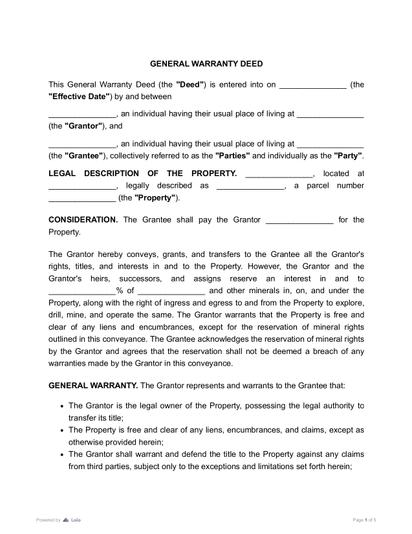
At closing, you sign the final real estate purchase agreement and related documents (loan agreement, estoppel certificate, insurance certificates, warranty deed – for transferring ownership from seller to buyer). Before signing, these documents can be adjusted to reflect agreed terms, and many buyers now use PDF editors to check details, update clauses if needed, and ensure everything matches the deal. Once finalized, the agreement is typically signed using secure e-signature tools, which makes the process faster and easier to manage.
You are now responsible for loan payments, operational performance, compliance with regulations, and the long-term viability of the property. That’s why closing should not feel like the end of a process, but the result of a well-structured one, which is the core of how to purchase commercial property correctly.
More guides
September 1
7 min read
How to Provide Proof of Employment: Documents and Steps

July 20
4 min read
Addendum vs. Amendment: Change Your Purchase Agreement Properly
September 15
10 min read
Who Can Sign a Contract on Behalf of a Company?
September 15
What Is Contract Redlining?
October 15
How to Start a Staffing Agency: Licensing, Pricing, and Cash Flow
September 8
4 min read
Packing Slip vs. Bill of Lading: Learn How to Use Both
One home for your
agreements
Edit PDFs seamlessly
Tweak agreements before signing or sending for signatures. Update details, add or remove clauses, adjust formatting, and redline changes instantly.
eSign legally and securely
Sign documents and collect legally binding signatures. Invite up to ten people to sign in any order, track the progress, and send reminders.
Request legally binding signatures
Invite up to ten people to sign your document in any order. Get a finalized, audit-ready copy without chasing signatures.
Skip the drafting.
Choose from 2,500+ templates
Browse templatesChoose a template
Fill in details
Sign and download