Updated July 26, 2026
9 min read
Sales Order vs Invoice: Key Differences and When to Use Each
Sales Order vs Invoice: Key Differences and When to Use Each
- Sales Order vs Invoice: What Is the Main Difference?
- Sales Order vs Invoice Comparison Table
- What Is a Sales Order?
- What Is an Invoice?
- Sales Order vs Purchase Order vs Invoice: How They Work Together
- Understanding the Order-to-Cash Workflow
- Which Document Should You Use: a Sales Order, an Invoice, or a Purchase Order?
- Sales Order vs Sales Invoice, Proforma Invoice, Quotation, and Receipt
- Common Sales Order and Invoice Problems in Accounting Systems
- How to Prevent Payment and Documentation Disputes
- Final Takeaway: Difference between Sales Order and Invoice
Content
Sales order vs invoice is a common source of confusion because both documents describe the same transaction. They often include the same customer name, products or services, quantity, pricing, taxes, and payment terms. Still, they serve very different purposes in the sales process.
A sales order confirms what the customer agreed to buy before fulfillment begins. An invoice requests payment after goods or services are delivered. In simple terms, one document helps the seller process the order, while the other helps the seller get paid.
So, is sales order the same as invoice? No. A sales order helps organize fulfillment before delivery, while an invoice supports billing and payment collection afterward.
This distinction matters more than many businesses realize. Using the wrong document at the wrong stage can lead to shipping errors, payment disputes, duplicate records, accounting confusion, and delayed cash flow.
Before sales orders and invoices move through your workflow, Loio’s Sales Contract Template can help define payment terms, delivery conditions, responsibilities, warranties, and dispute rules in writing. A clear contract gives both parties a shared reference point before orders, invoices, or payments enter the process.
Sales Order vs Invoice: What Is the Main Difference?
A sales order confirms a customer’s purchase before goods or services are delivered. An invoice is a formal payment request issued after delivery or completion. The main difference between invoice and sales order is timing: one authorizes fulfillment, while the other creates a payment obligation.
A sales order usually belongs to the operational side of the transaction. It tells the seller’s team what should be prepared, shipped, delivered, or scheduled.
An invoice belongs to the accounting side. It tells the buyer how much they owe, when payment is due, and how payment should be made.
Quick answer:
- A purchase order starts the buyer’s request.
- A sales order confirms the seller’s acceptance.
- An invoice requests payment after delivery.
Sales Order vs Invoice Comparison Table
The table below summarizes the main differences between an invoice vs sales order for small businesses.

A sales order focuses on order confirmation and fulfillment control. An invoice focuses on billing and payment collection. This is why the documents may contain similar information but still have different business and accounting functions. Now let's explore what each document does in detail.
What Is a Sales Order?
A sales order is a document issued by the seller to confirm that the buyer’s order has been accepted. It usually appears after a quote, customer approval, or purchase order, but before delivery.
For example, a customer may approve a quote for office equipment. The seller then creates a sales order to confirm the products, quantity, delivery address, pricing, and payment terms before fulfillment begins.
A sales order may be shared with the customer or used internally by operations, inventory, fulfillment, and accounting teams.
When the transaction involves recurring orders, customized products, or larger purchases, businesses often create a written agreement before issuing sales orders. A Sales Contract Template can help document pricing, delivery obligations, payment terms, and other conditions that sales orders typically reference later.
When Is a Sales Order Created In The Sales Process?
A sales order is usually created after the buyer confirms the purchase and the seller accepts the order.
It often includes:
- seller and customer information;
- products or services;
- quantity;
- price;
- taxes and discounts;
- shipping details;
- delivery dates;
- payment terms;
- order number.
The purpose is to create a clear internal and customer-facing record before fulfillment begins.
Businesses that manage multiple approvals, invoices, and contracts often benefit from a more structured workflow. Loio’s guide on how to build a legal sales process explains how companies can organize contracts, approvals, sales documents, and payment stages more consistently.
Why Sales Orders Matter
Sales orders reduce operational mistakes before they reach accounting or customer support teams.
Without a sales order, businesses may:
- ship the wrong items;
- use incorrect pricing;
- miss delivery deadlines;
- invoice the wrong quantity;
- create inventory inconsistencies.
A sales order also helps align sales, operations, logistics, and finance teams around the same transaction details.
What Is an Invoice?
An invoice is a billing document issued by the seller after goods are delivered, services are completed, or a billing milestone is reached. It formally requests payment from the buyer.
For example, once the office equipment is delivered, the seller sends an invoice showing the final amount owed, payment deadline, taxes, and payment instructions.
Unlike a sales order, an invoice directly affects payment tracking and accounting records.
Why Is an Invoice Used as a Formal Payment Request After Delivery?
An invoice tells the buyer:
- what they are paying for;
- how much they owe;
- when payment is due;
- which payment methods are accepted;
- whether taxes, shipping costs, or discounts apply.
In practice, sales order vs sales invoice usually means comparing an order-confirmation document with the final billing document used to request payment.
Invoices also help buyers process approvals internally. Many accounting teams match the invoice against the purchase order, sales order, or delivery record before releasing payment.
How Invoices Create Accounts Receivable
Once an invoice is issued, the unpaid amount usually becomes accounts receivable for the seller. That means the seller records the invoice as money owed by the customer.
This matters because accounts receivable affects:
- cash flow;
- revenue reporting;
- payment forecasting;
- collections;
- financial statements.
Late invoices are a widespread business problem. QuickBooks’ 2025 Small Business Late Payments Report found that 56% of surveyed small businesses were owed money from unpaid invoices, with an average of $17,500 per affected business. It also reported that 47% had invoices overdue by more than 30 days.
Besides, the EU Payment Observatory reported that late payments remained a growing issue in the EU, with more than half of companies reporting operational difficulties because of late payments in 2024.
These numbers show why invoices are more than administrative documents. Delayed payments directly affect payroll, supplier relationships, taxes, and business growth.
If an unpaid invoice turns into a repayment arrangement, Loio’s Promissory Note Template can help document the amount owed, repayment schedule, interest terms, and consequences of missed payments.
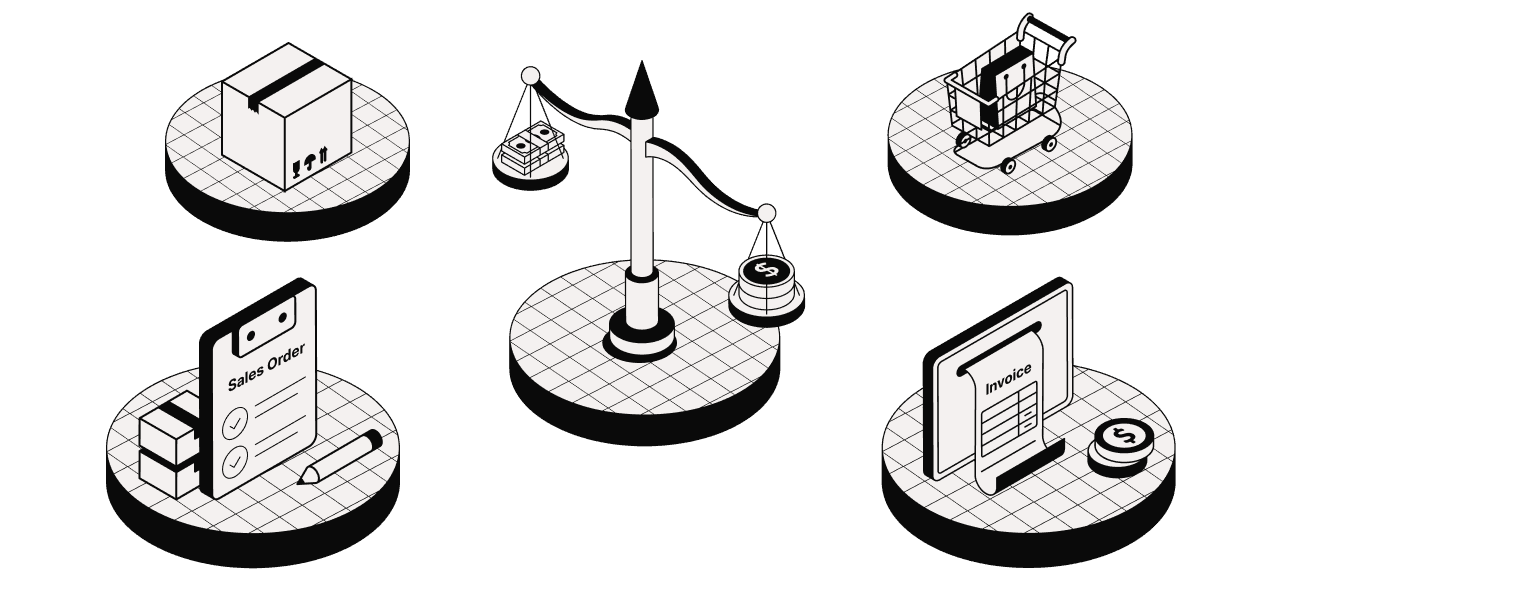
A purchase order, sales order, and invoice are often confused because they appear in the same workflow. Let’s review how they differ.
Sales Order vs Purchase Order vs Invoice: How They Work Together
These three documents often belong to the same transaction, but they come from different stages of the workflow.
A purchase order comes from the buyer. It requests goods or services from the seller.
A sales order comes from the seller. It confirms that the seller accepted the buyer’s request.
An invoice also comes from the seller, but later in the process. It requests payment after fulfillment.

A purchase order belongs to the buyer’s procurement process. A sales order belongs to the seller’s fulfillment process. An invoice belongs to billing and accounts receivable. This separation helps businesses keep operational, financial, and approval workflows organized.
In procurement-heavy environments, purchase orders are often used to control spending and document purchasing approvals. The General Services Administration procurement guidance provides examples of how purchasing workflows are managed in larger organizations.
For larger transactions, Loio’s Purchase Agreement Template can help define what is being purchased, pricing terms, delivery obligations, and payment expectations before purchase orders, sales orders, and invoices are exchanged.
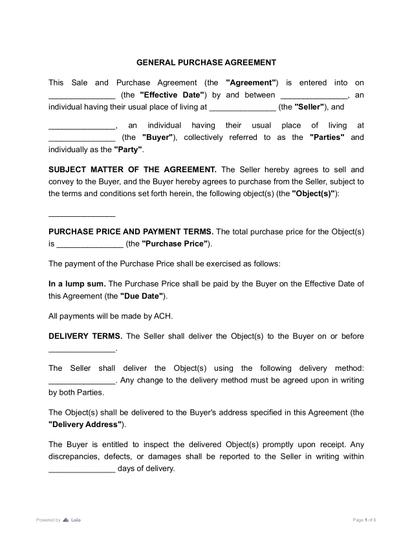
Understanding the Order-to-Cash Workflow
A standard sales workflow usually looks like this:
Purchase order → Sales order → Delivery → Invoice → Payment
Here is how the process works:
- Purchase order: The buyer requests products or services.
- Sales order: The seller confirms the order details.
- Delivery: Goods are shipped or services are completed.
- Invoice: The seller requests payment.
- Payment: The buyer pays, and the seller closes the transaction.
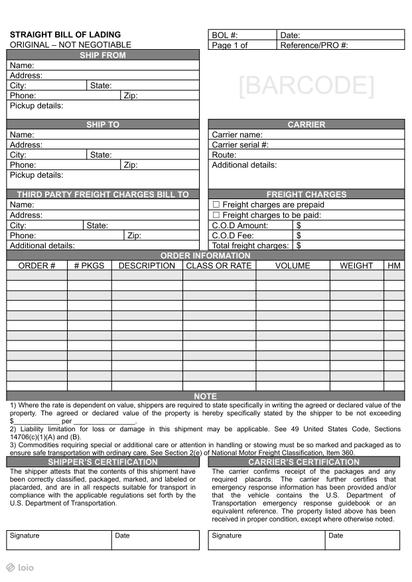
For product-based businesses, shipping documents may also appear between delivery and invoicing. A bill of lading, for example, helps track shipment details, freight terms, carriers, and delivery records.
If your business ships physical goods, Loio’s Bill of Lading Template can help document shipment details, carrier information, freight terms, and delivery records between the sales order and invoice stage.
Which Document Should You Use: a Sales Order, an Invoice, or a Purchase Order?
Businesses often ask, “is a sales order the same as an invoice?” when organizing their accounting or sales workflow. In reality, the documents serve different purposes and usually appear at different stages of the transaction. Entrepreneurs often create problems when they use the right document at the wrong stage. A sales order cannot fully replace an invoice, and an invoice cannot replace the internal-control value of a sales order.
Use this table as a quick reference.

A purchase order answers: What does the buyer want to buy?
A sales order answers: What has the seller agreed to provide?
An invoice answers: What does the buyer now owe?
A receipt answers: What has already been paid?
A contract answers: What rules govern the transaction?
Some transactions require more than operational documents. For example, buyers and sellers may use a Purchase Agreement Template to document the commercial terms of a transaction before purchase orders, sales orders, and invoices are exchanged.
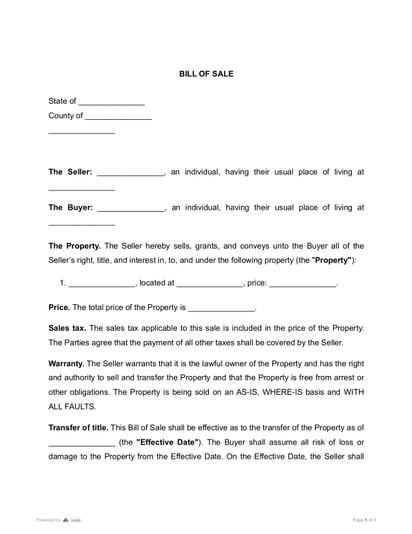
When ownership transfer needs to be documented clearly, Loio’s Bill of Sale Template can help record transaction details, the sold item, payment information, and the signatures of both parties.
Sales Order vs Sales Invoice, Proforma Invoice, Quotation, and Receipt
Sales orders and invoices are also commonly confused with quotations, proforma invoices, and receipts. These documents may appear close together in the transaction process, but they serve different purposes.
We have already covered the difference between sales order and sales invoice. Let’s now compare other options:
Sales Order vs Quotation
A quotation estimates pricing before the buyer commits to the purchase.
A sales order comes later. It confirms that the buyer accepted the offer and the seller is ready to fulfill the order.
Sales Order vs Proforma Invoice
A proforma invoice is a preliminary billing document. Businesses may use it before shipment, customs processing, or final invoicing.
A sales order is different because it confirms fulfillment details rather than requesting payment.
Sales Order vs Receipt
An invoice requests payment. A receipt confirms that payment has already been received.
A sales order confirms what will be delivered before either stage happens.
Sales Invoice vs Purchase Invoice vs Official Receipt
A sales invoice is issued by the seller to request payment from the buyer. A purchase invoice is the same transaction viewed from the buyer’s accounting perspective.
An official receipt confirms that payment has already been received, so it usually comes after the invoice rather than before it.
Common Sales Order and Invoice Problems in Accounting Systems
Many sales order and invoice problems appear inside accounting or ERP systems rather than in the documents themselves.
Businesses often struggle with:
- linking sales orders to invoices;
- combining multiple sales orders into one invoice;
- matching purchase orders with invoices;
- deciding which document should trigger billing;
- reconciling invoices with delivery records.
There is a common operational problem: businesses understand that purchase orders, sales orders, and invoices are connected, but teams are often unsure how accounting systems should connect them in practice.
These workflow problems can create:
- duplicate invoices;
- missing billing records;
- payment delays;
- mismatched accounting entries;
- audit-trail issues;
- manual correction work for finance teams.
Small businesses that manage quotes, purchase orders, invoices, receipts, and contracts at the same time may benefit from using a standardized document workflow. Loio’s financial documents checklist for small businesses explains which records companies should organize and retain throughout the sales cycle.
Businesses should also maintain accurate transaction records for tax and accounting purposes. The IRS recordkeeping guidelines for small businesses recommend keeping documents that support income, expenses, purchases, and payment activity.
If your business stores invoices, sales orders, or contracts as PDFs, Loio’s PDF editing tool can also help update, organize, and prepare transaction documents before they are shared or archived.
How to Prevent Payment and Documentation Disputes
Sales orders and invoices work best when the broader transaction rules are already defined in a contract.
For example, a sales contract can define:
- delivery obligations;
- payment deadlines;
- deposits or milestone payments;
- taxes and shipping fees;
- refund or cancellation rules;
- late-payment consequences;
- dispute-resolution procedures.
Many invoice disputes are not actually about the invoice itself. They usually start earlier because expectations around pricing, delivery, scope, or timing were never clearly documented.
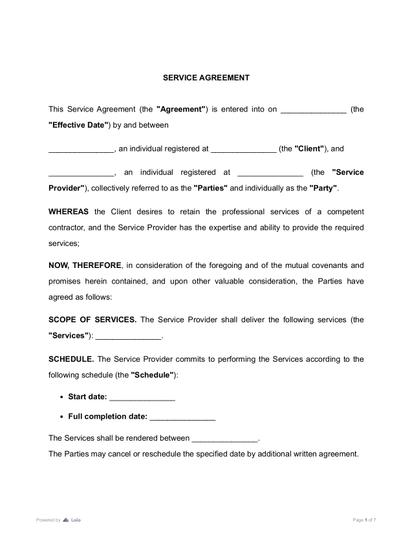
This is especially important for service-based businesses. A service invoice may depend on project completion, client approval, milestone acceptance, or changes in scope. In these cases, a service agreement creates a stronger operational foundation before invoicing begins.
For service-based sales, Loio’s Service Agreement Template can help define scope, deadlines, payment schedules, deliverables, and approval conditions before invoices are issued.
Once a contract or purchase agreement is finalized, Loio’s electronic signature tool can help both parties sign the document before the order and invoicing workflow begins.
For longer contracts, Loio’s AI Summary feature can also help teams quickly review payment terms, delivery obligations, and invoice-related clauses before creating sales orders or invoices.
Businesses that manage vendors, suppliers, and recurring procurement workflows may also benefit from Loio’s guide on vendor contract management, which explains how companies can organize supplier agreements, approvals, and ongoing transaction records more consistently.
Final Takeaway: Difference between Sales Order and Invoice
A sales order and invoice are connected, but they are not the same document.
A purchase order usually starts the buyer’s side of the transaction. A sales order confirms the seller’s acceptance. An invoice moves the transaction into billing and accounts receivable.
Businesses that connect contracts, purchase orders, sales orders, invoices, receipts, and payment records into one consistent workflow usually reduce errors, improve payment tracking, and create cleaner financial documentation.
More guides
September 1
7 min read
How to Provide Proof of Employment: Documents and Steps
July 26
12 min read
How to Read a Profit and Loss Statement
September 15
10 min read
Who Can Sign a Contract on Behalf of a Company?
September 15
What Is Contract Redlining?
September 15
What Are the Stages of the Contract Management Lifecycle?
October 14
8 min read
Electronic Signature vs Digital Signature: What Is Best for You?
One home for your
agreements
Edit PDFs seamlessly
Tweak agreements before signing or sending for signatures. Update details, add or remove clauses, adjust formatting, and redline changes instantly.
eSign legally and securely
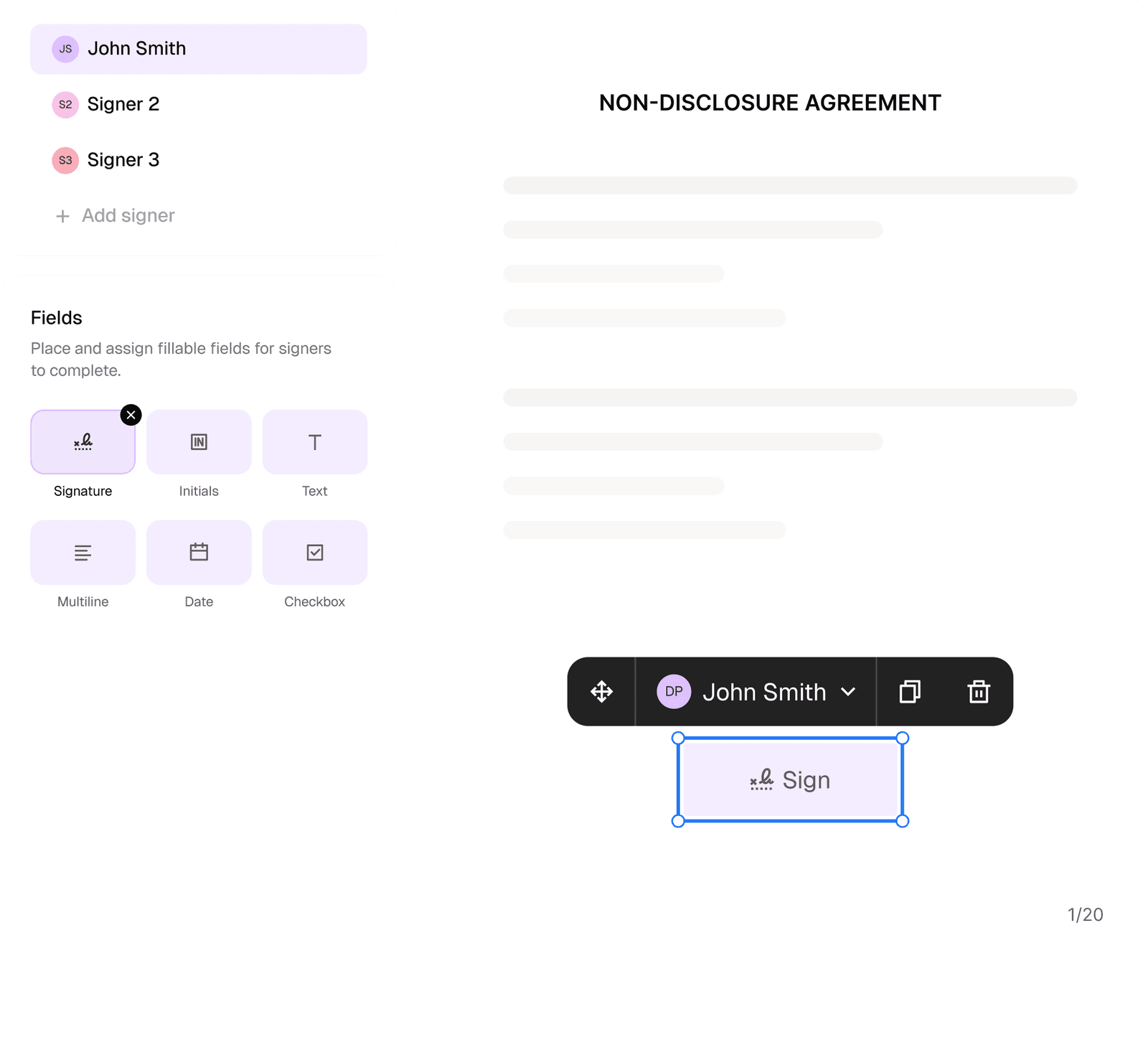
Sign documents and collect legally binding signatures. Invite up to ten people to sign in any order, track the progress, and send reminders.
Request legally binding signatures
Invite up to ten people to sign your document in any order. Get a finalized, audit-ready copy without chasing signatures.
Skip the drafting.
Choose from 2,500+ templates
Browse templatesChoose a template
Fill in details
Sign and download