Updated July 25, 2026
8 min read
How to Give a Car as a Gift: Title, Tax, and Registration Rules
How to Give a Car as a Gift: Title, Tax, and Registration Rules
Content
A car is one of the best presents one can ever make. However, before you give the keys to the happy new owner, you need to learn about all the legal and tax-related aspects of such a gift. Whether you want to give a car to a family member or a close friend, you need to follow the correct procedure to protect yourself and the recipient from future problems. Here's your comprehensive guide on how to gift someone a car in the U.S.
Legal Aspects of Gifting a Car
You cannot just give a person the keys and say, "It's yours now." The process of ownership transfer requires specific documentation, signatures of the presenter and receiver, and, in most states, a visit to the DMV. In many ways, it is similar to the sales-purchase deal, but the only difference is that there's no exchange of money.
Remember that every state can have different requirements for the gifting procedure. To clarify them, visit the local DMV.
Documents you need to gift a car
Both the giver and recipient must complete the essential documentation on the gift car:
Vehicle title: Must be signed over to the recipient. Most states require both parties to complete the sale section of the title, even for gifted vehicles.
vehicle sale document: Even though there's no payment, you should write "zero" or "gift" in the "sale price" box, depending on your state. This document will serve as additional proof of ownership for the recipient.
Affidavit of gift: Required in several states (e.g., New York, Texas) to confirm no payment took place.
Odometer disclosure: Under the law, Model Year 2011 and newer vehicles generally require an odometer disclosure when ownership is transferred until the vehicle becomes 20 years old. Model Year 2010 and older vehicles remain subject to the previous exemption rules.
Current registration and insurance: To ensure the vehicle is properly registered and protected.
How Can You Gift a Car to a Family Member?
More than 30% of American teenagers receive their first car from parents or an older sibling. Many states offer tax exemptions or reduced fees if you transfer car ownership to your relatives.
Here's how to do it correctly:
- Complete the vehicle title: Fill out the transfer section, mark it as "a gift."
- Provide a gift affidavit: This is required in states such as California and Florida.
- Visit the DMV together with the receiver: In case additional documentation or help with the registration is needed.
- No sales tax: State rules for gifted vehicles vary. In New York, Form DTF-802 specifically identifies transfers involving a spouse, parent, child, stepparent, or stepchild. For a gift to someone outside these listed relationships, including a sibling, the donor must provide additional information in Section 6 of Form DTF-802.
A common question is also "Do I need a bill of sale for a gifted car if the recipient is my relative?" Yes, even if you transfer the ownership to your parent, spouse, or child, you still need to sign a car bill of sale with a zero sale price.
How Can You Gift a Car to a Non-Family Member?
Transferring the car ownership rights to a person who is not your relative is more complicated.
Follow these steps:
Complete the title transfer and state "gift" in the "sale price" box.
File a gift affidavit if required by local law.
Check federal gift tax reporting requirements if the car's fair market value exceeds the annual exclusion. In 2026, the annual gift tax exclusion is $19,000 per recipient. A gift above this amount may require the donor to file IRS Form 709, but it does not automatically mean gift tax is due.
According to the IRS, the annual gift tax exclusion is $19,000 per recipient in 2026. If the value of a gifted vehicle exceeds this amount, the donor may need to file IRS Form 709. Exceeding the annual exclusion does not necessarily mean that federal gift tax must be paid.
Besides, DMV offices might apply sales tax when a car is given to a non-relative, especially if they suspect it was actually not gifted but purchased without paying taxes.
How to Gift a Car to Someone in Another State
As the laws and taxes differ in various jurisdictions, before presenting a car to a person living in a different state, you should check both the regulations of your state and the one in which the receiver lives.
Here are the key documents to prepare:
- Title transfer: Complete the out-of-state title section and sign over the car as a gift.
- Bill of sale for the gift car: Indicate the sale amount as "gift" or "$0."
- Gift affidavit: Some receiving states still require verification, even for presents.
- Shipping or delivery: You can either drive the vehicle to the recipient's location or arrange for auto transport.
The recipient must register the vehicle in their home state and pay all applicable fees and taxes.
Each jurisdiction has different rules regarding how gifted vehicles are treated. For example, Florida generally treats a motor vehicle transferred as a genuine gift between individuals as a nontaxable title transfer when no money or other consideration is exchanged and the recipient does not assume an outstanding lien. Other states may apply different requirements, so the recipient should check the rules of the state where the vehicle will be titled and registered.
Tax Rules for Gifted Cars in Different States
State tax treatment of gifted vehicles varies. Some states exempt qualifying gifts from sales or use tax, while others impose reduced taxes, special gift taxes, or use tax depending on the circumstances of the transfer.
- Vehicle's fair market value (based on valuation guides like NADA);
- Standard state or local tax rate.
At the federal level, the annual gift tax exclusion is $19,000 per recipient in 2026. If a car's fair market value exceeds this amount, the donor may be required to file IRS Form 709. Exceeding the annual exclusion does not automatically mean gift tax is due because the donor may be able to apply part of the federal lifetime basic exclusion amount, which is $15 million in 2026.
State tax treatment of gifted vehicles varies significantly, and family relationships are not the deciding factor in every state. For example:
- Illinois: Certain transfers from a spouse, parent, brother, sister, or child qualify for a reduced $15 private-party vehicle use tax rather than a full tax exemption. Step-relations, in-laws, and grandparent/grandchild relationships do not qualify for this $15 treatment.
- Florida: A genuine motor vehicle gift between individuals is generally a nontaxable title transfer if no money or other consideration is exchanged and the recipient does not assume an outstanding lien.
- Washington: Whether use tax applies to a gifted vehicle generally depends on factors such as whether sales or use tax was previously paid and, in some cases, how long the donor owned the vehicle. The exemption is not based simply on a family relationship.
- Texas: A $10 motor vehicle gift tax applies only to qualifying transfers between parties specifically recognized by Texas law. Eligible relationships include certain spouses, parents, children, grandparents, grandchildren, siblings, and in-laws. Transfers involving other relatives, such as aunts, uncles, nieces, nephews, or cousins, do not automatically qualify for the $10 gift tax.
Because the rules differ substantially by state, both the donor and recipient should verify the current tax and title requirements with the applicable state motor vehicle or tax authority before completing the transfer.
Gifting a car is a complex legal process that requires attention to the slightest details. Gather the main documents, contact the DMV for additional details, and study local regulations to ensure the joy of making and accepting the 4-wheel present will not be spoiled by legal troubles.
Article by Karina Pukaniuk
Karina Pukaniuk is an accomplished Tax and Corporate Lawyer with a strong legal background in international structuring, personal data protection, and intellectual property law. She has extensive experience in M&A transactions, corporate restructuring, and developing cross-border strategies across multiple jurisdictions. At Loio, Karina contributes to the creation and review of legal templates and guides, ensuring they are accurate and compliant with U.S. legal standards.
More guides
July 24
9 min read
How to Register a Vehicle in the U.S.: 5 Steps and State Rules

July 24
7 min read
Buying a Car Without a Title: What You Should Know

July 26
9 min read
How to Sell a Car: A Comprehensive Guide

September 1
7 min read
How to Provide Proof of Employment: Documents and Steps

September 8
11 min read
How to Sell Land by Owner: Complete Guide for Landowners

September 8
4 min read
Packing Slip vs. Bill of Lading: Learn How to Use Both

One home for your
agreements
Edit PDFs seamlessly
Tweak agreements before signing or sending for signatures. Update details, add or remove clauses, adjust formatting, and redline changes instantly.
eSign legally and securely
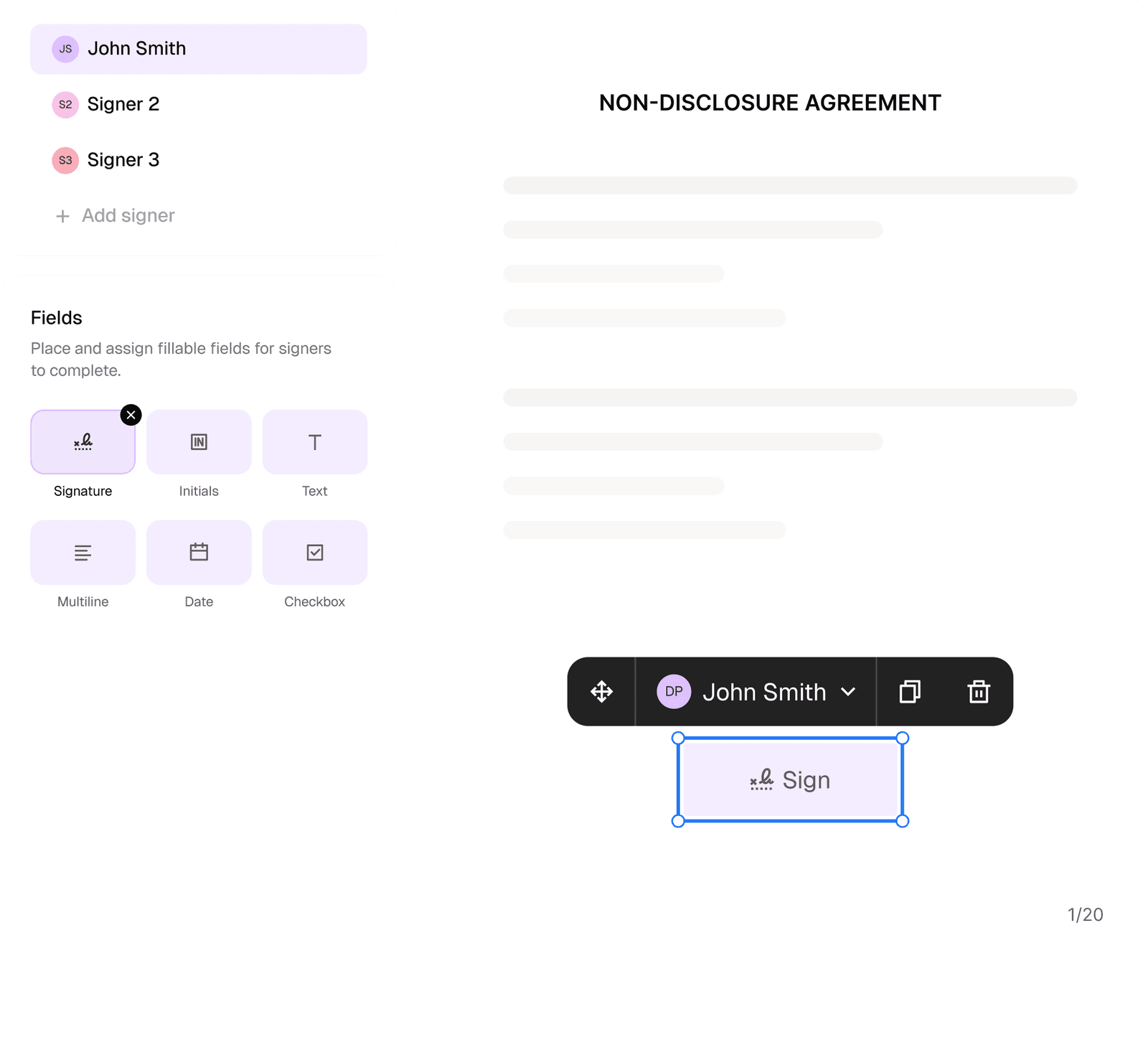
Sign documents and collect legally binding signatures. Invite up to ten people to sign in any order, track the progress, and send reminders.
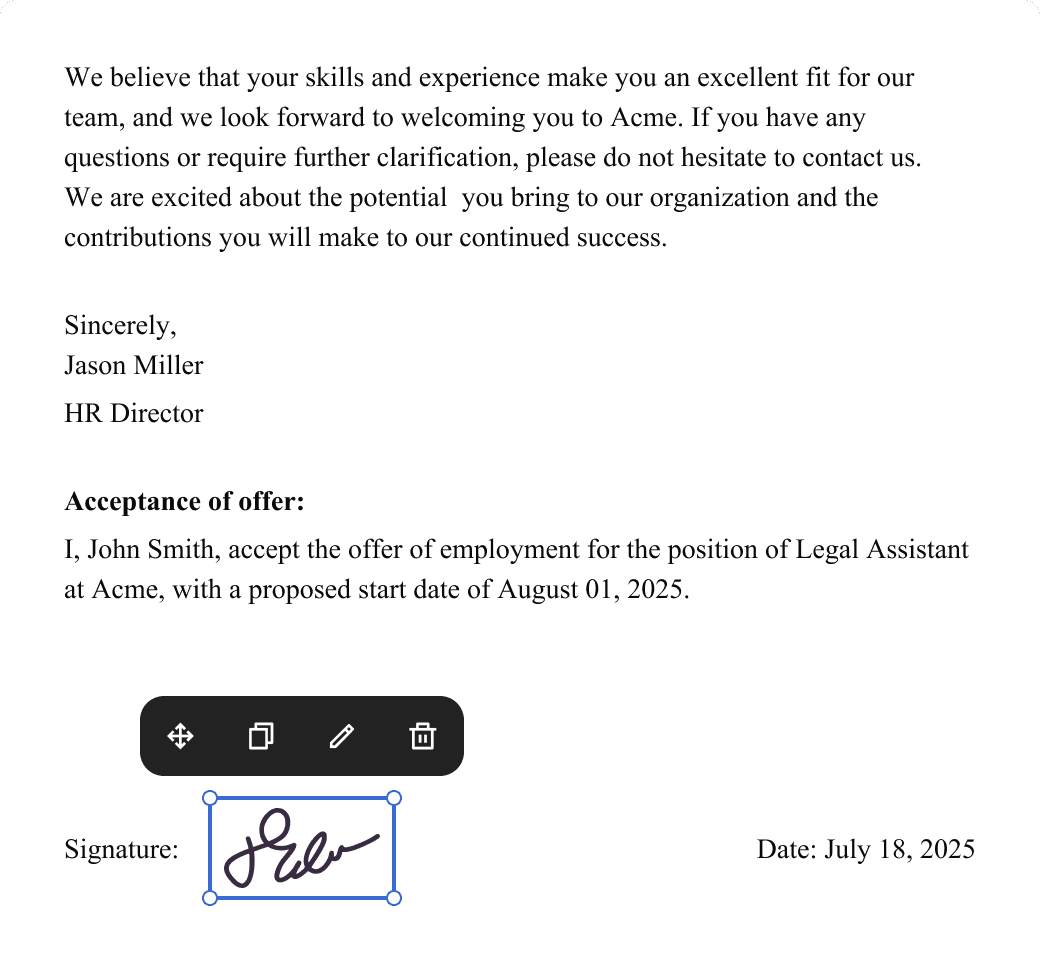
Request legally binding signatures
Invite up to ten people to sign your document in any order. Get a finalized, audit-ready copy without chasing signatures.
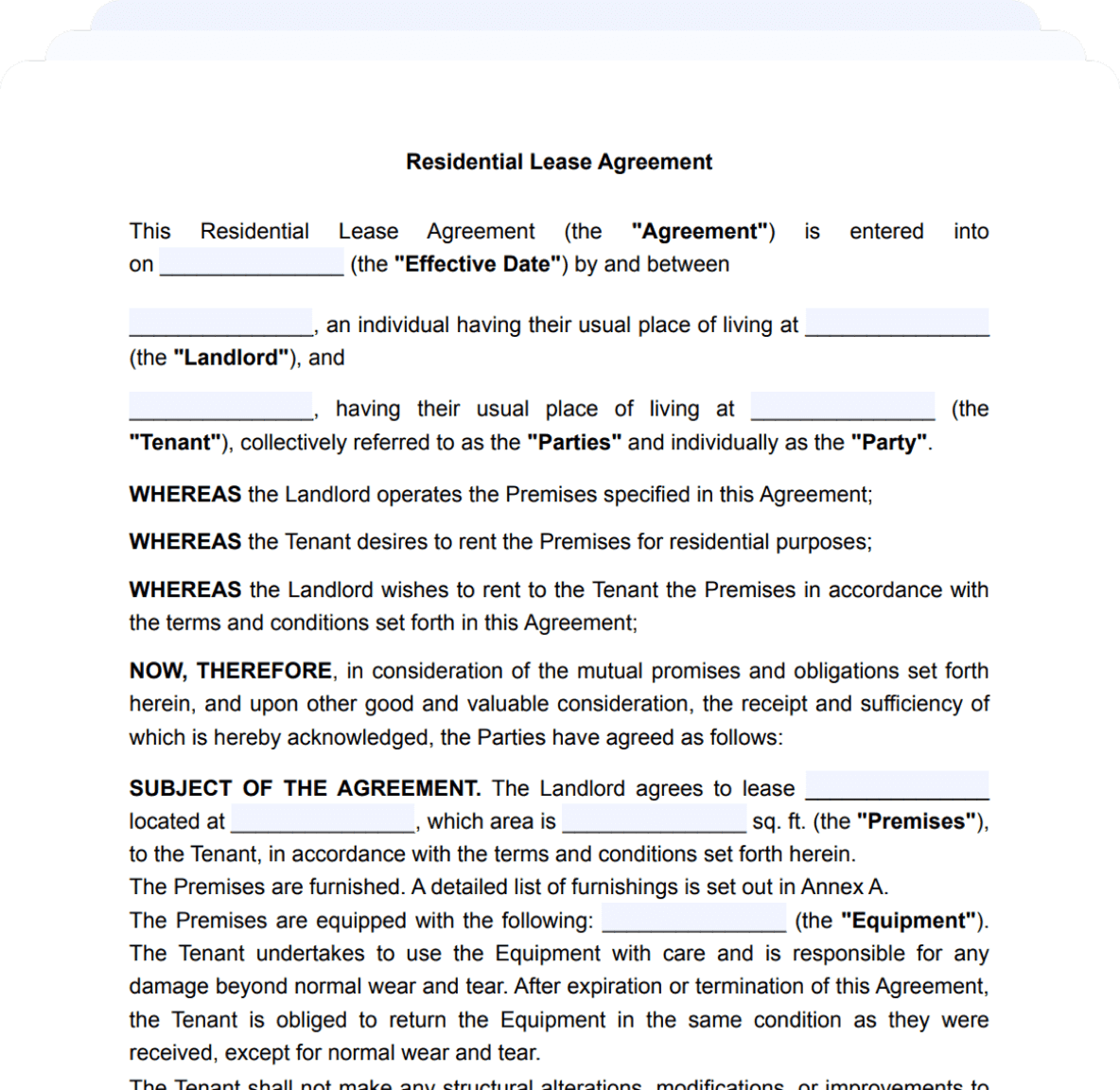
Skip the drafting.
Choose from 2,500+ templates
Browse templatesChoose a template
Fill in details
Sign and download