Updated July 20, 2026
9 min read
Understanding State Laws Regarding Buying Cars

Understanding State Laws Regarding Buying Cars
Content
Buying a car can be an exciting journey through a minefield of laws and regulations. Each state has its own set of rules and regulations for buying and selling cars, so it’s important to ask what is required to buy a car.
Whether you’re a seasoned car buyer or starting to research your car buying options for the first time, gaining a better understanding of the legal landscape can help you to avoid some speed bumps along the way.
How To Buy a Car in the U.S.
When buying or selling a motor vehicle, there will be a lot of paperwork involved. From title transfers to registration documents, the details can easily become overwhelming. Have you ever wondered about the bill of sale and asked yourself how buying a car works?
When buying a car, the bill of sale is a document proving the ownership transfer from the seller to the buyer. This essential piece of paper can protect both parties and prove that the transaction occurred. However, did you know you may not need a bill of sale? Contrary to popular belief, a bill of sale is not required in all states for motor vehicle transactions. In some states, it’s just a formality; in others, it’s a legally binding document.
If that wasn’t complicated enough, not all states that do require a bill of sale also require it to be notarized. Navigating the world of state-specific requirements can be complicated, but it’s essential to understand the laws in your state to ensure a smooth transaction when buying a car.
States That Require a Bill of Sale
- Alabama
- California
- Colorado
- Connecticut
- Florida
- Georgia
- Idaho
- Illinois (in specific cases)
- Iowa
- Kansas (in specific cases)
- Louisiana (in specific cases)
- Maine
- Maryland
- Mississippi (in specific cases)
- Missouri (in specific cases)
- Nebraska
- Nevada
- New Hampshire (in specific cases)
- New Jersey
- New Mexico (in specific cases)
- New York
- Oregon (in specific cases)
- Rhode Island
- South Carolina (in specific cases)
- Vermont
- Virginia
- West Virginia (in specific cases)
- Washington
- Wyoming
As shown above, some states only require a bill of sale when buying a car under certain circumstances. For example, in Missouri, a person can complete either a bill of sale or a notice of sale. Although these are two different forms, they serve the same purpose and include the same information. In New Mexico, a bill of sale is only necessary if the title is missing the required information, such as the odometer reading and purchase price.
States That Do Not Require a Bill of Sale
- Alaska
- Arkansas
- Arizona
- Delaware
- Hawaii
- Indiana
- Kentucky
- Massachusetts
- Michigan
- Minnesota
- Montana
- North Carolina
- North Dakota
- Ohio
- Oklahoma
- Pennsylvania
- South Dakota
- Tennessee
- Texas
- Utah
- Wisconsin
It's a good idea to fill out a bill of sale, even if it's not required by law. This creates a written record of the car purchase that includes important information like the price, what's being sold, and the names of the buyer and seller.
Tips for Buying a Car in Different States
There are many ways to buy cars, including buying across state lines. Different states have different laws and requirements, so it can be easy to overlook something important in the excitement of a new purchase. Consider the following tips to help make the process smoother when buying vehicles out of state:
- 1
Know your home state’s requirements: Before you start buying a car, become familiar with your home state’s requirements, including smog laws, if any. This will help you to avoid unpleasant surprises when registering the car.
- 2
Have a mechanic inspect the car: Always have a mechanic inspect the car before you hand over any money to the seller. You can reach out to local mechanics and have this done before making the trip yourself. A good mechanic can spot potential problems, so you will know what you’re getting into.
- 3
Research legal issues: While you now know that not all states require a bill of sale, it’s usually a good idea to have one, just in case. A little research will reveal what documents will be needed for your new vehicle’s transfer to your state.
Laws vary from state to state, and it may be complicated to see all the peculiarities of buying a car in your state. Of course, you may consult a lawyer and ask him how to buy a car in New York, for example. But that process may be expensive and time-consuming.
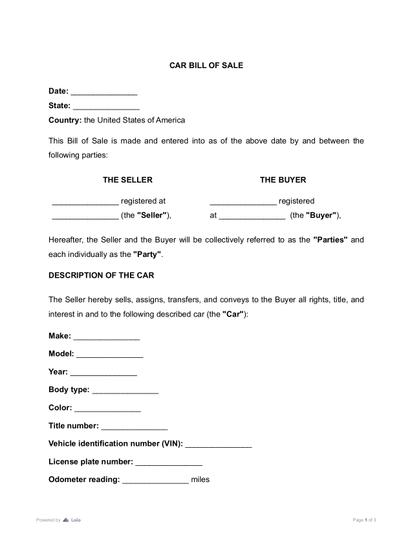
Instead of trying to figure everything out without any help, you can use a pre-made vehicle purchase form to create a bill of sale for buying a car. It will be cheaper than hiring a lawyer and faster than doing it all on your own.
Conclusion
A little effort upfront can go a long way in ensuring a smooth and hassle-free vehicle transaction. Take the time to research, understand your state’s requirements, and gather all the necessary paperwork. For help drafting your bill of sale, download an easy-to-use template on Loio.
Car bills of sale are crucial for most people buying or selling a vehicle. Although it may not be required in all states, it’s always better to err on the side of caution. A well-drafted bill of sale can save both parties headaches by providing legal protection for both the buyer and the seller.
Legal Disclaimer
Please note that Loio does not provide any legal services. The information on Loio’s Site and its downloadable content, including legal articles and templates, shall not be considered legal advice and is not guaranteed to be correct, complete, and up-to-date. If you require legal advice on your issue, we recommend you contact a qualified attorney licensed in your state. You personally assume full responsibility for any consequences, damages, and costs associated with your use of any content of Loio Services available on Loio’s Site.
By using Loio’s Site you agree with mentioned above and give your irrevocable consent to comply with and to be bound by the provisions of Loio Service terms.
FAQ
More guides
July 26
9 min read
IRS Mileage Reimbursement Rules: Rates, Records, and Tax Treatment

July 24
8 min read
The Must-Know Details When Buying a Motorcycle
October 16
7 min read
What Is OCR (Optical Character Recognition)? How It Works & AI Uses
October 6
14 min read
How to Make a PDF Searchable: 5 Tested OCR Methods in 2026
September 11
4 min read
What to Look for in an Employment Contract
September 11
5 min read
Employment Contract Red Flags to Check Before You Sign
One home for your
agreements
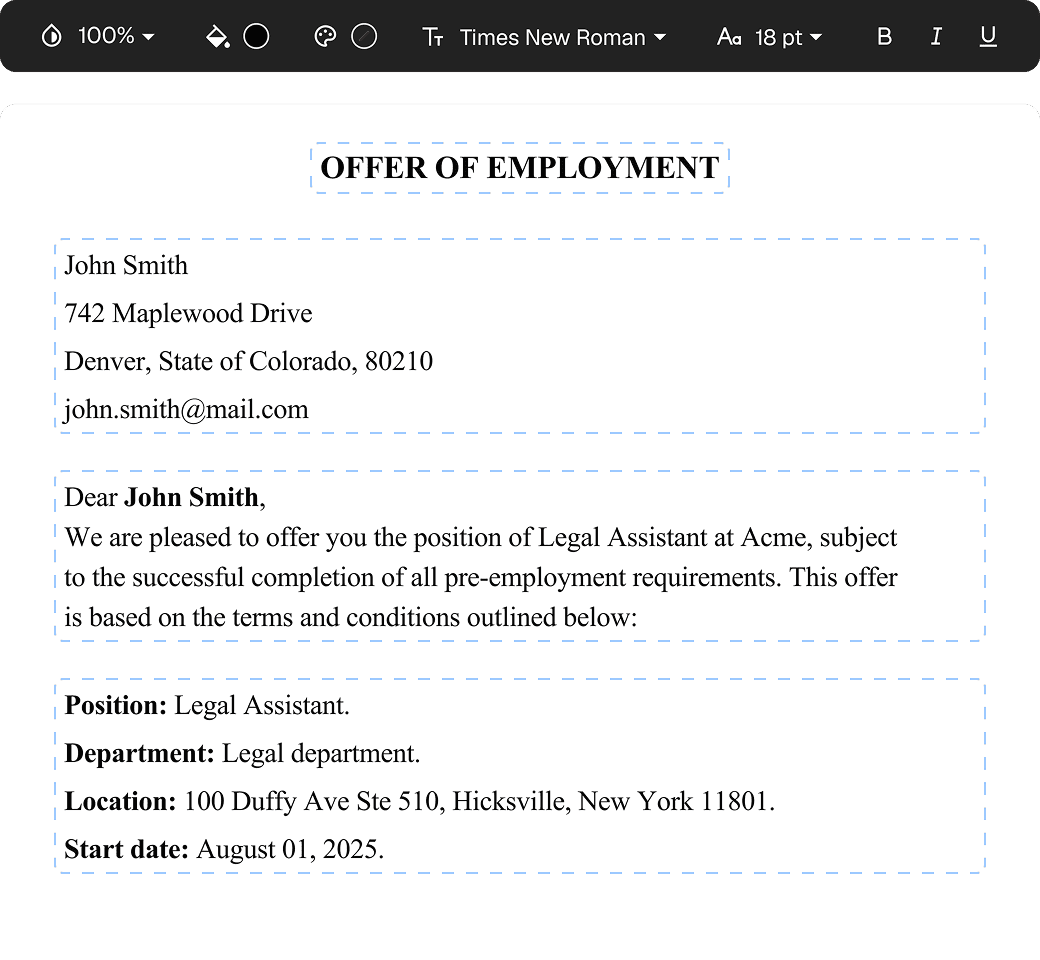
Edit PDFs seamlessly
Tweak agreements before signing or sending for signatures. Update details, add or remove clauses, adjust formatting, and redline changes instantly.
eSign legally and securely
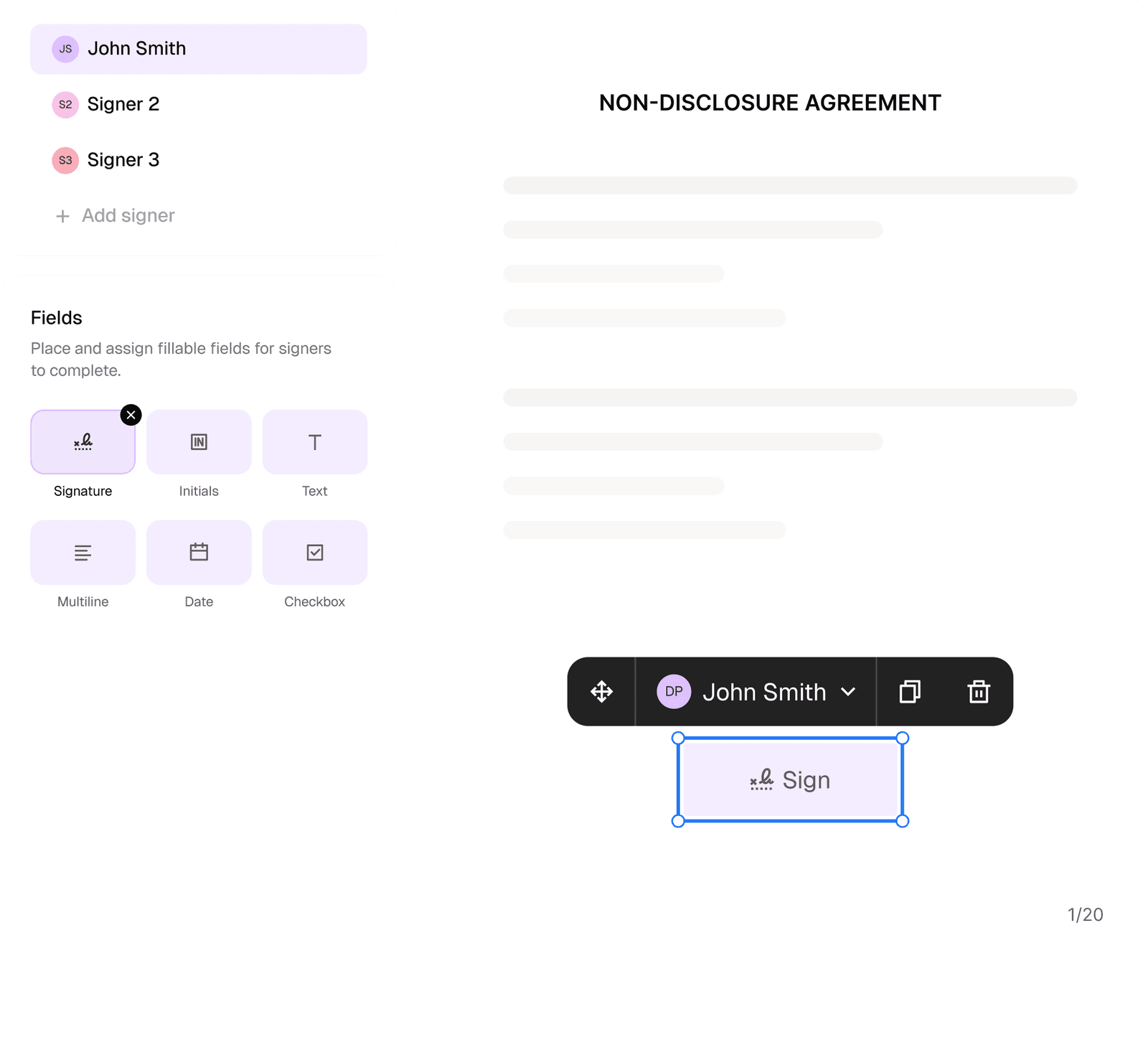
Sign documents and collect legally binding signatures. Invite up to ten people to sign in any order, track the progress, and send reminders.
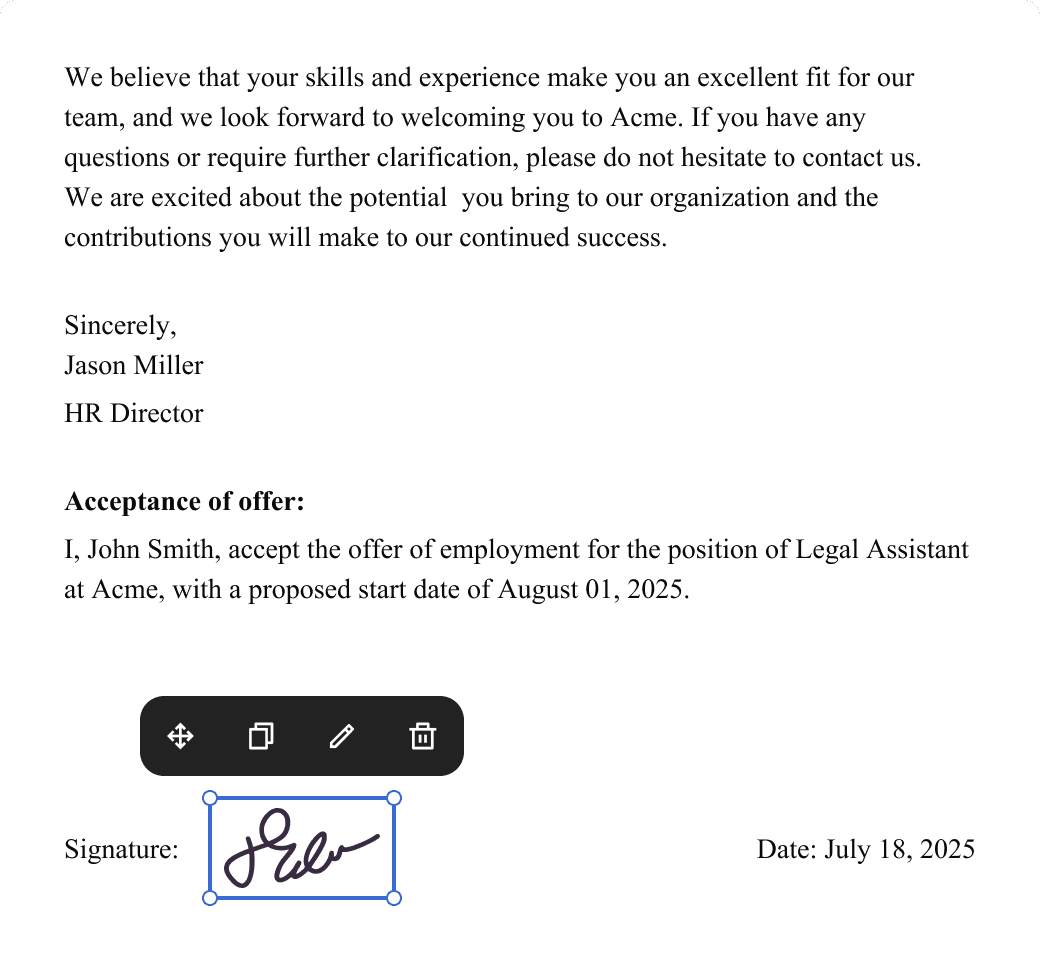
Request legally binding signatures
Invite up to ten people to sign your document in any order. Get a finalized, audit-ready copy without chasing signatures.
Skip the drafting.
Choose from 2,500+ templates
Browse templatesChoose a template
Fill in details
Sign and download