Updated July 24, 2026
9 min read
How to Register a Vehicle in the U.S.: 5 Steps and State Rules

How to Register a Vehicle in the U.S.: 5 Steps and State Rules
- Why Vehicle Registration Matters
- What Documents Do You Need to Register a Car
- 5 Steps to Register a Car
- State-by-State Differences You Should Expect
- Registering a Car as a New State Resident
- Special Situations: Used, Gifted, and Imported Vehicles
- What Happens If You Don’t Register a Car?
- Tips to Make the Registration Process Easier
- Conclusion
Content
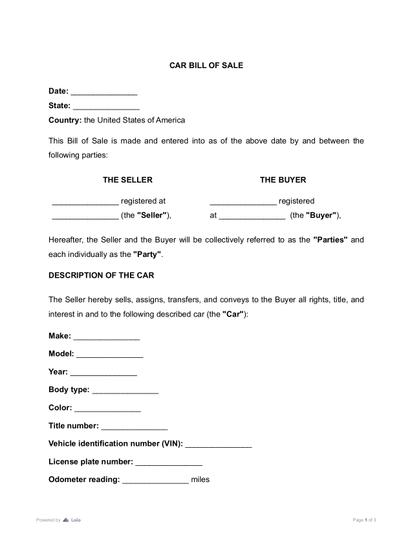
Before you begin any paperwork, make sure you have a automobile bill of sale. Most states require it as part of the car registration documents that confirm ownership.
Registering a vehicle might seem routine, but it’s one of those tasks where missing a single detail can slow everything down. Rules differ from state to state, deadlines vary, and the paperwork you’ll need largely depends on where you live.
This guide explains what is needed when registering a car, how the vehicle registration process works, and what to expect if you’re registering a used, gifted, or out-of-state vehicle.
Why Vehicle Registration Matters
Vehicle registration is how the state confirms that both you and your car meet legal requirements to be on the road. Once registered, you receive your license plates, registration certificate, and, in many states, a sticker for the windshield or plate.
Without valid registration, you may face penalties, fines, or even vehicle impoundment — and the consequences vary widely across states.
What Documents Do You Need to Register a Car
If you’re asking what you need to get a car registered, most states require versions of the same core documents. These are the typical requirements for vehicle registration across the US:
Proof of qwnership
You’ll need one of the following:
Title with the seller’s signature;
Odometer disclosure statement for newer cars.
Identity and residency documents
Usually, your driver’s license or state ID.
New residents may also need proof of address (utility bill, residential lease agreement, etc.).
Proof of insurance
Coverage must meet the minimum requirements in your state
Vehicle information
VIN;
Make, model, and year;
Current mileage.
Inspection certificates
Many states require emissions or safety inspections before registration.
5 Steps to Register a Car
The steps to register a car are generally similar across the US, but specific forms and fees will depend on your state.
Step 1: Prepare All Required Documents
Gather your title, bill of sale, insurance proof, and inspection reports.
This is the foundation of the vehicle registration process.
Step 2: Complete the State Registration Application
You can usually do this online or at a DMV office.
The form collects your details and verifies that you meet state requirements.
Step 3: Submit the Title for Transfer
If you recently bought the car, the seller must sign the title over to you.
And if there’s no title available, some states offer a bonded title or an residency verification form.
Step 4: Pay Applicable Fees
Your total depends on:
- Registration fee;
- Title fee;
- Sales or use tax;
- Local surcharges;
- License plate fee.
Step 5: Receive Your Registration and Plates
Some states issue them immediately; others will mail them to you.
State-by-State Differences You Should Expect
While the framework is similar, state rules can differ significantly.
Registration Deadlines
- Many states require registration within 30 days of purchase.
- Some give as little as 15 days (e.g., Arizona).
- States like New York allow up to 180 days after moving.
Inspections
- Emissions testing: California, Colorado, Washington, New York.
- Safety inspection: Virginia, North Carolina, Pennsylvania.
- No mandatory inspections: Florida, Michigan, Montana.
Sales Tax Rules
Most states collect sales or use tax during registration, even if you paid nothing for the car.
License Plate Rules
Some states keep plates with the car (California), others with the seller (Texas), and some with the owner (Georgia).
Registering a Car as a New State Resident
New residents often need:
- 2
New state insurance;
- 3
Out-of-state title transfer;
- 4
VIN verification (in some states).
Most states require new residents to complete the vehicle registration process within 30–90 days of moving.
Special Situations: Used, Gifted, and Imported Vehicles
Not every registration is a standard purchase. Here’s what changes.
Buying a Car Without a Title
Some states allow a bonded title or other alternatives. This process is strict and may take longer.
Receiving a Car as a Gift
You may need:
- A title marked “gift.”
- A bill of sale showing $0.
- Proof of insurance.
- A gift tax form, depending on the state.
Registering an Imported Car
This requires customs paperwork, EPA/DOT compliance, and often a VIN inspection.
What Happens If You Don’t Register a Car?
Consequences vary by state, but may include:
- Fines;
- Late registration penalties;
- Insurance complications;
- Possible impoundment.
Driving an unregistered car can also lead to legal issues if an accident occurs.
Tips to Make the Registration Process Easier
- Double-check your documents before going to the DMV.
- Use your state’s online portal when possible.
- Confirm that the title VIN matches the VIN on the vehicle.
- Renew before the deadline to avoid late fees.
Conclusion
Vehicle registration isn’t difficult — it’s just detailed. Understanding what you need to get a car registered, preparing your documents in advance, and following your state’s rules will help you avoid delays and stay compliant with the law.
Before you start, make sure your car registration documents — especially the bill of sale — are complete. The rest of the process becomes much easier once the paperwork is in order.
More guides
July 25
8 min read
How to Give a Car as a Gift: Title, Tax, and Registration Rules
July 24
7 min read
Buying a Car Without a Title: What You Should Know

July 26
9 min read
How to Sell a Car: A Comprehensive Guide

September 1
7 min read
How to Provide Proof of Employment: Documents and Steps

September 8
11 min read
How to Sell Land by Owner: Complete Guide for Landowners

September 8
4 min read
Packing Slip vs. Bill of Lading: Learn How to Use Both

One home for your
agreements
Edit PDFs seamlessly
Tweak agreements before signing or sending for signatures. Update details, add or remove clauses, adjust formatting, and redline changes instantly.
eSign legally and securely
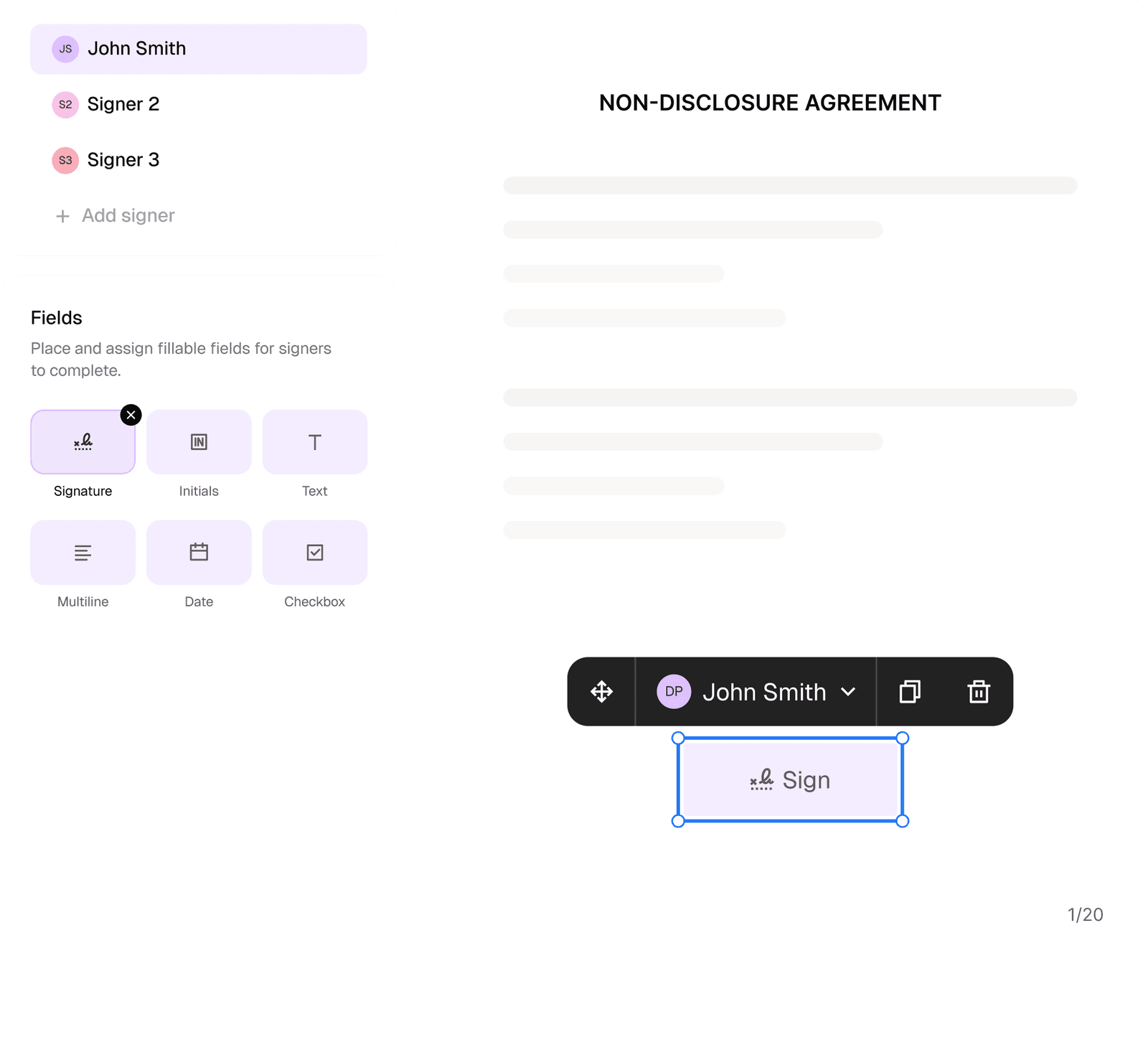
Sign documents and collect legally binding signatures. Invite up to ten people to sign in any order, track the progress, and send reminders.
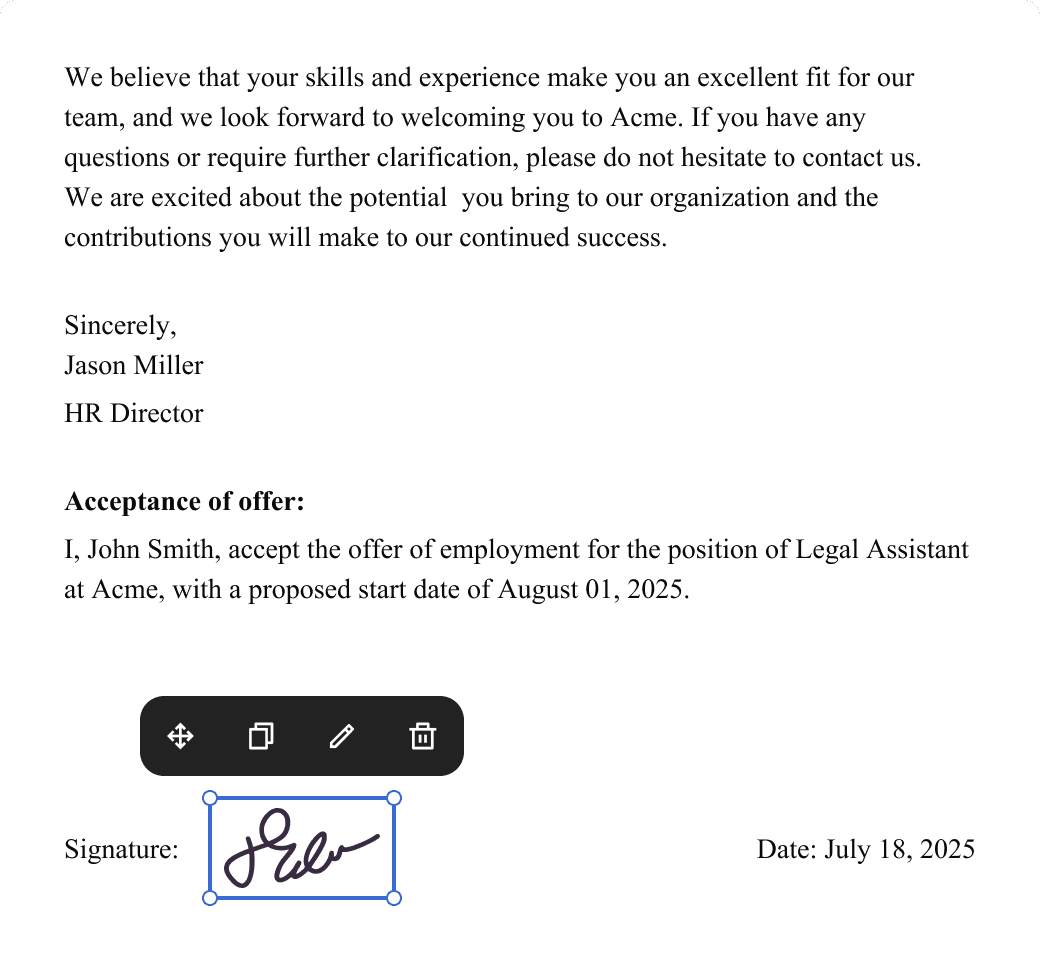
Request legally binding signatures
Invite up to ten people to sign your document in any order. Get a finalized, audit-ready copy without chasing signatures.
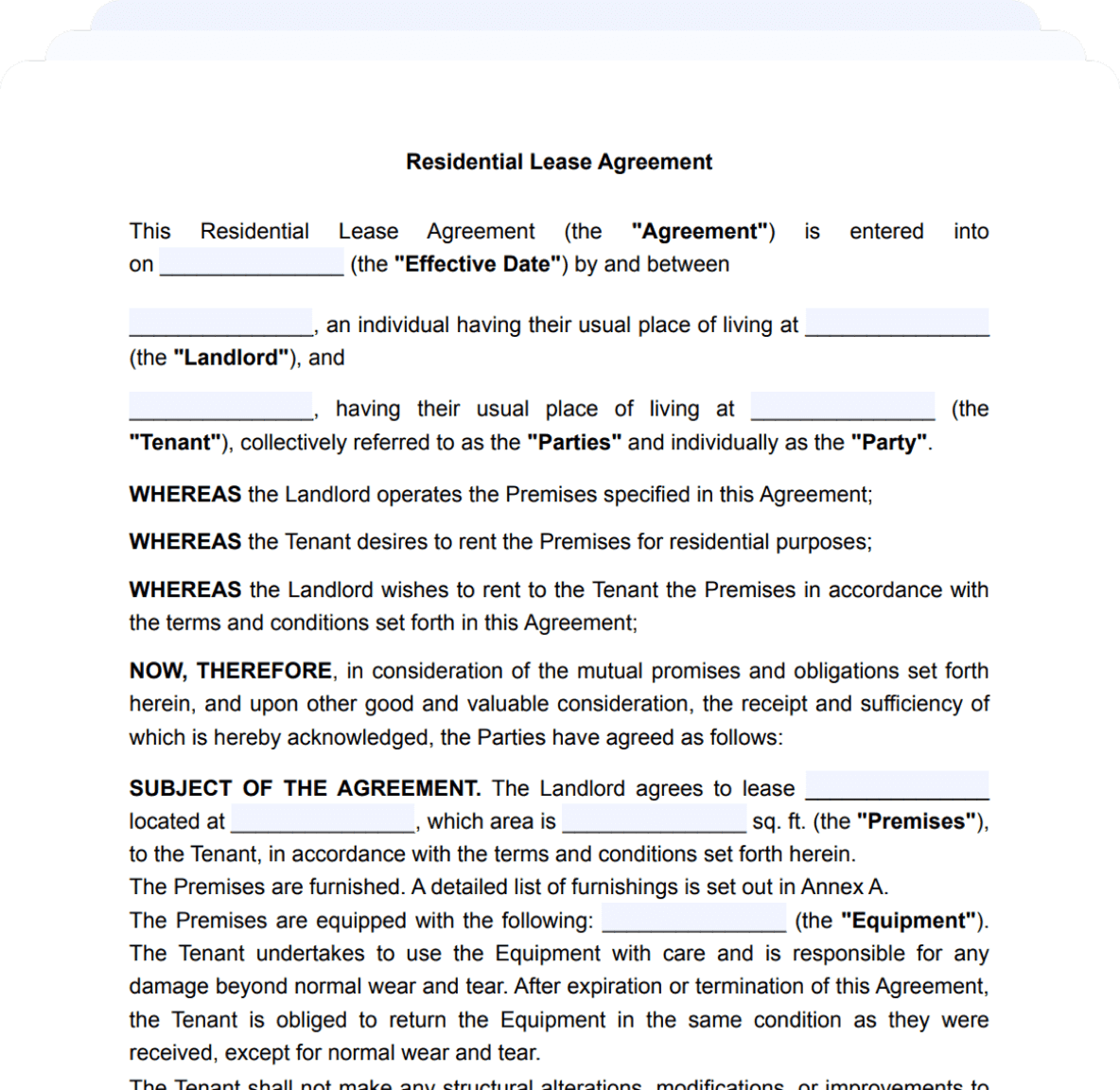
Skip the drafting.
Choose from 2,500+ templates
Browse templatesChoose a template
Fill in details
Sign and download