Updated July 26, 2026
10 min read
Does a Single-Member LLC Need an Operating Agreement?

Does a Single-Member LLC Need an Operating Agreement?
Content
If you’re the only owner of an LLC, there’s no one to share duties and income with. So, there is no need for an operating agreement. At least, this is what many sole owners believe. However, without this document, you may face problems with banks, taxes, contracts, and even liability claims. Does a single-member LLC need an operating agreement? It definitely does. And here is why.
Why Do I Need an Operating Agreement for my LLC?
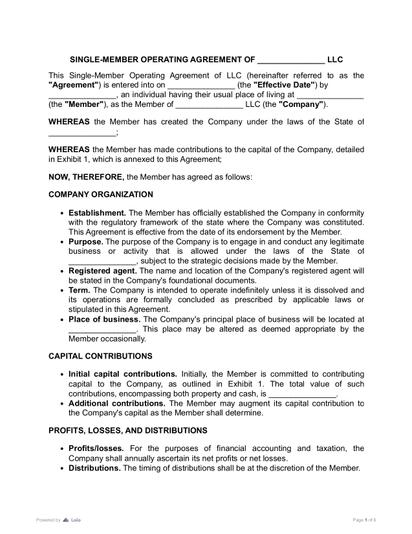
In most states, having a single-member LLC operating agreement is not mandatory. Only five – California, Delaware, Maine, Missouri, and New York – require LLC owners to keep their records. Still, it does not mean you do not need it if you register a company in other states. The problem shows up later, when someone asks you to prove basic facts about your company: who owns it, who can sign, and how money moves.
Why do you need an operating agreement? When your single-member LLC has no such document, you have no proof of your authority in the company. For example, a bank may request it before opening a business account or approving a credit line. A landlord may ask for it before they sign a lease. If you cannot provide an operating agreement, you may need to search for substitutes, such as a certificate from the state, internal resolutions, or extra affidavits. It takes time and effort to solve a problem that would not even exist with a well-structured operating agreement.
What Risks Does a Company Face Without a Sole Owner LLC Operating Agreement?
No operating agreement does not mean your LLC is invalid. It means you run your company without a reliable document that proves your ownership, authority, and level of responsibility. And the consequences of it may occur at the most unpredictable moment, putting your whole business in jeopardy. Here are the key negative consequences the absence of an operating agreement can cause your single-member LLC:
Loss of liability protection
The main benefit of an LLC is that it keeps your personal assets away from business risks. Still, courts can hold an LLC owner personally liable in certain cases under state law doctrines like veil piercing or alter ego liability. The names and tests vary by state, but the idea remains: if you treat the LLC like your personal wallet, a court may treat it that way too.
With no operating agreement, an LLC with a single member can resemble a sole proprietorship. Here is how it can look like in practice:
You use one bank account for everything, so client payments land in the same place as rent, groceries, and personal bills.
You sign contracts as “John Smith” instead of “John Smith, Member, ABC Pool Care LLC.”
You have no written rule that says you (and only you) have the authority to sign deals, open accounts, or take money out as an owner draw.
You keep few or no records that show business income, expenses, and major decisions.
A written operating agreement does not magically block lawsuits. It helps you show that you run a real LLC with strict rules and separate finances.
You sign a service contract with your name, a customer claims property damage, and their lawyer argues the LLC is just a shell because you never treated it as separate. In this case, an operating agreement will work as proof that they’re wrong.
Unclear ownership
Why do I need an operating agreement for my LLC if I already have Articles of Organization? The issue is that your Articles of Organization form the LLC, but they often do not contain information about who owns it. In many states, this document lists only basic formation details and a registered agent, who is simply the person or service authorized to receive legal notices for the LLC, not the owner.
It matters because third parties often need proof of your control. A bank, landlord, or payment processor may accept the Articles as proof that the LLC exists, but still ask for a document that confirms:
- 1
You are the sole member.
- 2
You have the authority to open accounts and sign contracts.
A signed operating agreement is the document that can provide that proof.
State default rules
An LLC without an operating agreement will run under the default rules from your state’s LLC statute. The law will simply fill the gaps you have not addressed yourself. Many states use statutes influenced by the Revised Uniform Limited Liability Company Act (RULLCA), while others, like Delaware, rely on their own LLC Act.
In particular, the state law may determine:
Who has the authority to sign contracts on behalf of the company;
What records must be kept and produced;
What happens to the LLC interest after the death or incapacity of its founder;
When the business must dissolve, and how the assets will be distributed.
If you have specific preferences on any of these issues, a well-written operating agreement is a must. It will allow you to document them and replace one-size-fits-all terms with clear instructions that match your situation.
Banking and lending hurdles
Even with a single-member LLC, banks often require an operating agreement before they open a business account. They use it to confirm two basic points:
- 1
Who owns the LLC.
- 2
Who has the authority to act for it.
It is part of the bank’s customer identification and anti‑fraud controls under federal “Know Your Customer” and anti‑money‑laundering rules. Without an operating agreement, the bank may pause your application and request substitutes, such as a signed member resolution, additional identity documents, or other proof that you control the business.
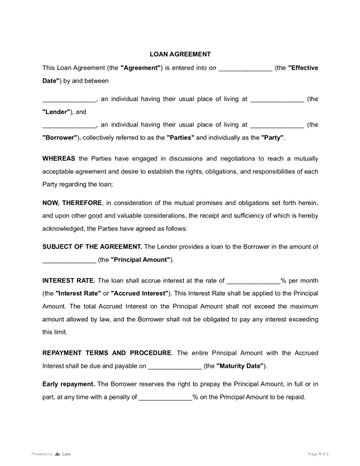
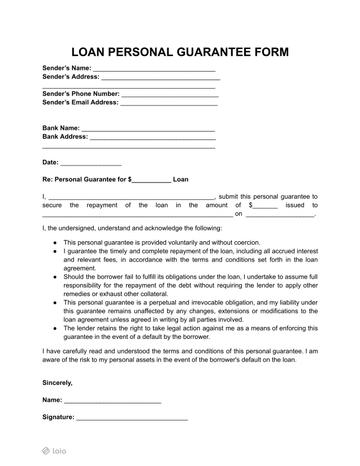
The same issue comes up with business loans. For a business credit card, line of credit, or term loan, the lender must be sure the signer has legal authority to bind the LLC to repayment terms and personal guarantees. If you cannot prove it, underwriting can take longer, and the lender may treat the request as higher risk or decline it until documentation is complete.
- Loan Agreement
 4485 downloads
 - Loan Personal Guarantee Form
 8189 downloads
Business continuity issues
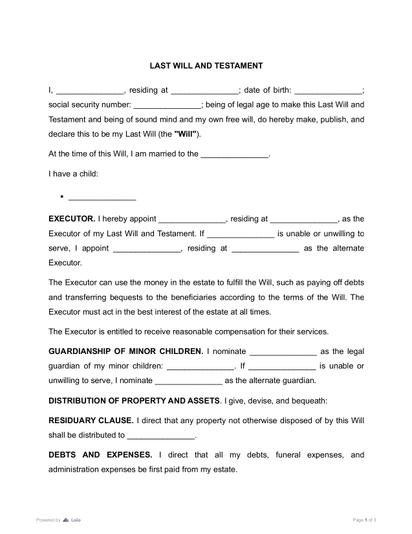
A single-member LLC with no operating agreement can run into serious trouble after the owner’s death. The LLC interest becomes part of your estate. Unless you have a last will that specifies the fate of the company, the business may stall until the court appoints a representative who has legal authority to act.
That can mean:
Frozen access to the bank account;
Missed vendor payments;
Payroll issues;
Unfulfilled contracts.
So, your family will have no chance to fix all those, no matter how well they are informed about the LLC operations.
A written operating agreement, in its turn, gives you safer options. It documents who has the right to manage the LLC if you die or become incapacitated. It can also explain what happens next: whether the LLC will transfer to your heirs, be sold, or be wound down – so your business has a plan instead of a pause.
Vague tax treatment
A single-member LLC does not have one automatic “LLC tax return.” In the U.S., the IRS taxes it based on the option you choose.
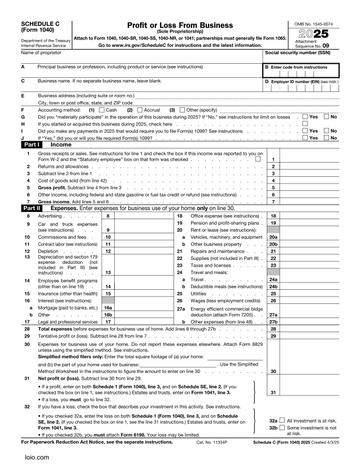
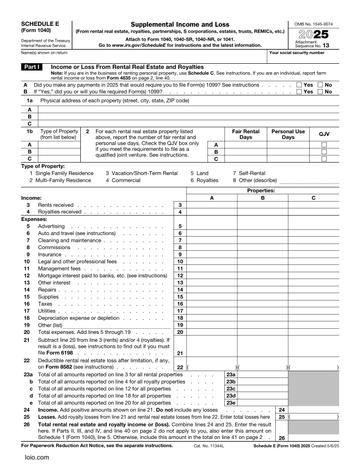
Most single-member LLCs are taxed as a disregarded entity by default. It means you report business income on Schedule C (or Schedule E for rental activity).
You can also choose to be taxed as an S corporation and file Form 8832.
These tax options exist whether you have an operating agreement or not. However, if you do not have it, there is a risk of messy reporting. Without written rules, owners often mix personal and business funds, which can create the following problems:
Income and expenses that do not match your books;
Weak support for deductions in an audit;
Confusion for a CPA or payroll provider if you later elect S corporation treatment.
A clear operating agreement helps you keep tax records consistent because it sets basic rules for owner draws, expense reimbursements, and recordkeeping. It also helps show that the LLC operates as a real business separate from you.
- Schedule C
 5277 downloads
 - Schedule E
 5120 downloads
What to Include in a Single-Member LLC Operating Agreement?
A well-drafted single-member LLC operating agreement works like a detailed manual for your LLC. It basically should provide the most important information about how your company operates:
- 1
Basic company details: the LLC’s legal name, state of formation, start date, principal address, and registered agent information.
- 2
Ownership and authority: a clear statement that you are the sole member (100% owner) and that you have the authority to sign contracts, open bank accounts, and hire vendors on behalf of the LLC.
- 3
Management setup: whether the LLC is member-managed or manager-managed, plus what powers you have and any limits you set for yourself (useful if you plan to add a manager later).
- 4
Capital contributions: your initial contribution (cash or property), how you add more funds, and how you handle reimbursements when you pay business expenses personally.
- 5
Taxes and accounting: the LLC’s federal tax treatment, fiscal year, basic accounting method, and who prepares and signs tax returns.
- 6
Records and formalities: what records you keep (bank statements, contracts, tax filings) and where you keep them. This supports the “separate entity” story if anyone challenges it.
- 7
Continuity plan: who can run the business if you become incapacitated, and what happens to the LLC after your death.
- 8
Exit and dissolution rules: when the LLC can dissolve, who pays final debts, and how remaining assets get distributed.
To ensure you have added all the essential clauses to the document, use a reliable AI-based contract review tool that identifies the missing information and makes suggestions for required clauses.

After you sign the agreement electronically, keep it with your other LLC records and give copies to your bank or lender when requested. If any changes occur over time, you can edit the document and email updated copies to anyone who needs them.
So, if you still wonder, Do I need an LLC operating agreement?, the answer is yes. Even in a one-owner business, paperwork matters. A single-member LLC should have an operating agreement because it clarifies ownership, supports banking and lending needs, and reduces legal risks you do not want to face. And, most importantly, it helps to protect your personal assets by stating your limited liability and showing that you treat the LLC as a real, separate entity, not a personal side account.
More guides
September 15
10 min read
Who Can Sign a Contract on Behalf of a Company?

September 15
What Is Contract Redlining?

September 1
7 min read
How to Provide Proof of Employment: Documents and Steps

October 15
How to Start a Staffing Agency: Licensing, Pricing, and Cash Flow

July 20
4 min read
Addendum vs. Amendment: Change Your Purchase Agreement Properly

July 22
Vendor vs Supplier: Key Differences and Which Agreement to Use

One home for your
agreements
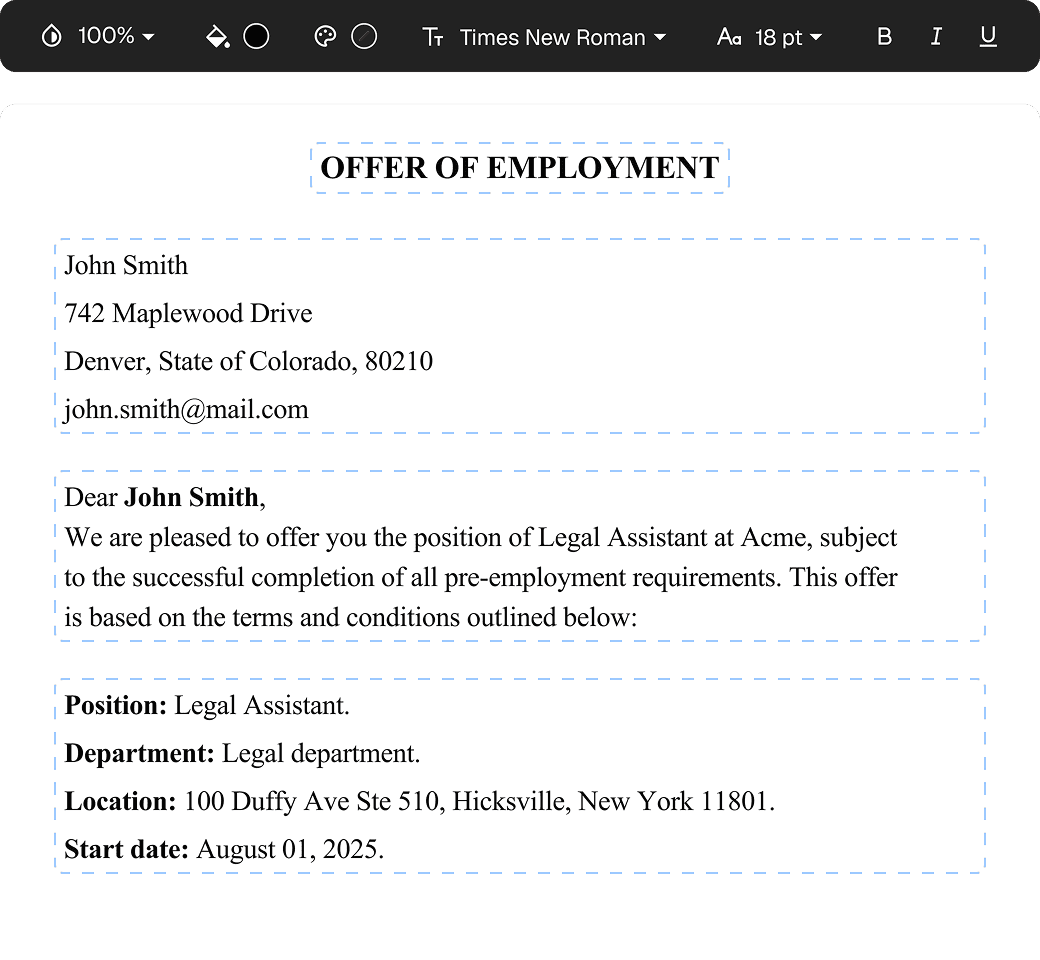
Edit PDFs seamlessly
Tweak agreements before signing or sending for signatures. Update details, add or remove clauses, adjust formatting, and redline changes instantly.
eSign legally and securely
Sign documents and collect legally binding signatures. Invite up to ten people to sign in any order, track the progress, and send reminders.
Request legally binding signatures
Invite up to ten people to sign your document in any order. Get a finalized, audit-ready copy without chasing signatures.
Skip the drafting.
Choose from 2,500+ templates
Browse templatesChoose a template
Fill in details

Sign and download