
Updated July 24, 2026
9 min read
Assignment vs Delegation: Rights, Duties & Liability in 2026

Assignment vs Delegation: Rights, Duties & Liability in 2026
- Delegation vs Assignment: What Is the Difference?
- What is Assignment in a Contract?
- What Is Delegation in a Contract?
- Assignment vs Delegation in Contract Law: Why Liability Matters
- Assignment vs Delegation vs Novation: What Changes?
- Difference Between Assignment and Delegation: Example
- Assignment of Rights vs Delegation of Duties
- When Can Contract Rights Be Assigned?
- When Can Contract Duties Be Delegated?
- Assignment vs Delegation Contracts: Common Business Examples
- Assignment vs Delegation Law: Consent and Anti-Assignment Clauses
- Contract Delegation vs Assignment: Difference in Liability
- Assignment and Delegation in Business Process Management
- Why Clear Assignment and Delegation Language Matters
- Which Document Should You Use for Assignment or Delegation?
- Common Mistakes in Assignment vs Delegation Contracts
- Assignment vs Delegation: Final Checklist Before Transferring Rights or Duties
- Conclusion
Content
Understanding assignment vs delegation matters whenever a contract involves more than the original two parties. A business may transfer the right to receive payment, a tenant may assign a lease, or a contractor may ask another company to perform part of the work. These situations sound similar, but they do not create the same legal result.
The key difference is simple: assignment transfers contractual rights, while delegation transfers contractual duties or performance. In other words, assignment is about who receives a benefit under the contract. Delegation is about who performs an obligation under the contract.
This distinction matters because transferring a right or handing off work does not always remove legal responsibility. If the wrong document is used, or if the original contract requires consent, the parties may face payment disputes, breach of contract claims, or liability they thought they had already transferred. A written assignment agreement can help clarify what is being transferred, whether consent is required, and who remains responsible after the transfer takes effect.
Delegation vs Assignment: What Is the Difference?
The difference between delegation and assignment is what each transfer does under a contract. Assignment transfers a contractual right, such as the right to receive payment, collect rent, or own intellectual property. Delegation transfers contractual performance, such as the duty to complete a service, deliver goods, or manage a project task.
A useful way to remember it is this:

For example, if a company transfers its right to collect payment from a client, that is usually an assignment. If a company hires a subcontractor to complete work it promised to deliver, that is usually delegation.
The practical risk is liability. In many delegations, the original party remains responsible if the new performer fails. Assignment can also create liability issues if the transfer includes obligations, if the contract limits assignment, or if the parties confuse assignment with novation.
What is Assignment in a Contract?
Assignment in a contract is the transfer of contractual rights from one party to another. The party transferring the rights is usually called the assignor. The party receiving the rights is the assignee. The other original contract party is often called the obligor because they still owe performance under the assigned right.
For example, a software company may assign its right to receive payment under a customer contract to another business. After the assignment, the assignee may have the right to collect payment from the customer, depending on the contract terms and notice requirements.
Assignment is common in business transactions involving:
- payment rights;
- lease rights;
- intellectual property;
- trademarks;
- inventions;
- customer contracts;
- receivables;
- business asset sales.
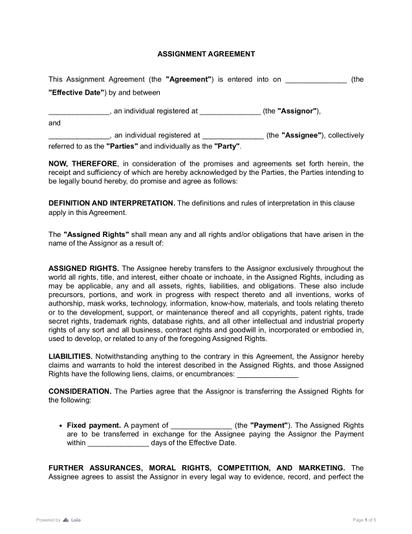
A written assignment agreement is useful because it records what is being transferred, who the parties are, whether payment is involved, when the transfer becomes effective, and which law applies.
Loio’s Assignment Agreement template can be used when parties need to document the transfer of rights in writing. It is especially relevant when the parties want a clear record of the assigned rights, signatures, and terms of the transfer.
What Is Delegation in a Contract?
Delegation in a contract is the transfer of performance duties to another person or business. The original party asks someone else to perform all or part of what they promised to do under the contract.
For example, a general contractor signs a renovation contract with a client, then hires an electrical subcontractor to complete the wiring. The subcontractor performs part of the work, but the general contractor may still remain responsible to the client if the work is defective, late, or incomplete.
That is the core difference between delegation and assignment: delegation may shift performance, but it does not automatically shift legal liability.
Delegation is common in:
- construction projects;
- service contracts;
- logistics and delivery;
- software development;
- consulting work;
- outsourced business functions;
- vendor and supplier relationships.
In practice, delegation often gives another party the authority to perform a task. However, authority to perform is not the same as release from responsibility. Unless the contract or all parties agree otherwise, the delegating party may still be accountable for the final result.
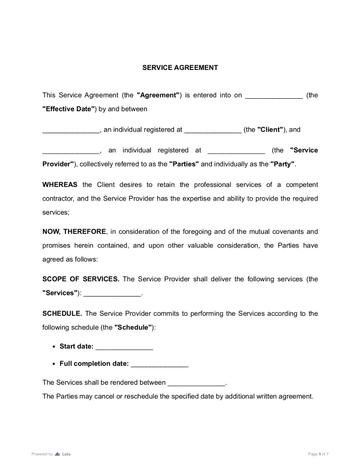
For service-related work, Loio’s templates, such as the Service Agreement template or Independent Contractor Agreement template, may be more relevant than an assignment agreement.
- Service Contract
 4341 downloads
 - Independent Contractor Agreement
 7288 downloads
Assignment vs Delegation in Contract Law: Why Liability Matters
The biggest legal issue in delegation vs assignment in contract law is liability. A party may believe they have “transferred the contract,” when in reality they have only transferred a right or delegated performance.
With delegation, the original party usually remains liable unless the contract says otherwise or all parties agree to release them. This means the delegating party may still be responsible if the delegatee performs poorly or fails to perform.
With assignment, the liability question depends on what was assigned. If only rights are assigned, the assignor may no longer receive the benefit, but that does not necessarily mean all obligations disappear. If the transaction transfers both rights and duties, the parties may need a more detailed assignment and assumption agreement, consent from the other party, or a novation.
This is why contract language matters. A short sentence saying “Party A transfers the contract to Party B” may not be clear enough. It should explain whether the transfer covers rights, duties, liability, consent, notice, and release.
For broader risk management, Loio’s guide on contract compliance can help you clarify the details. Contract compliance helps parties track obligations, approval requirements, and performance responsibilities before problems turn into disputes.
Assignment vs Delegation vs Novation: What Changes?
Many people confuse assignment, delegation, and novation because all three involve a third party. The legal effect is different.

Novation is different because it can replace one contracting party with another. In a true novation, the original party is usually released from future obligations, and the new party steps into their place. This normally requires consent from all parties.
For example, if a business sells a service contract to another company and the client agrees that the buyer fully replaces the seller, that may be a novation. If the seller only transfers the right to receive payment, that may be assignment. If the seller asks another company to perform the work while remaining responsible to the client, that may be delegation.
Difference Between Assignment and Delegation: Example
Here is a simple example of the difference between delegation and assignment.
A marketing agency signs a contract to provide a website redesign for a client. The contract gives the agency the right to receive $20,000 after project completion and the duty to deliver the website.
If the agency transfers the right to receive the $20,000 payment to another company, that is assignment. The right to payment moves to the assignee.
If the agency hires a freelance developer to build part of the website, that is delegation. The developer performs part of the agency’s duty, but the agency may still be responsible to the client for the final website.
If the client agrees that another agency fully replaces the original agency and takes over both the rights and obligations, that may be novation.
Assignment of Rights vs Delegation of Duties
The phrase assignment of rights vs delegation of duties is one of the clearest ways to explain the topic.
Assignment focuses on benefits. These may include the right to payment, the right to use property, the right to receive goods, or the right to own transferred intellectual property.
Delegation focuses on obligations. These may include the duty to provide services, deliver goods, complete construction work, manage a project, or meet a contract deadline.
However, not every right or duty can be freely transferred. The original contract may include restrictions. Some rights may be personal to the original party. Some duties may require special skill, trust, licensing, or professional judgment.
Before assigning rights or delegating duties, review the contract for clauses such as:
- assignment;
- delegation;
- subcontracting;
- consent;
- notice;
- change of control;
- non-transferability;
- personal services;
- governing law.
Loio’s guide on legally binding contract elements can be useful here because any transfer document should still meet basic contract requirements, including offer, acceptance, consideration, and legal intent.
When Can Contract Rights Be Assigned?
Contract rights can often be assigned unless the contract, law, or nature of the right limits assignment. In many business settings, assignment is common and expected. Payment rights, receivables, lease interests, and IP rights are often transferred through written agreements.
Still, the parties should not assume that assignment is always allowed.
A contract may say that rights cannot be assigned without written consent. Some contracts prohibit assignment entirely. Others allow assignment only to affiliates, successors, or buyers in a business sale.
Assignment may also be restricted when it would materially change the deal for the other party. For example, a landlord may not want a lease assigned to an unknown tenant without approval. A client may not want contract rights transferred to a company with a different risk profile.
Common assignment scenarios include:
- assigning a commercial lease;
- selling customer contracts;
- transferring IP rights from a freelancer to a company;
- assigning trademark ownership;
- transferring invention rights from an employee or founder;
- assigning payment rights.
For lease-specific transfers, Loio’s guide on business lease assignment and liability can be used as a reference. It is especially relevant when explaining why landlord consent, lease terms, and continuing liability matter.
When Can Contract Duties Be Delegated?
Contract duties can often be delegated when the contract allows it and the duty does not require personal performance. Delegation is especially common when work can be performed by another qualified person or company without changing what the other party receives.
For example, a delivery company may use another carrier. A contractor may hire a subcontractor. A software agency may involve external developers. A business consultant may assign research tasks to a team member.
But some duties are difficult or impossible to delegate.
A duty may be nondelegable when:
- the contract requires personal performance;
- the other party relied on a specific person’s skill or reputation;
- the work requires a license;
- the duty involves professional judgment;
- the duty involves fiduciary responsibility;
- the contract prohibits subcontracting or delegation;
- delegation would materially change the expected performance.
This is where scope of practice matters. In regulated professions, a person cannot simply delegate work beyond what the recipient is legally or professionally allowed to do. For example, legal, medical, financial, or engineering work may involve duties that require licensed professionals.
For contractor-related examples, Loio’s guides on managing independent contractors and working with subcontractors and independent contractors can expand the explanation.
Assignment vs Delegation Contracts: Common Business Examples
In real business contracts, assignment and delegation often appear together. That is one reason the topic becomes confusing.
Here are common examples:

For intellectual property, the transfer should be written clearly. If a freelancer creates a logo, website, codebase, or design asset, the client may need an IP assignment to confirm ownership. For lease transfers, the document should clarify whether the original tenant remains liable after assignment.
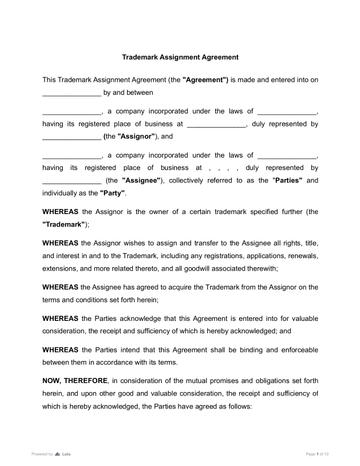
Below, you will find Loio templates that might help you clarify the details of your specific agreement:
- IP Assignment Agreement
 5506 downloads
 - Lease Assignment Agreement
 5329 downloads
- Trademark Assignment Agreement
 5355 downloads
 - Invention Assignment Agreement
 11447 downloads
Assignment vs Delegation Law: Consent and Anti-Assignment Clauses
One of the most common mistakes in assignment vs delegation law is ignoring consent requirements. A transfer that looks simple may violate the original contract if the parties skip approval.
Many contracts include anti-assignment clauses. These clauses may say that neither party can assign rights without prior written consent. Some clauses also restrict delegation, subcontracting, or transfer of obligations.
Consent clauses are especially important in:
- commercial leases;
- service contracts;
- vendor agreements;
- franchise agreements;
- licensing deals;
- construction contracts;
- employment-related IP agreements;
- contracts involving confidential information.
If consent is required, written approval is safer than verbal approval. The approval should identify the contract, the parties, the rights or duties being transferred, the effective date, and whether the original party remains liable.
Before assigning or delegating anything, the parties should review the original contract for transfer restrictions, approval rules, deadlines, and notice requirements. Loio’s guide on how to review a contract like a pro gives you practical advice to make sure your contracts are reliable and profitable. Moreover, Loio’s AI review tool allows you to get a quick overview of a complicated contract, spot red flags, and identify and highlight key points.
Contract Delegation vs Assignment: Difference in Liability
The contract difference between delegation and assignment becomes most important when something goes wrong.
If an assigned payment is not made, the assignee may need to enforce the payment right. If delegated work is not completed, the original party may still be responsible for breach of contract.
For example, a business hires a cleaning company for office maintenance. The cleaning company delegates the work to a subcontractor. If the subcontractor stops showing up, the client will usually look to the cleaning company first because that is the party that signed the original contract.
A similar issue can arise with lease assignments. A tenant may assign a lease to a new tenant, but the original lease may still hold the original tenant responsible if the new tenant fails to pay rent. Whether that happens depends on the lease terms, assignment agreement, landlord consent, and any release language.
This is why every transfer should answer one direct question:
After the transfer, who is still responsible if the contract is breached?
If the answer is unclear, the contract language needs more work.
For contract-heavy teams, this is where contract management tools and clear ownership become useful. Loio’s e-signature and PDF editor features can support smoother approvals, signatures, and better document management when contract transfers require written consent.
Assignment and Delegation in Business Process Management
Assignment and delegation also appear in business process management, but the meaning can be less legal and more operational.
In workflow systems, task assignment usually means a task is given to a person or team. Task delegation often means someone else performs the task, approves it, or handles it on behalf of the original owner.
For example, a contract manager may assign a contract review task to the legal team. A lawyer may delegate part of the review to a paralegal. The workflow system may show who performs each step, but that does not automatically change legal responsibility under the contract.
This distinction matters because internal task management and contract liability are not the same thing. A company may delegate a task internally while still remaining legally responsible to the customer, vendor, or landlord.
Why Clear Assignment and Delegation Language Matters
Unclear contract transfers create avoidable business risk. If a party assigns the wrong rights, delegates restricted duties, or fails to document consent, the result can be a dispute over payment, performance, or liability.
In commercial and government contracting, assignment and delegation are standard mechanisms, but they carry distinct legal and operational implications.
U.S. federal acquisition guidance treats unclear assignment of responsibilities and improper delegation as governance risks because they can weaken oversight, compliance, and contract performance.
The financial impact of poor contract management is not theoretical. World Commerce & Contracting whitepaper reports that the average business loses almost 9% of value annually through poor contract management, while the worst performers lose 15% or more.
Assignment and delegation issues fit directly into that problem. Poorly tracked rights and duties can lead to:
- missed payment rights;
- unclear ownership of IP;
- unauthorized subcontracting;
- lease disputes;
- failed service delivery;
- missed notice deadlines;
- confusion over who must perform;
- liability disputes after a transfer.
Loio’s contract management statistics guide will show you major trends in contract management so that you can achieve clearer contract processes.
Which Document Should You Use for Assignment or Delegation?
The right document depends on what the parties want to transfer.
Novation Agreement / lawyer-drafted consent document
Use an assignment agreement when the core goal is to transfer rights. Use a service or contractor agreement when the goal is to have someone perform work. Use a novation agreement when the original party needs to be replaced and released from future obligations.
If the transaction involves both rights and duties, the parties should be careful. Some contracts use “assignment and assumption” language, where one party assigns rights, and the other assumes obligations. This can be more complex than a simple assignment, especially if the other original party must consent.
Common Mistakes in Assignment vs Delegation Contracts
Here are the most common mistakes businesses make:
1. Treating assignment and delegation as the same thing. They are related but different. Assignment transfers rights. Delegation transfers performance duties.
2. Assuming delegation removes liability. Delegation usually does not release the original party. If the delegatee fails, the original party may still be responsible.
3. Ignoring consent clauses. Many contracts require written consent before assignment, delegation, subcontracting, or transfer.
4. Using the wrong template. An assignment agreement is not always the right document for outsourcing work. A service agreement or independent contractor agreement may be more appropriate.
5. Forgetting notice requirements. Some assignments are ineffective or disputed because the obligor was never properly notified.
6. Overlooking personal-service duties. If the contract depends on a specific person’s skill, reputation, or license, delegation may be restricted.
7. Confusing assignment with novation. If the goal is to fully replace a party and release the original one, a novation may be needed.
Assignment vs Delegation: Final Checklist Before Transferring Rights or Duties
Before transferring contract rights or duties, review these points:
- What exactly is being transferred: rights, duties, or both?
- Does the original contract allow assignment?
- Does the original contract allow delegation or subcontracting?
- Is written consent required?
- Does the duty require personal skill, trust, or licensing?
- Will the original party remain liable?
- Does the other party need notice?
- Should the document include release language?
- Is this actually a novation?
- Which template or agreement fits the transaction?
A careful review at this stage can prevent future disputes. If the transfer involves high-value rights, commercial real estate, regulated work, intellectual property, or a full party replacement, it may be worth getting legal advice before signing.
Conclusion
The simplest way to understand delegation vs assignment is to focus on what moves under the contract. Assignment transfers contractual rights. Delegation transfers performance duties. Novation is different because it can replace a contract party and release the original party if everyone agrees.
For businesses, the most important issue is liability. A party may transfer a right or delegate work and still remain responsible under the original contract. That is why every transfer should be documented clearly, checked against the original contract, and supported by the right agreement.
More guides
September 12
9 min read
Wet Signature vs Electronic Signature: Key Differences and When to Use Each

September 1
7 min read
How to Provide Proof of Employment: Documents and Steps

August 20
7 min read
How To Start a Waxing Business: Legal & Practical Guide

October 15
How to Start a Staffing Agency: Licensing, Pricing, and Cash Flow

July 22
Vendor vs Supplier: Key Differences and Which Agreement to Use

July 21
8 min read
Statement of Work vs Scope of Work: Differences and How They Work Together

One home for your
agreements
Edit PDFs seamlessly
Tweak agreements before signing or sending for signatures. Update details, add or remove clauses, adjust formatting, and redline changes instantly.

eSign legally and securely
Sign documents and collect legally binding signatures. Invite up to ten people to sign in any order, track the progress, and send reminders.
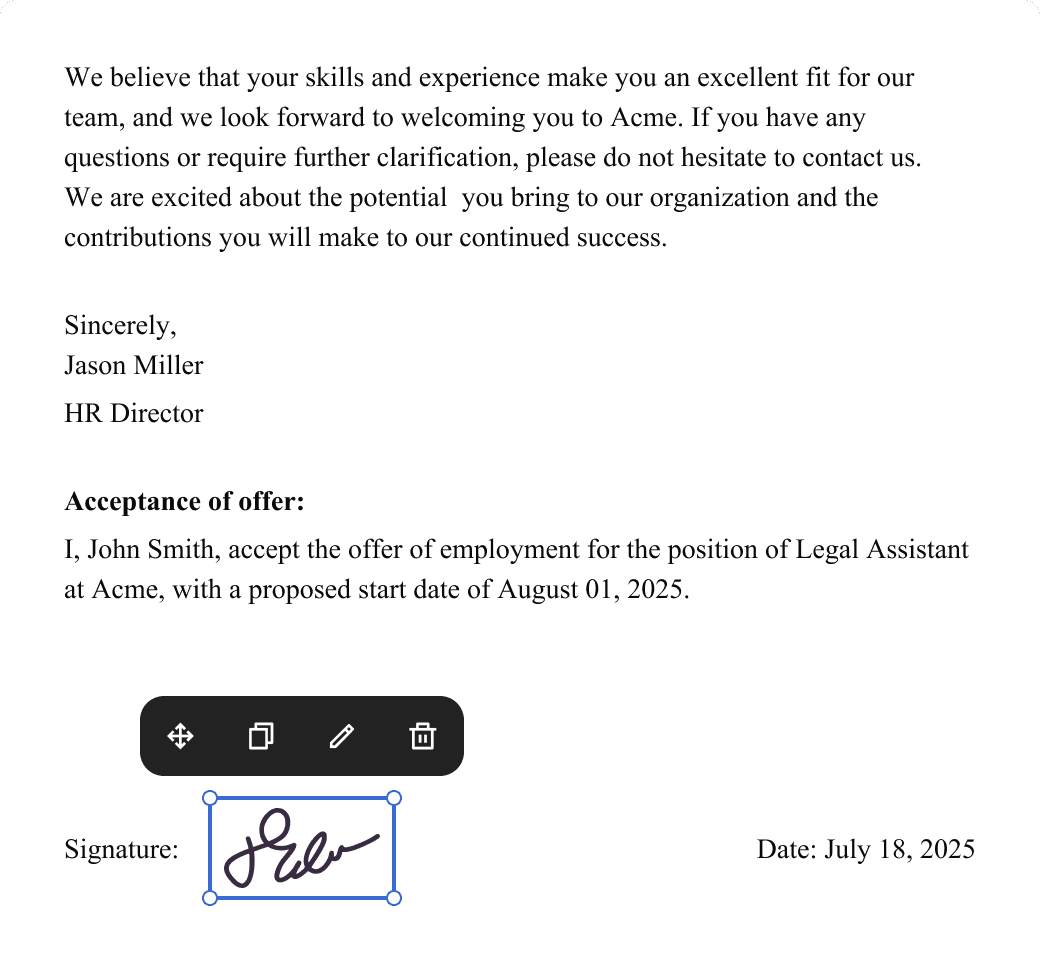
Request legally binding signatures
Invite up to ten people to sign your document in any order. Get a finalized, audit-ready copy without chasing signatures.
Skip the drafting.
Choose from 2,500+ templates
Browse templatesChoose a template

Fill in details

Sign and download