Updated August 20, 2026
8 min read
How to Start a Handyman Business in 2026: Legal Setup and First Clients

How to Start a Handyman Business in 2026: Legal Setup and First Clients
- Is Starting a Handyman Business a Good Idea in 2026?
- How to Start a Handyman Business in 10 Steps
- How to Start a Handyman Business Legally: Choose Services First
- Do You Need a License to Start a Handyman Business?
- How to Set Up a Handyman Business Legally
- How Much Does Starting Your Own Handyman Business Cost?
- How to Price Handyman Services and Avoid Payment Disputes
- How to Start a Handyman Business With No Money or No Experience
- How to Start a Handyman Service and Find First Clients
- Handyman Business Startup Checklist
Content
Knowing how to start a handyman business means planning beyond tools and repair skills. Before taking a paid job, you need to decide what services you can legally offer, check whether a handyman business license or contractor license applies, choose a business setup, arrange insurance, and prepare clear client terms. For many people starting a handyman business, these steps matter just as much as finding the first customer.
This guide explains how to set up a handyman business in the United States, from choosing services and registering the business to pricing jobs and getting local referrals. It also covers how to start a handyman service with limited funds or experience without accepting work that may create unnecessary legal or financial risk.
Is Starting a Handyman Business a Good Idea in 2026?
A handyman business provides repair, assembly, maintenance, and small improvement services for homeowners, landlords, property managers, and small commercial clients. Common jobs may include installing shelves, assembling furniture, repairing drywall, replacing door hardware, or handling minor maintenance tasks.
A handyman business can be a practical venture to start because customers often need small repairs that are too limited for a larger contractor but still require dependable, skilled work.
The demand is real, although success depends on local competition, permitted services, pricing, and reputation. The U.S. Bureau of Labor Statistics data on general maintenance and repair workers shows that this related occupation included 1,629,700 jobs in 2024 and is projected to have about 159,800 openings each year from 2024 to 2034. The numbers reflect workforce activity in a related occupation (not independent handyman operations specifically), but they do signal durable market demand for this type of work.
Older housing can also generate maintenance needs. According to the U.S. Census Bureau analysis of older-home upkeep costs, about 61% of owners of homes built before 1950 started a home improvement project between 2019 and 2021, spending a median of $4,100 across their projects during that period.
Still, demand alone does not make a business safe or profitable. New handymen commonly face three early problems: taking on work beyond their legal or technical limits, underpricing jobs, and beginning projects without clear written terms.
How to Start a Handyman Business in 10 Steps
The best way to start a handyman business is to build a simple setup that protects you before you accept paid work.
- Choose services you can perform safely and legally. Start with work that matches your actual skills and local rules.
- Research local demand. Review nearby handyman services, customer reviews, typical job types, and the neighborhoods you can realistically serve.
- Create a handyman business plan. Decide what you will offer, how you will price work, what tools you need, and how you will find customers.
- Choose a business structure. Many handymen begin as sole proprietors or form a limited liability company (LLC).
- Register the business where required. State, county, or city registration rules may apply.
- Check licenses, permits, and certifications. Contractor-license limits and trade-specific requirements vary by location.
- Get suitable insurance. Property damage or injury claims can quickly cost more than a small job earns.
- Set clear prices and payment terms. Decide how materials, travel, cancellations, and added work will be handled.
- Use a written contract before paid work begins. Define the project scope, price, timeline, and responsibilities.
- Market locally and build reviews. Reliable service and referrals often matter more than expensive advertising at the start.
The first client should not be the first time you think about payment terms, liability, or the exact scope of work.
A Handyman Contract Template helps you document the job before work begins. It can define the services to be completed, the price or payment schedule, project dates, material responsibilities, and expectations for both the handyman and the client. That is especially useful when a simple repair turns into requests for additional work.
How to Start a Handyman Business Legally: Choose Services First
Before advertising services, decide which jobs you can complete competently and whether any of them trigger licensing, certification, or permit rules. A handyman may be able to handle many everyday maintenance tasks, but the title “handyman” does not automatically authorize every type of home repair.

Some jobs can be easier to price, schedule, and explain to customers. They are also more suitable for building a portfolio and collecting early reviews than complex projects involving structural or safety-sensitive systems.
Other jobs may require a contractor license, specialty license, certification, or permit depending on the location and the details of the work.
When handyman work triggers EPA lead-safe rules
For example, paid repair or renovation work that disturbs paint in pre-1978 homes, apartments, child care centers, or preschools may fall under the Environmental Protection Agency’s Renovation, Repair and Painting (RRP) Rule. The EPA guidance for renovation, repair, and painting contractors explains that covered contractors must follow lead-safe requirements and renovation practices. Minor repair work disturbing no more than 6 square feet of paint per room indoors or 20 square feet outdoors may be excluded, but window replacement and demolition of painted surfaces remain covered regardless of size.
The rule can apply even to a sole proprietor. A covered business may need firm certification, a trained certified renovator, pre-renovation notice to occupants, dust containment, lead-safe cleaning, and recordkeeping. Certain exceptions may apply when testing confirms that the affected surface does not contain regulated lead-based paint, but emergency work and owner-occupied projects can still involve important limitations.
Before adding a service to your website or estimate form, check whether that work requires a license, permit, or certification in the place where the job will be performed.
Do You Need a License to Start a Handyman Business?
There is no single nationwide rule that answers the question “Do I need a license to start a handyman business?” Requirements may depend on the state, county, city, job value, trade involved, and whether the project requires a permit.
Business license vs. contractor license
A business license and a contractor license serve different purposes.
A business license may be required by a city, county, or state simply to operate a business in that location. It does not necessarily authorize specialized construction work.
A contractor license may be required when work reaches a certain project value, involves regulated trades, requires permits, or falls within a defined construction classification.
The U.S. Small Business Administration guidance on licenses and permits explains that licensing requirements vary according to business activity and location. A handyman should therefore check state licensing board rules and local government requirements before taking a job.
A California example: the $1,000 handyperson exemption
California provides a useful example of why location matters. Effective January 1, 2025, an unlicensed person may complete certain small projects costing up to $1,000 without a contractor license if the person does not hire workers and the project does not require a building permit. The $1,000 includes labor, materials, and all other project costs.
The California Contractors State License Board notice on the handyperson exemption also states that an unlicensed person advertising covered work must disclose that they are not licensed. A project under $1,000 still requires an appropriate contractor license if workers or building permits are needed.
This is a California rule, not a national handyman standard. Another state or municipality may apply different thresholds, classifications, or restrictions.
How to Set Up a Handyman Business Legally
Once you know what services you may offer, the next step is choosing a structure and completing the business setup. The process may feel administrative, but it affects contracts, banking, taxes, insurance, and how professionally clients view the business.
If you are unsure which filings apply to your location, Loio’s guide on how to register a company in the US explains the registration process, business-name filings, and local compliance steps in more detail.
Choose a sole proprietorship or a limited liability company
A sole proprietorship is generally the simplest setup for one person operating under their own name or a registered business name. However, there is typically no legal separation between the owner and the business.
A limited liability company, or LLC, creates a separate business entity under state law. Some handyman business owners choose an LLC because work performed at a customer’s property can involve property-damage or injury risks. An LLC does not replace insurance, professional care, or compliance with licensing rules.
For a fuller comparison, Loio’s guide to LLC vs. sole proprietorship for small business owners explains how the two structures differ in setup, liability, and ongoing obligations. Those ready to register can also use the step-by-step guide on how to register an LLC in the U.S.
Readers considering liability protection and formal business setup can also review this LLC formation checklist for handyman business owners before filing state paperwork or opening business accounts.
Register the business and arrange tax IDs
The exact registration process depends on the structure and location. A handyman may need to register an LLC with the state, file a DBA or assumed business name, obtain local approvals, or open a separate business bank account.
The SBA business registration guidance explains that registration requirements depend on the business structure and where the company operates.
An Employer Identification Number (EIN) may also be needed or useful for banking, tax filing, hiring, or business administration. The IRS EIN application page states that eligible applicants can obtain an EIN directly from the IRS for free.
Handymen who expect to work independently for several clients can also review Loio’s Independent Contractor Setup Checklist: Legal and Tax Rules for 2026 for additional guidance on tax IDs, licenses, contracts, and payment records.
Get insurance before working at a client’s property
Insurance is not an optional afterthought when a business involves tools, ladders, customer homes, vehicles, or physical repairs. One damaged floor, water leak, fall, or injury claim may be far more expensive than the value of the original job.
A handyman business may need to consider:
- General liability insurance for claims involving accidental property damage or bodily injury;
- Commercial auto insurance when a vehicle is used for business purposes;
- Tools and equipment coverage for theft or damage;
- Workers’ compensation insurance if the business hires employees, subject to state law.
Insurance helps manage risk. It does not authorize work that requires a license or permit.
The right coverage depends on the services provided, the business structure, the number of workers, the vehicle use, and state requirements. The SBA recommends assessing business risks and reviewing legally required coverage when arranging business insurance for a small company.
How Much Does Starting Your Own Handyman Business Cost?
The cost of starting your own handyman business depends on what you already own and what services you plan to offer. A person beginning with furniture assembly and minor repairs may need far less equipment than someone offering painting, drywall repair, flooring, or outdoor property work.
A practical startup budget should account for:

A common early mistake is purchasing equipment for every possible service before confirming demand. A safer approach is to begin with a defined set of legally permitted services and expand tools only when customer demand supports the cost.
Create a handyman business plan before spending heavily
A handyman business plan does not need to be a lengthy investor document. At the start, it should answer practical questions:
- Which services will you offer?
- Which services will you refuse or refer to a licensed specialist?
- What area will you serve?
- What equipment do you already own?
- What must you buy or insure?
- Will you price hourly, by project, or both?
- How will customers book and pay?
- What documents will you use before work begins?
- Where will the first clients come from?
A simple business plan helps you avoid buying tools for jobs you cannot legally perform or cannot profitably sell.
How to Price Handyman Services and Avoid Payment Disputes
Many early handyman problems are not caused by poor repair work. They begin when the customer and handyman have different assumptions about price, materials, time, cleanup, or additional tasks.
A customer may ask for “one small extra fix” after the work begins. A parts run may take longer than expected. A task quoted informally may reveal damage that requires more work. These situations are manageable when pricing terms and scope changes are clear from the start.
Choose hourly or project-based pricing
Hourly pricing may work for uncertain maintenance work where the time required is difficult to estimate. Flat-rate pricing may work better for clearly defined tasks, such as assembling a specific item or installing fixed hardware.
Whichever approach you use, clarify:
- The hourly rate or project fee;
- Whether minimum charges apply;
- Who purchases materials;
- Whether supply runs, delivery, disposal, or travel are charged;
- When payment is due;
- How extra work will be approved and priced;
- What happens if the customer cancels or the site is not accessible.
The price is only clear when the customer also understands what is included and what is not.
Put every paid job in writing
A verbal conversation may feel sufficient for a small repair, especially when the customer is a referral. It is still easy for memories to differ once the work is finished.
A handyman contract should identify:
- The handyman and the client;
- The property where work will take place;
- The precise services included;
- Excluded work or work requiring separate approval;
- Materials and purchasing responsibilities;
- Price, deposits where lawful, and payment schedule;
- Start date, expected completion, and access arrangements;
- Change-order or added-work process;
- Cleanup and disposal responsibilities;
- Signatures or acceptance.
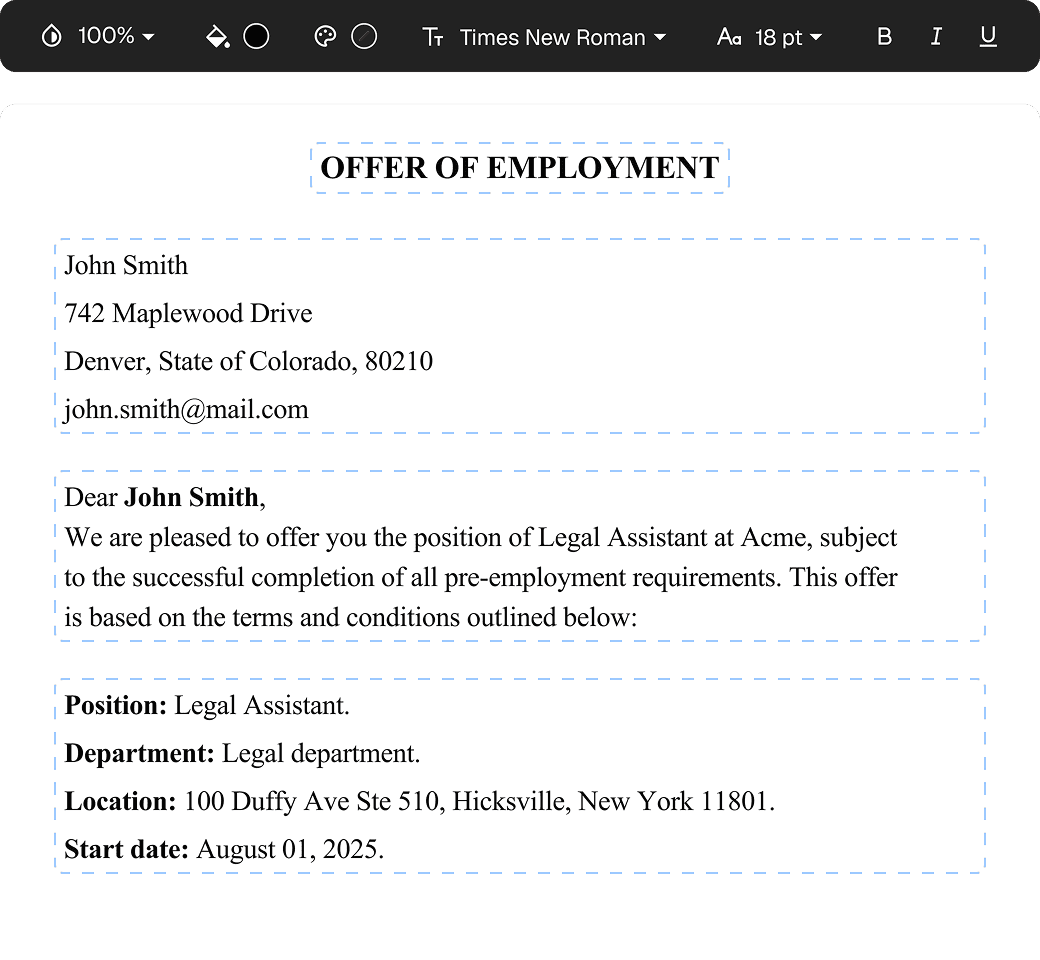
When the agreement requires edits before signing, Loio’s online PDF editor for updating agreements can help you revise project details, payment clauses, or service descriptions in the document. After the terms are ready, you can sign documents electronically with Loio and keep a finalized version for your business records.
For longer-term contract management, the guide on how to ensure contract compliance explains why it matters to store agreements, monitor obligations, and keep contract procedures consistent as a business grows.
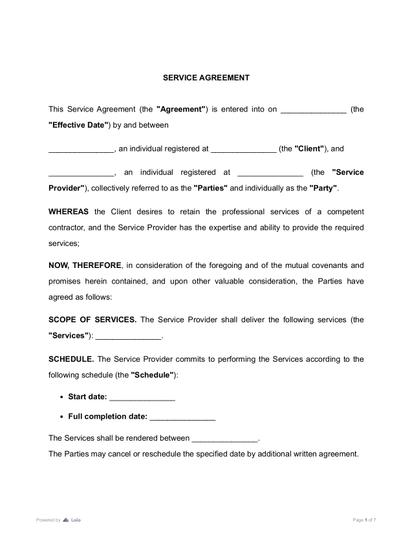
Some handyman projects grow into recurring maintenance relationships or broader service arrangements. In those cases, a more general service agreement can help define ongoing responsibilities, payment schedules, deadlines, and dispute procedures before work continues.
How to Start a Handyman Business With No Money or No Experience
Questions about how to start a handyman business with no money and how to start handyman business with no experience usually reflect the same concern: how to begin without taking on costs or risks too quickly.
It is possible to start modestly, but limited money or experience is not a reason to skip legal checks, insurance, or written client terms.
Starting with limited funds
A low-cost beginning may involve offering only a few services that use tools you already own. For example, furniture assembly, shelving installation, caulking, simple hardware replacement, or minor patching work may require less investment than major repair categories.
To control costs:
- Serve a limited local area to reduce fuel and travel time;
- Use free or low-cost business profile listings;
- Ask satisfied early customers for reviews and referrals;
- Purchase specialized tools only after confirming paid demand;
- Keep business and personal income records separate from the beginning;
- Avoid advertising services that require costly equipment, certification, or licensing until you are ready.
The goal is not to look like a full-service company on day one. The goal is to complete a manageable set of jobs reliably, legally, and profitably.
Starting without professional experience
If you are wondering, “how do I start a handyman business without a long work history?”, begin by defining what you already know how to do safely. Small tasks can still create liability if they are performed incorrectly in a customer’s home.
A beginner should avoid accepting jobs involving regulated trades, structural work, complex diagnostics, or safety risks without appropriate training and legal authority. Consider learning through trade instruction, assisting an experienced professional, or completing relevant safety training before expanding your offer.
Do not build a reputation by saying yes to every job. Build one by completing the right jobs well and referring out work you should not perform.
Small handyman business ideas should begin with services that are easy to define, price, photograph with permission, and repeat for other clients. That is more sustainable than pursuing large projects before the business has the skills, documents, and insurance to support them.
How to Start a Handyman Service and Find First Clients
A new handyman business rarely wins early clients through branding alone. People allowing someone into their home or rental property want reliability, clear communication, evidence of competent work, and confidence that the job will not become a dispute.
Start with local trust
For most new operators, the first useful marketing strategy is local and relationship-based. You may begin with referrals from people who already know your work, then gradually build visibility among customers who regularly need small repairs.
Potential sources of early work include:
- Homeowners in your service area;
- Landlords with rental-property maintenance needs;
- Property managers coordinating recurring repairs;
- Realtors preparing homes for sale or turnover;
- Local community groups where recommendations matter;
- A Google Business Profile with accurate service and location details.
A complete Google Business Profile helps local customers find a handyman service through map results, reviews, business hours, and service-area information.
Use photographs of completed work only with the customer’s permission. Keep descriptions precise, especially when describing any electrical, plumbing, structural, or other potentially regulated service.
Build reviews and repeat customers
Reviews are often more valuable to a local handyman than broad advertising. A customer looking for a small home repair may care less about a polished brand slogan than whether previous clients say the handyman arrived on time, communicated clearly, and completed the promised work.
After a successful project, ask the client for an honest review. Keep notes on repeat jobs and seasonal follow-ups, such as caulking, minor repairs, hardware adjustment, or property-turnover work.
Also notice which customers create risk. If a prospect refuses written terms, continually negotiates after receiving a price, or asks for work outside your permitted services, declining the project may protect your schedule and income.
Good marketing attracts customers. Good screening helps you keep the customers who are worth serving.
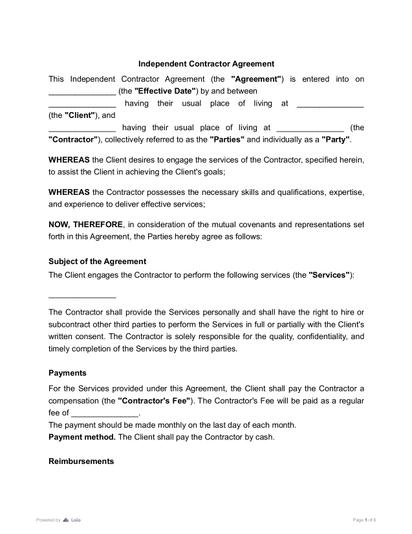
As the workload grows, some handyman businesses begin working with subcontractors or independent specialists for painting, flooring, landscaping, or other services. A written independent contractor agreement helps clarify payment terms, project scope, deadlines, and contractor responsibilities before outside workers join a project.
If your workload grows beyond solo work, this guide on how to hire employees for your handyman business explains payroll, worker classification, and legal hiring requirements.
Handyman Business Startup Checklist
Use this handyman business startup checklist before taking the first paid job:

Conclusion
Starting a handyman business works best when practical skill is supported by a clear business process. You do not need every tool, service, or marketing channel at launch. You do need to know what work you can accept, how you will be paid, and how each client agreement will be recorded.
A written handyman contract helps turn those decisions into terms both parties can understand before work begins. Use the Handyman Contract Template to describe the job, set payment expectations, and keep your first projects organized from the start.
More guides
September 1
7 min read
How to Provide Proof of Employment: Documents and Steps

October 8
8 min read
How to Start a Videography Business: 8 Essential Steps

August 20
7 min read
How To Start a Waxing Business: Legal & Practical Guide

October 7
How to Start a Staffing Agency: Licensing, Pricing, and Cash Flow

July 25
12 min read
How to Register a Company in the US: What No One Tells You in 2026

September 24
7 min read
Are Electronic Signatures Legally Binding?

One home for your
agreements
Edit PDFs seamlessly
Tweak agreements before signing or sending for signatures. Update details, add or remove clauses, adjust formatting, and redline changes instantly.
eSign legally and securely
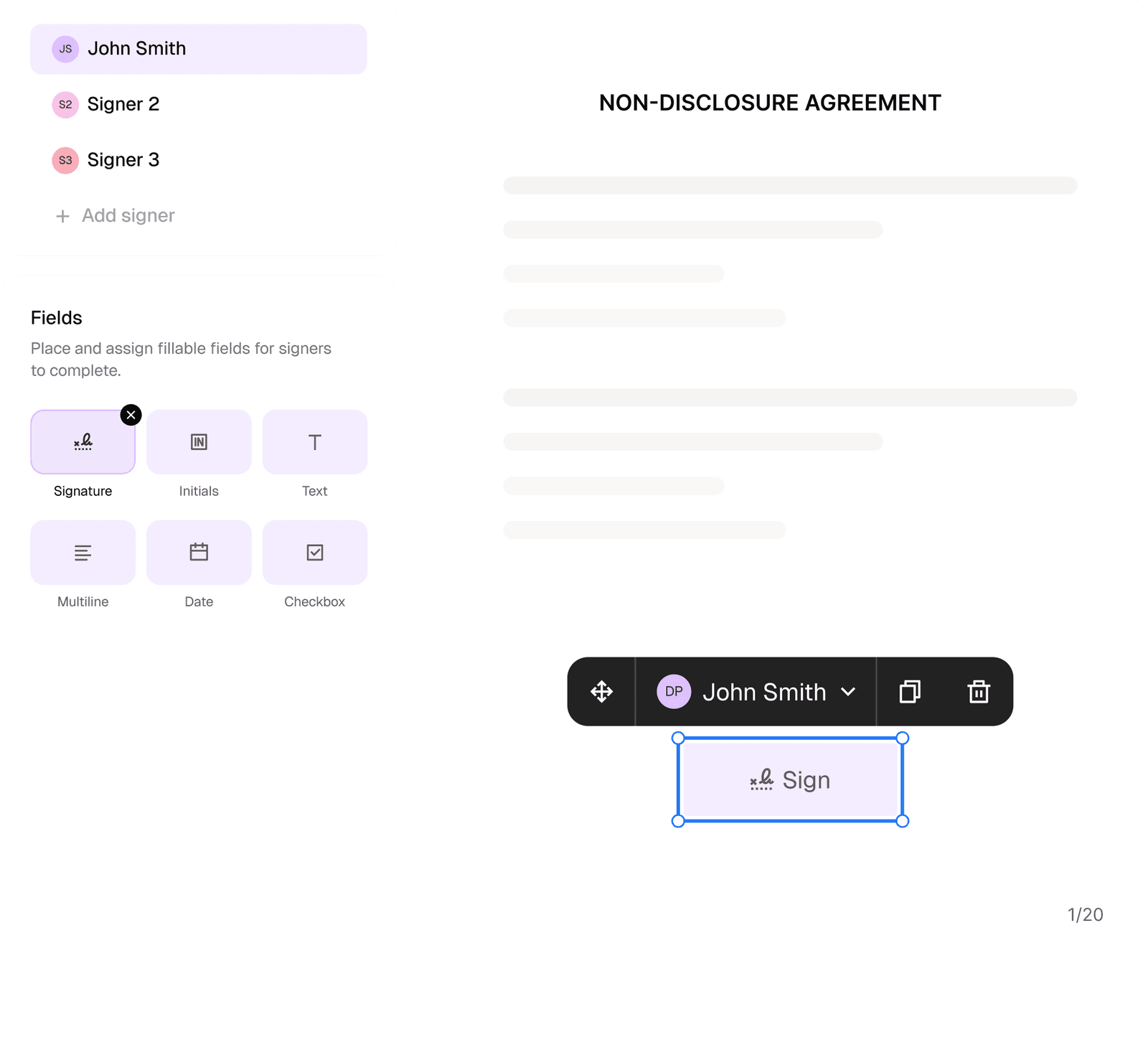
Sign documents and collect legally binding signatures. Invite up to ten people to sign in any order, track the progress, and send reminders.
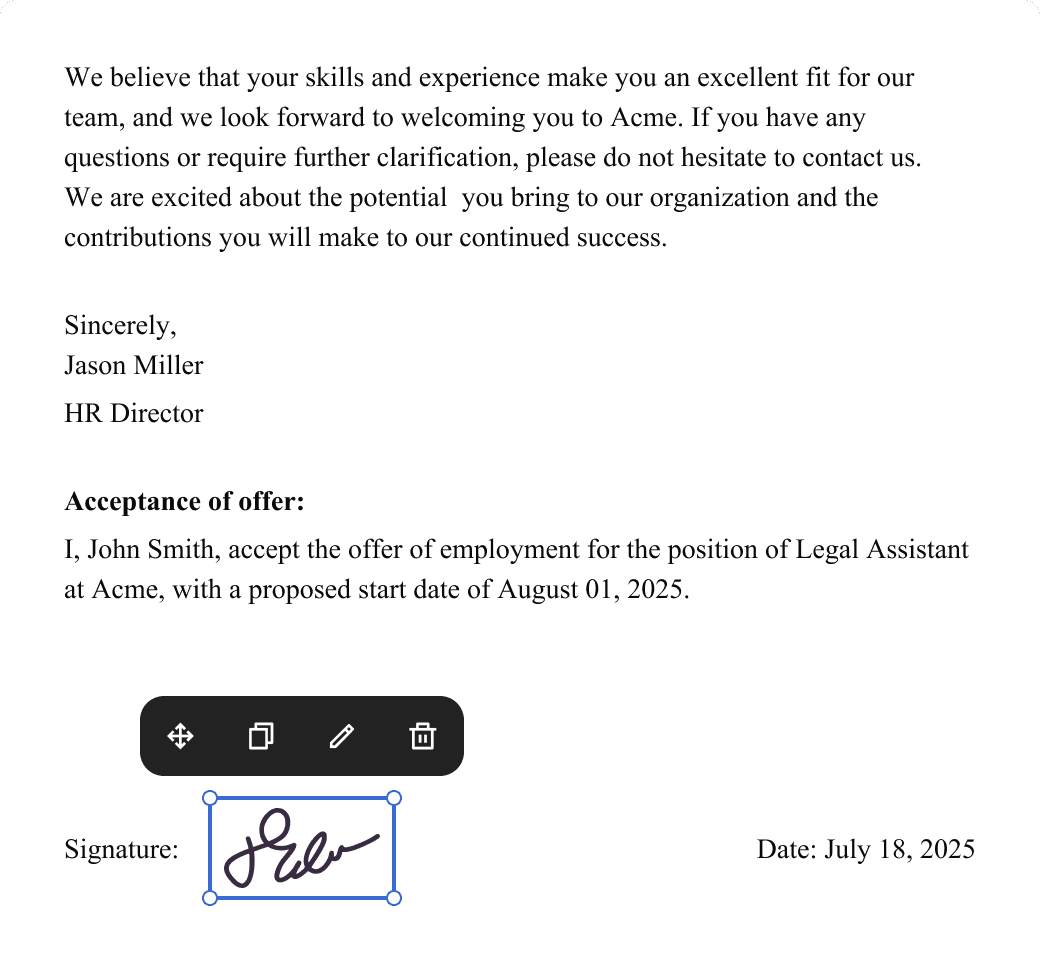
Request legally binding signatures
Invite up to ten people to sign your document in any order. Get a finalized, audit-ready copy without chasing signatures.
Skip the drafting.
Choose from 2,500+ templates
Browse templatesChoose a template
Fill in details
Sign and download