Updated October 8, 2026
8 min read
How to Start a Videography Business: 8 Essential Steps
How to Start a Videography Business: 8 Essential Steps
- Choose Your Niche and Services
- Write a Videography Business Plan
- Register Your Videography Business (LLC or Sole Proprietorship)
- Get the Right Equipment for Your Video Production Business
- Build Your Portfolio
- Set Your Pricing Strategy
- Handle Pre-Production, Production, and Post-Production
- Market Your Videography Business Online
- Wrapping it up
Content
A single video can sell a product, capture a once-in-a-lifetime moment, or turn an unknown brand into one people remember. That makes videography more than a creative outlet—it can also become a viable business.
The U.S. Bureau of Labor Statistics projects about 6,400 openings for film and video editors and camera operators each year through 2034. It also forecasts 5% employment growth for producers and directors over the same period.
Whether you want to film weddings, produce content for local companies, or build a full-service production studio, clients need professionals who can turn ideas into compelling video. This guide explains how to start a videography business, from choosing a niche and building a portfolio to pricing your services, finding clients, and creating repeatable systems for growth. It also shows readers searching how to start video production company how to begin with a practical, low-cost roadmap.
Choose Your Niche and Services
A new videography business does not need to serve everyone. Starting with one clear niche makes it easier to build a relevant portfolio, choose equipment, quote projects, and explain why a client should hire you.
A wedding videographer sells emotional storytelling and responsible event coverage. A real estate videographer promises fast delivery and polished property tours. A corporate producer may handle interviews, brand stories, training videos, or recurring social media content. Each niche requires a different workflow and sales approach.

The most profitable-looking niche is not necessarily the right place to start. A better fit is one where you understand what clients want, can deliver the style they expect, and know how to reach them. For example, someone learning how to start a wedding videography business may find that photographers are a valuable source of referrals because couples often book both services around the same time.
What’s the difference between videography and video production?
Videography usually describes a smaller service centered on recording and editing footage, often by 1 person or a compact crew. A video production company may manage the entire process: creative strategy, scripting, casting, locations, filming, sound, animation, editing, and distribution versions.
Videography is a service; video production is a broader managed process. A solo videographer can still offer full production, but the project scope (not the company name) determines what the client receives.
Understanding this distinction is important for entrepreneurs researching how to start a video production business, because the required services, staffing, and client expectations can differ significantly from a solo videography operation.
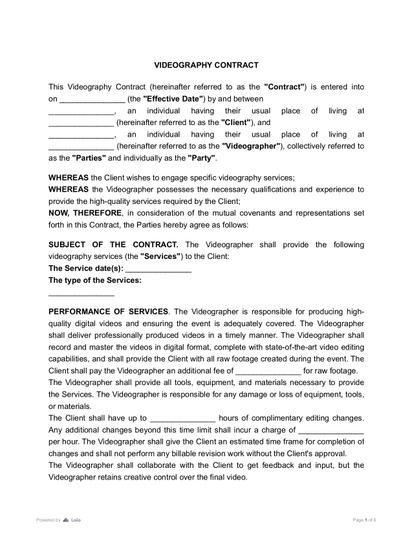
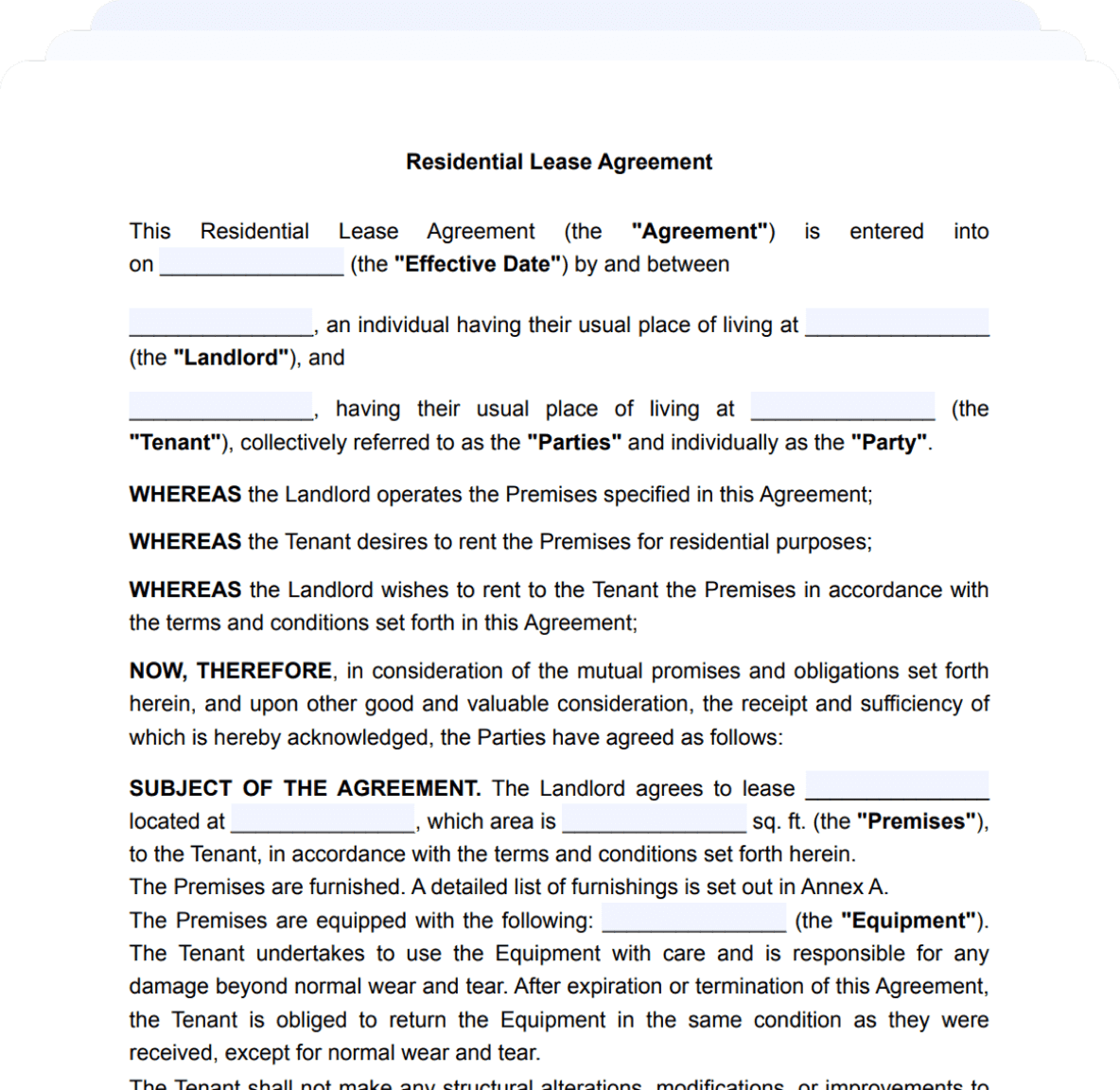
Before accepting paid work, document the scope, price, revision limits, delivery date, and usage rights. Loio’s Videography Contract template helps both sides understand what will be filmed, what will be delivered, and when payment is due.
Write a Videography Business Plan
A videography business plan turns creative ambition into operating decisions. It does not need to be a 40-page document. A useful first version can fit on several pages if it defines the offer, target client, costs, pricing strategy, marketing channels, and milestones.
At a minimum, include:
- The services and deliverables you will sell;
- The industries or client groups you will target;
- Startup purchases and monthly expenses;
- Your hourly, day, package, or project-pricing model;
- A plan for finding leads and converting them into clients;
- Revenue, portfolio, and client goals for years 1–3;
- The conditions for hiring contractors or buying more equipment.
This is where the semantic connection matters: a business plan defines the pricing strategy. If the plan says you will serve local restaurants with monthly short-form content, your pricing must cover recurring filming, fast edits, travel, music, captions, revisions, and account management. A single “video rate” would hide too many costs.
Can you start a production company with no money?
You can start with very little money, but not with no resources at all. You still need usable equipment, editing access, time, transportation, data storage, and a way to reach clients. The lean approach is to use equipment you already own, rent specialized gear after a project is booked, and reinvest early revenue.
Maya wants to create interview-style videos for local nonprofits. She starts with the camera she already has, rents a second one when a project requires it, and spends her limited budget on reliable audio equipment. She also films 2 sample interviews to show potential clients what she can do. Rather than investing in a studio right away, she focuses on landing a few projects that cover her costs and leave room for profit.
For anyone searching how to start videography business with limited funds, the key is to validate the service before expanding the gear list. Likewise, the practical answer to how to start video production company on a small budget is to build a network of rentable equipment and trusted freelancers rather than carrying every cost from day 1.
Register Your Videography Business (LLC or Sole Proprietorship)
You can start a film production company or videography business as a sole proprietor, LLC, partnership, or corporation. The right structure depends on the owners, risk level, state regulations, tax situation, and growth plans.
According to the U.S. Small Business Administration’s business-structure guidance, a sole proprietorship is simple to form, but it does not create a separate legal entity between the owner and the business. An LLC generally separates business liabilities from the owner’s personal assets, although that protection has limits and does not replace insurance or careful conduct.

A new limited liability company should review the steps for registering an LLC in the U.S. to track state filings, a registered agent, banking, and continuing requirements.
Get an EIN and check local requirements
An employer identification number identifies a business for federal tax purposes. The IRS EIN application is free, and an LLC should generally be formed with the state before applying. Not every sole proprietor needs an EIN, but one may be required when hiring employees and may also be useful for business banking or forms that request a taxpayer identification number.
Next, check state, county, and city rules for business registration, general licenses, filming permits, location access, and sales tax treatment where relevant. A public park, roadway, landmark, school, or private venue may require permission even when the business itself is properly registered.
Rules differ by jurisdiction, so check state, county, and city requirements before accepting a shoot. In California, for example, the California Film Commission issues permits for commercial filming on state-owned parks, beaches, highways, buildings, and other facilities; most applications must be submitted at least 4 business days before filming. In New York City, 43 RCNY §§ 9-01 and 9-02 generally require a film permit when a production uses more than handheld equipment, reserves public space or parking, stages stunts, or needs police or fire support. Filming in a city park also requires permission from the Parks Department.
Tax treatment can vary just as much. Under Texas Tax Code § 151.0101, a business that sells taxable property or services may need a Texas sales tax permit. Texas also provides production-related exemptions for certain qualifying master recordings, but its official guidance excludes wedding videos and videos created for social media from that category. A videography business may therefore be properly registered and still need separate permits, location approval, or tax guidance for a particular project.
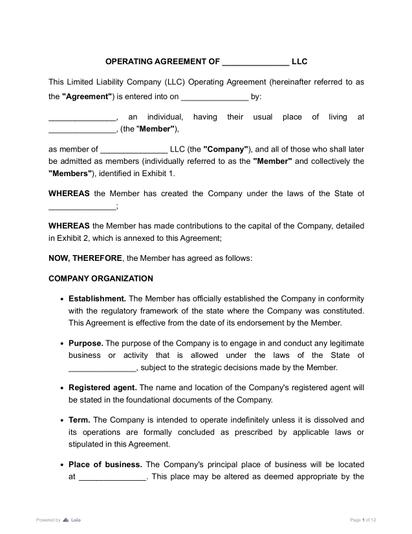
An LLC operating agreement records ownership, management, voting, contributions, and profit distribution. Even a solo owner may use one to document how the company operates. Loio’s LLC Operating Agreement template provides a customizable starting point for that internal framework.
Get the Right Equipment for Your Video Production Business
The basic equipment needed to start a film production company depends on the niche. A real estate shooter may prioritize a wide lens and gimbal. An interview specialist needs controlled lighting and clean audio. A wedding videographer needs redundancy because the ceremony cannot be repeated.
What do you need to start videography?
A practical starter kit includes:
- A reliable camera that records the formats your clients need;
- 1 versatile lens, plus a niche-specific lens when necessary;
- A tripod or monopod and, where useful, a gimbal;
- A lavalier or wireless microphone and a backup audio option;
- At least 1 controllable light with stands and modifiers;
- Spare batteries, memory cards, cables, and media storage;
- Editing software and a computer that can handle the footage;
- A backup system for original footage and project files.
Buy reliability before novelty. Clean sound, stable footage, controlled exposure, accurate focus, and safe backups matter more to most clients than a fashionable camera body.

If drone footage becomes part of a paid service, do not treat the drone as an ordinary camera accessory. To fly under the FAA’s Small UAS Rule, a commercial operator generally needs a Remote Pilot Certificate under Part 107, and some controlled-airspace operations require authorization.
Is video production a hard skill?
Video production includes hard skills such as exposure, composition, lighting, sound recording, editing, color correction, file management, and export settings. It also depends on softer abilities: interviewing, directing nervous subjects, managing clients, solving problems on location, and keeping a shoot on schedule.
A beginner does not need mastery of every discipline. Learn enough to deliver 1 repeatable service well, then hire or collaborate when a project needs advanced sound, animation, drone work, or a larger crew.
Build Your Portfolio
A videography business requires a portfolio because buyers need evidence that you can create the type of video they want. A beautiful travel montage may show camera skills, but it will not automatically convince a medical practice that you can light interviews, record clean speech, and present its staff professionally.
Build 3–5 strong samples around the niche you selected. Personal projects, spec shoots, collaborations, and carefully chosen pro bono work can all help. When doing discounted or unpaid work, agree on the deliverables, obtain permission to display the result, and avoid creating the impression that unlimited free work is your normal offer.
A useful spec project solves a realistic client problem. Instead of filming random slow-motion shots in a café, create a 45-second profile that introduces the owner, shows the product, and ends with a clear call to action. That sample demonstrates storytelling, interview sound, B-roll, editing, and commercial judgment.
Practitioners in a videography discussion about starting a videography business repeatedly emphasize having work samples in 1 accessible place and creating assignments for yourself while paid work is limited. Another discussion on starting a video production company stresses that the portfolio should resemble the work you want to book.
Put your best work on a simple website, then share it through Vimeo, YouTube, Instagram, or whichever platform your clients are most likely to use. For anyone researching how to start videography business online, the website is mainly a place to show what you can do and make it easy for potential clients to contact you. Most bookings will still come from outreach, referrals, search, and industry connections.
Set Your Pricing Strategy
Pricing must cover more than hours spent holding a camera. A profitable quote accounts for discovery, scripting, pre-production, travel, equipment, crew, filming, data handling, editing, music, graphics, revisions, delivery, taxes, insurance, software, and non-billable business time.
Videographers commonly use 4 models:

Does videography make money?
Yes, videography can make money when prices exceed the full cost of delivery and the business maintains a steady pipeline. Revenue alone is not proof of profitability. A $4,000 project can lose money if it requires extra shoot days, rented equipment, multiple contractors, travel, and unlimited revisions that were not included in the quote.
Profit per project = client price − direct project costs − allocated overhead − taxes.
Track that figure after each job. It will reveal which services deserve more marketing and which packages need higher prices or tighter scopes.
How much should a 3-minute video cost?
There is no universal price for a 3-minute video because the final runtime does not show the work behind it. A 3-minute talking-head edit filmed in 1 office is different from a scripted commercial with actors, multiple locations, art direction, animation, and licensed music.
Consider this illustrative quote:

This is not a standard market rate. Change every number to reflect your market, experience, overhead, and scope. The example shows why pricing by the finished minute alone is unreliable.
A booking deposit helps reserve the date and fund early work. A 50% upfront deposit is common in project-based creative services, but it is not a universal or legally required percentage. State the deposit, payment milestones, refund terms, late fees where lawful, and final-payment trigger in the contract.
When you begin outsourcing editing, sound, or camera work, use the independent contractor setup guidance to plan classification, written terms, records, and payment processes.
Handle Pre-Production, Production, and Post-Production
Film production moves through 3 connected phases. A small business may have 1 person managing all 3; a larger video production company divides them among producers, directors, crew members, editors, and specialists.
What is the video production process?
Pre-production decides what will be made and how. Production captures the planned material. Post-production turns that material into final deliverables.

Pre-production is where many expensive mistakes are prevented. Confirm who approves the video, which locations are available, what the client must provide, whether people appearing on camera have granted permission, and how many revisions are included. The guide to opening a creative business in 10 steps provides additional context on planning, legal setup, and intellectual property.
Once an agreement is prepared, you can edit the contract PDF to correct project details without rebuilding the document. Then send the agreement for electronic signature so the client and videographer can complete it before work begins and retain a clear signed record.
Production should follow the plan without becoming rigid. A strong operator checks sound before the interview, records backup audio, watches continuity, captures more B-roll than the edit seems to require, and confirms critical shots before leaving the location.
Post-production includes organizing and backing up footage, selecting takes, building the story, cleaning audio, correcting color, adding music and graphics, creating captions, managing feedback, and exporting the agreed versions. Define how long raw footage and project files will be stored; clients often assume indefinite archiving unless the contract says otherwise.
Learning to manage these three phases efficiently is one of the most important steps in understanding how to start a video production business that can handle larger commercial projects.
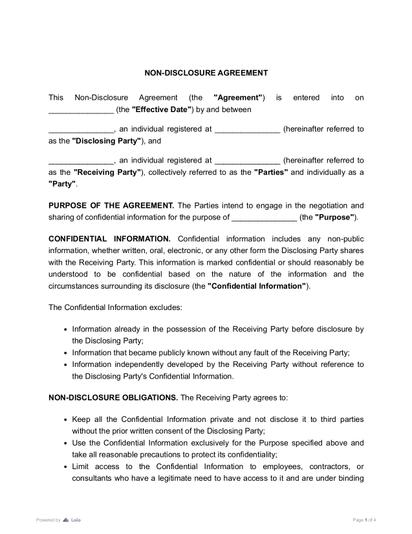
When a corporate campaign, unreleased product, internal interview, or confidential location is involved, a confidentiality agreement can define which information must remain private and how long the duty lasts. Loio’s Non-Disclosure Agreement template provides a structured document for protecting sensitive information shared before or during production.
Will video producers be replaced by AI?
AI can already speed up transcription, captioning, rough selections, noise reduction, versioning, and some graphics. It can reduce repetitive post-production work, but it does not remove the need to understand a client’s goal, direct people, manage rights, solve problems on location, make creative decisions, and take responsibility for the final result.
Treat AI as part of the production toolkit. Producers who combine efficient tools with strong storytelling, client judgment, and reliable execution are better positioned than those competing only on manual editing time.
Market Your Videography Business Online
A portfolio proves you can do the work. Marketing makes sure the right people see that proof. Start with a professional website that explains the service, identifies the ideal client, shows relevant examples, and gives visitors a simple next step.
Search engine optimization helps a local videography business appear when buyers search for a service in a specific area. Instead of placing every offer on 1 page, create focused service pages such as “corporate video production in Denver,” “Austin wedding videographer,” or “real estate video services in Tampa.” Each page should describe the process, deliverables, location, proof, and contact path without copying text from other pages.
How do clients find a “videography business near me”?
Local discovery often starts with Google Search, Google Maps, referrals, venues, agencies, and professional networks. Set up and maintain a Google Business Profile where eligible, use consistent business details, request honest client reviews, and publish work connected to the locations and services you want to rank for.
Testimonials become more persuasive when they explain the business result: the team felt comfortable on camera, delivery was on time, the event was captured without disruption, or the videos supported a campaign. Turn strong projects into short case studies that show the problem, approach, deliverables, and outcome.
Freelance platforms such as Thumbtack and Upwork can provide early leads, but they should not be the only channel. Build direct relationships with photographers, planners, venues, marketing agencies, real estate teams, web designers, and other businesses that already serve your target clients.
Someone building a combined photo-and-video offer can use the guide on how to start a photography business to coordinate equipment, packages, portfolios, and client expectations. Broader entrepreneurship guides for starting and managing a business can help as the company moves from occasional projects to repeatable operations.
Wrapping it up
Learning how to start a videography business comes down to a clear sequence: choose a niche, write the plan, register the business, build proof, price the full workload, document each project, and market consistently. Do not wait for perfect equipment before testing whether clients will pay for a well-defined result.
Before booking the first shoot, put the scope, payment, revisions, usage rights, cancellation rules, and delivery date in writing. Use Loio’s Videography Contract template and customize it for the project in minutes.
Many successful video professionals started with a single camera, a small portfolio, and a willingness to learn. The next project you film could become the first chapter of a thriving business. Good luck with your new venture, and remember that every successful videographer was once where you are today — taking that first step.
More guides
September 1
7 min read
How to Provide Proof of Employment: Documents and Steps

October 7
How to Start a Staffing Agency: Licensing, Pricing, and Cash Flow

July 25
12 min read
How to Register a Company in the US: What No One Tells You in 2026

August 20
7 min read
How To Start a Waxing Business: Legal & Practical Guide

August 20
8 min read
How to Start a Handyman Business in 2026: Legal Setup and First Clients

July 25
12 min read
How to Start a Flooring Business and Get Your First Clients in 2026

One home for your
agreements
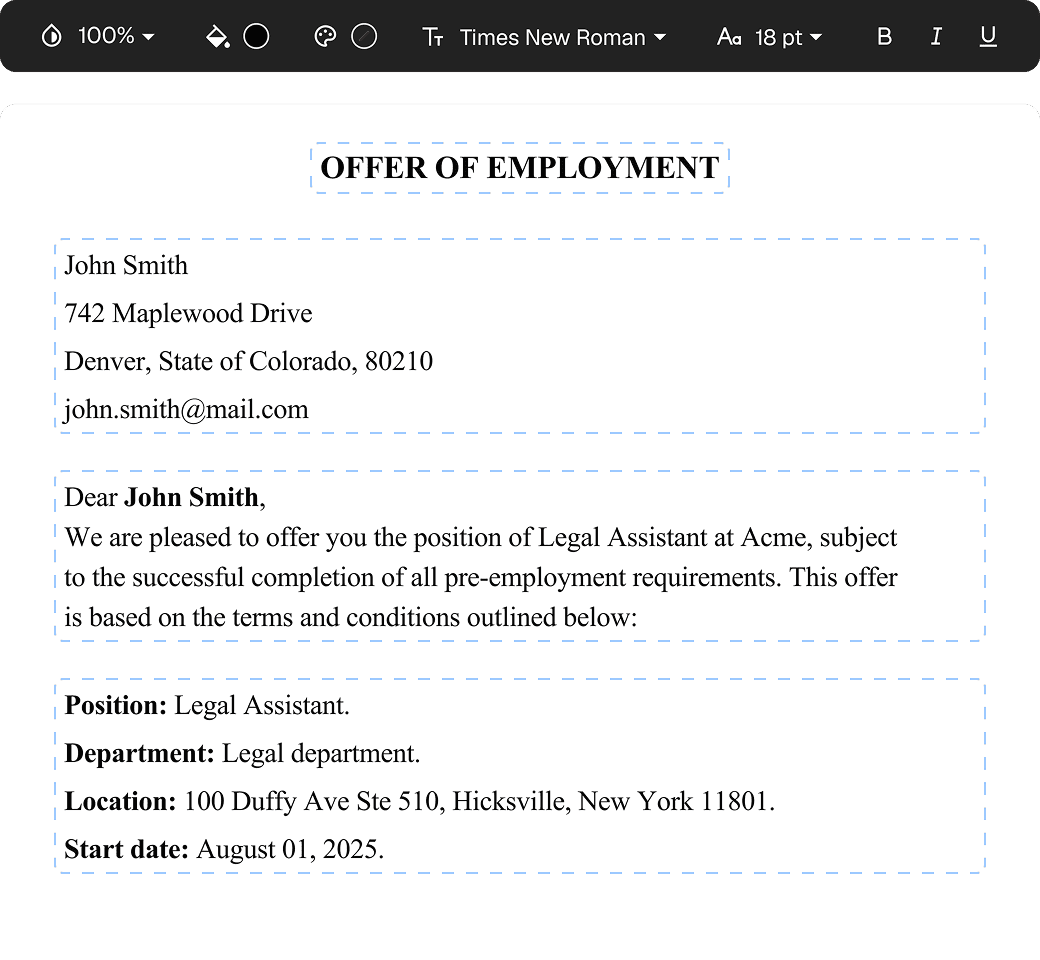
Edit PDFs seamlessly
Tweak agreements before signing or sending for signatures. Update details, add or remove clauses, adjust formatting, and redline changes instantly.
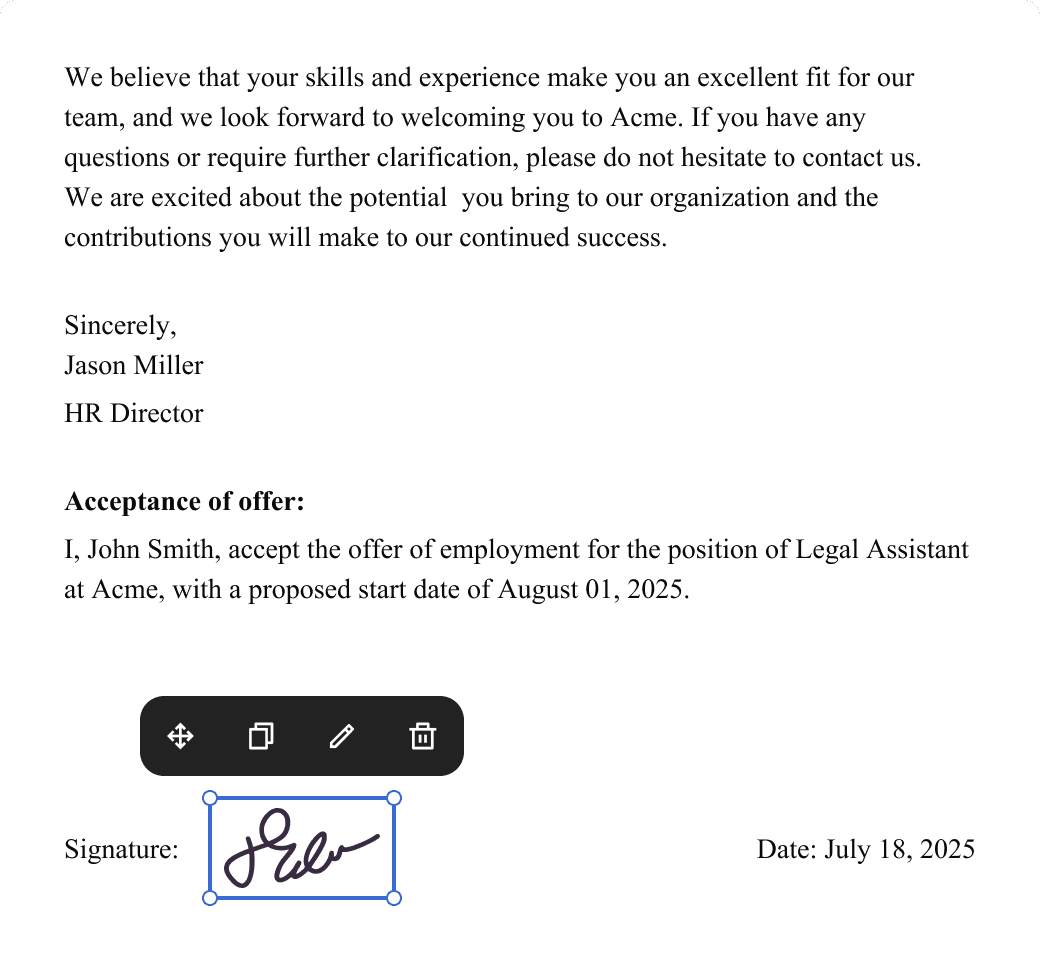
eSign legally and securely
Sign documents and collect legally binding signatures. Invite up to ten people to sign in any order, track the progress, and send reminders.
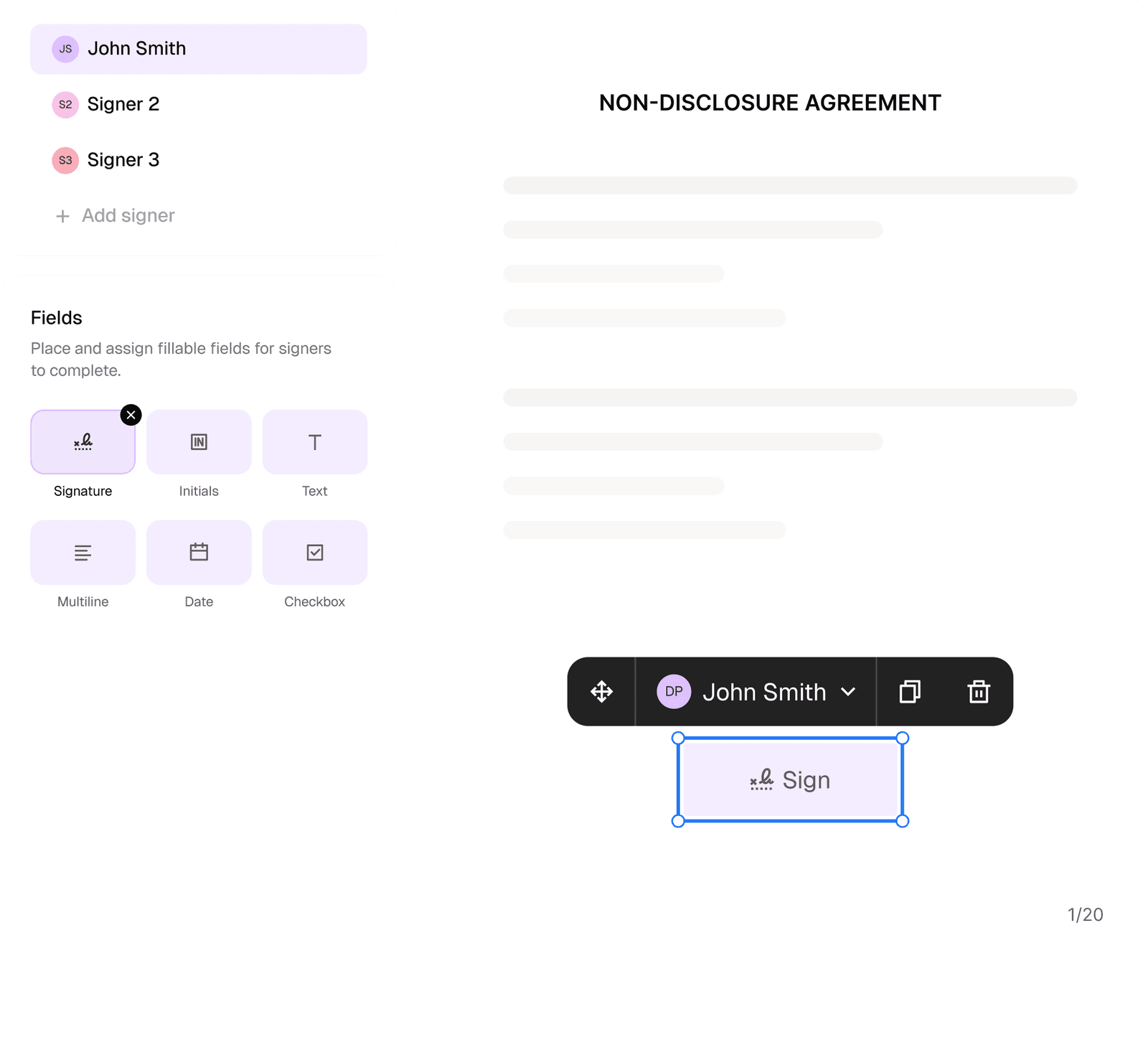
Request legally binding signatures
Invite up to ten people to sign your document in any order. Get a finalized, audit-ready copy without chasing signatures.
Skip the drafting.
Choose from 2,500+ templates
Browse templatesChoose a template
Fill in details

Sign and download