Updated August 20, 2026
7 min read
How To Start a Waxing Business: Legal & Practical Guide

How To Start a Waxing Business: Legal & Practical Guide
- How to Start a Waxing Business in 2026
- What Do I Need to Start My Own Waxing Business?
- Do You Need an Esthetician License to Start a Waxing Business?
- Should You Form an LLC Before Opening a Waxing Studio?
- How Much Does It Cost to Start a Waxing Business?
- How to Start a Waxing Business at Home
- How to Start a Mobile Waxing Business
- What Insurance Does a Waxing Business Need?
- What Equipment Does a Waxing Business Need?
- Set Prices, Policies, and Client Documents
- Rent a Studio, Salon Suite, or Shared Beauty Space
- Hire Employees or Work with Contractors
- Work with Suppliers and Product Brands
- How to Market a New Waxing Business
- Final Checklist Before Your First Waxing Client
Content
Starting a waxing business can be a practical way to turn esthetic skills into a steady income. However, success requires more than purchasing supplies and setting up an online booking page. You also need to choose the right business model, comply with state and local rules, create safe client procedures, and plan for startup and ongoing expenses.
This guide explains how to build that foundation, whether you want to rent a salon suite, work from an approved home-based space, or offer mobile waxing services. It covers the key legal, financial, operational, and marketing decisions you should make before accepting your first client.
How to Start a Waxing Business in 2026
A waxing business provides hair removal services using hard wax, soft wax, sugaring products, or related esthetic services. Some owners work alone from a rented salon suite. Others open a full waxing studio, offer mobile appointments, or start from a compliant home-based space.
The U.S. Bureau of Labor Statistics projects employment for skincare specialists to grow faster than the average for all occupations from 2024 to 2034. That does not guarantee profit for every studio, but it shows that skincare and personal care services remain a real market.
Beauty and skincare services also support a sizable professional workforce. According to the U.S. Bureau of Labor Statistics’ May 2025 employment and wage data, about 72,890 skincare specialists worked across the United States, earning an average annual wage of $51,850. These figures show that professional skincare is an established service industry, although individual business income varies by location, pricing, and client demand.
The safest way to start is to plan the business in this order:
- Confirm licensing rules;
- Choose your business model;
- Register the business;
- Prepare insurance and client documents;
- Buy equipment;
- Set prices and policies;
- Start marketing before opening day.
Quick answer: A waxing studio should have an active license, clean equipment, client intake forms, a consent process, liability insurance, and written business policies before accepting clients.
What Do I Need to Start My Own Waxing Business?
To start your own waxing business, you need both beauty-industry requirements and general business documents. The exact list depends on your state, city, and service model.
At a minimum, prepare:
- An esthetician or cosmetology license, if required in your state;
- A business name and registration;
- An LLC or sole proprietorship decision;
- A business bank account;
- General liability and professional liability insurance;
- A compliant treatment room, salon suite, mobile setup, or studio;
- Waxing equipment and sanitation supplies;
- Client intake, contraindication, and consent forms;
- A booking system and payment method;
- Clear cancellation, refund, and late-arrival policies.
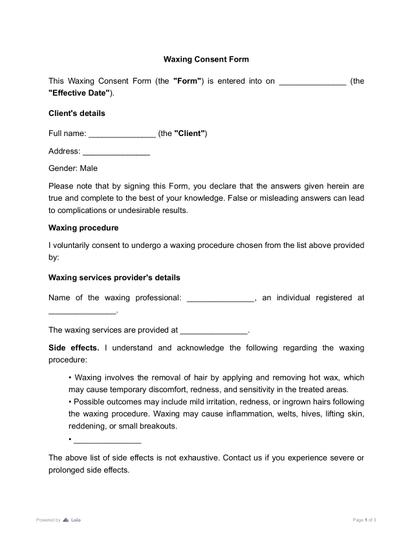
Client consent should not be an afterthought. Waxing may involve skin irritation, burns, allergic reactions, bruising, lifting, or other side effects. A written consent form helps clients understand the service and gives your business a consistent intake process.
Use Loio’s Waxing Consent Form Template to document client consent, contraindications, and acknowledgment before treatment.
Do You Need an Esthetician License to Start a Waxing Business?
In most states, waxing is regulated through esthetics or cosmetology rules. That means you may need an esthetician license, a cosmetology license, a salon/shop registration, or an establishment license before offering paid waxing services.
Licensing rules are not the same everywhere. For example, New York requires esthetics applicants to complete an approved course and pass written and practical exams. Texas requires certain home-based cosmetology establishments to hold a license and allows inspection by the state licensing department. Illinois lists esthetician licenses and salon/shop registrations among regulated beauty professions.
Check your state board before buying equipment, signing a lease, or advertising services.
What qualifications do I need to do waxing?
Your qualifications may include:
- Approved esthetics or cosmetology training;
- State licensing exams;
- Continuing education;
- Salon/shop registration;
- Health and sanitation compliance;
- Additional waxing certificates from product brands or beauty schools.
A waxing certificate alone may help with training, but it may not replace a state license. If you are unsure, search your state’s official cosmetology board or licensing department for “waxing,” “esthetician,” “cosmetology,” and “salon registration.”
How do cosmetology rules affect waxing business licensing?
Cosmetology rules affect who can perform waxing, where services can happen, what equipment is required, and how the space must be maintained. Some states regulate individual practitioners. Others also regulate the physical location, including salon suites, home-based rooms, mobile establishments, trailers, and shared beauty spaces.
This matters because a licensed esthetician may still need an approved location. A home-based waxing business may need a separate entrance, a dedicated service space, a restroom, or an inspection. A mobile waxing business may need a mobile establishment license or remote-service approval.
Licensing rules vary by state. The table below shows how requirements differ in several large states: California, Texas, Florida, New York, Illinois, Pennsylvania, Georgia, and North Carolina.
Practitioner Requirement
Waxing falls within “skin care,” which includes removing hair by depilatories, tweezers, sugaring, nonprescription chemicals, or waxing. A person or business may not provide regulated services for compensation without a valid license.
Business or Location Requirement
Anyone operating an establishment must apply for an establishment license.
Home, Mobile, or Suite Notes
Mobile units require a separate mobile unit license application and must follow health and safety rules. California also restricts residential use of establishment space and requires a direct entrance separate from private quarters.
Practitioner Requirement
A licensed esthetician may perform body hair removal using depilatories, preparations, chemicals, tweezers, or similar methods. Texas also requires 750 hours of esthetician training and written and practical exams for an esthetician license.
Business or Location Requirement
A person may not own, operate, or manage a barbering or cosmetology establishment without the proper establishment license.
Home, Mobile, or Suite Notes
Texas has specific rules for home-based establishments: a home-attached establishment must be licensed, may be inspected, must have a separate public entrance, and must use dedicated space separate from living areas.
Practitioner Requirement
Skin care services must be performed by a licensed cosmetologist or facial specialist. Florida law also prohibits practicing cosmetology or a specialty without an active license or registration.
Business or Location Requirement
Skin care services must be performed within a licensed cosmetology or specialty salon, unless a statutory exception applies.
Home, Mobile, or Suite Notes
Florida has rules for services outside a licensed salon and specific statutory rules for mobile cosmetology salons, including inspection-related requirements and monthly itineraries.
Practitioner Requirement
New York has a separate waxing license. Applicants generally must be at least 17, complete a 75-hour approved course, and pass the New York State written exam.
Business or Location Requirement
An Appearance Enhancement Business License is needed to operate an establishment offering services such as cosmetology, esthetics, nail specialty, natural hair styling, or waxing.
Home, Mobile, or Suite Notes
New York treats waxing as part of the appearance enhancement licensing system, so both the individual waxer and the business location may need licensing.
Practitioner Requirement
Illinois requires individual licensing for cosmetology, esthetics, nail technology, hair braiding, and barbering services
Business or Location Requirement
Cosmetology, nail technology, hair braiding, esthetics salons, and barber shops must obtain a certificate of registration to operate.
Home, Mobile, or Suite Notes
Illinois rules expressly cover physical salons, mobile salons, shops renting space to individual licensees, kiosks or temporary structures, and businesses providing services inside another facility.
Practitioner Requirement
Pennsylvania defines esthetics to include removing superfluous hair by tweezers, depilatories, or waxes. Esthetician applicants need 300 hours of instruction and must pass state theory and procedural exams.
Business or Location Requirement
Pennsylvania law generally requires esthetics for pay to be performed in a licensed cosmetology salon or a salon limited to esthetics or nail technology.
Home, Mobile, or Suite Notes
All salons must apply for licensure and pass inspection before operating. Licensed cosmetologists or limited license holders may provide treatments in a person’s residence by appointment under the statute.
Practitioner Requirement
Georgia requires a license for people who want to practice at the esthetician level.
Business or Location Requirement
A salon/shop offering cosmetology or barber services must apply for a salon/shop license before conducting business.
Home, Mobile, or Suite Notes
Georgia requires a permanent and definite salon/shop location. Home-based salons must comply with state rules, and mobile units such as kiosks, carts, trailers, and motor homes are not issued salon/shop licenses unless they meet the requirements of the Georgia State Board of Cosmetology and are anchored in a permanent location.
Practitioner Requirement
Waxing falls under “esthetics,” which includes removing hair by creams, tweezers, or waxing. Esthetician licensure requires at least 600 hours of approved training.
Business or Location Requirement
Cosmetic art shops need a state shop license and are subject to inspection.
Home, Mobile, or Suite Notes
Limited services may be allowed outside a shop in specific settings, such as homes of sick or disabled people, hospitals, and nursing homes. Mobile cosmetic art shops are prohibited.
These examples show why a waxing business owner should check both individual licensing rules and facility rules before opening. A valid esthetician license may allow you to perform waxing, but it does not always mean you can legally offer services from a home, mobile setup, salon suite, or shared beauty space without additional approval.
Should You Form an LLC Before Opening a Waxing Studio?
Many waxing business owners consider forming a limited liability company before opening. An LLC can separate business assets from personal assets, create a more professional structure, and make it easier to open a business bank account, sign a lease, and work with suppliers.
An LLC is not the same as a beauty license. It also does not replace insurance. Think of it as part of your business structure, not permission to perform waxing.
If you are choosing between business structures, Loio’s guide to LLC vs sole proprietorship can help you compare the legal and tax basics. You can also use Loio’s LLC formation checklist to organize the steps before opening.
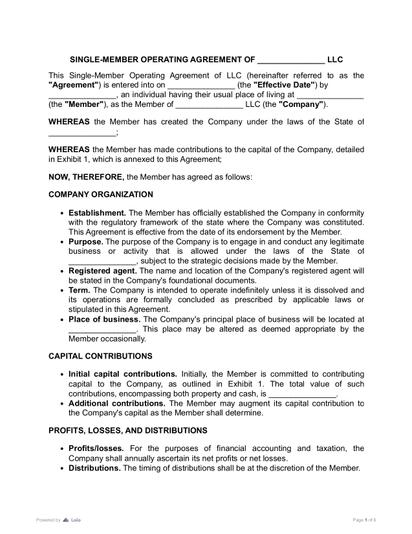
If you form an LLC, your operating agreement explains how the company is managed, how profits are handled, and what happens if ownership changes. Solo owners can use Loio’s Single-Member LLC Operating Agreement Template to document the structure of a one-owner waxing studio.
How Much Does It Cost to Start a Waxing Business?
The cost to start a waxing business depends on your model. A mobile or home-based setup may cost less than a full studio, but it can still require licensing, equipment, insurance, software, supplies, and marketing.
When deciding how to start a waxing business, separate essential compliance costs from optional upgrades. Licensing, insurance, sanitation supplies, and professional equipment should come before premium décor, extensive retail inventory, or paid advertising.
Common startup costs include:

Quick answer: A waxing business budget should include both one-time startup costs and monthly operating costs. Do not price services based only on wax and labor. Include rent, insurance, taxes, software, cleaning, laundry, payment fees, and slow months.
Is waxing a profitable business?
Waxing can be profitable when pricing, retention, and scheduling are managed well. Repeat appointments are a major advantage because many clients rebook every few weeks. For context, BLS wage data shows that skincare specialists earn a median hourly wage of $21.79, but a business owner’s income can be higher or lower depending on pricing, expenses, location, and how full the schedule is.
The simple math looks like this: if you charge an average of $55 per appointment and see 25 clients per week, that is about $5,500 in monthly gross revenue. At $65 per appointment and 40 clients per week, that is about $10,400 in monthly gross revenue.
Gross revenue is not take-home pay. New owners often underestimate rent, product waste, laundry, insurance, booking software, marketing, payment fees, taxes, and the time needed to build a client base. A waxing business can make an owner financially comfortable, especially with strong rebooking, packages, aftercare product sales, and low no-show rates. But buying a Ferrari usually requires a larger model, such as several treatment rooms, employees or contractors, premium pricing, retail sales, and years of steady demand.
Before opening, calculate your break-even point:
Monthly fixed costs + product costs + taxes + owner pay = minimum monthly revenue target.
For example, if your monthly target is $6,000 and your average appointment is $60, you need about 100 appointments per month to reach that target before considering growth.
How to Start a Waxing Business at Home
A home-based waxing business can lower rent costs, but it may be harder to approve. Your home is not automatically a legal salon. You may need to check state cosmetology rules, city zoning, HOA rules, landlord restrictions, and insurance limits.
In California, a home salon must have a Board-issued establishment license and a direct entrance separate from the home’s private quarters. In Texas, a home-attached establishment must also be licensed, have a separate public entrance, and use dedicated space that is not living space. Georgia is stricter about separation: salon/shop space cannot be used for sleeping, dining, or other domestic purposes, and it cannot connect to domestic space by a doorway or opening.
Anyone researching how to start waxing business from home should verify both beauty-industry regulations and rules that apply to residential businesses. Approval from one authority does not necessarily satisfy every state, city, zoning, lease, or HOA requirement.
A compliant home-based waxing space may need:
- A dedicated room used only for services;
- Washable floors and surfaces;
- Proper sanitation and storage;
- A public entrance or separation from living areas;
- Restroom access;
- Parking access;
- Displayed license or registration;
- Inspection approval, depending on state rules.
A home setup also raises privacy and safety concerns. Clients should not pass through personal living spaces. Family members, pets, and children should not enter the treatment area during services.
If you plan to store signed consent forms or intake forms, use Loio’s PDF editor for organizing client documents to update, save, and keep documents consistent before appointments.
How to Start a Mobile Waxing Business
A mobile waxing business brings services to the client’s home, hotel, event, or workplace. It can reduce rent costs, but it adds travel, safety, sanitation, and scheduling challenges.
A mobile waxing business needs portable equipment and a payment system. You may also need a mobile establishment license, remote-service approval, or special local permits.
Mobile waxing equipment list
Your mobile setup may include:
- Portable treatment table;
- Wax warmer with safe transport method;
- Hard wax and soft wax;
- Applicators and strips;
- Gloves;
- Pre-wax cleanser and post-wax care;
- Disposable table covers;
- Towels or linens;
- Trash bags and disposable supplies;
- Disinfectant;
- Portable lighting;
- Card reader or mobile payment app;
- Intake and consent forms;
- Aftercare instructions.
Mobile services need strict boundaries. Confirm the client’s address, service type, parking, setup space, and cancellation rules before arrival. Avoid carrying large amounts of cash, and consider a deposit or card-on-file policy.
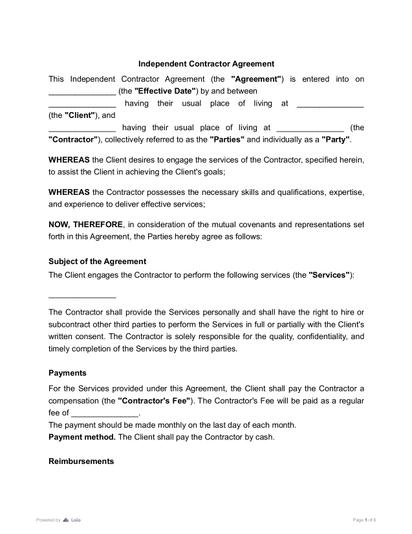
If you plan to work with a helper, driver, marketing contractor, or freelance waxer, use a written agreement that explains scope, payment, confidentiality, and ownership of client materials. Loio’s Independent Contractor Agreement Template can help define those terms before work begins.
What Insurance Does a Waxing Business Need?
A waxing business should have insurance before accepting clients. Waxing is a hands-on service, so even careful professionals can face claims related to burns, allergic reactions, infection concerns, or property damage.
Common insurance types include:
- General liability insurance;
- Professional liability insurance;
- Property insurance;
- Workers’ compensation insurance, if you hire employees;
- Commercial auto coverage, if you provide mobile services;
- Cyber or data coverage, if you store sensitive client information online.
Ask an insurance agent whether your policy covers waxing, mobile services, home-based services, employees, independent contractors, and product sales. Do not assume that general beauty insurance covers every service you offer.
What Equipment Does a Waxing Business Need?
A waxing business needs safe, professional equipment and enough supplies to handle daily appointments without cutting corners.
Your basic waxing equipment list may include wax warmers, hard wax, soft wax, strips, applicators, gloves, tweezers, scissors, pre-wax cleanser, post-wax lotion or oil, antiseptic products, disposable bed covers, towels, laundry supplies, disinfectants, storage containers, a treatment table, a cart, lighting, and a booking system.
What does a waxing business need to provide safe hair removal services?
Safe waxing requires more than clean tools. Your process should include:
- Client intake before treatment;
- Contraindication screening;
- Patch testing when needed;
- Clear aftercare instructions;
- Clean linens or disposable covers;
- Proper disinfection between clients;
- Temperature control for wax;
- Gloves and single-use applicators;
- Accurate client records.
Quick answer: A waxing business needs trained staff, compliant space, clean equipment, written consent, and sanitation routines to provide safe hair removal services.
Set Prices, Policies, and Client Documents
Your pricing should reflect time, product use, experience, local demand, rent, taxes, insurance, and rebooking patterns. Do not copy another salon’s prices without checking your own costs.
Create a clear service menu for brows, lip, chin, underarms, arms, legs, bikini, Brazilian, back, chest, and full-body services. Add timing estimates, preparation rules, and aftercare instructions.
Your policies should cover:
- Deposits;
- Cancellations;
- Late arrivals;
- No-shows;
- Refunds;
- Minors;
- Contraindications;
- Photos and marketing content;
- Client behavior and safety.
What is the 48-hour rule for waxing?
The 48-hour rule usually refers to avoiding certain activities before or after waxing. Many professionals advise clients to avoid sun exposure, tanning, exfoliation, retinoids, hot tubs, saunas, heavy workouts, and harsh skincare products around the appointment window.
Explain your own version clearly in your client materials. This helps reduce irritation and sets expectations before the client arrives.
Client policies are easier to manage when your documents are simple to sign. Loio’s electronic signature tool for client and business documents can help you send forms, collect signatures, and keep signed copies without printing every document.
Rent a Studio, Salon Suite, or Shared Beauty Space
If you open outside your home, choose your location carefully. A waxing studio should be private, clean, accessible, and easy to find. Check parking, foot traffic, nearby competitors, lease terms, signage rules, restroom access, and build-out limits.
Before signing a lease, review:
- Rent and deposits;
- Lease term;
- Renewal options;
- Use restrictions;
- Maintenance duties;
- Utilities;
- Insurance requirements;
- Personal guarantee clauses;
- Early termination rules.
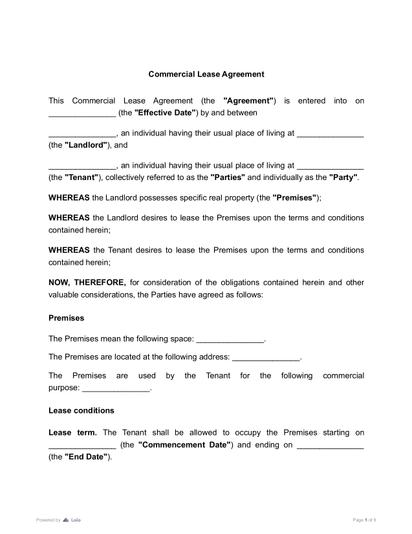
If you rent a commercial space, Loio’s Commercial Lease Agreement Template can help you understand the type of terms landlords and tenants usually document.
Hire Employees or Work with Contractors
You may start alone, but growth often creates hiring decisions. You might need another waxer, receptionist, social media contractor, cleaner, or assistant.
The key question is whether the person is an employee or independent contractor. This affects taxes, control, scheduling, training, benefits, and legal responsibility. Do not classify someone as a contractor only because it seems cheaper.
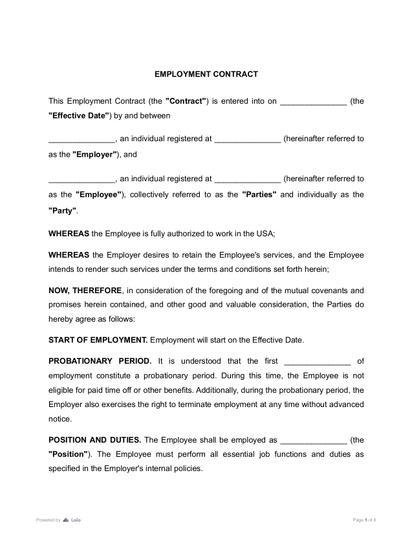
If you hire employees, document the role, pay, schedule, confidentiality duties, and workplace rules. Loio’s Employment Contract Template can help you prepare a written agreement for staff roles in a growing studio.
Work with Suppliers and Product Brands
Waxing businesses depend on a reliable product supply. Running out of wax, strips, gloves, or aftercare products can disrupt appointments and damage client trust.
When working with suppliers, check:
- Product quality;
- Delivery time;
- Minimum order sizes;
- Return rules;
- Wholesale pricing;
- Product training;
- Private-label options;
- Payment terms.
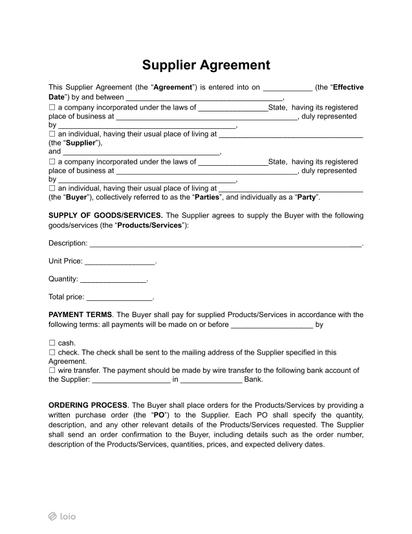
If you build a relationship with a supplier for wax, retail products, uniforms, or branded materials, Loio’s Supplier Agreement Template can help define delivery, pricing, product standards, and payment terms.
How to Market a New Waxing Business
Marketing starts before opening day. Many new owners struggle because they wait until the studio is ready to begin building attention.
Start with a simple local marketing plan:
- Create a Google Business Profile;
- Build a basic website;
- List services, prices, location, and booking details;
- Post educational content on Instagram or TikTok;
- Ask early clients for reviews;
- Offer referral incentives;
- Partner with gyms, bridal salons, photographers, and boutiques;
- Use local SEO phrases like “Brazilian wax near me” or “waxing studio in [city].”
Client photos can help marketing, but get written permission first. Some clients may agree to anonymous photos only, while others may not want any images used at all. Keep photo and video permission separate from treatment consent so clients do not feel pressured. If you plan to use client images in ads, social media, or your portfolio, Loio’s Media Release Form Template can help document what content may be used and where.
Waxing business names and branding
A good waxing business name should be easy to spell, easy to remember, and available as a domain and social handle. Before choosing a name, search your state business database and check for similar local salons.
Avoid names that are too narrow if you may expand later. For example, a name focused only on brows may limit you if you later offer full-body waxing, facials, or skincare retail.
Final Checklist Before Your First Waxing Client
The final step in learning how to start a waxing business is checking that the legal, safety, financial, and client-service systems are ready to work together. Before your first appointment, confirm that nothing essential has been overlooked.
Use this launch checklist:
- License checked;
- Business registered;
- LLC decision made;
- Insurance active;
- Workspace approved;
- Equipment purchased;
- Sanitation process ready;
- Waxing consent form prepared;
- Pricing published;
- Booking and payment system tested;
- Cancellation policy written;
- Aftercare instructions ready;
- Marketing pages live;
- Emergency and client safety rules clear.
Starting a waxing business is easier when each step is handled in the right order. Build the legal foundation first, then create a safe service process, then grow your client base. That way, your studio is not only attractive to clients but also prepared for real business risks.
More guides
September 1
7 min read
How to Provide Proof of Employment: Documents and Steps

October 7
How to Start a Staffing Agency: Licensing, Pricing, and Cash Flow
September 24
7 min read
Are Electronic Signatures Legally Binding?

September 15
7 min read
What Is an Executed Contract?
September 12
9 min read
Wet Signature vs Electronic Signature: Key Differences and When to Use Each

October 8
8 min read
How to Start a Videography Business: 8 Essential Steps

One home for your
agreements
Edit PDFs seamlessly
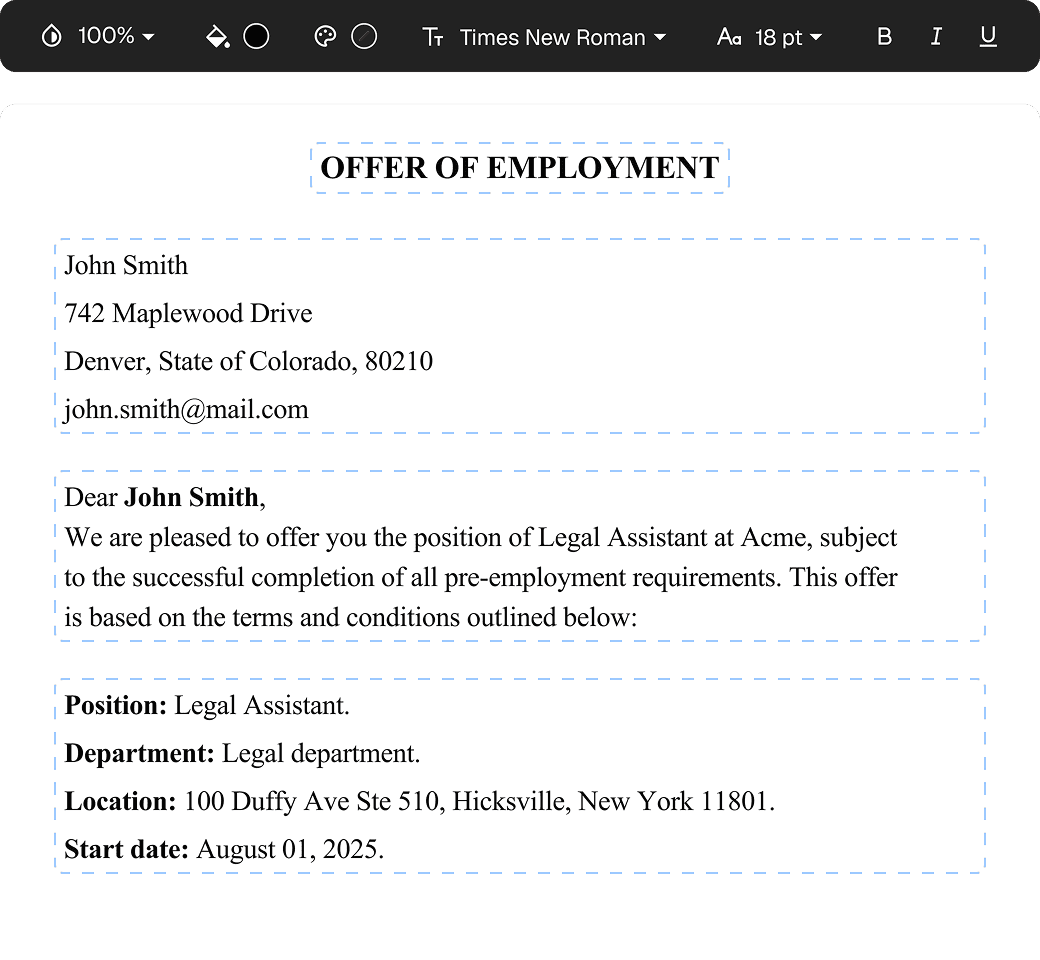
Tweak agreements before signing or sending for signatures. Update details, add or remove clauses, adjust formatting, and redline changes instantly.
eSign legally and securely
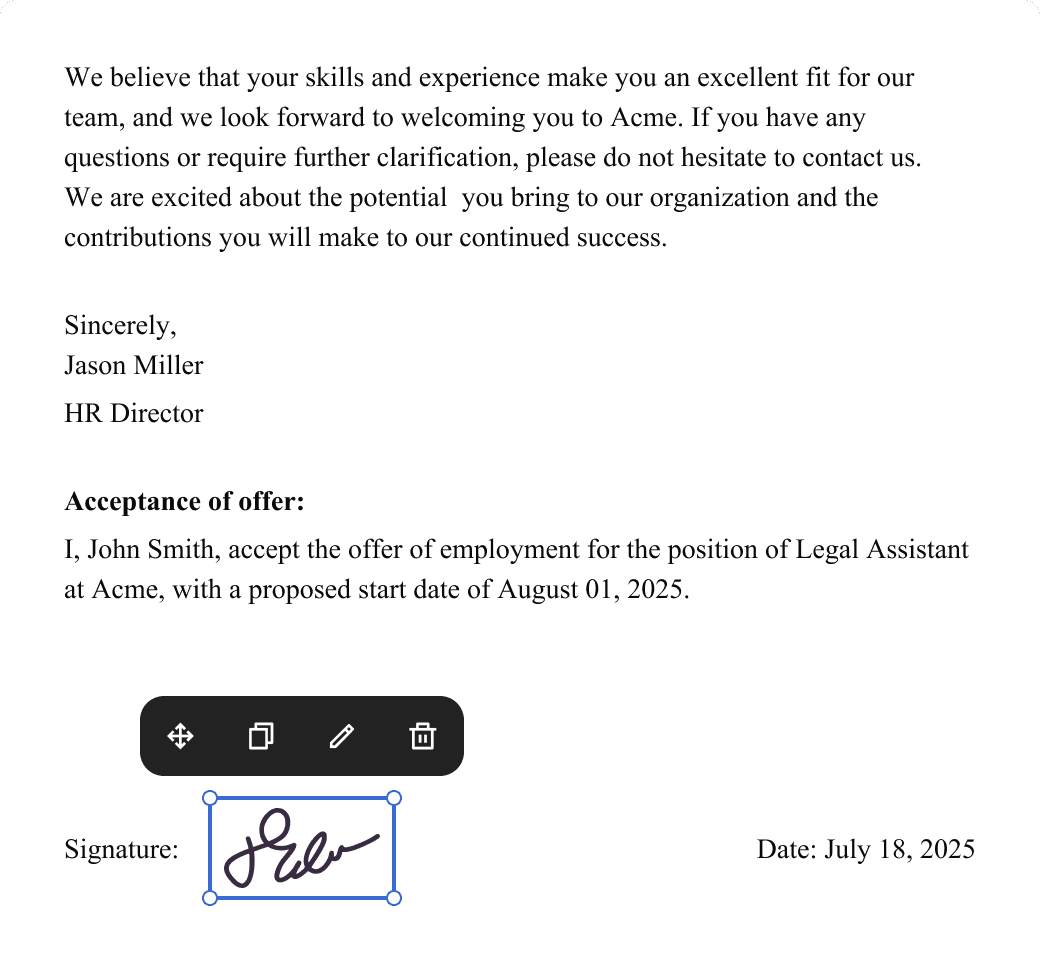
Sign documents and collect legally binding signatures. Invite up to ten people to sign in any order, track the progress, and send reminders.
Request legally binding signatures
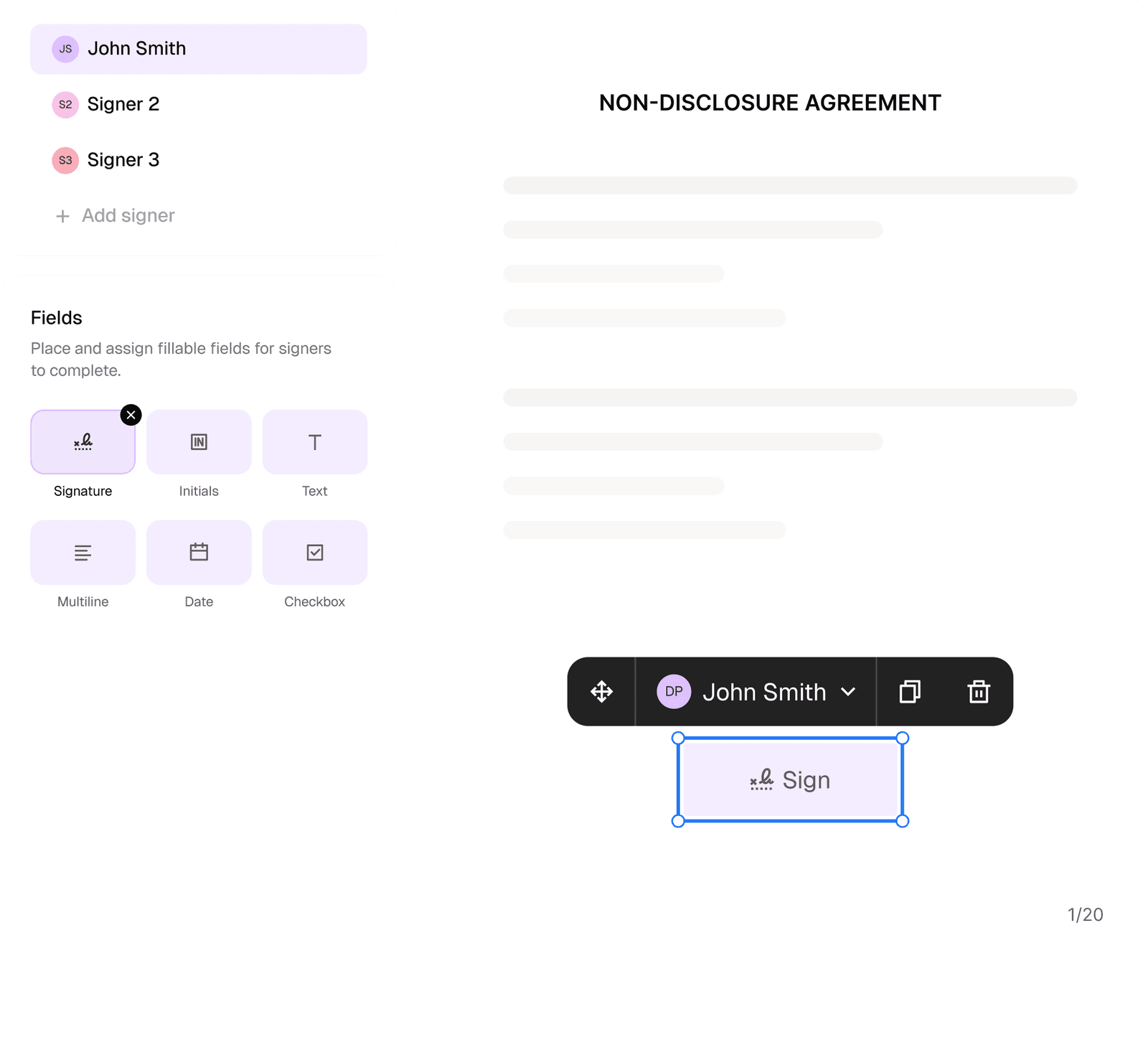
Invite up to ten people to sign your document in any order. Get a finalized, audit-ready copy without chasing signatures.
Skip the drafting.
Choose from 2,500+ templates
Browse templatesChoose a template
Fill in details
Sign and download