Updated September 24, 2026
7 min read
Are Electronic Signatures Legally Binding?

Are Electronic Signatures Legally Binding?
Content
Yes, electronic signatures are generally legally binding in the United States. A contract does not lose its validity simply because the parties signed it on a phone or laptop instead of using ink. The process should demonstrate the signer’s intent, agreement to transact electronically, and attribution to the signer. When applicable law requires the record to be in writing or retained, the electronic version must also remain accessible and accurately reproducible.
Electronic records are now routine. In fiscal year 2025, the IRS received more than 224.2 million returns and other forms electronically, representing 82.6% of all filings. That figure does not prove that every private electronic contract is enforceable, but it shows how established electronic transactions have become.
When people ask, “Is an electronic signature legally binding?” or “Are electronic signatures legal?” the better question is whether the process can prove who signed, what they accepted, and whether the document changed afterward.
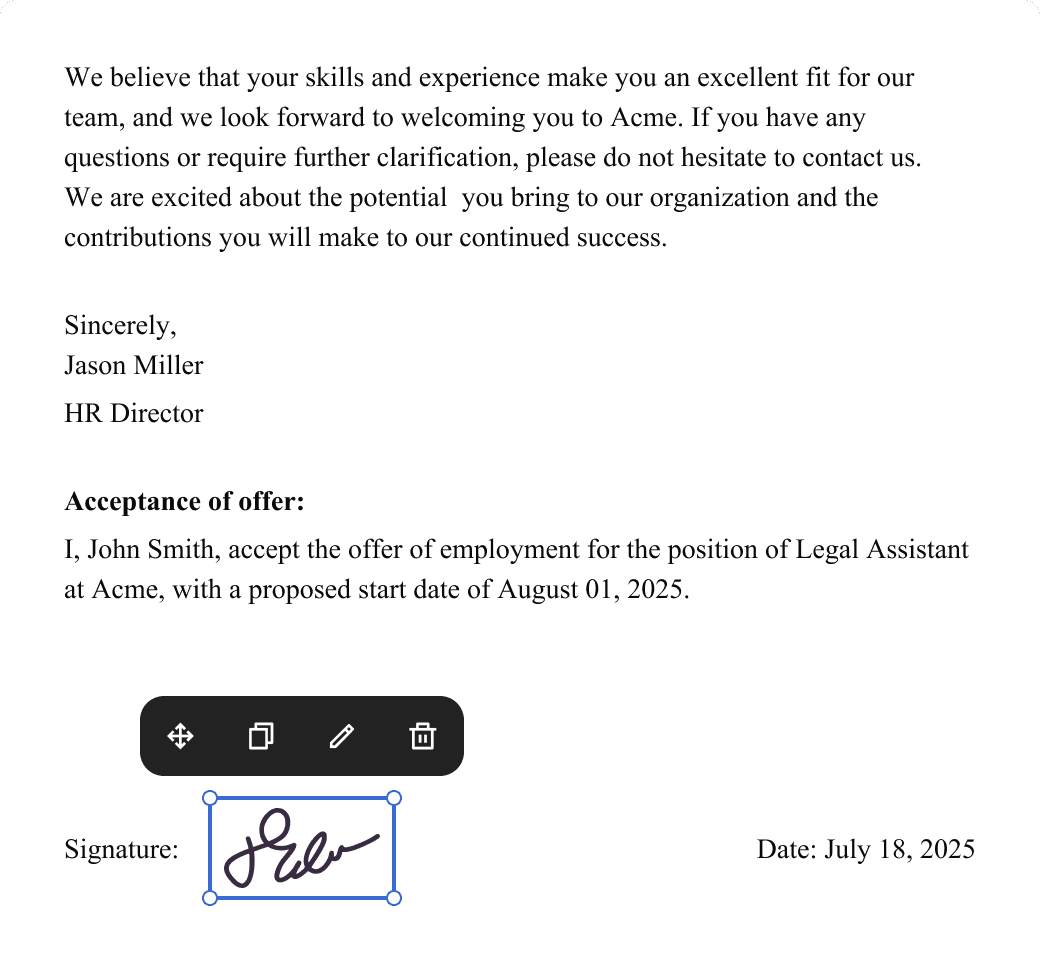
Use Loio eSign to sign a PDF, send it to other parties, and preserve the completed document and its audit trail.
Are Electronic Signatures Legally Binding in the US?
Under the federal Electronic Signatures in Global and National Commerce Act, commonly called the ESIGN Act, a signature, contract, or record relating to interstate or foreign commerce cannot be denied legal effect solely because it is electronic. A contract signed online can therefore be enforceable on the same basic terms as a paper contract.
The Act defines an electronic signature broadly. It may be an electronic sound, symbol, or process attached to or logically associated with a record and adopted with the intent to sign. Depending on the context, that can include typing a name, drawing a signature on a screen, completing a signature field, or clicking an acceptance button when the surrounding language and process make clear that the action is intended as a signature.
It is an electronic sound, symbol, or process attached to or logically associated with a record and executed or adopted by a person with the intent to sign it.
This answers whether electronic signatures are valid, but the electronic form is only one part of the analysis. The underlying agreement must still satisfy ordinary contract rules. A signature cannot repair missing consent, unclear essential terms, lack of capacity, fraud, or an unlawful purpose.
The Loio guide on what makes a contract legally binding explains those requirements in more detail.
Are digital signatures legal?
Yes. A digital signature is a type of electronic signature that uses cryptography, often with a digital certificate, to help authenticate the signer and detect later changes to the file. NIST describes digital signatures as providing authenticity and integrity protection.
A digital signature can qualify as an electronic signature when a person uses it with the intent to sign a record. However, digital-signature technology can also authenticate software or machine-generated data without any human signing intent. Its reliability also depends on proper implementation, protection of signing credentials, and the surrounding authentication process.
What Makes an Electronic Signature Legally Binding?
Whether you ask, "Is an electronic signature legally binding?" or “What makes an electronic signature legal?” the answer comes down to several core principles recognized under U.S. law.
People often ask what the four requirements for an electronic signature are. No single four-part test controls every document in every state, but the following framework reflects the central principles of the ESIGN Act, the Uniform Electronic Transactions Act, and contract law.
Intent to sign
An electronic signature demonstrates the signer’s intent to approve or accept a record. The person should take an action that clearly indicates agreement, such as selecting “Sign,” drawing a signature, or typing a name in a labeled field.
Context matters. Typing a name at the end of a casual email may be a routine sign-off. Typing the same name beneath “I accept these terms” is stronger evidence of intent.
Suppose Maya, a freelance designer, receives a contract and replies, “Looks good.” That message may help show agreement, but opening the final contract and deliberately signing its signature field creates a clearer record of acceptance.
Consent to use electronic records
The parties generally need to agree to conduct the transaction electronically. Under UETA, that agreement may be inferred from the context and surrounding circumstances rather than stated in a separate consent form.
Consumer transactions can involve additional rules. When another law requires information to be provided to a consumer in writing, the ESIGN Act may require affirmative consent to electronic delivery and disclosures about withdrawal, paper copies, and access requirements.
The FTC and Department of Commerce report on ESIGN consumer consent explains that these requirements help confirm that consumers affirmatively consent to electronic records and can access the format in which legally required information will be delivered.
Electronic-signature laws permit electronic processes; they do not force every person or institution to accept them.
Attribution to the signer
A reliable process should connect the signature to the person who allegedly signed. Attribution can be supported by an email address, account login, one-time code, time stamps, device information, document history, and communications referring to the agreement.
This becomes important when someone says, “I never signed that,” or “Another person used my email.” The signature image alone may reveal little. The surrounding records tell the fuller story.
A retainable and reproducible record where legally required
When the law requires a contract or record to be in writing, the electronic version should be capable of retention and accurate reproduction by the people entitled to keep it. Each party should receive or retain access to the complete signed version, including attachments.
Saving only a screenshot of the signature is risky when the remaining terms or document history may later be disputed. Preserve the entire agreement.
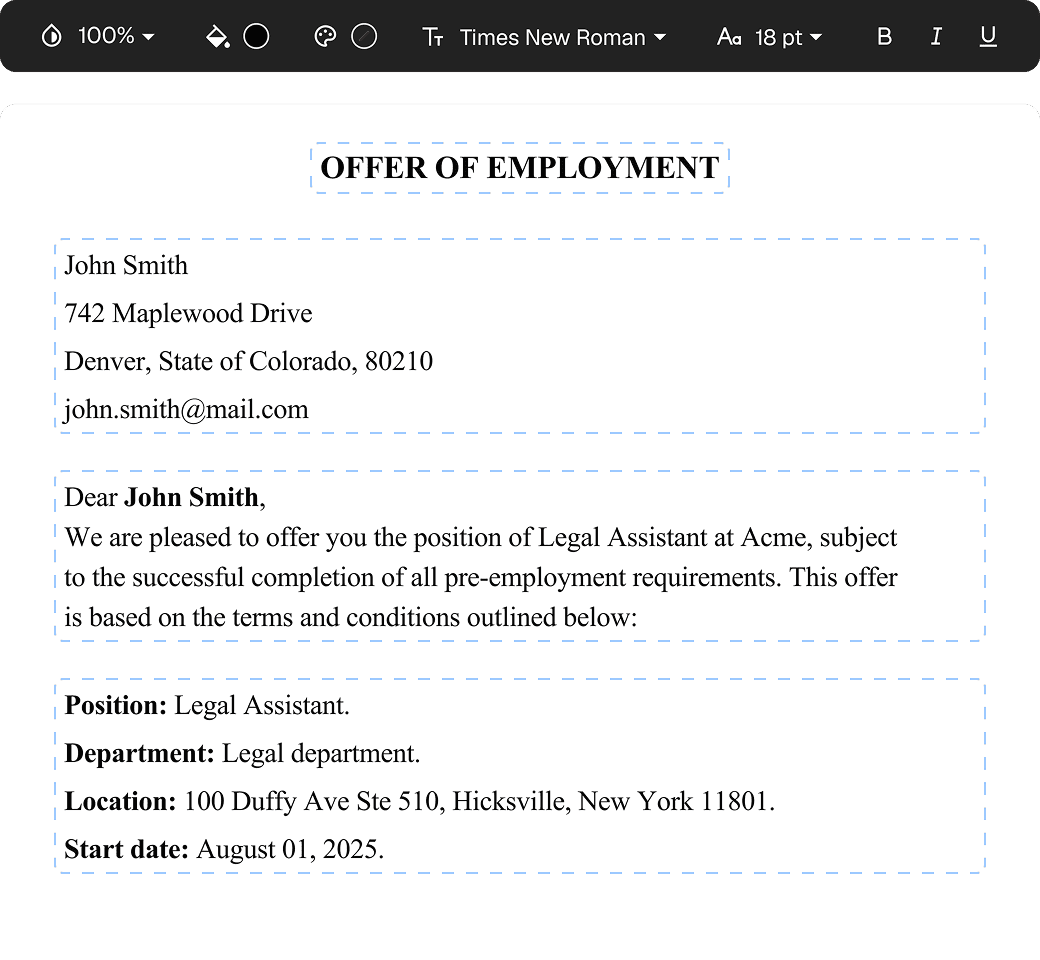
Before signing, parties can edit a PDF online to correct missing information and prepare one clean final version. Loio preserves the file’s formatting while edits are made.
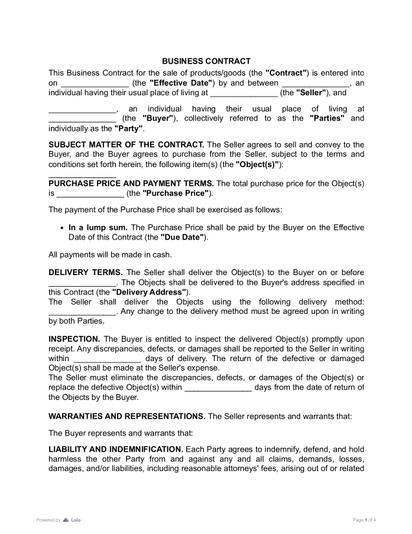
A clear agreement also matters. A Business Contract Template helps record the parties, subject of the deal, price, delivery terms, and responsibilities before anyone signs. Create a business contract with the essential terms in writing, then send the finalized PDF for electronic signatures.
Which Laws Make Electronic Signatures Legal?
Two legal frameworks do most of the work in U.S. commercial transactions: the federal ESIGN Act and state electronic-transaction laws based on UETA.
The ESIGN Act
The ESIGN Act recognizes electronic signatures and records in transactions affecting interstate or foreign commerce. Its rule is technology-neutral: the law generally does not require a particular signature style, device, provider, or cryptographic method.
The Act also addresses record retention and consumer disclosures. Most importantly, it prevents a record from being rejected merely because it is electronic; it does not require every party to use or accept that method.
UETA and state electronic-signature laws
The Uniform Electronic Transactions Act, or UETA, is a model state law that establishes legal equivalence between electronic and paper records when the parties have agreed to transact electronically.
UETA also addresses attribution, retention, notarization, and errors in electronic transactions. States may adopt or modify the model, so local law should be checked for an unusual or high-value document.
New York follows a separate framework, the Electronic Signatures and Records Act (ESRA), which gives electronic signatures the same validity and effect as handwritten signatures when its requirements are met.
Do Electronic Signatures Hold Up in Court?
Electronic signatures can hold up in court, but “legally recognized” does not mean “immune from challenge.” If a dispute arises, the party relying on the agreement may need to authenticate the record and show that it is what they claim it is.
An audit trail can help authenticate an electronically signed contract and attribute the signature to the signer by recording events surrounding execution. It may show when the invitation was sent, when the file was opened, what authentication was used, when each party signed, and whether the completed document changed.
Federal Rule of Evidence 901 reflects the general evidentiary principle: the proponent must offer enough evidence to support a finding that an item is what the proponent claims. State evidence rules and court procedures may differ, but the practical lesson is the same — preserve more than the visible signature.
Is a pasted signature image enough?
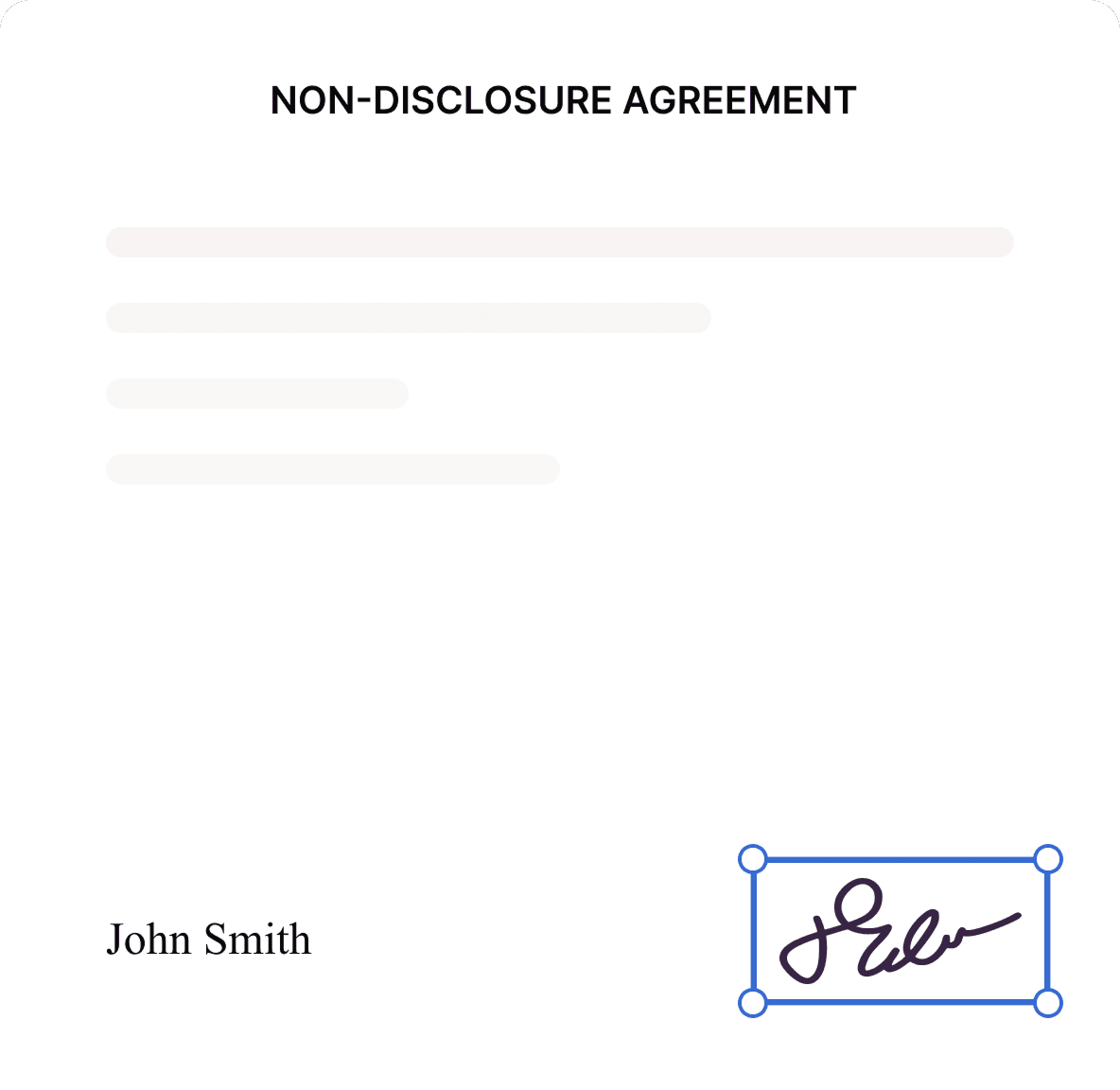
A signature image pasted into a PDF may qualify as an electronic signature if the signer adopted it with the intent to sign. Its weakness is usually not the image’s form but the evidence around it.
Imagine that Alex emails a signed NDA. Months later, Alex claims that a colleague copied the signature from another file. Without reliable document history, access controls, or supporting messages, attribution becomes harder to prove.
A controlled process can link the signer to the document through authentication, timestamps, notifications, and a finalized copy. Businesses can request electronic signatures through Loio and track signing status and audit information instead of exchanging disconnected scans.
Electronic signatures can also be used for employment onboarding documents where applicable law and the document’s formalities permit them. For example, an Employment Contract Template helps employers document compensation, responsibilities, confidentiality obligations, and other key terms before sending the agreement for signature.
Legal problems with electronic signatures
Common problems include:
- A person signs the wrong or incomplete version.
- A shared email account makes the signer’s identity uncertain.
- One party edits the document after it has been signed.
- The signer lacks authority to bind the company.
- Required consumer disclosures or consent are missing.
- The full record, attachments, or audit information are not retained.
- A document-specific rule requires witnesses, notarization, filing, or another formality.
These are commonly process or evidence failures, although some — such as lack of signing authority or missing legally required formalities — can create substantive legal defects.
When Are Electronic Signatures Not Legally Binding?
An electronic signature may fail for the same reasons as a handwritten one. It may also face problems when the electronic process does not satisfy a document-specific rule or cannot produce reliable evidence.
The underlying contract is invalid
A contract may be unenforceable because of fraud, duress, illegality, lack of capacity or authority, vague essential terms, or another defect. The ESIGN Act recognizes the electronic form; it does not make a defective agreement valid.
Before execution, an AI contract review can summarize the document and help identify unclear provisions. Automated review does not replace advice from a licensed attorney for a high-risk or heavily negotiated transaction.
The signature cannot be attributed reliably
A copied image, unexplained typed name, unsecured shared account, or missing audit trail may create doubt about who signed. The signature is not automatically void, but the party relying on it may have less evidence.
The same concern arises when the final document no longer matches the version the signer reviewed. Tamper-evident controls and preserved copies help demonstrate document integrity.
Special document rules apply
The ESIGN Act’s general validity rule contains specific exceptions. They include records governed by laws concerning wills, codicils, testamentary trusts, adoption, divorce, and other family-law matters.
The Act also excludes certain court documents and specific notices, including notices terminating utility services; notices involving default, foreclosure, repossession, eviction, or cure rights concerning an individual’s primary residence; cancellation of health-insurance or life-insurance benefits; product recalls or material failures that risk health or safety; and documents required to accompany the transportation or handling of hazardous or toxic materials.
An ESIGN exception does not always mean electronic signing is prohibited nationwide. A state statute, electronic-wills law, court rule, or agency procedure may separately permit it. Check the governing law and the receiving institution’s requirements.
Are electronic signatures legally binding in real estate contracts?
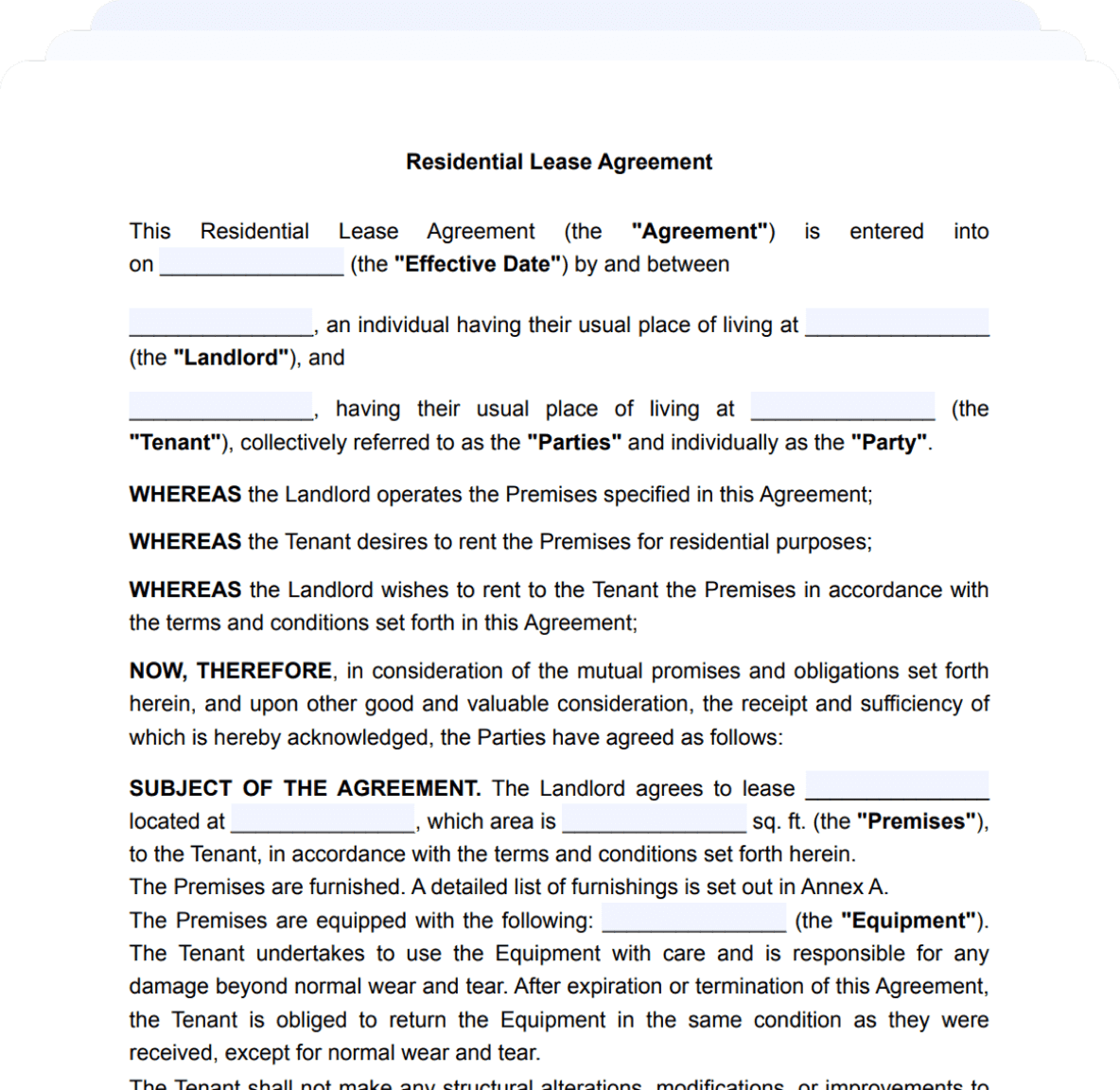
Many leases and real estate purchase agreements can be signed electronically. If you're preparing a residential or commercial lease, a Lease Agreement Template helps organize the essential terms before verifying whether any state-specific notarization or recording requirements apply.
Yet, a transaction may also involve deeds, notarized instruments, lender forms, title documents, or county recording requirements governed by separate state and local rules.
For example, an ordinary lease may be suitable for eSignature, while a deed intended for recording may require an approved electronic-notarization and recording process. The Uniform Real Property Electronic Recording Act allows enacting states to authorize recording offices to accept deeds and other property records electronically, but individual states determine their recording standards.
Verify the requirements of the recorder, lender, title company, or other institution before signing.
How to Make an Electronic Signature Legally Binding
Use a process that makes consent clear and preserves evidence from the first invitation to the completed contract:
- Confirm that the document may be signed electronically. Check federal, state, court, agency, industry, and filing requirements.
- Obtain agreement to use the electronic process. Provide any consumer disclosures required for the transaction.
- Use an affirmative signing action. The signer should deliberately click, type, draw, or otherwise adopt the signature.
- Match authentication to the risk. A routine agreement and a high-value transaction may need different identity checks.
- Confirm authority. Verify that the individual can bind the named person or company.
- Prevent unauthorized or undisclosed changes. A signing platform may add later signatures, countersignatures, or execution metadata as part of the recorded workflow, but substantive changes should require the affected parties to review and sign the revised version.
- Preserve the audit trail and completed copy. Give every party access to the same document and attachments.
- Review the contract itself. Clear terms, valid consent, capacity, and lawful obligations remain essential.
The Loio guide on contract compliance and approval practices explains how version control, reviews, approvals, and post-signing management support a reliable contract process.
Confidentiality agreements are a common example. Before sharing pricing, source code, customer lists, designs, or business plans, the parties can use an NDA Template to define the protected information, permitted use, and each party’s duties.
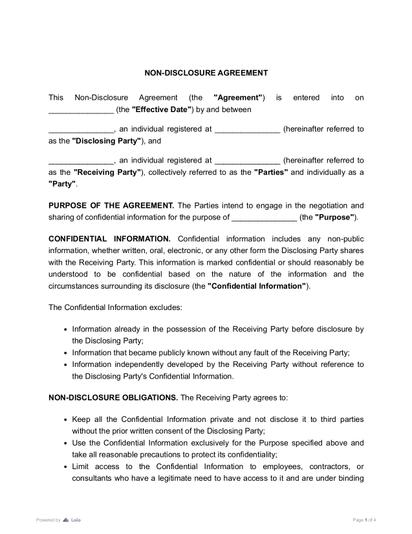
Prepare an NDA with clear confidentiality terms, then use an electronic-signature process that records who signed and when.
Thus, are electronic signatures valid? Yes, they are valid in many U.S. transactions because the ESIGN Act and state electronic-transaction laws recognize electronic records and signatures. Their enforceability depends on more than a signature graphic. Clear intent, consent, attribution, a valid underlying contract, and a retainable final record create the strongest foundation.
For unusual documents, regulated transactions, or state-specific formalities, confirm the applicable requirements or consult a licensed attorney before signing.
More guides
October 16
7 min read
How to Redact a PDF Safely: Step-by-Step Data Protection Guide
September 1
7 min read
How to Provide Proof of Employment: Documents and Steps

July 25
12 min read
How to Register a Company in the US: What No One Tells You in 2026

October 16
7 min read
What Is OCR (Optical Character Recognition)? How It Works & AI Uses
October 16
8 min read
How to Scan a Document to PDF & Convert to Editable Text
September 15
7 min read
What Is an Executed Contract?
One home for your
agreements
Edit PDFs seamlessly
Tweak agreements before signing or sending for signatures. Update details, add or remove clauses, adjust formatting, and redline changes instantly.
eSign legally and securely
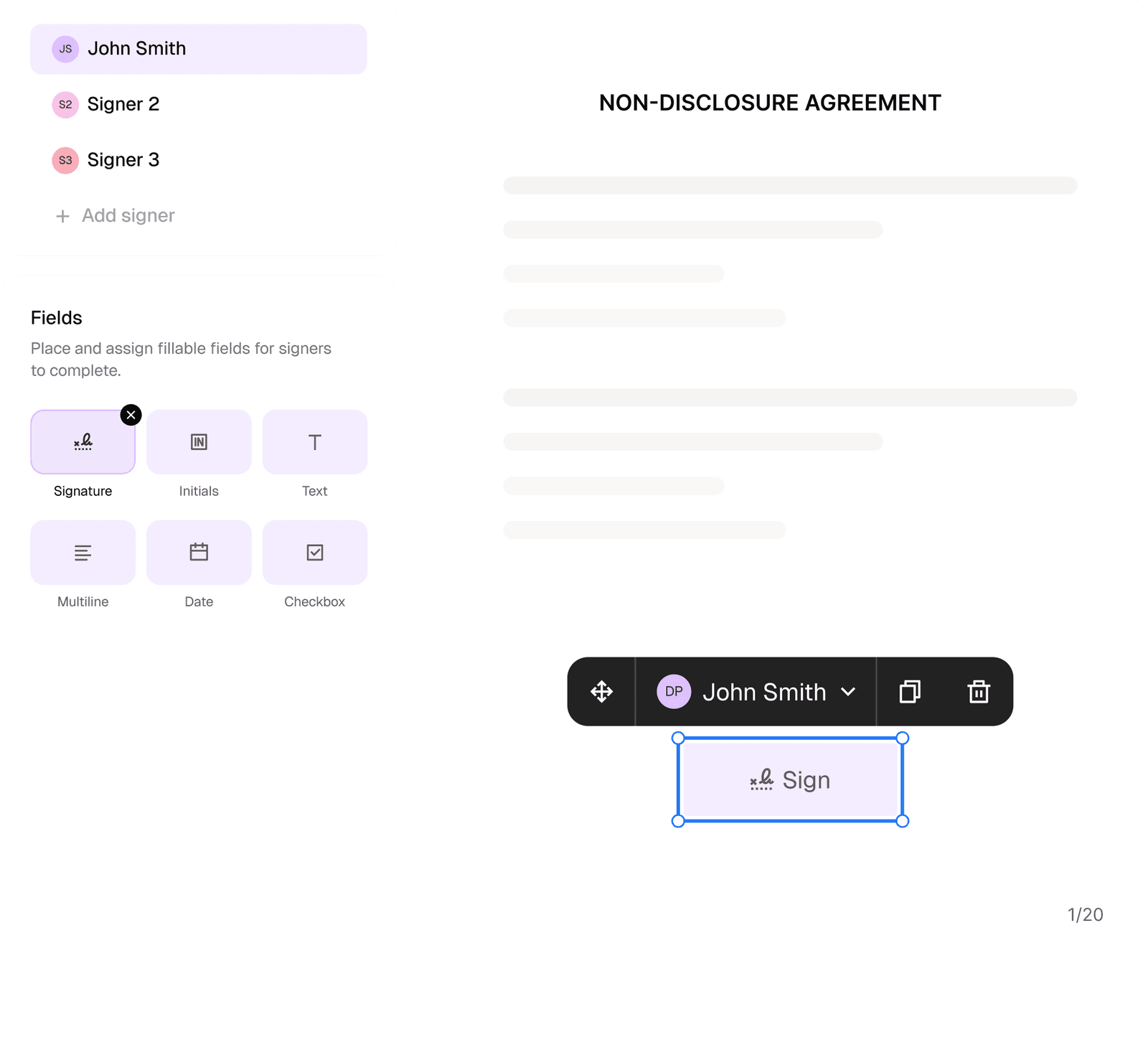
Sign documents and collect legally binding signatures. Invite up to ten people to sign in any order, track the progress, and send reminders.
Request legally binding signatures
Invite up to ten people to sign your document in any order. Get a finalized, audit-ready copy without chasing signatures.
Skip the drafting.
Choose from 2,500+ templates
Browse templatesChoose a template
Fill in details
Sign and download