Updated September 15, 2026
7 min read
What Is an Executed Contract?
Millions of contracts are signed every day globally. According to a 2026 survey of just over 1,000 Americans, more than 70% said they read employment contracts in full, while 59% fully read rental agreements. Around 43% said they never fully read digital terms and conditions, and 10% said the same about medical forms. We don’t always know the full implications of what we sign. So, does signing a contract mean it is executed? When does it become binding under law? This article explains the term “executed contract” itself, our obligations under it, what makes it binding, and what happens if one party breaches it.
What Does “Executed Contract” Mean?
An executed contract can be used in two ways:
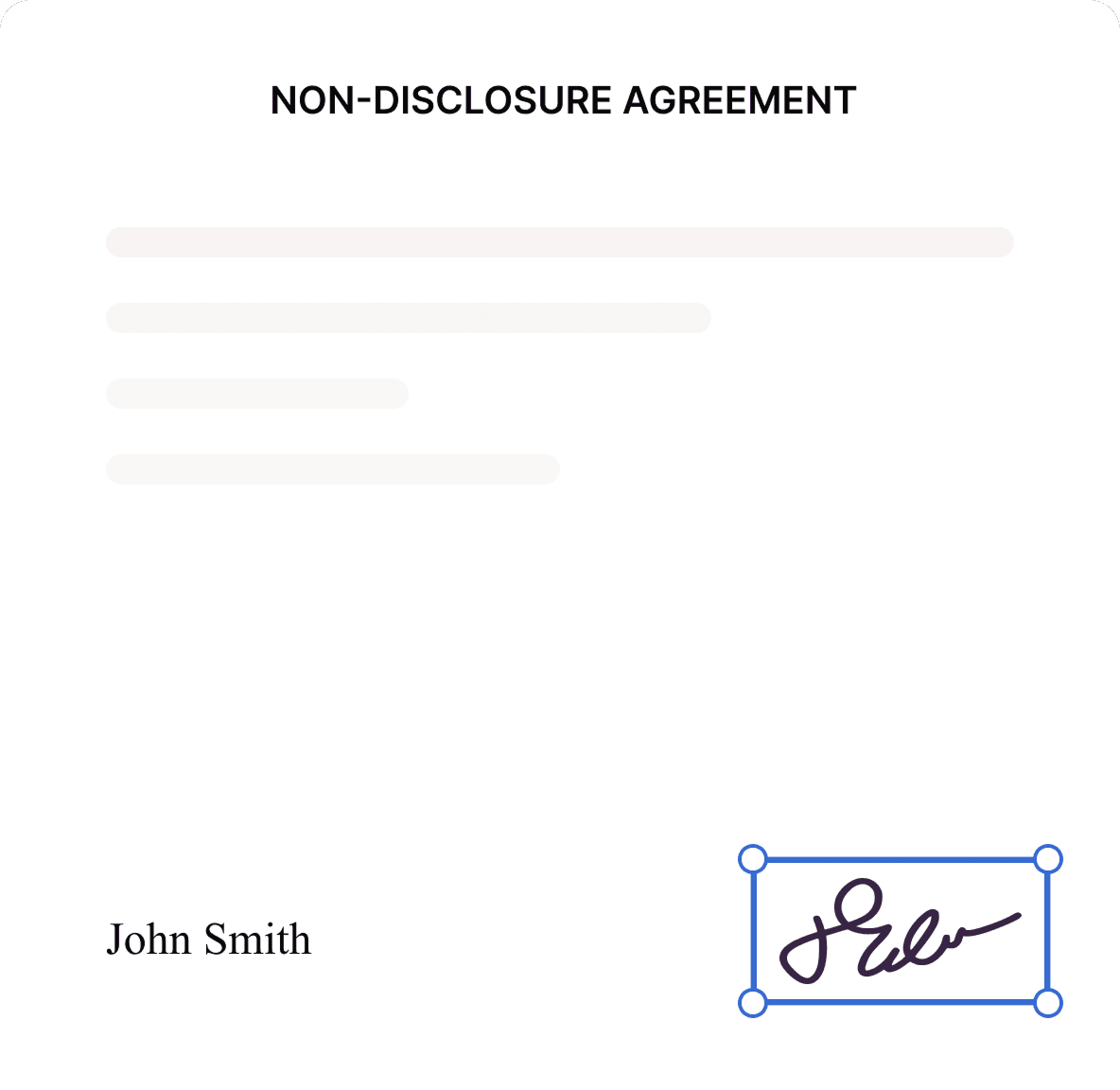
- Most commonly, it means a contract that has been signed by all required parties.
- In some contexts, it is also used to describe a contract whose obligations have been completed, although “fully performed” is the more precise term.
Let’s look at the two usages more closely.
Execution of a contract explained
When the parties intend to finalize a contract by signing it, execution generally occurs once the required signatures and other agreed signing steps are completed. However, signing is not always required for a contract to become binding: depending on the agreement and applicable law, offer, acceptance, consideration, and other formation requirements may create an enforceable contract earlier.
By signing, everyone involved formally signals their agreement to the terms. Prior to that, you can easily edit a PDF version of a contract with the other party in order to make sure the draft is suitable for both.
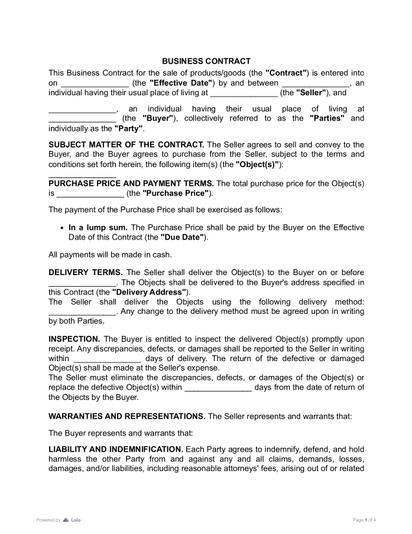
For example, when a business contract is signed, you immediately see two parties agreeing on price, transaction, and delivery of a service or a product. Such contracts, once signed, are considered executed.
Fully executed: meaning & difference from partially executed
You may encounter a different term as you dive deep — a “fully executed contract.” There’s a difference between a fully and partially executed agreement.
- Fully executed. In the signing sense, a fully executed contract has been signed by all required parties. If both parties have also completed their obligations, the more precise term is “fully performed.” For example, once the buyer has paid for the equipment and the seller has delivered it, the contract has been fully performed.
- Partially executed. A contract may be partially executed when some, but not all, required parties have signed it. If all parties have signed but some obligations remain outstanding, the contract is better described as executory rather than partially executed.
There’s no exact rule for how each distinct case treats a contract, so it’s best to ask in advance to know when the contract is finalized.
“Execute Contract” Meaning & When Does It Become Binding?
A contract generally needs to satisfy the basic requirements for enforceability.

For a contract to be enforceable, these basic requirements generally need to be present:
Offer and acceptance. One party must make a clear offer, and the other party must accept it without modifications. If you change the terms of the offer as it stands, you are making a counteroffer, not staying within the terms of the same contract.
This was heavily influenced by the Carlill v Carbolic Smoke Ball Co case, in which it was established that a public advertisement offering a reward can constitute a contract. If a customer who reads the ad meets the conditions mentioned in the ad, they have accepted the offer — you don’t even have to communicate this to the other party. This stopped many businesses from making promises that they never expected to fulfill.
Consideration. Consideration means a specific value shared between the parties in exchange for what the other side offers. For instance, it can be money, services, physical goods, or even a promise not to do something.
Legal capacity. All signing parties must be capable of entering into an agreement. In practice, this would require any individual signing it to be of legal age, mentally competent, and have the authority to do so. If you sign on behalf of a company, confirm that you have authority to bind the entity. That authority can belong to an officer, employee, or authorized agent depending on the company’s governance and applicable agency rules.
Legal purpose. A subject in the contract itself should be legal — if you discuss doing something illegal, the contract isn’t legal either.
Carlill illustrates how offer and acceptance can operate in a unilateral contract. Other contracts may be formed through signed documents, oral agreement, or conduct, depending on the parties’ intent and applicable law.
Common errors to avoid
Even if all sides have good intentions, we aren’t immune to human error or not knowing what to do, especially when it’s the first contract we sign. If you’re looking for red flags, using an AI contract review helps you pinpoint troubling moments fast. This saves you hours of browsing through each page on your own. But when it’s procedural or depends on you in real life, be wary of these mistakes:
- Signing without proper authority. You might be aware that you don’t have the authority to sign something, but you must check that the other side also doesn’t do so. Otherwise, it’ll be like promising something on behalf of someone/something you have no authority over.
- Blank or mismatched dates. Even something as seemingly small as forgetting to sign a date can cause immense confusion, especially when it concerns dates for services/products to be delivered.
- Ignoring witness or notary requirements. While not all contracts do, some do require specific formalities, such as being signed in front of a notary or a witness. Skipping a required formality can jeopardize the document’s validity or enforceability, depending on the document and jurisdiction.
- Using the wrong legal entity name. Let’s say your company is called “Great Management Solutions LLC,” but you write down just “Great Management Solutions.” This can create uncertainty about which party entered into the agreement and, in some circumstances, raise questions about personal liability.
Can Electronic Signatures Fully Execute the Contract?
The short answer is yes — electronic signatures are just as good when you need a fully executed contract.
Is it a good idea to use an electronic signature?
Although it’s up to each person to decide whether to use an electronic signature, it’s often a convenient and reliable way to save time and effort.
Electronic signature tools like Loio’s can also maintain a digital audit trail. Timestamps, email verification, IP addresses, and similar records can support attribution of a signature, although they do not by themselves prove a signer’s legal identity or authority.
There are situations where a pen-and-paper signature may still be preferred because of custom, counterparty expectations, or specific legal requirements. Some document categories are also treated differently under electronic-signature laws, so applicable law should be checked first.

Two legal pillars of electronic signatures
- The ESIGN Act. The Electronic Signatures in Global and National Commerce Act was signed into law in 2000. It validates electronic signatures and states that signatures can’t be denied just because they are electronic. ESIGN excludes wills from its general federal validity rule. However, some states have separately enacted laws allowing electronic wills, so whether an electronic will is permitted depends on the applicable state law.
- UETA. The Uniform Electronic Transactions Act (1999) is adopted at the state level — it is codified in 49 states, the District of Columbia, Puerto Rico, and the U.S. Virgin Islands. New York has its own Electronic Signatures and Records Act (ESRA).
What Are Your Legal Obligations After a Contract Is Signed?
After the document is signed, you enter an executory phase. A post-execution period is governed by the implied covenant of good faith and fair dealing. The implied covenant generally prevents a party from exercising contractual rights or discretion in a way that unfairly deprives the other party of the benefits reasonably expected from the agreement. Its scope depends on the contract and governing law. Even more, now that you have signed a contract, you are obligated to do what you agreed to.
- Establish performance timelines. You already have an effective date — build a schedule to inform both sides about when each step will be done.
- Deliver the initial consideration. Commercial contracts often have some sort of upfront action (e.g., a transfer of information or a deposit).
- Track your (& the other side’s) compliance. Monitor ongoing compliance and maintain records of completed tasks.
When is a contract executed?
The signature date, effective date, and start-of-performance date do not always have to be the same. A contract may be signed on one date but become effective later, while performance may begin on another date specified in the agreement. Check the contract itself to determine when particular obligations begin.
What Happens if a Party Breaches a Contract?
Contracts get breached. It’s not always intentional, but such cases do happen — so here’s what you have to do.
What constitutes a contract breach?
A breach of contract occurs when one party fails to perform their obligations without lawful excuse. Usually, we see two types of breaches in a legal sense:
- Minor. A minor breach is when a party fails to perform a small detail from the agreement, but the agreement still holds and hasn’t changed. A contractor finishes building your office on time but paints the breakroom eggshell white instead of the requested stark white; it is a minor breach. You can sue for the cost of fixing the paint, since the office is otherwise done as you requested.
- Material. In this case, the breach was so significant that it destroys the purpose of an entire contract. This can mean that a person never shows up to perform their job or that you didn’t receive an item you paid for. A sufficiently material breach may allow the nonbreaching party to suspend or terminate certain obligations and pursue available remedies. The exact consequences depend on the contract, the breach, the losses involved, and applicable law.
What should you do when a contract is breached?

Start by reviewing the agreement and applicable law. A cure period is not automatically required for every breach; it may apply because the contract or a specific law requires one, or because allowing time to cure makes strategic sense.
If the problem remains unresolved, available remedies may include compensatory damages, termination where permitted, or other contractual or legal remedies. Specific performance may sometimes be available when monetary damages are inadequate, but it is not a routine remedy. Rescission may also be available in appropriate circumstances and can involve restitution rather than simply returning both parties to exactly their pre-contract positions.
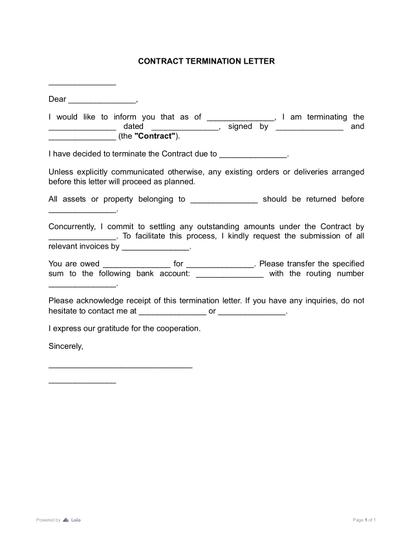
If you have a valid basis to terminate the agreement, first check its termination grounds, notice period, cure requirements, and required delivery method. A contract termination letter can document that notice and help you follow the agreed termination process.
More guides
September 24
7 min read
Are Electronic Signatures Legally Binding?

September 1
7 min read
How to Provide Proof of Employment: Documents and Steps

August 20
7 min read
How To Start a Waxing Business: Legal & Practical Guide

October 7
How to Start a Staffing Agency: Licensing, Pricing, and Cash Flow
July 25
12 min read
How to Register a Company in the US: What No One Tells You in 2026

September 15
7 min read
Contract Risk Management: How to Do It Properly

One home for your
agreements
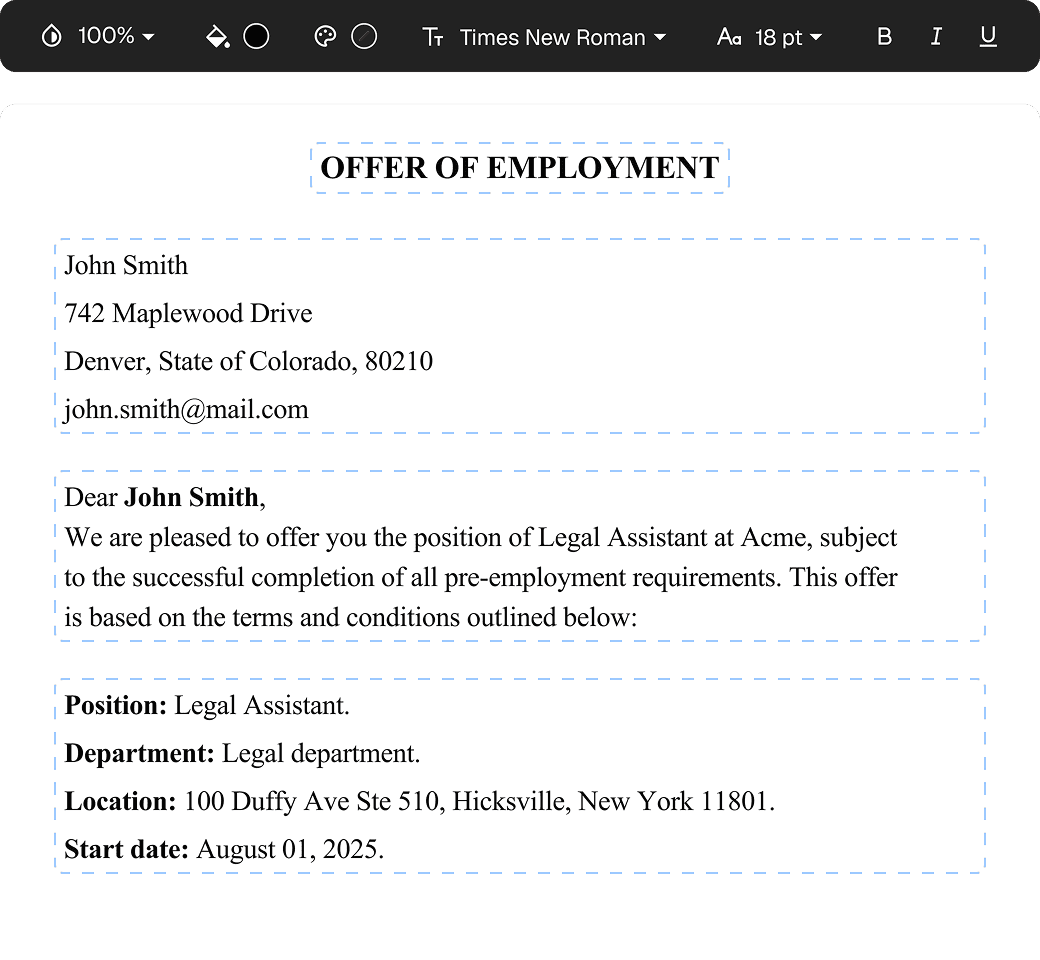
Edit PDFs seamlessly
Tweak agreements before signing or sending for signatures. Update details, add or remove clauses, adjust formatting, and redline changes instantly.
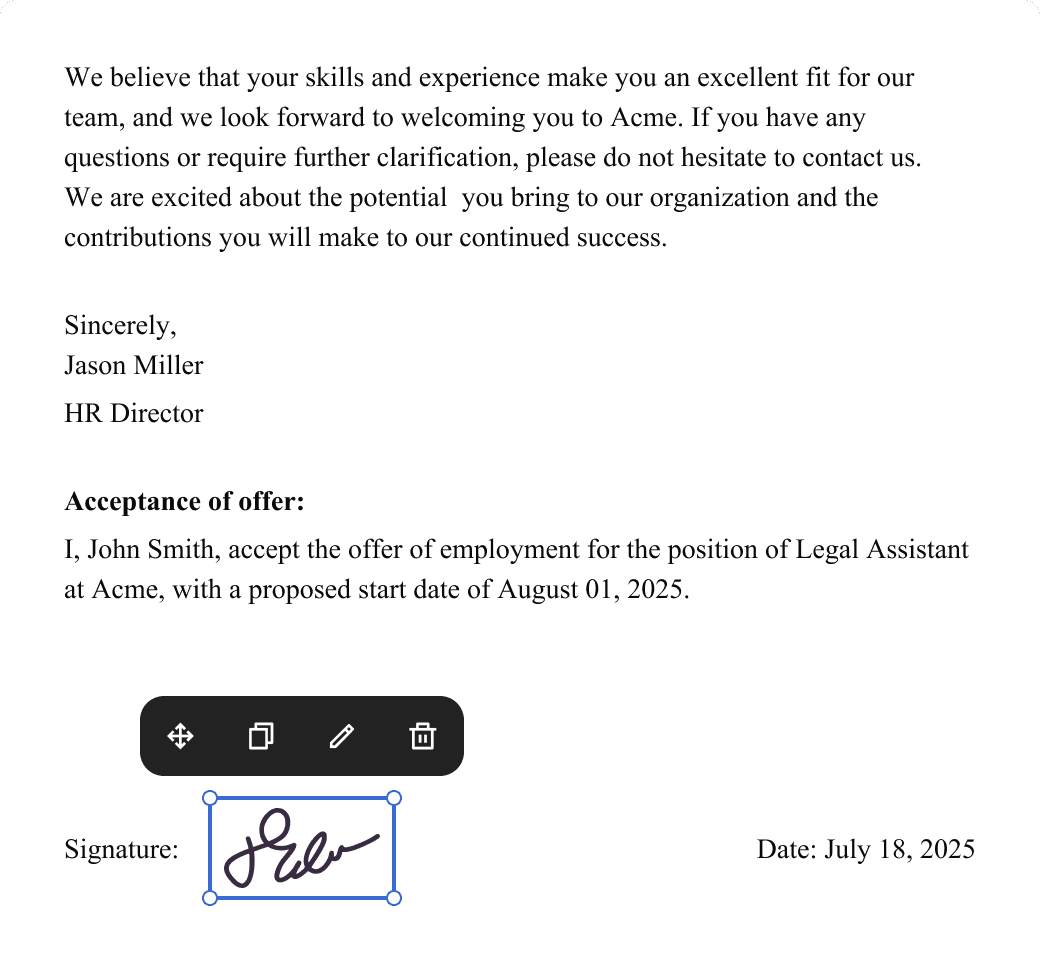
eSign legally and securely
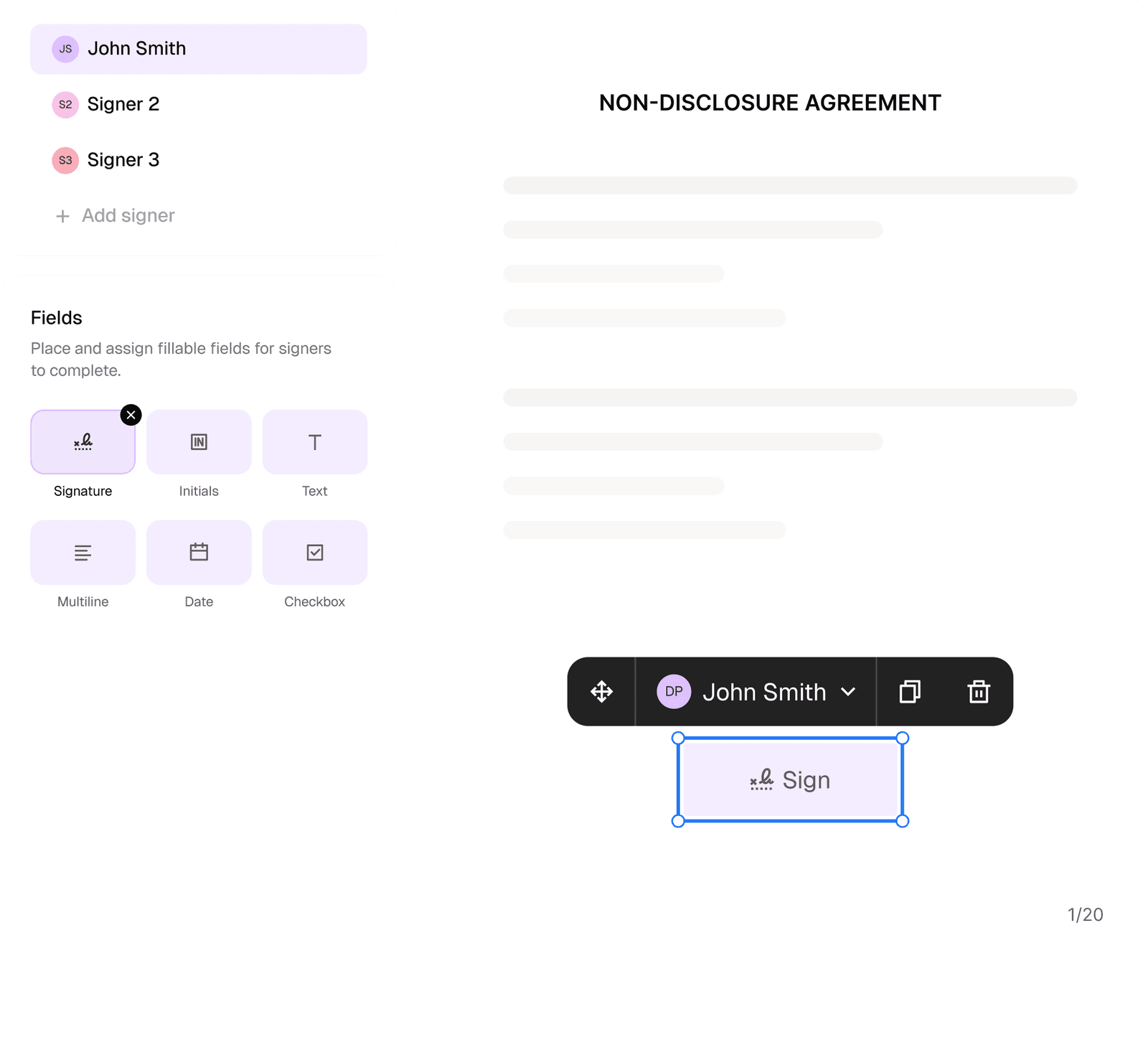
Sign documents and collect legally binding signatures. Invite up to ten people to sign in any order, track the progress, and send reminders.
Request legally binding signatures
Invite up to ten people to sign your document in any order. Get a finalized, audit-ready copy without chasing signatures.
Skip the drafting.
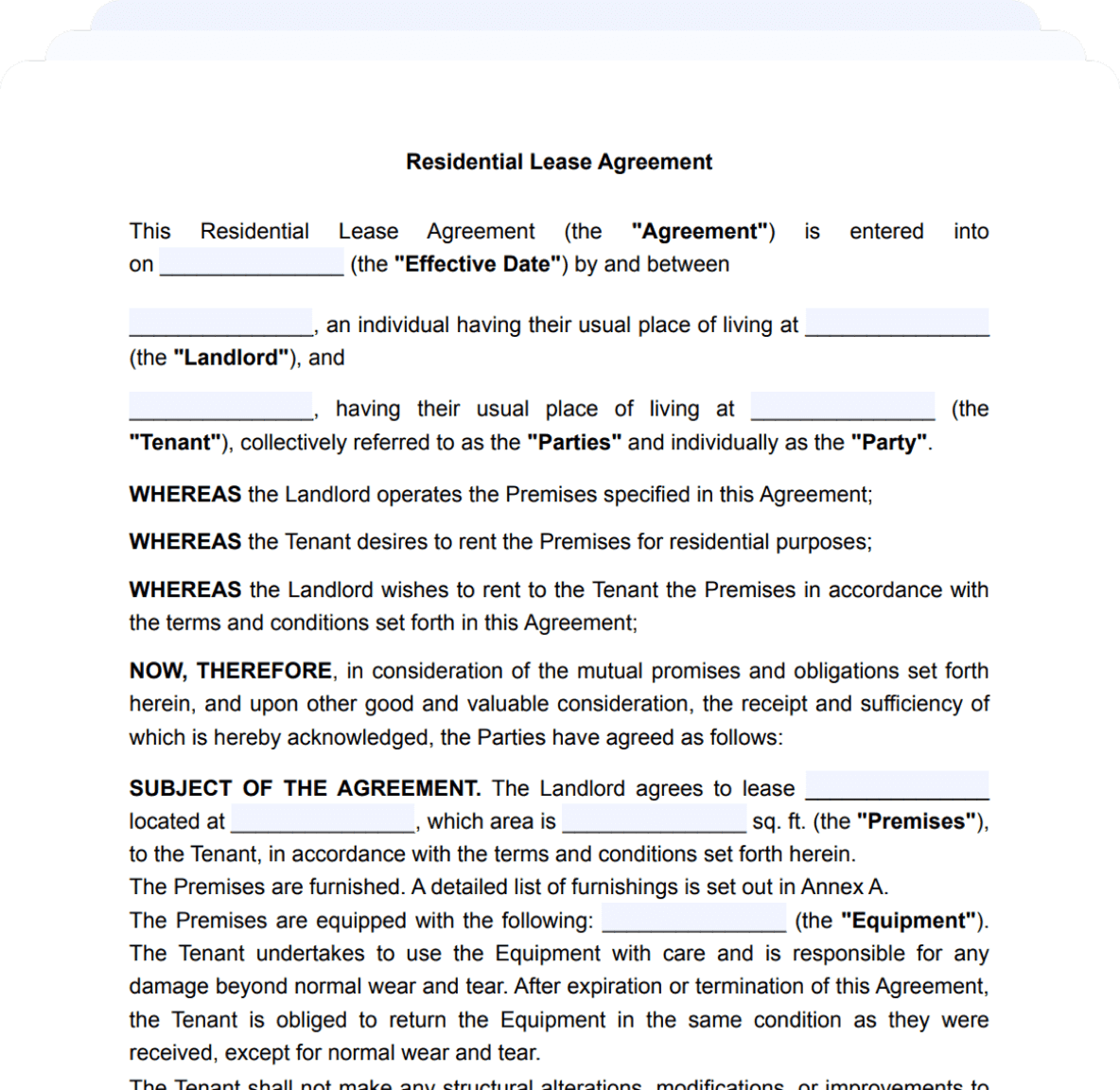
Choose from 2,500+ templates
Browse templatesChoose a template
Fill in details
Sign and download