Updated September 15, 2026
7 min read
Contract Risk Management: How to Do It Properly
Contract Risk Management: How to Do It Properly
Content
Many business owners sign contracts without closely reviewing every line. They may focus on payment terms, project timelines, and signature blocks. The clauses that create the biggest problems, however, often receive much less attention. Even experienced business owners sometimes overlook them because they don't seem important until a dispute arises.
To review contracts more effectively, you need to know where these risks typically come from. This is what contract risk management really is about. It won't make every deal perfect, but it can help you spot trouble early and decide what to do before you sign. Here, we cover the risks buried in everyday agreements and how you can deal with them.
What Is Contract Risk Management?
If you've ever paused over a clause and wondered what happens if this goes wrong, you already understand what contract risk management is at its core. It basically involves looking at an agreement, figuring out where it could hurt you, and adjusting the terms before those risks turn into real problems.
Every contract creates promises on both sides. You owe the other party something, and they owe you something back. Those contractual obligations are where most risk lives, so managing it comes down to knowing what you're on the hook for, what the other side owes you, and what happens if either of you falls short.
This isn't only a concern for big companies with legal departments. A freelancer signing a client agreement faces it, and so does a shop owner renewing a lease. A signed contract can bind you to terms you may not have focused on, so review the final document carefully before signing.
The Contract Risk Management Process
A reliable and workable contract risk management process includes four repeatable steps, and each one is something you can do at a kitchen table with a printed draft and a pen.
Step 1. Identify Risks Before Signing
Read the whole agreement before you touch a single clause. Many terms depend on one another, so changing one section can affect another further down the page. On that first pass, mark anything vague, one-sided, or unclear, with extra attention on payment, responsibilities, and how the deal can end.
An AI contract review tool can be helpful when you're facing a long agreement and don't know where to start, since it can flag unusual clauses and explain what each section actually says in plain language.
Step 2. Assess the Impact
Once the questionable terms are marked, label each one high, medium, or low based on how likely the problem is, and how much it would cost you if it happened. Ranking risks this way is the heart of contractual risk management, and it stops you from polishing a harmless sentence while a real threat sits three pages away.
Step 3. Reduce or Negotiate the Risk
Once you know which risks are more important (or could cost you more), you have a few common ways to handle them:
- Make vague terms clearer so the intended meaning is easier to understand
- Ask for a liability cap that limits what you can owe
- Shorten a payment window that strains your cash flow
- Request a notice period before either side can terminate
Suggest specific wording rather than vague complaints, since "please fix this" gives the other party almost nothing to work with. A concrete alternative moves the conversation forward, while a bare objection stalls it.

These examples are negotiating starting points, not complete contract clauses. The final wording should be tailored to the specific deal, risks, and applicable law.
Step 4. Monitor the Contract After Signing
Signing the agreement doesn't end the work. Missed renewal dates can be costly because a contract may renew automatically on terms you no longer want to keep. Contract management software can help improve this stage a great deal by tracking key dates and sending reminders, though even a shared calendar and a clearly labeled folder beat relying on memory.
Many contracts require notice weeks or months ahead of a renewal date to stop it. Mark that earlier deadline, not just the renewal itself.
How to Do a Simple Contract Risk Analysis
A full contract risk analysis may sound like something only lawyers perform, but the everyday version usually fits on a single page. The main objective is to turn a vague sense of unease into a short, clear list you can act on. It's the same contract risk management process from earlier, just shrunk to fit one deal.
Start by reading the agreement once, all the way through, without editing anything. Then go back and pull out every term that touches money, responsibility, or how the deal ends. For each term you flag, write down four things:
- The risk (in plain words)
- How likely it is to happen, rated high, medium, or low
- How badly it would hurt if it happened, rated high, medium, or low
- The change you'd like to see
Research suggests poor contract management can cost businesses close to a tenth of their annual revenue. This finding illustrates the potential scale of contract-management problems, although the impact on any individual business or contract can vary. This kind of hands-on contract risk management doesn't take a law degree and is quite straightforward regardless of your background.
Best Practices for Contract Risk Management
Solid contract risk management comes down to a handful of repeatable habits. These best practices for contract risk management work whether you sign two agreements a year or twenty.
- Use clear language. When a term could be read two ways, rewrite it so only one reading is possible.
- Standardize contracts whenever possible. Reusing a solid template lets you review the same known terms each time, instead of starting fresh and missing something on every deal.
- Review contracts before every renewal. A renewal is your opening to update them, not a formality to rubber-stamp.
- Keep all contract versions together. Version confusion leads to lost edits and duplicate wording. Online PDF editing software can help you mark up drafts, save clean copies, and track changes during negotiation. Once the final version is ready, an electronic signature tool can help with execution.
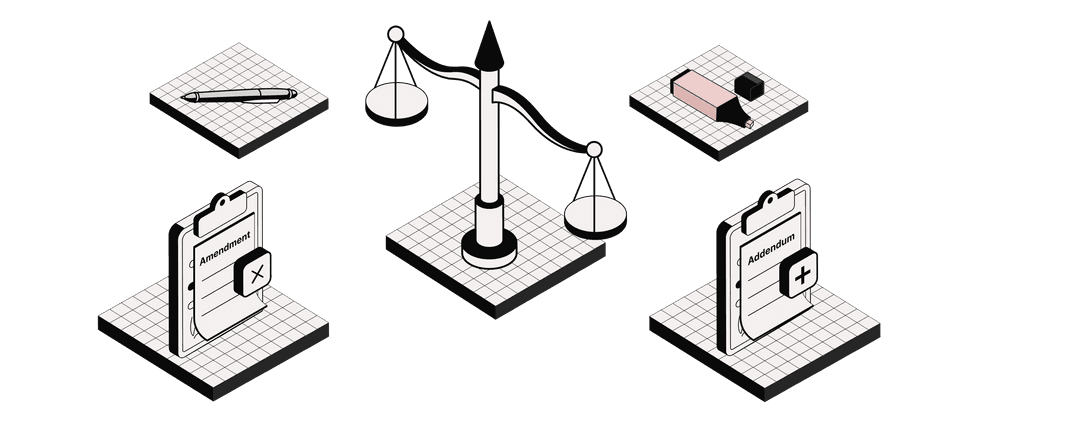
- Document changes in writing. When both sides agree to new terms, follow the contract's amendment procedure and record the change clearly. An integration clause may limit reliance on earlier discussions that were not included in the final agreement. Later oral changes can still create disputes and may or may not be effective depending on the contract and applicable law.
- Don't ignore "boilerplate" clauses. Boilerplate clauses — such as governing law, dispute resolution, and renewal terms — often carry more weight than they appear to. Read them very carefully.
Handled consistently, these contract risk management best practices compound. Every contract you read carefully makes the next one faster and less intimidating.
When Should You Ask a Lawyer to Review a Contract?
Plenty of everyday agreements are safe to manage on your own, especially smaller deals with terms you've seen before. However, it's worth bringing in a lawyer when a contract involves any of these:
- Serious money or a long-term commitment
- Complex liability or indemnification terms
- Intellectual property you're licensing or handing over
- Language you've read twice and still don't follow
- Anything tied to a regulated part of your business
Targeted legal advice may cost less than resolving a dispute over a poorly understood clause.
If a clause doesn't match what you discussed during negotiations, ask about it before signing. Clearing up unclear wording now is far easier than fighting over it later.
For many agreements, an electronic signature can be used without losing legal effect solely because it is electronic, provided the other requirements for the transaction are met under the federal E-SIGN Act and applicable state law, including UETA where adopted.
Read the whole agreement, flag what worries you, and settle the terms that matter while you still have room to negotiate, because once the paperwork is final, most of your leverage is already gone.
More guides
September 15
10 min read
Who Can Sign a Contract on Behalf of a Company?
September 15
What Is Contract Redlining?
September 1
7 min read
How to Provide Proof of Employment: Documents and Steps
September 9
Booth Rent vs. Commission: Earn More and Worry Less

October 7
How to Start a Staffing Agency: Licensing, Pricing, and Cash Flow
July 20
4 min read
Addendum vs. Amendment: Change Your Purchase Agreement Properly
One home for your
agreements
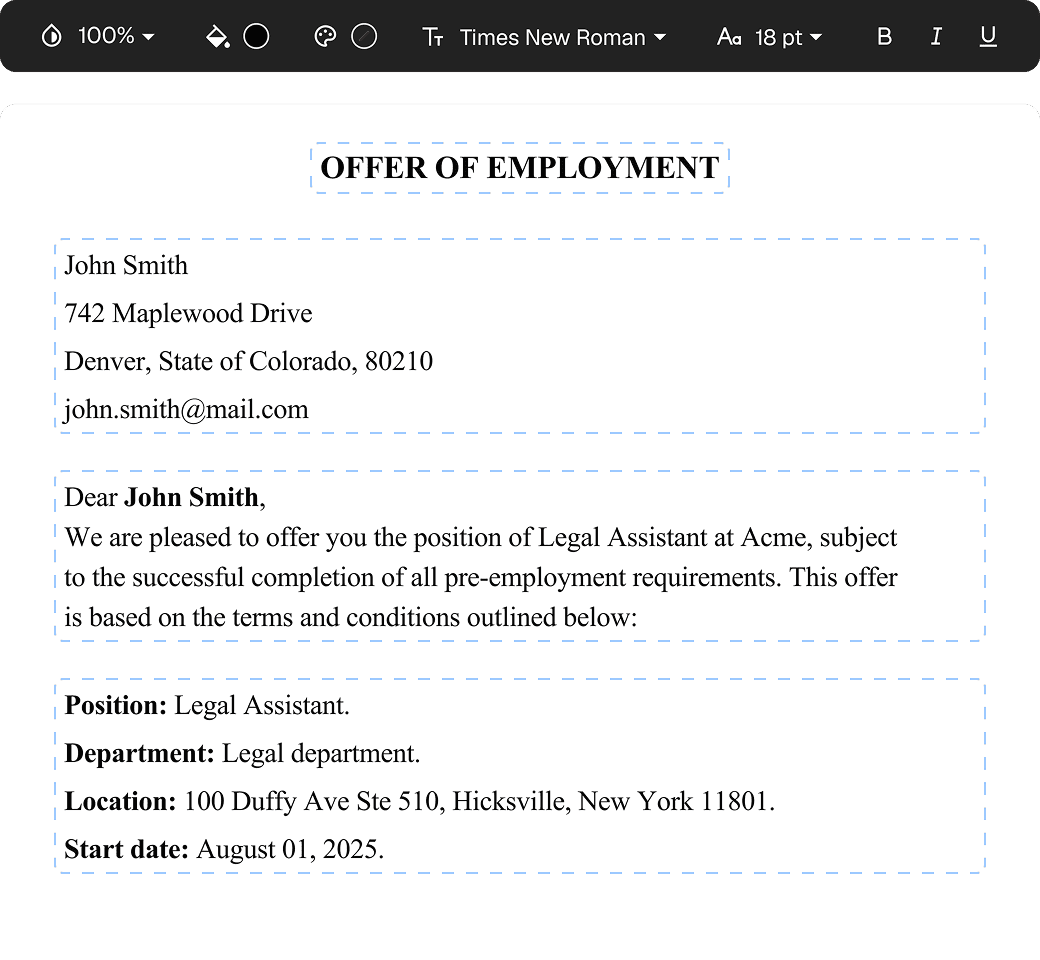
Edit PDFs seamlessly
Tweak agreements before signing or sending for signatures. Update details, add or remove clauses, adjust formatting, and redline changes instantly.
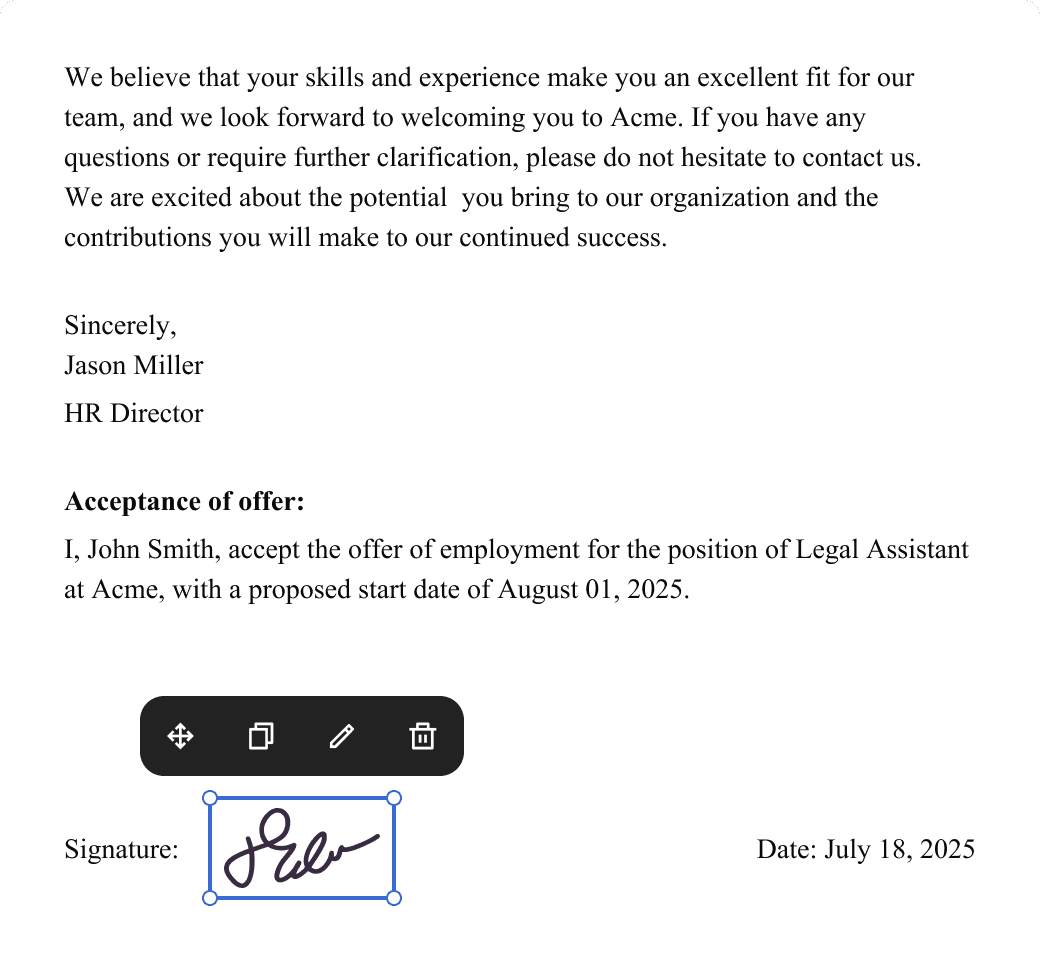
eSign legally and securely
Sign documents and collect legally binding signatures. Invite up to ten people to sign in any order, track the progress, and send reminders.
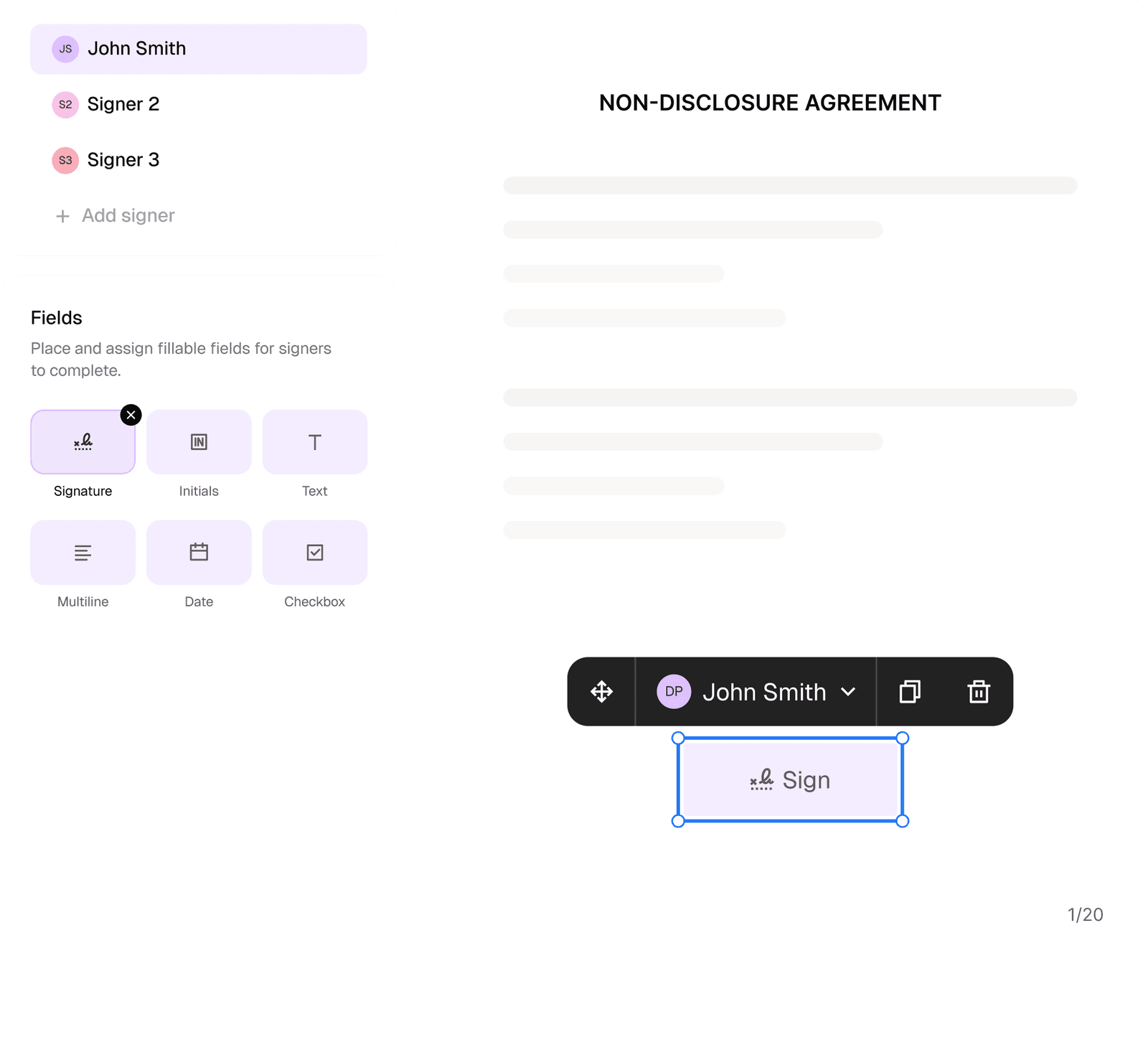
Request legally binding signatures
Invite up to ten people to sign your document in any order. Get a finalized, audit-ready copy without chasing signatures.
Skip the drafting.
Choose from 2,500+ templates
Browse templatesChoose a template
Fill in details
Sign and download