Updated September 9, 2026
Booth Rent vs. Commission: Earn More and Worry Less

Booth Rent vs. Commission: Earn More and Worry Less
Content
Being a beginner tattoo artist or a hairdresser is stressful as it is — that’s why when the topic of booth rent vs. commission comes up, you might be already at your limit. What’s the difference, and why do some people seem to praise booth rent while others work only on commission? After a quick search, both options sound appealing, but making the wrong choice could cost you hundreds of dollars and give you a major headache. It becomes a matter of flexibility and financial control, requiring you to consider your strengths and which option is more comfortable for you. Understanding your financial, operational, and legal boundaries in both cases will help you make an objective choice in your best interests. This article explains how both models benefit different goals and how to stay safe legally and financially.
Booth Rental vs. Commission: What Do They Entail?
Let’s begin by clearly outlining what booth rent and commission mean in practice.
What does the booth rental entail?
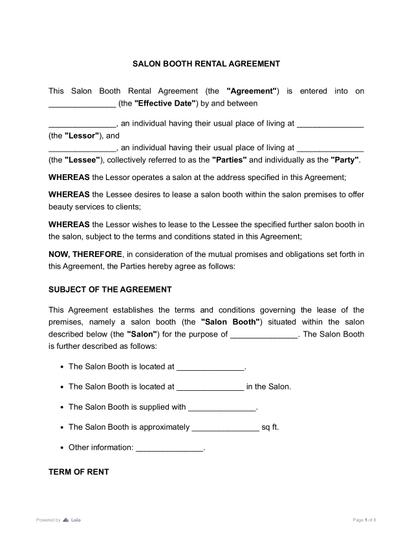
When you rent a booth, you essentially have a formal commercial landlord-tenant relationship. You sign a salon booth rental agreement, a legal contract between the renter and the owner that defines the terms of use for the booth. If needed, both parties can also eSign a document rather than meeting in person. Procedurally, you are completely independent, so you handle your own booking and scheduling, process your own payments, and market your services on your own. In this case, your daily responsibilities may require you to:
- Manage your schedule & set your pricing
- Address conflicts and customer relationships
- Buy and replace all retail and supplies
- Process payments directly.
Booth rental increases stylist income control. Because you are taking over all of the work that would have been done by a salon owner, you get to keep all of the income, but you’re shouldering 100% of the responsibility.
How does the booth commission work?
When you’re working on a commission basis at a salon, you’re an employee rather than a separate entity. The salon owner controls branding, advertisement, menu of services, pricing, and scheduling. In turn, they collect the money from the clients and pay you a specific, agreed-upon amount. If you work on commission, your obligations would include:
- Show up during scheduled hours
- Perform services at fixed rates
- Use salon-provided resources
- Hand over a portion of your revenue to the employer.
In a way, you are paying for services the salon owner provides that make your work easier.

How Taxes Affect Your Income
Taxes influence how much income you bring home and how much paperwork you need to do.
Your tax obligations: Commission salon vs. booth rental
When you work in a commission salon, the salon owner calculates your liabilities and automatically extracts federal income tax, state income tax, and payroll contributions from your earnings before they give you a paycheck. Tax rules for independent contractors are far more complicated; fortunately, as an employee, your job is easier. Your earnings are summarized annually on a standard IRS W-2 Form.
But when you rent a booth and manage your own taxes, the IRS recognizes you as a separate entity. You collect the money, then calculate and file your taxes yourself. You have to remember:
- Form 1040-ES. If a self-employed person expects to owe $1,000 or more in federal taxes, the IRS requires them to submit quarterly payments using this form.
- 1040 Schedule C. If you will be working as a sole proprietor (which is often the first choice for this type of work, especially when you’re just starting), the IRS will expect this form from you — it’s your profit and loss statement.
- Schedule SE. Independent contractors who rent booths are self-employed. Using this form, you will report your net earnings from self-employment. This means they will have to pay a 15.3% instead of 7.65%, as regular workers do.
- Form W-2
 5988 downloads
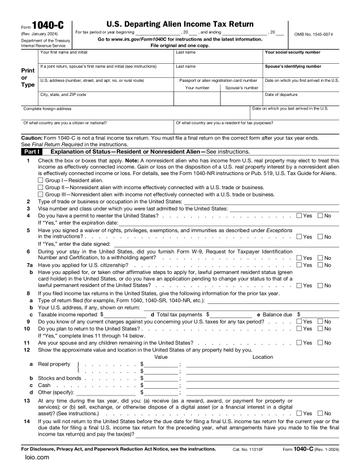
 - Form 1040-C
 4979 downloads
 - Schedule SE
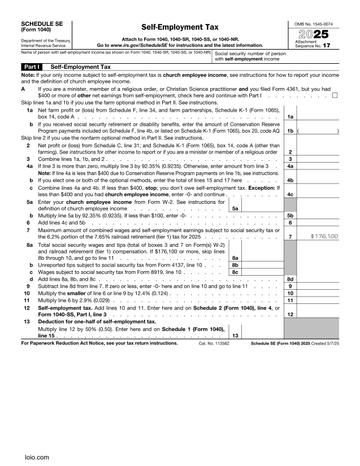 4917 downloads
Tracking deductions to protect your profit
Independent booth renters are only taxed on their net profit (what remains after business deductions are subtracted from total revenue). Under current IRS guidance on deducting business expenses, any ordinary and necessary cost of running your business can be deducted to lower your adjusted gross income. So, you need to track the money you spend on:
- Booth rent fees
- Professional supplies (e.g., shampoos for hairdressers, ink for tattoo artists)
- Tool depreciation (e.g., shears/tattoo gun)
- Administrative expenses
- Training/education.
Doing so regularly will allow you to save more money — these small amounts will accumulate over time.

Commission vs. Booth Rent: The Legal Difference
Choosing between these two models means that you will also have an entirely different legal standing.
Booth renters as independent contractors
The U.S. Department of Labor (DOL) guidelines and IRS Publication 15-A (Employer’s Supplemental Tax Guide) state that a worker is legally considered an independent contractor if they perform services for others and earn income independently, rather than being economically dependent on another individual (employer). Independent contractor status creates higher tax and business-expense responsibility because you assume all the legal risks of a standalone business entity.
The IRS uses three criteria to evaluate whether a person is an independent contractor:
- Behavioral control. The salon owner cannot direct how you perform your work.
- Financial control. You invest your money in your equipment, can realize a profit or incur a loss, provide services to the public, and get paid by the job, not by the hour.
- Type of relationship. Your association with the salon is structured around a commercial lease agreement rather than an employment relationship.
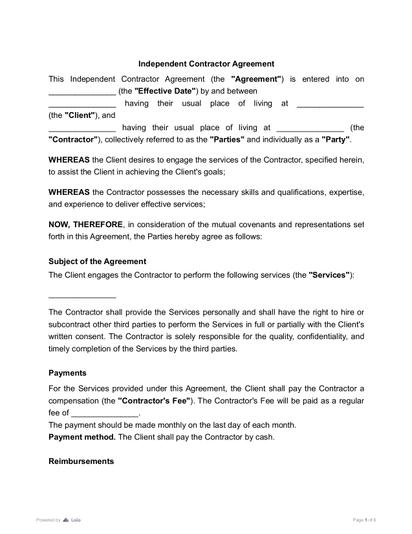
Importantly, just signing a paper that says you’re an independent contractor isn’t enough. If the salon owner creates conditions under which you are pushed into an employee role, the IRS can rule it a misclassification. Sometimes, you may also want to sign an independent contractor agreement with a business to define specific expectations regarding the payment, responsibilities, and project scope. Use a PDF editor to make the necessary changes before signing your name under the agreement. This can further ensure that your business arrangement stays compliant with your federal common-law rules.
Safety of being a salon employee
When you sign on with a traditional commission salon, you enter a structured employment relationship. Legally, a commission salon provides wage stability and benefits because the business owner holds the ultimate authority over how things are done. In turn, you have the protection of the federal labor laws.
Under the Fair Labor Standards Act (FLSA), commission employees have several protections that are obligatory to keep their work life stable:
- Minimum wage guaranteed. The FLSA requires employers to pay workers at least the minimum hourly wage. If there are additional state laws, a person working on commission gets the higher of the two amounts.
- Employer payroll taxes (FICA matching). Your employer pays the mandatory 50% match of your Social Security and Medicare taxes ($7.65%). This reduces your tax burden by half compared to a booth renter who pays this themselves.
- Safety protections. If you are injured on the job, you are covered by state workers’ compensation insurance. Plus, you have access to unemployment insurance.
- W-2 management. A salon owner is entirely responsible for handling your income taxes.
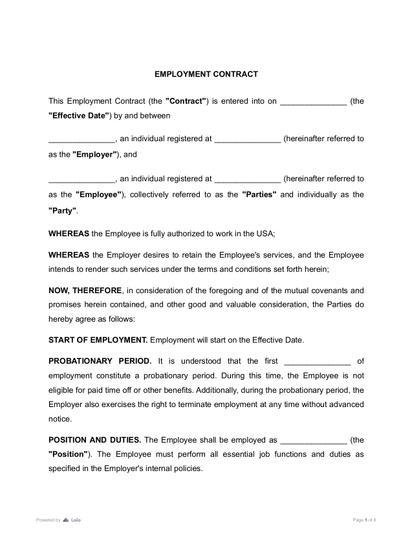
When you decide to establish a working relationship, a salon owner often drafts an employment contract to outline everything from your compensation structure to your responsibilities. If you’re worried about the employer introducing unfair clauses, use an AI contract review instrument to check for questionable conditions.
Salon Booth Rental vs. Commission: What Is More Lucrative?
In the end, most people choosing between these two work models make their decision based on how much money they expect to earn.
The U.S. Bureau of Labor Statistics reports a median annual wage of approximately $35,420 ($17.03 per hour) for hairdressers, hairstylists, and cosmetologists. An average hourly pay varies, with the highest 10% earning up to $37.71/hr. Of course, the specific prices depend on what type of job you perform — tattoo artists aren’t classified by the Bureau (only as Craft and Fine Artists), so these significantly vary. According to ZipRecruiter, the average annual earnings for a Salon Booth Renter are $43,797, with top earners in high-demand markets earning well past $68,500 in base service revenue alone. However, many personal recollections on social media reveal far higher prices, well into six figures. This depends entirely on your business success.
How booth rent impacts a stylist’s take-home profit
Booth rental gives you the freedom to earn money without giving any commission to the owner. You need to know how to sign and terminate a commercial lease, since your rent is a critical, stable expense you need to account for. Everything else depends on your own abilities.
Your take-home profit = Gross bookings - (fixed chair rent + product costs).
As you increase your speed, raise your service rates, or upsell high-ticket retail products, your profit margin expands drastically.
Independent booth renters get the financial advantages by:
- Focusing on specific services and increasing prices for them
- Keeping all the tips without giving them to the salon owner
- Selling retail products and keeping the markup costs
- Working flexible hours and on short notice if needed.

When commission rental becomes less lucrative
A commission model is beneficial until you become independent enough to earn more money without the third party. Initially, your expenses vary, but your income is secure. Because you pay a flat percentage on every payment, your income grows with your success. Commission pay becomes less lucrative than booth rental when your commission takes more from you than it gives. Once you have many loyal clients and higher prices, the salon doesn’t absorb the financial risks — it simply takes money from you while you’re essentially functioning as a separate entity.
Let’s compare your equal earnings in the two different models with a hypothetical scenario.

In this scenario, a significant commission rate, despite the absence of other expenses, makes working on commission no longer viable.

Booth Rental vs. Commission: Final Checklist
Whether you decide to be a traditional worker or rent space for your small business, the choice is nuanced.
Choose a commission salon if:
- You’re early in your career
- You need financial stability
- You want to automate your taxes
- You prefer built-in protection.
Go for a booth rental if:
- You have an established clientele
- You will lose on commission more than you’ll save
- You want operational autonomy
- You know how to handle your legal processes.
The right choice is simply the one that aligns with your current career momentum and your desire for autonomy.
More guides
September 1
7 min read
How to Provide Proof of Employment: Documents and Steps

September 15
7 min read
Contract Risk Management: How to Do It Properly

September 15
10 min read
Who Can Sign a Contract on Behalf of a Company?

September 15
What Is Contract Redlining?

August 20
7 min read
How To Start a Waxing Business: Legal & Practical Guide

October 7
How to Start a Staffing Agency: Licensing, Pricing, and Cash Flow

One home for your
agreements
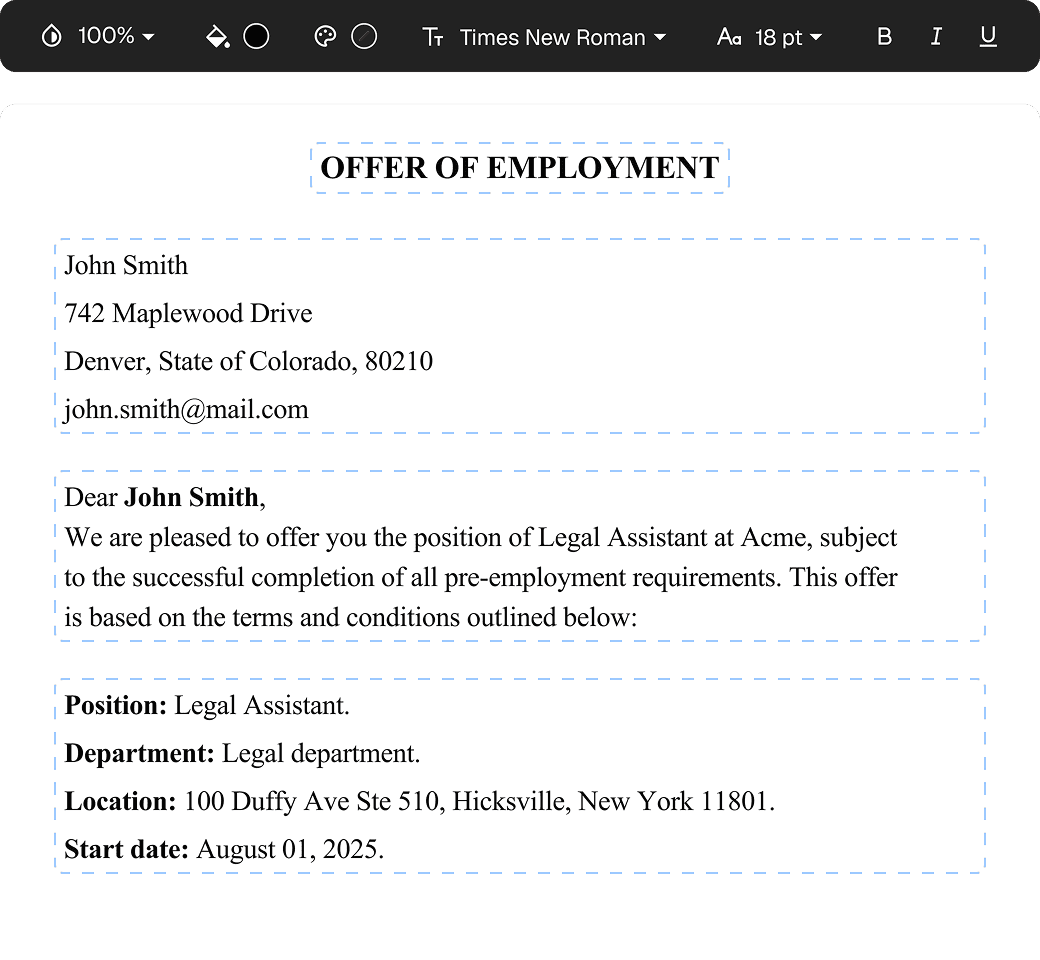
Edit PDFs seamlessly
Tweak agreements before signing or sending for signatures. Update details, add or remove clauses, adjust formatting, and redline changes instantly.
eSign legally and securely
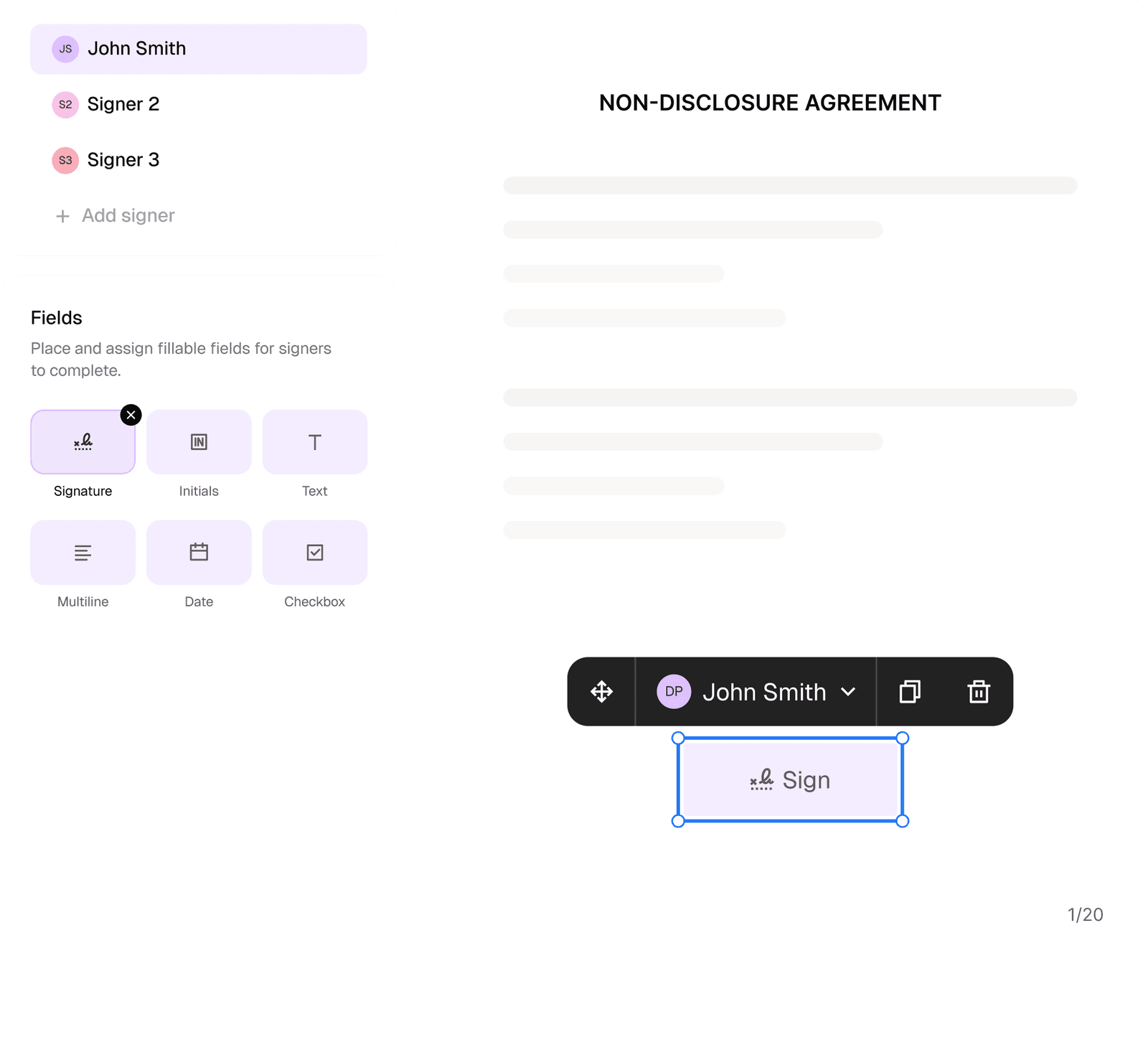
Sign documents and collect legally binding signatures. Invite up to ten people to sign in any order, track the progress, and send reminders.
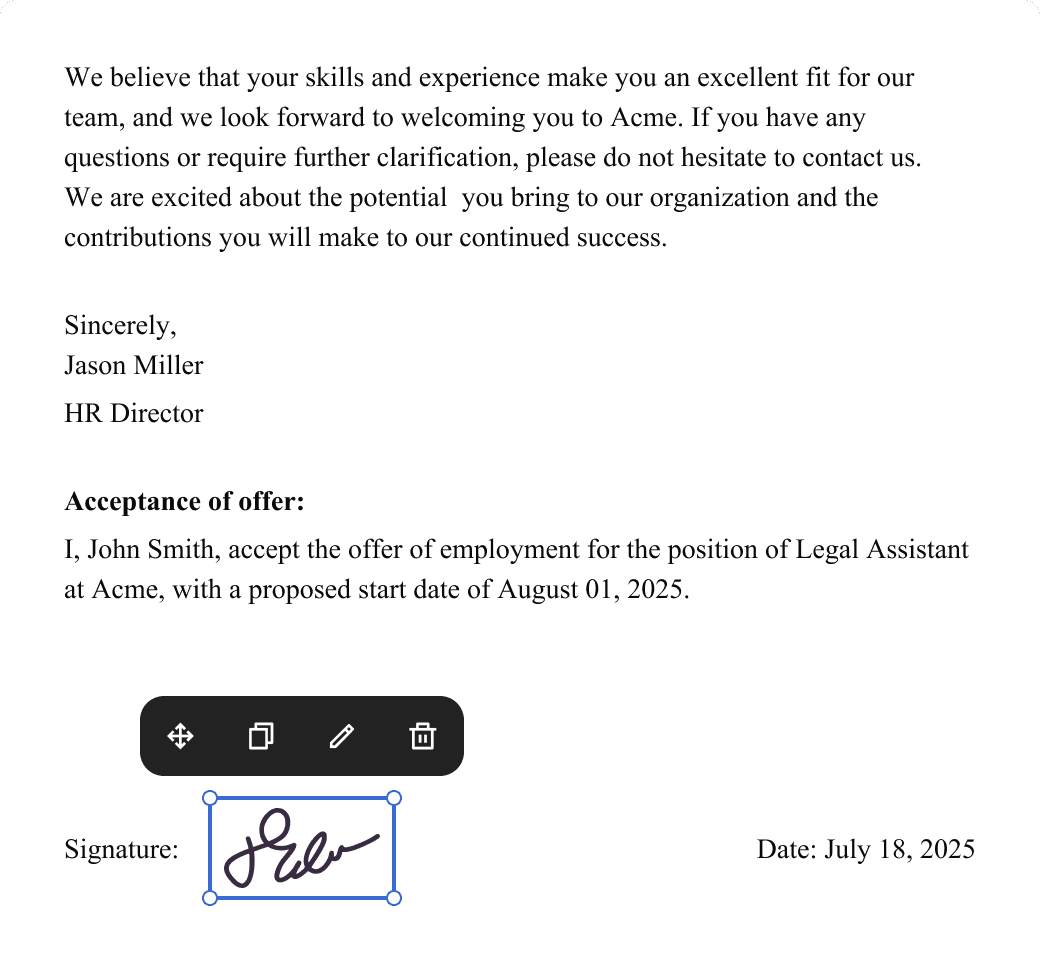
Request legally binding signatures
Invite up to ten people to sign your document in any order. Get a finalized, audit-ready copy without chasing signatures.
Skip the drafting.
Choose from 2,500+ templates
Browse templatesChoose a template
Fill in details
Sign and download