Updated July 30, 2026
7 min read
How To Negotiate a Contract: 6 Steps To Better Terms

How To Negotiate a Contract: 6 Steps To Better Terms
- What Is Contract Negotiation?
- What Is the Best Way To Negotiate a Contract?
- How To Negotiate a Contract Step by Step
- Contract Negotiation Clauses To Review Before Signing
- Contract Negotiation Strategies That Reduce Legal and Financial Risk
- How To Negotiate Business Contracts by Situation
- What Are the 5 C’s of Negotiation?
- What Is the 70/30 Rule in Negotiation?
- When To Use a Letter of Intent Before Contract Negotiation
- Common Contract Negotiation Mistakes To Avoid
- Final Contract Negotiation Checklist Before Signing
Content
Contract negotiation can feel uncomfortable when you are not used to it. You may know what you want from the deal, but not how to ask for better payment terms, clearer deliverables, safer liability language, or fairer ownership rights.
At its core, contract negotiation means reviewing a draft before signing and asking for changes that make the deal clearer, safer, and more workable for both sides. It helps the parties agree on price, scope, payment, deadlines, intellectual property, confidentiality, legal liability, and dispute resolution before those terms become binding.
If you need to negotiate business contracts, the goal is not to “win” every point. The goal is to reach negotiated contracts that are clear, balanced, enforceable, and practical for both sides. A strong contract negotiations process can reduce legal and financial risk before the relationship begins.
This guide explains what is contract negotiation, how to negotiate contracts, which clauses deserve extra attention, and which contract negotiation strategies help protect your business without damaging the deal.
What Is Contract Negotiation?
Contract negotiation is the process of discussing and revising contract terms before both sides sign. In simple terms, it is your chance to fix unclear, risky, or one-sided language before it becomes part of the final agreement.
A contract negotiation may cover business terms, such as price, payment schedule, deadlines, deliverables, and service levels. It may also cover legal terms, such as liability, intellectual property, confidentiality, termination, governing law, jurisdiction, and arbitration.
A negotiated contract is usually safer than a document signed without review. It helps both sides clarify expectations, reduce future disputes, and understand what they are agreeing to. To better understand when final terms become enforceable, Loio’s guide on what makes a contract legally binding explains the main elements of a valid agreement.
What Is the Best Way To Negotiate a Contract?
The best way to negotiate a contract is to prepare before you respond. Read the full draft, identify your must-have terms, decide where you can compromise, and explain requested changes with clear business reasons.
Do not start with every small wording issue. Begin with the terms that affect money, control, ownership, legal liability, and your ability to leave the contract if the relationship does not work.
A good rule is simple: negotiate the terms that would hurt most if something goes wrong.
For example, a service provider may care most about payment timing, scope creep, late approvals, intellectual property ownership, and limits on liability. A client may care most about deliverables, quality standards, confidentiality, warranties, deadlines, and termination rights.
The U.S. federal government committed about $755 billion through contracts in fiscal year 2024, according to the U.S. Government Accountability Office (GAO). SAM.gov also explains that federal contract data covers reportable contract actions with an estimated value of $10,000 or more. These figures show how important clear contract terms are in real business and procurement settings.
How To Negotiate a Contract Step by Step
A strong contract negotiations process should be structured. This helps you avoid emotional decisions, missed clauses, and last-minute pressure.
Step 1: Set your goals, limits, and walk-away point
Before you negotiate contracts, define what you want from the deal. Write down the outcome you need, the terms you prefer, and the terms you cannot accept.
Separate your points into three groups:
- Must-have terms;
- Flexible terms;
- Walk-away terms.
For example, a contractor may accept a lower upfront deposit if the client agrees to faster milestone payments. But the contractor may refuse unlimited liability or a clause that transfers all intellectual property before full payment.
This is where BATNA and ZOPA can help.
BATNA means “best alternative to a negotiated agreement.” It is what you will do if this contract is not signed. ZOPA means “zone of possible agreement.” It is the range where both sides can still reach a workable deal.
Step 2: Review the first draft before responding
Read the full contract before making comments. Many people focus only on price, salary, or payment terms, but risk often appears elsewhere.
Check the scope, deadlines, approval process, confidentiality, intellectual property, legal liability, indemnity, termination, governing law, jurisdiction, and arbitration clauses. If the contract refers to exhibits, policies, schedules, or online terms, review those too.
If the document is long, Loio’s AI contract review tool can help summarize key terms before you prepare comments. It should not replace legal advice, but it can make the first review faster and easier.
Step 3: Prioritize the clauses that create the most risk
Not every clause deserves the same attention. Contract negotiation best practices focus on terms that can create financial loss, operational problems, or legal exposure.
High-risk clauses usually include:
- Scope, deliverables, and acceptance criteria;
- Payment terms, deposits, and late fees;
- Warranties, liability caps, and indemnification;
- Intellectual property and confidentiality;
- Termination, dispute resolution, governing law, and jurisdiction.
If you are negotiating project work, start with the scope. A vague scope can lead to extra work, missed deadlines, and payment disputes.
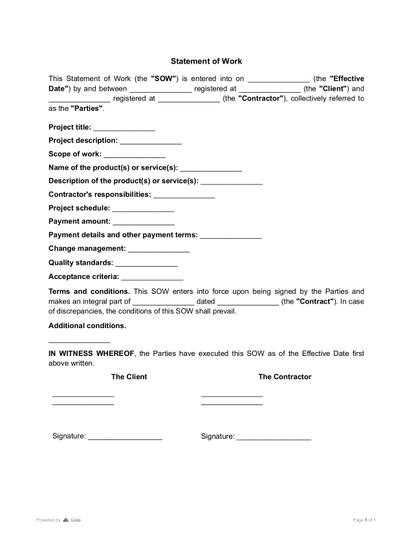
Before discussing deliverables, payment, or deadlines, it helps to start from a clear written scope that both sides can review and revise. A statement of work template helps define project details, responsibilities, milestones, deadlines, and payment terms before the final agreement is signed.
Step 4: Send clear redlines and explain your changes
Redlining means marking proposed changes in the contract draft. Strong redlines are specific, easy to understand, and tied to real business reasons.
Instead of saying, “This clause is unfair,” explain the concern. For example: “We can accept responsibility for direct damages caused by our work, but we cannot accept unlimited liability for indirect losses outside our control.”
Use comments to explain why a change matters. This keeps the discussion professional and helps the other side understand your position.
If the contract is in PDF format, Loio’s online PDF editor can help you edit, mark up, and collaborate on agreement drafts without sending several confusing file versions by email.
Step 5: Trade concessions instead of giving them away
Good negotiation strategies reduce legal and financial risk without making the other side feel attacked. One useful method is “give-to-get.”
Do not give up an important protection for free. If you accept a concession, ask for something in return.
For example:
- You may accept a longer contract term in exchange for better termination rights.
- You may accept a lower price in exchange for a narrower scope.
- You may accept faster delivery in exchange for faster client approvals.
- You may accept broader usage rights in exchange for higher compensation.
This keeps the negotiation balanced. It also helps both sides see the contract as a practical exchange, not a list of demands.
Step 6: Confirm final terms before signing
Before signing, check that all redlines have been accepted, rejected, or resolved. Make sure there are no side promises left only in email, chat, or calls.
The final version should match the deal both sides approved. Check the names of the parties, dates, exhibits, payment numbers, deadlines, notice addresses, signature blocks, and attachments.
If the contract is ready, Loio’s electronic signature tool lets parties sign documents online and keep the execution process organized.
Contract Negotiation Clauses To Review Before Signing
Contract law negotiation is not only about price. Some of the most important terms are legal clauses that control what happens if the project fails, a party breaches the agreement, or the relationship ends early.
Use this table as a practical review guide.

Legal liability, indemnity, and warranties
Legal liability clauses decide who pays if something goes wrong. These clauses may cover damages, lawsuits, third-party claims, warranty breaches, data misuse, missed deadlines, or defective work.
A liability cap limits financial exposure. For example, a contract may cap liability at the amount paid under the agreement during the past 6 or 12 months. This can protect a business from open-ended claims.
Indemnification is different. It usually means one party must defend or reimburse the other for certain claims. A broad indemnity clause can create major risk, so it should be tied to clear events, such as breach, negligence, misconduct, IP infringement, or violation of law.
Intellectual property and confidentiality
Intellectual property terms decide who owns work created under the contract. This is critical in service agreements, design projects, software development, marketing work, consulting, licensing, and independent contractor relationships.
Do not assume ownership transfers automatically just because one party paid for the work. The U.S. Copyright Office explains that copyright ownership can be transferred by written agreement, so the contract should clearly state whether rights are assigned, licensed, limited, or reserved.
If the deal involves customer lists, pricing, business plans, code, trade secrets, or strategy, confidentiality should also be clear. Loio’s guide on how to protect intellectual property rights explains why ownership and data protection should be addressed before sensitive information is shared.
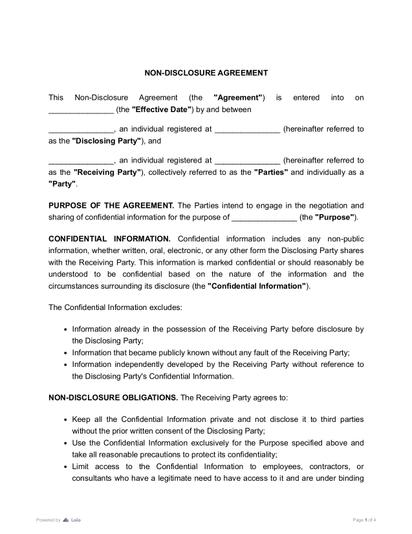
When confidential information may be exchanged before the main contract is signed, a non-disclosure agreement template can help the parties define what must stay private and how long the duty lasts.
Arbitration, mediation, and litigation
Arbitration clauses decide whether disputes must be handled outside court. Mediation usually means the parties try to resolve the dispute with a neutral mediator. Litigation means the dispute goes to court.
An arbitration agreement may be faster or more private, but it can also limit court rights and appeal options. The dispute clause should match the size and risk of the deal.
In the United States, arbitration clauses can carry real legal weight. Under the Federal Arbitration Act, a written arbitration provision in a contract involving commerce is generally enforceable unless a legal ground exists to revoke the agreement.
For lower-value contracts, mandatory arbitration in a distant state may be too expensive. For larger commercial contracts, private arbitration may be useful if the parties want confidentiality and a specialized decision-maker. Loio’s guide on avoiding lawsuits can help readers understand the options before making a decision.
Contract Negotiation Strategies That Reduce Legal and Financial Risk
Strong contract negotiation strategies are practical. They help you protect your position without turning every discussion into a conflict.
Ask questions before rejecting a clause
A harsh rejection can slow the deal. A question can uncover the reason behind a clause.
For example, instead of saying, “We will not accept this payment term,” ask: “Is the 60-day payment period required by your accounting process, or can milestone payments be approved sooner?”
This approach keeps the negotiation open. It also helps you find a trade-off that works for both sides.
Use data to support your position
Data makes contract negotiation less personal. If you are negotiating a rate, use market rates, project complexity, timeline, required expertise, or cost estimates.
If you are negotiating a deadline, explain the steps required to complete the work. If you are negotiating a liability cap, explain why the contract value should match the risk level.
This is especially useful when you negotiate business contracts with vendors, agencies, contractors, or procurement teams.
Do not negotiate every small point
Some clauses are worth serious discussion. Others are not.
Focus on the clauses that affect payment, ownership, legal liability, confidentiality, termination, and dispute rights. If you challenge every sentence, the other side may become defensive or question whether the deal is worth the effort.
A practical contract negotiation strategy is to group comments by importance. Start with business-critical points, then address minor wording changes.
Put every promise in writing
If a promise matters, it belongs in the contract.
o not rely on oral promises like “We never enforce that clause” or “The deadline is flexible.” If the written contract says something different, the written terms may be controlled later.
This is one of the simplest contract negotiation best practices: the final signed document should reflect the real deal.
Know when legal review is needed
Some contracts deserve professional legal review. This is especially true if the agreement involves high value, long-term obligations, personal guarantees, unusual governing law, broad indemnity, IP transfer, non-compete terms, complex data duties, or arbitration.
Legal review is not only for disputes. It can prevent disputes by identifying unclear or risky clauses before signing.
How To Negotiate Business Contracts by Situation
Different contracts require different negotiation priorities. The same strategy will not work for every deal.
How to negotiate a vendor contract
When you negotiate a vendor contract, focus on price, service levels, delivery, warranties, renewal terms, termination, and liability.
Vendor contracts often include automatic renewal clauses. Check how much notice is required to cancel. Also, review whether the vendor can increase prices, change service levels, or limit remedies if the service fails.
In sales-of-goods contracts, warranty limits, deposits, and damages may be affected by UCC rules, so buyers and sellers should avoid vague language around acceptance, remedies, and penalties.
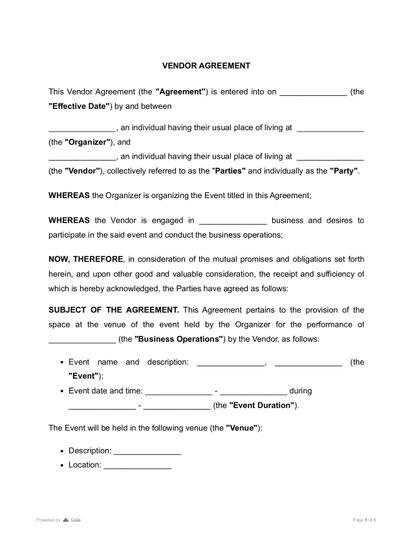
If the vendor will attend an event, provide services, or sell goods in a defined setting, a vendor agreement template can help clarify fees, setup rules, responsibilities, and written expectations before the relationship begins.
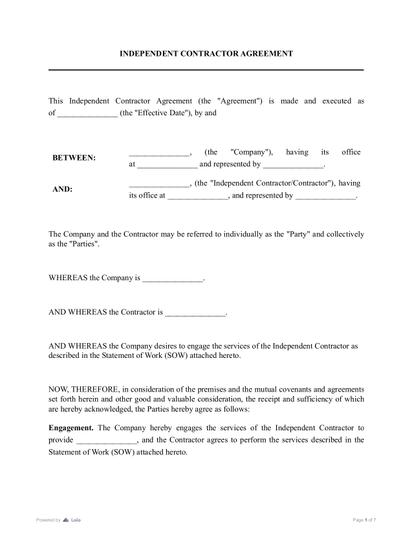
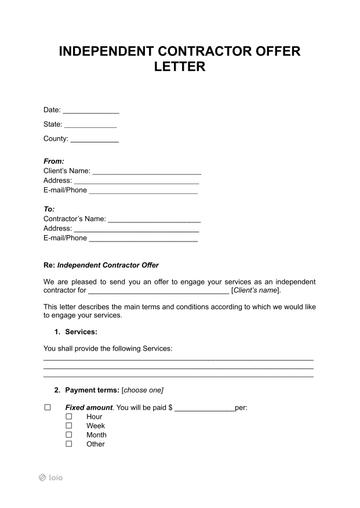
How to negotiate an independent contractor agreement
Independent contractor agreements often involve scope, deadlines, payment, confidentiality, IP ownership, and contractor status.
The contractor should check when payment is due, what counts as completed work, who owns the final deliverables, and whether revisions are limited. The client should check quality standards, deadlines, confidentiality, and rights to use the completed work.
For project-based services, a professional services agreement template can help define the tasks, compensation, confidentiality duties, and contractor relationship in writing.
How to negotiate a contract rate or price
To negotiate a contract rate, explain value rather than only cost. Show how the price reflects experience, project difficulty, timeline, risk, tools, materials, and expected outcome.
If the other side asks for a discount, reduce the scope instead of lowering the rate without limits. For example, you can offer fewer deliverables, a longer timeline, fewer revisions, or a smaller support package.
A useful sentence is: “I can work within that budget if we adjust the scope to match it.”
How to negotiate a contract renewal or extension
A renewal is not just a copy of the old contract. It is a chance to fix terms that did not work.
Review pricing, service levels, deadlines, notice periods, termination rights, renewal length, and any new business needs. If the project expanded, the contract should reflect the new scope.
Do not let an automatic renewal happen before reviewing the terms. A missed deadline can lock a party into another term that no longer fits.
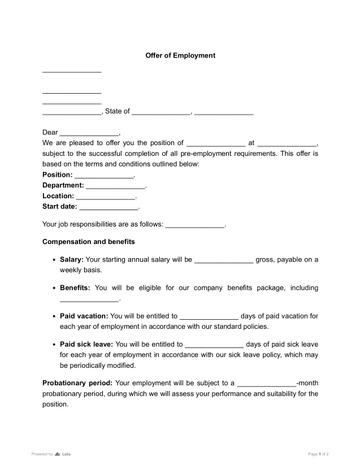
How to negotiate a contract job offer
A contract job offer may include pay, bonuses, benefits, start date, termination rights, confidentiality, non-solicit terms, non-compete language, ownership of work, and dispute resolution.
Ask whether the role is employment, independent contractor work, or contract-to-hire. The legal and tax consequences may differ.
If the offer includes ownership of inventions, creative work, code, or business ideas, read the IP clause carefully. It should not take more rights than the company reasonably needs for the role.
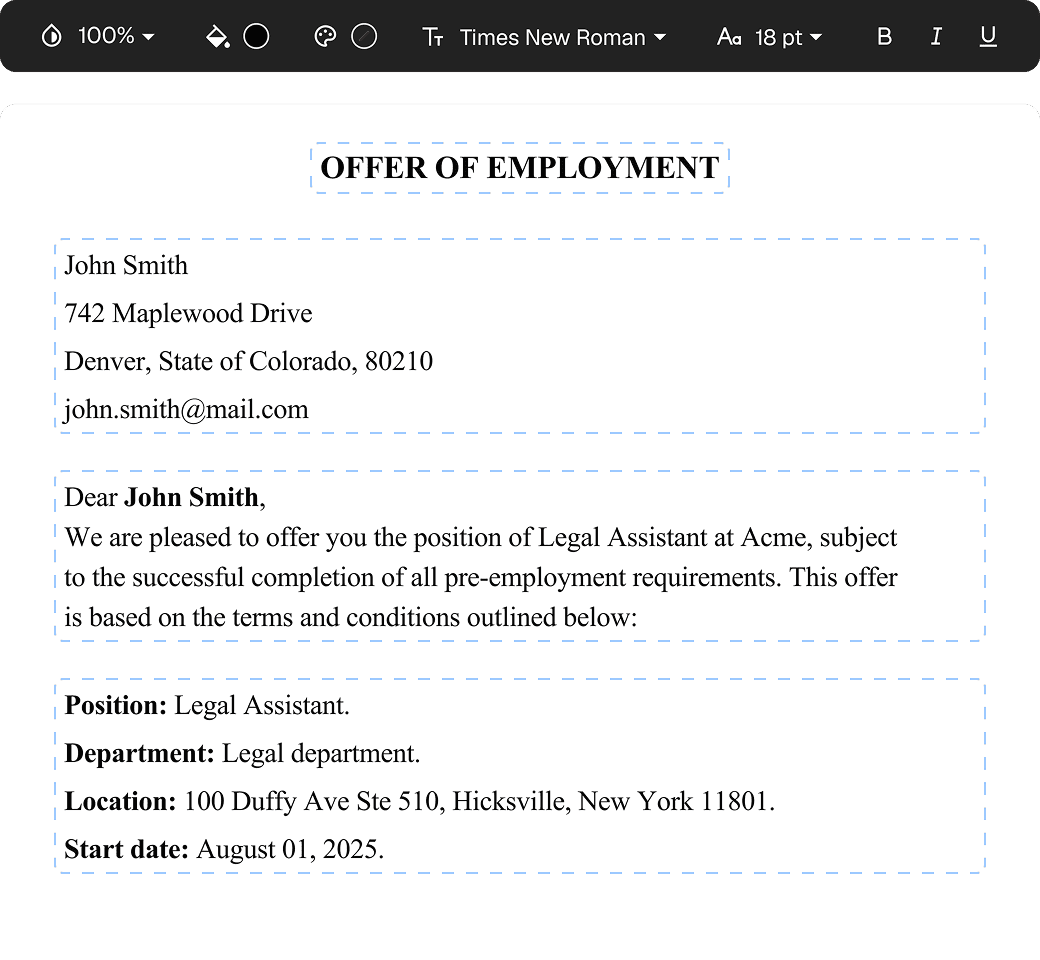
- Offer of Employment
 4354 downloads
 - Independent Contractor Offer Letter
 8092 downloads
What Are the 5 C’s of Negotiation?
The 5 C’s of negotiation are often described as clarity, communication, compromise, confidence, and control. In contract negotiation, these ideas become practical tools.
These principles are useful, but they should not replace legal review. A friendly negotiation can still produce a risky contract if the written terms are vague or one-sided.

What Is the 70/30 Rule in Negotiation?
The 70/30 rule usually means listening 70% of the time and speaking 30% of the time. In contract negotiation, this can help you understand what the other side really needs.
For example, a client may reject a higher deposit because of internal payment rules, not because they distrust the contractor. A vendor may resist a short termination period because they must reserve staff or inventory.
When you understand the reason behind a position, you can propose better alternatives. Listening can reveal whether the problem is price, timing, approval process, risk, or wording.
When To Use a Letter of Intent Before Contract Negotiation
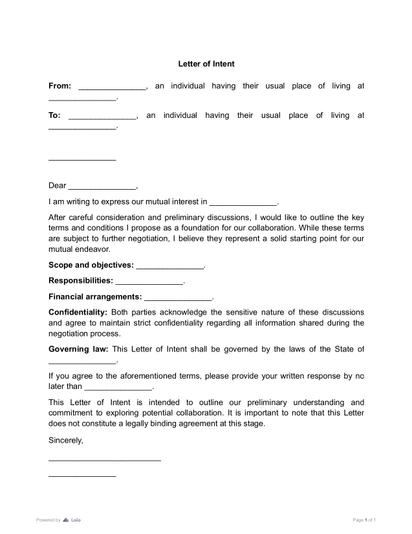
A letter of intent can help when both sides are serious about a deal but not ready to sign the final contract. It can outline key terms before full drafting begins.
A letter of intent may include price, timeline, exclusivity, confidentiality, due diligence, payment structure, and the expected next steps. It should also state which parts are binding and which parts are not.
This is common in business purchases, real estate deals, partnerships, and larger service arrangements. The letter of intent does not replace the final contract, but it can make the contract negotiations process more organized.
If both sides are still discussing the main deal terms, a letter of intent template can help document the starting point before a full contract is drafted.
Common Contract Negotiation Mistakes To Avoid
Contract negotiation can fail even when both sides want the deal. Most mistakes happen because a party rushes, focuses only on price, or assumes the contract says more than it does.
Negotiating only the price
Price matters, but it is not the whole deal. A high price with unlimited liability, unclear scope, or harsh termination terms may still be risky.
Review the full agreement before deciding whether the deal is good.
Accepting vague deliverables
A vague scope creates future conflict. The contract should explain what will be delivered, when it is due, how it will be reviewed, and what is excluded.
If the scope changes, the contract should explain how change orders or additional fees work.
Ignoring intellectual property ownership
IP clauses can decide who owns the final work, source files, designs, code, trademarks, content, or business materials.
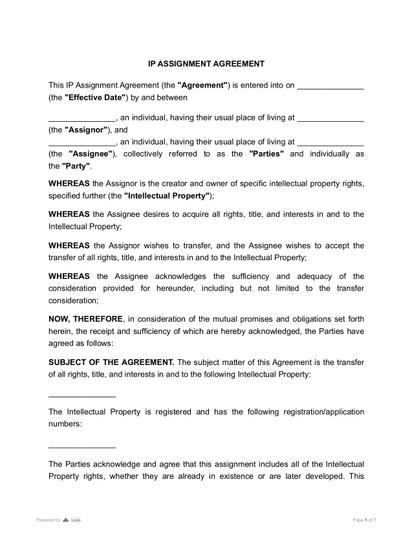
If the contract is silent or unclear, disputes may arise later. Define whether IP is assigned, licensed, limited, or transferred only after full payment. In some cases, an IP assignment agreement template will be useful.
Agreeing to unlimited liability
Unlimited liability can expose a business to losses far beyond the value of the contract.
Negotiate a reasonable liability cap. Also, check whether the cap applies to indemnity, confidentiality, data breach, IP infringement, or other special claims.
Missing termination rights
A contract should explain how either party can end the relationship. It should also cover notice, cure periods, final payment, refunds, work in progress, and return of confidential materials.
Without clear termination terms, leaving a bad contract can become expensive.
Overlooking governing law and jurisdiction
Governing law decides which state’s law applies. Jurisdiction decides where disputes may be filed.
These clauses can affect cost and strategy. A small business may not want to accept a distant court or unfamiliar law without understanding the impact.
Relying on oral promises
A promise made during negotiation should appear in the final agreement.
If the other side says a deadline is flexible, add that flexibility to the contract. If they promise extra payment for extra work, include a change order clause.
Signing the wrong version
Version control matters. Make sure the final signed document is the version both sides approved.
Check the file name, dates, exhibits, redlines, attachments, and signature pages before signing.
Final Contract Negotiation Checklist Before Signing
Before signing, review the contract one last time. This checklist can help you catch common issues.
- Are the parties’ legal names correct?
- Is the scope of work clear?
- Are deliverables, deadlines, and milestones specific?
- Are payment terms complete?
- Are deposits, expenses, taxes, and late fees addressed?
- Are warranties limited to things each party can control?
- Is legal liability capped where possible?
- Are indemnification duties balanced?
- Are intellectual property rights clear?
- Are confidentiality duties practical?
- Are termination rights fair?
- Are governing law and jurisdiction acceptable?
- Is the arbitration or dispute resolution clause clear?
- Are all exhibits and attachments included?
- Have all redlines been accepted or rejected?
- Is the signer authorized to sign?
- Is the final signed copy saved?
After signing, the work is not over. Each side must follow the agreement, track deadlines, document approvals, and keep records. Loio’s guide on how to ensure contract compliance explains how businesses can manage obligations after a contract is signed.
If you need a general agreement for client work, a service agreement template can help define the services, payment, responsibilities, and termination terms before work begins.
More guides
September 1
7 min read
How to Provide Proof of Employment: Documents and Steps

September 10
14 min read
How to Protect Your Small Business from Lawsuits
September 15
10 min read
Who Can Sign a Contract on Behalf of a Company?
September 15
What Is Contract Redlining?
September 15
9 min read
Advantages and Disadvantages of a Business Partnership

October 15
How to Start a Staffing Agency: Licensing, Pricing, and Cash Flow

One home for your
agreements
Edit PDFs seamlessly
Tweak agreements before signing or sending for signatures. Update details, add or remove clauses, adjust formatting, and redline changes instantly.
eSign legally and securely
Sign documents and collect legally binding signatures. Invite up to ten people to sign in any order, track the progress, and send reminders.
Request legally binding signatures
Invite up to ten people to sign your document in any order. Get a finalized, audit-ready copy without chasing signatures.
Skip the drafting.
Choose from 2,500+ templates
Browse templatesChoose a template
Fill in details
Sign and download