Updated September 15, 2026
9 min read
Advantages and Disadvantages of a Business Partnership
Advantages and Disadvantages of a Business Partnership
Content
Starting a business with someone else can make growth easier, but it also affects how decisions are made, how profits are divided, and who is responsible when something goes wrong. Before you agree to become co-owners, you need to understand both the opportunities and the legal obligations that come with sharing a business.
Here, we look into the advantages and disadvantages of partnership, the main partnership structures recognized in the US, and explain when a partnership makes sense or where another business structure may better protect your interests.
What Is a Business Partnership?
A business partnership is a legal arrangement where two or more people own and operate a business together. Each partner contributes something of value to the business and shares in its success according to the terms they agree on. Those contributions don't have to be equal, and they aren't always financial.
Partners commonly contribute:
Startup capital or business assets;
Professional skills or industry expertise;
Existing clients or business relationships;
Time spent managing daily operations.
In return, partners usually share profits, losses, and certain legal responsibilities.
One reason partnerships remain popular is that a business partnership provides shared expertise and additional resources that would be difficult or expensive for one owner to build alone.
Business partnerships are governed by state law. While many rules are similar across the U.S., liability protections, filing requirements, and available partnership structures can vary from one state to another.
General partnerships can be relatively easy to establish. In many states, two people can unintentionally create one simply by operating a business together for profit. They may never file formation paperwork or even describe themselves as partners, yet state law can still recognize the relationship.
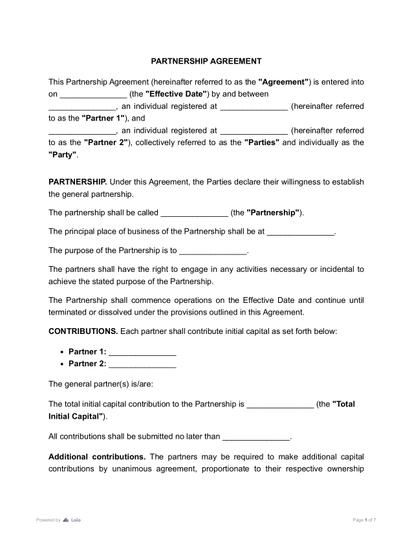
That's why putting expectations in writing is crucial from the beginning. A partnership agreement defines ownership percentages, responsibilities, decision-making authority, profit distribution, and what happens if someone wants to leave the business later.
Types of Partnerships
Partnership structure affects who can manage the business, how much personal liability each owner accepts, and whether outside investors can participate. Here's a quick comparison of the key partnership types and a joint venture – a form of business collaboration that can be built using one of these structures.

General partnership (GP)
A general partnership is the simplest partnership structure and the one people accidentally create most often. If two or more people begin running a business together with the intention of making a profit, many states may treat them as general partners even if they never register a partnership. That surprises many new business owners, especially friends or freelancers who simply decide to "split everything fifty-fifty."
In a general partnership, each partner generally has authority to act for the business. If your partner signs a contract with a supplier, borrows money, or enters another business agreement within the scope of the partnership, the business (and potentially every general partner) may be legally bound by that decision.
Business debts, lawsuits, and unpaid obligations can become the personal responsibility of the partners if business assets aren't enough to cover them.
A general partnership can still work well for low-risk businesses run by people who trust one another, but it's also the structure where misunderstandings about legal responsibility cause the most problems.
Limited partnership (LP)
A limited partnership divides owners into two different roles. General partners manage the business and accept personal responsibility for its obligations. Limited partners usually contribute capital while staying out of daily management. Limited partners generally aren't personally liable for partnership obligations, even if they participate in management, but they can still be liable for personal guarantees, their own misconduct, or wrongful distributions, and some state law still varies on this point.
This structure is common when a business needs investors but doesn't want every investor involved in operational decisions. Creating an LP requires filing with the state, and the exact requirements vary depending on where the business is formed.
Limited liability partnership (LLP)
A limited liability partnership allows partners to continue managing the business together while reducing certain personal liability risks. Unlike a general partnership, an LLP can protect partners from being personally responsible for another partner's professional negligence or some business debts.
That distinction is one reason LLPs are popular among licensed professionals. Law firms, accounting firms, architects, and medical practices often want collaborative ownership without exposing every partner to liability for someone else's professional mistake.
An LLP doesn't eliminate personal responsibility altogether. Partners generally remain liable for their own negligence, personal guarantees they sign, and obligations that state law doesn't shield.
Advantages of a Partnership Business
People often focus on the risks of sharing a business with someone else. Those risks are real, but they're also the tradeoff for benefits that can be difficult to achieve alone. Knowing the partnership business advantages and disadvantages helps you decide whether partnering is the right move before you commit.
Sharing startup costs and ongoing expenses
Along with equipment or inventory, you'll likely pay for software, insurance, licenses, marketing, accounting, and other recurring costs.
Splitting those expenses makes starting and growing a business more affordable. For example, two photographers opening a studio might divide the cost of leasing space, buying lighting equipment, and paying for editing software. Together, they may be able to invest sooner instead of delaying important purchases. A partnership can also make it easier to:
Invest in better equipment earlier;
Build a cash reserve for unexpected expenses;
Reduce the amount each owner needs to borrow.
That doesn't mean every expense should automatically be shared. Your partnership agreement should explain who contributes what and how future investments will be handled.
Getting skills you'd otherwise have to buy
Most entrepreneurs have strengths, but very few can handle every part of running a business well. Instead of paying outside specialists from the beginning, a partner may already bring the expertise your business needs. You may contribute technical or creative expertise while your partner brings in sales and client acquisition or manages business operations.
Those complementary skills often save money, but they can also speed up decision-making because fewer tasks have to be outsourced.
The best partnerships aren't built on different skills alone. Partners should also agree on business goals, communication styles, and how they'll handle disagreements.
Sharing workload and responsibilities
As your business grows, so does the number of decisions that need attention. Someone still has to review contracts, answer customer questions, pay vendors, track finances, and solve problems that appear without warning.
Partnerships let owners divide responsibilities. A simple arrangement might look like this:
- 1
One partner manages operations and staff.
- 2
The other focuses on sales and client relationships.
- 3
Both approve major financial decisions.
Such division can give each owner room to specialize but still keep important decisions collaborative.
Easier access to funding
Banks and investors usually want to see whether the business has enough financial backing and whether the people running it can support long-term growth. Having multiple owners may strengthen a funding application because partners can combine capital, demonstrate different areas of expertise, or share financial responsibility.
While approval is never guaranteed, partnerships can provide larger initial investments, better access to business loans, and more credibility with potential investors. However, it works backward as well: a financially weak or high-risk partner can easily hurt a funding application.
Pass-through taxation
One of the major advantages of a partnership business is how partnerships are generally taxed. Most partnerships don't pay federal income tax themselves. Instead, the business files an informational return with the Internal Revenue Service, and profits or losses pass through to the partners. Partners report their distributive share on the appropriate tax return. For instance, if a partner is an individual, they report their share on an individual tax return using information provided on Schedule K-1.
For many small businesses, pass-through taxation can help avoid the double taxation associated with some corporations. However, partners may still owe taxes on income that remains in the business, and many active partners are also responsible for self-employment tax.
If you're comparing business structures, taxes are only one piece of the decision, but they're among the first points you should consider when looking into what the advantages of a partnership are.
Disadvantages of Partnership
The same things that make partnerships attractive can also create the biggest challenges. You need to look at the disadvantages of partnership critically before starting a business. This will give you a chance to prevent many of those problems.
Personal liability can become your problem
In a general partnership, partners are generally responsible for the business's debts and legal obligations. If the business can't pay a creditor or satisfy a court judgment, creditors may pursue the partners personally, depending on the circumstances and applicable state law.
Another important point is that one partner's decisions can affect everyone. For example, if your partner signs a supplier agreement, takes out a business loan, or causes a lawsuit while acting on behalf of the partnership, the business may be legally bound by those actions.
Find out whether your state has adopted the Revised Uniform Partnership Act (RUPA) or how it follows it (different jurisdictions vary widely by how they implement and modify the Act). Liability and filing requirements can vary by state.
Disagreements slow down business decisions
Every partnership will eventually face disagreements. The real question is whether the owners have already agreed on how those disagreements will be resolved. Common sources of conflict are:
Expanding into a new market;
Hiring employees;
Taking on debt;
Reinvesting profits instead of distributing them;
Selling the business.
Without a process for making major decisions, even successful partnerships can stall while owners argue over the next step.
Profit sharing isn't always fair
Many people assume that equal ownership should automatically mean equal profit sharing, but it isn’t always that simple. One partner may contribute significantly more time to the business, while another contributes more startup capital. Someone may bring valuable industry contacts that generate most of the company's revenue. Another partner may gradually step back from daily operations without giving up ownership.
None of those situations is necessarily unfair, but they should be discussed before the business opens. If partners never address profit-sharing in the partnership agreement, most states default to an equal split regardless of how much capital or work each partner put in.
One partner's mistakes affect everyone
Even in a healthy partnership, one person's decisions can create problems for the entire business. For example:
Missing tax filing deadlines;
Signing contracts without reviewing the terms;
Damaging the business's reputation;
Mishandling customer funds.
Some of these mistakes have significant financial consequences, and others can damage relationships with customers or suppliers in ways that take years to rebuild.
If you're reviewing contracts before signing them, the AI Contract Review tool can help identify unclear language, unusual clauses, or potential risks before they become expensive mistakes.
Partnerships can be difficult to end
Starting a partnership is usually much easier than ending one. People retire, business goals change, someone moves to another state, experiences financial difficulties, or simply decides they no longer want to be involved. Without a written exit process, questions quickly follow:
Can a partner sell their ownership interest?
How is the business valued?
Who keeps existing clients?
What happens if one partner dies?
Can the remaining owners continue operating the business?
Those conversations are much easier before anyone wants to leave.
General Partnership vs. LP vs. LLP: Which One Fits Your Business?
No partnership structure is universally better than another. The right choice depends on how involved each owner will be, how much liability they're willing to accept, and whether the business is intended to be permanent.

How a Partnership Agreement Helps Prevent Common Problems
Many of the challenges discussed above aren't caused by partnerships themselves. A well-drafted agreement gives partners a framework for handling disagreements before they become legal disputes.
What every partnership agreement should include
Although every business is different, most agreements should clearly address:
Ownership percentages;
Capital contributions;
Profit and loss allocations;
Partner responsibilities;
Voting rights and decision-making authority;
Procedures for admitting or removing a partner;
Buyout and exit provisions;
Dispute resolution.
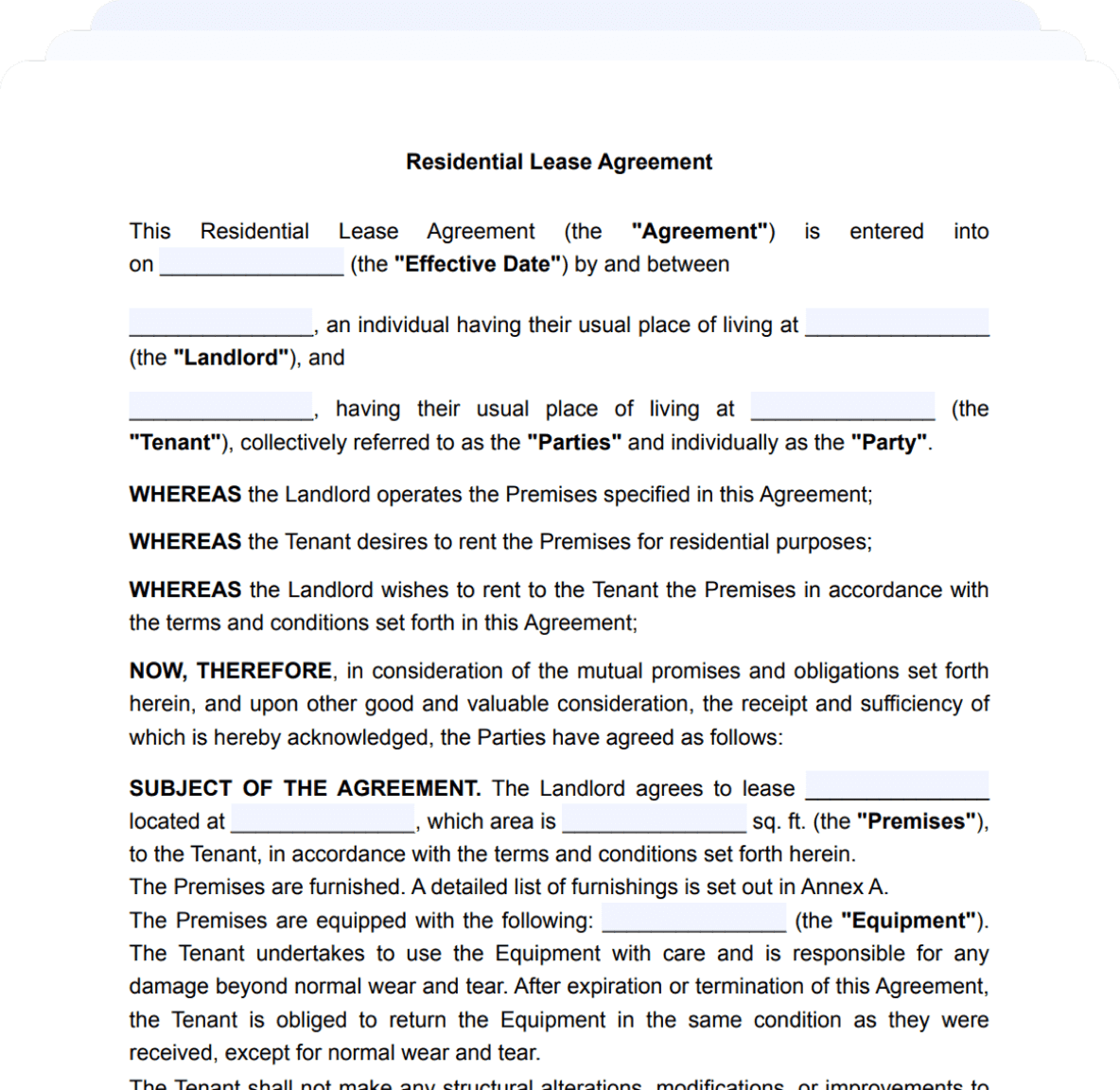
Creating those provisions from scratch can take time. If you're preparing or updating a partnership agreement, our PDF editor can simplify your document workflow by making it easier to edit, organize, and share legal documents. With electronic signatures, you can also finalize agreements without printing or mailing paperwork.
Situations that cause problems without an agreement
Some of the most expensive partnership disputes begin with questions that nobody answered early on. For example:
One partner wants to invest more money while another doesn't.
An owner stops contributing to the business but expects the same share of profits.
Someone wants to bring in a new partner.
One owner decides to retire unexpectedly.
Is a Business Partnership Right for You?
There's no single answer. The right choice depends on the business you're building, the people involved, and how comfortable you are sharing responsibility.
A partnership may be a good fit if:
You and your partner bring different strengths to the business.
You need additional capital to launch or expand.
You trust each other to make important decisions.
You're willing to put expectations into a written agreement.
Of course, choosing a business structure involves more than just comparing the advantages and disadvantages of a partnership business. You need to decide how much control, flexibility, and legal protection your business will need as it grows. Before making that decision, take time to compare the available structures and learn your state's partnership laws.
More guides
September 15
10 min read
Who Can Sign a Contract on Behalf of a Company?
September 15
What Is Contract Redlining?
September 1
7 min read
How to Provide Proof of Employment: Documents and Steps
October 15
How to Start a Staffing Agency: Licensing, Pricing, and Cash Flow
July 30
7 min read
How To Negotiate a Contract: 6 Steps To Better Terms
July 20
4 min read
Addendum vs. Amendment: Change Your Purchase Agreement Properly
One home for your
agreements
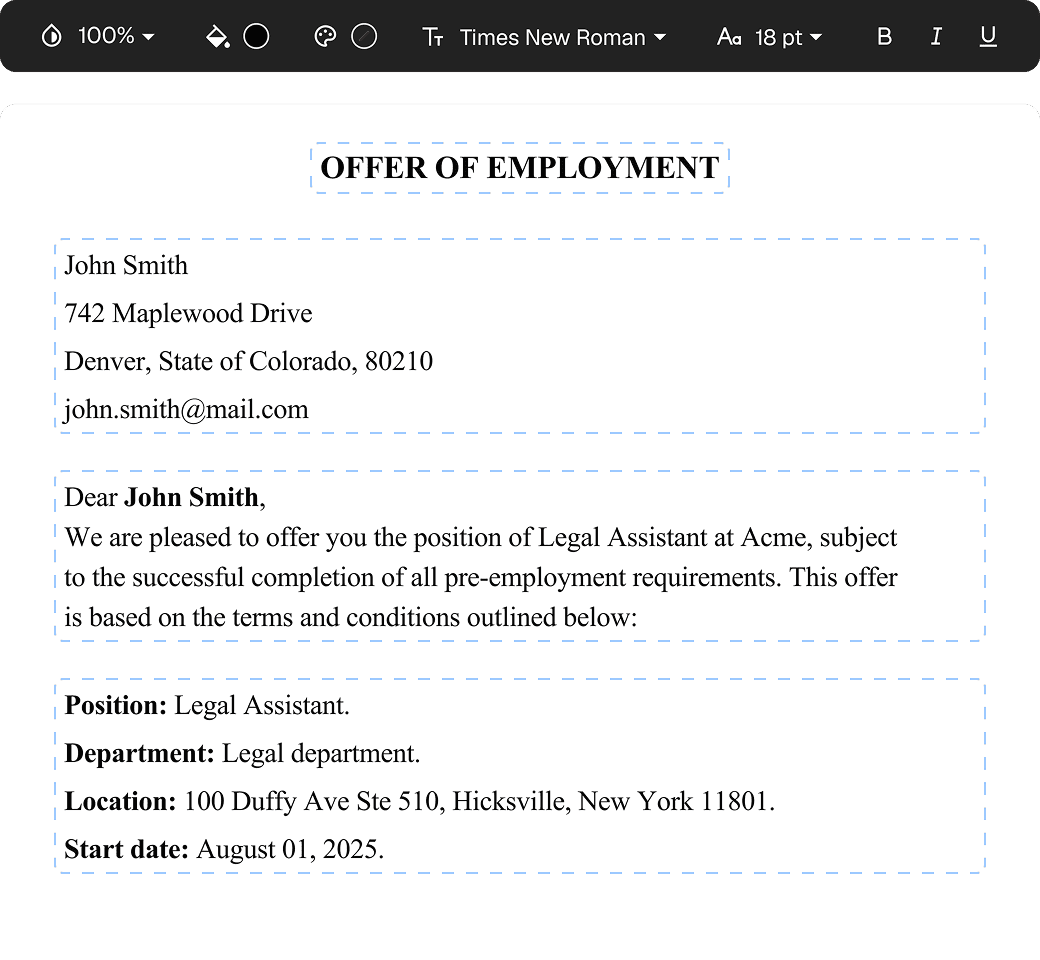
Edit PDFs seamlessly
Tweak agreements before signing or sending for signatures. Update details, add or remove clauses, adjust formatting, and redline changes instantly.
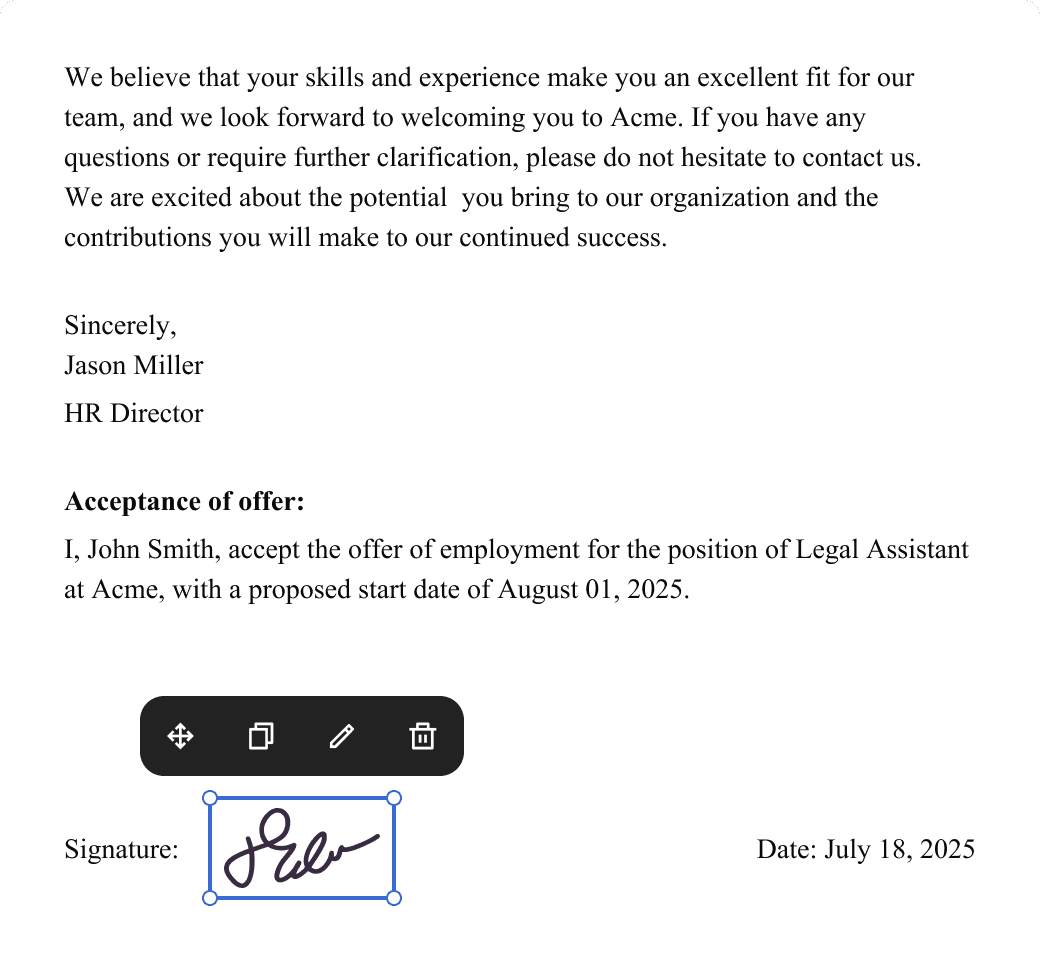
eSign legally and securely
Sign documents and collect legally binding signatures. Invite up to ten people to sign in any order, track the progress, and send reminders.
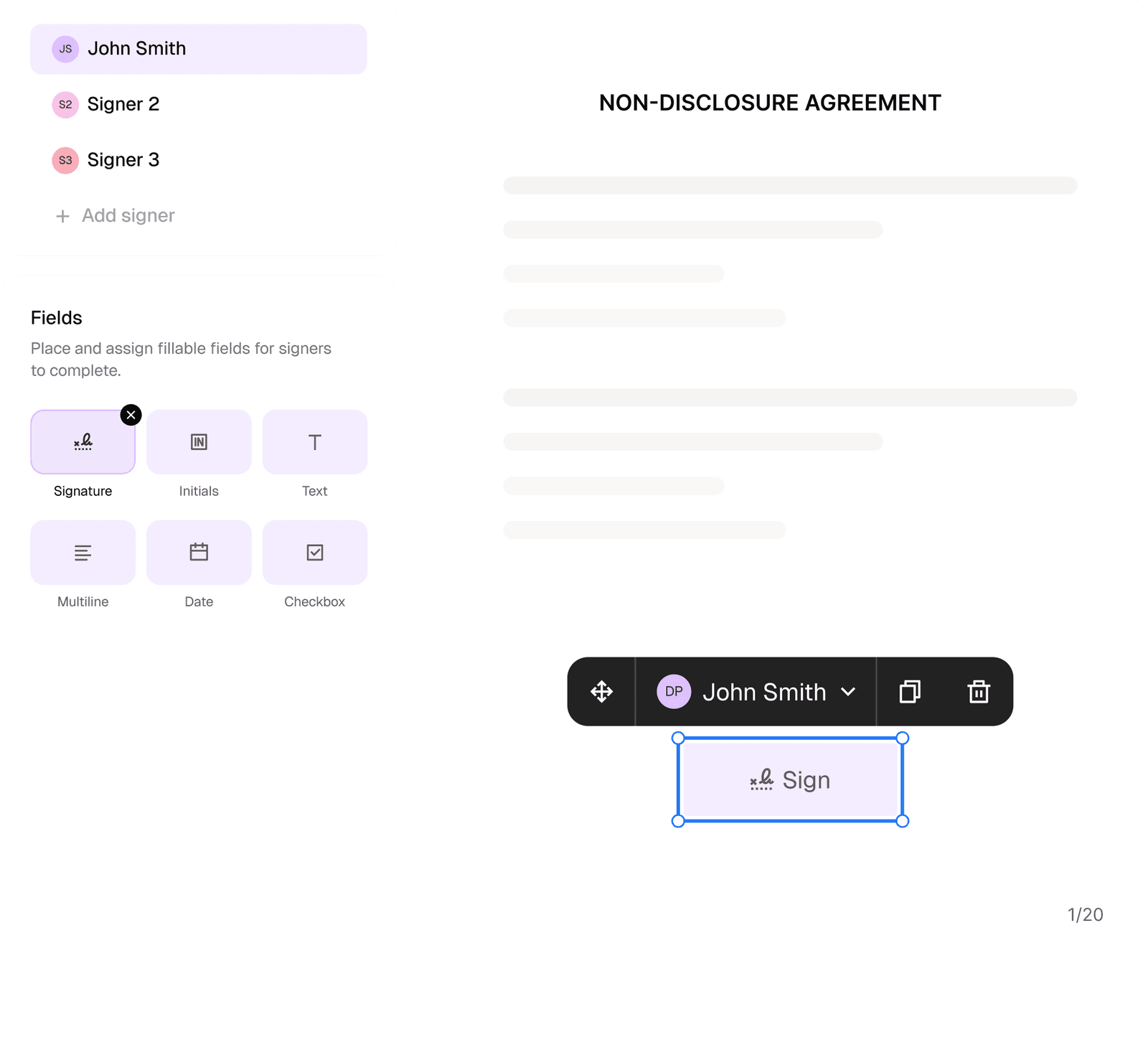
Request legally binding signatures
Invite up to ten people to sign your document in any order. Get a finalized, audit-ready copy without chasing signatures.
Skip the drafting.
Choose from 2,500+ templates
Browse templatesChoose a template
Fill in details
Sign and download