Updated July 23, 2026
6 min read
Can Family Override Your Organ Donation Decision?

Can Family Override Your Organ Donation Decision?
Content
Thinking about becoming an organ donor is a deeply personal decision – one that can save lives and carry powerful meaning. Yet, many people worry: Can family override organ donation if I’ve already made that choice?
In the United States, the law gives individuals strong rights over their own bodies and medical choices, including organ donation. However, because families are often involved in end-of-life decisions, confusion and emotional conflict can sometimes arise.
This guide explains how organ donation laws work, what legal protections exist, and how you can make sure your wishes are honored with medical documents, like a Living Will – even if your family disagrees.
How the Organ Donor Sign-Up Process Works
When you register as an organ donor, you’re giving legal consent for your organs or tissues to be donated after your death. This decision is recognized by U.S. law as a binding authorization, not just a personal preference.
You can register to become a donor in several ways:
Through your state’s DMV – by checking the organ donor box when applying for or renewing your driver’s license or ID card.
Online, through your state’s official organ donor registry.
Through national organizations, such as Donate Life America or the U.S. Department of Health & Human Services’ organ donation website.
Once registered, your name is entered into a secure database accessible to authorized medical personnel. This means that in the event of your passing, your registration will immediately signal your consent for donation.
How Are Families Involved in the Donation Process?
Even when you’ve made a clear legal decision, your family is often involved during the donation process.
Hospitals and organ procurement organizations (OPOs) typically inform and support family members after a patient’s death. They explain the donation process, answer questions, and help manage the emotional side of these decisions.
However, family input is not legally required to proceed with a registered donor’s wishes.
Can a Family Refuse Organ Donation?
Under the Uniform Anatomical Gift Act (UAGA) – a law adopted in all 50 states – your decision to be an organ donor is legally binding.
So, if you are an organ donor, can your family stop it? In most cases, they cannot. Once you’ve provided consent (for example, by registering or documenting your wishes in writing), no one — not even family — can revoke it.
Still, in real-life situations, families sometimes try to intervene. Hospitals may occasionally pause a donation to avoid emotional distress or disputes, even though they are not legally required to do so. These exceptions are usually based on compassion, not law.
Can a spouse override organ donation?
Since your spouse is considered part of your immediate family under U.S. law, even their objections cannot legally cancel or refuse your decision to donate.
Just speak with your spouse about your decision in advance to avoid emotional conflict later.
Can You Legally Enforce an Organ Donation Decision Without Family?
Yes. U.S. law gives you the tools to make your organ donation decision fully enforceable — even without family involvement. Here’s how to make sure your wishes are respected in every situation.
Step 1 – Create a Living Will or Advance Directive
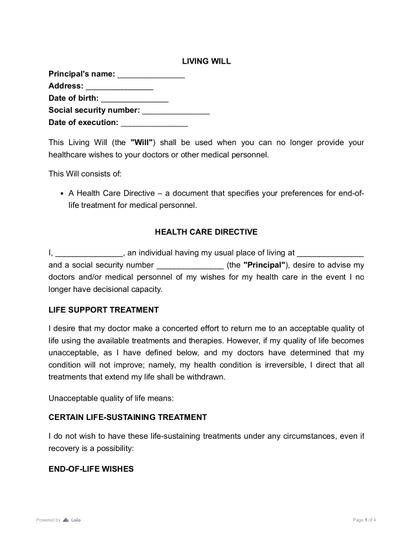
A Living Will lets you record your healthcare and end-of-life preferences in writing, including your decision to donate organs.
When you complete a Living Will template, you can specify:
- Whether you wish to donate organs, tissues, or your entire body for medical purposes.
- Any limits or specific instructions (for example, donating only certain organs).
- Your consent to uphold the donation under the Uniform Anatomical Gift Act.
If you want to include broader healthcare preferences – such as life support decisions, pain management, or appointing a healthcare agent – you can also create an Advance Directive Form.
To make the right choice between these legal documents, learn how a Living Will differs from other medical decision documents.
Step 2 – Appoint a Healthcare Proxy or Agent
Appointing a Healthcare Proxy (healthcare power of attorney) gives someone you trust the authority to make medical decisions on your behalf if you can’t speak for yourself.
You can name an agent who will:
- Support and defend your decision to donate organs.
- Communicate directly with doctors and the hospital.
- Ensure that your Living Will or Advance Directive is followed correctly.
Step 3 – Register with the State Organ Donor Registry
Registration is one of the most reliable ways to make your donation wishes legally binding. Each U.S. state operates an official donor registry, usually managed by the Department of Motor Vehicles (DMV) or a state organ procurement organization (OPO).
By registering, your name and consent become part of the national donor database, which medical professionals check immediately after death.
If your registration record is active, your consent under the Uniform Anatomical Gift Act overrides any contrary family requests.
Step 4 – Communicate your wishes clearly
While legal documentation is essential, open communication can prevent most conflicts. Let your family know about your decision and explain why it matters to you.
Consider giving copies of your Living Will or Advance Directive to:
- Your family members;
- Your healthcare proxy;
- Your primary care physician;
- Your local hospital or care facility.
Talking openly about donation can help your loved ones feel more comfortable and confident following your wishes.
Conclusion
Your organ donation decision is yours alone – and the law supports that. Once you’ve registered as a donor or documented your wishes in a Living Will, Advance Directive, or Medical Power of Attorney, your consent is legally binding.
Your decision can save lives. By taking a few legal steps today, you ensure that your choice – and your compassion – will be honored tomorrow.
More guides
September 15
The Difference Between First, Second, and Third-Degree Murders
September 4
Living Will vs Last Will: What’s the Difference?

August 31
4 min read
Living Will vs Power of Attorney: Understand What You Need

September 13
11 min read
How to Hire a Nanny in 2026: The Full Legal Process Explained

July 24
5 min read
Do You Need a Counselor Recommendation Letter for College?

July 21
7 min read
Common App Document Requirements: Complete Checklist

One home for your
agreements
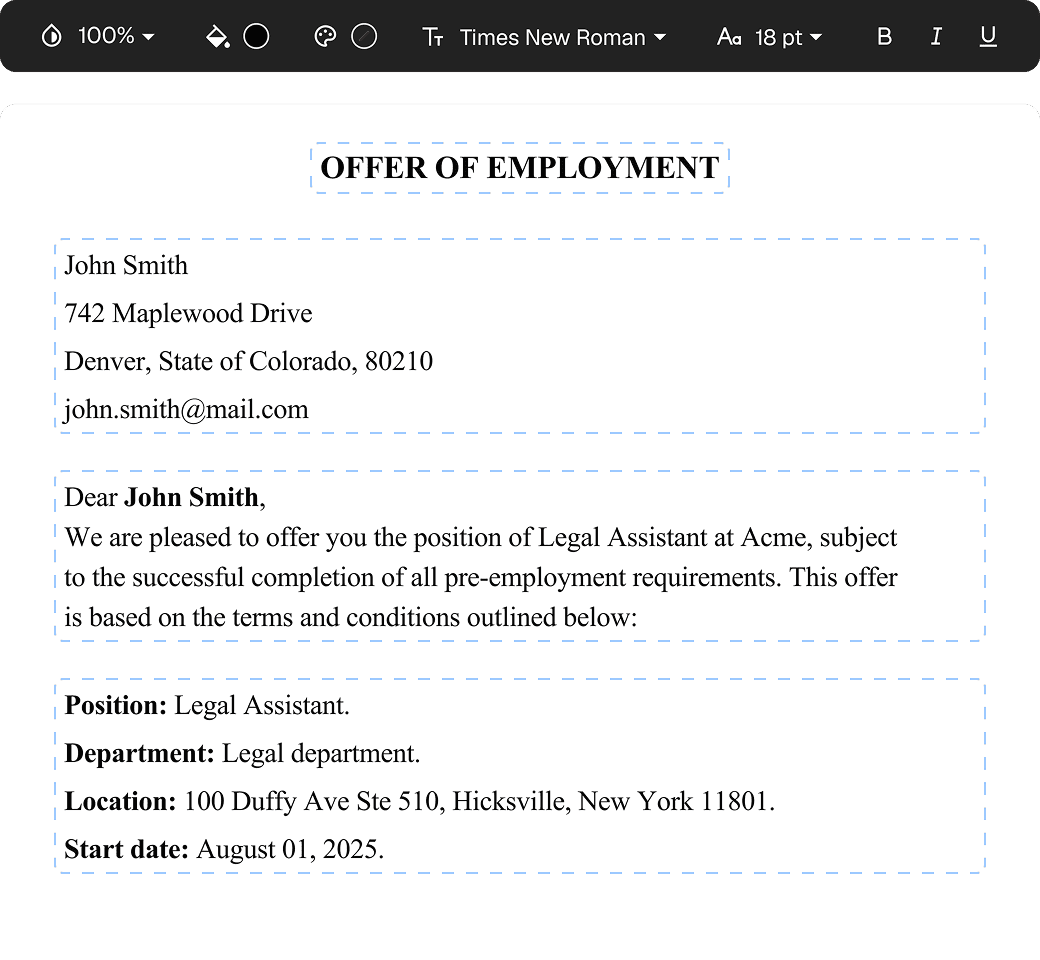
Edit PDFs seamlessly
Tweak agreements before signing or sending for signatures. Update details, add or remove clauses, adjust formatting, and redline changes instantly.
eSign legally and securely
Sign documents and collect legally binding signatures. Invite up to ten people to sign in any order, track the progress, and send reminders.
Request legally binding signatures
Invite up to ten people to sign your document in any order. Get a finalized, audit-ready copy without chasing signatures.
Skip the drafting.
Choose from 2,500+ templates
Browse templatesChoose a template
Fill in details
Sign and download