Updated July 23, 2026
7 min read
How to Resolve Landlord-Tenant Disputes
How to Resolve Landlord-Tenant Disputes
Content
Disagreements between landlords and tenants happen more often than most people expect. From unpaid rent to unclear lease terms or delayed maintenance, small misunderstandings can quickly grow into full-blown legal conflicts if not handled correctly.
The good news is that most disputes can be avoided or resolved calmly when both sides use clear documentation, consistent communication, and follow the right legal process.
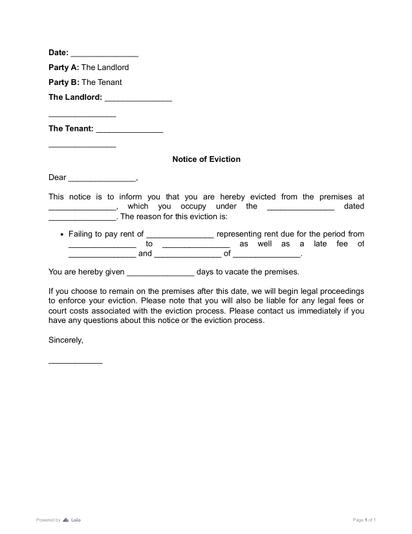
Having the correct paperwork, such as a formal eviction notice, ensures that actions taken are lawful and transparent from the start.
Understanding the Scope of Landlord-Tenant Disputes
Landlord-tenant disputes range from minor repair issues to major financial disagreements. According to a 2023 LendingTree survey, about 21% of U.S. renters reported having a serious dispute with a landlord, most often related to rent or deposits. These conflicts can cost both sides time, money, and peace of mind.
For landlords, disputes may mean unpaid rent, property damage, or legal fees. For tenants, the risks often include losing their housing or facing court records that may appear in tenant-screening reports. While an eviction filing itself does not appear on a credit report, any unpaid rent that is sent to collections can negatively affect a tenant’s credit score.
Recognizing the common causes early helps both parties prevent the situation from escalating.
Common Causes of Tenancy Disputes
Most landlord-tenant disagreements fall into a few predictable categories:
- Late or unpaid rent. Tenants are struggling financially, or landlords are enforcing strict deadlines.
- Lease violations. Unauthorized occupants, pets, or subletting.
- Property maintenance or habitability issues. Unrepaired leaks, unsafe wiring, or heating failures.
- Deposit or refund disputes. When tenants move out and disagree on deductions.
- Poor communication. Both sides are assuming instead of documenting.
Example
A tenant reports mold in the bathroom. The landlord delays repairs, assuming it’s minor. The tenant files a local housing complaint, resulting in a legal order for remediation, along with additional fees.
This is where good documentation and proactive communication could have prevented conflict entirely.
Preventing Disputes Before They Happen
The easiest way to resolve a conflict is to avoid it altogether. Prevention starts with clear, legally sound paperwork and a transparent process.
1. Use a Detailed Lease Agreement
A comprehensive lease contract sets expectations about rent payments, repairs, rules, and notice periods. Avoid vague language, everything from late fees to maintenance responsibilities should be written clearly.
2. Keep Communication Professional
Document all major conversations through email or written messages. It ensures there’s proof if disagreements arise.
3. Schedule Regular Inspections
Twice-yearly property inspections can identify small issues before they turn into major disputes with the landlord.
4. Use Legal Forms When Required
When communication fails, you need the proper legal documents to take the next step. For example, an eviction notice template guarantees your notice follows state-specific laws and includes the correct language — protecting your position in court, if needed.
If the issue is unpaid rent, start with a late rent notice, which serves as a formal reminder and creates a documented timeline before escalation becomes necessary.
5. Deposits and Property Condition Disputes
Property condition disagreements are one of the most common triggers of conflict. Using a property condition report creates a shared record of the home’s condition at the beginning and end of the tenancy, preventing arguments over cleaning fees or deposit deductions.
Step-by-Step: How To Resolve a Dispute
Step 1: Start with open communication
Before threatening eviction or filing a complaint, try to resolve the issue directly. A calm conversation often prevents legal escalation.
Step 2: Review your documentation
Pull out the lease agreement, rent receipts, maintenance logs, and any written correspondence. If you realize formal action is needed, issue the proper notice — for example, a intent to vacate form using a verified legal template.
Step 3: Offer a solution
If the dispute is about unpaid rent, suggest a short-term payment plan. If it’s about a maintenance issue, set a repair timeline in writing. Showing willingness to cooperate helps both sides preserve trust.
Step 4: Serve a formal notice
If no resolution is reached, issue a legally valid notice.
Each U.S. state has its own notice types and timeframes:
Pay or Quit (for missed rent);
Cure or Quit (for lease violations);
Notice to Vacate (for end of tenancy).
Using the wrong form or missing key language can invalidate your notice.
Step 5: Consider mediation
Mediation allows both sides to discuss issues with a neutral third party. In many states, mediation services are free or low-cost through housing departments or nonprofits.
Step 6: Legal act as a last resort
If everything fails, landlords may file an eviction case (unlawful detainer). Tenants can respond with defenses such as those related to uninhabitable living conditions or failure to provide proper notice.
When Disputes Escalate to Court
Eviction and small-claims filings have long been part of the U.S. rental landscape. Research published by the National Library of Medicine found that over 69 million eviction cases were reported in the United States between 2000 and 2018 — a striking number that highlights how often basic communication breaks down.
Court proceedings are public, time-consuming, and expensive. Landlords risk months of lost rent, while tenants face damaged credit and struggle to rent again. That’s why correct paperwork and early resolution are so valuable.
Why Using Proper Legal Documents Matters
Legal documents are more than paperwork — they are protection.
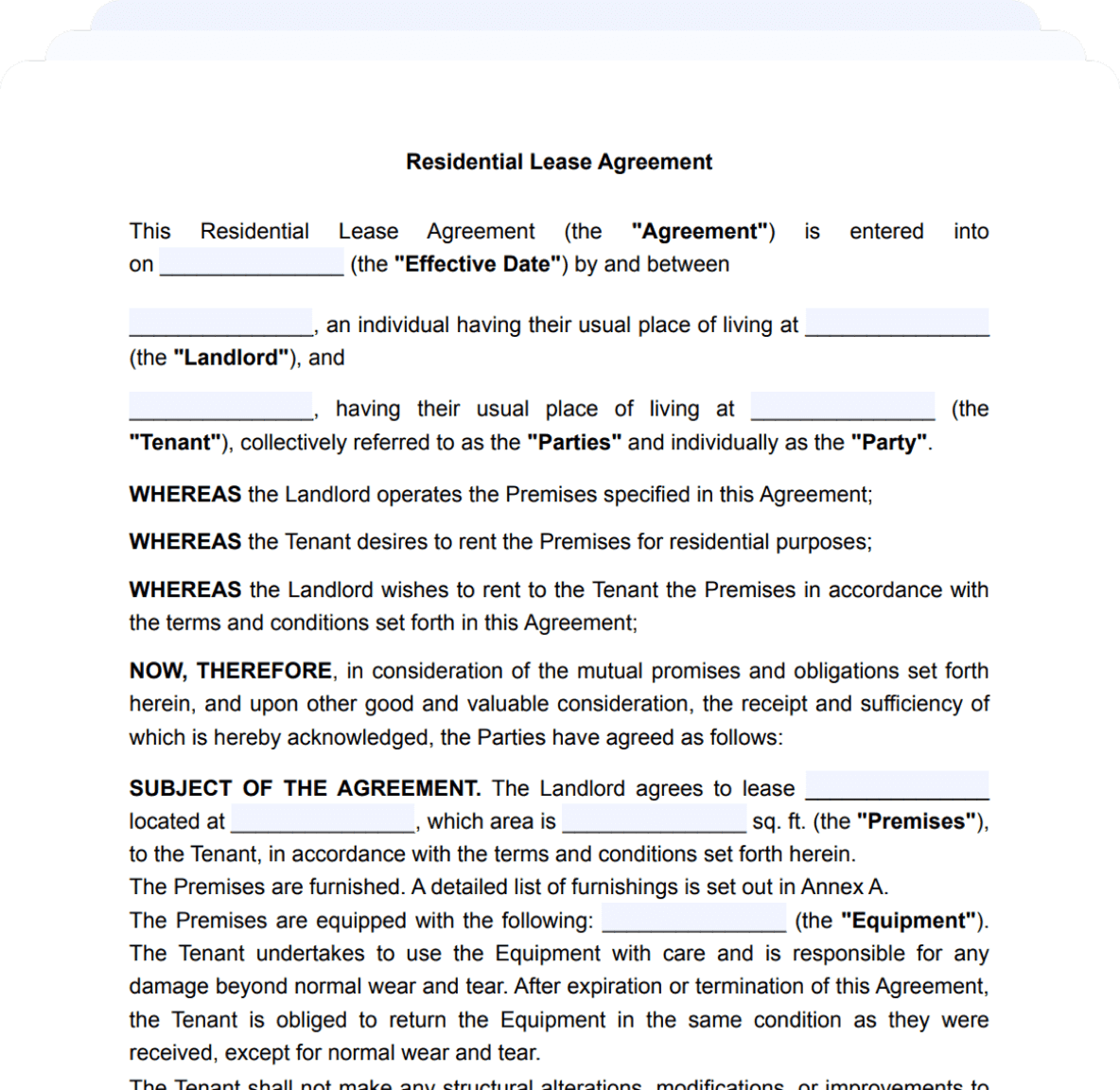
Templates such as eviction notices and lease agreements help landlords comply with state laws and ensure fairness for tenants.
A well-structured notice includes:
- Tenant’s name and address.
- Reason for notice.
- Legal reference to the violated clause.
- Time to fix the issue or vacate.
- Signature and date.
Failure to include these can result in your notice being rejected by a court, forcing you to restart the process. That’s why verified templates are essential tools for both property owners and managers.
Practical Tips for Landlords and Tenants
- Keep every document, including digital copies.
- Respond quickly to repair requests.
- Stay up to date on your state’s landlord-tenant laws (check your state’s .gov housing website).
- Use official forms, not homemade notices, when taking legal action.
- Read every clause in your lease before signing.
- Communicate issues early, preferably in writing.
- Keep payment receipts and inspection reports.
- If you receive an eviction notice, review your rights with local legal aid before responding.
Conclusion
Tenant-landlord disputes are stressful — but they don’t have to turn into lawsuits. The keys to resolution are clear communication, accurate documentation, and the use of the right legal forms.
Whether you’re a landlord protecting your property or a tenant safeguarding your rights, start with proper paperwork.
More guides
September 11
10 min read
Rules for Renting a Room in Your House: How to Become a Landlord
September 1
7 min read
How to Provide Proof of Employment: Documents and Steps

July 24
4 min read
What Is a Fixed-Term Lease, and How Is It Different From an Automatic Renewal Lease?

September 4
8 min read
Buying vs. Leasing Commercial Property in 2026: Which Is Better for Your Business?
July 26
10 min read
Commercial Real Estate Leasing Process: 2026 Guide

July 20
12 min read
How to Sublease Your Office Space: 5 Steps to Protect Your Business

One home for your
agreements
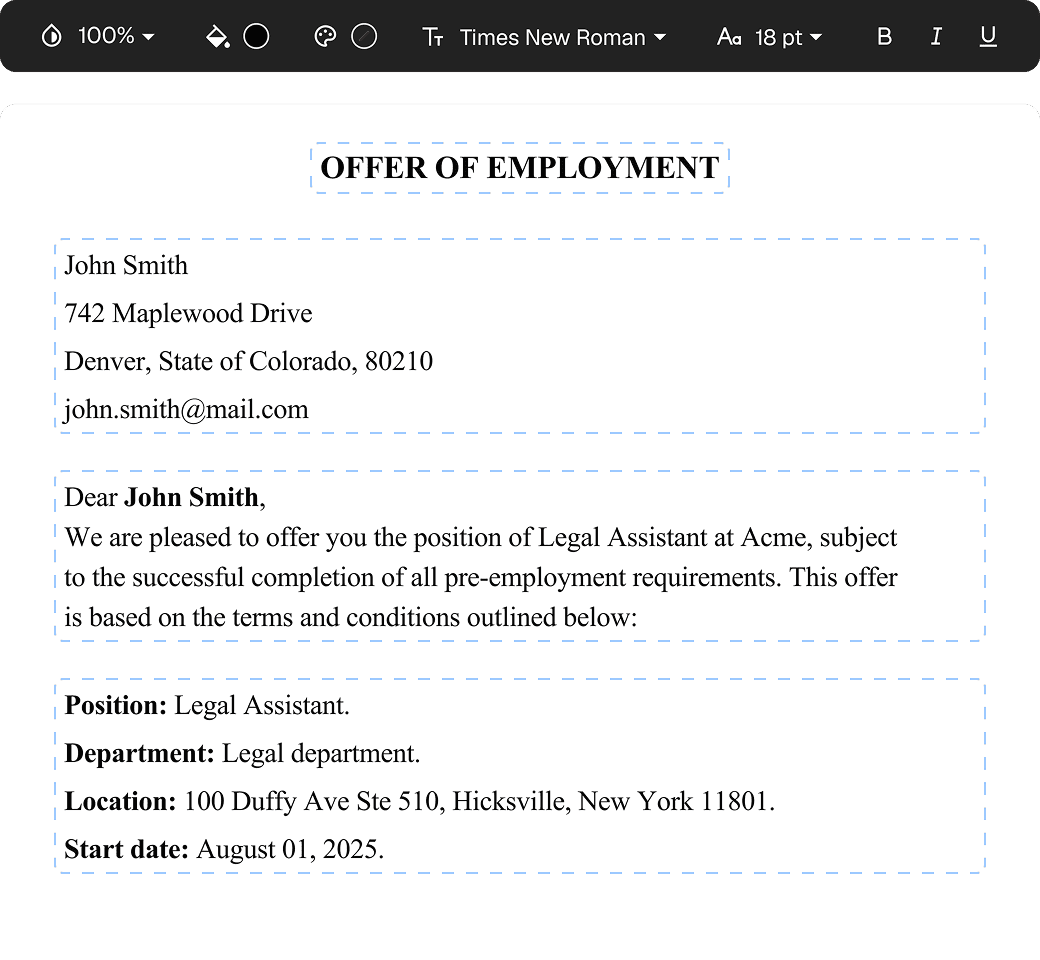
Edit PDFs seamlessly
Tweak agreements before signing or sending for signatures. Update details, add or remove clauses, adjust formatting, and redline changes instantly.
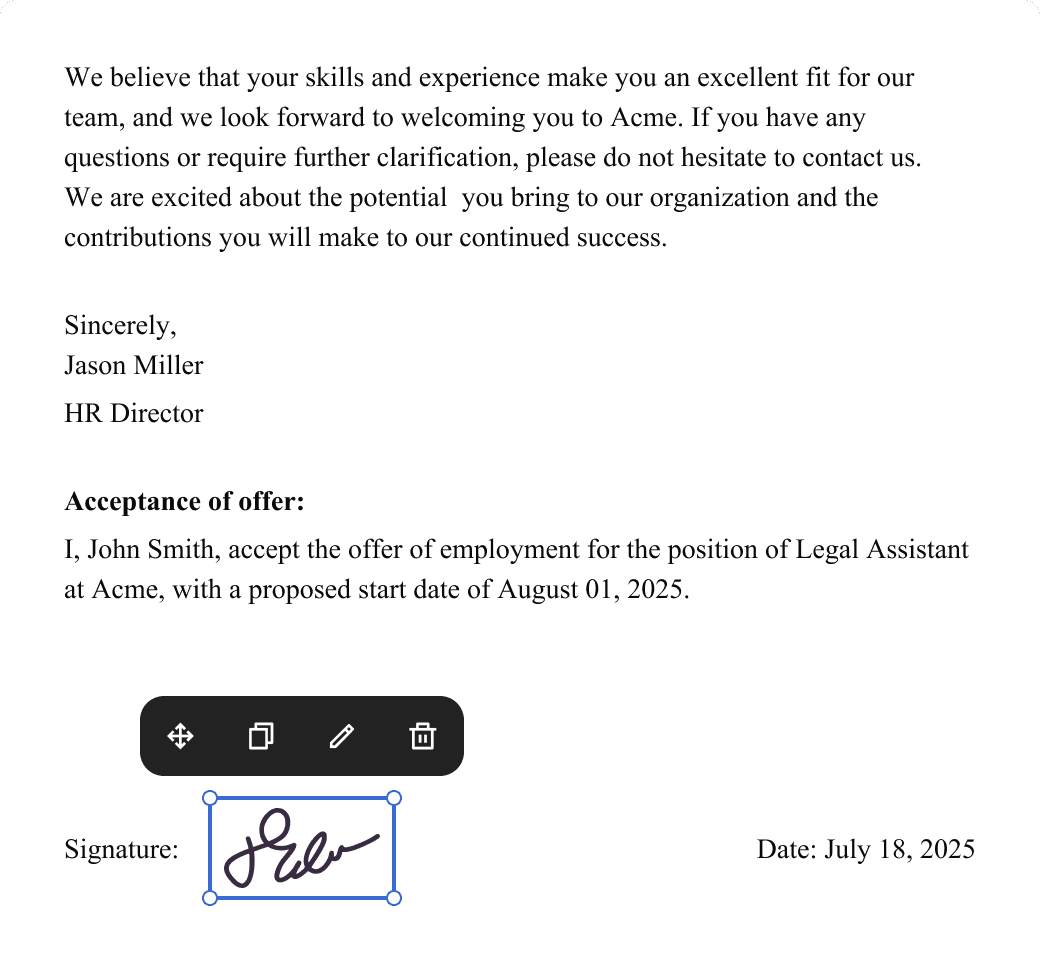
eSign legally and securely
Sign documents and collect legally binding signatures. Invite up to ten people to sign in any order, track the progress, and send reminders.
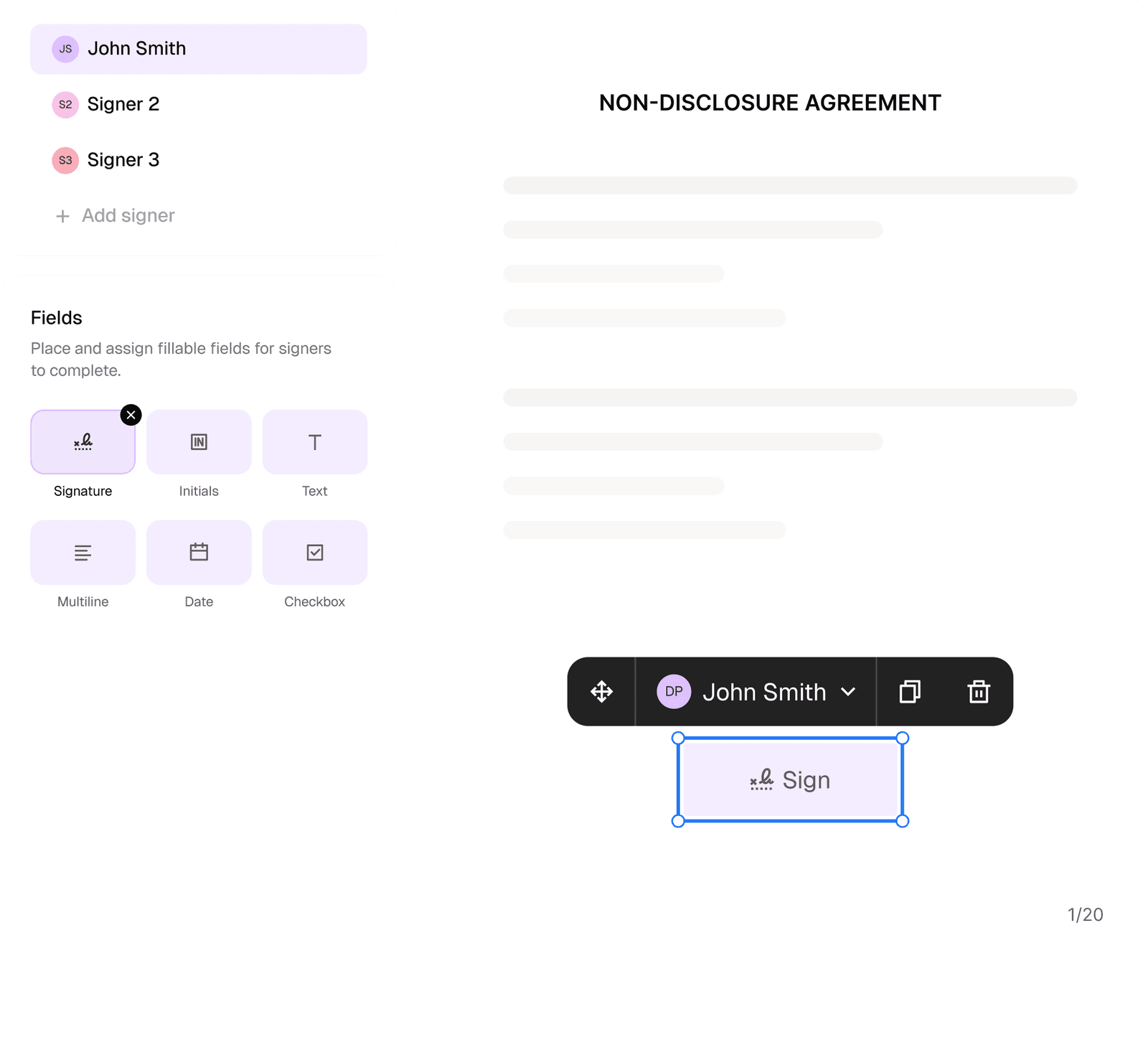
Request legally binding signatures
Invite up to ten people to sign your document in any order. Get a finalized, audit-ready copy without chasing signatures.
Skip the drafting.
Choose from 2,500+ templates
Browse templatesChoose a template
Fill in details
Sign and download