Updated July 26, 2026
11 min read
Eviction Process Explained: A Renter’s Guide

How does an eviction work? It’s a real question for many renters today — especially as eviction cases continue to rise. In New York City, for example, active cases jumped by 440% between March 2020 and March 2024, growing from around 33,000 to 177,000, according to the NYC Comptroller’s report.
If you’re facing eviction, the situation can feel heavy — but with clear information, you can understand what’s happening and what steps to take. Eviction isn’t immediate, and landlords must follow strict state rules before you can be removed from your home. This guide breaks down how the process works, when a landlord can evict you, and what rights you have at every stage.
Can a Landlord Evict You?
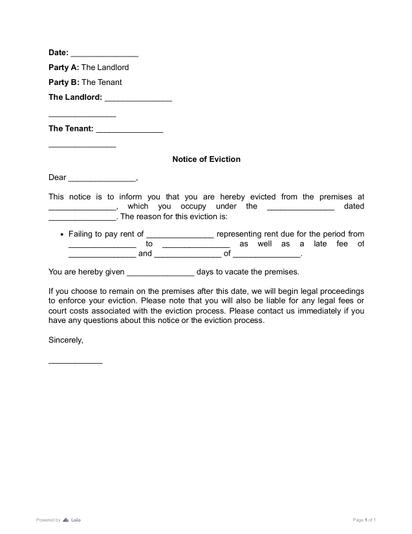
Yes — but only through the legal process. Your landlord cannot evict you without ending your tenancy first. This always begins with:
A written notice to quit;
Delivered according to state-specific rules;
With enough time to move out or fix (“cure”) the issue.
When Can a Landlord Evict You?
A landlord can start the eviction process when a tenant violates the lease or state rental laws. The most common trigger is nonpayment of rent, but eviction can also begin when a tenant breaks key lease terms — such as having unauthorized pets or occupants, causing excessive noise, or subletting without permission.
Eviction may also occur for serious property damage, illegal activity in the unit, or remaining in the home after the lease has expired.
Eviction Notice Timeframes
The number of days on the notice shows how quickly you must act and what type of issue you’re dealing with.
While rules vary by state, here’s what each timeframe generally means — with real examples.
- 3-Day Notice: Used for serious issues like unpaid rent, major lease violations, or illegal activity. You must pay, fix the issue, or move within three days, or the landlord can file an eviction case.
Common in states: California, Texas, Nevada. - 5-Day Notice: Common for nonpayment of rent or first-time lease violations. You typically have five days to pay overdue rent or correct the problem.
Common in states: Illinois, Virginia, Arizona. - 14-Day Notice: Often used in states with stronger tenant protections. Gives you two weeks to catch up on rent or cure the violation before the landlord can escalate.
Common in states: New York, Massachusetts, Vermont. - 30-Day Notice: Usually not for wrongdoing. It's used to end a month-to-month tenancy without cause. You must move out by the end of the 30 days unless your state requires more.
Common in states: Florida, North Carolina, Georgia (with some states like California requiring 60 days for long-term tenants).
Every state has detailed laws outlining how eviction notices and court papers must be:
- 1
Written
- 2
Delivered (“served”)
- 3
Timed
- 4
Filed
If a landlord misses any step, the case can be thrown out.
How Does an Eviction Work? (Step-by-Step)
Step 1: You receive a termination notice
This is the official start of the eviction process. The type of notice depends on the issue:
Pay Rent or Quit Notice: Sent when rent is late. If you move out but don’t pay, the landlord can still sue you for unpaid rent.
Cure or Quit Notice: Used for lease violations (pet rules, noise complaints, etc.). You get a deadline to fix (“cure”) the issue or leave.
Unconditional Quit Notice: The most serious type — no chance to fix the issue. States allow this only for major problems, like:
Repeated serious lease violations;
Multiple late rent payments;
Severe property damage;
Illegal activity (e.g., drug dealing).
Step 2: Notice without cause (for some tenancies)
If you’re on a periodic tenancy agreement, a landlord can sometimes ask you to move out (they use 30–60 days’ notice, depending on the state) even without a violation.
However, there are exceptions: rent-controlled properties. In many rent-controlled areas, landlords must have “just cause” to evict — they cannot remove tenants without a valid reason.
Step 3: The landlord files an eviction lawsuit
If you don’t move or fix the issue by the deadline, your landlord must:
- 1
File a lawsuit (often called an unlawful detainer);
- 2
Properly serve you with the summons and complaint;
- 3
Wait for the court hearing date.
This is a critical stage — you must attend the hearing.
If you don’t, the judge will almost certainly rule against you, even if you had a valid defense.
Step 4: Court hearing
This is where you and the landlord present your sides.
You can challenge the eviction based on:
- The landlord didn’t follow notice rules;
- The notice or lawsuit paperwork is incorrect;
- The landlord failed to maintain a habitable living environment;
- The eviction is retaliation (e.g., for requesting repairs);
- Discrimination under federal or state fair housing laws.
If the judge agrees with your defense, the eviction may be delayed or dismissed altogether.
Step 5: Judgment and sheriff enforcement
If the landlord wins:
The court issues a judgment for possession;
A local sheriff or marshal — not the landlord — schedules the removal;
You’ll receive a final notice with the exact date the officer will return.
The landlord cannot:
- Change locks;
- Remove your belongings;
- Shut off utilities;
- Force you out physically.
Can a Landlord Kick You Out for No Reason?
Not during an active rental lease agreement. A landlord needs “cause” unless the lease has expired.
But if you’re month-to-month, they may end your tenancy without a reason — as long as:
- They give proper notice;
- The notice complies with state law;
- The motive isn’t discriminatory or retaliatory.
Tenant Rights During the Eviction Process
When an eviction begins, tenants in the U.S. are protected by several important rights. These protections come from state landlord-tenant laws, the U.S. Constitution, and federal housing laws.
Right to a Written Notice: Every state requires landlords to give proper written notice before filing for eviction. It must include the reason, the deadline, and be delivered according to state rules.
Right to Remain Until a Court Order: A landlord cannot lock you out, shut off utilities, remove belongings, or force you out without a court judgment. “Self-help” evictions are illegal in all 50 states.
Right to a Court Hearing: Under the Fourteenth Amendment (due process), you have the right to appear in court, present evidence, and challenge the eviction.
Right to Raise Defenses: You can argue that the landlord gave improper notice, failed to make necessary repairs, acted in retaliation, discriminated (violating the Fair Housing Act), or filed the case with incorrect information.
Right to a Habitable Home: All states follow the Implied Warranty of Habitability. If the landlord refuses to fix essential issues (heat, water, safety hazards), this can be a defense in court.
Right to Sheriff-Supervised Removal Only: Even if the landlord wins, only a sheriff or marshal can carry out the eviction. You must receive a final notice before removal.
Right to Your Belongings: Landlords cannot dispose of your possessions during the process. Many states require them to store items for a set period if anything is left behind.
Federal Protections:
- Fair Housing Act (FHA): protects against eviction based on race, religion, sex, disability, family status, or national origin.
- Servicemembers Civil Relief Act (SCRA): protects active-duty military members from eviction without a court order.
Final Thoughts
You have more control in the eviction process than you may feel at first. Knowing your rights, keeping records, communicating with your landlord, and showing up for your hearing can make a real difference in the outcome. Even small steps can help you protect yourself and move through this situation with more confidence.
More guides
September 16
9 min read
Lease vs. Rent: What’s the Difference and What to Choose

September 11
10 min read
Rules for Renting a Room in Your House: How to Become a Landlord

September 4
How To Break a Lease in Florida Without Penalties
September 3
12 min read
The Biggest Red Flags on a Rental Application Explained

September 1
7 min read
How to Provide Proof of Employment: Documents and Steps

September 8
10 min read
What Is the Difference Between Joint Tenancy and Tenancy in Common?

One home for your
agreements
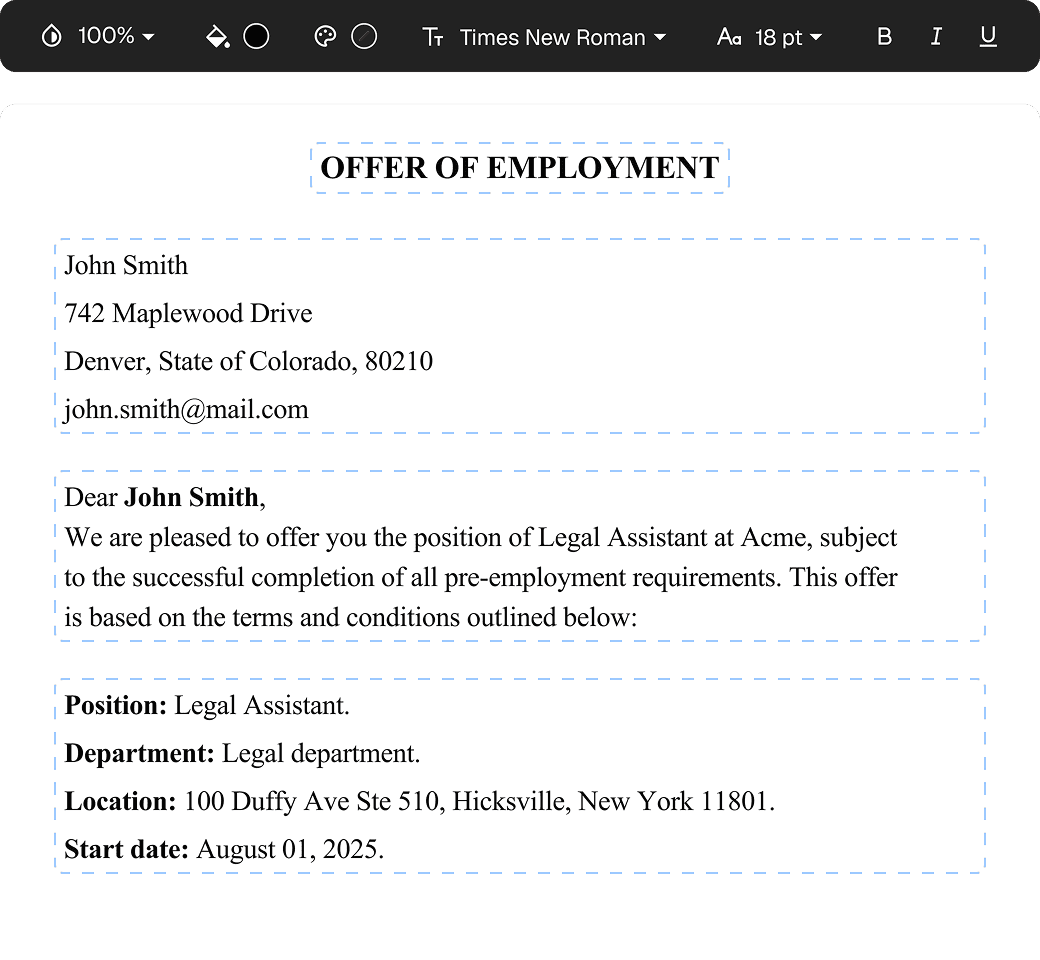
Edit PDFs seamlessly
Tweak agreements before signing or sending for signatures. Update details, add or remove clauses, adjust formatting, and redline changes instantly.
eSign legally and securely
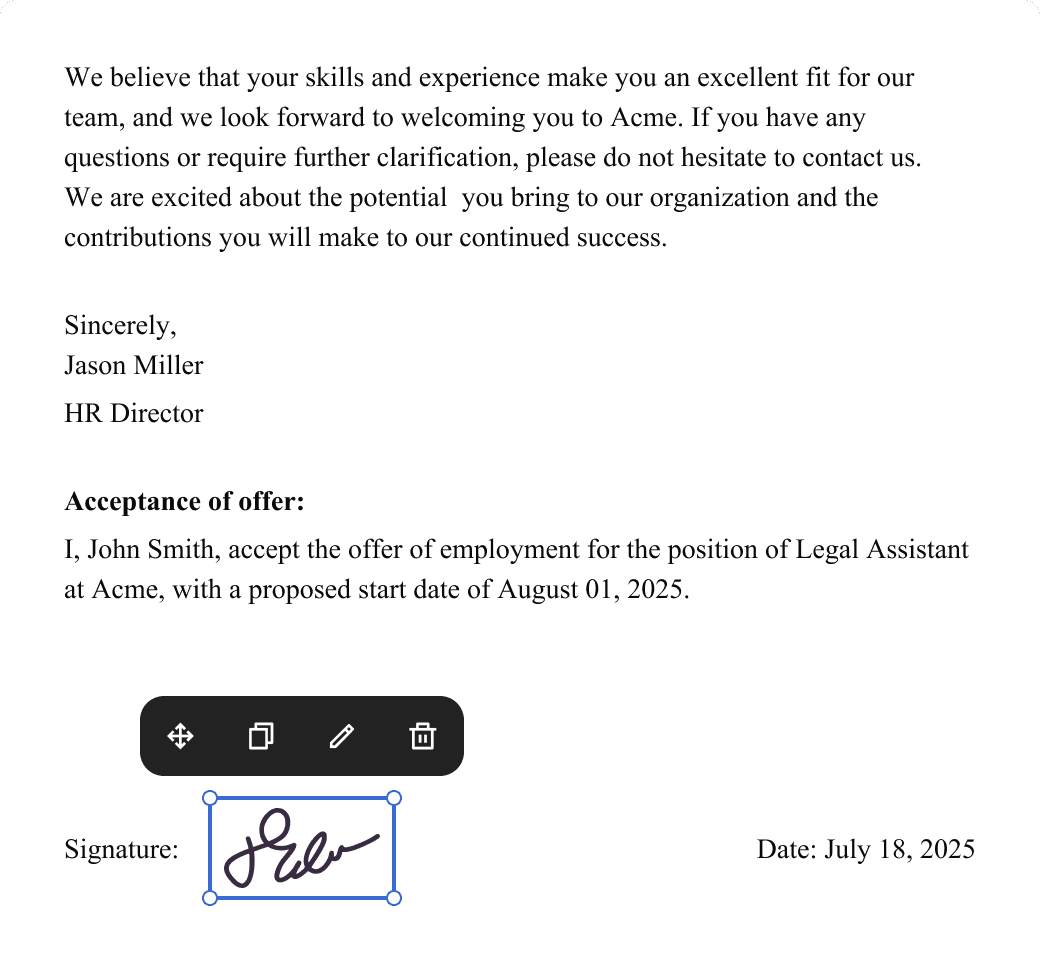
Sign documents and collect legally binding signatures. Invite up to ten people to sign in any order, track the progress, and send reminders.
Request legally binding signatures
Invite up to ten people to sign your document in any order. Get a finalized, audit-ready copy without chasing signatures.
Skip the drafting.
Choose from 2,500+ templates
Browse templatesChoose a template
Fill in details
Sign and download