Updated July 20, 2026
6 min read
Why You Need Short-Term and Vacation Lease Agreements

Why You Need Short-Term and Vacation Lease Agreements
Content
Vacation and short-term agreements are critical when renting a place to stay on your trip. Lease agreements are used to protect both parties in writing to serve as evidence in case of disputes. Short-term and vacation home rental agreements, therefore, hold the same importance as long-term lease agreements.
The Difference Between Long Leases and Vacation Rentals Contracts
A lease agreement is generally considered short-term if it covers six months or less. A month-to-month agreement is a typical form of a short-term lease. Short-term leases can cover weekly or other stipulated durations. A vacation rental lease agreement outlines each party’s rights and responsibilities.
The fundamental difference between a short-term and a long-term lease is flexibility. The landlord can vary the provisions of a short-term agreement by providing adequate notice. However, with a long lease, the terms, like the rental price, remain the same for that year.
Why Do You Need a Short-Term Lease Agreement?
Drafting an agreement might seem like a waste of time, but a vacation rental contract is essential for the owner and the tenant. Some fundamental reasons to have a vacation rental agreement include collecting the fees, protecting the property, and making expectations known.
To simplify the rental process and stay legally protected, use a customizable temporary rental contract that includes all key provisions — from check-in rules to payment and liability terms.
Collecting the Fees
Landlords generally include additional charges if the tenant opts for added services. Agreeing to these charges in the short-term rental contract can prevent subsequent disputes. The agreement can be consulted if there is uncertainty about the amount or date due. The tenant can also have peace of mind knowing exactly what they are expected to pay.
Protecting the Property
While verbal house rules can stipulate how a tenant should treat the property, these would not be protected by law. Instead, the landlord’s expectations should be included in a binding contract. The vacation agreement formalizes any unwritten house rules, giving both parties clear expectations in writing.
A written contract can also facilitate third-party insurance claims in the event of an accident on the property. The document will indicate the tenant’s obligations, if any, and protect the owner if the tenant fails to abide by those terms.
Making Expectations Known
A short-term rental agreement gives the homeowner and the tenant the opportunity to clearly state all terms and conditions. The agreement in writing can help each party understand the other party’s expectations and responsibilities. Any services that are standard with the rental should be included.
What To Include in a Short-Term Rental Agreement
Every short-term rental agreement has a few critical clauses. The following are some of the standard provisions to include when learning how to write a contract for rental property:
Information about the tenant: All guests who will use the house should be listed with their full names, contact details, and residential addresses. The effective date (when the agreement becomes valid) should also be included.
Rental property information: Include a complete description of the rental property and outline each amenity that is included. Use precise and explicit language.
Maximum guests: This section restricts the number of tenants or guests permitted to occupy the property at one time. Ensure that all sleeping arrangements are clearly stated and include the maximum number of guests allowed according to the fire code.
Detailing the maximum number of guests helps to safeguard against extra people using or staying at the property without prior agreement. The named tenant will also be responsible for any damage or injuries caused by unauthorized visitors.Duration: The agreement must stipulate arrival and departure dates and times. Both parties must acknowledge any adjustments with signatures.
Rental rules: This clause codifies the house rules. Outline the rules for pets or smoking and any other rules specific to the use of the property. Any penalties, such as extra fees for cleaning, should be mentioned here.
Fees: Many landlords charge for additional features or services. There must be notice of payment dates, costs, and reasons for any additional fees charged over and above the security deposit and rent.
Payment information: This section includes all the details related to payments. Specify the rental rate and when it is due. List the fees for any additional services, such as breakfast, transportation, guided tours, etc.
Keys: This clause should mention how guests gain access to the premises. If there is a lock box or other procedure that guests must adhere to in order to get the keys, it should be mentioned in the contract.
Cancellation: This section should outline how the short-term rental agreement can be canceled if necessary. Typically, hosts require guests to provide a written cancellation request within a certain number of days.
Limited liability: Accidents and injuries can occur despite adequately maintained property, so a limited liability clause is included to curtail the homeowner’s responsibility in the event of an accident.
This portion of the contract should contain the following:
- 1
A list of the legal limits that allow the guest to claim against the host;
- 2
The losses both parties agree to pay with and without limit;
- 3
Losses that each party will not be liable for.
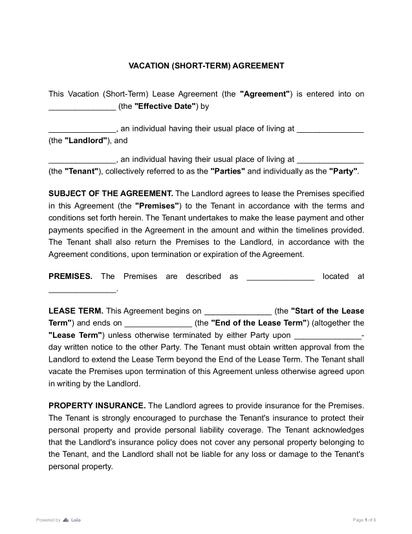
A vacation lease or short-term rental agreement template may help if you need help figuring out where to start. You can fill in the relevant details, download the document, and print it at your convenience.
How To Rent a Vacation House/Apartment (Even If It’s Last Minute)
If you want to stay at a vacation house or apartment, start your search as soon as possible to get the best rates, locations, and dates. However, even if you have left your search to the last minute, you can use the following tips to optimize choosing the best vacation house.
1. Read the Entire Agreement
Many people get overly excited about finding their dream vacation destination and must remember to read the fine print. You should read the short-term rental agreement entirely to familiarize yourself with what you will be responsible for.
2. Try Negotiating
Remember that many costs related to a vacation home rental are negotiable. If the property has a lot of availability, you may have an advantage when negotiating. If the landlord is not flexible with the deposit or rental rate, ask if they would be open to allowing you to stay a few additional days at a lower rate.
3. Get a Contact Number
Before you arrive at your vacation home, get the landlord’s contact number to report any unforeseen issues or emergencies.
Conclusion
Whether you are a landlord or a tenant, having a vacation lease or short-term rental agreement can provide invaluable protection.
You can easily create a working and legally binding vacation lease or short-term rental agreement that outlines the rights and responsibilities of both the landlord and tenant using a Loio Templates.
More guides
September 16
9 min read
Lease vs. Rent: What’s the Difference and What to Choose

September 11
10 min read
Rules for Renting a Room in Your House: How to Become a Landlord

September 4
How To Break a Lease in Florida Without Penalties
September 3
12 min read
The Biggest Red Flags on a Rental Application Explained

September 1
7 min read
How to Provide Proof of Employment: Documents and Steps

September 8
10 min read
What Is the Difference Between Joint Tenancy and Tenancy in Common?

One home for your
agreements
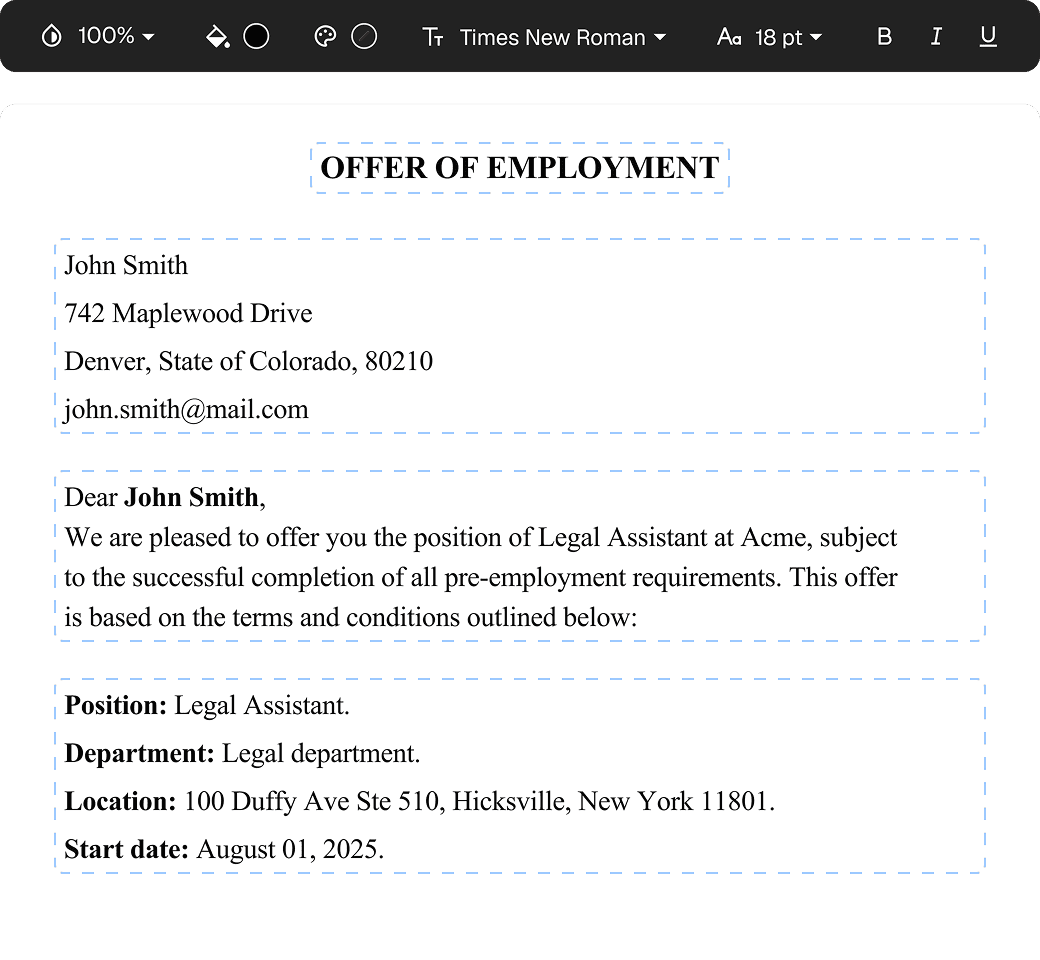
Edit PDFs seamlessly
Tweak agreements before signing or sending for signatures. Update details, add or remove clauses, adjust formatting, and redline changes instantly.
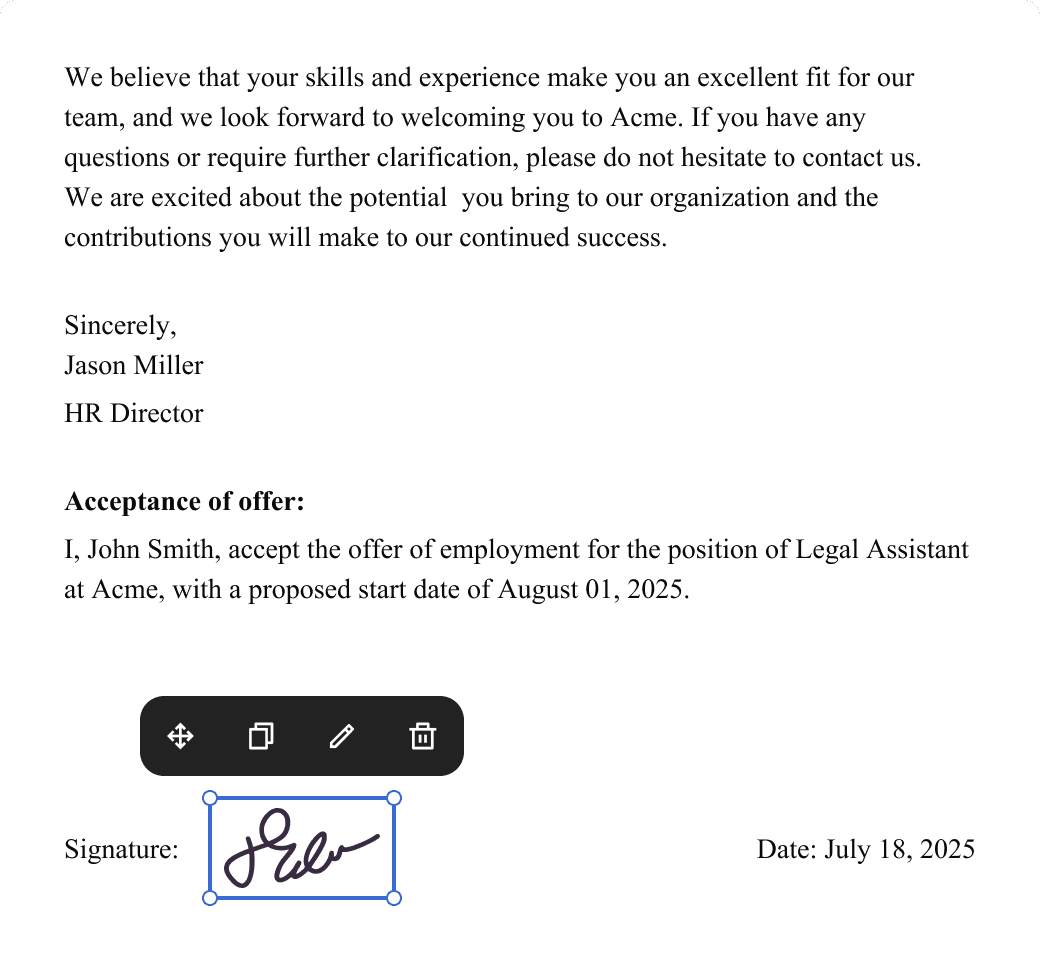
eSign legally and securely
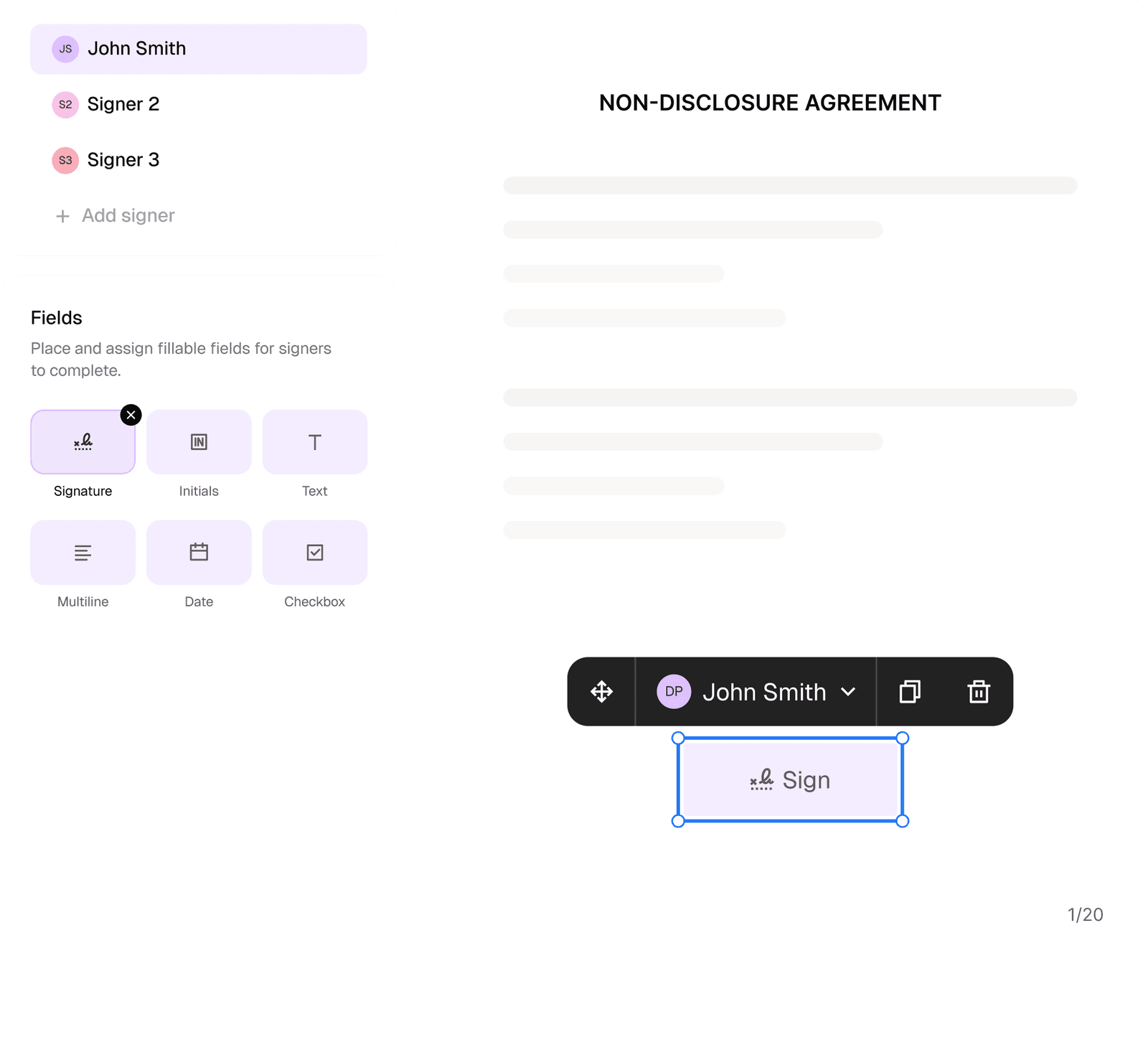
Sign documents and collect legally binding signatures. Invite up to ten people to sign in any order, track the progress, and send reminders.
Request legally binding signatures
Invite up to ten people to sign your document in any order. Get a finalized, audit-ready copy without chasing signatures.
Skip the drafting.
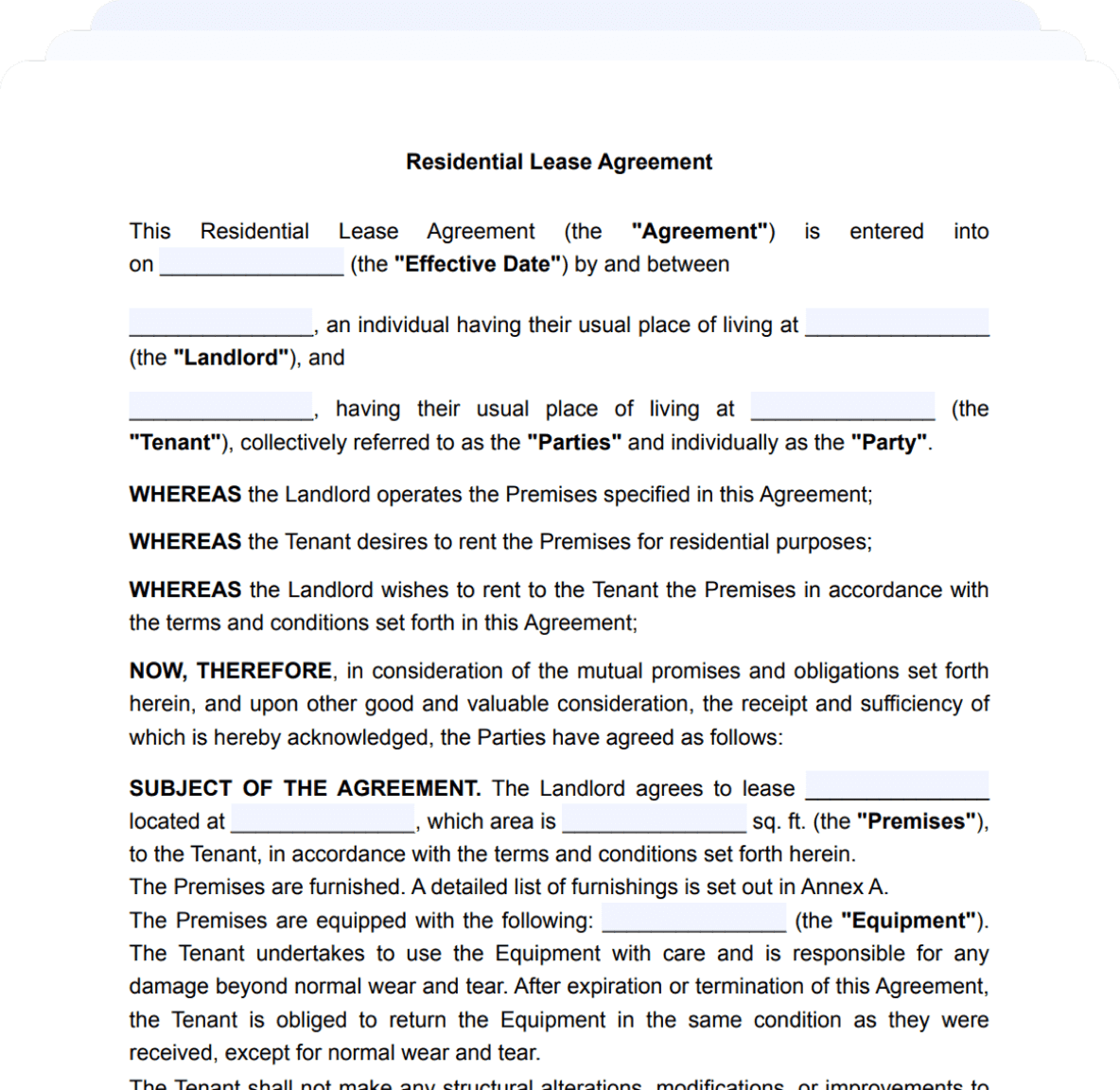
Choose from 2,500+ templates
Browse templatesChoose a template
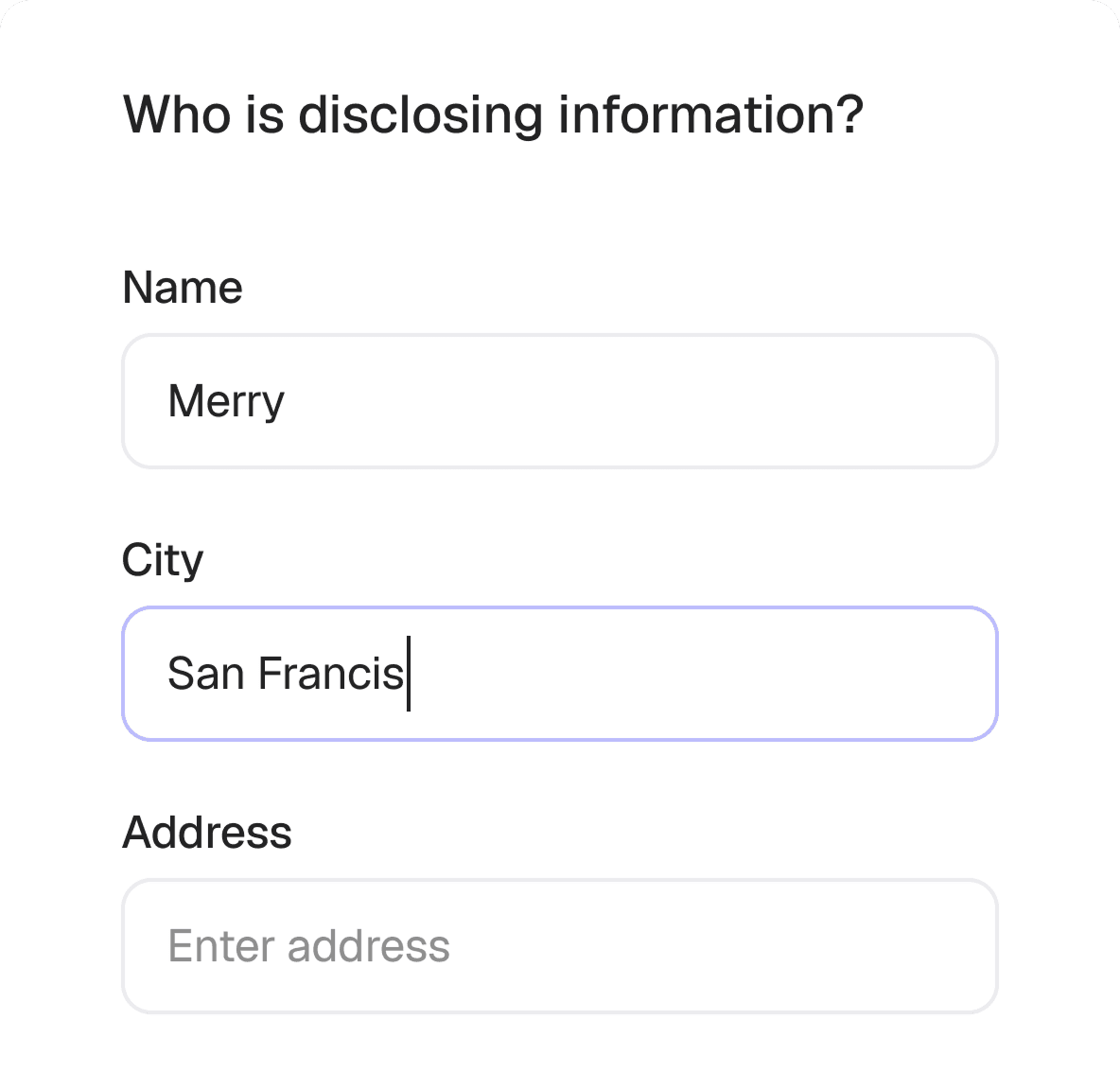
Fill in details
Sign and download