
Updated July 25, 2026
10 min read
Grant vs. Loan: What's the Difference?

Grant vs. Loan: What's the Difference?
Content
Grants and loans can both provide funding, but they work in very different ways. A loan generally must be repaid, usually with interest, while a grant generally does not require repayment as long as the recipient follows the program’s terms. Eligibility, permitted uses, and tax treatment also differ. This guide explains the key differences between grants and loans and when each type of funding may be available.
Let's Start with a Grant/Loan Definition
Picture this: you have an idea of a startup with all the chances to hit the jackpot. If everything goes smoothly, it'll bring $10,000 of profit monthly. However, $30,000 is needed to launch the project, and you do not have this sum. What's the solution?
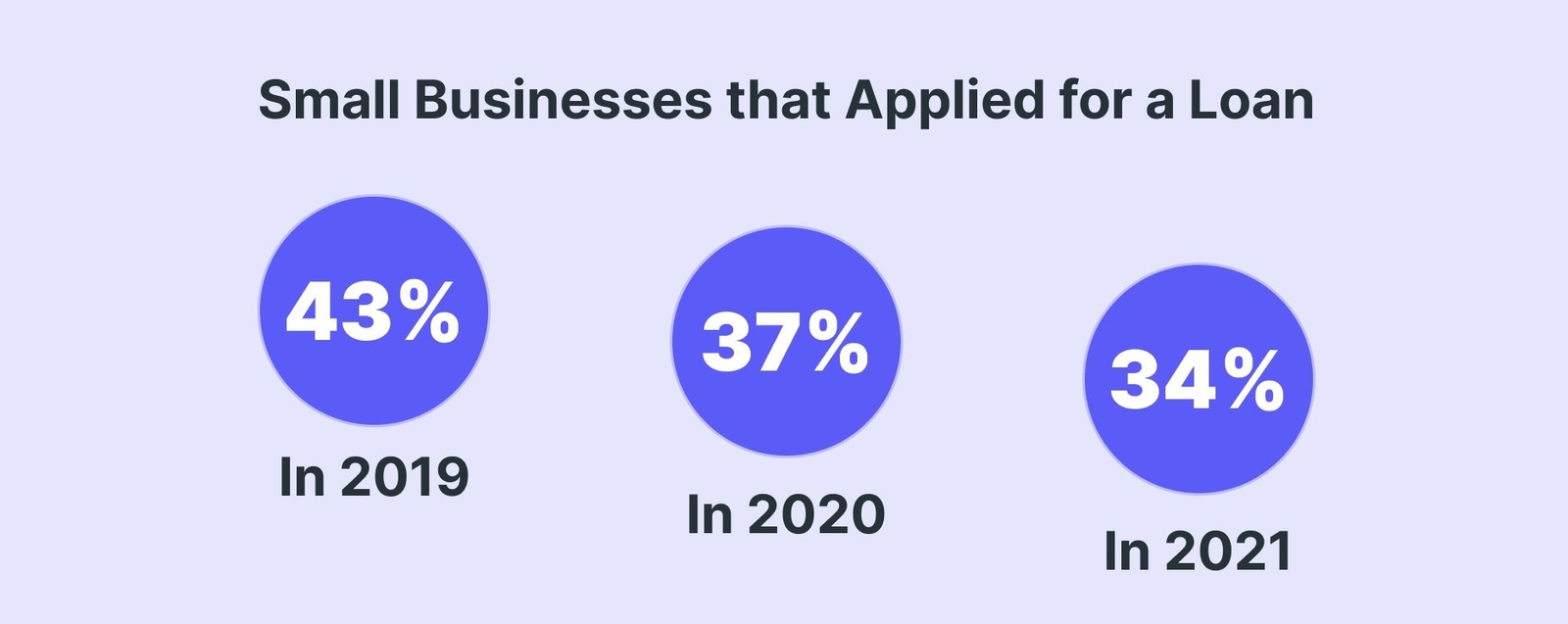
First, you can go to a bank or an alternative lender and ask them to give you the money for several months and promise to pay it back. This is what a loan is. Here's how it typically works: you ask for a particular sum, and an individual lender or a financial institution considers your application. In the case of approval, you will be given the agreed-upon check. Then, you have some time to repay the loan and interest in a number of installments. Their size affects the total repayment amount, so it's crucial to understand the terms. The period to return the sum can last from several weeks to a few years, depending on how much money you ask for.
To ensure everything goes smoothly, the parties must sign a special form of loan agreement. It specifies the amount of the loan and the interest and payment schedule. Hiring a lawyer is not necessary in that situation. To create a legally binding contract, just utilize an online binding loan contract and fill in all the required details.
A grant is funding provided by a government agency, foundation, or other organization for a defined purpose. Unlike a loan, grant funding generally does not have to be repaid if the recipient complies with the award terms. However, grants have specific eligibility requirements and restrictions on how the money can be used. Federal grants are generally not available simply to start a small business, although targeted programs such as SBIR and STTR fund eligible small businesses engaged in scientific research and development.
When Can You Take a Loan?
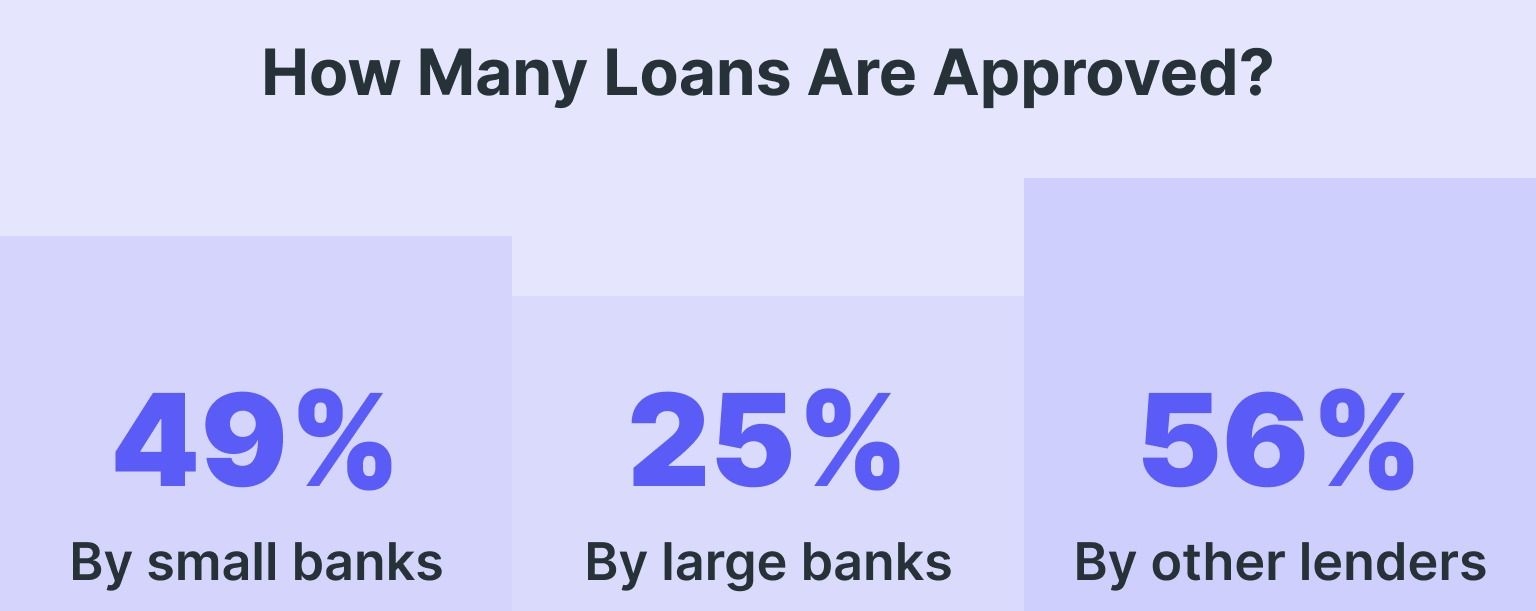
There are no limitations on what you can do to the funds. But, if a lender believes the money will be used for something irrelevant or risky, they have the right to refuse your application. Besides, there are other important factors they usually consider:
Stability of your income. If you're employed, have a salary that covers most of your expenses, and own some assets, it signals the lender you can repay the loan without any problems. Meanwhile, those with no savings or jobs are likely to get their applications rejected. It is important to have a stable income to ensure you can meet the repayment obligations.
Good credit score. It demonstrates you're a reliable person and always pay your debts off. You can request a large amount, lower interest rates, and more advantageous loan terms by providing a simple bank statement.
You can be given from several weeks to a few years to repay the whole sum. The number of installments will directly affect your repayment schedule, determining how frequently you need to make payments and the total interest paid over time.
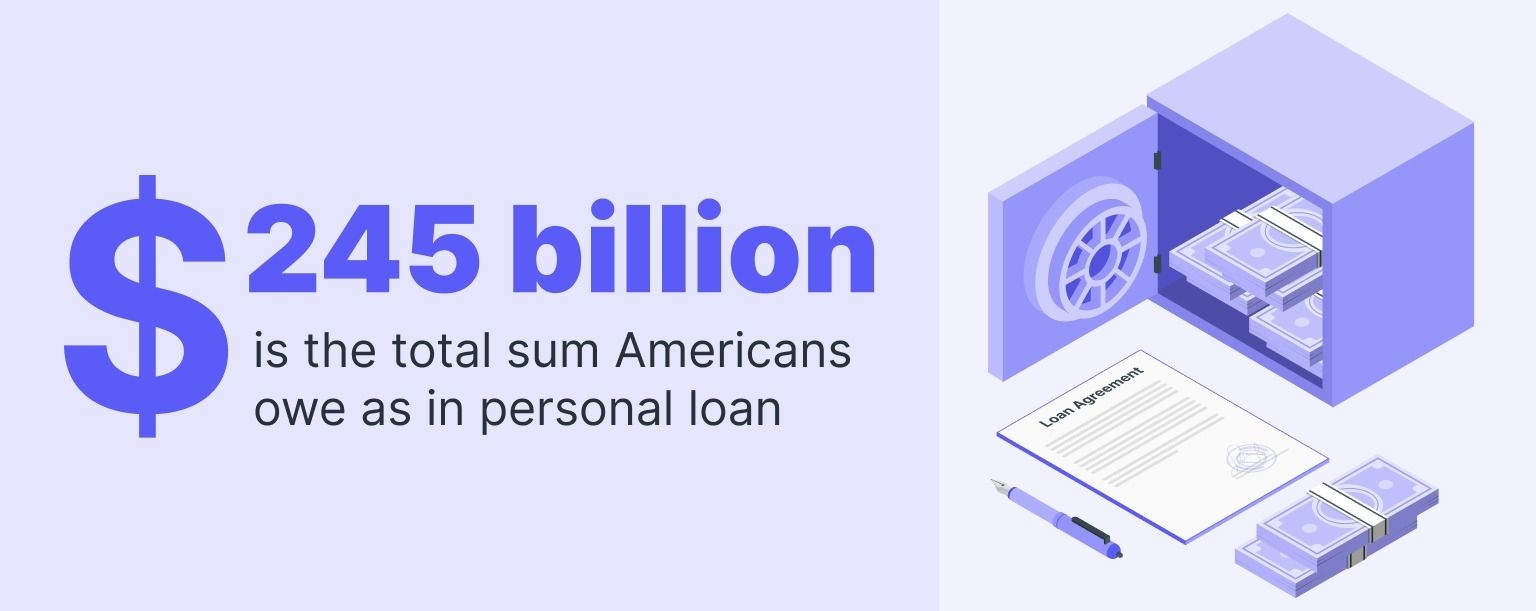
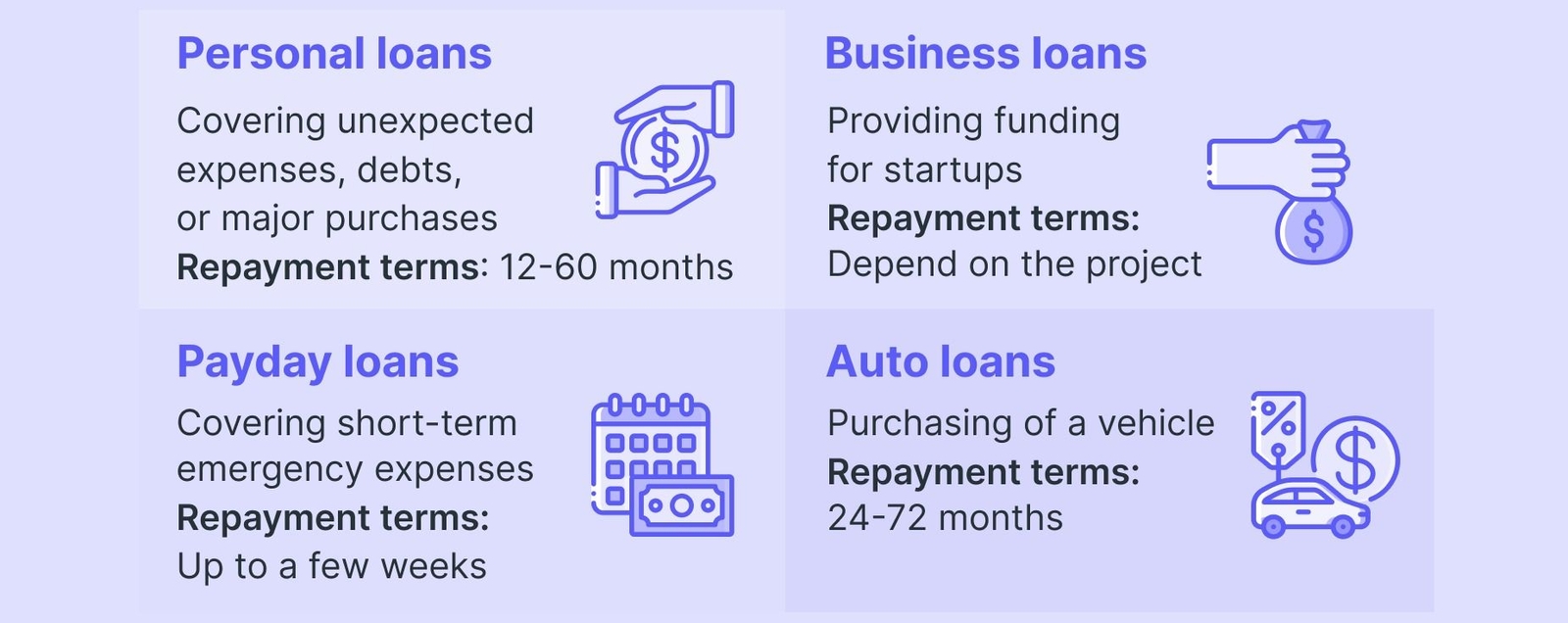
Here are the most common things they need money for:
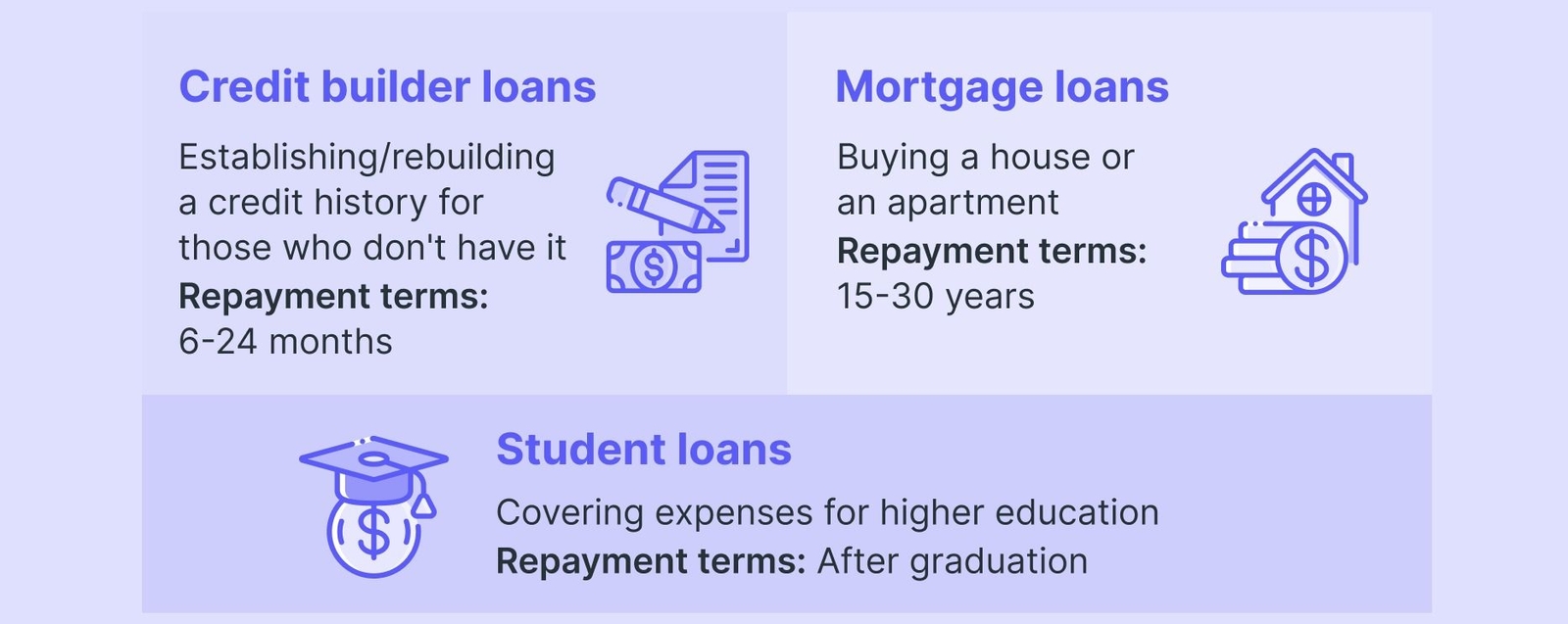
Home purchases or renovations;
Car purchases or repairs;
Medical emergencies like surgeries or other healthcare-related expenses;
Education;
Debt consolidation;
Business startup or expansion;
Life quality improvement;
Personal events, such as a wedding or a funeral;
Debt repayment.
Keep in mind that taking out a loan needs to be a responsible and thoughtful decision. Assess your financial status and plan your actions in case of an emergency. In addition, to ensure you can repay the loan, consider all potential risks and have a backup plan. Owing money to someone always feels like a burden, and you should be sure you're ready to bear it.
When Can You Apply for a Grant?
Individuals and businesses receive financial support from many organizations. Nonetheless, the majority of them only provide funding for specific initiatives and goals that have the best chance of boosting the economy or social well-being. For federal funding opportunities, use Grants.gov, the official U.S. government portal for federal grants. Eligibility depends on the specific grant program, its purpose, and its requirements, so always check the official funding opportunity before applying. Here are some other cases when you are eligible for grants:
Your business conducts eligible research and development.
Federal grants are not generally available simply to start or expand a business. However, eligible small businesses engaged in scientific research and development may qualify for funding through the Small Business Innovation Research (SBIR) and Small Business Technology Transfer (STTR) programs. These programs support research and development that meets federal objectives and has potential for commercialization.
You pursue higher education.
No matter what step of the academic ladder you take, educational grants are an excellent way to fund your future. For many people whose income level does not allow them to cover tuition fees and living expenses, it is the only opportunity to get the degree they dream of.
You support a non-profit initiative.
A grant can assist you in putting your ideas into practice if you have suggestions for how to make your community better.Professional foundations will be pleased to assist you in starting a project that benefits the environment or makes the urban space more comfortable.
You need personal financial assistance.
Do not assume that federal grants are available to cover personal expenses such as rent or medical bills. USAGov states that the federal government does not offer grants to individuals for personal needs, and offers of “free government money” are often scams. Grants.gov also states that its funding opportunities are not available for personal financial assistance. If you need help with living expenses, health care, or housing, use official government benefit programs instead.
What About Taxes?
There are numerous tax intricacies when it comes to grants and loans.
The tax treatment of grants depends on the type of funding and the recipient. A government grant received by a business is generally included in the business’s gross income and is taxable unless a specific exclusion applies. The IRS advises businesses to check the rules that apply to the particular program.
Education funding has different rules. A scholarship or fellowship grant may be tax-free when it is used for qualified education expenses, including tuition, required fees, books, supplies, and equipment. Amounts used for nonqualified expenses such as room and board are generally taxable. See IRS Publication 970 for the applicable rules.
Loan proceeds are generally not taxable when received because the borrower has an obligation to repay them. If a lender later cancels or forgives all or part of the debt, however, the canceled amount is generally taxable income unless an exception or exclusion applies. Forgiven principal can therefore create taxable income; the treatment of forgiven interest depends on whether that interest would have been deductible. See IRS Topic No. 431.
How Are Loans and Grants Different?
When it comes to picking a source of money for any purpose, the most important thing is to choose what meets your individual and professional needs best. So, to let's sum up the loans vs. grants issue:
- Loans: Must be repaid, usually with interest.
- Grants: No repayment required.
- Loans: Interest is charged on the loan amount.
- Grants: No interest is charged.
- Loans: Is usually required to qualify for a loan.
- Grants: Isn’t required.
- Loans: Based on creditworthiness, income, and other factors.
- Grants: Based on the specific requirements of the grant program.
- Loans: Can be used for various purposes, including personal expenses, business, and education.
- Grants: Usually restricted to a specific purpose, such as education, research, or community development.
- Loans: Available from various lenders, including banks, credit unions, and online lenders.
- Grants: Available from government agencies, foundations, and private organizations.
Conclusion
So, is a grant a loan? The answer is "No." Both these types of financial support aim at helping people cover their expenses, but the application mechanisms, use of funds, and repayment terms differ. While loans are limited only by your needs and credit history and can be spent on anything, the sizes of grants are usually defined by the organizations that give them and are provided to those who have something to offer to society. Nevertheless, both of them can become lifesavers in critical situations or help you to fulfill your dreams. Taking money is not that scary if you can easily reply to the "What is a grant loan?" question, is it?
More guides
September 1
7 min read
How to Provide Proof of Employment: Documents and Steps

July 26
12 min read
How to Read a Profit and Loss Statement

July 20
9 min read
Financial Documents Checklist for Small Businesses: 2026 Guide

July 25
12 min read
How to Register a Company in the US: What No One Tells You in 2026

September 15
10 min read
Who Can Sign a Contract on Behalf of a Company?

September 15
What Is Contract Redlining?

One home for your
agreements
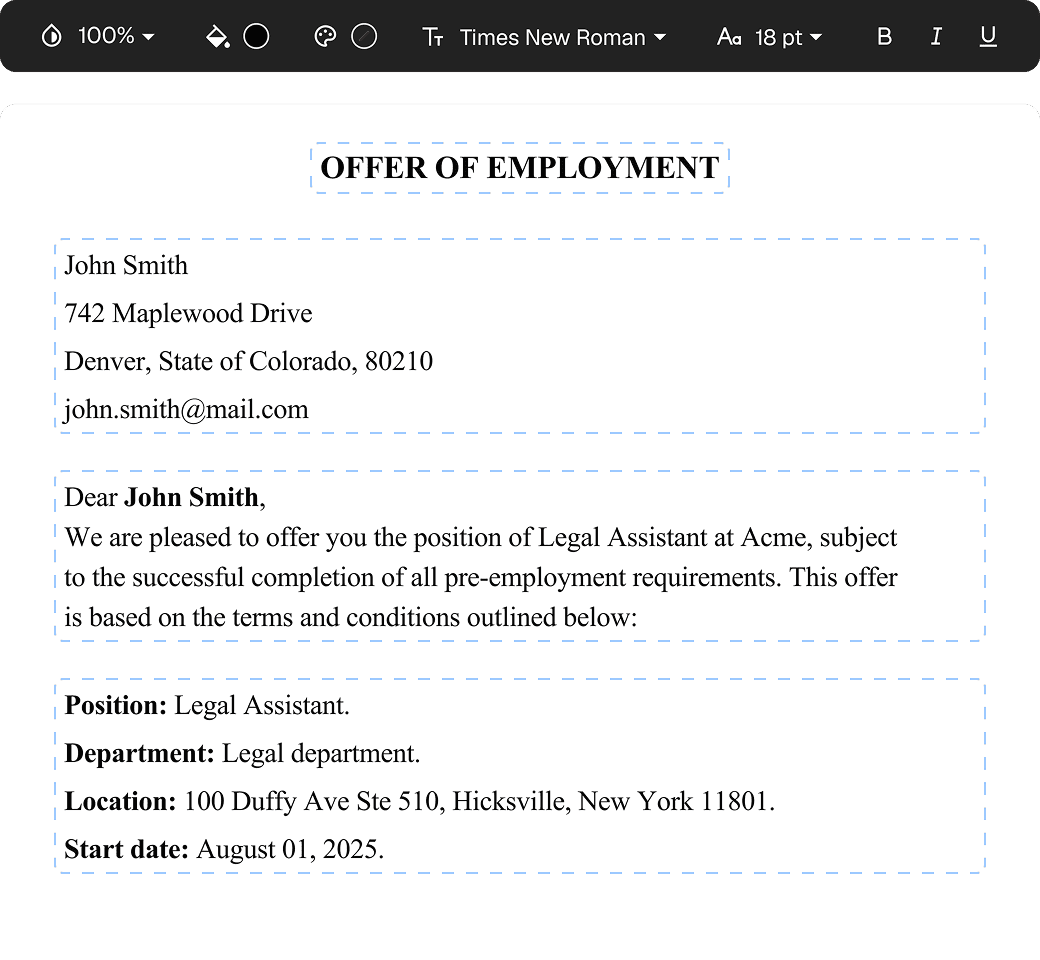
Edit PDFs seamlessly
Tweak agreements before signing or sending for signatures. Update details, add or remove clauses, adjust formatting, and redline changes instantly.
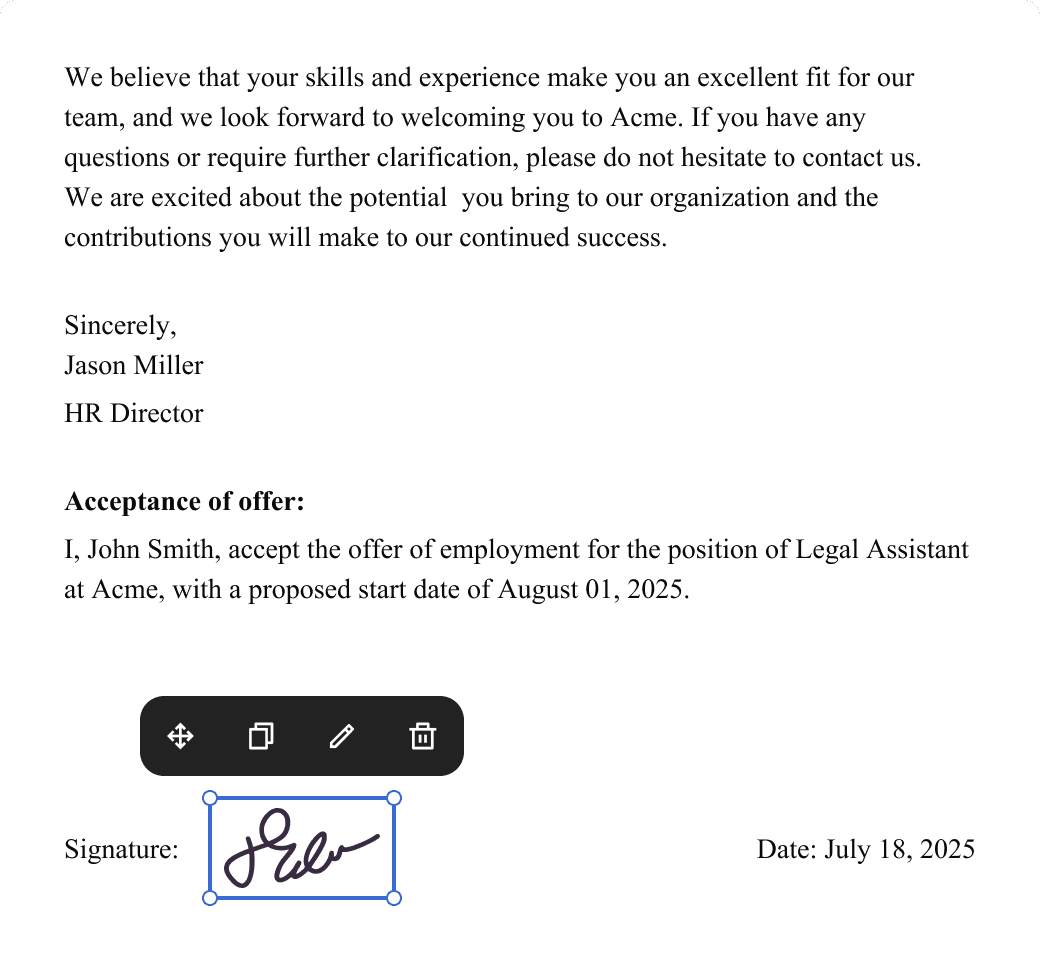
eSign legally and securely
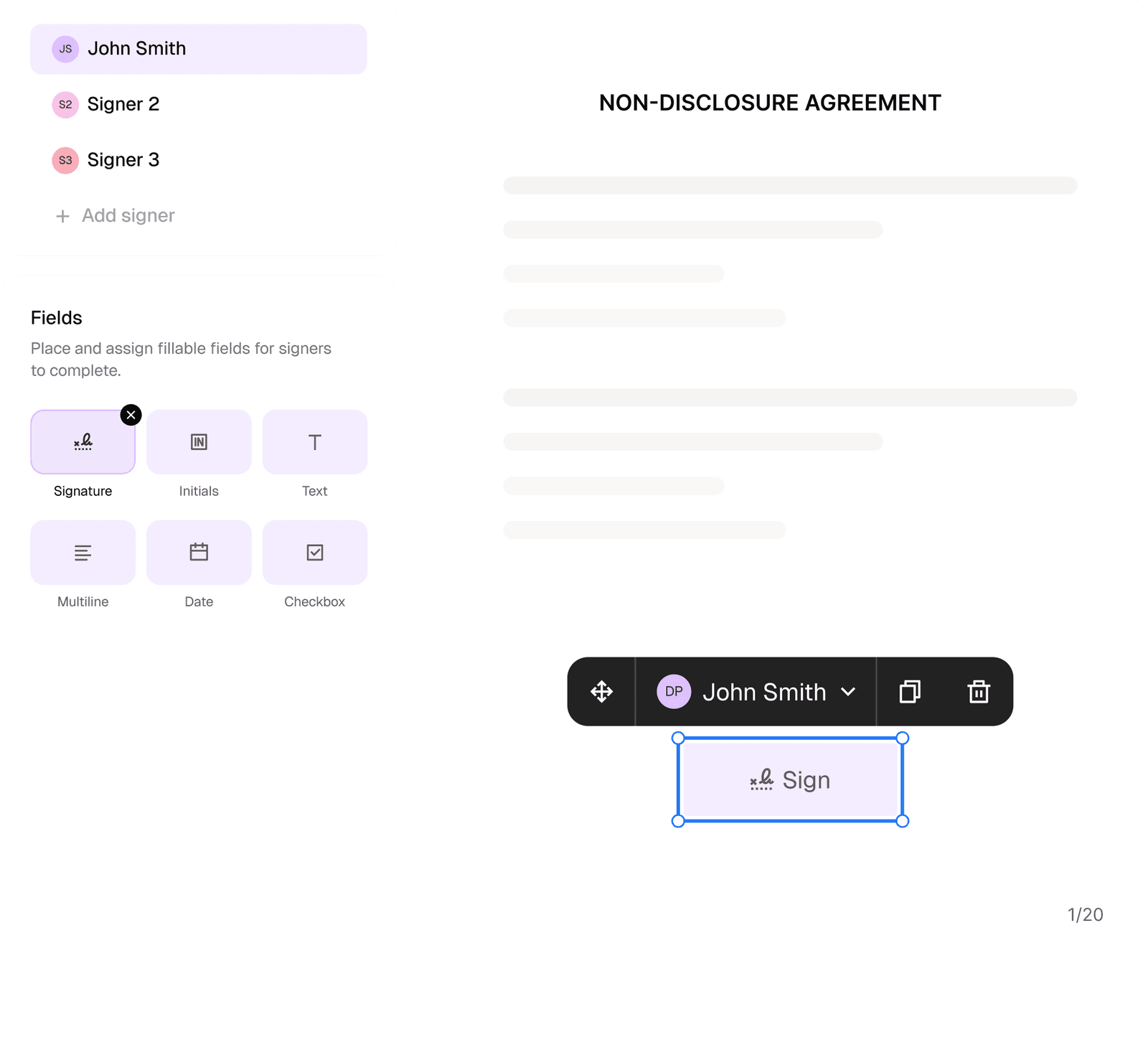
Sign documents and collect legally binding signatures. Invite up to ten people to sign in any order, track the progress, and send reminders.
Request legally binding signatures
Invite up to ten people to sign your document in any order. Get a finalized, audit-ready copy without chasing signatures.
Skip the drafting.
Choose from 2,500+ templates
Browse templatesChoose a template
Fill in details
Sign and download